Will a Cotton Kurti Shrink After Washing? Yes, a cotton kurti can shrink, especially after its first wash, but the amount depends on the fibre, weave, finishing process and washing temperature. A carefully washed cotton garment may change only slightly, while untreated or loosely woven cotton can lose more length or width. Checking fabric clues before washing helps protect the fit of the kurta, salwar and dupatta together.
Shrinkage isn't automatically a sign of poor quality. Cotton fibres absorb water and relax after manufacturing tension is released. The practical questions are whether the garment has been pre-shrunk, how much movement the weave allows, and whether the care method is gentle enough for the fabric. A cotton salwar suit that fits closely at the bust, armhole or hips deserves more caution than a relaxed straight kurti.
Start With the Fibre and Finish
Yes, a cotton kurti may shrink after washing, with the greatest risk usually occurring during the first wash. A commonly seen change is around 2% to 5% in a pre-shrunk cotton garment, while untreated cotton can shrink more noticeably, sometimes around 5% to 10% depending on fabric construction and heat exposure.
Shrinkage can occur in two directions. Lengthwise shrinkage makes a kurti or salwar shorter, while widthwise shrinkage affects the chest, waist, sleeve and hip measurements. A garment can also experience skewing, where the side seams twist slightly because the yarns or weave shift during washing. Dupattas may show uneven changes if their borders, zari details or woven panels respond differently from the main cotton body.
Natural cotton fibre is only the starting point. A tightly woven cotton poplin behaves differently from soft, loosely woven cotton or textured cotton jacquard. A cotton-blend fabric may shrink less than pure cotton, but the blend percentage and finishing still matter. The phrase "pure cotton" describes fibre content; it doesn't guarantee zero shrinkage or a fixed amount of shrinkage.
Read These Fabric Clues
The strongest clues are the care label, pre-shrunk statement, weave density, fabric weight, surface finish and relationship between the outer fabric and lining. No single clue predicts shrinkage perfectly, so use several signs together before choosing a wash method.
Read the fibre and care label
A label that says "100% cotton" confirms the fibre but doesn't confirm that the garment has been pre-shrunk. Terms such as "pre-shrunk," "sanforised" or "compacted cotton" indicate that the manufacturer has reduced expected dimensional change through finishing. "Hand wash," "cold wash" or "don't soak" signals that heat, agitation or prolonged water exposure may affect the garment.
Care instructions should take priority over general cotton-washing habits. A cotton kurti with mirror work, zari, contrast dye or a delicate woven dupatta may require gentler treatment than a plain cotton kurta, even when both garments contain 100% cotton.
Examine weave and surface
A loose weave usually carries a higher risk of visible movement than a firm, compact weave. Hold the fabric near a light source and look for large spaces between yarns, a very airy structure or a surface that relaxes substantially when pulled gently. Soft slub cotton, muslin and some lightweight handloom fabrics can change more than dense cotton twill or compact cotton jacquard.
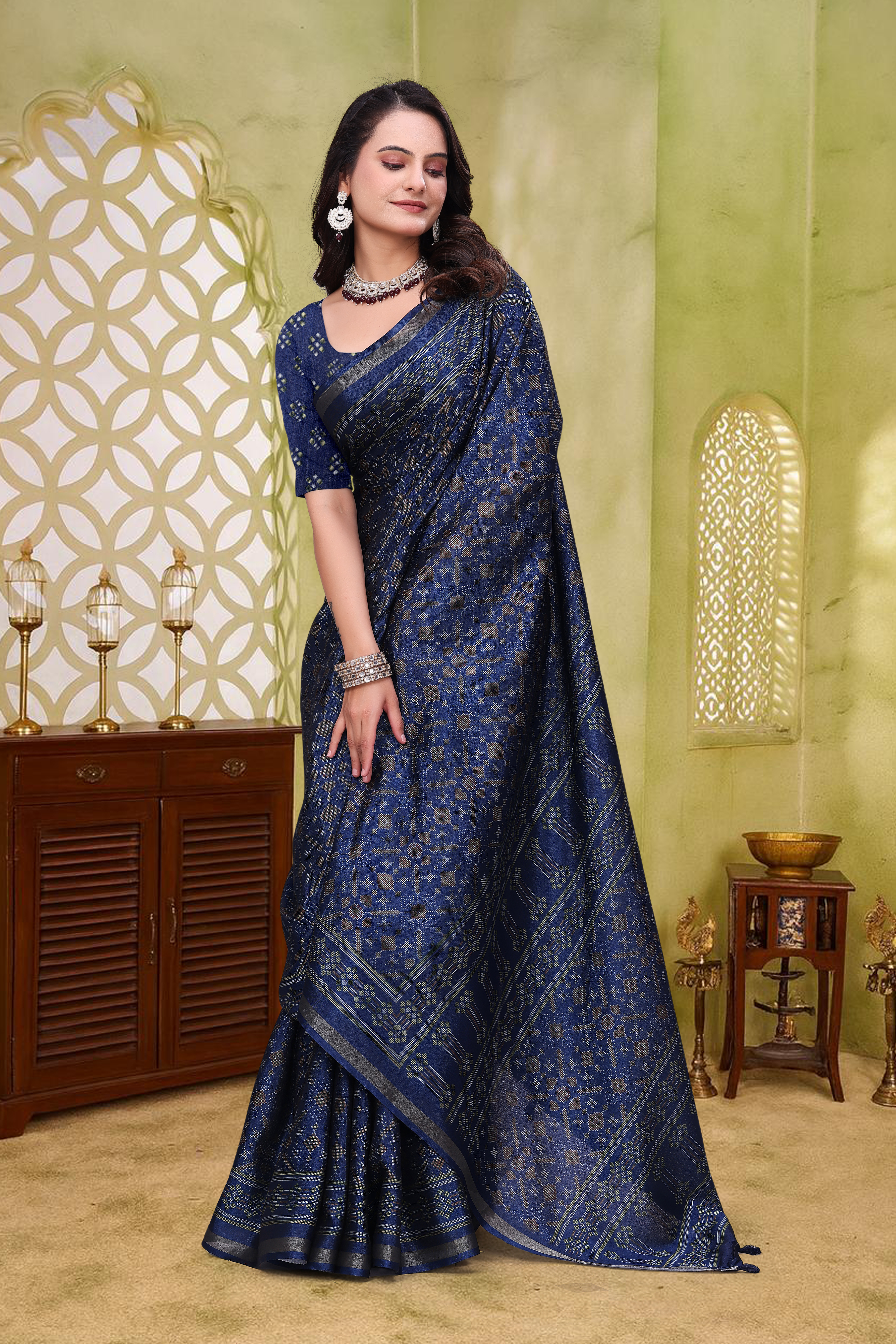
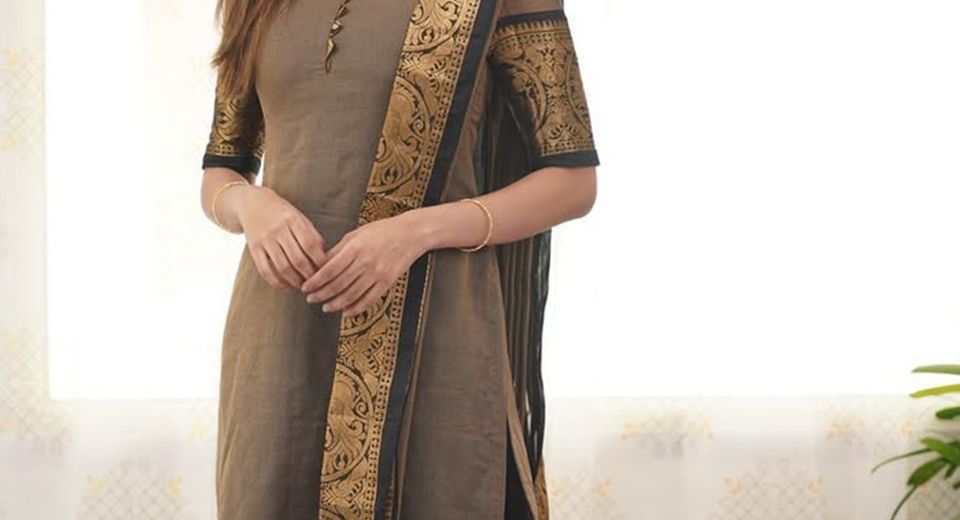
Kanchi cotton garments, such as the Navy Kanchi Cotton Kurti Set with Woven Dupatta, may include a structured woven surface or border that behaves differently from plain lightweight cotton. A woven pattern doesn't prove that the garment will shrink, but different fabric sections may relax at different rates, making careful washing and flat drying important.
Check the finish, lining and embellishment
A crisp, almost starched feel can come from a temporary finish rather than permanent fabric structure. The fabric may feel softer after the first wash even when the garment has not significantly shrunk. A lining, interfacing, zari border or stitched embellishment can restrict one area and create puckering if the outer cotton changes more quickly.
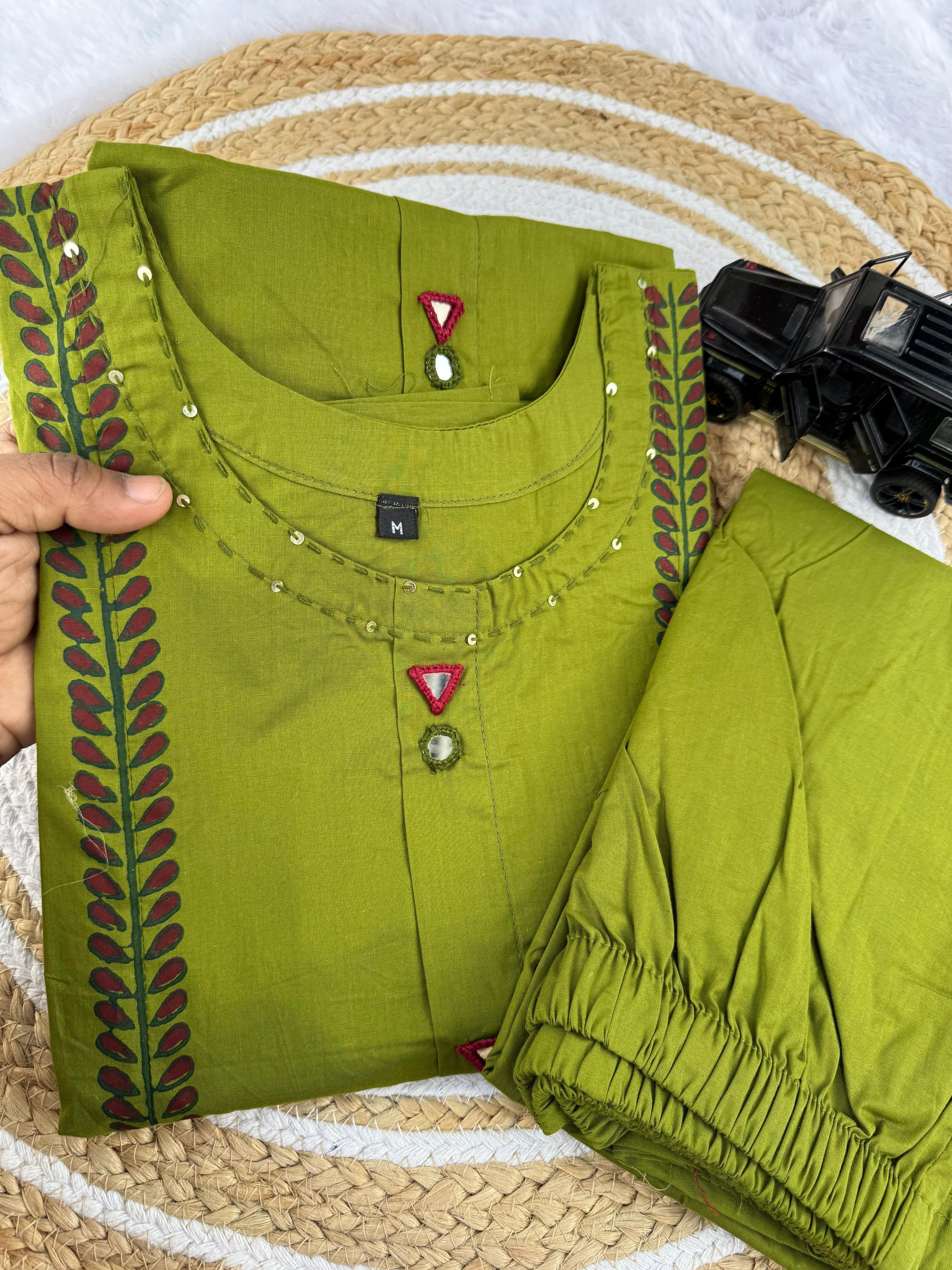
The Red Cotton A-Line Kurti Set with Mirror Work Design illustrates why construction matters. Mirror work adds weight and attachment points to the cotton surface, so vigorous machine agitation can stress the embroidery even if the cotton itself survives the wash. A gentle wash protects both fabric dimensions and decorative work.
Test the Fit Beforehand
You can estimate wash risk by measuring the garment, checking a hidden area and testing a spare fabric swatch when one is available. A test can't predict every result, but it gives you a useful baseline for fit and colour.
- Measure key points. Record the kurti length from shoulder to hem, half-chest width, sleeve length and hip width. Measure the salwar length and dupatta length separately. Photograph the tape position so the measurements can be repeated accurately.
- Inspect a hidden seam. Look inside the side seam or hem for loose yarns, uneven stitching and excess dye. Loose construction doesn't automatically mean poor workmanship, but it calls for a low-agitation wash.
- Perform a colourfastness test. Press a damp white cotton cloth against an inner seam or hidden hem for 10 to 15 seconds. If strong colour transfers, wash the garment separately in cold water and avoid soaking.
- Use a swatch if supplied. Measure the swatch, hand wash it in the planned water temperature, dry it flat and measure again. The percentage change gives a useful indication of how the main fabric may respond.
- Allow for movement at purchase. If a fitted cotton kurti has almost no ease at the bust or upper arm, even a small dimensional change may make it uncomfortable. A relaxed fit provides more practical tolerance.
When no swatch is available, the first-wash measurement record becomes valuable. Record the garment again after it's fully dry, not while damp, because wet cotton can temporarily appear longer or heavier than its finished dry dimensions.
Use a Low-Heat Routine
Cold or cool water, gentle handling and low-heat drying minimise cotton shrinkage more reliably than hot washing or tumble drying. The safest routine is to turn the garment inside out, close fastenings, use a mild detergent and avoid prolonged soaking.
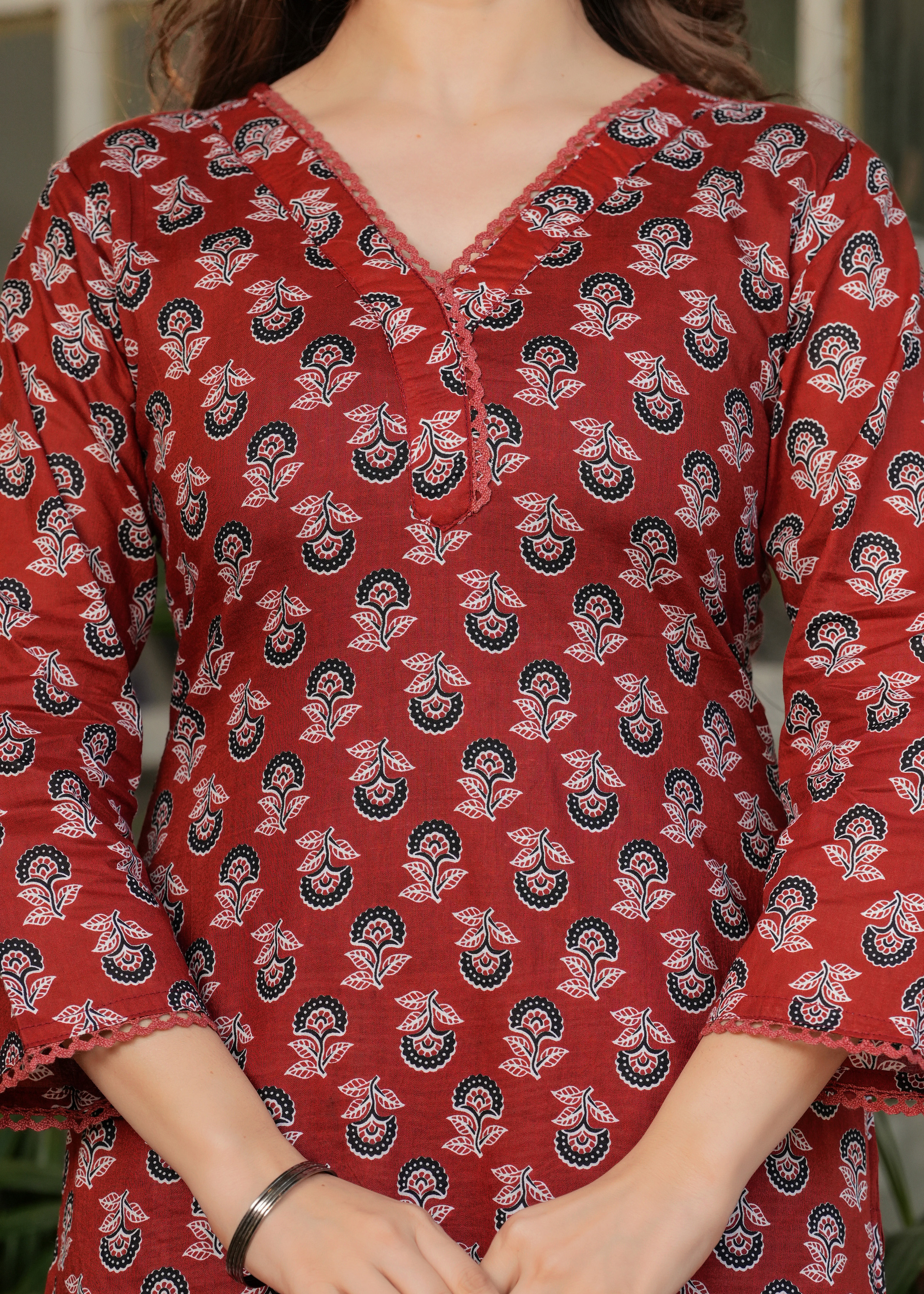
- Separate colours: Wash a mustard, red, navy or black cotton garment separately or with similar dark colours during the first few washes. The Mustard Kanchi Cotton Kurti Set with Zari Dupatta and Black Kanchi Cotton Jacquard Kurti with Woven Dupatta Set deserve particular care because dark and rich dyes may release excess colour initially.
- Choose cool water: Use cold or cool water, ideally below 30°C, unless the care label specifies otherwise. Hot water increases fibre relaxation and can accelerate dye bleeding.
- Reduce agitation: Hand wash with gentle pressing or select a delicate machine cycle. Do not scrub printed areas, zari borders or mirror work.
- Keep soaking short: A five- to ten-minute soak is usually enough for light soil. Extended soaking leaves cotton fibres and dyes under water longer and may increase distortion or colour transfer.
- Rinse without twisting: Press water out gently instead of wringing the kurti or dupatta. Twisting can stretch bias edges, borders and stitched embellishments.
- Dry in the shade: Shape the garment on a flat surface or a broad hanger and dry it away from direct, harsh sunlight. Strong sunlight can fade dyes even when it doesn't cause shrinkage.
- Avoid high heat: Do not use a hot dryer unless the care label expressly permits it. If ironing is needed, use a medium or cotton setting on the reverse side while the garment is slightly damp, keeping zari and mirror work protected.
The Grey Zari Border Kanchi Cotton Kurti Dupatta Set demonstrates why the entire set should be treated as a unit. Washing the kurti gently but exposing the dupatta to high heat can leave the two pieces with different dimensions, making the border alignment look uneven when worn together.
Compare Weaves and Set Pieces
Cotton weaves respond differently because yarn density, texture and finishing determine how much the fabric can relax. Understanding the weave is more useful than relying only on the word "cotton" in a product description.
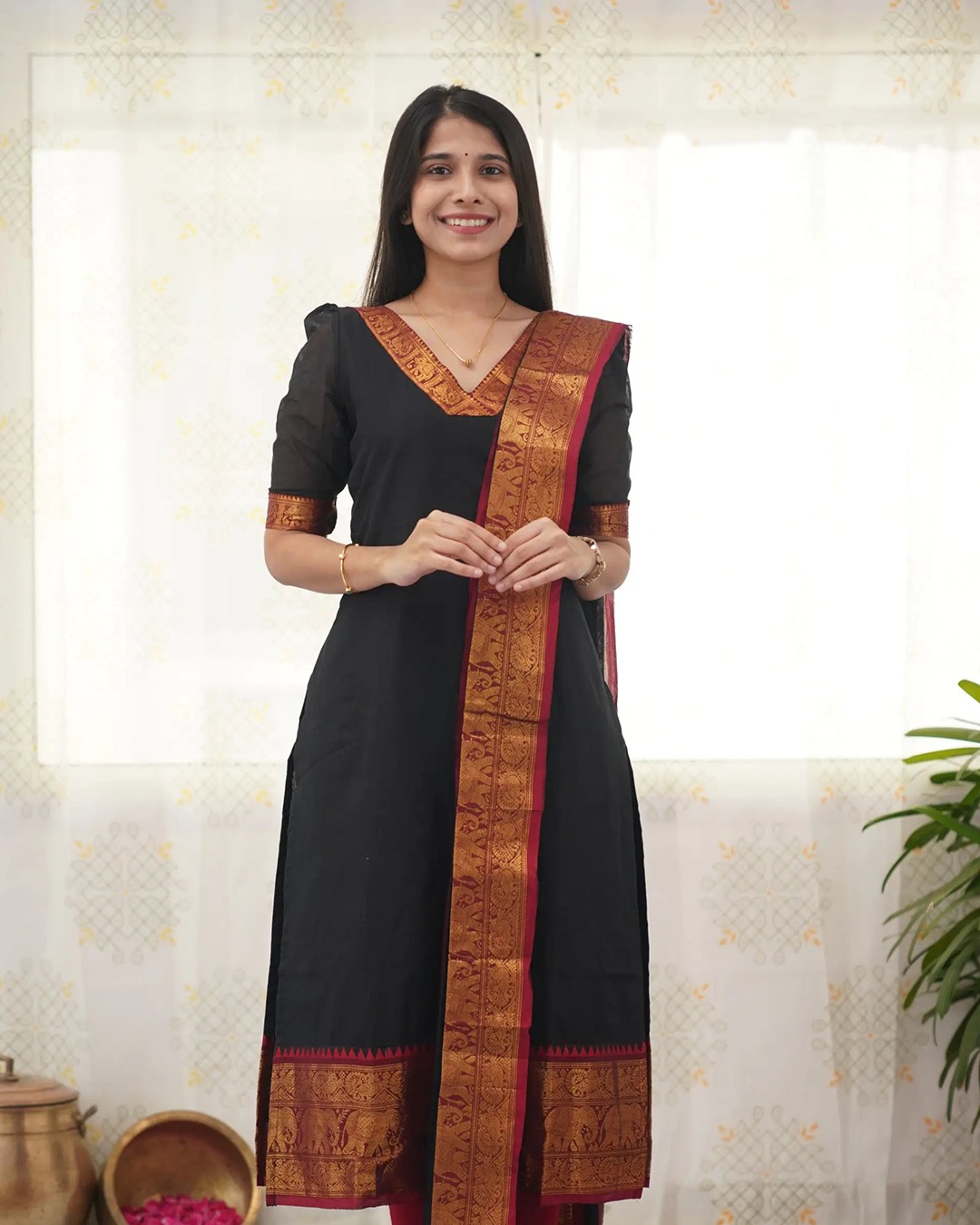
Lightweight plain-weave cotton is breathable and comfortable for warm weather, but an open structure can show more movement after washing. Cotton jacquard has a patterned construction that may feel more substantial, although the backing and raised areas still require low agitation. Woven dupattas can contain borders that shrink at a different rate from the central panel, especially when zari or contrasting yarns are included.
The Kanchi Cotton Jacquard Kurti Dupatta Set and Black Kanchi Cotton Jacquard Kurti with Woven Dupatta Set are useful examples of why fabric description and garment construction should be read together. A structured jacquard may retain its shape well, but an accompanying woven dupatta still needs gentle rinsing, careful reshaping and low-heat drying.
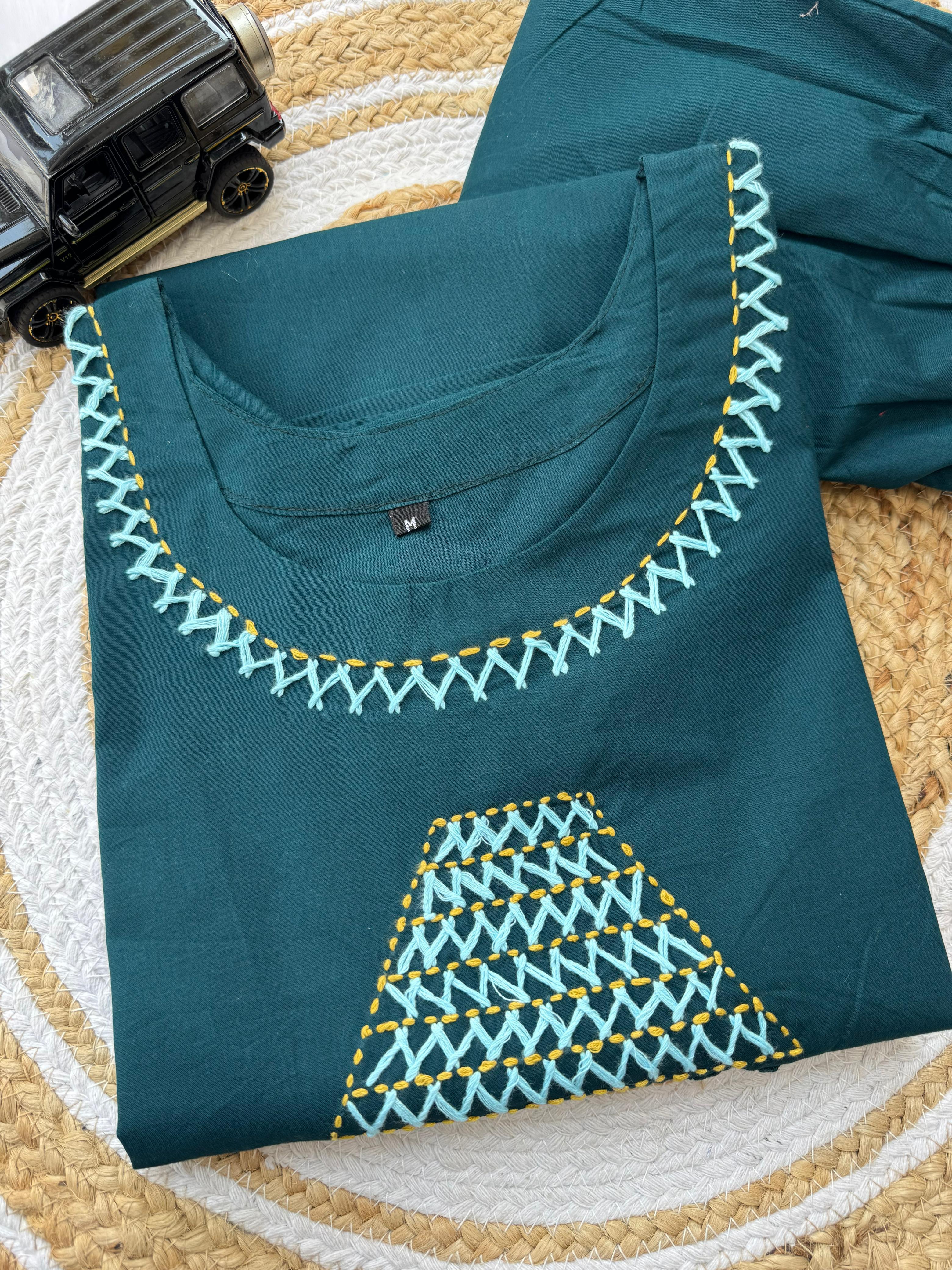
A cotton A-line silhouette can be more forgiving around the hip than a narrow straight cut, but extra flare doesn't prevent length shrinkage. The Blue Ethnic Cotton Kurti Set with Zari Work also shows why embellishment changes the care decision: zari should not be scrubbed, soaked for long periods or exposed to harsh heat.
Shoppers comparing a Pure Salwar Suit Dupatta, Pure suits Dupatta or Pure Suit sets should check whether "pure" refers to cotton fibre, another natural fibre or a product-category description. Fibre content, weave and care instructions provide more reliable information than the word "pure" alone.
Choose With Use and Budget in Mind
You should choose a cotton kurti by matching its weave, care demands and fit allowance to how often you plan to wear and wash it. A daily office kurti needs easy maintenance, while a decorative set can justify hand washing and more careful storage.
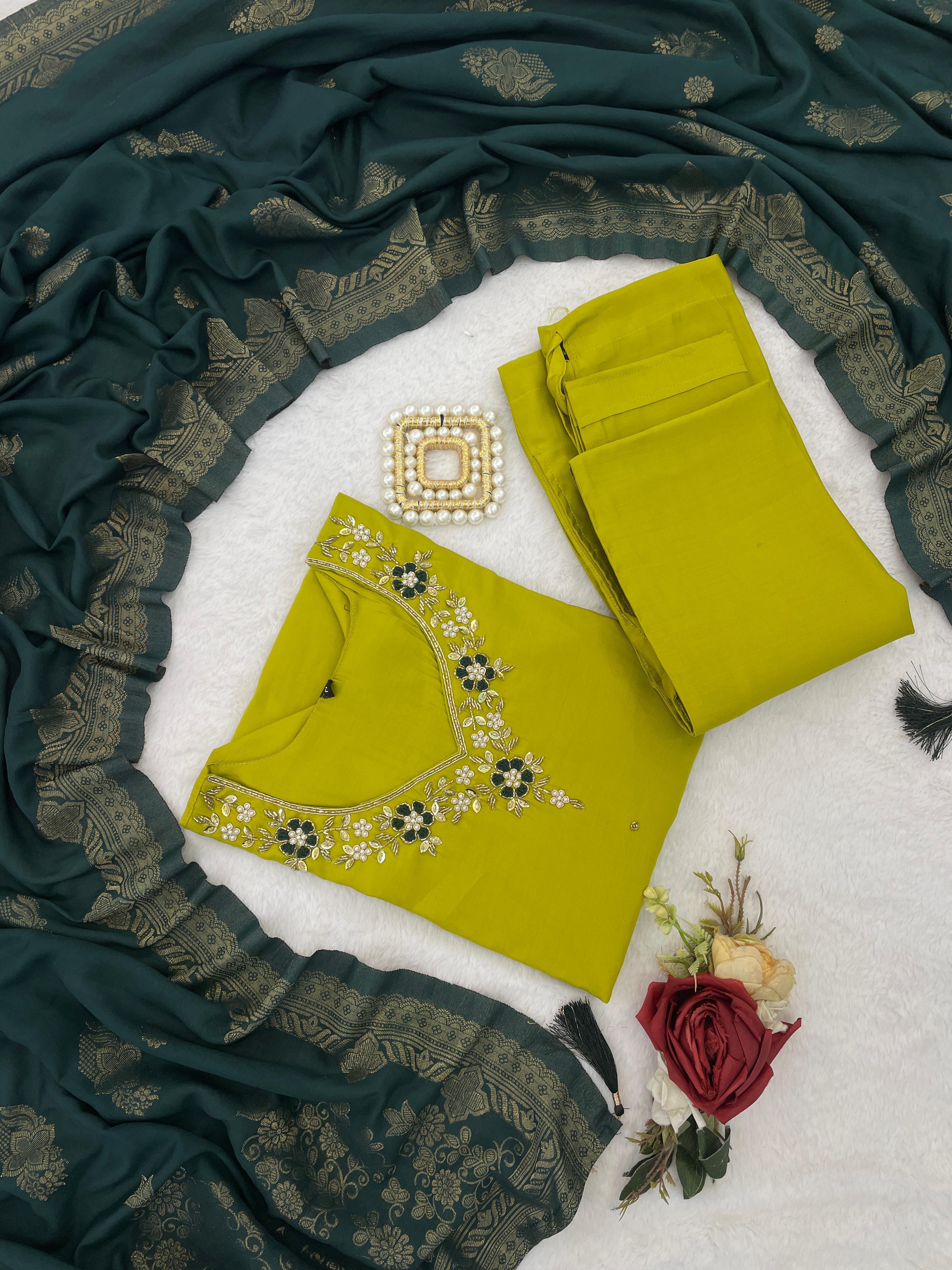
For breathable everyday dressing, cotton salwar suits from Kolkata Cotton Salwar Suits and Bengali Cotton Salwar Suits may appeal to shoppers who value woven textures and regional textile character, but each garment still needs its own care-label check. A cotton set from Cotton Salwar Suits Under 2000 Rupees can be practical and durable without being treated as immune to shrinkage; price doesn't determine dimensional stability.
A Jaipuri Salwar Suit or Jaipuri suits Dupatta may include printed cotton components that need colourfastness testing before the first wash. Kalamkari Print Salwar Suits also deserve a separate-colour wash when the print is deep or strongly contrasting. Maharashtra Paithani Inspired Salwar Suits may include decorative borders or woven effects that should be protected from twisting and high heat.
Formal attire doesn't have to mean synthetic fabric. A well-finished cotton salwar kameez in a restrained colour, crisp weave and clean silhouette can work for many offices, provided the workplace dress code permits ethnic wear. Embroidery, zari and a coordinated dupatta can make cotton suitable for a polished daytime event, but decorative details increase care requirements.
When comparing women salwar suits, inspect finished measurements rather than relying only on a size label. A two-centimetre change in kurti length may be unimportant in a relaxed tunic but noticeable in a knee-length style. A one-centimetre reduction in half-chest width changes the full chest circumference by approximately two centimetres, which can matter in a fitted garment.
Fix and Prevent Fit Problems
A mildly shrunken cotton kurti may be reshaped while damp, but severe shrinkage can't always be reversed. Prevention is more reliable than attempting to stretch cotton after a hot wash.
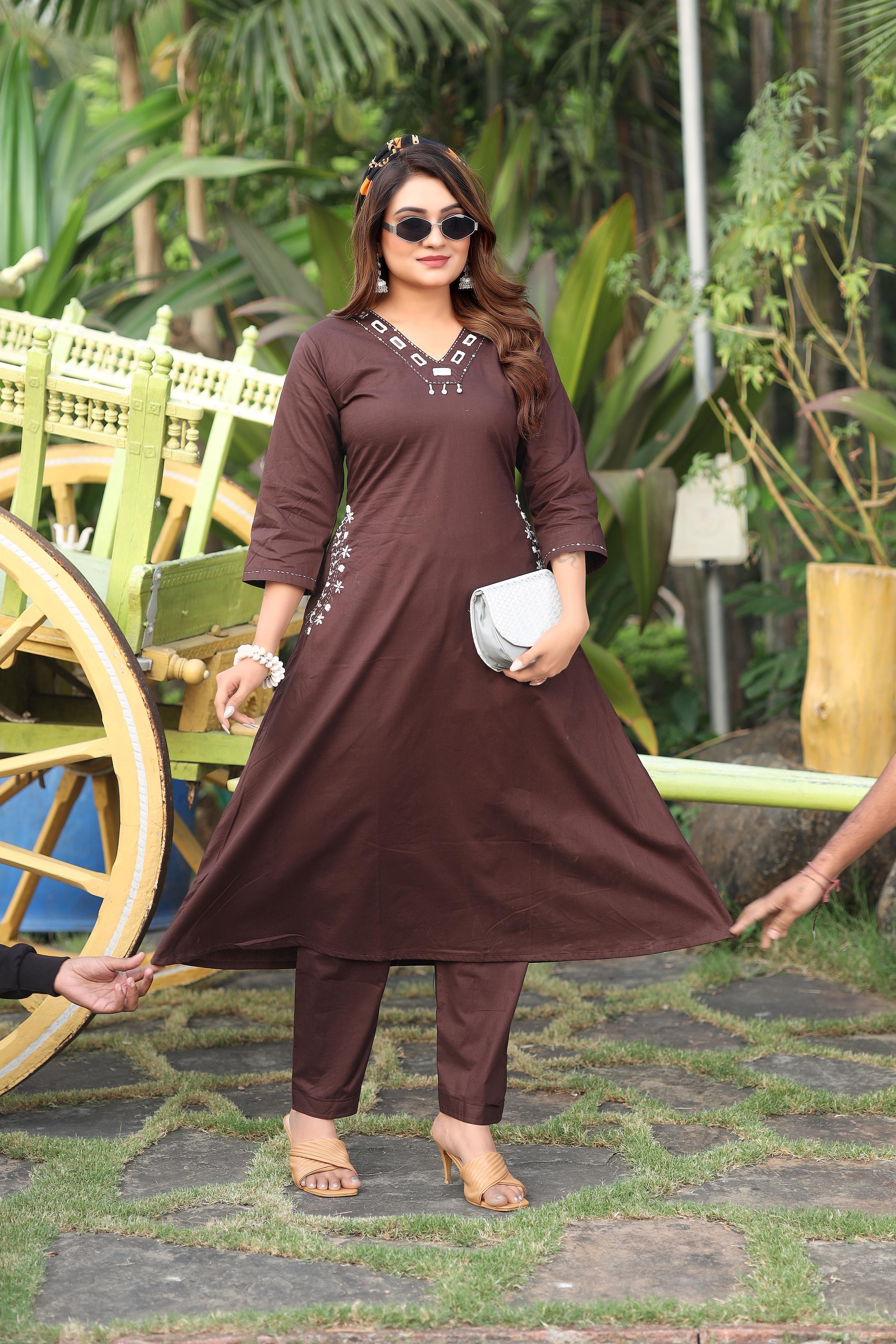
After rinsing, place the garment flat on a clean towel and gently pull the side seams, hem and sleeves back toward the original measurements. Do not pull hard on zari, mirror work, embroidery or a wet border. Allow the garment to dry in the corrected shape and compare the result with the original measurements.
If a cotton kurti has shrunk substantially, a professional alteration service may release seam allowance or adjust the hem, but alteration is limited by the original construction. A shortened hem can sometimes be restored only by changing the design. A narrowed armhole or chest may be difficult to enlarge without visible changes.
Store clean cotton garments completely dry in a breathable cupboard. Avoid leaving damp cotton in a washing machine or closed basket, because moisture can create odour and mildew even when it doesn't cause additional shrinkage. Fold heavily embellished dupattas instead of hanging them from a narrow hook that may distort the border.
Practical rule: measure a new cotton kurti, wash it in cool water with low agitation, reshape it while damp and measure it again when fully dry. The before-and-after record tells you more about that garment than a general claim about cotton.
Questions Shoppers Ask
Yes, the first wash usually presents the highest shrinkage risk because manufacturing tension is released when cotton absorbs water. Cool water, gentle handling and low-heat drying reduce the likelihood of a noticeable change.
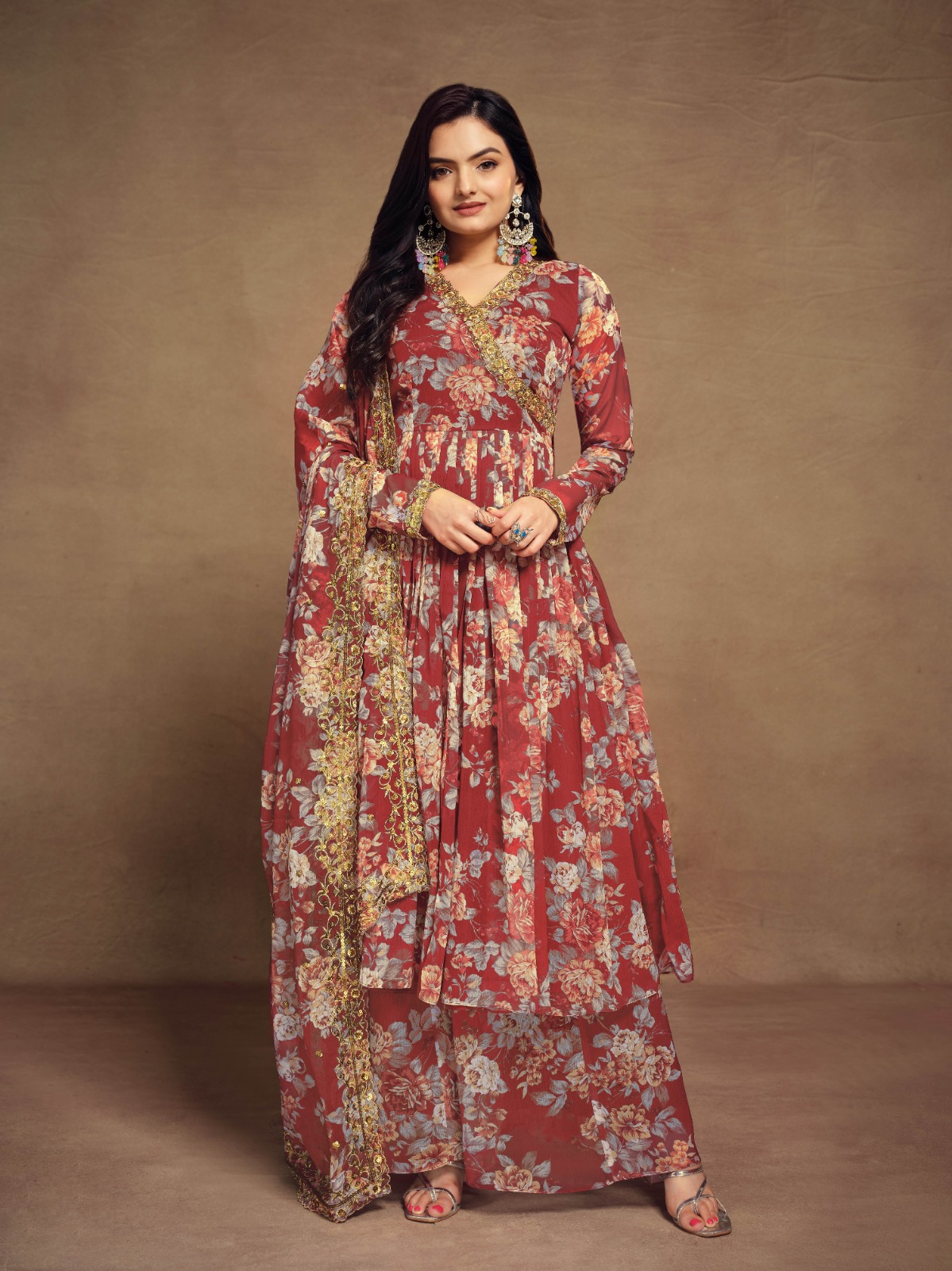
A cotton kurti labelled pre-shrunk may still change slightly because pre-shrinking reduces expected movement rather than eliminating it. The care label, weave density and drying method remain important.
Cotton Kurti Shrinkage Questions Before the First Wash
Which cotton is best for a salwar suit?
The best cotton depends on use, but a firm, reasonably dense and pre-shrunk cotton is usually easier to maintain than a very loose weave. Check the care label, finished measurements and colourfastness rather than judging fibre content alone.
Will a cotton kurti shrink after washing if it says 100% cotton?
Yes, 100% cotton can still shrink because the label describes fibre content, not dimensional stability. Pre-shrunk finishing and cool, gentle washing generally reduce the change.
How should I wash a cotton salwar suit for the first time?
Wash the set in cool water with mild detergent, low agitation and a short soak, preferably with similar colours. Press out water without wringing, reshape the kurti and dupatta, and dry them away from harsh direct sunlight.
Are cotton salwar suits formal attire?
Cotton salwar suits can be formal attire when the colour, silhouette and detailing suit the workplace or event. A structured kurti, neat fit and restrained zari or embroidery can look polished, while the dress code remains the deciding factor.
Which salwar suit is trending now in India?
Current choices vary, but cotton kurti sets with woven dupattas, A-line shapes, jacquard textures, zari accents and regional-inspired prints remain versatile. The most practical choice is one whose fabric care and fit match your regular use.
Can a shrunken cotton kurti be stretched back?
A mildly shrunken cotton kurti can sometimes be reshaped while damp and dried flat, but severe shrinkage may not be reversible. A tailor may release seam allowance or alter a hem if the original construction permits it.