

Red Sarees Products
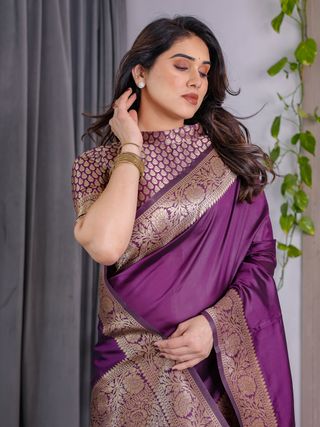

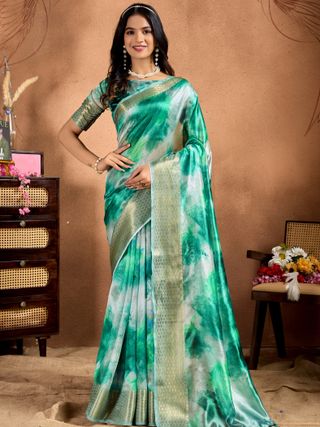
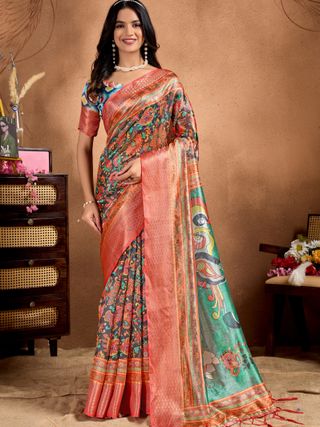
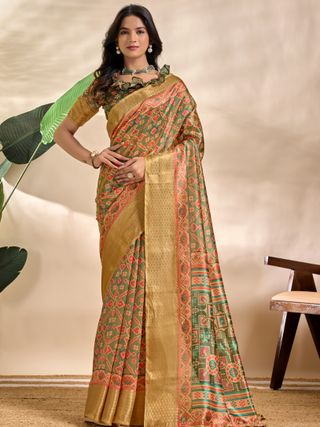
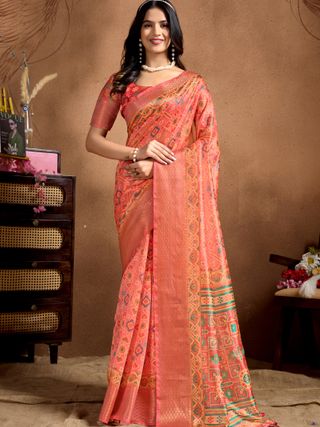
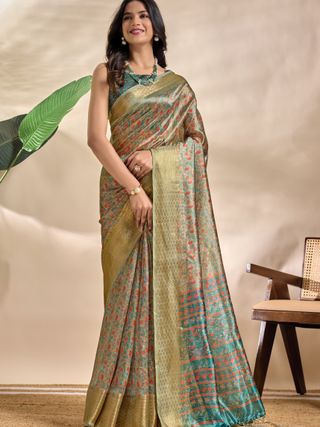
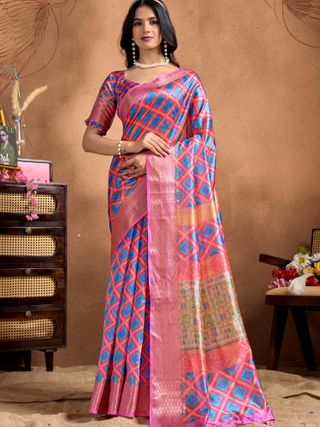
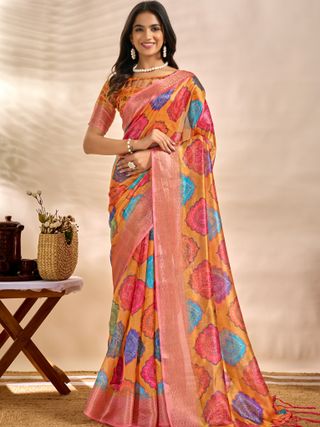
Why Red Remains the Most Emotionally Charged Drape in Any Wardrobe
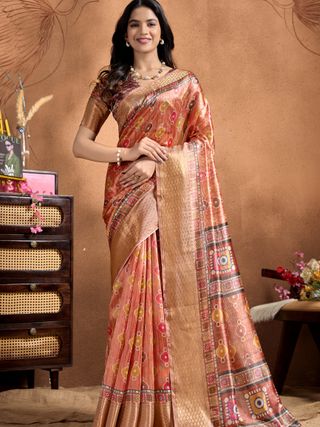
Colour psychology aside, red sarees for women have held cultural staying power for centuries—not because of tradition alone, but because of how the shade interacts with Indian skin tones. A well-dyed vermillion silk catches warm undertones beautifully, while a cooler berry-red in georgette flatters olive and deeper complexions without washing them out. This is not generic colour advice; it is something you notice immediately when you hold two seemingly identical red drapes side by side under natural light. The undertone of the dye matters far more than the label on the tag.
Fabric Choices That Actually Change How You Feel in a Red Saree
A Banarasi silk in deep maroon-red behaves completely differently from a chiffon in tomato red. The silk holds structure around the pleats, giving you that sculpted temple-visit silhouette, while the chiffon moves with your body and works better for reception dinners where you will be on your feet for hours. Georgette sits somewhere in between—it drapes cleanly, resists creasing during long car rides, and takes zari borders without becoming heavy. If you have ever abandoned a gorgeous saree halfway through an event because the fabric fought you, choosing the right base cloth is your actual solution. Chanderi blends also deserve attention here: they carry a subtle sheen that photographs remarkably well without the weight of pure silk.
Styling a Scarlet Drape Without Looking Overdone
One mistake that dulls the impact of a crimson saree is over-accessorising with gold from head to toe. Try pairing a deep wine-red tissue saree with oxidised silver jhumkas instead—the contrast feels intentional and modern. For a sangeet or mehendi, a bright poppy-red organza with minimal jewellery and a sleek low bun lets the fabric do the talking. And here is something most guides skip: your blouse fabric can make or break the look. A raw silk blouse with a boat neck elevates a simple red georgette saree into cocktail-event territory, while a cotton blouse with elbow sleeves keeps the same drape grounded enough for a pooja morning.
When Should You Actually Reach for a Red Saree?
Beyond weddings and festivals—which are obvious—consider how a muted brick-red handloom works for an art gallery opening or an anniversary dinner. A ruby-toned satin saree with a contemporary pre-stitched drape handles office farewells and retirement celebrations with equal grace. The versatility of red ethnic drapes is genuinely underestimated. Women who build a capsule ethnic wardrobe often start with a neutral and a statement piece; that statement piece is almost always some shade of red, and for good reason. It pairs with gold, silver, pearl, and even emerald jewellery tones without clashing.
Caring for these pieces is straightforward if you respect the fabric. Dry-clean pure silks after every second wear, store them wrapped in soft muslin rather than plastic, and keep zari-heavy borders folded outward to prevent tarnishing. A well-maintained scarlet silk saree genuinely lasts a generation—ask anyone who inherited one from their mother and still wears it with pride.