

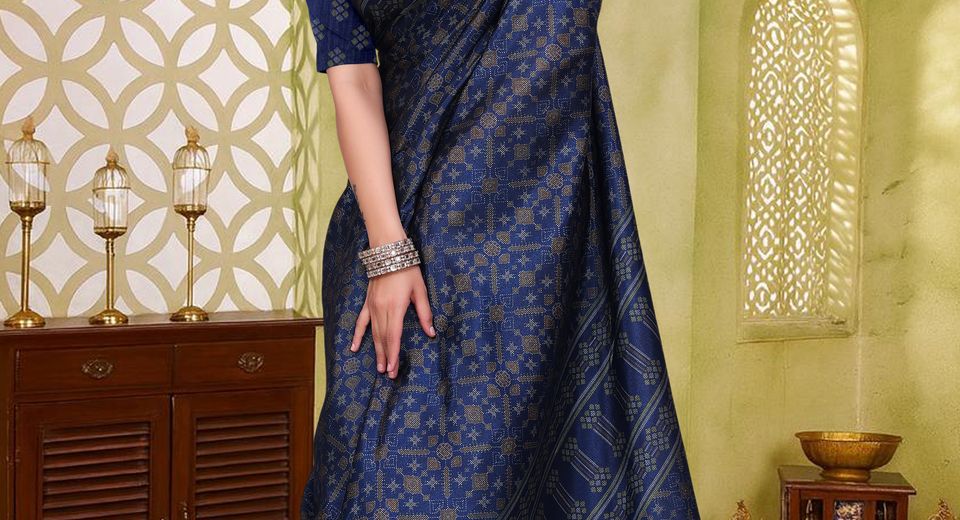
Photographing Your Ethnic Wardrobe Makes Outfit Planning Much Faster because a visual record turns a crowded cupboard into a searchable set of outfit options. A clear phone photo can show the colour, silhouette, embroidery, fabric weight and matching pieces that are easy to forget when clothes are folded away. With a small amount of organisation, you can choose a Haldi ceremony outfit, office kurta set or wedding saree without opening every shelf.
The useful goal isn't to create a perfectly styled social-media catalogue. The goal is to capture accurate information that helps you answer practical questions: Which dupatta belongs to this kurta? Do you already own a rust-toned outfit? Which pieces work for humid weather, long travel or a five-hour family function? A consistent wardrobe photo system answers those questions in seconds.
Why Photographing Your Ethnic Wardrobe Makes Outfit Planning Much Faster
Photographing an ethnic wardrobe saves time because one image preserves the complete visual identity of a garment while it's out of sight. A folded Chanderi kurta may look like a small stack of similar clothes, but a photograph records its actual pastel shade, border, neckline and embroidery.
Memory is particularly unreliable with Indian clothing because many garments share related colours and silhouettes. A black kurta, a black dupatta and a black palazzo can appear interchangeable in a cupboard, while their textures and proportions may create very different outfits. A visual catalogue lets you compare garments side by side before making a decision.
Wardrobe photographs also reduce repeat buying. A quick search through your phone can reveal that you already own a pale blue festive set, three neutral dupattas or several heavily embellished black outfits. The information becomes more valuable when each image includes a short note about fit, comfort and the last time you wore the garment.
What Should You Photograph First?
Photograph frequently worn, difficult-to-match and occasion-specific garments first. Starting with the clothes that create the most daily decision-making gives you useful results before you've documented the entire wardrobe.
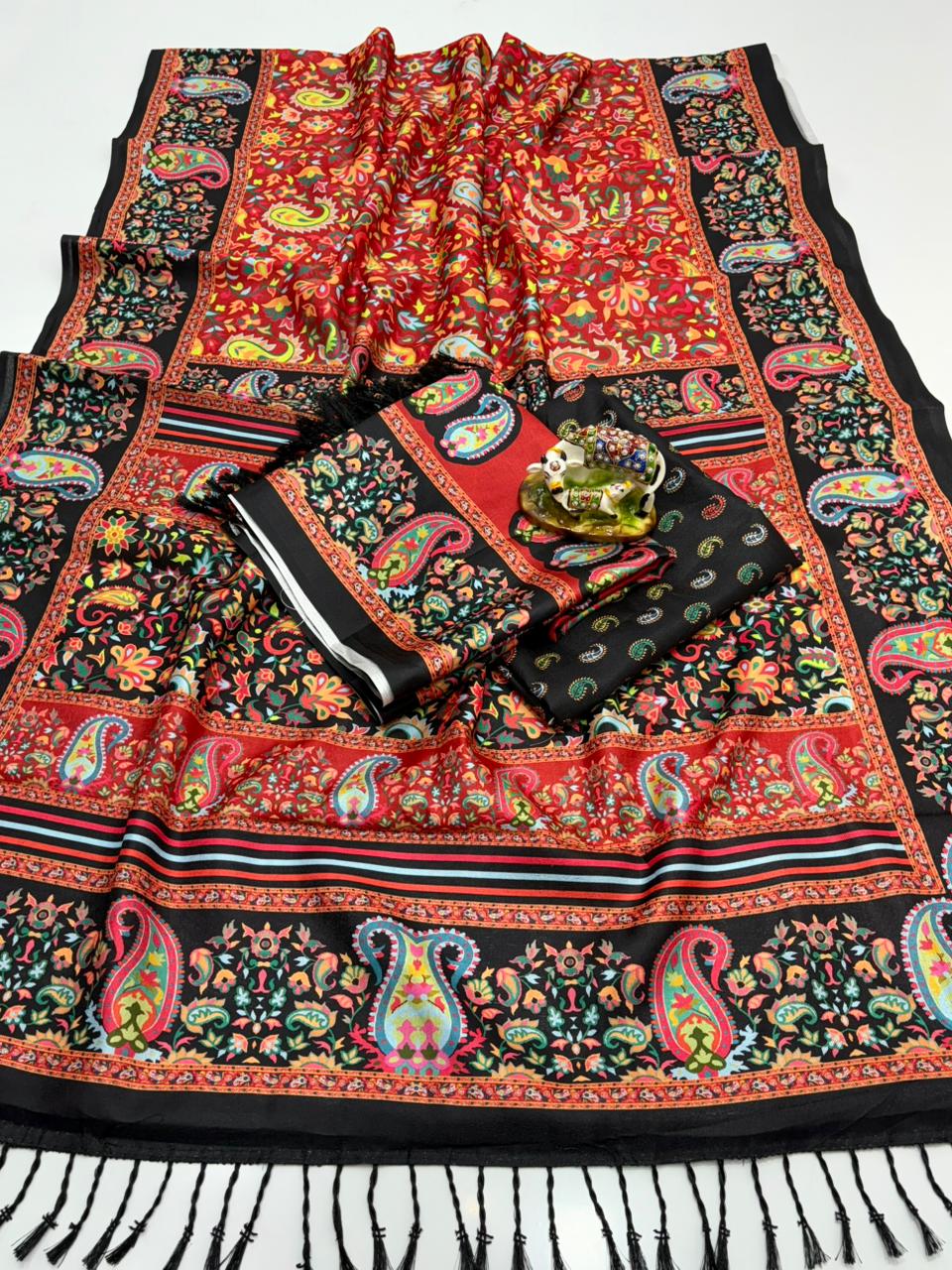
Begin with complete outfits rather than isolated pieces. Photograph a kurta with its intended pants and dupatta, a saree with its blouse, and a co-ord set with its jacket or scarf. The Pastel Blue Embroidered Chanderi Kurta Set with Dupatta is easier to use when the photograph shows the full three-piece relationship instead of only the kurta.
Document high-value occasion clothing next. A saree with a distinctive border, a heavily embroidered kurta set or a special wedding outfit may be worn only a few times each year, so these pieces are easy to overlook. The Colorful Ethnic Chinon Saree for Women deserves a full-length image that shows how its colours read together rather than a close-up of the fabric alone.
Photograph separates after complete outfits. Include plain palazzos, neutral pants, versatile blouses and dupattas because these pieces often discover combinations across multiple looks. A separate photo of a cream dupatta can help you pair it with a printed kurta that was never sold as part of the same set.
How Should You Photograph Indian Clothes?
Photograph Indian clothes in bright indirect daylight against a plain background, with the garment arranged to reveal its shape and details. Direct midday sunlight can bleach colours, while warm indoor bulbs can make ivory, beige and gold look more yellow than they're.
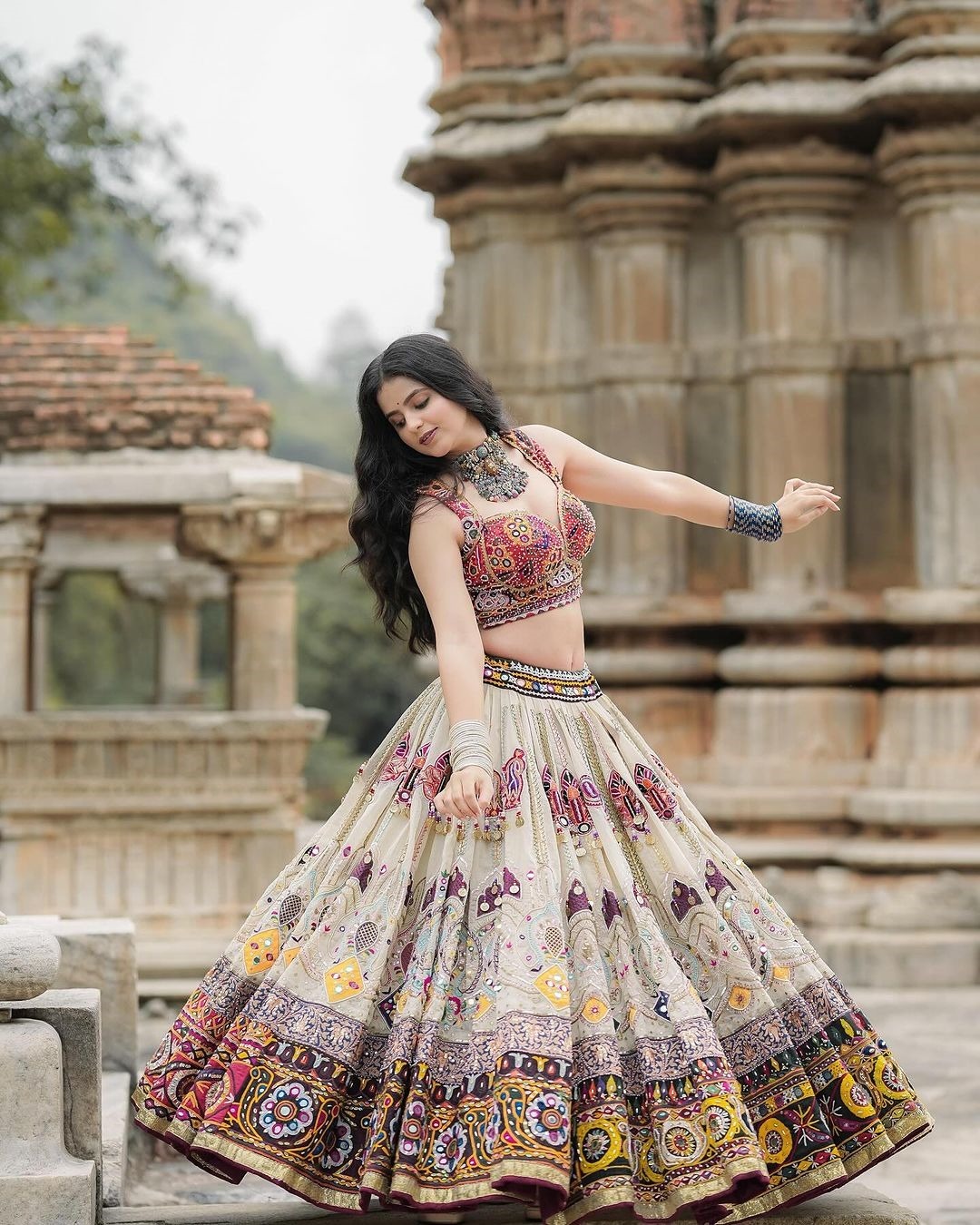
Use a repeatable setup
A bed, clean wall or uncluttered floor can work as a background if the same location is used for most garments. Lay flat garments smoothly, hang long kurtas and sarees on a sturdy hanger, and keep the camera parallel to the surface to prevent distortion. A full outfit should occupy most of the frame without cutting off the hem, sleeves or dupatta.
Take at least two photographs for important garments. The first image should show the complete outfit, while the second should show a close view of the neckline, weave, embroidery, border or print. The Black Heavy Silk Crepe Kurta Set with Sequence Embroidery needs both views because its overall silhouette and reflective surface communicate different information.
Keep colour and fit information honest
don't use filters when photographing wardrobe items. Filters make colour matching less reliable, especially for shades such as wine, rust, mauve, teal and antique gold. If a garment has been altered, stretched or shortened, photograph the current fit rather than an idealised version of the original shape.
Include a hand, ruler or familiar hanger only when scale is important. A close photograph can make delicate embroidery look much heavier than it feels in person. A note stating "lightweight," "lined," "slightly sheer" or "needs a camisole" often prevents a more serious styling mistake than a highly polished photograph would.
Which Details Belong in a Wardrobe Photo Record?
An useful wardrobe record includes the garment type, colour family, fabric, fit, matching pieces, occasion, season and care limitations. These fields turn attractive photos into practical planning data.
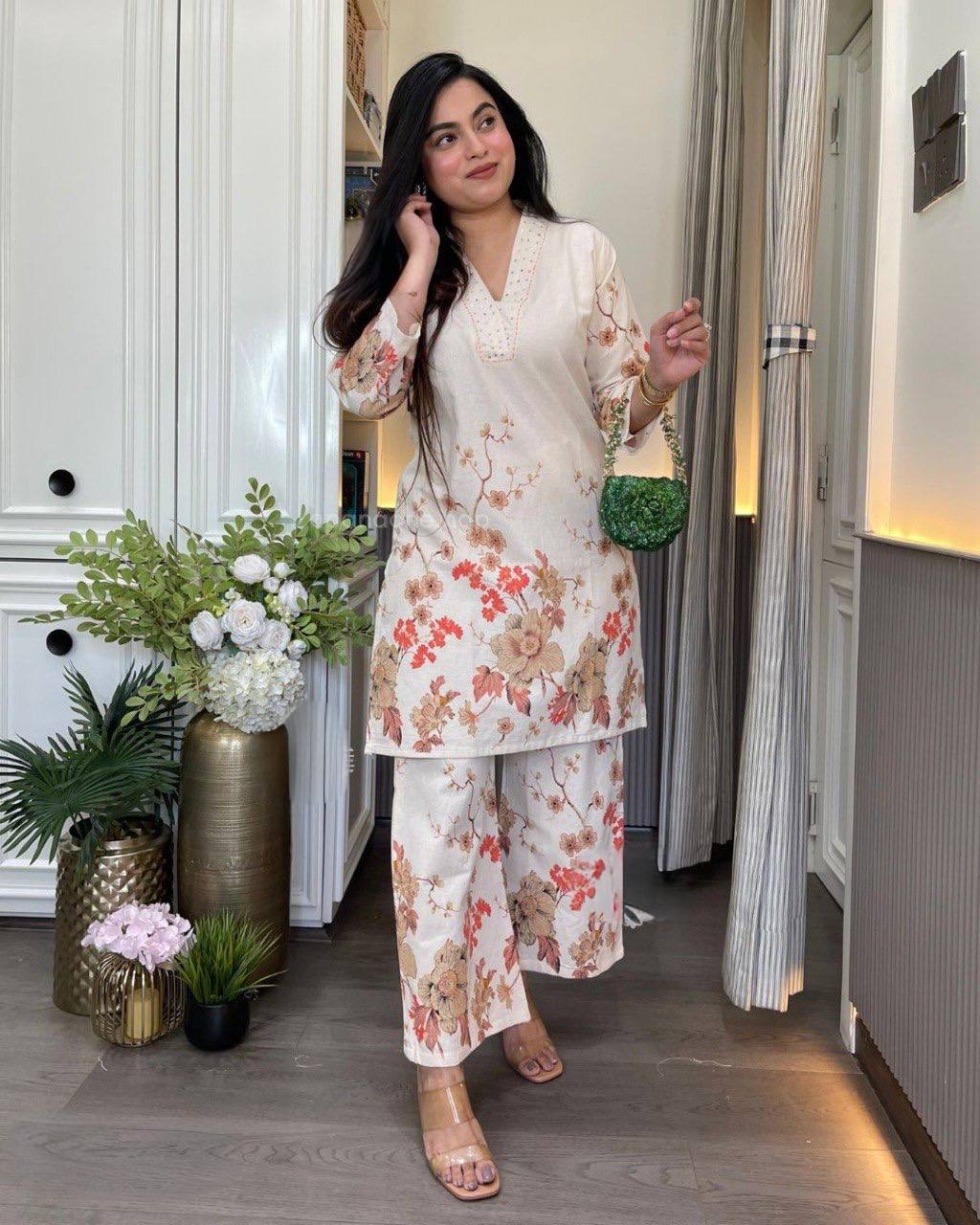
- Garment type: Record whether the item is a saree, kurta set, kurti, co-ord, blouse, palazzo, sharara or dupatta.
- Colour family: Use simple labels such as pastel blue, rust orange, black, ivory, jewel purple or multicolour.
- Fabric: Name the material when known, such as Chanderi, Chinon, muslin, silk crepe, Vichitra silk or cotton.
- Surface detail: Note zari, sequins, hand printing, thread embroidery, mirror work, foil work or a plain finish.
- Fit: Add comfortable, fitted, oversized, needs alteration or works with a slip.
- Occasion: Label the item as office, festive lunch, Haldi ceremony, wedding guest, travel or evening celebration.
- Practical note: Record whether the garment creases quickly, feels warm, needs careful washing or has a difficult fastening.
The Black Embroidered Chanderi Kurti Pant Dupatta Set, for example, can be tagged as black, Chanderi, embroidered, three-piece, festive daywear and lightweight. Those labels make it easier to compare against another black outfit without relying on memory.
How Can You Build Outfits From the Photographs?
You can build outfits from wardrobe photographs by sorting first by occasion, then by colour, fabric weight and level of embellishment. This sequence prevents attractive but impractical combinations from dominating the planning process.
Create a small set of digital folders or albums such as "work," "day celebrations," "wedding guest," "sarees," "travel-friendly" and "needs alteration." An item can appear in more than one album because a pastel kurta may suit both office wear and a daytime family gathering.
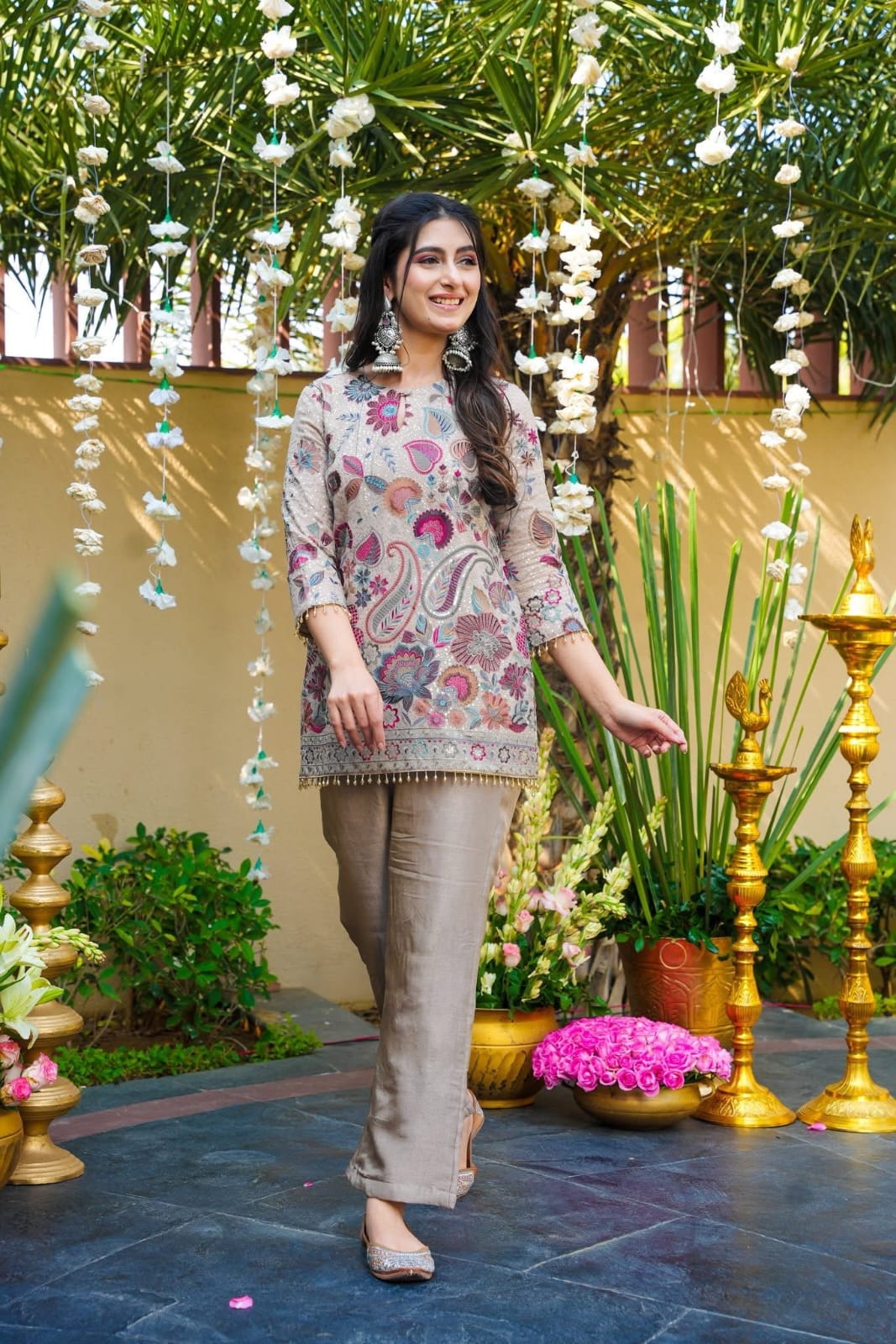
Use colour contrast deliberately. A neutral base such as ivory, black, taupe or navy can support a bright dupatta, while a strongly printed kurta may need a plain bottom and restrained jewellery. The Modern Taupe Vichitra Silk Embroidered Co-Ord Set for Women demonstrates why fabric and shine should be recorded: taupe may be neutral, but embroidered Vichitra silk can already provide enough visual detail for minimal accessories.
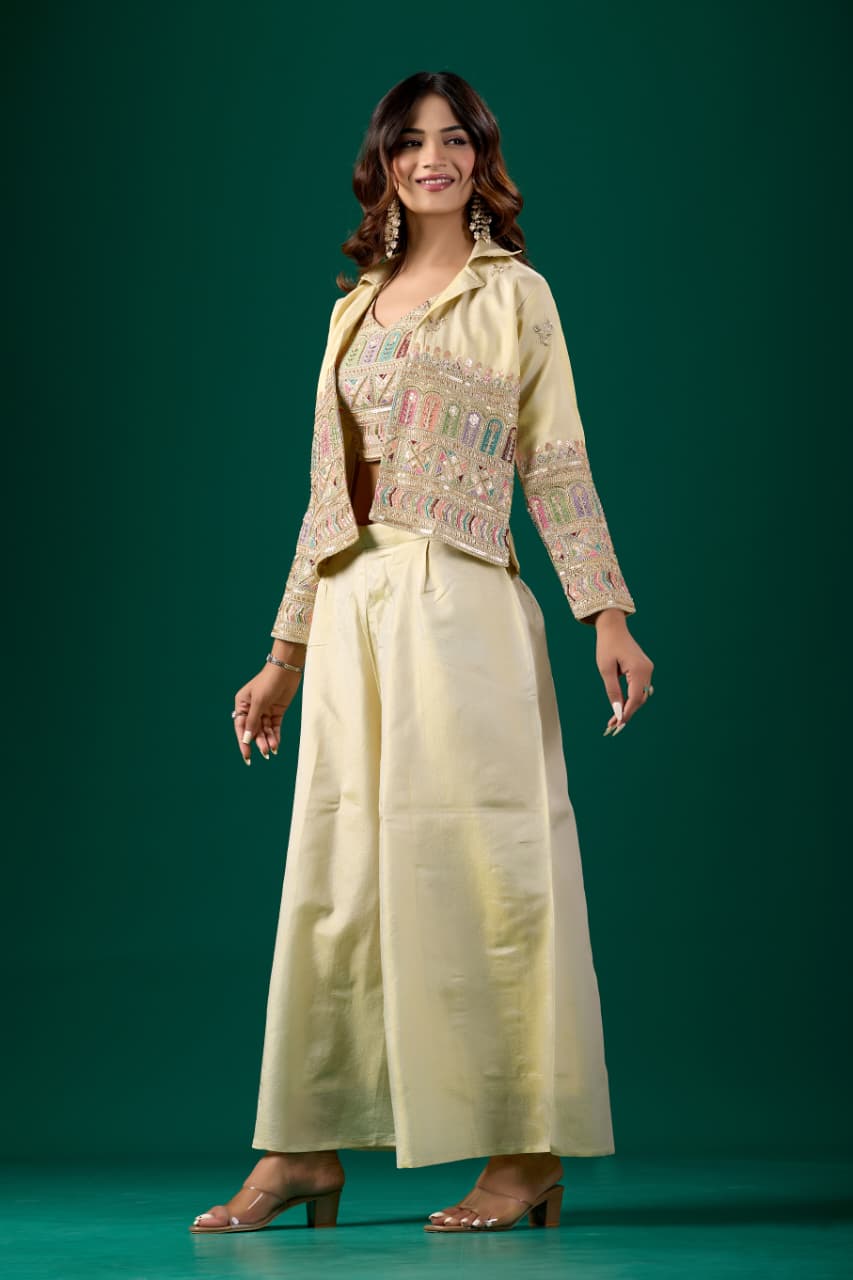
Compare proportions before choosing accessories. A cropped jacket over a wide palazzo creates a different line from a long kurta over straight pants. The Women's Embroidered Crop Top & Jacket Palazzo Set | Varnavi can be photographed as a complete silhouette, then reviewed beside longer kurtas to understand which earrings, footwear and bag shapes will maintain balance.
Make a "three-minute shortlist" by choosing one complete outfit, one alternate dupatta or blouse, and one practical accessory set. Planning three options is usually more useful than generating fifteen combinations that require ironing, tailoring or a missing pair of earrings.
How Do Fabric and Care Notes Improve Outfit Planning?
Fabric notes improve outfit planning because comfort, crease resistance and care requirements can matter more than colour. A beautiful outfit that can't be reworn after a long journey or that requires urgent steaming isn't equally useful for every event.
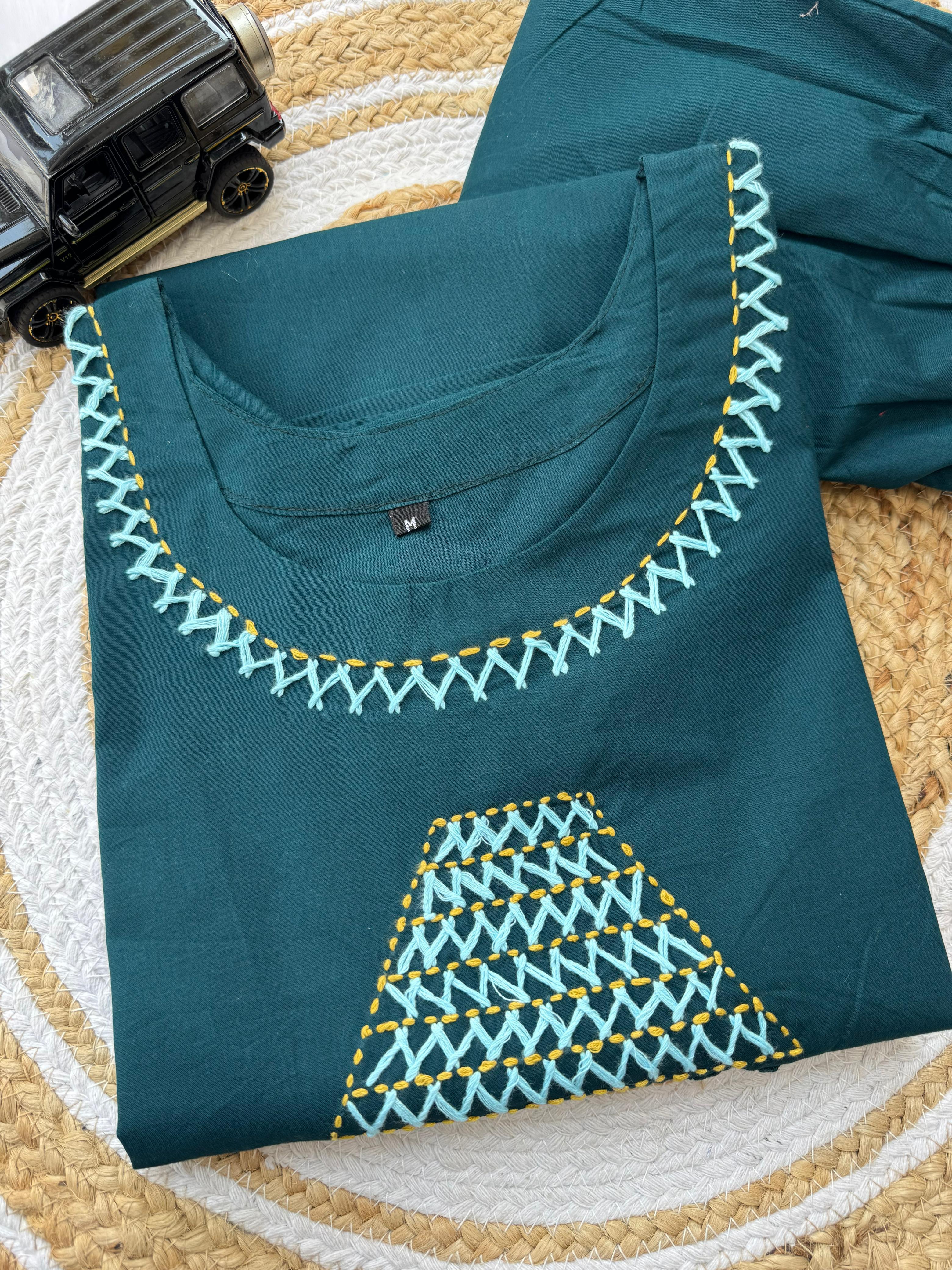
Banarasi silk, Kanjeevaram, Chanderi, muslin, Chinon and silk crepe behave differently in weight, fall and maintenance. Chanderi may create an airy, polished look but can need careful handling; silk crepe generally drapes close to the body; Chinon can offer movement and softness; muslin is often useful when breathability matters. Record the actual garment's behaviour rather than relying only on the fabric name.
Mark garments that need dry cleaning, low-temperature ironing, steaming or hand washing. Add a season label when useful, such as "humid weather," "cool evening" or "indoor event." The Purple Hand Printed Muslin Kurta Set Women | Varnavi Online may be a sensible candidate for a breathable daytime category, while a heavier embroidered silk outfit may be more comfortable for an air-conditioned evening event.
Care information also protects embellishment. Zari, sequins and dense embroidery can snag against rough jewellery or bags, and some dyed fabrics can bleed during washing. A short note such as "wear with smooth clutch," "steam from reverse" or "avoid first wear in rain" makes the wardrobe catalogue more actionable.
How Often Should You Update the Visual Wardrobe?
Update the visual wardrobe whenever a garment's size, pairing, condition or availability changes. A quarterly review is sufficient for most wardrobes, with an additional update after weddings, festive shopping or seasonal storage.
Remove or archive items that have been donated, altered beyond their original fit or set aside for repair. Replace old images after tailoring because a new sleeve length or neckline can change the outfit's styling options. Add a "repeat soon" note after wearing an outfit successfully, and add a "needs solution" note when a garment remains unused because it lacks a suitable blouse, lining or bottom.
Photograph new purchases before putting them away. The Stylish Rust Orange Ethnic Co-Ord Set for Women can immediately be tagged beside rust, terracotta, cream and antique-gold accessories, allowing future outfit planning to begin before the set disappears into the wardrobe.
Review duplicates with a simple rule: keep garments that serve different functions, not merely different shades. Two black outfits may both be worth keeping if one is lightweight workwear and the other is a formal evening set. Two nearly identical festive kurtas may need a stronger reason to occupy the same limited storage space.
What Mistakes Make Wardrobe Photography Less Useful?
The most common mistake is photographing clothing without recording the details that affect real-life wear. A lovely image can't tell you whether a kurta is transparent, whether a dupatta slips or whether the waistband remains comfortable after dinner.
- Photographing only folded clothing: Folded stacks hide length, drape and silhouette.
- Using inconsistent lighting: Mixed lighting makes colour comparison unreliable.
- Ignoring separates: A wardrobe catalogue becomes less flexible when only ready-made sets are recorded.
- Skipping measurements: Record bust, waist, length or alteration notes when fit regularly causes hesitation.
- Keeping outdated images: Old photos can mislead you after fading, tailoring or damage.
- Over-cataloguing before using the system: A small, accurate catalogue is more useful than a complete one that takes months to finish.
Another mistake is treating the catalogue as a record of possessions rather than a planning tool. Add one practical sentence to every entry: "Best with silver jewellery," "wear with nude footwear," "comfortable for travel" or "reserve for evening." Those notes connect the photograph to the decision you need to make.
Photographing Your Ethnic Wardrobe Makes Outfit Planning Much Faster when the images show complete looks, honest fabric information and realistic wearing conditions. Start with ten frequently used or easily forgotten pieces, give each one clear labels, and test the system before expanding it. Within a few weeks, outfit planning becomes a visual matching exercise instead of a search through folded clothing.
Common Questions About Photographing and Planning an Ethnic Wardrobe
How do I photograph my ethnic clothes for wardrobe planning?
Photograph each garment in bright indirect daylight against a plain background, showing the complete outfit and one close-up of its fabric or detailing. Add notes for colour, fabric, fit, occasion, matching pieces and care requirements.
Should I photograph sarees and dupattas separately?
Photograph sarees with their blouses when possible, then add separate images of distinctive dupattas and accessories. Separate images make it easier to identify alternate combinations without losing the context of the complete outfit.
How can I organise wardrobe photos on my phone?
Use albums or folders such as workwear, wedding guest, Haldi ceremony, sarees, travel and needs alteration. Add searchable words for colour, fabric and garment type so a future search can produce a useful shortlist quickly.
What details should I record for a kurta set?
Record the kurta length, bottom style, dupatta fabric, colour, embroidery, transparency, fit and care method. Also note whether the set works for office wear, daytime festivities, travel or evening events.
How can wardrobe photos prevent repeat purchases?
A visual catalogue shows the colours, silhouettes and fabric types already in your wardrobe before you shop. Labels such as "three black festive sets" or "four pastel daywear kurtas" make gaps and duplicates easier to identify.
How often should I update my ethnic wardrobe photos?
Review the catalogue every three months and update it after alterations, new purchases, major wear or seasonal storage. Replace photographs when a garment's fit or condition has changed enough to affect styling decisions.


