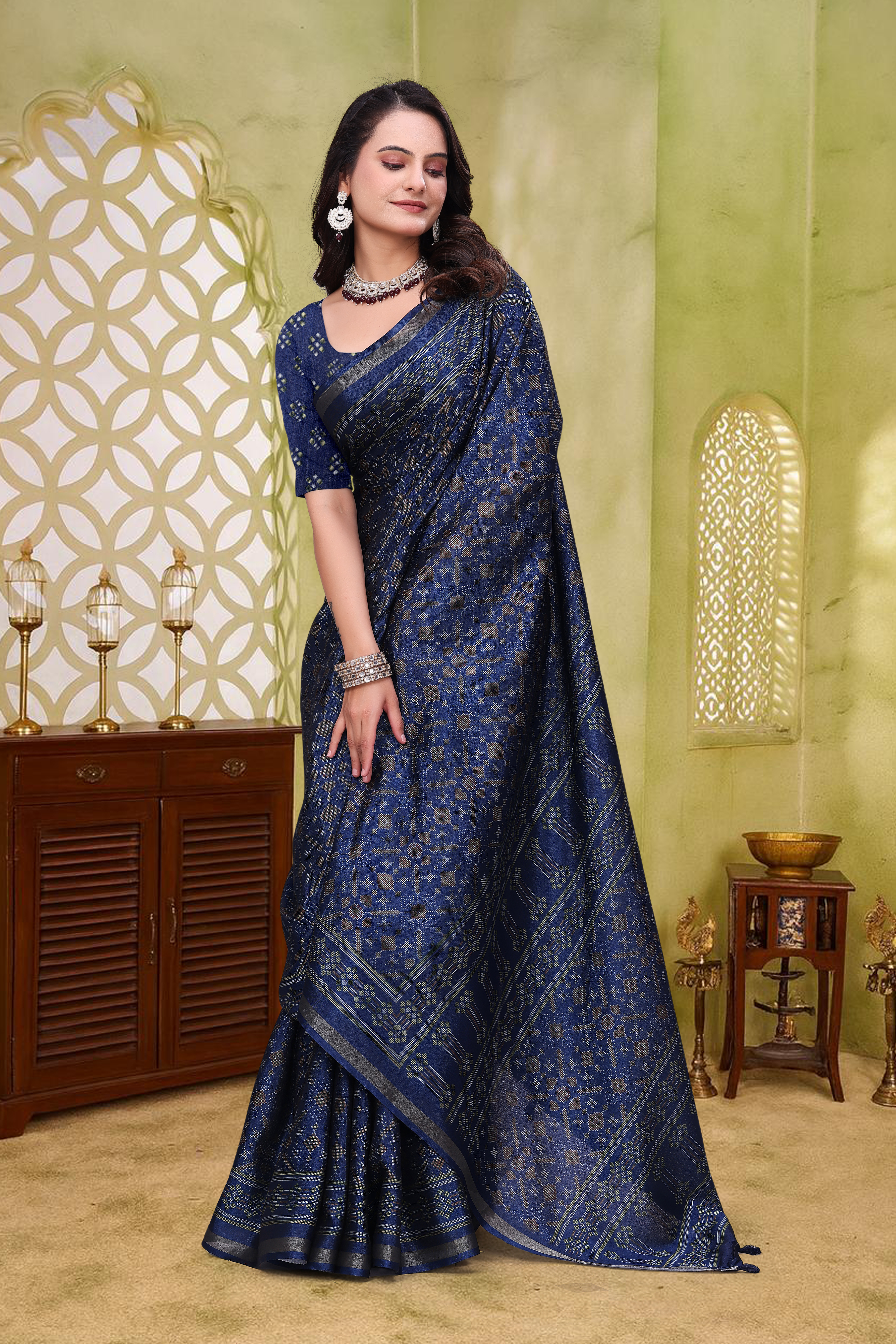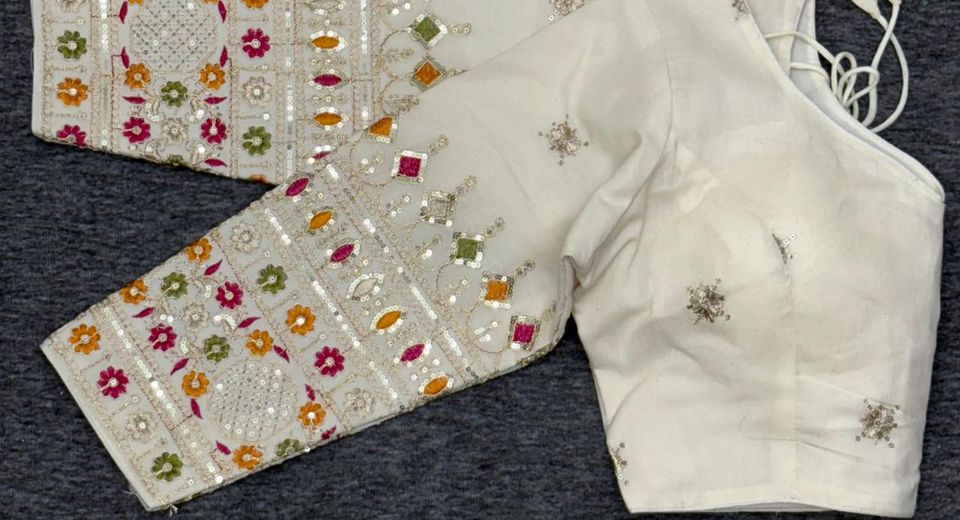
Organising Dupattas, Blouses and Bottoms So Complete Sets Stay Together saves time before weddings, festivals and family gatherings. A missing dupatta or misplaced blouse can make a complete salwar suit, saree look or sharara outfit feel unusable, even when every piece is somewhere in the wardrobe. The most reliable solution is to store clothing by complete outfit first and by fabric, frequency and season second.
A practical system needs three things: a defined home for every set, a way to identify the set without unfolding it, and storage that doesn't crush, stretch or stain the garments. The method below works for readymade blouses, silk separates, cotton suits, designer readymade pieces and mixed wardrobes containing sarees, lehengas, palazzos and salwar bottoms.
Organising Dupattas, Blouses and Bottoms So Complete Sets Stay Together Starts With Outfit Grouping
Complete Indian-wear outfits stay together when every set receives one labelled storage unit or one clearly defined shelf section. A breathable fabric bag, shallow drawer, large cotton cover or suitable box can serve as the unit, provided every garment is clean and completely dry before storage.
Group the bottom, blouse and dupatta according to their intended use rather than their garment type. Fold the bottom first because trousers, palazzos and skirts generally make the largest and most stable layer. Place the blouse on top with sleeves folded inward and padded or structured areas kept flat. Fold the dupatta loosely over the blouse or put it in a separate inner sleeve within the same cover.
A loose fold is safer than tying the dupatta around the other pieces. Tight knots can leave permanent creases in silk, chiffon or fine cotton. A separate inner sleeve also prevents zari edges, hooks and blouse fasteners from catching on the dupatta.
Assign a code to each complete set
A short set code makes matching pieces easier to identify than a colour description alone. Use labels such as WED-03 for a wedding outfit, FEST-02 for a festival set or DAILY-05 for a frequently worn cotton suit. Write the same code on the blouse cover, bottom cover and dupatta sleeve if the items are stored separately.
Set codes are particularly useful when one blouse works with several sarees. The label can state primary pairing: WED-03 blouse with Banarasi silk saree. A second note can list alternate pairings without falsely suggesting that every garment belongs to one fixed set.
Organising Dupattas, Blouses and Bottoms So Complete Sets Stay Together Requires Separate Wardrobe Zones
Separate wardrobe zones reduce searching by grouping outfits according to use, fabric and access frequency. A useful wardrobe can have four zones: frequently worn, festive, formal and seasonal or archival.
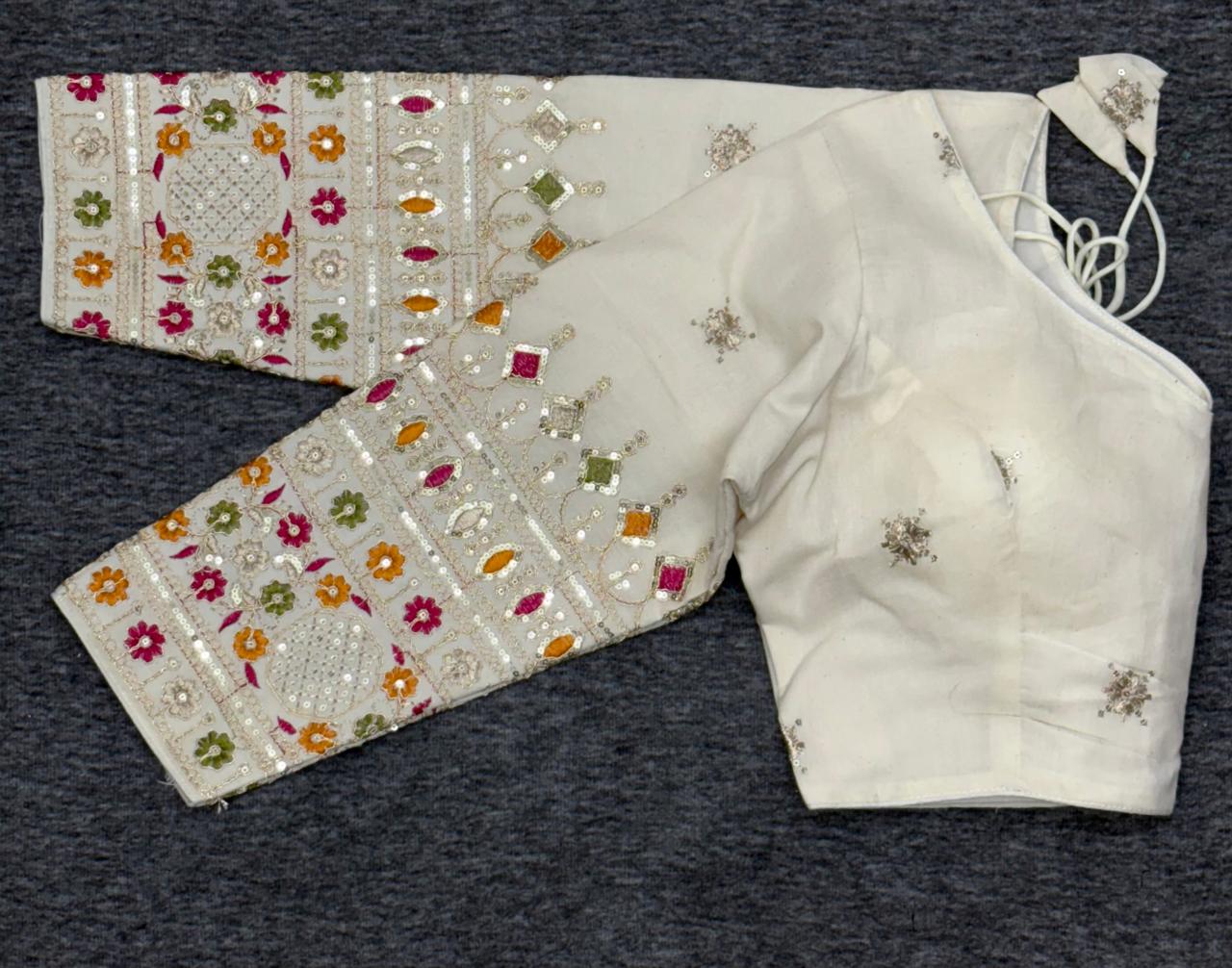
Keep frequently worn cotton salwar suits, everyday dupattas and washable bottoms between waist and eye level. These garments are handled often, so they need easy access and should not be buried beneath heavy embroidered pieces. Shallow fabric organisers work well because one visible layer is easier to inspect than a deep pile.
Use a festive zone for silk, zari, embellished and infrequently worn clothing. Store these pieces in breathable cotton or muslin covers rather than sealed plastic for long periods. Formal saree combinations should stay away from jewellery boxes, exposed metal corners and rough shelf edges that can snag fabric.
Reserve the highest shelf for lightweight, low-use pieces. Heavy lehengas, dense embroidered bottoms and stacked blouses can become difficult to lift safely from an overhead shelf. Store heavier complete sets at chest or waist level whenever possible.
Match the storage format to the garment
- Fabric pouches: Use a fabric pouch for one blouse and its matching dupatta when the set is small and frequently accessed.
- Shallow drawers: Use shallow drawers for folded cotton bottoms and readymade blouses because the garments remain visible.
- Padded hangers: Use broad padded hangers for structured blouses that crease easily, but avoid narrow clips that leave pressure marks.
- Large breathable covers: Use cotton covers for complete silk or embellished outfits, with soft tissue between surfaces that may rub.
- Open baskets: Use baskets for everyday dupattas only when the basket is large enough to prevent tight compression and snagging.
Organising Dupattas, Blouses and Bottoms So Complete Sets Stay Together Protects Blouse Shape
Blouses retain their shape when they're folded according to their construction instead of being pressed flat at random. Fasten hooks or zippers before folding, turn sleeves inward and place a small piece of acid-free tissue inside padded cups or structured fronts.
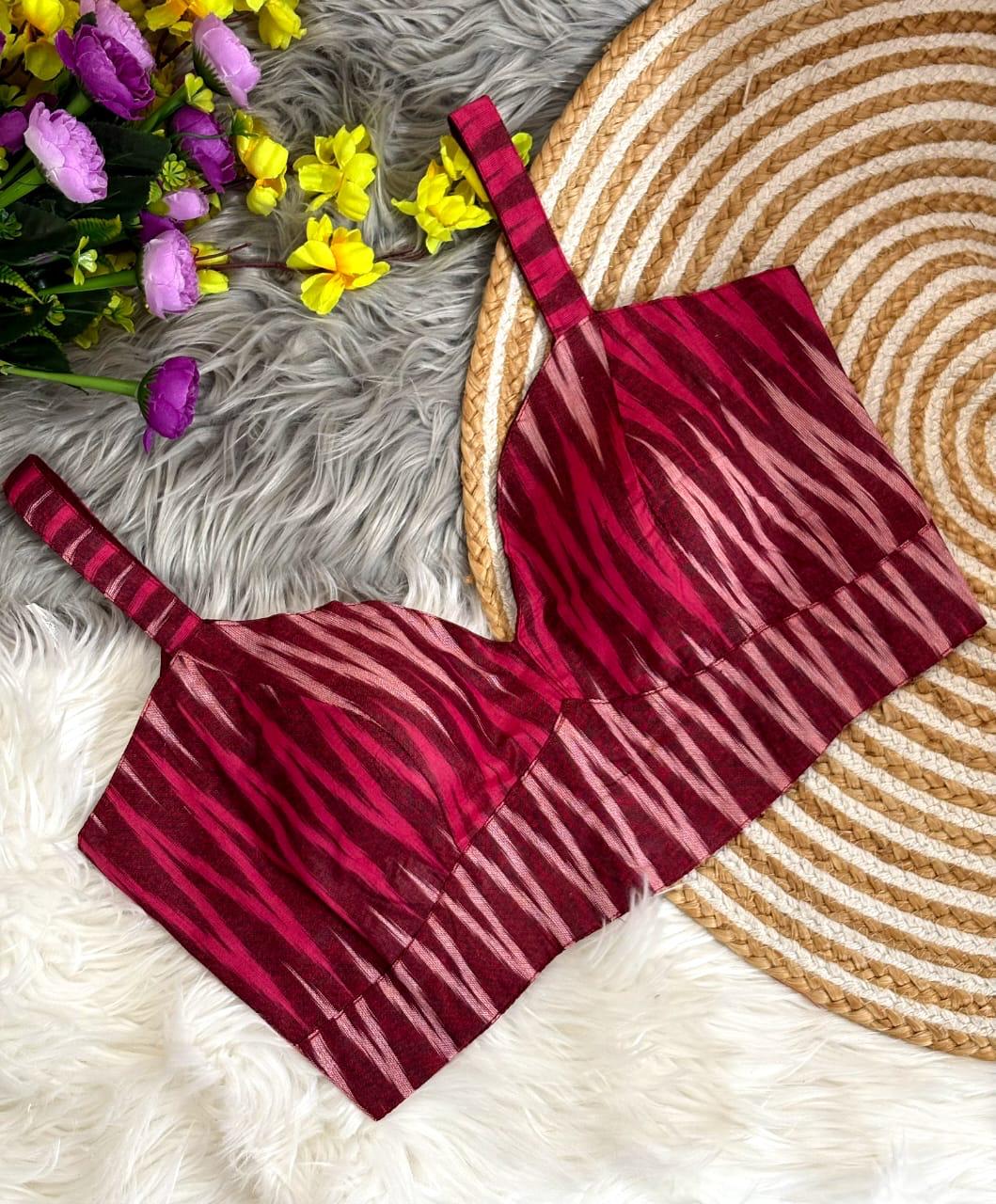
don't fold a padded blouse so that one cup is pushed inside the other. That position can deform the padding over time. Fold a sleeveless blouse vertically along the side seams. Fold each sleeve across the back before folding a long-sleeved or short-sleeved blouse once from the bottom.
The Banarasi Silk Golden Jari Padded Blouse for Women needs particular care around its metallic zari details and padded construction. Store the blouse flat with soft tissue between embellished or metallic areas, and keep the garment away from damp corners.
The Ikkat Cotton Padded Blouse for Women Sleeveless can generally tolerate simpler folding, but the padded front still benefits from a flat fold rather than compression in a crowded drawer. Keep the blouse code beside its intended saree or bottom instead of placing it in a general blouse pile.
The Classic Festive Wear Blouse for Stylish Saree Look may work with more than one saree. Record a primary pairing and one or two alternate pairings on the label. That information preserves the blouse's versatility without allowing it to disappear among visually similar garments.
Use tissue and muslin selectively
Acid-free tissue is useful inside padded cups, between zari surfaces and around sharp embellishment. Plain, clean muslin is useful as a breathable outer layer or separator between printed cotton and pale silk. Avoid newspaper because ink can transfer, and avoid perfumed paper because fragrance oils may mark delicate fabric.
don't overfill a storage cover with tissue. Excess material can create pressure points and prevent proper ventilation. The garment should lie smoothly with enough room to remove it without dragging neighbouring pieces.
Organising Dupattas, Blouses and Bottoms So Complete Sets Stay Together Depends on Fabric Care
Fabric determines whether an Indian-wear garment should be folded, hung, layered with tissue or given extra ventilation. Cotton usually tolerates clean folding, while silk needs protection from friction, moisture and prolonged pressure.
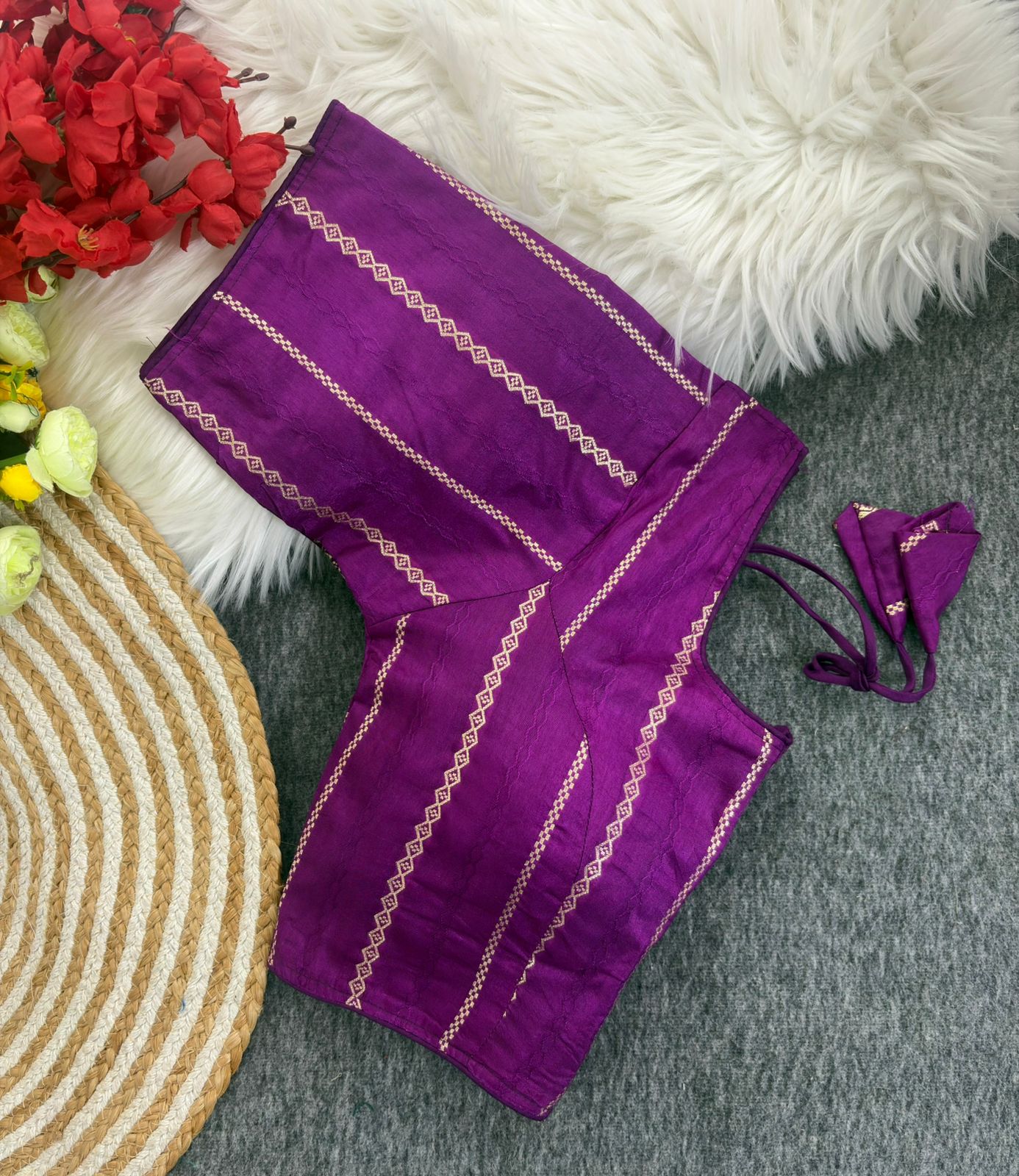
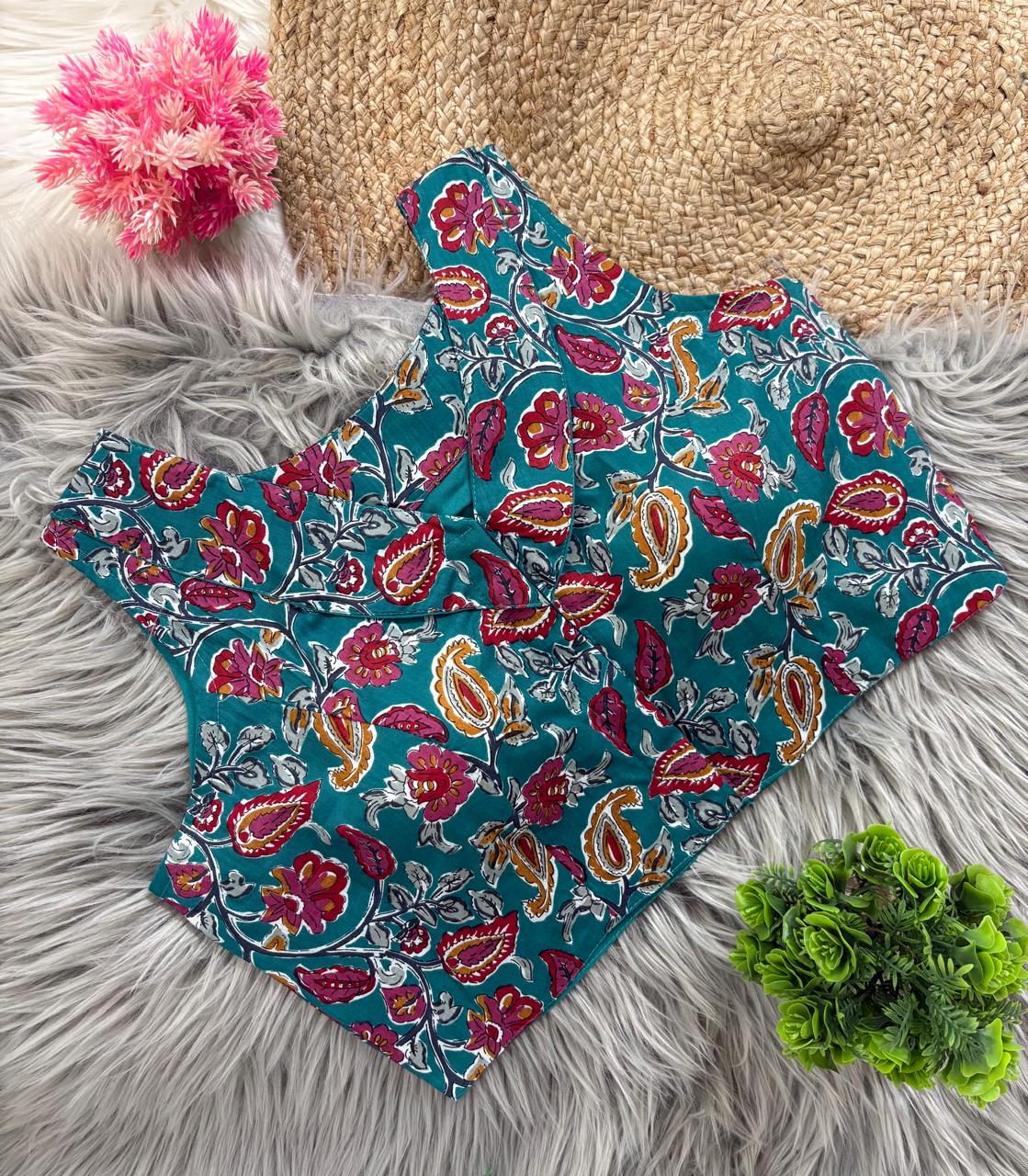
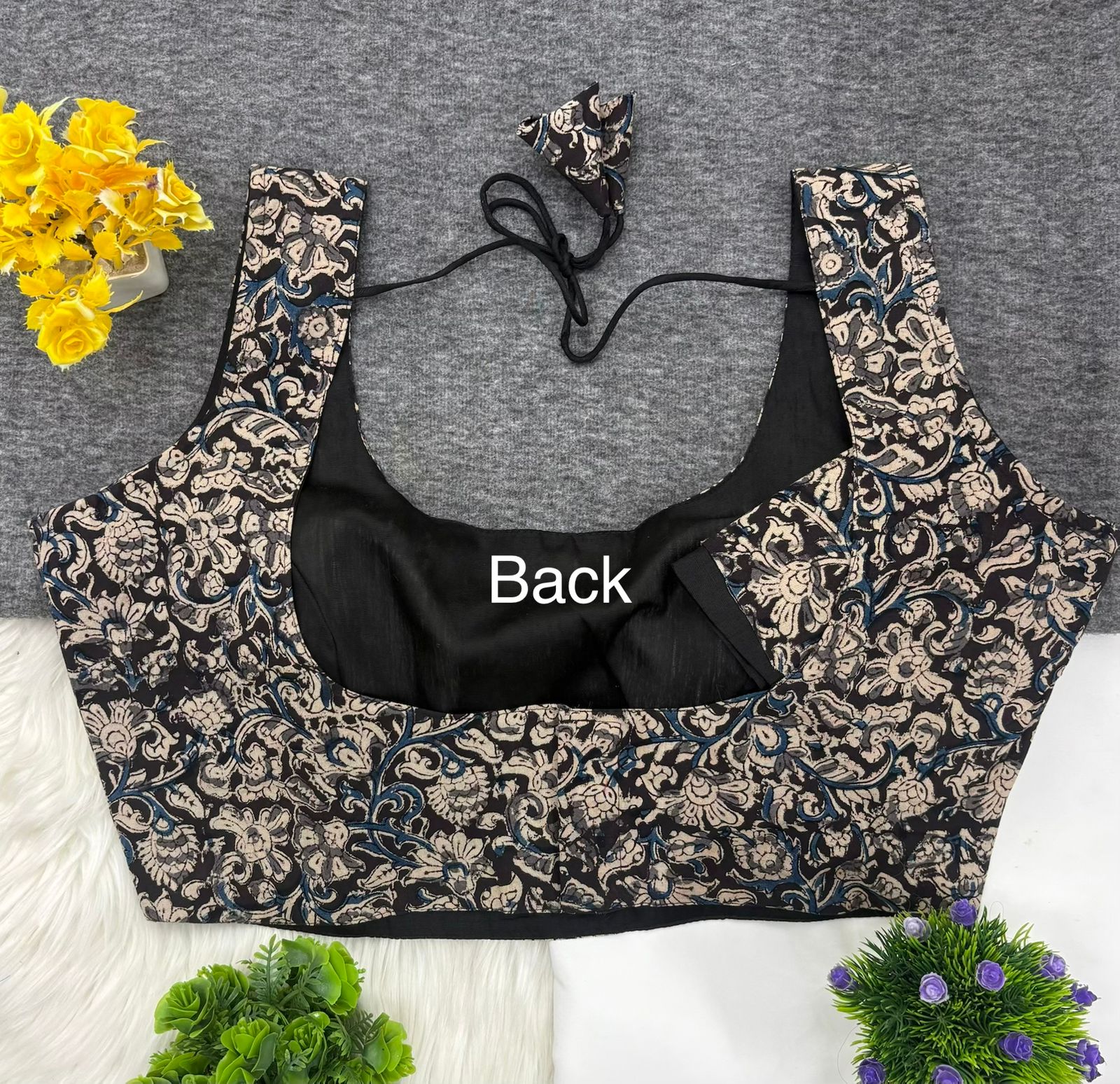
Kalamkari cotton should be stored away from direct sunlight because repeated exposure can gradually change printed colours. The Kalamkari Cotton V Neck Collar Blouse for Women and the Pure Kalamkari Cotton Padded Blouse for Women can be folded with plain cotton or muslin between printed surfaces. Avoid storing a dark printed garment directly against a pale silk blouse when humidity is high, because colour transfer risk increases when fabrics remain damp.
Banarasi silk should be refolded along a different line every few months during long-term storage. Repeated pressure on one crease can make the fold more noticeable over time. Kanjeevaram sarees and heavy silk bottoms also need broad, smooth folds rather than narrow rolls that concentrate weight in one strip.
Zari requires a clean, dry environment and protection from abrasion. Do not place zari garments directly against rough cardboard, exposed wood or sharp fasteners. A breathable cotton cover is preferable to a tightly sealed plastic bag for storage lasting more than a few days.
Cotton garments should be aired after wear before returning to the wardrobe. Allowing a garment to dry fully is especially important after humid travel, dancing, outdoor ceremonies or prolonged contact with perspiration. Never pack a damp dupatta or blouse into a closed cover.
Organising Dupattas, Blouses and Bottoms So Complete Sets Stay Together Is Easier With Labels
A useful label states what the cover contains, what belongs with it, when the outfit is worn and what care it needs. A practical example is FEST-04 | pink cotton blouse | ivory palazzo | printed dupatta | air before folding.
Record the garment type, colour, fabric and pairing rather than relying only on a photograph. A label reading silk blouse with gold border gives more useful information than a label reading wedding clothes. Include the size or alteration status when a blouse has a close fit.
Keep an inventory on paper, in a spreadsheet or in a phone note. Record the set code, garment names, fabric, colour, last-worn date and any repair required. A last-worn date matters because a blouse that has not been tried on for eighteen months may need a fit check before an event.
Photograph the complete outfit laid out together and take one close image of a distinctive feature. A golden zari border, V-neck collar or specific Kalamkari motif can identify a set faster than a written description. Photographing the inside size label is also useful when several readymade blouses have similar colours.
Review the wardrobe every three months
A quarterly review is enough for most wardrobes. Check for dampness, odour, loose hooks, stretched elastic, deep folds and missing components. Refold long-stored silk along a new line, air cotton pieces and update labels after any alteration.
Use the review to separate true sets from interchangeable items. A blouse that pairs with three sarees should have three pairing notes, while a dedicated salwar suit should remain in one complete-set cover. This distinction prevents the wardrobe system from becoming restrictive while still protecting complete looks.
Organising Dupattas, Blouses and Bottoms So Complete Sets Stay Together Makes Travel Packing Simpler
Travel packing becomes faster when each outfit is packed by set code instead of by garment category. Place the blouse, bottom and dupatta in one breathable packing cube or cotton pouch, then add the matching accessories to a separate small bag.
Fold heavier bottoms at the base, place the blouse above them and keep the dupatta on top. Wrap metallic jewellery separately so it can't scratch zari or snag a fine weave. Keep one complete outfit near the top of the suitcase for arrival-day dressing or an unexpected change.
For a designer saree look, pack the blouse with the saree rather than placing it among ordinary blouses. Include the petticoat, underskirt or required bottom if the look depends on it. A written checklist should use the set code and list every component, including a belt, stole or sleeve accessory.
After returning home, unpack every piece before storing it. Air the garments, check for moisture or food stains and send washable or dry-clean-only pieces for appropriate care. Returning travel clothing directly to a closed wardrobe is one of the quickest ways to create odour and fabric damage.
Organising Dupattas, Blouses and Bottoms So Complete Sets Stay Together Begins With One Small Test
The most effective wardrobe system can be started with one complete outfit rather than an entire cupboard. Choose a frequently worn salwar suit or saree combination, gather every component, photograph the set, assign a code and store the pieces in one defined location.
Test whether the set can be retrieved in under one minute without unfolding unrelated garments. If the answer is no, move the set to a shallower zone, improve the label or separate it from less-used clothing. A storage system is successful when it protects fabric and reduces decisions at the moment of dressing.
Once the first set works, repeat the same format for festive, silk, cotton and formal outfits. Consistent labels, suitable covers and regular airing will keep dupattas, blouses and bottoms connected without removing their useful mix-and-match potential.
Common Questions About Keeping Indian-Wear Sets Together
How should I store a blouse with its matching dupatta and bottom?
Store the three pieces in one breathable cover, shallow drawer or labelled fabric pouch. Fold the bottom first, place the blouse flat above it and keep the dupatta loosely folded on top or in an inner sleeve.
Should readymade blouses be folded or hung?
Readymade blouses can be folded when they are lightly structured, but padded or heavily embellished blouses are safer on broad padded hangers or in a flat, uncrowded drawer. Never compress padded cups by pushing one cup inside the other.
How do I store silk blouses and zari garments safely?
Store silk blouses and zari garments clean and completely dry in breathable cotton or muslin covers. Use acid-free tissue between metallic or embellished surfaces, keep garments away from rough edges and refold long-stored silk along a different line every few months.
What is the best way to organise salwar suit dupattas?
Keep each salwar suit dupatta with its kameez and bottom in one labelled set unit when the outfit is intended to be worn together. For versatile dupattas, use a separate mix-and-match section and record their main colour, fabric and compatible sets.
How can I prevent Kalamkari cotton blouses from fading or transferring colour?
Store Kalamkari cotton blouses away from direct sunlight and separate dark prints from pale silk or cotton during humid weather. Use plain muslin or cotton between printed surfaces, and return the blouse to storage only after it is fully dry.
How often should an ethnic-wear wardrobe be checked?
Check an ethnic-wear wardrobe about once every three months, especially before wedding or festival season. Look for moisture, odour, loose fasteners, deep folds, stretched elastic and missing matching pieces.