A successful office-to-dinner outfit doesn't depend on carrying a second look in your bag. What Makes the Transition Work for One Ethnic Outfit From Office to Dinner is the combination of a composed base garment, comfortable fabric, controlled colour and accessories that can change the mood in minutes. The same kurta set, saree or co-ord can look professional at 10 a.m. And suitably polished at 8 p.m. When the outfit has enough structure to hold its shape and enough flexibility to accept a few deliberate changes.
The goal isn't to make workwear look dramatically festive after sunset. The goal is to remove the signals that read as strictly corporate while keeping the fit, comfort and restraint that made the outfit practical during the day.
What Makes the Transition Work for One Ethnic Outfit From Office to Dinner
One adaptable ethnic outfit works from office to dinner when its silhouette is neat, its fabric resists creasing, and its styling can shift without changing the main garment. A straight kurta with tapered trousers, a refined co-ord set, a lightly embellished kurta-pant combination or a low-volume saree provides the right foundation because each piece can accept both quiet and expressive accessories.
Office dressing usually benefits from visual control. That control comes from a defined shoulder line, a hem that doesn't drag, sleeves that stay comfortable at a desk and a neckline that sits neatly under a jacket or dupatta. Dinner dressing allows more contrast through earrings, a brighter lip, a metallic accent, a changed drape or a dressier shoe.
An useful test is the two-minute removal test. If removing a cardigan, changing earrings and adding one evening accessory makes the outfit feel more intentional rather than incomplete, the garment has genuine day-to-night potential.
Choose a Base Garment That Can Carry Two Moods
The best base garment for a full day is polished enough for a workplace and visually interesting enough to avoid looking unfinished at dinner. A mid-thigh or knee-length kurta, ankle-length straight trousers and a detachable dupatta are particularly versatile because the outfit can become more streamlined at work and more layered after hours.
Look for structure without stiffness
A kurta should skim the body rather than cling to it, with approximately 2 to 4 inches of ease around the bust for comfortable sitting and movement. Trousers should allow a full seated bend without pulling across the hips. A co-ord set should have a clear waist or hemline so the outfit remains defined after several hours of wear.
The Elegant Wine Ethnic Kurti Set with Dupatta demonstrates why a coordinated base works well for this purpose. A deeper wine tone already carries evening depth, while the dupatta can remain folded or draped more simply during office hours and become the main styling feature at dinner.
Use removable elements strategically
A dupatta, overshirt, waist belt or long jacket should be treated as a styling lever rather than a mandatory layer. Wearing the dupatta in a compact shoulder drape can keep the office look orderly. Re-draping the same dupatta over one shoulder, or letting it fall in a longer vertical line, creates movement for dinner without requiring a complete change.
The Brown Embroidered Kurta Pant Dupatta Set for Women offers a practical three-piece structure. The kurta and pants can establish a restrained work look, while the embroidered dupatta can be added later when the setting becomes more social.
Fabric Determines Whether the Outfit Survives the Day
Fabric determines whether an ethnic outfit still looks fresh after commuting, sitting, walking and eating. Fabrics with moderate structure and low crease visibility generally perform better for office-to-dinner dressing than very delicate, high-shine or heavily layered materials.
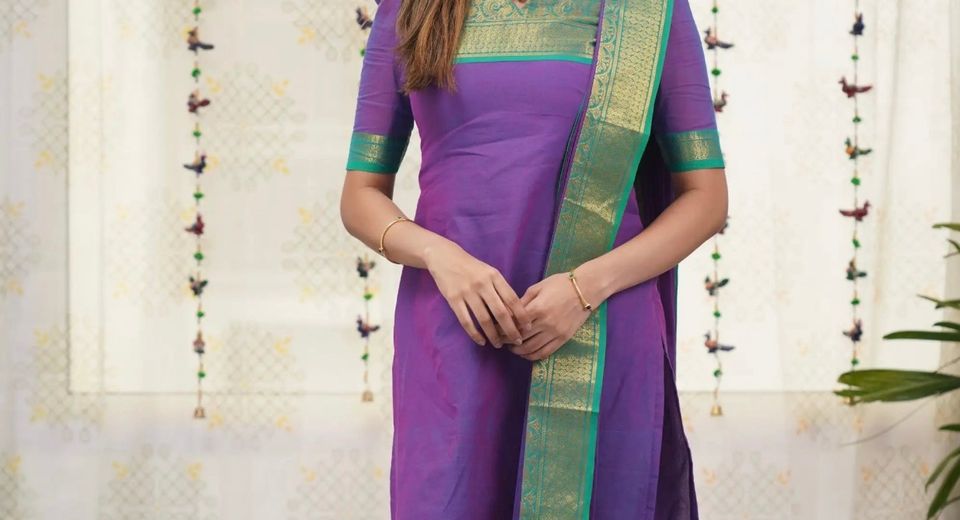
Chanderi cotton is light and breathable, but its crisp surface can crease at pressure points, so Chanderi works best when the garment has a relaxed fit and the wearer can steam or hang it before dinner. Roman silk has a smooth fall and a subtle sheen, making it suitable when the same outfit must look composed in artificial evening light. Handloom cotton brings texture and airflow, although a saree in handloom cotton may need a careful pleat check after travel.
The Premium Coffee Brown Roman Silk Kurta Set for Women is a strong example of a fabric-led transition. Coffee brown looks grounded in daylight, while Roman silk adds enough surface interest for dinner. A simple work tote can be replaced with a compact clutch, allowing the fabric's sheen to become more visible rather than competing with a large accessory.
The Elegant Mustard Chanderi Cotton Kurta Set with Embroidery needs a slightly different approach. Mustard and Chanderi already provide colour and texture, so the office version can use minimal jewellery and neutral footwear. For dinner, adding a small gold earring or embroidered potli is enough; excessive sparkle may make the daytime look appear too festive.
Colour and Embellishment Need a Clear Day-to-Night Strategy
Colour creates the first impression, while embellishment controls how formal the outfit feels. Deep wine, coffee brown, rust, navy, olive and muted mustard usually transition easily because they remain sophisticated under daylight and gain richness under warm evening lighting.
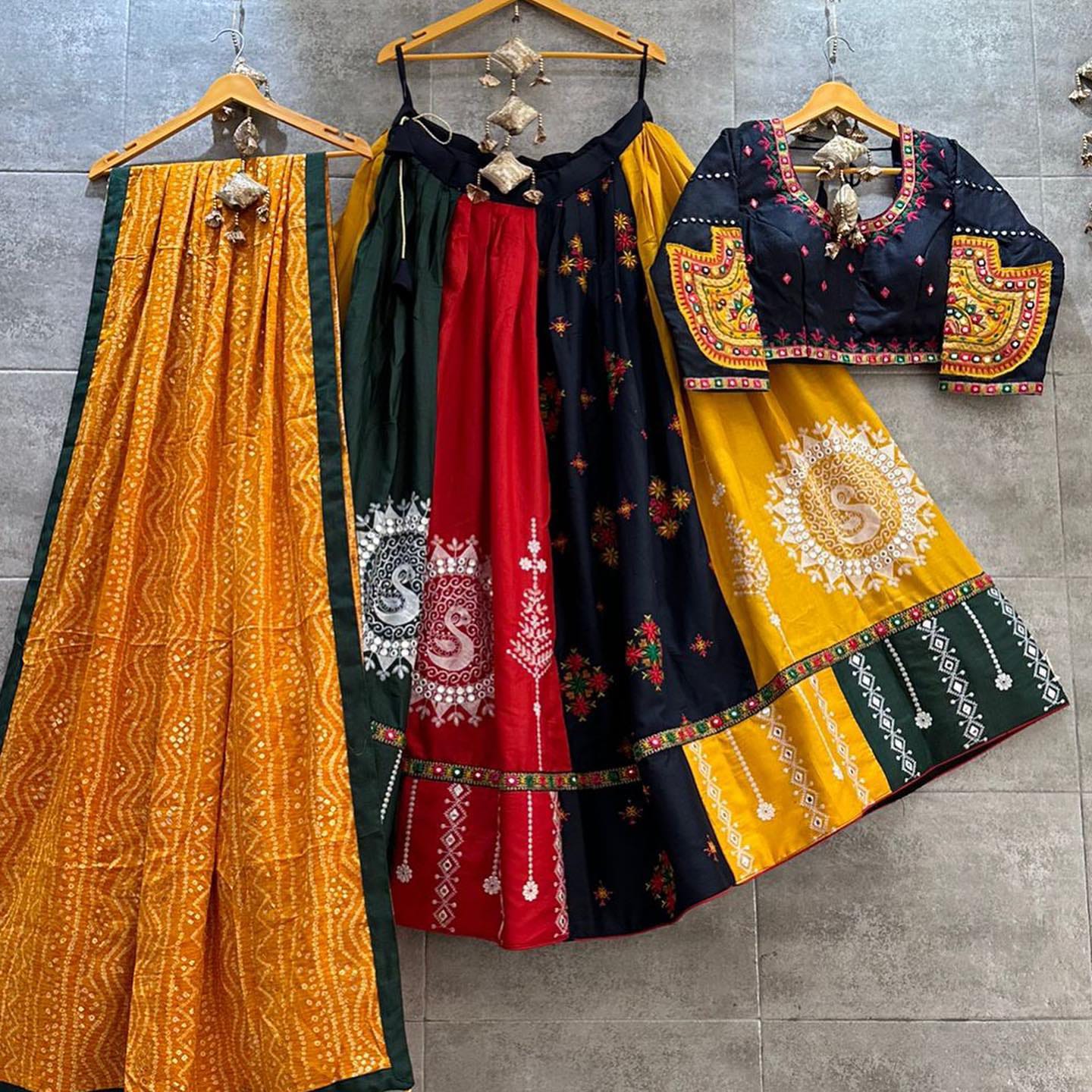
The Stylish Rust Orange Ethnic Co-Ord Set for Women can move from office to dinner when the supporting pieces stay quiet. Tan or beige footwear and a structured neutral bag can moderate rust orange during the day. After work, switching to antique-gold earrings or a deep brown lip makes the colour feel intentional rather than overly casual.
Small-scale embroidery is generally more adaptable than dense all-over decoration. Tone-on-tone threadwork, narrow borders, restrained zari and a few hand-embroidered motifs can work at a workplace. Heavy sequins, large mirror work and dramatic volume usually signal celebration from the beginning, which makes them less adaptable for a normal working day.
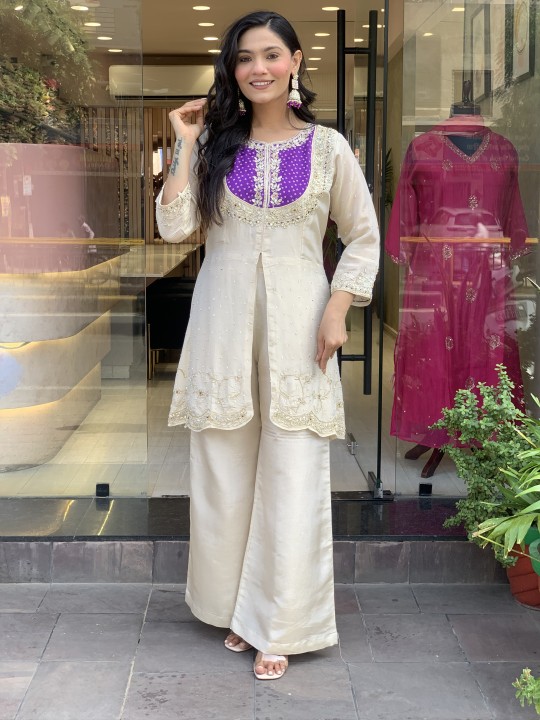
Festive dressing requires a different calculation. The Festive Wear Cream Embroidered Kurta Set may work for a workplace with a conservative office culture, but its evening transition should rely on one strong addition rather than several. A metallic sandal or statement earring can provide enough lift for dinner without turning the outfit into a wedding guest look.
Make Five Small Changes After Work
Five small changes create the clearest office-to-dinner shift: change the bag, footwear, earrings, lip colour and one styling detail such as the drape or sleeve fold. These changes take less space than a second outfit and can be planned before leaving home.
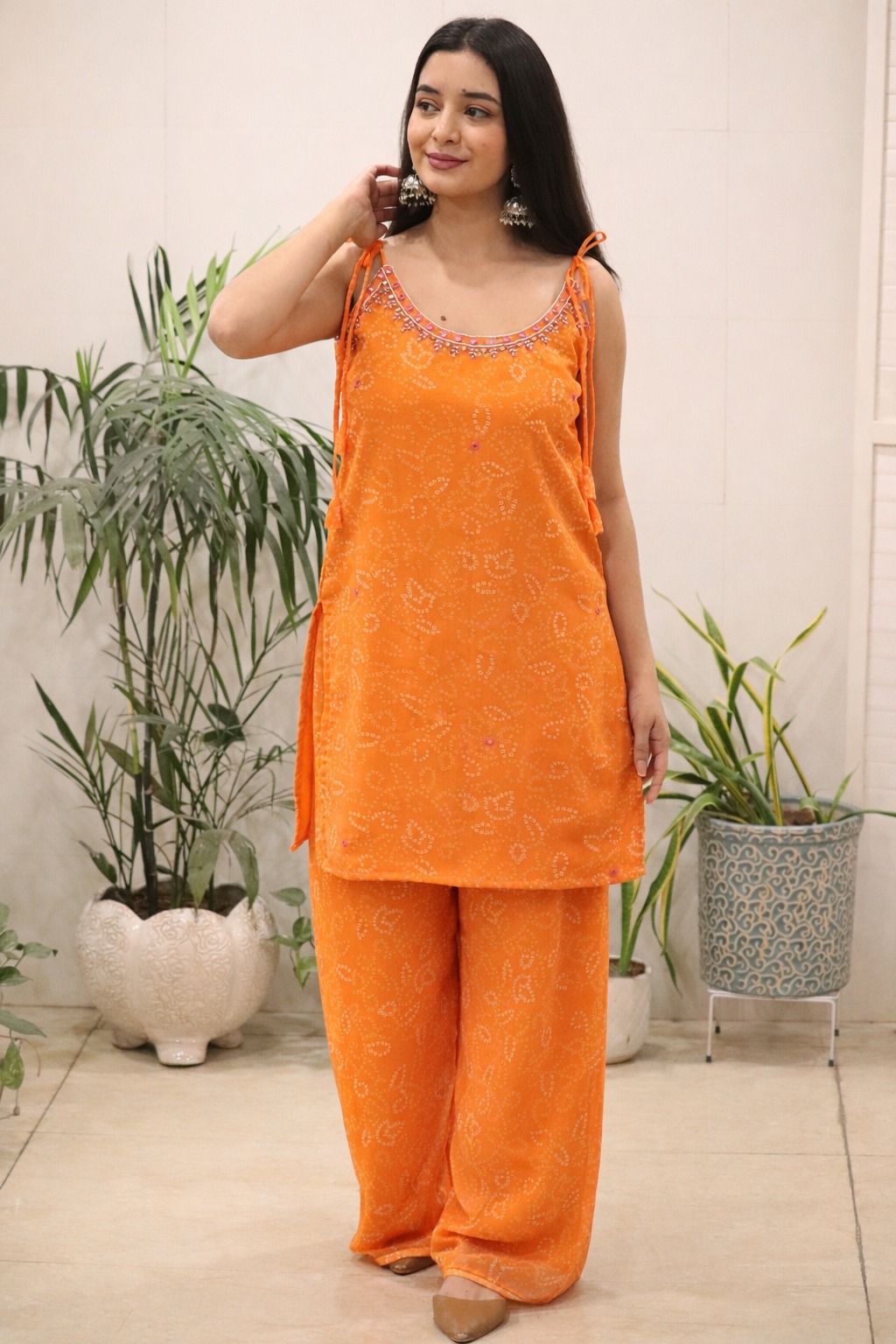
- Change the bag. Replace a large laptop tote with a compact shoulder bag, envelope clutch or small potli. A bag in metallic, black, tan or a colour pulled from the outfit will look deliberate.
- Change the footwear. Comfortable block heels, pointed flats or low wedges can remain on during work. Dinner can bring a slimmer heel, embellished sandal or sharper mule, provided the shoe still supports walking.
- Change the earrings. Small studs or slim hoops suit office hours. Medium jhumkas, pearl drops or sculptural metal earrings create more evening presence without changing the neckline.
- Change one makeup element. Blotting paper, kajal, mascara and a second lip colour are more useful than carrying a full makeup kit. A berry, brick or rose-brown lip can make deep colours appear richer after dark.
- Change the drape or proportion. Remove a formal jacket, open a short overlay, push a sleeve slightly above the wrist or rest the dupatta on one shoulder. The change should reveal the garment's shape rather than add clutter.
These swaps work because they change the outfit's visual context. The base garment remains familiar, but the accessories communicate that the day's professional setting has ended.
Use Sarees and Lehengas with More Restraint
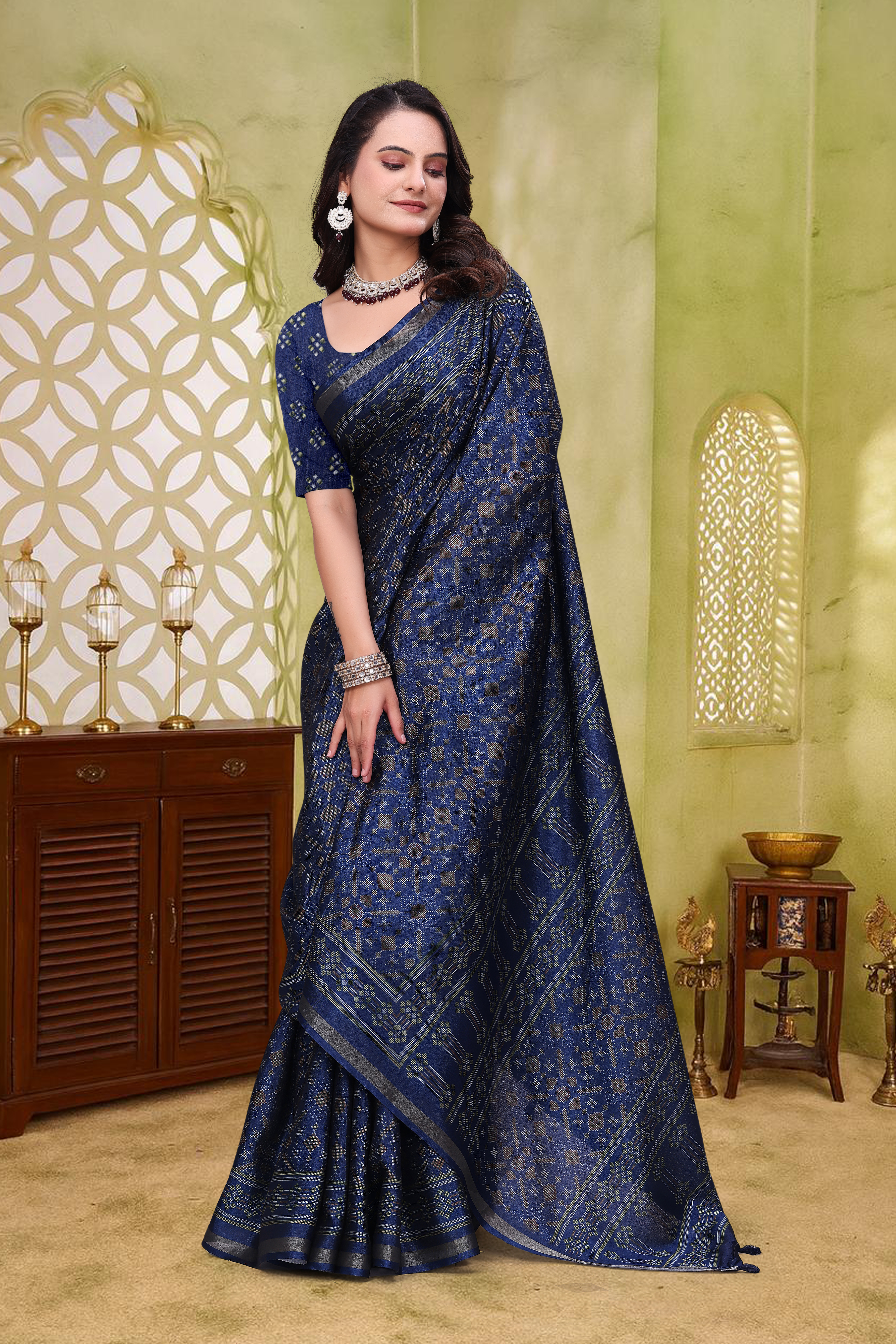
A saree can move from office to dinner when the drape is secure, the blouse is comfortable for sitting and the border is distinctive without being excessively heavy. A pre-pleated or carefully pinned saree reduces maintenance during the day, while a change from a practical tote to a small clutch can immediately make the look more social.
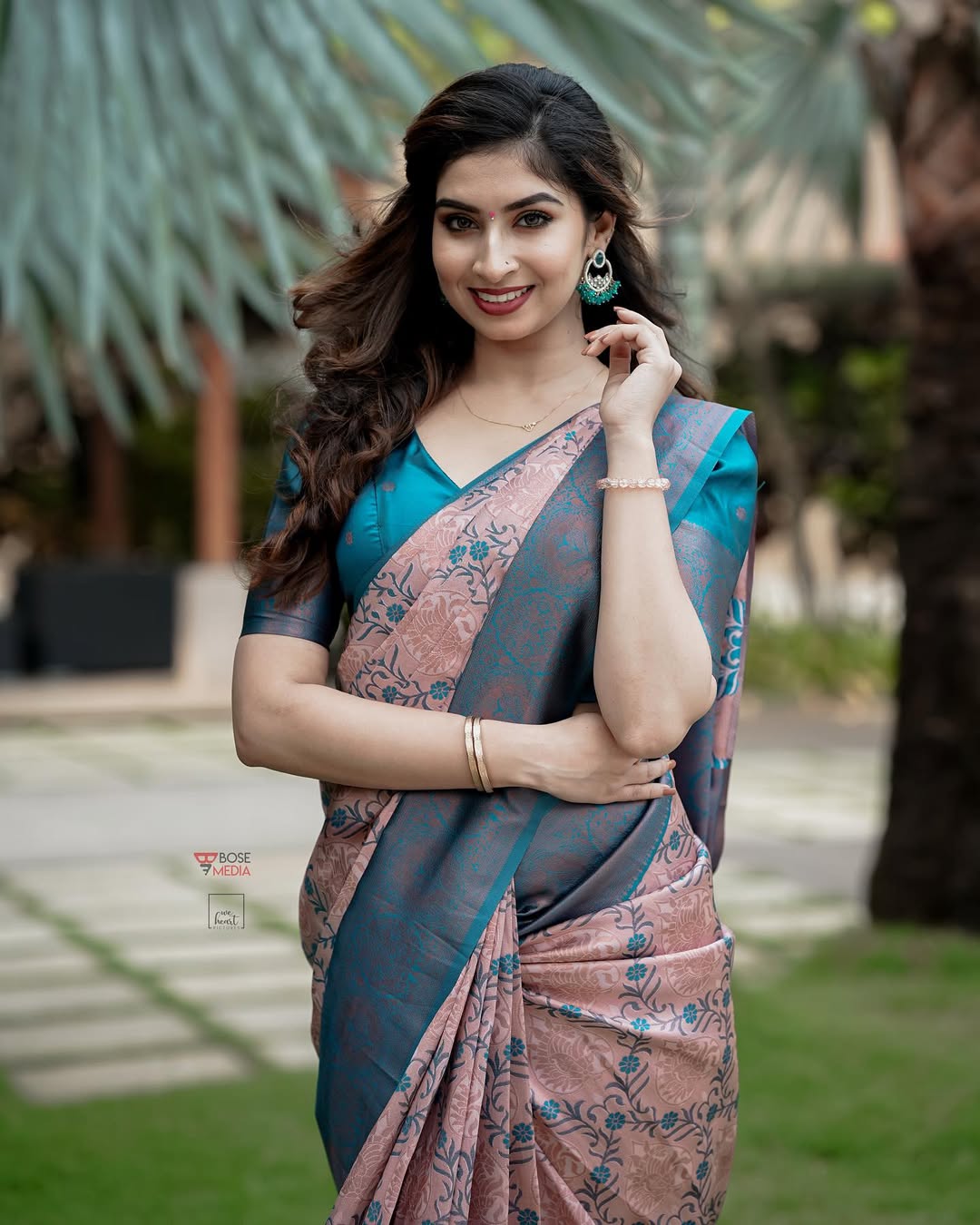
The Peach Beige Floral Handloom Saree with Ethnic Border has the softness needed for daytime wear, but its floral surface and ethnic border can support dinner styling. Keep the office blouse and jewellery simple, then add a defined bindi, metallic earrings or a slim waist belt for the evening. A belt should sit comfortably at the natural waist and should not compress the pleats.
A lehenga is harder to adapt because volume, shimmer and movement often read as festive from the start. The Red Floral Organza Lehenga Set with One Shoulder Blouse is better suited to a dinner, reception or celebratory setting than a conventional office. If a similar outfit must be worn across both settings, use a longer solid layer during the day and remove that layer later, but check the workplace dress code before choosing an one-shoulder blouse.
Ethnic dressing for a Haldi ceremony, wedding reception or festival dinner can accommodate brighter colour and more visible zari than ordinary office dressing. A weekday dinner usually benefits from editing those elements rather than reproducing full festive styling.
Plan for Comfort, Commute and Workplace Rules
Comfort is part of visual polish because discomfort creates tugging, slipping and repeated adjustments. Choose breathable linings, secure closures and fabrics that don't become transparent under office lighting. Check the outfit while seated, walking up stairs and carrying a bag before committing to a full day.
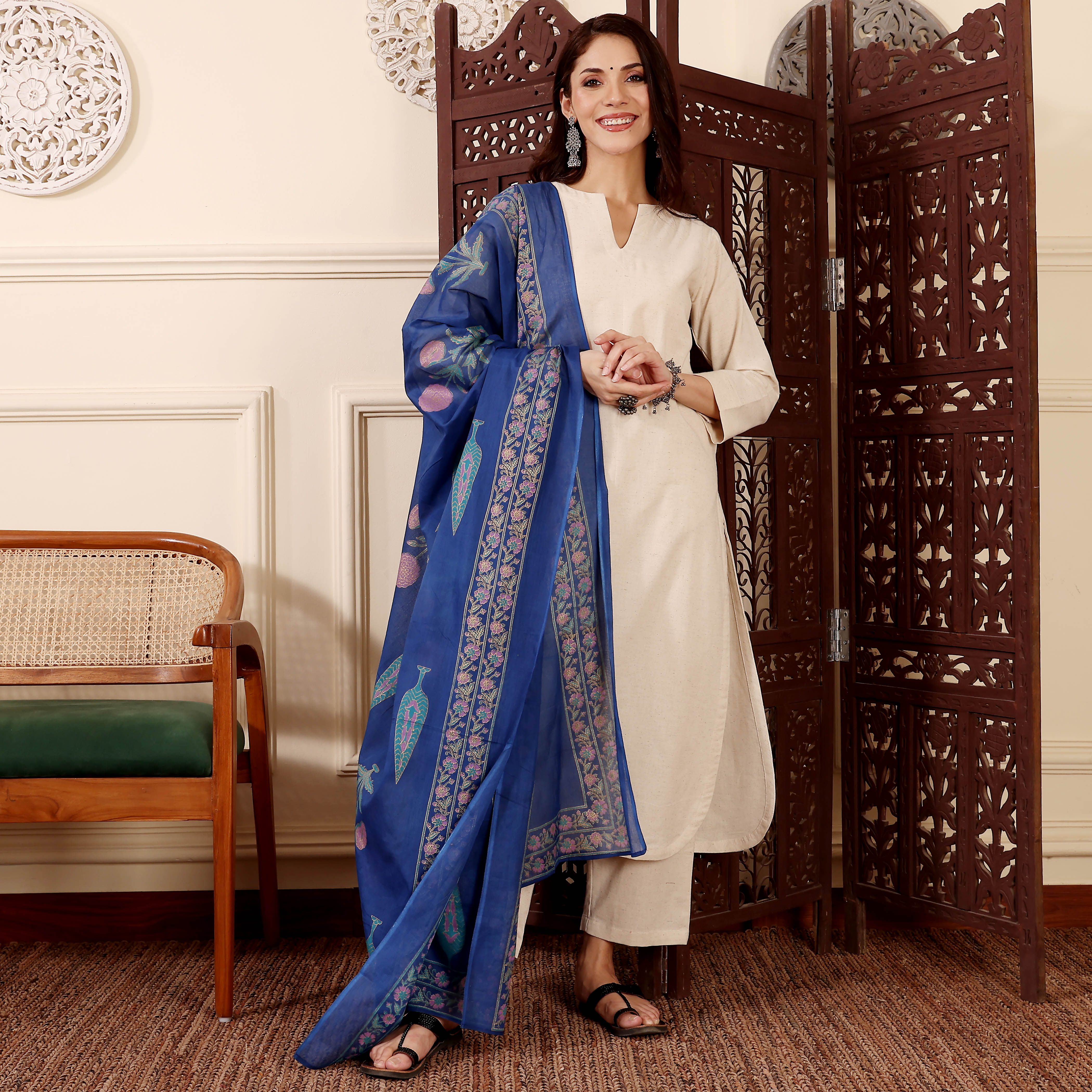
A work-to-dinner outfit should also survive the commute. Fold a dupatta over a broad hanger rather than stuffing it into a handbag, carry earrings in a small hard case, and keep a safety pin, stain-removal wipe and compact comb in the evening kit. A portable steamer is useful at home, but a bathroom steam refresh should not replace proper pressing when the garment has deep creases.
Workplace norms matter as much as fashion. A conservative office may require covered shoulders, a higher neckline or a less transparent dupatta during the day. A dinner plan doesn't remove those requirements. Build the evening change around accessories and drape unless the workplace explicitly permits a more revealing silhouette.
Care labels should guide the final decision. Banarasi silk, organza and embellished pieces may require dry cleaning or careful steaming, while cotton and washable blends may tolerate more frequent wear. Do not spray perfume directly onto zari, embroidery, silk or organza because alcohol and moisture can mark delicate surfaces.
A Simple Decision Framework for Choosing the Right Outfit
The right outfit can be selected in under five minutes by checking four factors: workplace formality, travel time, dinner setting and available evening accessories. A highly formal workplace calls for a structured kurta set or restrained saree. A long commute favours Roman silk, blended fabric or low-crease cotton over fragile organza. A restaurant dinner can take a deeper colour and compact jewellery, while a family gathering may welcome embroidery or a richer dupatta.
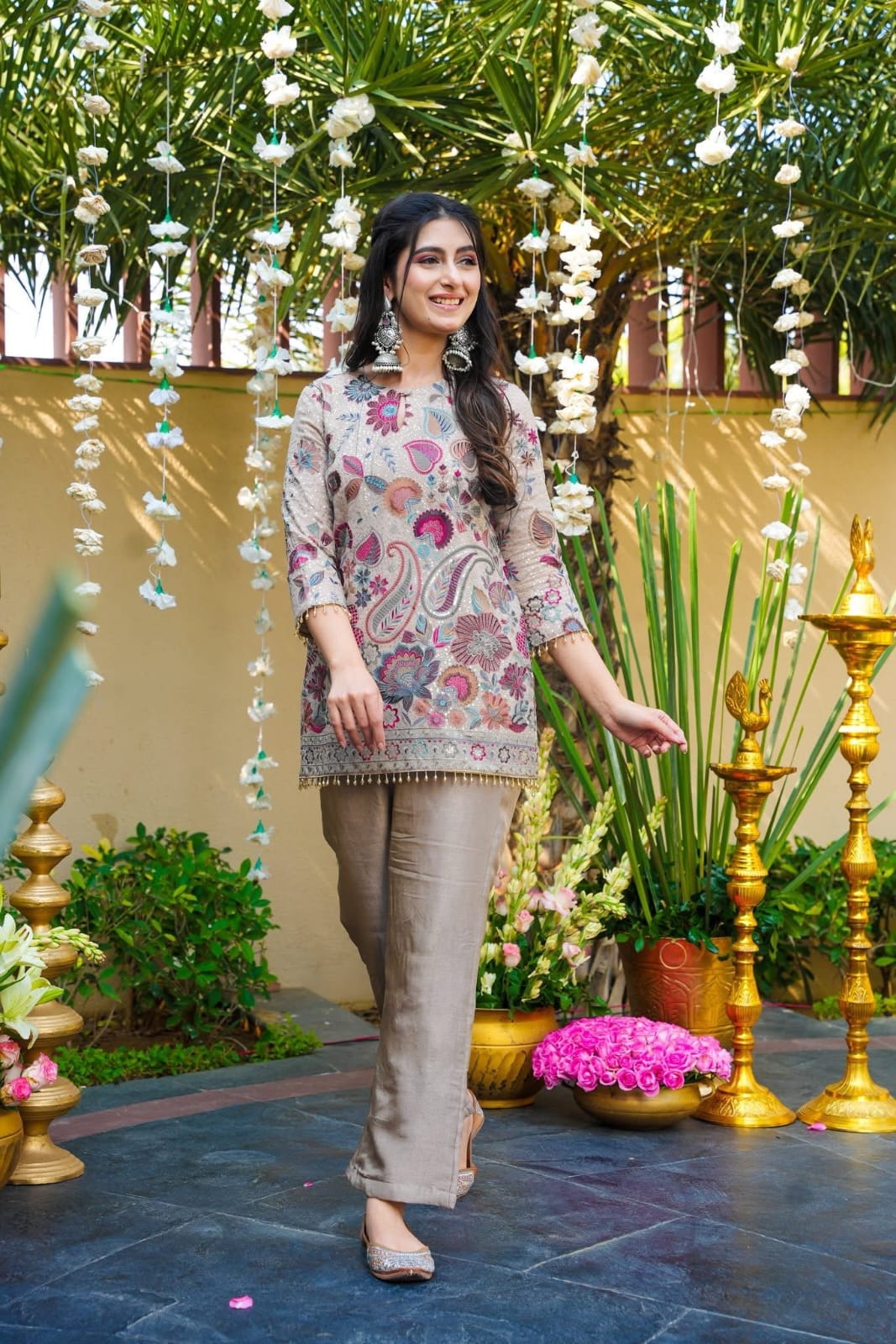
Ask whether the garment looks complete without its most decorative element. If the outfit collapses when the dupatta, jacket or statement jewellery is removed, it may be too dependent on one styling layer. Ask whether the base still looks intentional after eight hours. If the answer is yes, the garment has the adaptability needed for a genuine day-to-night wardrobe.
What Makes the Transition Work for One Ethnic Outfit From Office to Dinner isn't a dramatic transformation. The strongest transition keeps the silhouette stable and changes the signals around it. A considered fabric, practical fit, moderate embellishment and a small evening kit can make one ethnic outfit serve two different parts of the same day.
Common Questions About Styling One Ethnic Outfit From Office to Dinner
How can I make a kurta set suitable for both office and dinner?
Choose a well-fitted kurta set in a low-crease fabric with moderate embroidery and a clean trouser or palazzo silhouette. Wear understated jewellery and practical footwear at work, then change to evening earrings, a compact bag and dressier footwear after hours.
Which ethnic fabrics work best for office-to-dinner dressing?
Roman silk, cotton blends, structured viscose and moderately crisp cotton generally transition well because they hold their shape and do not crease excessively. Chanderi cotton and handloom cotton can also work, but they need careful pressing and may require more attention after commuting.
Can I wear a saree from the office to a dinner?
Yes, a secure saree drape with a comfortable blouse can work for both settings. Keep the office styling minimal, then change the bag, earrings, lip colour or blouse-covering layer for dinner rather than rebuilding the entire drape.
How do I make an office ethnic outfit look more festive at night?
Add one evening-focused element such as a metallic sandal, statement earrings, a richer lip colour or an embroidered dupatta. One strong change usually looks more polished than combining heavy jewellery, shimmer and a dramatic bag at once.
Are lehengas suitable for an office-to-dinner outfit?
Most lehengas are better suited to dinners, receptions and celebrations because their volume and embellishment appear festive during the day. A simpler lehenga with a longer jacket or restrained blouse can be adapted, but workplace dress codes should be checked first.
What should I keep in an office bag for an evening outfit change?
Carry evening earrings, a compact bag, a second lip colour, blotting paper, safety pins and a small comb. A foldable dupatta cover or garment sleeve can also protect delicate embroidery, zari, organza and silk during the commute.