Why the Dupatta Width Matters Before You Choose a Bridal Drape becomes vivid when a narrow dupatta fails to cover the blouse or a very wide one overwhelms carefully arranged pleats. Width controls coverage, shoulder balance, front fall, movement and the amount of fabric available for pinning. Bridal styling therefore depends on measurement as much as colour, embroidery and fabric.
Length and width perform different jobs. Length determines how far a dupatta travels from the head to the back, shoulder or waist. Width determines how much body the fabric can cover from one side edge to the other. Two dupattas can have the same length and create entirely different results when one is 35 inches wide and the other is 45 inches wide.
Why the Dupatta Width Matters Before You Choose a Bridal Drape for Coverage
Dupatta width determines the amount of coverage, the number of visible pleats and the stability of the finished drape. A wider dupatta provides more fabric for a head veil or cross-body arrangement, while a narrower dupatta usually creates a lighter shoulder line.
A practical finished width for many bridal looks falls between 36 and 46 inches. A 36- to 40-inch dupatta often suits a single-shoulder or front-pinned drape. A 42- to 46-inch dupatta offers more flexibility for a head veil, chest coverage or Gujarati-style front sweep. Fabric thickness, border width and body proportions can alter the ideal measurement.
- 30 to 35 inches: suitable for a slim shoulder drape or a lightweight second dupatta.
- 36 to 40 inches: versatile for an one-dupatta bridal lehenga with controlled pleats.
- 41 to 46 inches: useful for head coverage, a cross-body drape or fuller front coverage.
- 47 inches and above: dramatic for a substantial veil, but more demanding to pin and manage.
Width also changes visual proportion. A heavily embroidered lehenga paired with a very narrow dupatta may leave the upper body looking underdressed. A broad zari-edged dupatta folded into a thick band can make a petite wearer look visually shorter.
Why the Dupatta Width Matters Before You Choose a Bridal Drape for Different Styles
The correct width depends on the drape you plan to wear, because a head veil requires more usable fabric than a simple shoulder fall. Choose the smallest width that delivers the intended coverage without creating unnecessary bulk.
Single-shoulder pleated drape
A 36- to 40-inch width usually works well for a single-shoulder pleated drape. The fabric can be folded into even pleats, secured at the shoulder and allowed to fall behind the arm or across the front. A narrower width keeps pleats crisp and prevents a heavy border from sliding toward the elbow.
Head-covering or veil drape
A 42- to 46-inch width is generally more practical for a bridal veil that covers the head and extends towards the back or front. Extra width allows the fabric to sit over the crown without exposing the hairline when the bride turns. A very wide veil can work, but the additional fabric needs discreet crown and shoulder pins.
Gujarati or front-pallu drape
A 40- to 46-inch width gives a Gujarati-style drape enough surface area to travel across the chest and rest over the opposite shoulder. The border becomes prominent in this arrangement, so a narrow dupatta may not display a wide woven edge properly.
Double-dupatta styling
Double-dupatta bridal styling works best when the two dupattas have different widths and separate functions. A 40- to 46-inch veil dupatta can cover the head, while a 30- to 36-inch lightweight dupatta can define the shoulder or waist. Two equally wide, heavily embellished dupattas often create unnecessary bulk around the neck and arms.
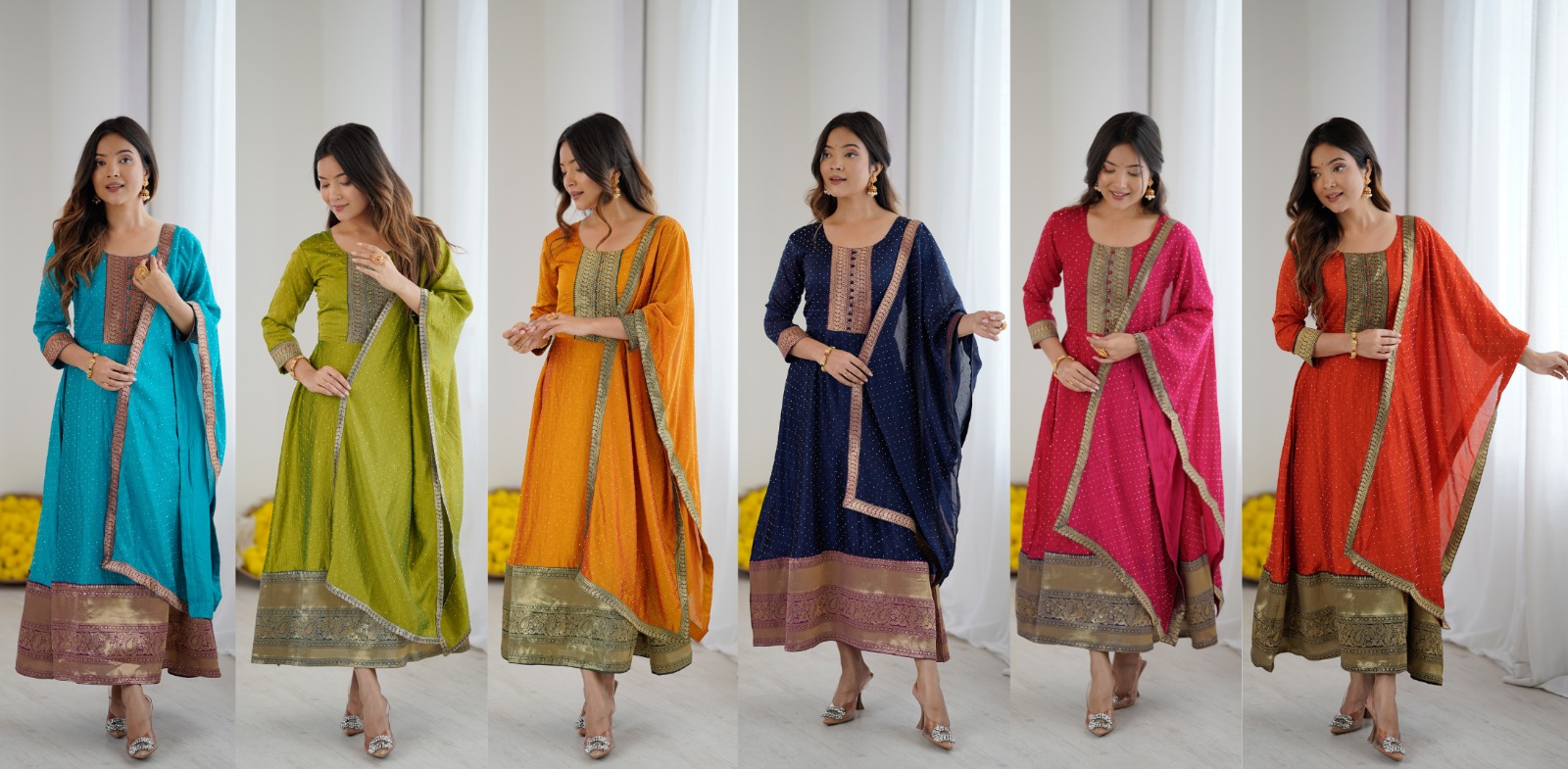
The vichitra Jacquard Woven Gown Dupatta Set shows why a coordinated outfit should still be assessed by the intended drape. Jacquard weaving can add body and structure, so a full-width shoulder arrangement may need fewer folds than a soft chiffon veil.
Why the Dupatta Width Matters Before You Choose a Bridal Drape When Measuring Online
Measure a dupatta from finished edge to finished edge across its width, excluding tassels, scalloped extensions and loose fringe. Measure length along the straight fabric rather than following a curve created by a folded border.
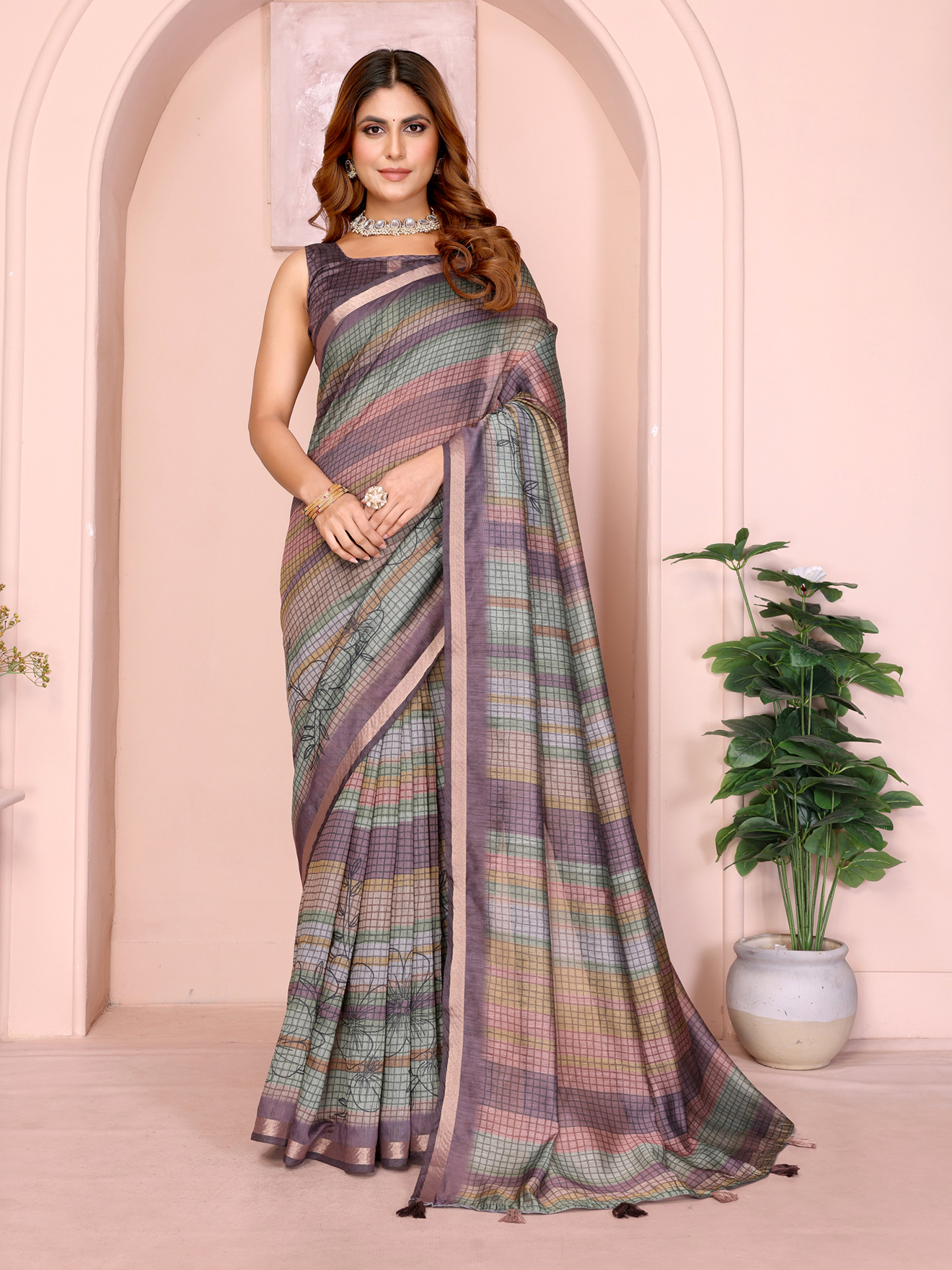
Online measurements can refer either to the cut size before hemming or the finished size after edging. A narrow hem may reduce usable width by approximately half an inch on each side. A broad border can also make the flexible central fabric appear smaller than the stated total measurement.
- Place the dupatta flat on a clean bed or table without stretching the weave.
- Measure from the left finished edge to the right finished edge at the centre.
- Measure again near both short ends to check whether the fabric has been cut evenly.
- Record the length from one short edge to the other, excluding tassels and hanging trims.
- Note the border width separately because a 4-inch border on both sides reduces the flexible area by roughly 8 inches.
For a made-to-measure bridal drape, measure from the crown or shoulder point to the position where the hem should finish. Add 8 to 12 inches for folding, pinning and movement. A bride who wants the dupatta to cover the head and reach below the waist needs more usable length than someone planning a shoulder-only fall.
A simple fitting test prevents many buying mistakes. Hold the folded dupatta at the intended shoulder point, place the opposite edge across the chest and check whether the hem reaches the planned position without pulling fabric away from the head. A dupatta that barely reaches the desired point while standing still will usually shift during walking.
Check whether the listed measurement includes the border. A 44-inch total width with two 5-inch borders leaves approximately 34 inches of flexible central fabric. The total number may sound generous, but the drape will behave more like a narrower, structured panel.
Why the Dupatta Width Matters Before You Choose a Bridal Drape by Fabric
Fabric weight, stiffness and surface decoration determine whether a wider dupatta feels graceful or cumbersome. Lightweight fabrics can tolerate greater width, while dense silk, velvet or heavily embellished textiles often need moderate width for comfort and control.

Organza and tissue
Organza and tissue hold volume and create a structured silhouette. A 40- to 44-inch width can produce a full, photogenic veil, but repeated folds may feel stiff around the neck. These fabrics benefit from evenly spaced pleats and small safety pins hidden beneath the border.
Georgette and chiffon
Georgette and chiffon drape close to the body and can accommodate a generous width without adding much weight. A 42- to 46-inch chiffon or georgette dupatta is useful for head coverage because the fabric settles softly over the hair and shoulders. Slippery surfaces need pins with rounded tips or small sewn fabric loops.
Silk and silk blends
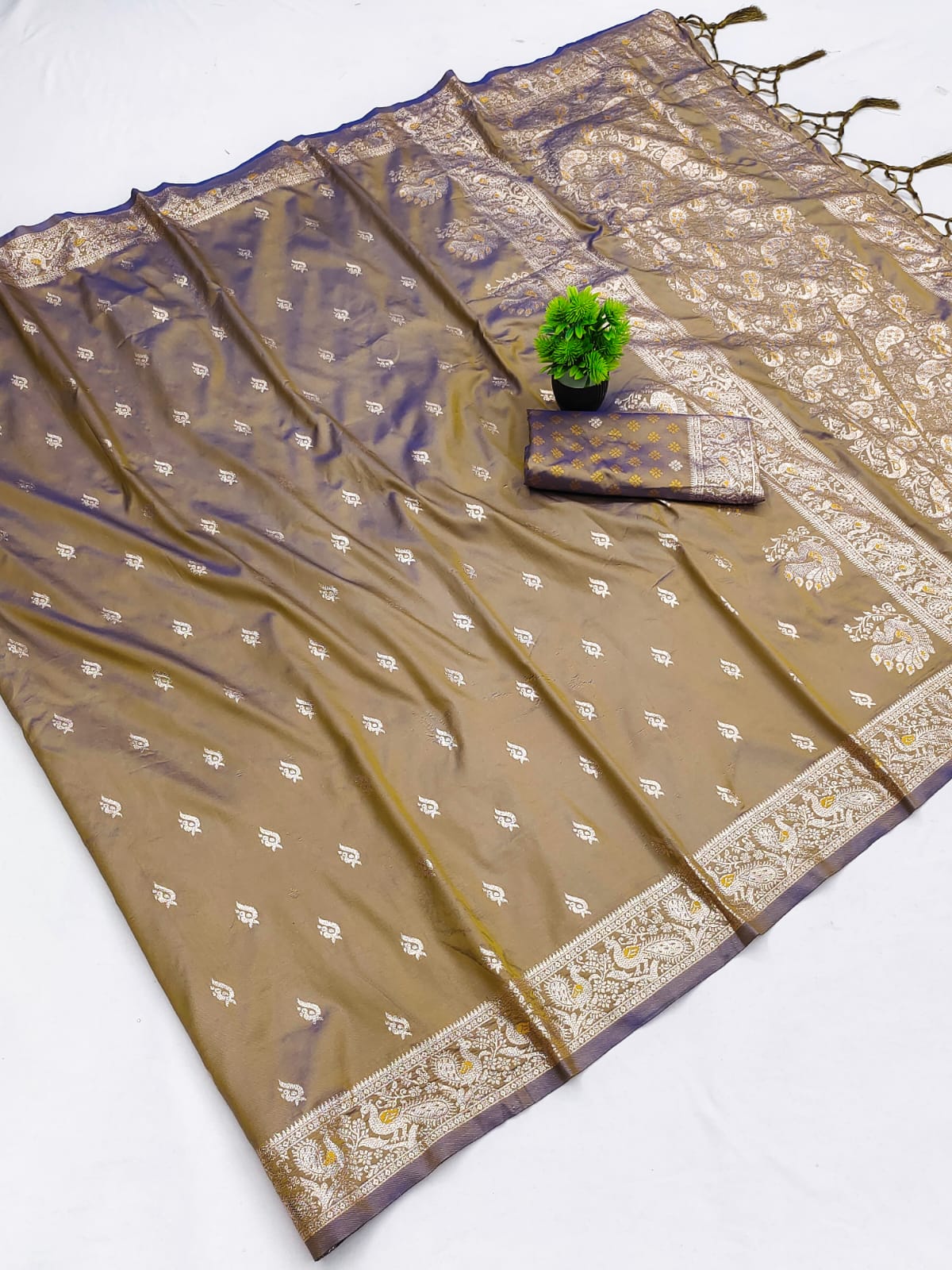
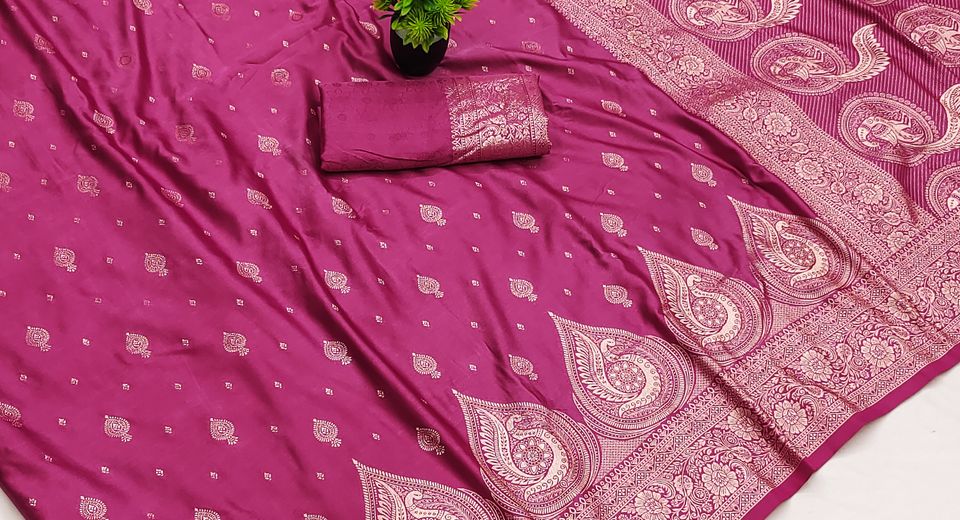
Silk fabrics need careful width selection because their body makes pleats appear thicker. Banarasi silk, Dola silk and satin silk often look polished at 36 to 42 inches, particularly when the edge contains zari or jacquard weaving. The Rani Pink Satin Silk Saree with Golden Zari Paisley Border demonstrates how a substantial decorative edge can become the visual focal point, even though a saree pallu and a dupatta don't behave identically.
Chanderi and cotton-silk weaves
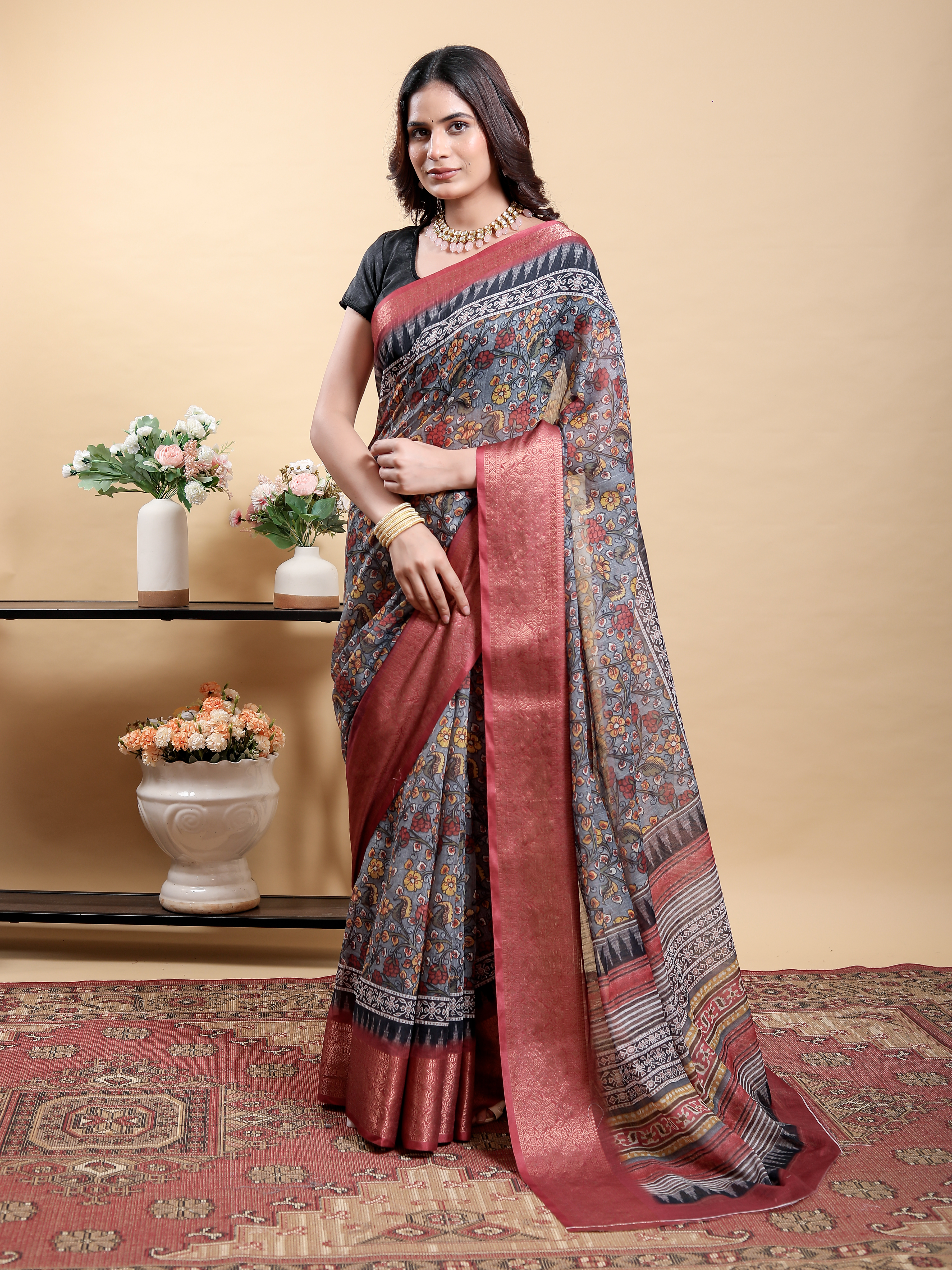
Chanderi has a light hand and gently crisp finish, so a wider panel can create graceful volume without appearing heavy. A 40- to 44-inch Chanderi dupatta suits a formal salwar suit or a lighter wedding function. The Maroon Embroidered Chanderi Kurta Set with Dupatta illustrates how a lightweight weave can support a generous, comfortable drape.
The Peach Paithani Style Zari Weave Unstitched Suit also highlights the importance of checking zari placement before selecting a fold. A zari weave can look elegant when displayed along the edge, but repeated narrow pleats may conceal the motifs that make the fabric distinctive.
Why the Dupatta Width Matters Before You Choose a Bridal Drape with Borders
Wide borders and dense embroidery reduce the flexible portion of a dupatta even when the total measurement remains generous. A 44-inch dupatta with a 5-inch border on both sides has only about 34 inches of relatively pliable central fabric for folding and wrapping.
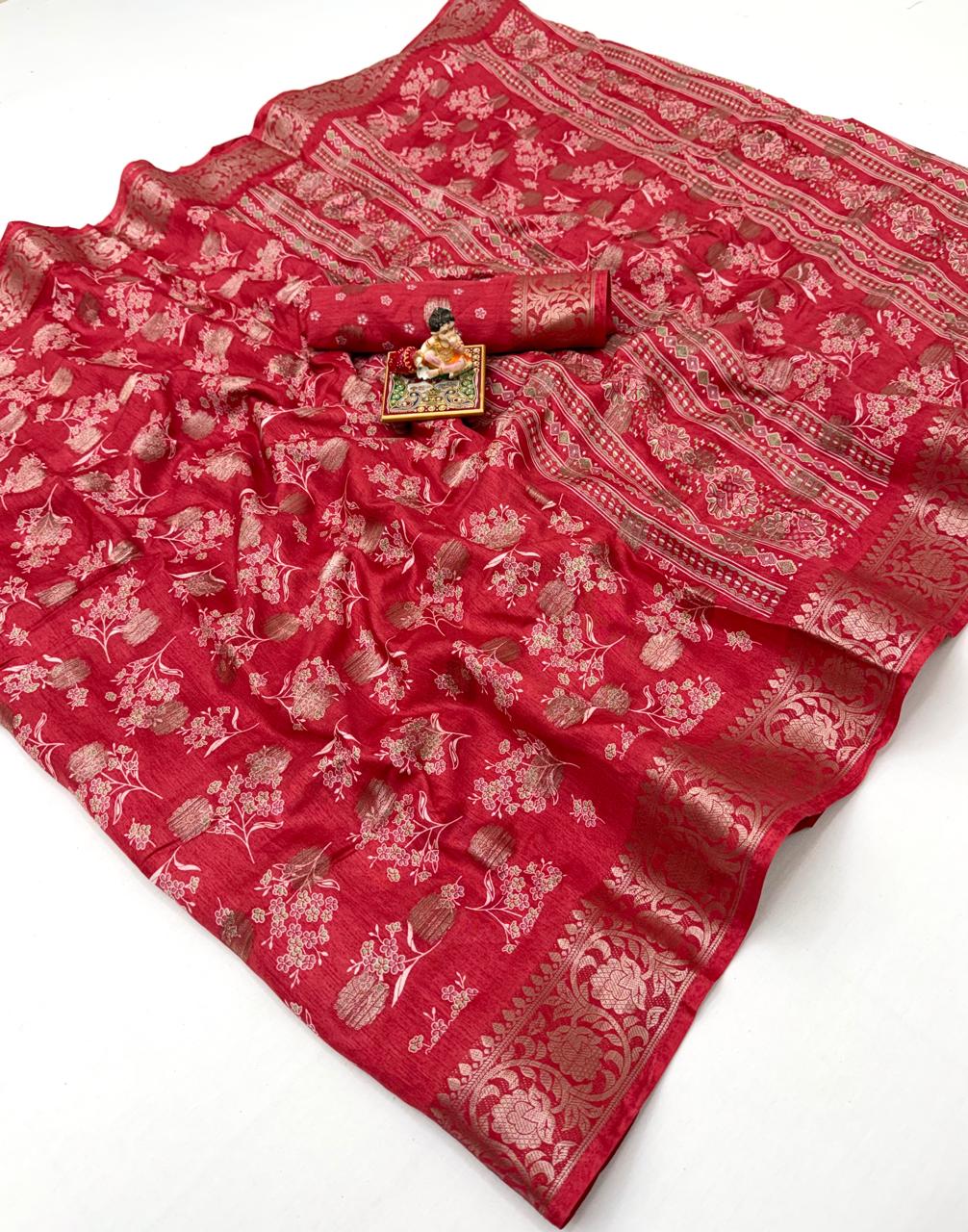
Heavy borders also change the centre of gravity. A zari border can pull the outer edge down, improving the fall while encouraging the shoulder drape to slide. Dense threadwork near the edge makes fabric stiffer and can prevent small pleats from lying flat.
When a border is the main design feature, keep the border visible rather than burying it inside multiple folds. A 36- to 40-inch dupatta with a dramatic border can look richer than a 46-inch plain dupatta folded so heavily that its embellishment disappears.
The Designer Threadwork Silk Lehenga Choli Set with Dupatta illustrates a common bridal styling decision. Threadwork and silk create visual weight, so the drape should be planned around clean display areas rather than maximum fabric volume. An ornate edge may need a slightly narrower shoulder fold to keep the embroidery legible.
The Red Dola Silk Butti Saree With Jacquard Border and Teal Ethnic Dola Silk Saree With Elegant Jacquard Border provide useful references for judging woven borders. A jacquard border has more structure than an unembellished edge, so a matching dupatta should not be treated as if it were an airy voile.
Why the Dupatta Width Matters Before You Choose a Bridal Drape for Body Proportion
Body proportion should guide dupatta width through shoulder breadth, torso length and desired coverage rather than height alone. The same 44-inch dupatta can look delicate on one wearer and overwhelming on another.
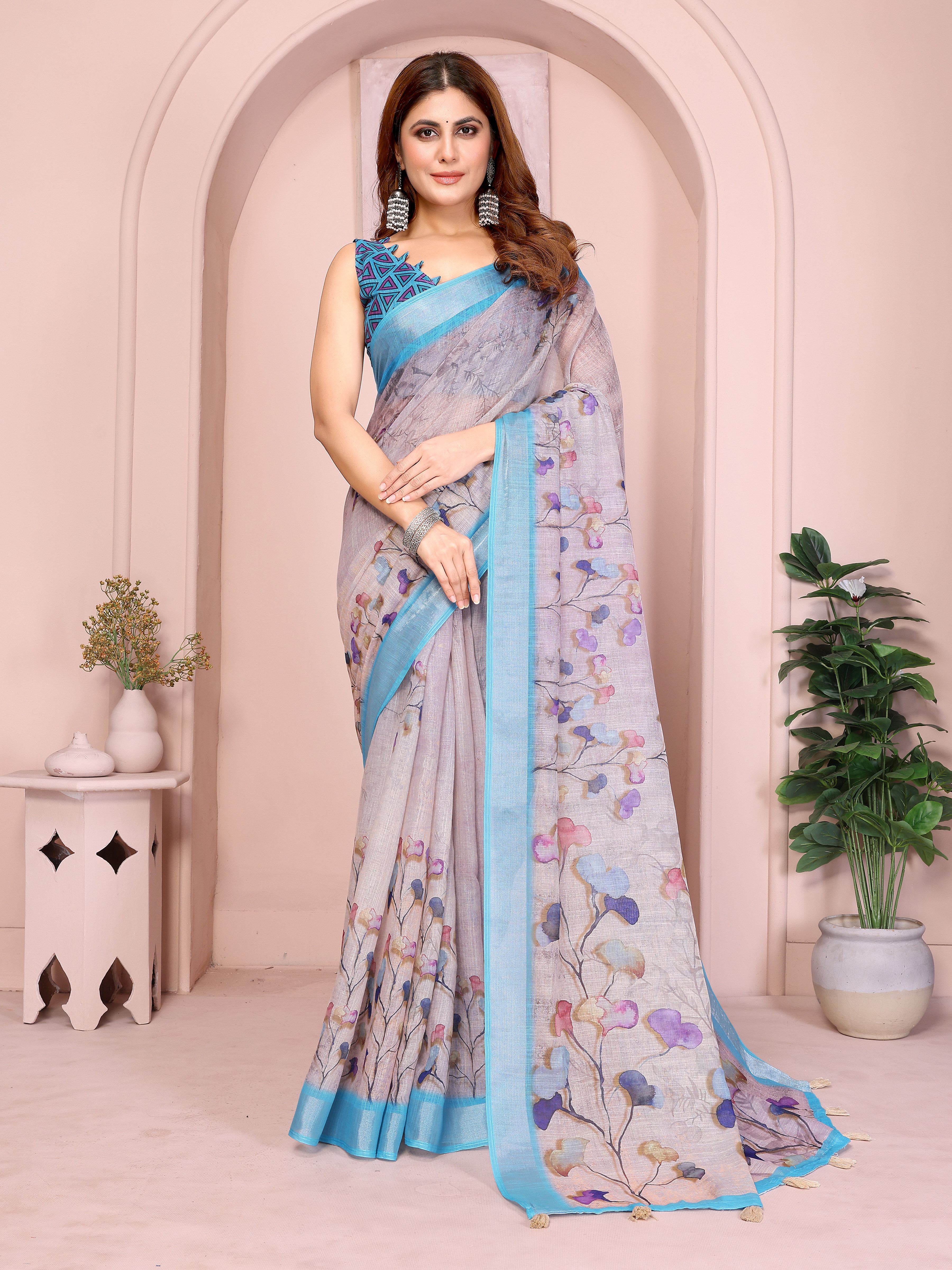
A petite bride can wear a wide dupatta successfully when the fabric is lightweight and the border is narrow. Folding the dupatta into a slim shoulder band instead of allowing the full width to sit across the chest preserves vertical length. A shorter bride may also prefer a head veil falling behind the shoulders rather than ending across the waist, where a strong horizontal line can shorten the torso visually.
A bride with broad shoulders may prefer a 40- to 44-inch dupatta worn diagonally rather than tightly folded across the collarbone. Diagonal placement breaks up horizontal width and gives the fabric a smoother route from the shoulder to the opposite hip.
A longer torso often benefits from additional width because more fabric is needed for full chest coverage. A 42- to 46-inch dupatta can cover the torso without being pulled tight at the shoulder. The final choice should still account for blouse neckline, sleeve length and jewellery.
The Maroon Embroidered Chanderi Kurta Set with Dupatta is a useful example for a lighter formal look, while the Designer Threadwork Silk Lehenga Choli Set with Dupatta calls for more attention to weight distribution. Both outfits can be styled elegantly, but they should not automatically use the same folding method.
Why the Dupatta Width Matters Before You Choose a Bridal Drape for Security and Comfort
A secure bridal drape requires enough width for coverage but not so much fabric that the pins carry excessive weight. Stability comes from matching width with fabric weight, pin placement and the bride's planned movement.
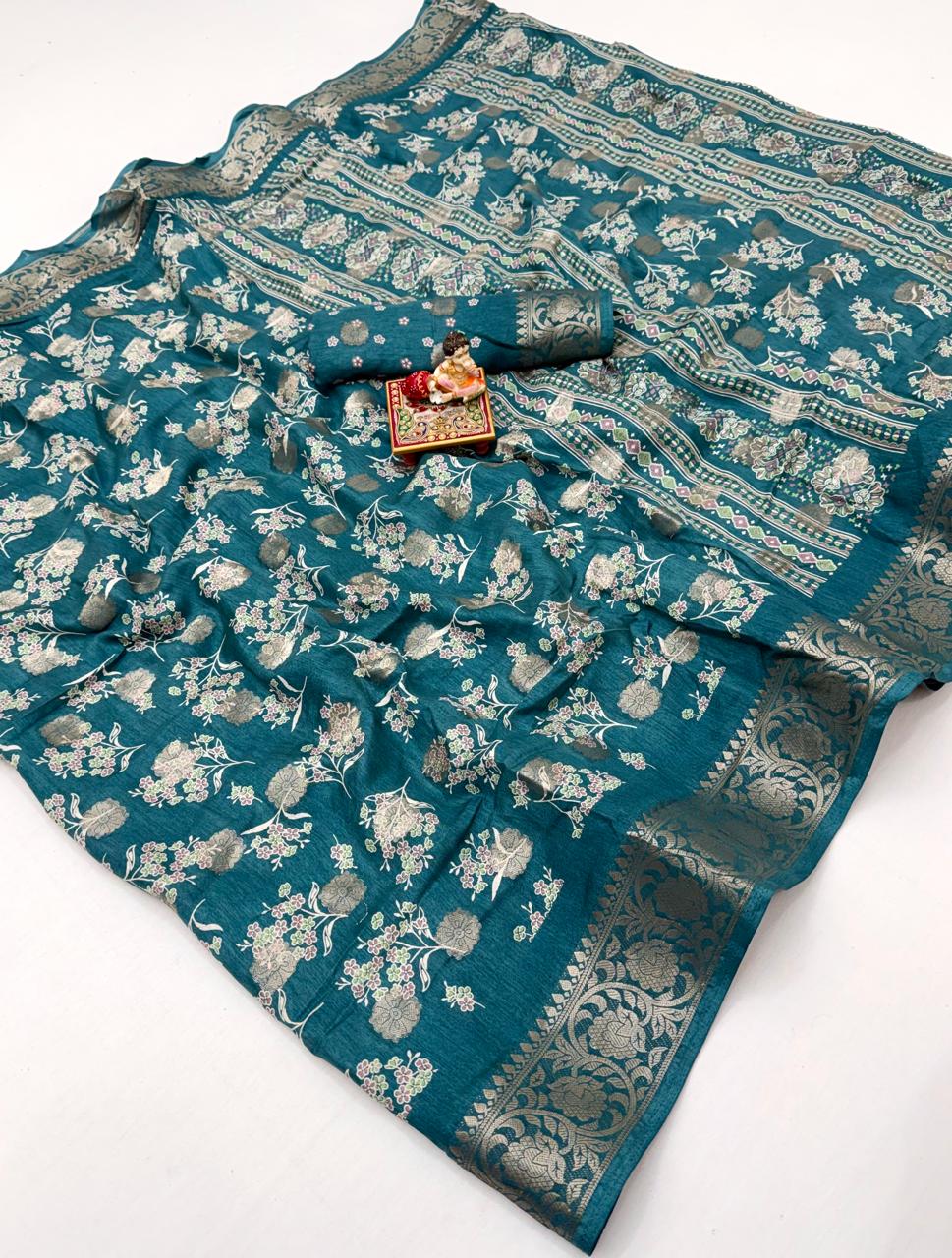
Use three points of support for a head veil: one small pin near the crown, one concealed pin at the shoulder and one optional pin near the back of the blouse. Avoid placing a heavy pin directly on delicate zari or fine tissue. A fabric loop sewn beneath the border can provide a stronger anchor without puncturing the visible surface repeatedly.
For a shoulder drape, pin the pleats together approximately 2 to 3 inches below the shoulder seam rather than at the edge of the shoulder. A second pin beneath the blouse strap or sleeve seam prevents the dupatta from sliding outward. Test the arrangement while sitting, standing and raising both arms.
Comfort also depends on the blouse and jewellery. A broad dupatta combined with a high choker, heavy earrings and embellished sleeves can create friction around the neck and upper arm. A narrower second dupatta may provide better movement during the Haldi ceremony, while a wider veil can be reserved for the wedding ceremony and photographs.
The Buy Mauve Floral Printed Satin Saree With Woven Border and the Rani Pink Satin Silk Saree with Golden Zari Paisley Border show how satin and woven edges can create a polished fall, but bridal dupatta styling still requires a separate weight and width check. Saree pallu dimensions can't be copied directly for a dupatta because the attachment point and movement pattern differ.
Why the Dupatta Width Matters Before You Choose a Bridal Drape at the Final Fitting
The final fitting should confirm that the chosen width works with the complete outfit, jewellery, hairstyle and footwear. A drape that looks secure on an empty blouse may behave differently once a veil, necklace and embroidered sleeves are added.
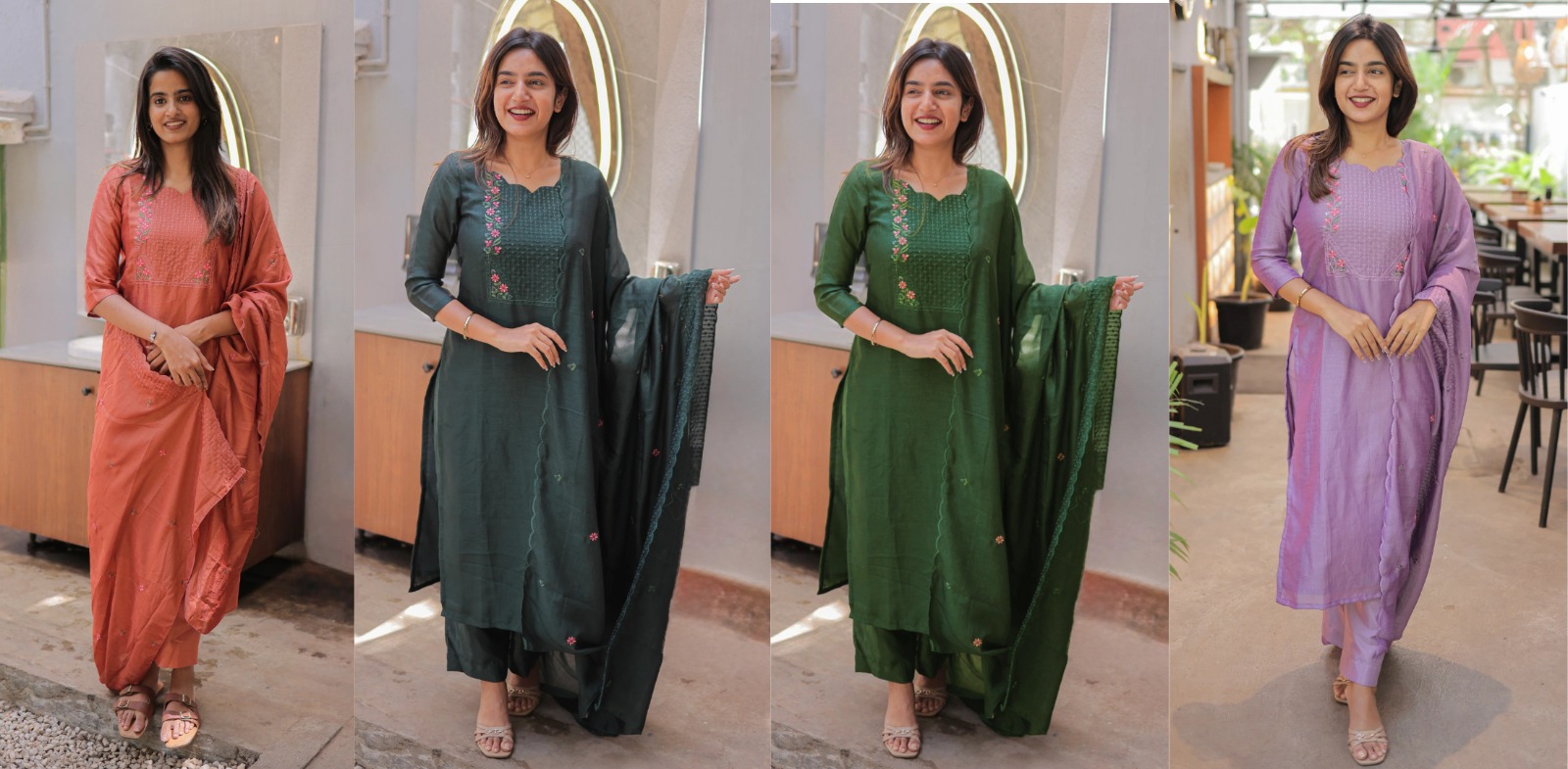
Schedule the fitting 7 to 14 days before the wedding when possible. Wear the blouse, lehenga, footwear and intended jewellery. Ask the draper to test the dupatta while walking for at least 10 minutes, sitting on a chair, turning the head and lifting the arms to shoulder height.
Mark the preferred shoulder point with a small removable thread or fabric chalk. Photograph the front, side and back view so the width can be judged as a complete silhouette rather than only from the mirror-facing angle. Check that the border remains visible and that the hem doesn't catch under the heel.
Choose the narrower option when two dupattas offer similar coverage but one creates noticeably more bulk. Choose the wider option when a head veil exposes the hairline, pulls across the chest or fails to reach the intended back position. Correct width makes pinning easier, improves movement and reduces last-minute adjustments.
A bridal dupatta should support the outfit rather than compete with it. The right measurement displays zari, jacquard, threadwork, Chanderi texture and woven borders while keeping the bride comfortable through every ritual and photograph.
Common Questions About Choosing the Right Bridal Dupatta Width
How wide should a bridal dupatta be for a head veil?
A bridal dupatta for a head veil is usually most practical at 42 to 46 inches wide. The exact choice depends on fabric weight, border width and whether the veil must also cover the chest or reach below the waist.
Is a wider dupatta always better for bridal wear?
A wider dupatta is not always better because extra fabric can create bulk, hide embroidery and pull heavily on shoulder pins. Choose the narrowest width that provides the coverage required by the planned drape.
What dupatta width works for a double-dupatta bridal lehenga?
A double-dupatta bridal lehenga commonly works with a 40- to 46-inch veil and a 30- to 36-inch shoulder or waist dupatta. Using different widths gives each layer a clear function and reduces congestion around the neck.
How do I measure dupatta width at home?
Lay the dupatta flat and measure from one finished side edge to the other at the centre, excluding tassels and fringe. Measure near both ends as well, and record the border width separately to calculate the flexible fabric area.
Does a heavy zari border change the dupatta width I should buy?
A heavy zari border can make a dupatta behave narrower than its total measurement because the border reduces flexible fabric and adds weight. A moderate 36- to 42-inch width may be easier to control than an oversized dupatta with very wide borders.
What is the best dupatta width for a petite bride?
A petite bride can wear a wide dupatta when the fabric is lightweight and the drape preserves vertical lines. A 36- to 40-inch shoulder drape or a 42-inch veil with a narrow border often offers coverage without overwhelming the silhouette.