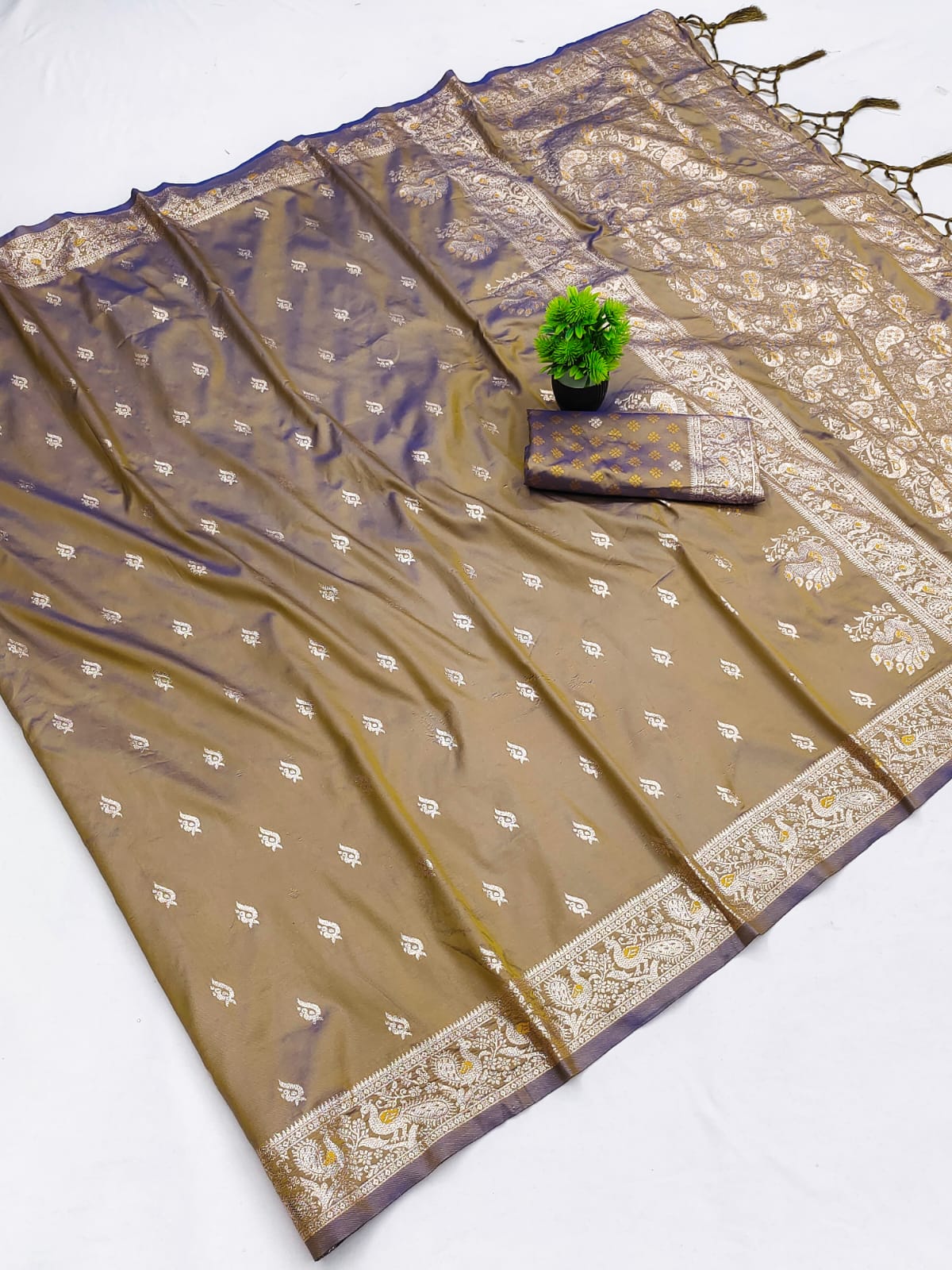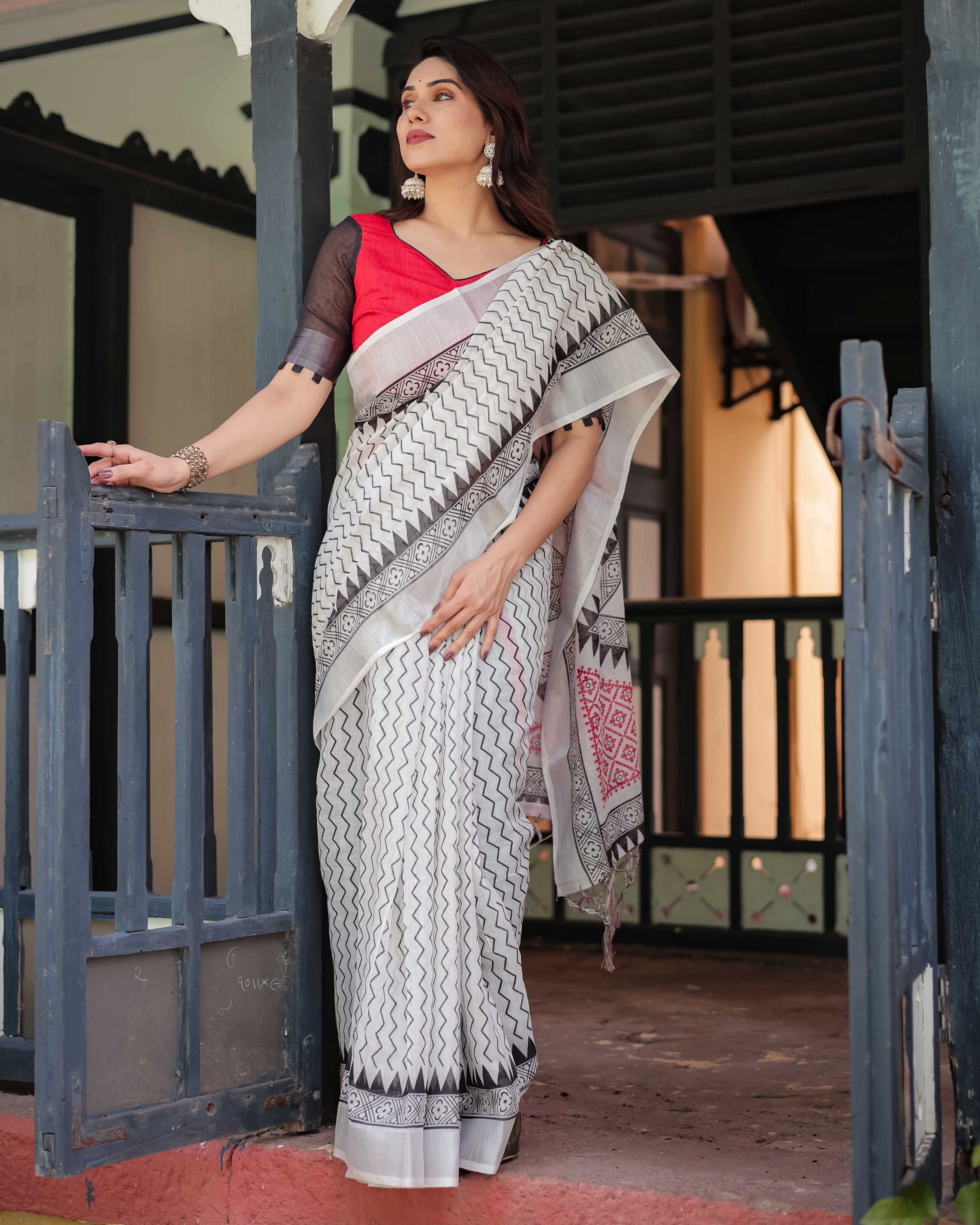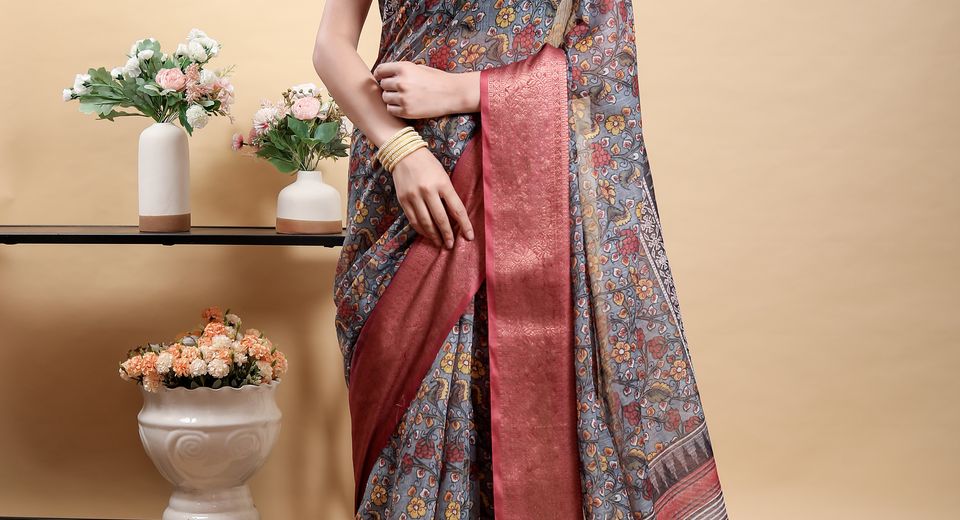
A Marathi Sakharpuda Saree That Can Be Worn Again should look special at the engagement without becoming trapped in a single wedding wardrobe. The most useful choice combines a colour that suits the sakharpuda ceremony, a fabric comfortable for several hours, a border or weave with enough occasion presence, and a blouse that can be restyled later. With those four decisions made carefully, one saree can work for a family puja, festive lunch, wedding reception, Diwali gathering or formal dinner.
Sakharpuda, the Marathi engagement ceremony traditionally associated with the exchange of sweets and the formal confirmation of a relationship, often calls for an outfit that feels festive but not necessarily as heavy as the wedding day ensemble. That distinction creates room for elegant Chanderi, linen cotton, soft silk, Banarasi silk and printed sarees. The right choice depends on the ceremony setting, season, jewellery and how often you expect to wear the saree afterwards.
What makes a Marathi Sakharpuda Saree That Can Be Worn Again practical?
A repeat-wear sakharpuda saree has a versatile base colour, moderate embellishment, a manageable fabric and a blouse that can be separated from the original styling. A saree covered in highly specific bridal motifs or very heavy surface work may look excellent once but offer fewer styling options later. A well-chosen woven border, tasteful zari, floral print or textured weave can provide ceremony-appropriate detail without limiting future use.
Fabric weight matters because engagement ceremonies commonly include greetings, photographs, sitting on stage or floor seating, and movement between indoor and outdoor spaces. Linen cotton and Chanderi cotton can feel easier during warm-weather functions, while Banarasi silk and soft silk offer more structure for evening celebrations or air-conditioned halls. Shimmer linen cotton can add light-catching detail without the weight of a densely embroidered silk saree.
Repeat wear also depends on visual flexibility. A charcoal, indigo, maroon, peach, olive or pastel saree can move between occasions when the blouse, jewellery and drape change. A border with a defined colour story makes accessorising easier because the same saree can take gold, silver, pearl, oxidised or coloured-stone jewellery depending on the event.
How should you choose the fabric for a Marathi sakharpuda?
Choose the fabric according to the ceremony duration, weather, amount of movement and the level of traditional formality you want. A short daytime sakharpuda generally suits breathable cotton blends or Chanderi, while a formal evening engagement can carry soft silk, Banarasi silk or a subtle shimmer weave.

Lightweight choices for daytime ceremonies
Linen cotton is useful for a summer engagement because the cotton content generally makes the saree easier to wear for longer periods, while the linen texture gives the outfit a polished, structured appearance. The Charcoal Floral Linen Cotton Saree with Maroon Woven Border demonstrates how a darker neutral can look festive through a defined border rather than heavy ornamentation. The maroon border also gives you a clear direction for a maroon blouse, gold jewellery or a contrasting printed blouse at a later event.
Chanderi cotton is another practical option when you want lightness with a dressier surface. The Charcoal Chanderi Cotton Saree with Multicolor Woven Motifs can support a sakharpuda look with a simple blouse and time-honoured jewellery, then become more contemporary with a sleeveless or elbow-length blouse for a cultural programme. Pure Indigo Chanderi Cotton Saree with Floral Print Borders offers a different route: indigo looks grounded and polished for an engagement, while floral borders make the saree suitable for festive daytime wear after the ceremony.
Dressier fabrics for evening engagements
Soft silk gives an engagement saree a graceful fall and enough body to hold a neat pleat. Olive Green Patola-Inspired Geometric Soft Silk Saree uses a geometric visual language that can feel celebratory without being restricted to bridal wear. Pair the saree with heritage gold jewellery for sakharpuda, then use a plain blouse and contemporary earrings for a reception or festival.
Banarasi silk creates a more classic appearance through its lustre and woven zari. Maroon Banarasi Soft Silk Saree With Golden Zari Border can suit a Marathi engagement when the family prefers a richer, classic colour. The maroon base also has strong repeat-wear potential for Diwali, a wedding reception or a formal family celebration. Use a lighter blouse and less elaborate jewellery later so the styling doesn't repeat the full engagement look.
Shimmer linen cotton can bridge the gap between daytime comfort and evening polish. Peach Floral Printed Shimmer Linen Cotton Saree for Women introduces colour and reflective detail while retaining a lighter visual feel than heavily embellished occasionwear. Peach works particularly well when the jewellery includes pearls, kundan-inspired pieces or warm gold accents.
Which colours work for a Marathi engagement and later occasions?
Maroon, peach, indigo, olive green, charcoal and soft pastels all work for a Marathi engagement when the blouse, border and jewellery create enough festive contrast. The most reusable colour is usually one that complements at least three blouse shades and doesn't depend on a single bridal jewellery set.
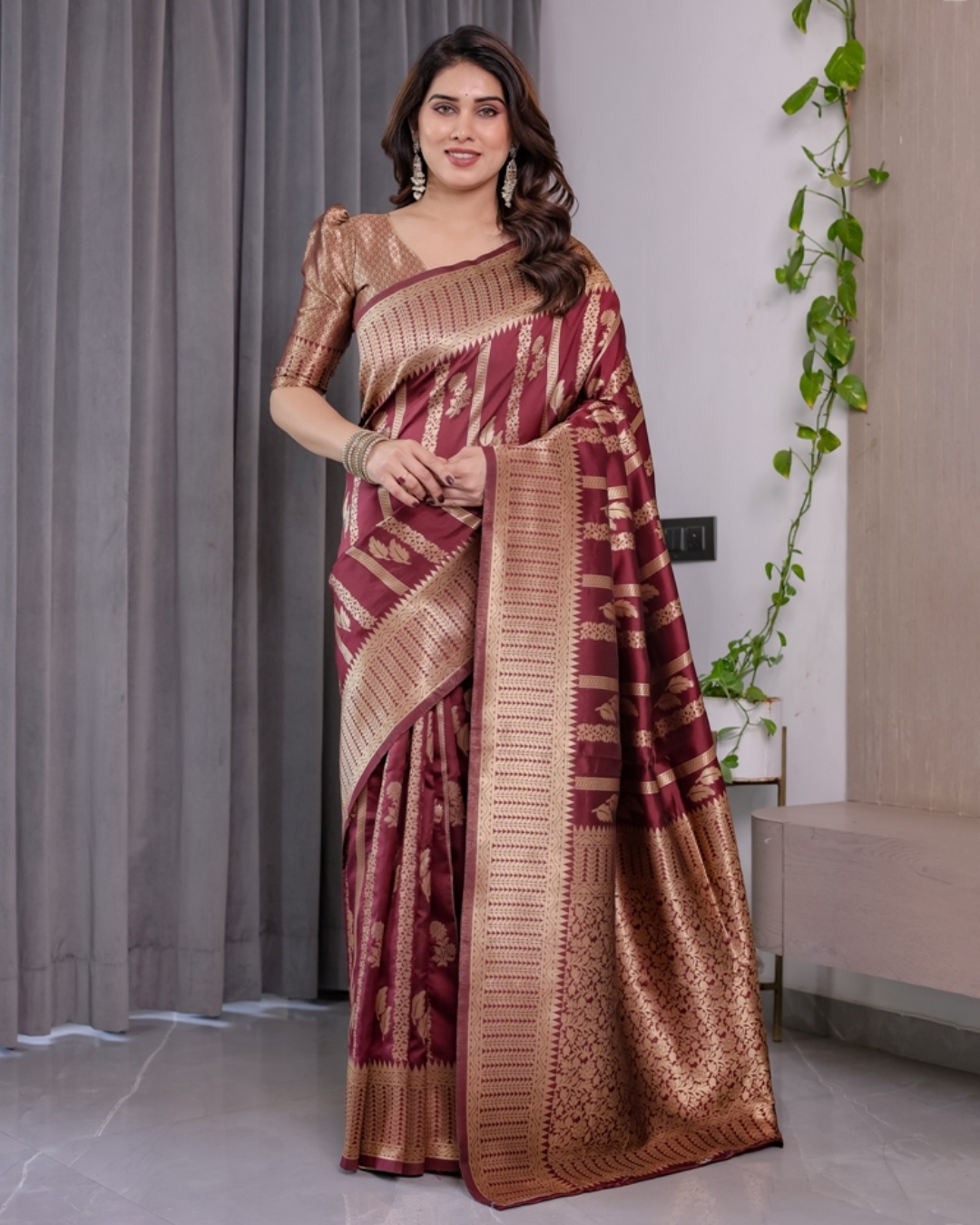
Maroon and red communicate ceremony and tradition, particularly when paired with gold zari or a woven border. Maroon Banarasi Soft Silk Saree With Golden Zari Border can therefore make a strong sakharpuda choice, but the saree can be restyled later with antique gold earrings and a simpler blouse. Red Banarasi Silk Sarees for Weddings Under 1100 is an useful collection to consider when you want a more heritage red direction while keeping the search focused on wedding-ready Banarasi styles.
Peach and pastel shades suit daytime functions, spring celebrations and intimate engagement gatherings. Pastel Linen Cotton Floral Print Saree with Designer Blouse already provides a coordinated blouse route, which can reduce styling decisions before the ceremony. For another event, replace the designer blouse with a solid peach, ivory or rose blouse to alter the overall proportion of print and colour.
Indigo, charcoal and olive green are especially strong for repeat wear because they can be dressed up or down. Indigo pairs with silver, oxidised metal, gold and colorful enamel jewellery. Charcoal creates a delicate background for maroon, ruby, emerald or multicolour accessories. Olive green works with antique gold, bronze, pearl and even muted pink accents. These combinations make a Marathi Sakharpuda Saree That Can Be Worn Again more useful than a saree selected only for one photograph.
How can the blouse make one saree look different?
A change of blouse fabric, neckline, sleeve length or colour can make the same saree appear suited to a new occasion. The blouse should fit securely at the shoulders and bust, allow comfortable arm movement and be finished with enough seam allowance for minor alterations.
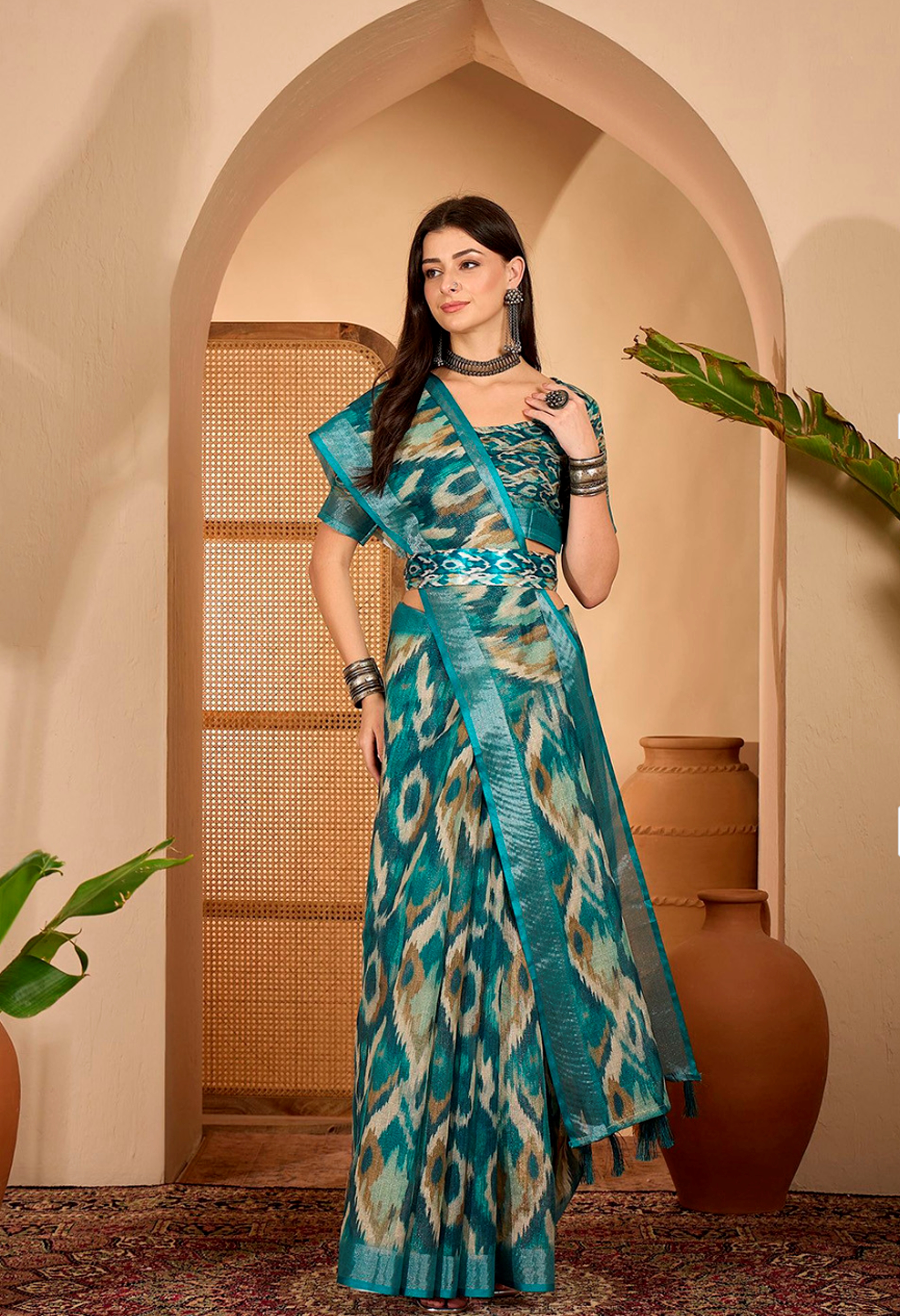
For the sakharpuda, a blouse in a border colour creates a cohesive time-honoured look. A maroon blouse with the Charcoal Floral Linen Cotton Saree with Maroon Woven Border would connect the border to the upper half of the outfit, especially with gold jhumkas and a classic nose ring or nath-inspired accessory. A later styling can use an ivory blouse with the same saree, shifting attention towards the floral print.
A high-neck or elbow-sleeve blouse can make a light Chanderi saree feel formal without adding embroidery. A sleeveless blouse, square neckline or contemporary boat neck may work for a later evening gathering, provided the setting and personal comfort make that choice appropriate. The Black Chanderi Cotton Saree with Contemporary Checked Weave can illustrate how a structured blouse changes the character of a woven saree from time-honoured family function to modern festive dressing.
Keep measurements and blouse details recorded after the first fitting. Note the blouse length, neckline depth, sleeve circumference and hook placement. Those details help a tailor reproduce a successful fit or alter the blouse for a new styling without relying on memory.
How should you style the saree for the sakharpuda ceremony?
Style a sakharpuda saree with one clearly classic element, one coordinated jewellery direction and a neat drape that remains comfortable during photographs and family rituals. A time-honoured element may be a nath-inspired nose pin, green glass bangles, a gajra, a Paithani-style colour accent, a woven zari border or a heritage Maharashtrian drape detail.

The standard pleated Nivi drape is practical when you expect to sit, walk and move frequently. Press five to seven front pleats evenly, secure them inside the waistband and pin the pallu at the shoulder only after checking that the fabric falls comfortably across the chest. A more regional styling can be considered if you already know how to manage the drape and the saree fabric has enough flexibility for the pleats.
Gold jewellery works with zari, maroon, peach and olive green, while silver or oxidised jewellery can sharpen indigo, charcoal and black sarees. Avoid matching every accessory to the border. One repeated colour is usually enough; for example, maroon earrings can echo a maroon border while the blouse remains ivory or charcoal.
Keep the engagement makeup and hair balanced with the saree. A low bun with flowers supports a traditional look, while soft waves can make a printed linen cotton saree feel lighter and more contemporary. A comfortable pair of block heels is generally more practical than very thin heels when the ceremony includes extended standing or uneven outdoor flooring.
How do you restyle the same saree after the engagement?
Restyle the saree by changing at least two visible elements, such as the blouse and jewellery, rather than repeating the complete sakharpuda combination. A different blouse colour can change the perceived palette, while a new drape or handbag can shift the outfit from traditional to contemporary.
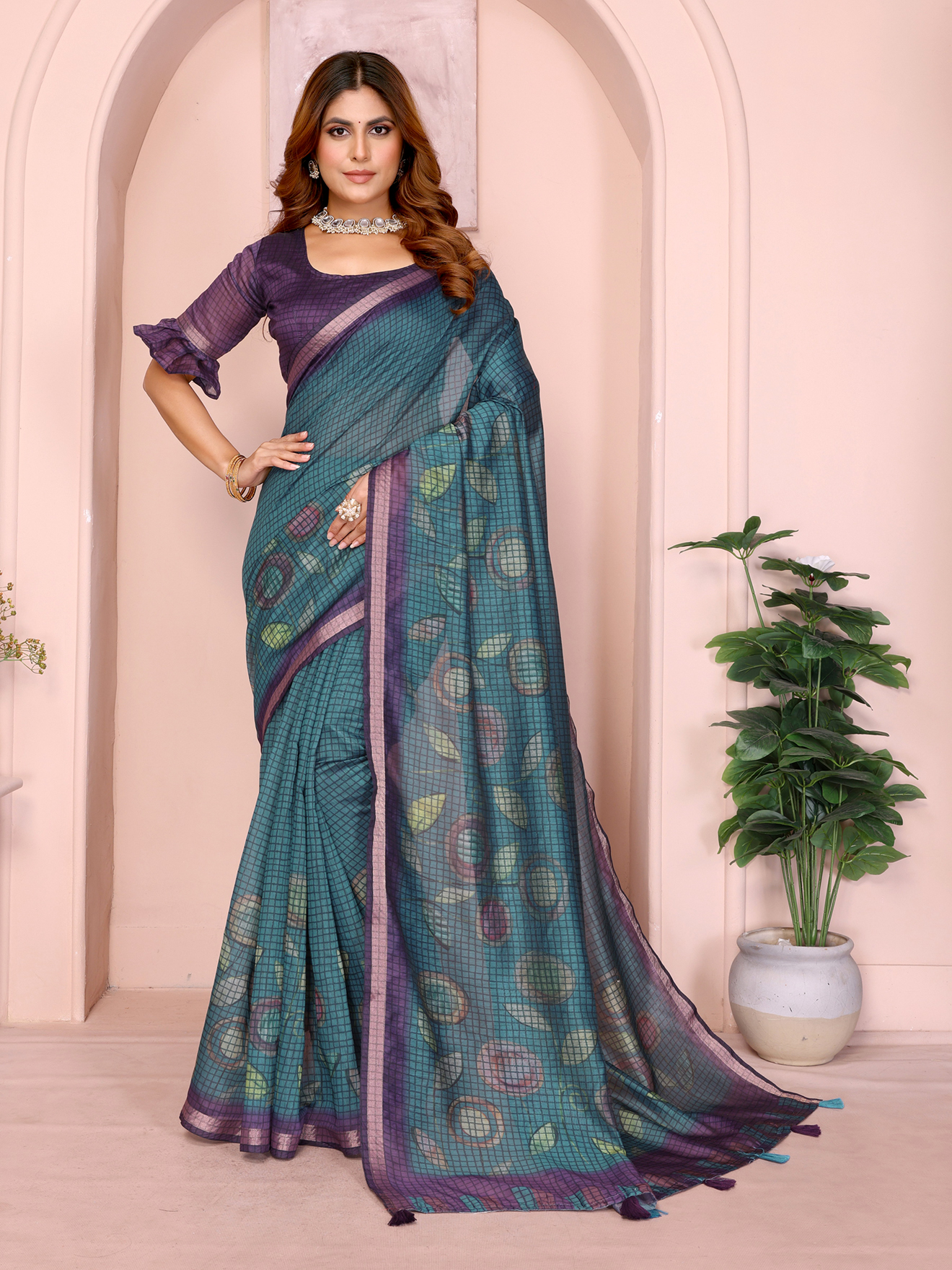
For a festive lunch, wear a Chanderi saree with a simple short-sleeve blouse, pearl studs and a small potli. For an evening reception, use the same saree with a metallic blouse, deep earrings and a structured clutch. For a family puja, reduce the jewellery and take a comfortable cotton-blend blouse. These changes maintain the saree while making the outfit visibly different in photographs.
Party Wear Sarees is an useful collection direction when you want a saree that can move between engagement styling and later social functions. Engagement Sarees Under 4000 can help frame the initial search around a practical budget, while Silk Sarees Under 3000 With Discount is relevant when you prefer the lustre and structure of silk at a controlled price point. Pink Georgette Sarees may suit a softer, lighter styling direction for a later celebration, although the final choice should still depend on drape, lining and comfort.
Another effective approach is to separate the saree from the original accessories. Store the engagement blouse and jewellery together for reference, but don't assume they must always be worn as a set. A saree such as Peach Floral Printed Shimmer Linen Cotton Saree for Women can take a plain blouse and minimal jewellery for a daytime event, while the original styling can return for a more formal evening.
What should you check before buying an engagement saree?
Check the fabric composition, saree length, blouse-piece details, border finish, transparency, care instructions and return or alteration terms before purchasing. These practical details have more influence on repeat wear than a trend-led colour name.
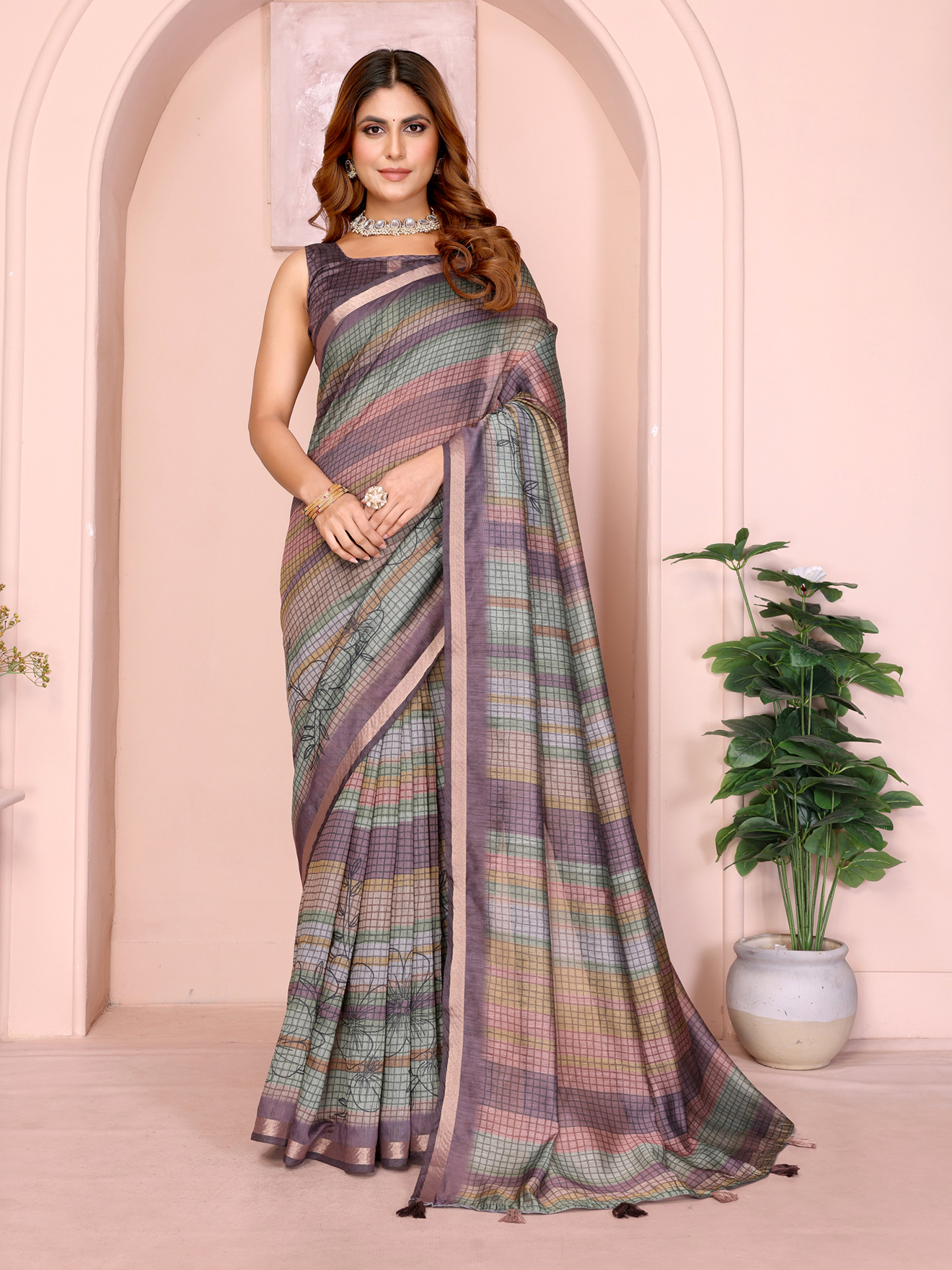
- Length: Confirm that the saree gives enough fabric for your height, footwear and preferred pleat depth. A very narrow or short saree may restrict draping options.
- Blouse fabric: Check whether a blouse piece is included and whether its size allows the neckline and sleeve design you want. A separate blouse may be necessary for a comfortable fit.
- Transparency: Hold lightweight fabrics against light or check product information carefully. Chanderi and linen blends may need a suitable petticoat or underskirt for coverage.
- Border and zari: Inspect whether zari is woven or surface-applied, and avoid folding damp zari immediately after use. Woven borders generally offer dependable visual structure for repeat styling.
- Care: Many silk, zari and delicate printed sarees benefit from dry cleaning or gentle professional cleaning. Air the saree after wearing, remove pins carefully and store it folded in breathable cotton rather than sealed plastic.
- Budget: Include blouse stitching, petticoat, tailoring, jewellery and footwear in the total outfit calculation. A lower saree price can still produce a higher final cost if significant alterations are required.
A Marathi Sakharpuda Saree That Can Be Worn Again earns its place in the wardrobe when the fabric remains comfortable, the colour works with different accessories and the blouse doesn't lock the saree into one look. Choosing those practical qualities first lets tradition, personal style and future use work together instead of competing.
Questions to Ask Before Choosing a Repeat-Wear Sakharpuda Saree
Which saree is best for a Marathi sakharpuda ceremony?
Banarasi silk, soft silk, Chanderi cotton and linen cotton can all suit a Marathi sakharpuda, depending on the venue, season and desired formality. Choose Banarasi or soft silk for a richer evening look and Chanderi or linen cotton for a lighter daytime ceremony.
How can I choose a Marathi Sakharpuda Saree That Can Be Worn Again?
Select a versatile colour, moderate border or zari detail, comfortable fabric and a blouse that can be replaced or restyled. Maroon, indigo, charcoal, peach and olive green generally work with multiple blouse and jewellery combinations.
Is Banarasi silk too heavy for an engagement saree?
Banarasi silk is suitable for an engagement when the event is formal and the wearer is comfortable with a more structured saree. A soft silk Banarasi style can be easier to manage than a very heavily embellished bridal saree, especially when the blouse and jewellery remain simple.
Can Chanderi cotton be worn for an evening engagement?
Chanderi cotton can work for an evening engagement when the saree has a defined border, woven motifs or a polished blouse. Gold jewellery, a tailored blouse and a neat pleated drape can add sufficient ceremony without making the outfit heavy.
What blouse colour gives the most repeat-wear options?
Ivory, maroon, black, gold and a shade drawn from the saree border usually offer strong repeat-wear flexibility. A solid blouse often gives more future styling options than a heavily embellished blouse designed for only one ceremony.
How should I store a silk or zari saree after the sakharpuda?
Air the saree away from direct sunlight, remove all pins and fold it in a clean breathable cotton cloth. Refold silk or zari sarees every few months along different lines, and use professional cleaning when the care label or fabric requires it.