What Does a Bengali Bride Wear at Aiburo Bhat? A Bengali bride usually wears a festive saree, often in red, maroon, gold, yellow, pink or another rich colour, with a coordinated blouse, traditional jewellery and a neat Bengali-inspired drape. The outfit can look bridal without repeating the exact saree and jewellery reserved for the wedding ceremony.
Aiburo Bhat is a celebratory meal offered to a person before marriage, when the person is still unmarried. Food is the centre of the ritual, but clothing gives the gathering its visual sense of occasion. The best outfit balances Bengali identity, family customs, weather, movement and the bride's personal taste.
there's no single compulsory Aiburo Bhat dress code followed by every Bengali family. Regional traditions, household preferences, religion, age and the scale of the event all influence the final look. A small home lunch may call for a light silk saree, while a photographed pre-wedding function may justify Banarasi silk, zari and more elaborate jewellery.
What Does a Bengali Bride Wear at Aiburo Bhat in Traditional Styling?
A Bengali bride traditionally wears a festive saree with a visible border, a well-fitted blouse, gold-toned jewellery, a red bindi and a Bengali-style drape. Red and gold are familiar choices because both colours are strongly associated with Bengali wedding celebrations, but traditional styling doesn't require every bride to wear bright red.
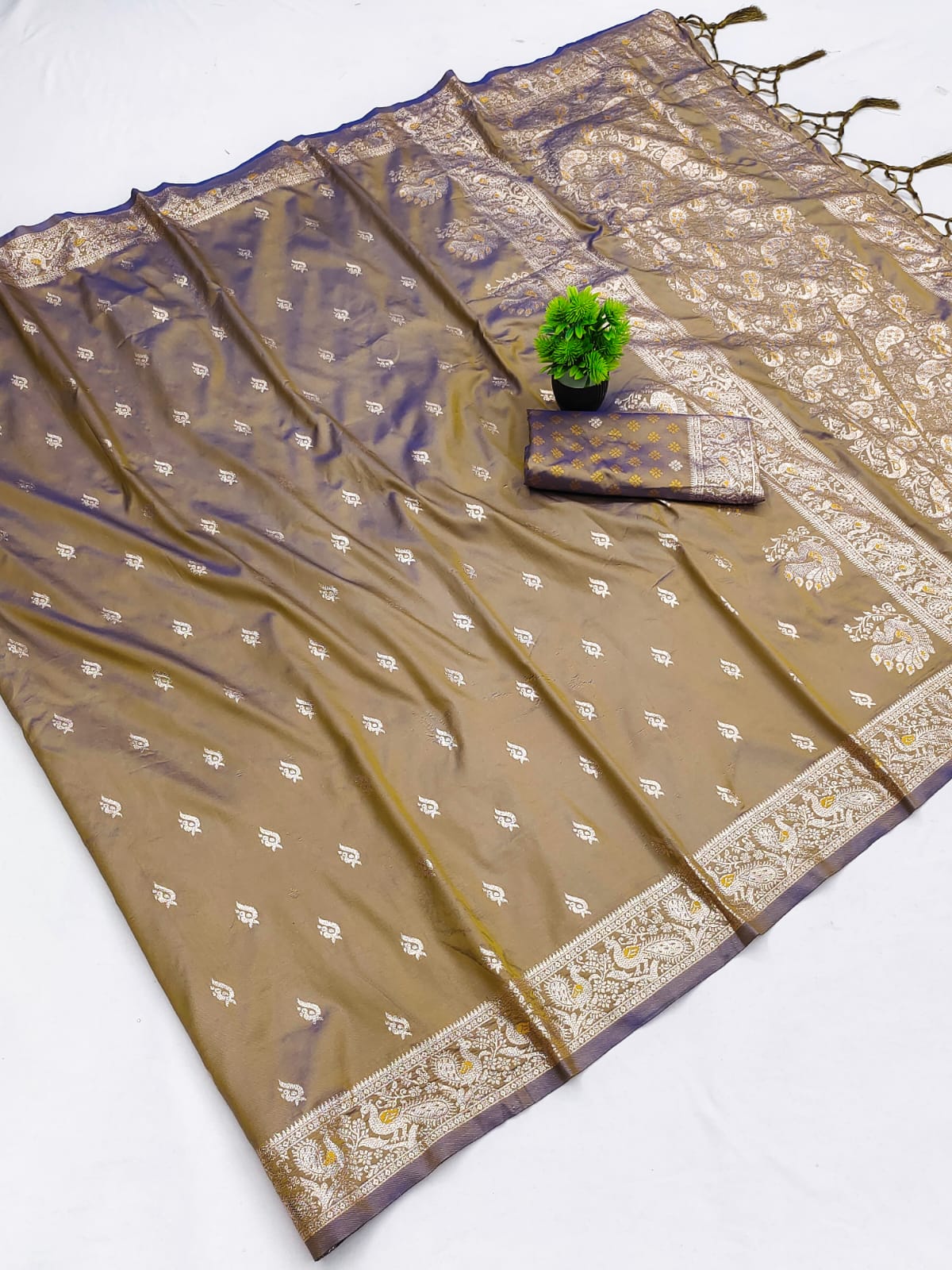
Banarasi silk is a popular formal option because woven zari motifs and a defined pallu create richness without requiring heavy surface embroidery. Soft silk is often easier to drape than very dense brocade and can remain comfortable through a long meal. Kora silk, Dola silk, silk-cotton and Chanderi can provide a lighter alternative for daytime gatherings.
The saree should appear more ceremonial than ordinary daywear but less heavily bridal than the wedding-day Benarasi or reception lehenga. A structured border, a finished blouse and a carefully arranged pallu usually create enough occasion value. The bride can reserve her most ornate jewellery, heaviest embroidery and most elaborate red bridal saree for the marriage ceremony.
A saree gifted by a parent or elder may carry particular emotional meaning at Aiburo Bhat. Another bride may choose a new saree that reflects her individual style. Both choices fit the ritual because Aiburo Bhat is shaped by family affection rather than by one universally enforced costume.
What Does a Bengali Bride Wear at Aiburo Bhat for Different Fabrics and Seasons?
A Bengali bride should choose Aiburo Bhat fabric according to the event's time, venue, weather and amount of movement. Banarasi silk and soft silk suit formal evening gatherings, while Kora silk, Dola silk, Chanderi and silk-cotton are often more comfortable for daytime celebrations or humid weather.
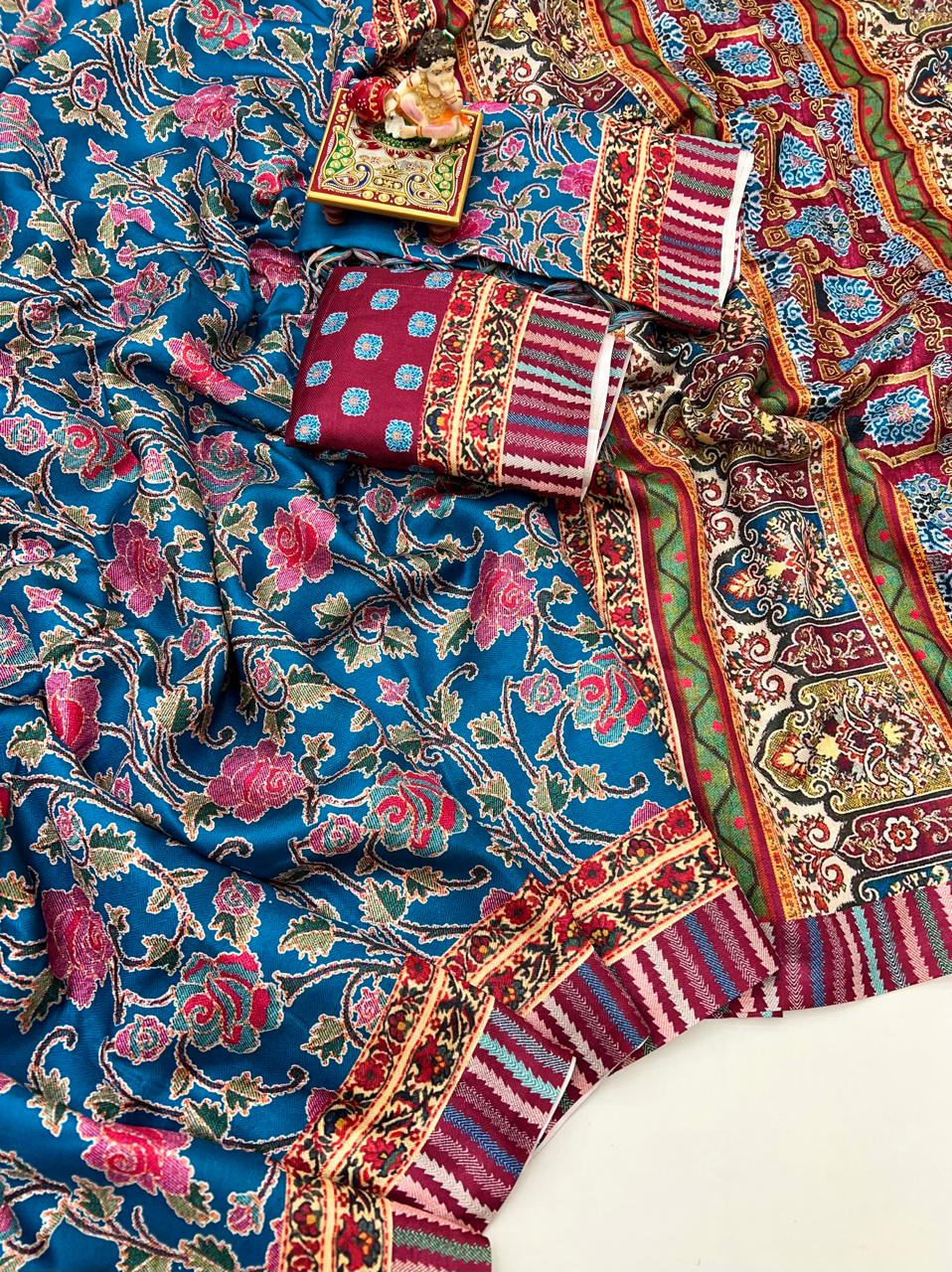
Banarasi silk for a formal gathering
Banarasi silk works particularly well when Aiburo Bhat takes place in a banquet hall, restaurant or decorated family venue. Woven zari adds a ceremonial finish, and the fabric photographs well under warm indoor lighting. The Maroon Banarasi Soft Silk Saree with Golden Zari Border offers the familiar maroon-and-gold combination without requiring a heavily embellished blouse.
Maroon has the visual depth of red but can look more refined and less predictable. A bride can pair a maroon Banarasi saree with antique-gold earrings, a red bindi, a low bun and a blouse in maroon, muted gold or deep wine. A medium-weight petticoat and two concealed safety pins help keep the pleats stable during sitting and walking.
The Royal Plum Banarasi Soft Silk Saree With Golden Zari Border gives a similar formal effect in a jewel-toned plum shade. Plum is useful for an evening Aiburo Bhat because the colour remains rich in indoor photographs. Antique gold, kundan or matte gold accessories usually complement plum more naturally than bright silver.
Lighter silk for a daytime meal
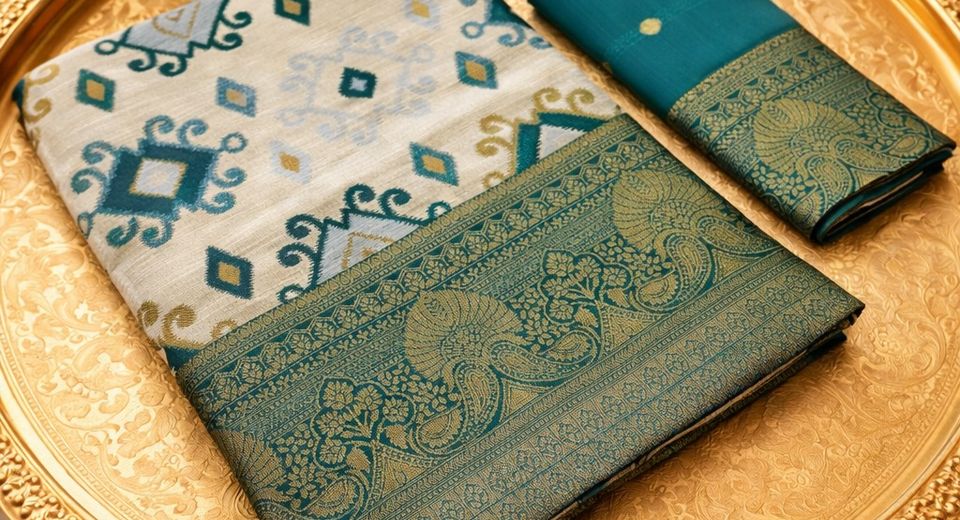
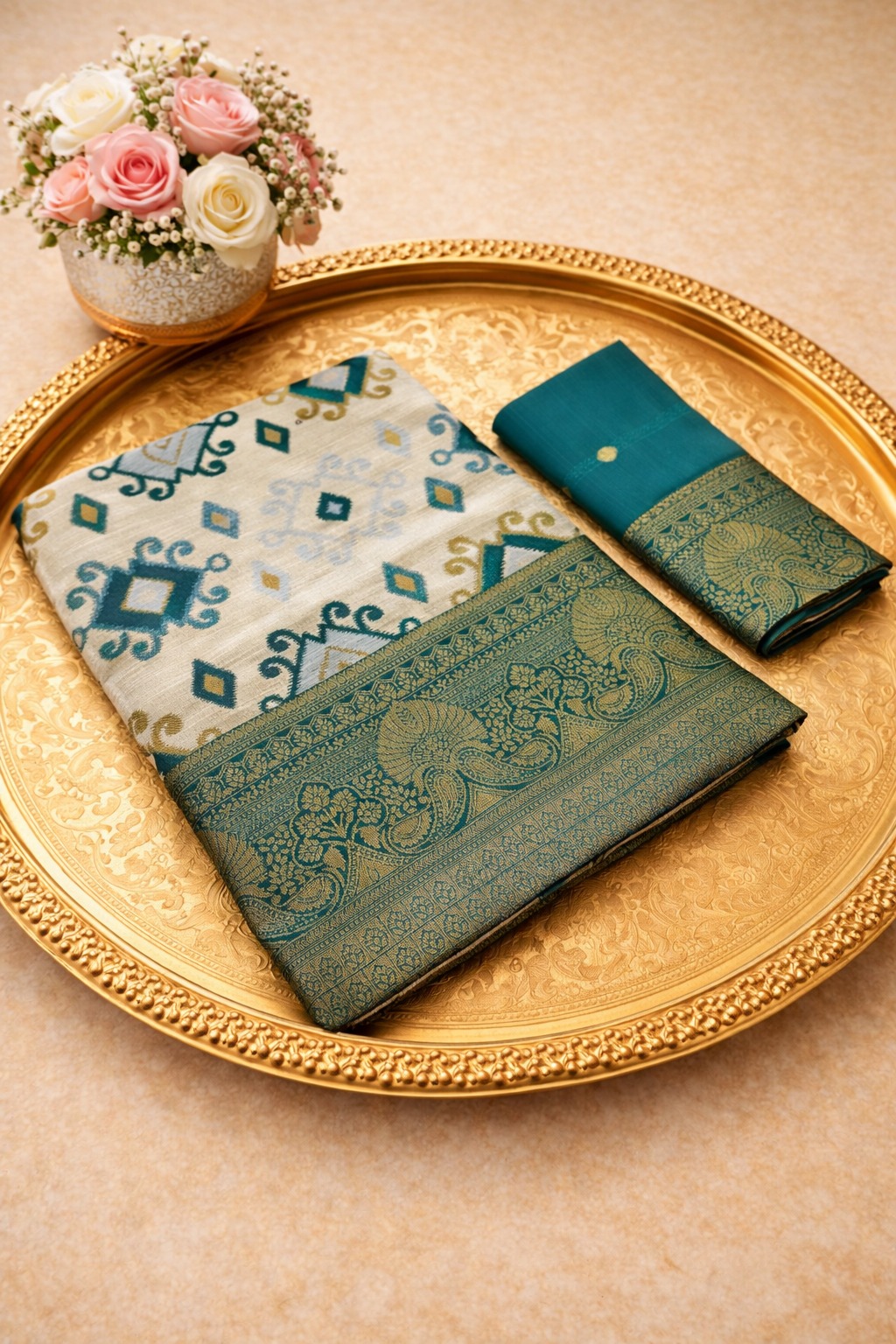
Kora silk and Dola silk can provide a festive appearance with less weight than dense brocade. The Blue Kora Silk Saree with Zari Border introduces a cooler colour palette while retaining the visual importance of a zari border. The Teal Ethnic Dola Silk Saree With Elegant Jacquard Border uses texture in the border, allowing the bride to keep the blouse and jewellery relatively simple.
A lighter saree is practical when the bride will sit on the floor, move between rooms, greet many relatives or spend time near a busy kitchen. A saree fall, accurate pleats and a secure waist tuck matter more with lighter fabrics because the lower edge can shift more easily. A trial drape at least one day before the event can reveal whether the fabric slips.
Embroidered sarees for contemporary styling
An embroidered saree suits a bride who wants a polished Aiburo Bhat outfit without a heavily woven traditional saree. The Sky Blue Party Wear Saree with Embroidered Blouse places visual emphasis on the blouse and works for a modern daytime or evening photograph. The Purple Wedding Wear Embroidered Saree brings a deeper jewel tone for a bride who prefers purple to conventional red.
Embroidery should be considered alongside jewellery weight. A detailed blouse, embellished pallu and large necklace can compete for attention. Choosing one dominant feature and keeping the remaining elements controlled usually creates a more balanced result.
What Does a Bengali Bride Wear at Aiburo Bhat in Red, Gold and Other Colours?
A Bengali bride can wear red, maroon, gold, yellow, pink, green, ivory, blue, teal or purple at Aiburo Bhat, as long as the colour suits family customs and the bride's personal style. Red and gold remain the strongest traditional references, but Aiburo Bhat doesn't universally require a red saree.
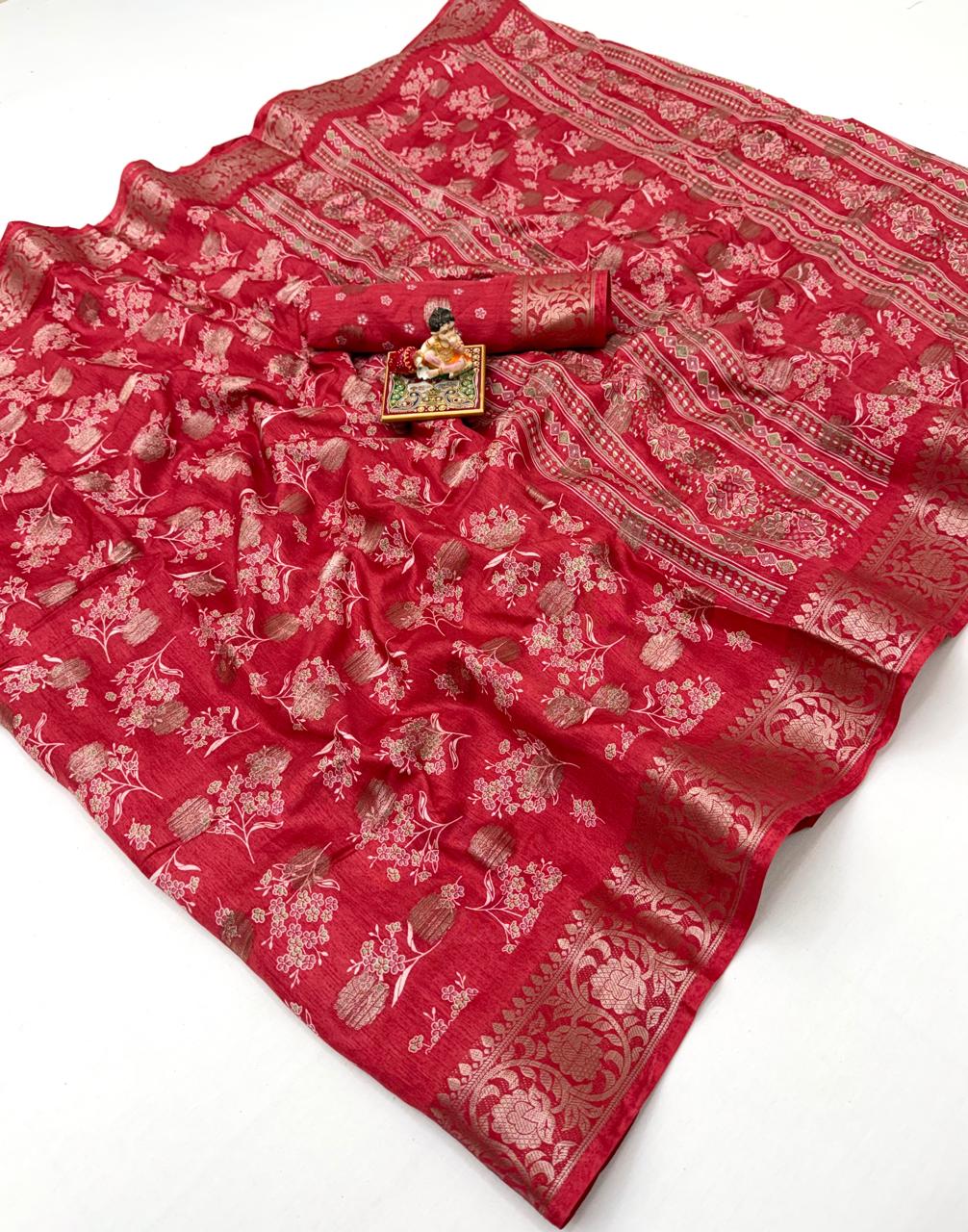
Red is associated with marriage, vitality and auspiciousness in many Bengali wedding settings. A red saree can therefore make the upcoming feel closely connected to the upcoming wedding. Maroon gives a quieter version of the same visible message, while plum gives depth for an evening function.
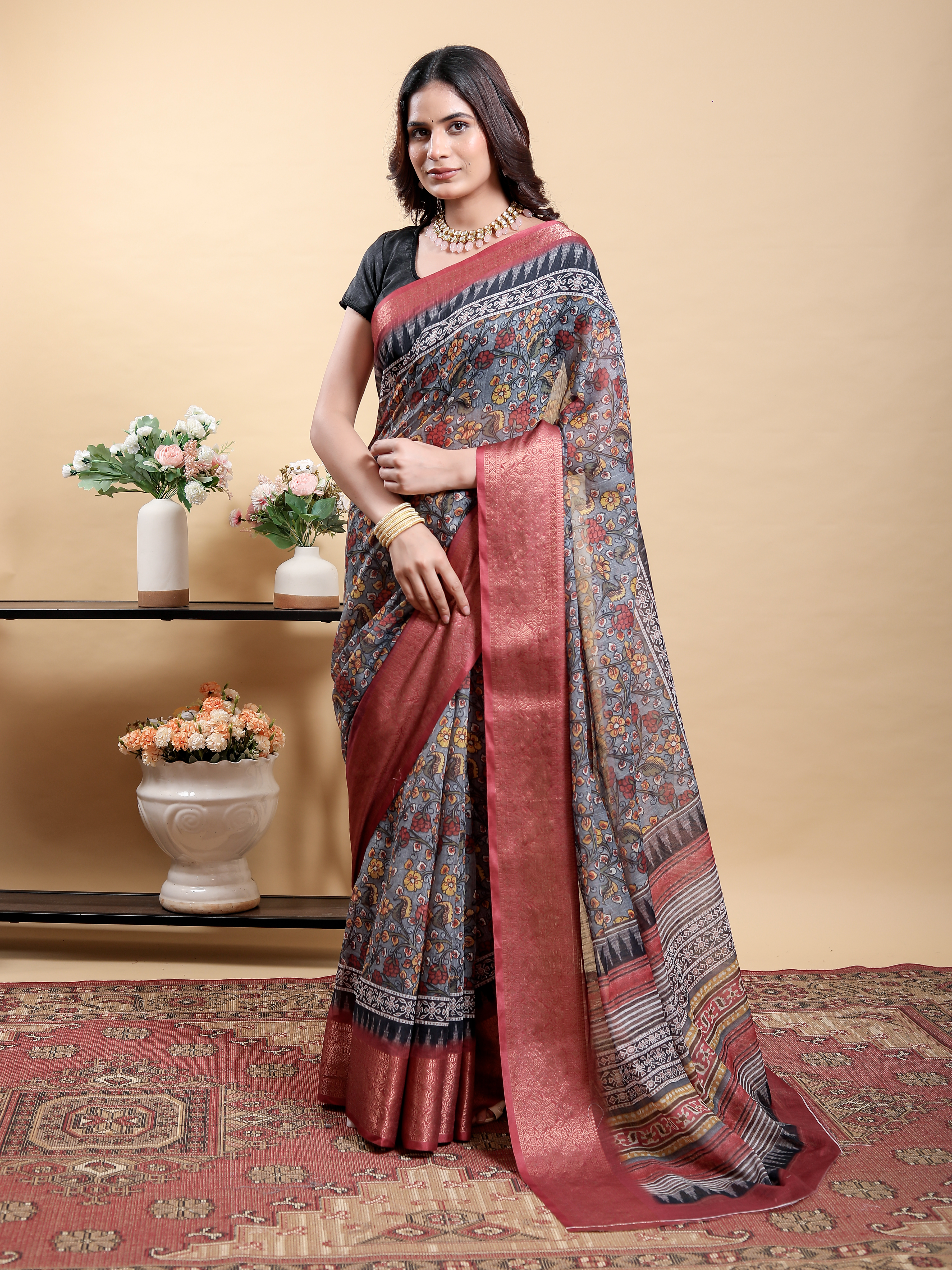
Yellow has a natural place in many South Asian pre-wedding celebrations and works especially well in daylight. Pink and coral create a softer festive appearance. Green pairs effectively with gold jewellery and floral accessories. Blue and teal can look elegant when the saree has a zari or jacquard border that prevents the outfit from appearing too casual.
Ivory can be sophisticated, but a bride should ask a trusted family member about local household associations before wearing it. Some families welcome ivory as a current festive colour, while other families connect plain white clothing with mourning. A Royal Ivory Banarasi Silk Saree with Zari Border may therefore be appropriate for one Aiburo Bhat and unsuitable for another, depending on family context and styling.
The Premium Grey Silk Saree with Pink Zari & Shibori Print demonstrates how a non-traditional base colour can still look celebratory. Pink zari, a dressed-up blouse and gold-toned jewellery can give grey enough warmth for a pre-wedding meal. The colour decision should be deliberate rather than based only on what is currently fashionable.
What Does a Bengali Bride Wear at Aiburo Bhat with a Bengali Drape?
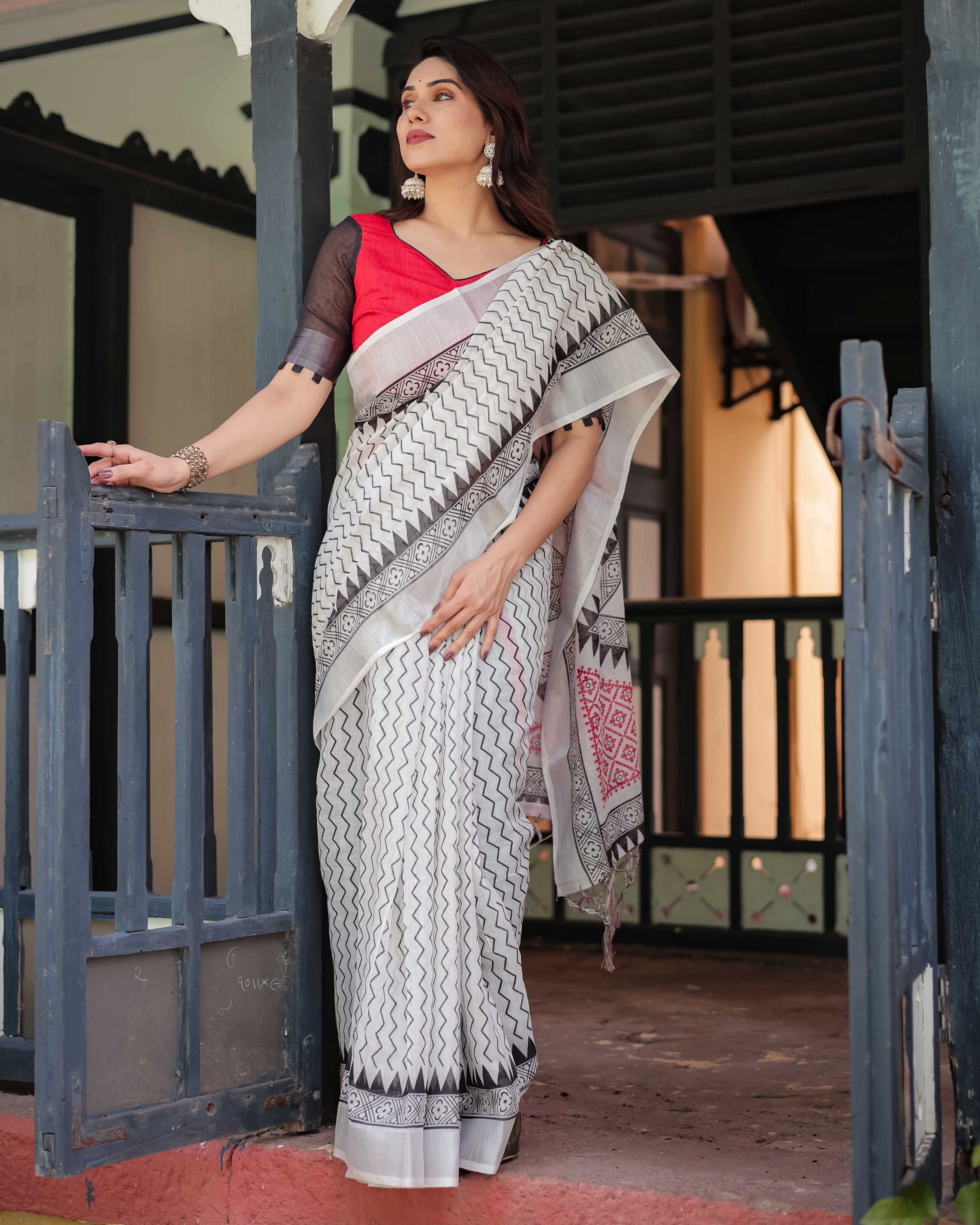
A Bengali bride commonly wears a broad-pallu Bengali-style saree drape with generous front pleats and a secure shoulder arrangement. The exact treatment varies by region and personal preference, but the border and pallu should remain visible while the bride can sit, eat and move comfortably.
The classic Bengali drape is recognised by its open, expressive pallu rather than a narrow everyday arrangement. Some wearers bring the pallu back over the right shoulder or across the front, while others use a more practical variation. A decorative brooch, key ring or concealed safety pin can hold the pallu in place without changing its appearance.
A bride wearing a heavier Banarasi silk saree can begin with five to seven even front pleats, adjusting the number according to her height, saree width and preferred fall. The pleats should reach from the waist to the top of the feet without dragging. A well-fitted petticoat should support the saree without creating a visible ridge beneath the fabric.
The pallu should be pinned at the shoulder only after the bride has sat down once in the complete outfit. Sitting tests whether the pleats pull, whether the blouse restricts the back and whether the saree rises at the ankles. A second hidden pin near the waist is useful for a long event, especially when the bride will move through several rooms.
Blouse fit directly affects drape quality. A blouse that's too tight across the upper back can pull the pallu forward, while loose shoulder seams can make the sleeve and neckline look uneven. A final fitting three to five days before Aiburo Bhat leaves enough time for small alterations.
What Does a Bengali Bride Wear at Aiburo Bhat with Jewellery and Beauty Details?
A Bengali bride can complete her Aiburo Bhat saree with gold-toned earrings, a necklace, bangles, a red bindi, a nose pin and flowers, while adjusting the quantity to the saree's border and blouse. Jewellery should support the outfit's strongest detail instead of competing with every element.
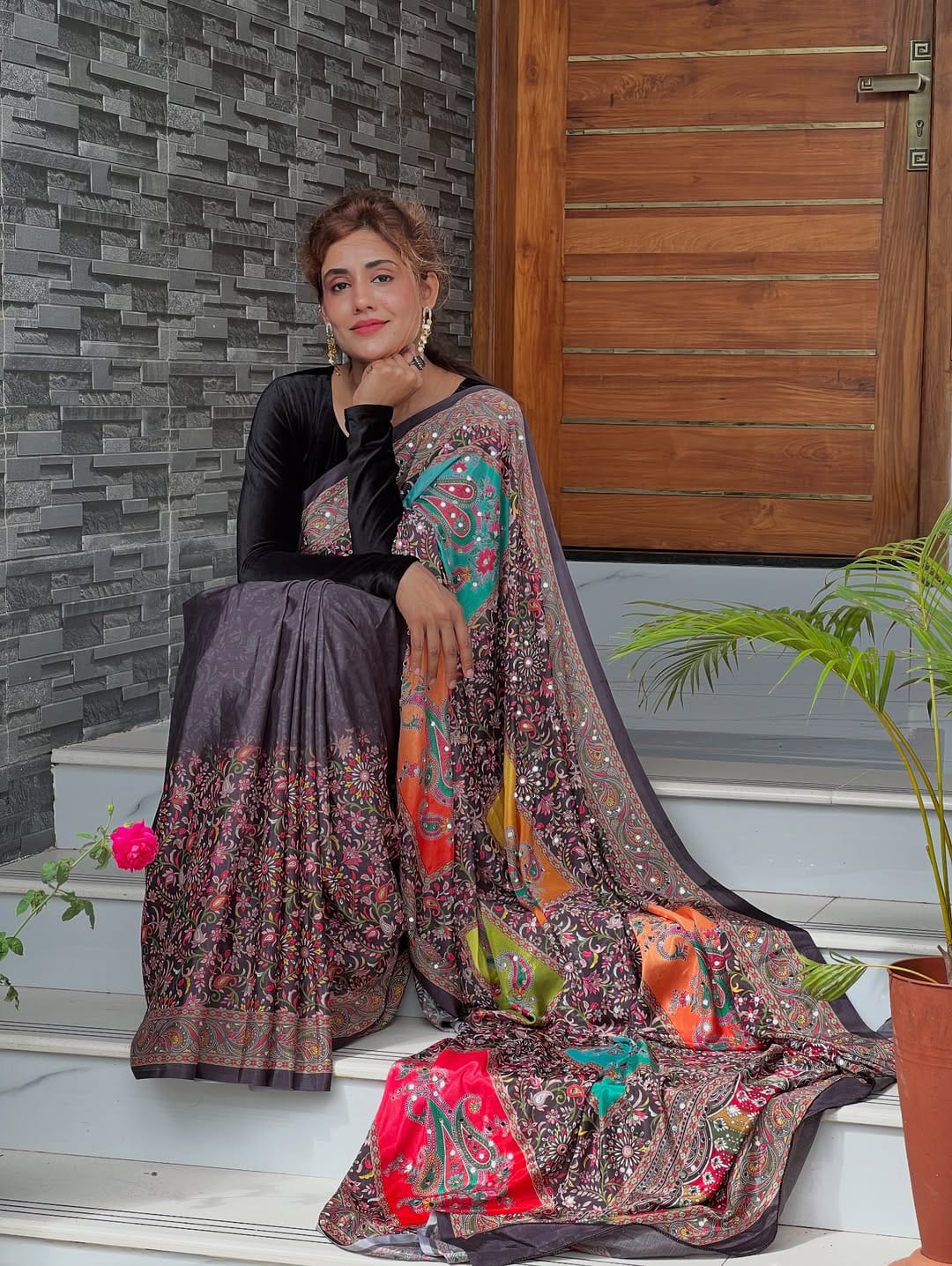
A broad Banarasi border can carry medium-sized jhumkas and a longer necklace. A heavily embroidered blouse may look more balanced with one statement necklace and smaller earrings. A light Kora silk or Dola silk saree can take slightly more visible jewellery because the fabric itself has less surface ornamentation.
Shakha pola, the white conch-shell and red coral bangles traditionally associated with married Bengali women, require particular sensitivity. A bride may not wear the full married-woman combination before the wedding in families that reserve those symbols for after marriage. The bride should ask an elder or follow the household's established custom instead of assuming that every Bengali family follows the same practice.
A round red bindi is one of the simplest ways to establish a Bengali festive appearance. A bindi approximately 8 to 12 millimetres wide is usually visible in photographs without overwhelming the face. A smaller red bindi with a fine gold outline gives a softer result when the blouse or jewellery is already ornate.
Defined eyes, a warm or red lip and controlled skin makeup work well with a traditional saree. Waterproof eye makeup is practical because Aiburo Bhat can involve emotional family conversations, heat from cooking areas and several hours of photography. A centre-parted low bun, braid or bun decorated with jasmine can complement the saree without requiring an elaborate bridal hairstyle.
What Does a Bengali Bride Wear at Aiburo Bhat Without Losing Personal Style?
A Bengali bride can respect Aiburo Bhat traditions by retaining meaningful elements such as a saree, festive colour, Bengali drape or family jewellery while modernising the blouse, fabric weight, makeup and accessories. Personal style becomes appropriate when it works with family customs rather than ignoring them.
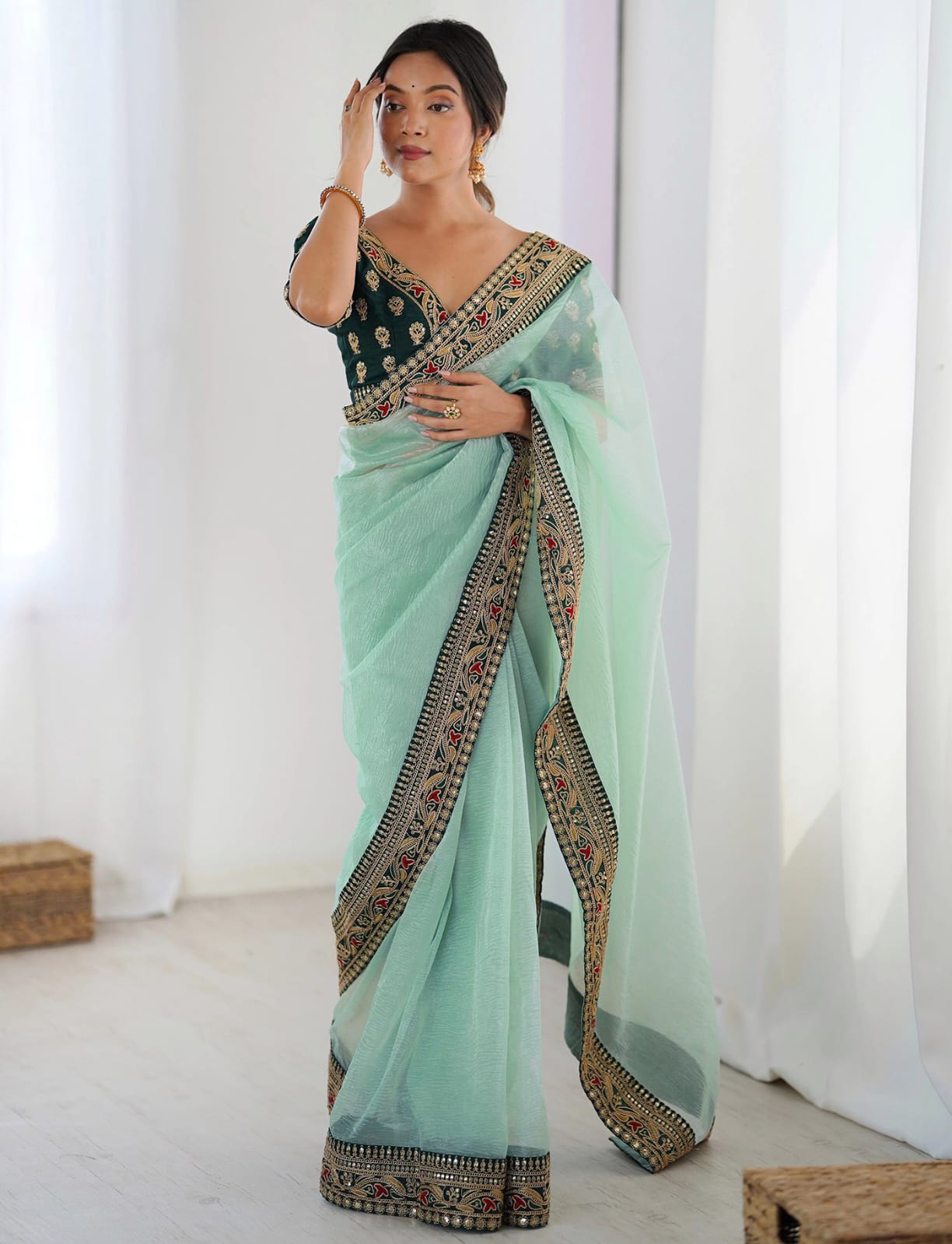
A contemporary blouse may feature elbow-length sleeves, a square neckline, a high back or small embroidery. A matte blouse can keep a daytime outfit from appearing overly glittery. Zari, jacquard or restrained sequin work can add light to an evening outfit without making the saree resemble a reception costume.
Proportion is more important than the number of traditional details. A saree with a wide zari border, an ornate blouse, a large necklace, statement earrings and a floral hairpiece may become visually crowded. Removing one or two accessories often makes the remaining Bengali references more noticeable.
A bride should also consider photographs from several distances. A red bindi and visible border read clearly in close portraits, while the saree colour and pallu shape define full-length images. A blouse colour that contrasts gently with the saree helps the waist and drape remain visible, especially under indoor lighting.
Comfort deserves practical attention. A bride may spend three to six hours in the outfit, including dressing, meal service, family photographs and travel. Breathable lining, cushioned footwear, a small emergency sewing kit, spare safety pins and blotting paper can make the experience easier without changing the look.
Care should begin before the event. A silk saree should be aired away from direct sunlight after wearing and stored folded in clean cotton rather than sealed immediately in plastic. Zari sarees should not be machine-washed. Professional dry cleaning is safer for Banarasi silk, embroidered sarees and garments with metallic thread, while perfume should be sprayed on the skin before jewellery and fabric are put on.
What Does a Bengali Bride Wear at Aiburo Bhat When Choosing Between Tradition and Modernity?
The most successful Aiburo Bhat outfit combines one or two recognisably Bengali elements with choices that suit the bride's event, body, climate and personality. A traditional saree can feel up-to-date with a clean blouse, and a contemporary colour can feel culturally grounded through a Bengali drape, bindi and gold jewellery.
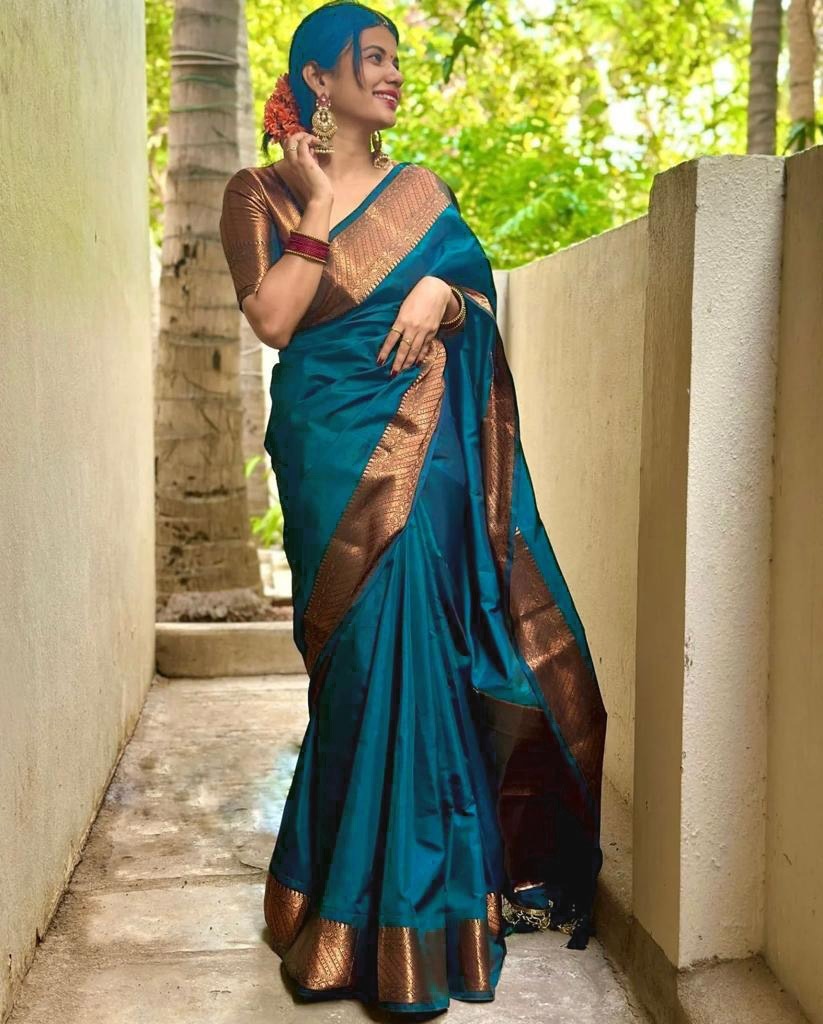
A bride who wants a classic appearance might choose maroon or red Banarasi silk, a gold-bordered blouse, jhumkas, a bindi and a broad pallu. A bride who prefers a lighter look might select teal, blue or grey silk, use a simpler necklace and let the border or pink zari supply the festive detail. Neither approach is less authentic when it's chosen thoughtfully and accepted by the family.
Aiburo Bhat is finally a gathering built around nourishment, memory and good wishes before marriage. Clothing gives those emotions a visible form, but the upcoming doesn't depend on purchasing the most expensive saree or reproducing a fixed bridal image. A well-draped saree that allows the bride to eat, laugh, sit with relatives and remain herself will serve the occasion better than an upper outfit chosen only for photographs.
Common Questions About a Bengali Bride’s Aiburo Bhat Outfit
Does a Bengali bride have to wear a red saree at Aiburo Bhat?
No, a Bengali bride does not have to wear a red saree at Aiburo Bhat. Red and gold are traditional choices, but maroon, yellow, pink, green, blue, teal, purple and ivory may also be suitable when they fit family customs and the bride's preferences.
Which saree fabric is best for a Bengali bride’s Aiburo Bhat?
Soft silk, Banarasi silk, Kora silk, Dola silk, Chanderi and silk-cotton can all work well. Banarasi silk suits a formal evening gathering, while Kora silk, Dola silk and lighter silk blends are often more comfortable for a daytime meal or humid weather.
Can a Bengali bride wear a modern saree for Aiburo Bhat?
Yes, a Bengali bride can wear a modern saree for Aiburo Bhat. A contemporary colour, blouse or embroidery can still look culturally connected when paired with a Bengali drape, festive border, bindi, flowers or traditional jewellery.
Should a bride wear shakha pola at Aiburo Bhat?
A bride should follow her family's custom regarding shakha pola. Shakha pola are traditionally associated with married Bengali women, so some families reserve the full combination for after the wedding, while other households may interpret pre-wedding jewellery differently.
How should a Bengali saree be draped for Aiburo Bhat?
A Bengali saree can be draped with broad front pleats and an open pallu that displays the border. The drape should be secured with hidden pins and tested while sitting, walking and eating so that traditional shape does not compromise comfort.
What jewellery goes with a Bengali bride’s Aiburo Bhat saree?
Gold-toned earrings, a necklace, a red bindi, bangles, a nose pin and flowers are common choices. The jewellery should match the saree's level of ornamentation; a heavily bordered Banarasi saree usually needs fewer competing statement pieces than a plain silk saree.