Anand Karaj Guest Outfits That Respect Gurdwara Etiquette should combine festive polish with practical respect for a sacred setting. Guests usually need clothing that covers the shoulders and knees, allows comfortable sitting on the floor, and works with a head covering during the ceremony. A salwar suit, anarkali, saree with a secure blouse and pallu, or modest kurta set can all be appropriate when styled thoughtfully.
An Anand Karaj takes place in the presence of the Guru Granth Sahib, so clothing choices carry more meaning than ordinary wedding styling. The best guest outfit looks celebratory without becoming distracting, remains comfortable through prayers and langar, and makes it easy to follow gurdwara customs from arrival to departure.
Anand Karaj Guest Outfits That Respect Gurdwara Etiquette: The Essential Standards
Respectful Anand Karaj guest outfits provide adequate coverage, avoid distracting excess and accommodate the practical rules of entering a gurdwara. Covered shoulders, a hemline that stays secure while sitting and a head covering are the three most important clothing considerations.
Modesty doesn't require plain or dull clothing. Embroidery, zari, woven borders, sequins and rich colours are common at Sikh weddings, particularly for the reception or family photographs. The difference is proportion: an outfit with one strong feature, such as a detailed neckline or an ornate dupatta, generally feels more appropriate than a look built from several competing embellishments.
Choose a neckline that stays in place when you bend or sit. A round neck, shallow V-neck, boat neck or modest square neck is easier to manage than a plunging neckline. Sleeves reaching the elbow or longer offer reliable coverage, while a sheer sleeve should have a lining if the fabric becomes transparent under bright gurdwara lighting.
Check the lower half of the outfit before leaving home. A short kurta worn with narrow churidar trousers may expose the legs while sitting cross-legged, whereas a longer kameez, salwar, palazzo or full anarkali provides better coverage. A saree should have a properly secured petticoat and enough length for sitting without constant adjustment.
Anand Karaj Guest Outfits That Respect Gurdwara Etiquette: Head Covering and Footwear
Gurdwara etiquette affects clothing, footwear, head covering and behaviour throughout the visit. Guests traditionally remove shoes before entering the prayer hall, cover their heads, dress modestly and avoid tobacco, alcohol and intoxicants before entering the premises.
Keep the head covering secure
A head covering should fully cover the hair and remain in place during the Anand Karaj. A dupatta, stole, scarf or clean handkerchief can work, provided the fabric is large enough and doesn't slip every few minutes.
Pin a lightweight dupatta discreetly at the crown or behind the ears if the fabric tends to move. A cotton, chiffon-lined or georgette dupatta is often easier to secure than a heavily embellished piece. Guests who prefer a separate scarf can choose a plain or coordinated fabric that covers the head without creating a visual distraction.
Practise the head covering before the wedding day. Sit, stand and turn your head while wearing it for at least 10 minutes. This test shows whether the fabric needs an extra pin, a different fold or a less slippery material.
Choose easy-to-remove footwear
Easy-to-remove footwear is the most practical choice for visiting a gurdwara. Slip-on juttis, flat sandals or backless shoes reduce fuss at the entrance and are more comfortable than complicated straps or tall heels.
Many Anand Karaj ceremonies involve sitting on the floor for a considerable period. Low heels, cushioned flats or traditional juttis are safer than stilettos, especially if guests will walk between the prayer hall, langar area and outdoor spaces. Avoid footwear that's difficult to identify in a large shoe-storage area; a distinctive but understated pair or a small shoe bag can save time.
Non-leather footwear and accessories are a considerate choice because some gurdwaras have specific expectations about materials. Guests should follow the instructions displayed at the individual gurdwara, since local practices may vary.
Anand Karaj Guest Outfits That Respect Gurdwara Etiquette: Suitable Silhouettes
Anarkalis, salwar suits, long kurta sets and sarees are reliable silhouettes for an Anand Karaj because they combine coverage with movement. The right choice depends on the ceremony timing, weather, venue and how long you expect to sit.
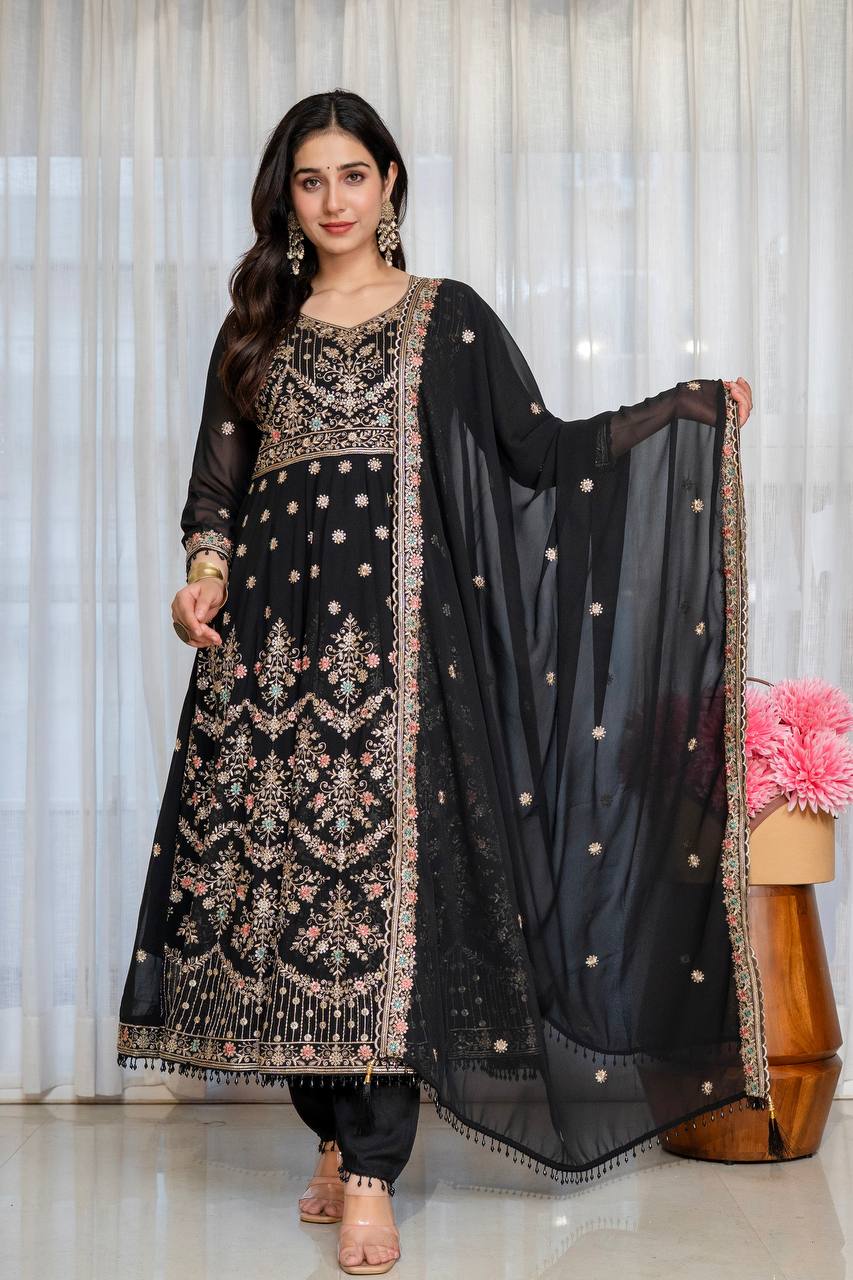
Anarkali suits for full coverage
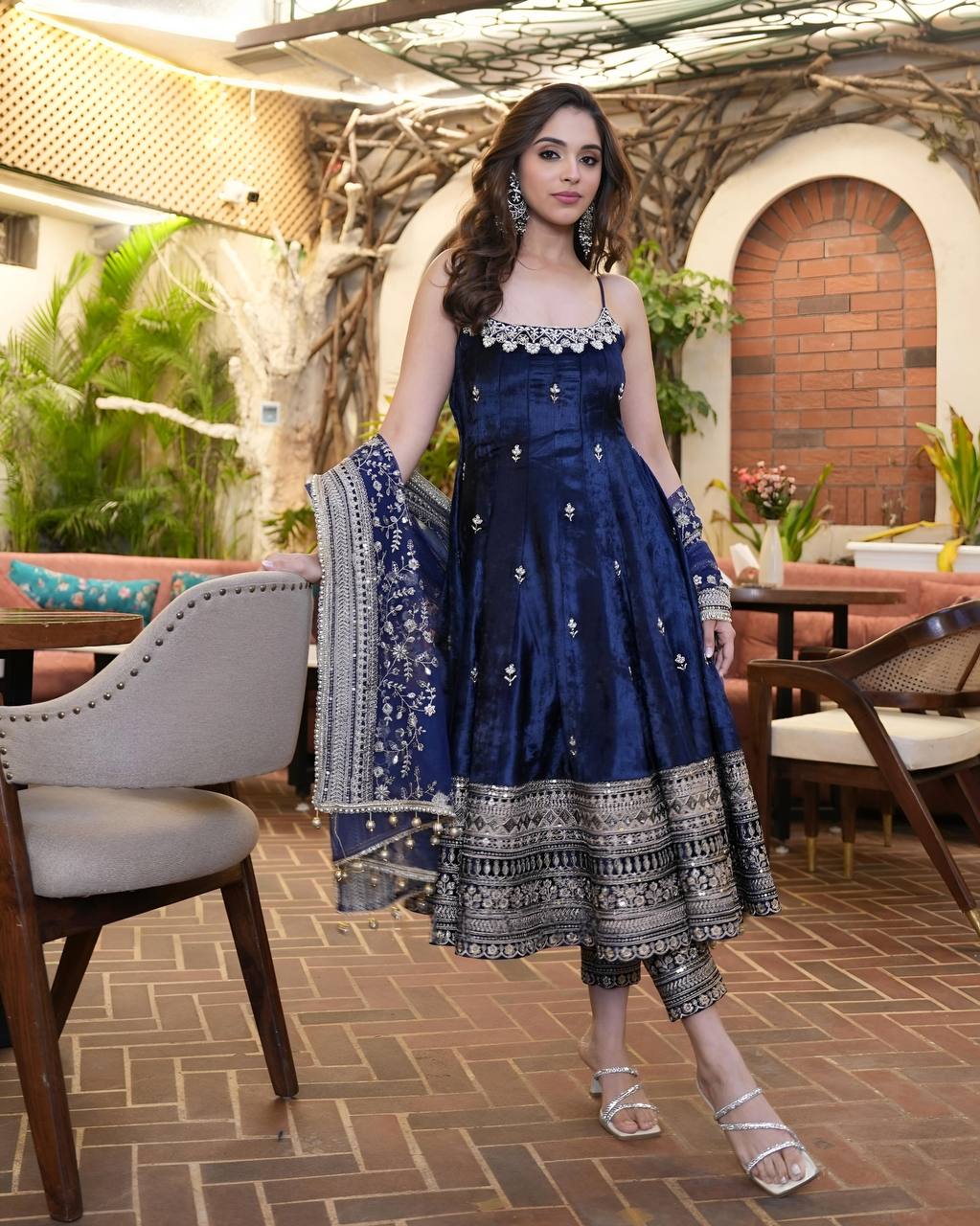
Anarkali suits offer full lower-body coverage and create a formal silhouette without requiring a complicated drape. A lined Vichitra silk anarkali can work well for a winter or evening Anand Karaj, while lighter fabrics are more comfortable for daytime ceremonies.
Royal Blue Vichitra Silk Embroidered Anarkali Suit Set has the visual presence expected at a wedding while providing a complete, coordinated outfit. Maroon Vichitra Silk Embroidered Anarkali Suit Set creates a deeper festive look that suits cooler months and evening photography. Purple Vichitra Silk Embroidered Anarkali Suit Set offers a jewel-toned alternative when you want colour without choosing red.
Check whether the anarkali flare is practical before selecting it. A very broad hem can make floor seating awkward, especially in a crowded prayer hall. A moderate flare, secure lining and a dupatta that can cover the head are usually more functional.
Salwar and kurta sets for movement
Salwar and kurta sets are among the easiest Anand Karaj guest outfits to wear because separate pieces allow movement, ventilation and straightforward sitting. A long kurta with straight pants, salwar trousers or palazzos can look formal when paired with embroidery, a woven stole or refined jewellery.
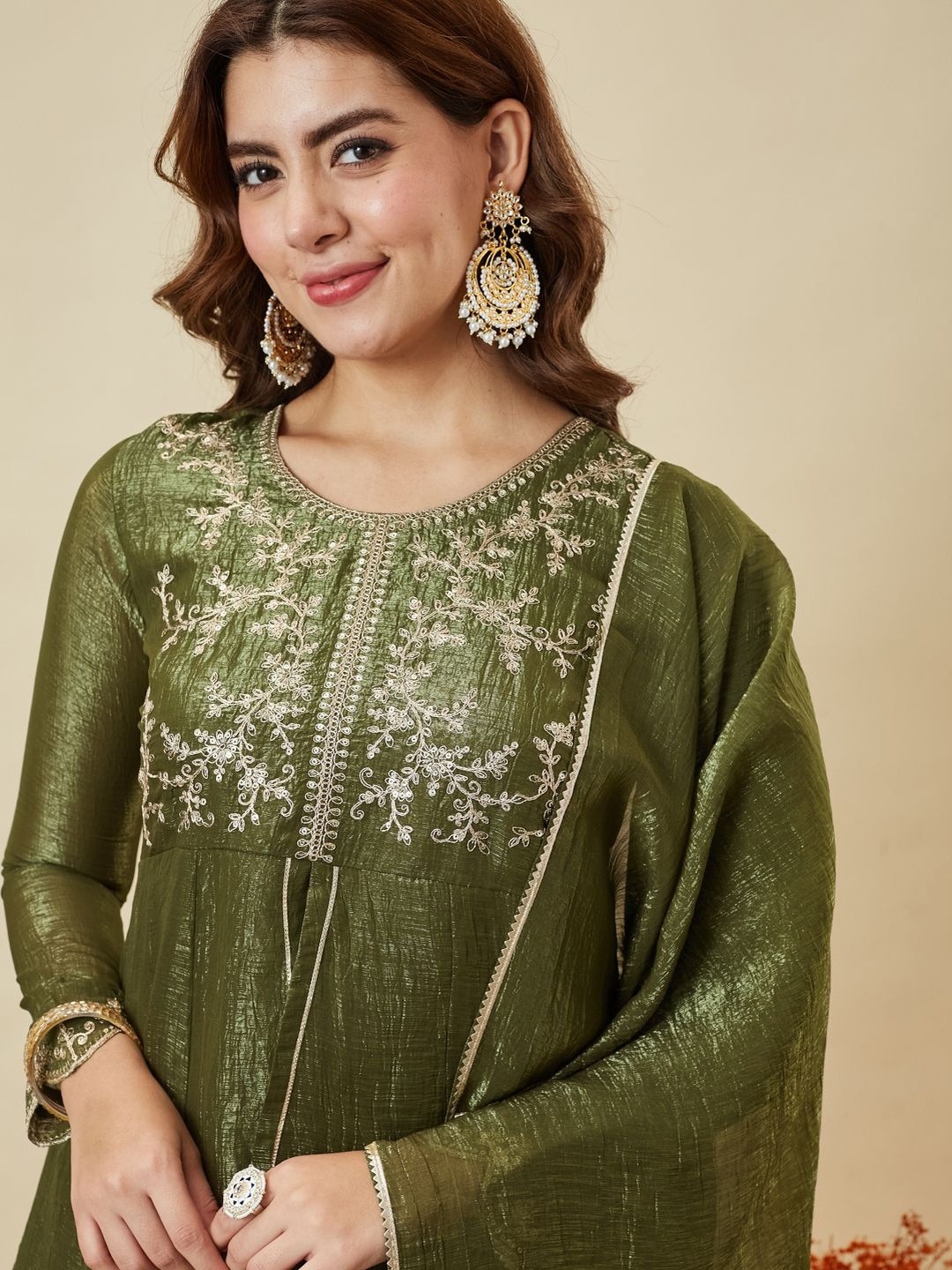
DEVANSHI 2 Olive Green Embroidered Crunchy Silk Kurta Set demonstrates how a kurta set can look festive without relying on a floor-length silhouette. Olive green works particularly well with antique gold jewellery, while a pinned dupatta gives both head coverage and shoulder coverage during the ceremony.
Black Anarkali Suit Set with Sequin Zari and Moti Lace Work can suit guests who prefer a darker palette, but balance the shine with restrained accessories. Black isn't automatically inappropriate for a Sikh wedding; the overall styling, the family's expectations and the specific ceremony setting matter more than a single colour rule.
Sarees with a secure drape
Sarees are suitable for an Anand Karaj when the blouse is modest and the pallu can cover the head securely. A saree should not require frequent re-pinning, because repeated adjustments can be disruptive during prayers.
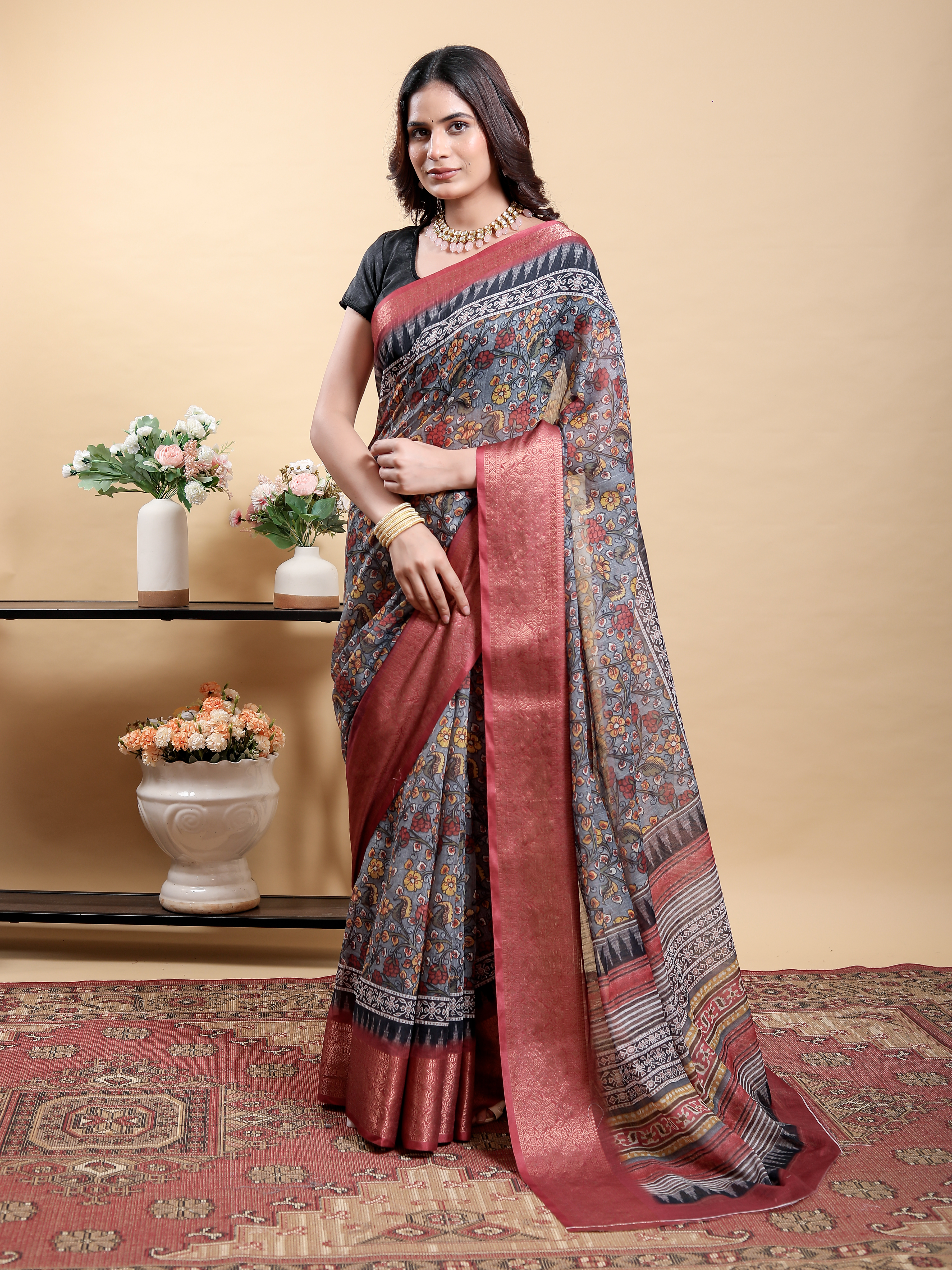
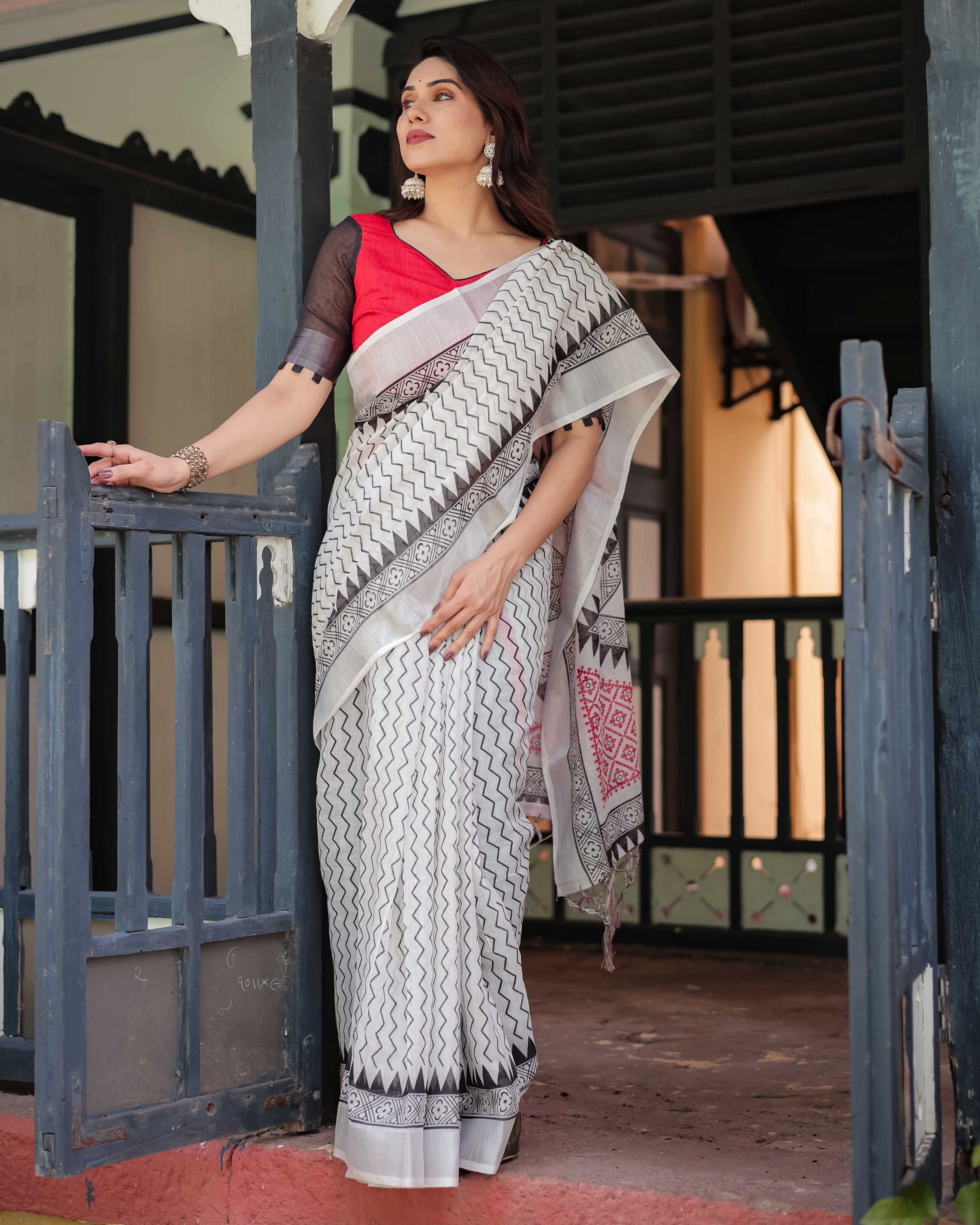
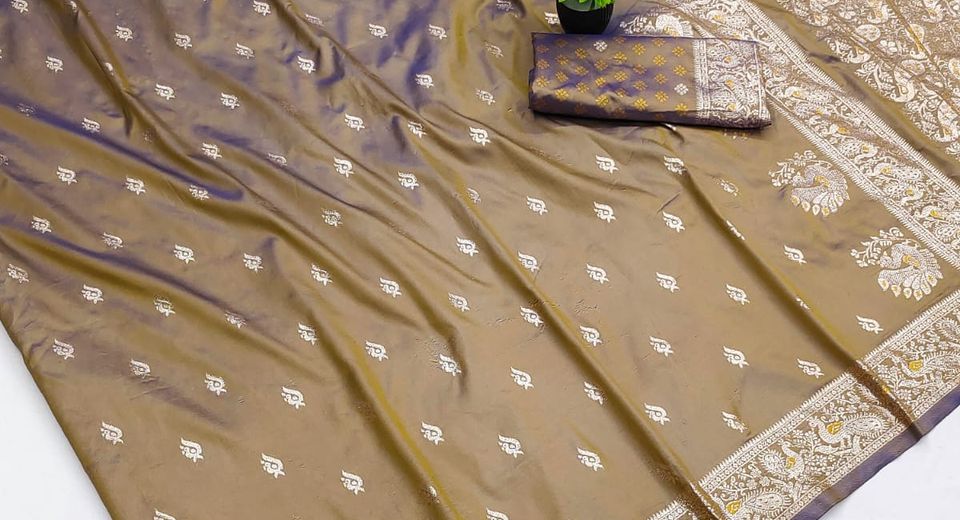
Taupe Beige Banarasi Silk Saree with Zari Border brings a composed option for guests who prefer classic silk. Banarasi silk has a structured drape, but the weight of zari can make floor seating warmer and less flexible, so test the pleats and pallu before the wedding day. Maroon Floral Linen Cotton Saree with Jacquard Woven Border is lighter and more breathable for a daytime ceremony or warmer climate.
Wear a blouse with sleeves that reach at least the upper arm and a back neckline that remains covered when the pallu shifts. Use safety pins at the shoulder and waist, then place a discreet brooch or pin near the head if the pallu is slippery. A cotton underskirt or well-fitted petticoat will make sitting more secure than a loose, dragging layer.
Anand Karaj Guest Outfits That Respect Gurdwara Etiquette: Colours and Embellishment
Colour selection for an Anand Karaj should reflect celebration while remaining sensitive to family preferences and the ceremony's religious setting. Jewel tones, soft pastels, earthy shades, ivory, gold accents and floral colours can all work when the complete outfit looks polished and modest.
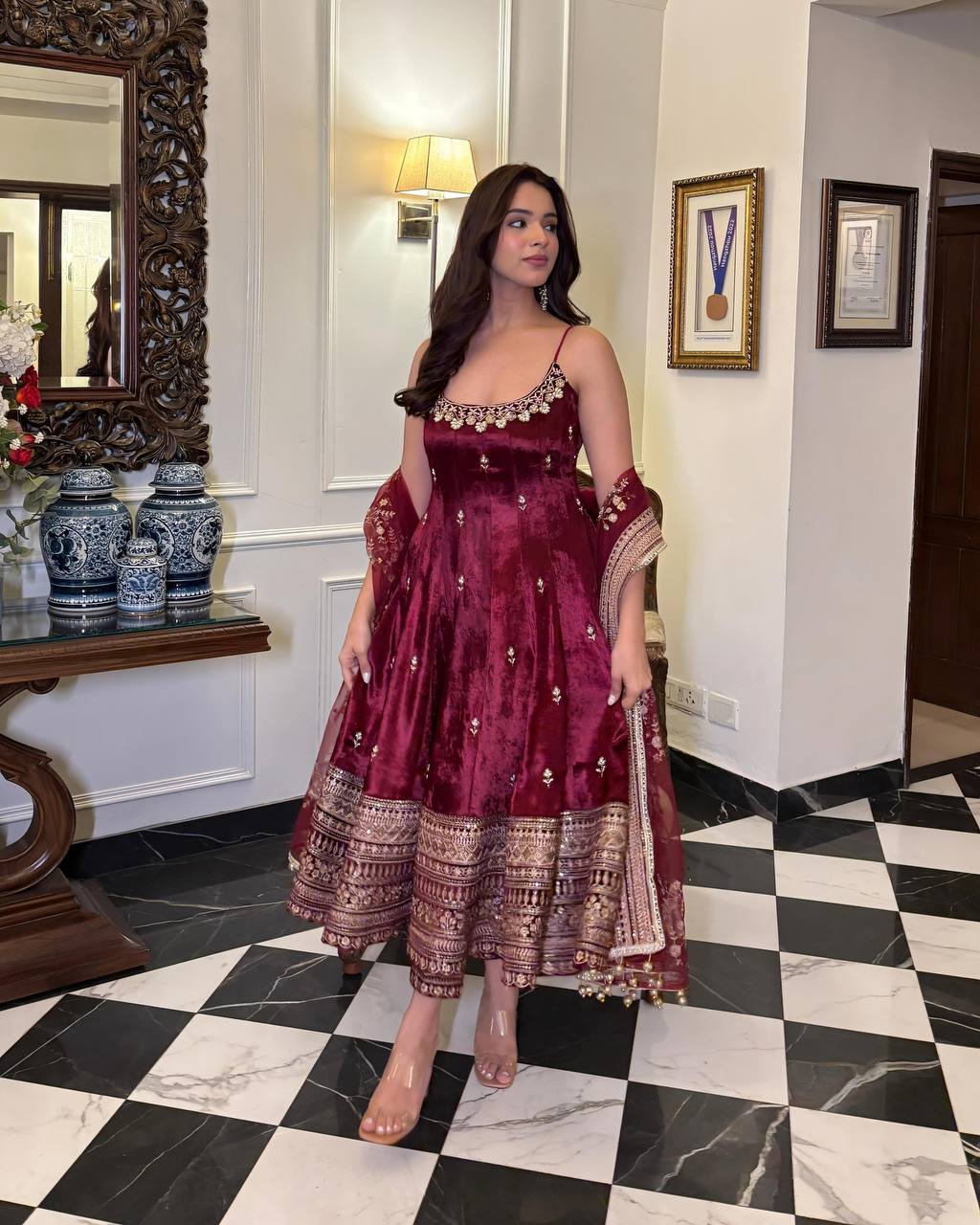
Guests should avoid assuming that one universal colour prohibition applies to every Sikh wedding. Some families may reserve particular colours or styles for the bride, while others welcome a broad palette. Ask a close family member if you're unsure, particularly when wearing a heavily bridal outfit, bright scarlet or a look with extensive gold embellishment.
Zari, gota, mirror work, resham embroidery and sequins are appropriate forms of festive detail when used thoughtfully. Very reflective embellishment can catch the light and draw attention during the prayer service, so a heavily worked outfit benefits from a quieter dupatta and minimal jewellery.
Jewellery should remain secure and moderate enough for floor seating. Long necklaces, dangling earrings and stacked bangles can become uncomfortable or noisy during prayer. Small jhumkas, a short necklace, stud earrings or one pair of bangles can provide occasion-appropriate detail without constant adjustment.
Makeup and hair should also support a respectful setting. Secure long hair so it fits comfortably under a dupatta or scarf. Choose transfer-resistant lipstick, avoid loose glitter that can shed onto shared floors, and select a fragrance with moderate projection because guests may sit close together in the prayer hall.
Anand Karaj Guest Outfits That Respect Gurdwara Etiquette: Fabric and Comfort
Comfort during an Anand Karaj depends on breathable layers, a stable hemline and footwear that remains comfortable while seated. A ceremony and meal can easily extend beyond three hours when arrival, prayers, photographs and langar are included.
For warm weather, cotton, linen cotton, georgette with a breathable lining, Chanderi and lightweight silk blends reduce heat better than several layers of dense polyester. For cooler weather, Vichitra silk, Banarasi silk and lined velvet details provide warmth, but avoid so much fabric that the outfit becomes difficult to arrange on the floor.
Fabric weight affects more than temperature. Heavy zari can pull a pallu out of position, stiff brocade can restrict cross-legged sitting, and slippery satin can make a dupatta difficult to keep on the head. A fabric with moderate structure and a little breathability is often more practical than the most elaborate textile available.
Test the outfit at home by sitting cross-legged for 10 minutes, standing up, walking several steps and covering your head. This simple test reveals whether the hem rides up, the waistband digs in, the dupatta slips or the sleeves restrict movement. Make alterations at least one week before the wedding rather than relying on emergency adjustments on the morning of the ceremony.
Carry a small essentials pouch with two safety pins, tissues, a hairpin, a compact comb and any required medication. Keep the pouch discreet and easy to access. A small shawl can be useful in an air-conditioned prayer hall, especially when the outfit has short sleeves but the guest wants to avoid adding a bulky jacket.
Anand Karaj Guest Outfits That Respect Gurdwara Etiquette: A Practical Final Checklist
A respectful outfit checklist should cover clothing, head covering, footwear, comfort and conduct before the guest leaves home. Checking these details in advance prevents avoidable problems inside the gurdwara.
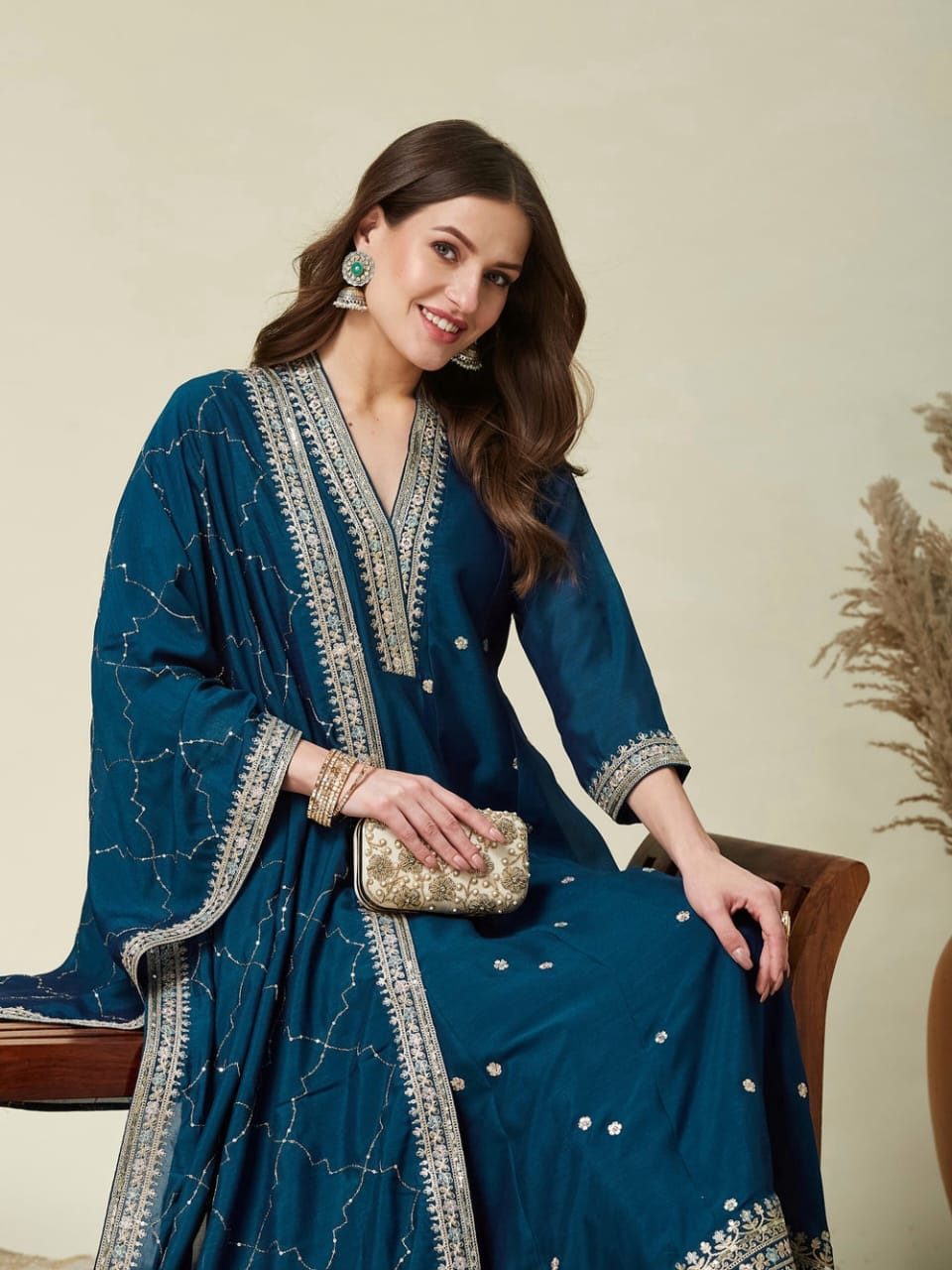
- Coverage: Confirm that the shoulders, chest and knees remain covered while standing and sitting.
- Head covering: Pack a clean scarf or choose a dupatta that fully covers the hair and can be pinned securely.
- Footwear: Select comfortable shoes that can be removed quickly and are suitable for walking and floor seating.
- Fabric: Check transparency, lining, scratchy embellishment and the outfit's ability to manage warm or cool conditions.
- Drape: Sit, stand and walk in the complete outfit to test the saree pallu, dupatta and hemline.
- Accessories: Choose secure jewellery and avoid pieces that clatter, snag or become uncomfortable during prayer.
- Personal conduct: Follow the gurdwara's instructions, keep phones silent and remain attentive during the ceremony.
Guests can look thoroughly dressed for a wedding without dressing like the bridal party. A coordinated colour palette, clean tailoring, one prominent embellishment and a well-secured dupatta usually create the right balance. The most successful look is the one that lets the guest participate comfortably and respectfully rather than constantly manage clothing.
Common Questions About Anand Karaj Guest Outfits and Gurdwara Etiquette
What should a female guest wear to an Anand Karaj?
A modest salwar suit, anarkali, long kurta set or saree with a covered blouse is suitable for most Anand Karaj ceremonies. The outfit should cover the shoulders and knees, allow comfortable floor seating and include a dupatta or scarf for head covering.
Can I wear a saree to a gurdwara wedding?
You can wear a saree to a gurdwara wedding if the blouse provides adequate coverage and the pallu can stay securely over your head when required. Pin the pallu at the shoulder and waist, wear comfortable footwear and test the drape while sitting before the ceremony.
Do guests have to cover their heads at an Anand Karaj?
Guests are expected to cover their heads inside the gurdwara prayer hall during an Anand Karaj. A clean scarf, dupatta, stole or handkerchief can provide suitable coverage, but the fabric should remain secure and fully cover the hair.
What footwear is best for an Anand Karaj?
Flat slip-on footwear, cushioned juttis or simple sandals are usually the most practical choices for an Anand Karaj. Guests remove footwear before entering the prayer hall, and comfortable flats are also better for walking and sitting on the floor.
Can guests wear black to an Anand Karaj?
Guests can wear black to an Anand Karaj unless the family has requested a different dress code. Balance a black outfit with modest styling and restrained accessories, and ask a close family member if the event has specific colour preferences.
How can I make a festive outfit more respectful for a gurdwara?
Add reliable shoulder and head coverage, reduce distracting shine, choose comfortable footwear and secure loose drapes. Moderate jewellery, a lined neckline and a hem that stays in place while sitting can make an elaborate wedding outfit more practical for the ceremony.