Why suit sleeves feel fine standing up but tight when you sit usually comes down to a change in shoulder angle, arm position and fabric tension-not simply a sleeve that looks too narrow. When you stand, your arms hang close to your body and the sleeve falls vertically. When you sit, your elbows often bend, your shoulders round slightly and your forearms move forward, using up the fabric ease built into the garment.
That difference matters in a salwar suit because a kurta sleeve is connected to the shoulder, armhole and upper chest. A small restriction at any one of those points can find much sharper when you reach for a phone, eat at a table, drive, work at a desk or lift a dupatta. A good proper check therefore includes seated movement, not just a mirror view while standing.
Why Suit Sleeves Feel Fine Standing Up but Tight When You Sit
The direct answer is that sitting bends the elbow and shifts the upper arm forward, while standing allows the sleeve to hang with unused ease. The sleeve may appear roomy in a relaxed standing pose but become taut across the biceps, elbow or forearm as the arm folds.
Three body movements usually create the sensation. First, the elbow bends, increasing the curved distance from the sleeve cap to the wrist. Second, the shoulder rotates forward, pulling the armhole and sleeve head toward the back of the garment. Third, the torso may widen slightly when seated, so the sleeve connection receives tension from the side seam and chest area.
The amount of tightness depends on sleeve length and shape. A three-quarter sleeve ending below the elbow can feel especially restrictive if the cuff area has little width. A full-length narrow sleeve may pull at the wrist when the forearm is lifted. A short sleeve can still feel uncomfortable if the armhole is cut too high.
Fabric changes the experience as well. Cotton has limited mechanical stretch unless it's knitted or blended with elastane. Banarasi silk and zari-woven materials can look fluid but generally don't provide the stretch needed to compensate for a very close sleeve. Rayon, viscose and blended silk may offer more drape, but drape isn't the same as stretch.
Which Part of the Sleeve Is Actually Causing the Tightness?
The tightness usually comes from one of four areas: the armhole, sleeve cap, upper arm or lower sleeve. Identifying the location prevents an unnecessary alteration in the wrong place.
Armhole restriction
An armhole that's too high or too small pulls the entire kurta upward when you bend your arm. The first sign is often a diagonal crease from the underarm toward the chest or back. Sitting makes the problem more noticeable because the shoulder rotates forward and the armhole must accommodate that movement.
Upper-arm restriction
An upper-arm problem appears as horizontal drag lines around the biceps, even when the shoulder seam sits correctly. Measure the fullest part of the upper arm while wearing the garment, then compare it with the finished sleeve circumference. For ordinary movement, around 4 to 6 centimetres of total ease is a useful starting point for a woven salwar suit sleeve, although personal preference and fabric weight can change that allowance.
Elbow or forearm restriction
An elbow or forearm problem appears when the sleeve feels comfortable with the arm straight but resists a 90-degree bend. Tapered sleeves, fitted cuffs and heavy embroidery near the elbow can make this effect stronger. A straight sleeve with a little extra room often performs better for desk work and meals than a sharply tapered sleeve.
Sleeve-cap and shoulder restriction
A sleeve cap problem causes pulling at the shoulder seam or a tight feeling when the arms move forward. The sleeve may have enough width at the bicep, but the sleeve head is too shallow or the shoulder is too narrow. In that situation, adding width only at the forearm won't solve the fit.
How Sitting Changes a Salwar Suit Fit
Sitting changes the fit because the body doesn't remain in the same alignment as it has in a standing product photograph. The pelvis bends, the ribcage may compress slightly and the shoulders often move forward. A straight kurta can therefore pull across the back and sleeves even when its front looks relaxed.
Try a practical three-position test before deciding whether a sleeve is genuinely comfortable. Stand with both arms relaxed. Sit on a chair with your feet flat and elbows bent. Then reach both hands forward as if using a laptop or serving food. A wearable sleeve should not create sharp pressure, numbness, pinching or a strong pulling line in any of these positions.
Raise one arm to shoulder height and check whether the whole kurta rises dramatically. A small amount of upward movement is normal, but a very high armhole or narrow sleeve can lift the hem several centimetres. Repeat the test while wearing the dupatta in the way you normally drape it, because fabric layered over the shoulder can change how freely the arm moves.
The Vertical Cotton Straight Kurta Set with Dupatta is a useful example of why fabric and silhouette should be considered together. Cotton straight suits are practical for daily movement, but a woven cotton sleeve still needs sufficient width at the upper arm and elbow. A cotton set should not be judged only by whether the kurta hangs neatly while standing.
Which Fabrics Make Sleeve Tightness More Noticeable?
Firm woven fabrics and sleeves with dense surface work make restricted movement more noticeable. Fabric weight, weave, lining, embroidery and seam placement all influence how much a sleeve can yield when the elbow bends.
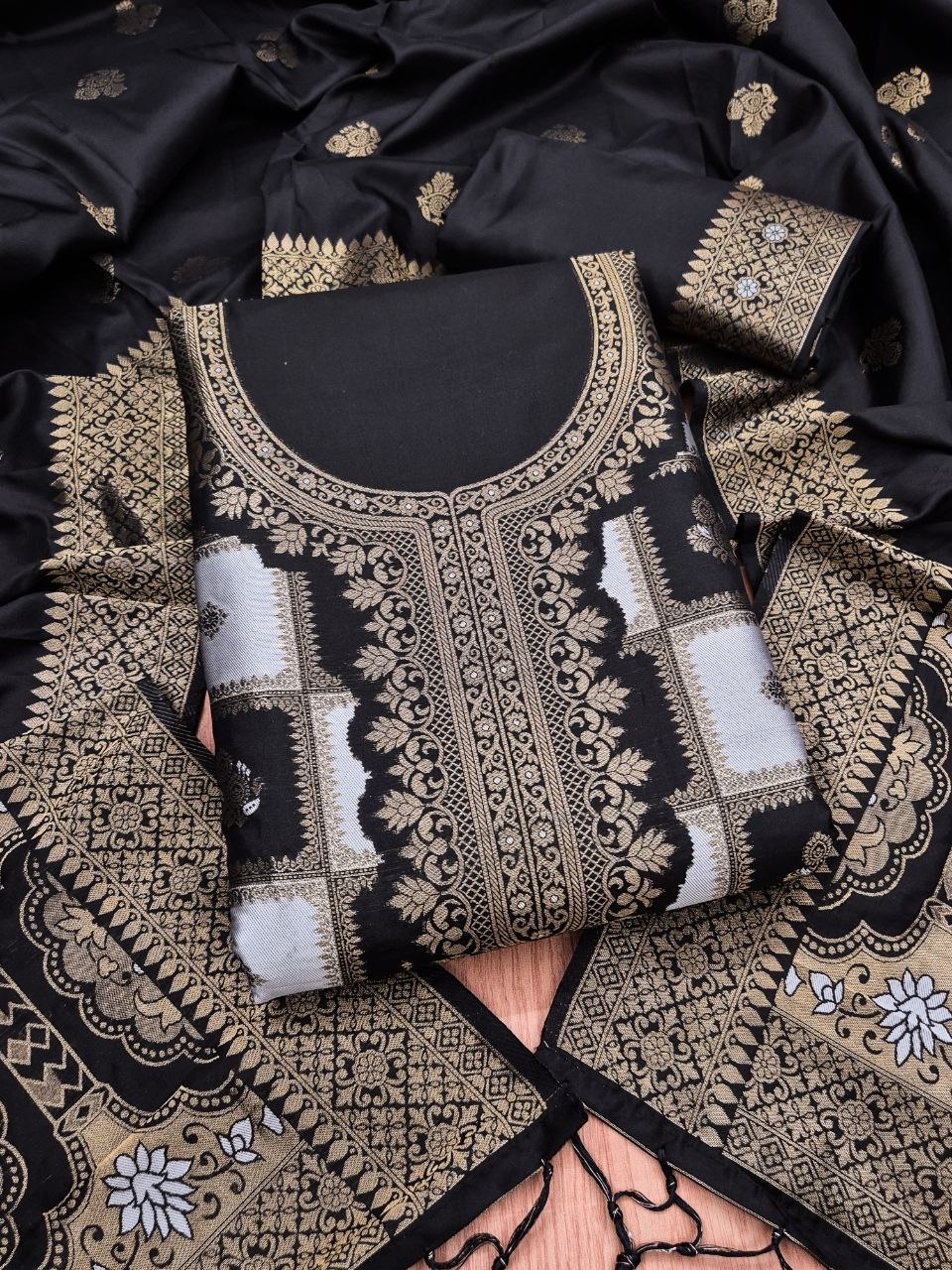
- Cotton: Cotton is breathable and dependable for daily wear, but most woven cotton has little stretch. Allowance at the bicep and elbow is more important than a close silhouette.
- Silk and zari weaves: Banarasi silk, Paithani-style zari weaves and blended silk can have a structured hand. Zari areas may feel firmer than the surrounding ground, so a heavily worked sleeve should not be cut too close.
- Rayon and viscose: Rayon and viscose drape around the arm and can feel softer, but neither fabric should be assumed to stretch substantially. A flowing appearance doesn't guarantee free elbow movement.
- Embroidered fabrics: Thread embroidery, sequins and dense motifs can reduce flexibility, particularly when work crosses the elbow or cuff. Embroidered panels also need seam allowances that remain stable after wear.
- Blended silk: A blended silk kurti can balance shine and drape, but the actual fibre mix matters. Check the garment measurements rather than relying on the word "blend" as a promise of stretch.
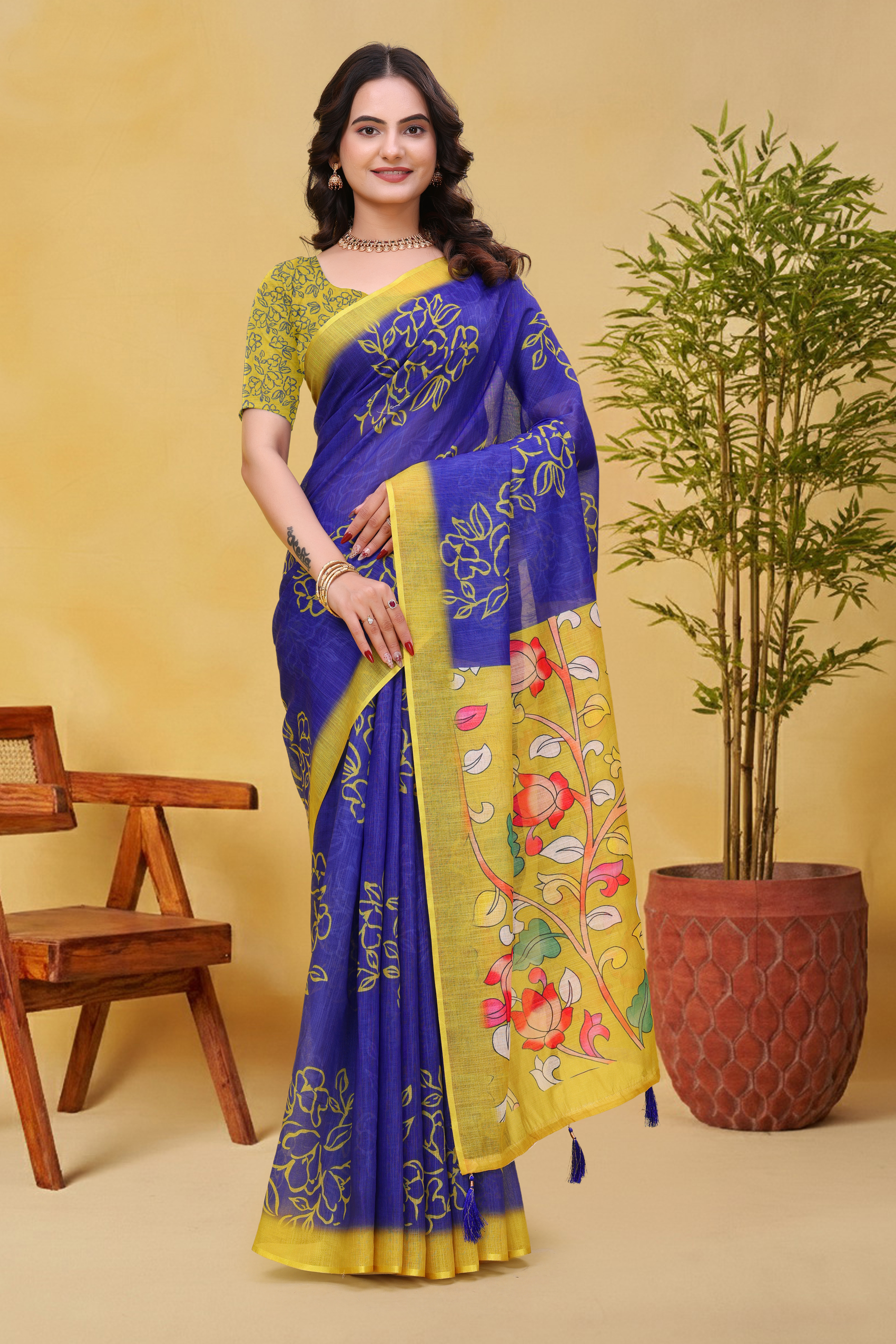
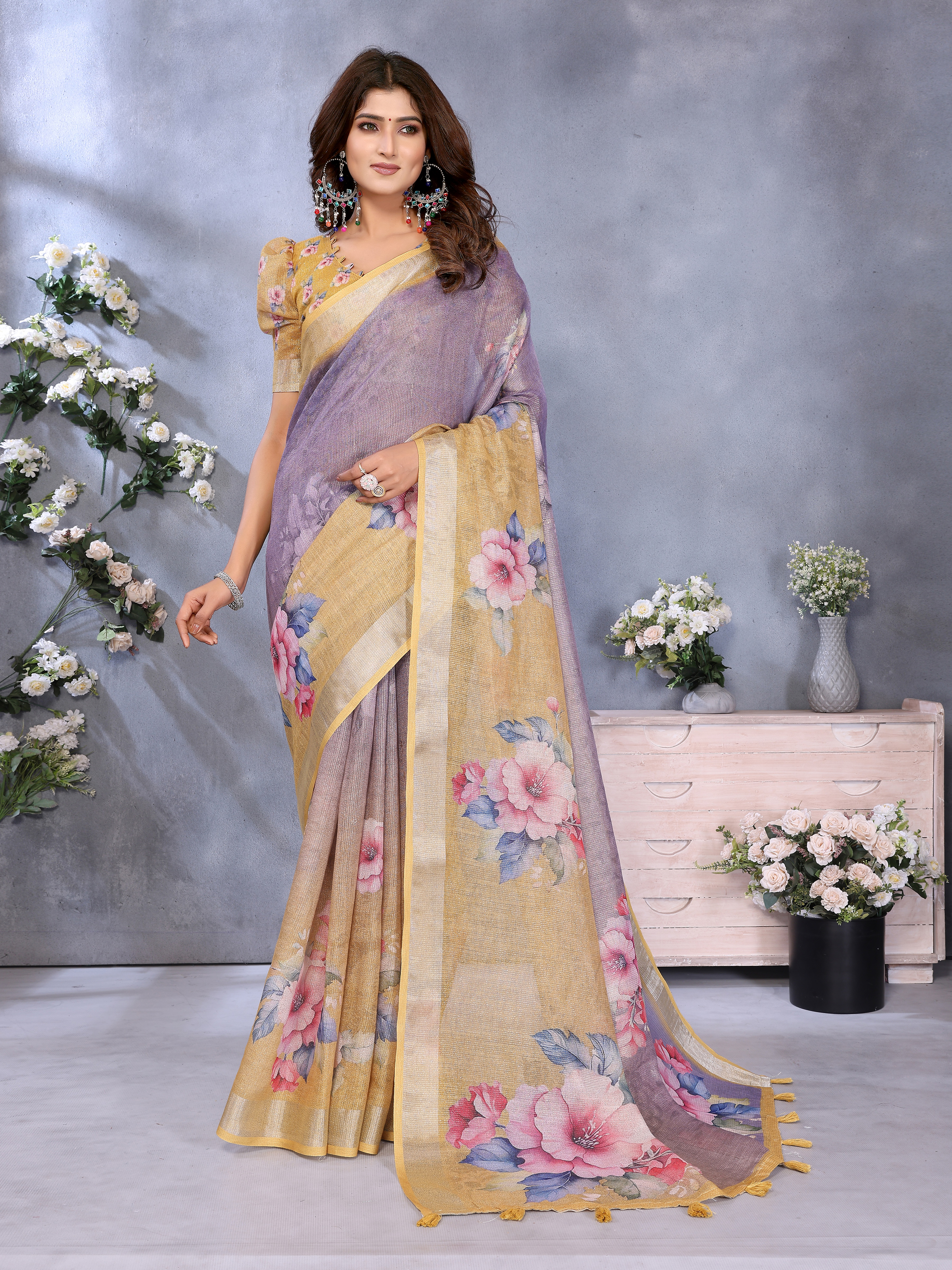
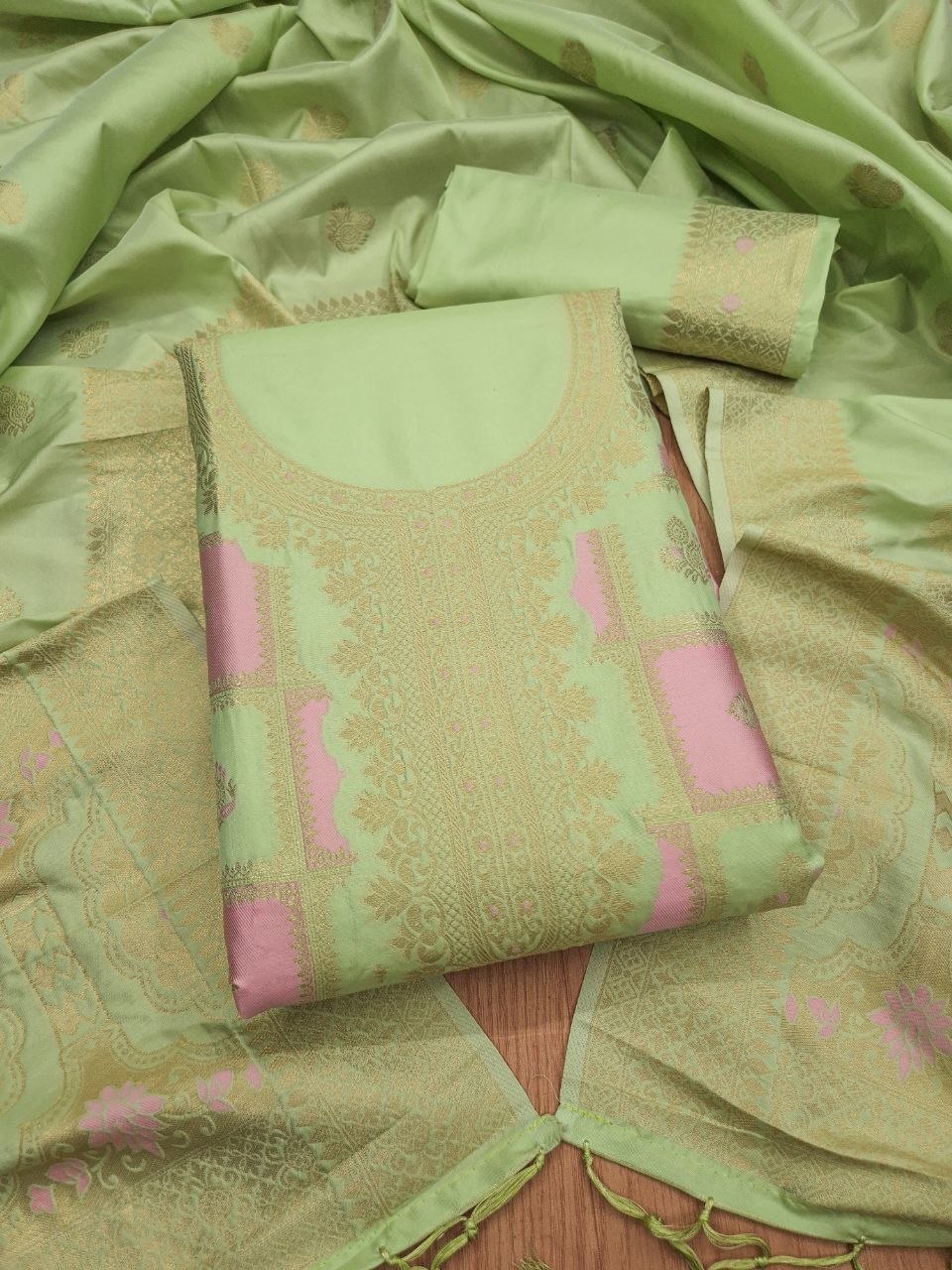
The Peach Paithani Style Zari Weave Unstitched Suit and Mint Green Paithani Style Zari Woven Unstitched Suit Material illustrate another buying consideration: unstitched fabric gives the tailor control over sleeve width, armhole depth and cuff shape. The best result depends on communicating seated-use requirements before cutting, not merely requesting a standard sleeve.
How Should You Measure Sleeves for Sitting Comfort?
Measure the upper arm, elbow and wrist with the arm relaxed and bent, then add ease according to the fabric and intended use. A single wrist or bicep measurement can't predict comfort across a moving arm.
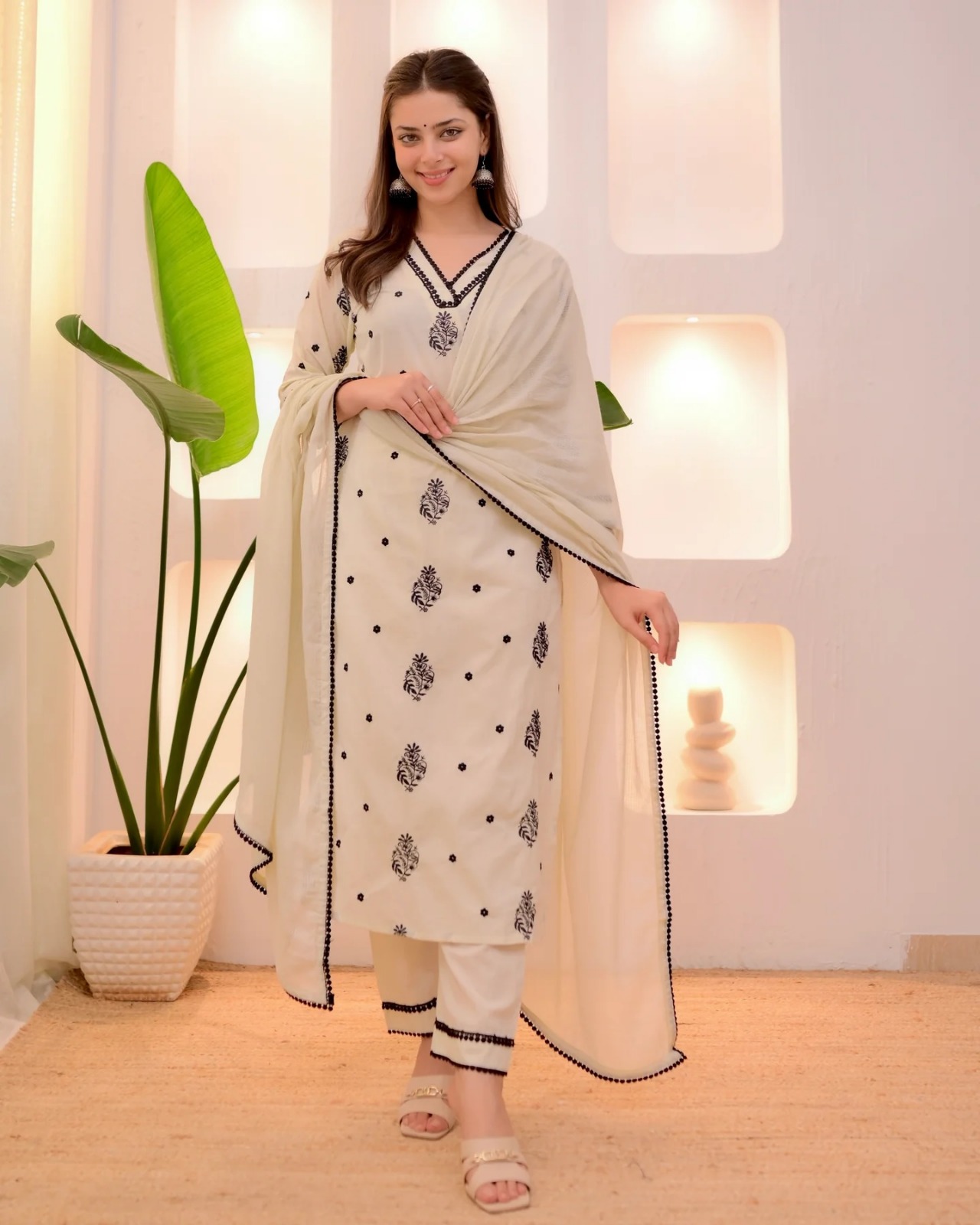
- Measure the upper arm: Wrap the tape around the fullest part of the bicep without pressing into the skin. Record the body measurement, then compare it with the finished sleeve circumference.
- Measure the bent elbow: Bend the arm at approximately 90 degrees and measure around the elbow area. This check is valuable for three-quarter sleeves and fitted full sleeves.
- Check the armhole: With the kurta on, place the arm forward and upward. If the garment pulls from the underarm before the sleeve itself feels tight, the armhole needs attention.
- Check sleeve length: Bend the elbow and confirm that the cuff doesn't ride sharply upward. A sleeve that's correct while standing may become several centimetres shorter in a bent position.
- Record the movement requirement: Tell the tailor whether the suit is for office work, travel, a Haldi ceremony, prayer, dancing or mostly seated meals. Each use calls for a different comfort priority.
For a ready-made suit, compare garment measurements with a well-fitting kurta you already own. Lay the existing kurta flat, measure the sleeve across the bicep and double that number, then compare it with the product's finished measurement. Include shrinkage risk for cotton by checking care instructions and washing the fabric before tailoring when the suit is unstitched.
What Tailoring Adjustments Fix Tight Sleeves?
The correct alteration depends on where the fabric pulls; a tailor may need to widen the sleeve, deepen the armhole, alter the sleeve cap or release seam allowance. Simply shortening the sleeve rarely fixes tightness caused by the upper arm or shoulder.
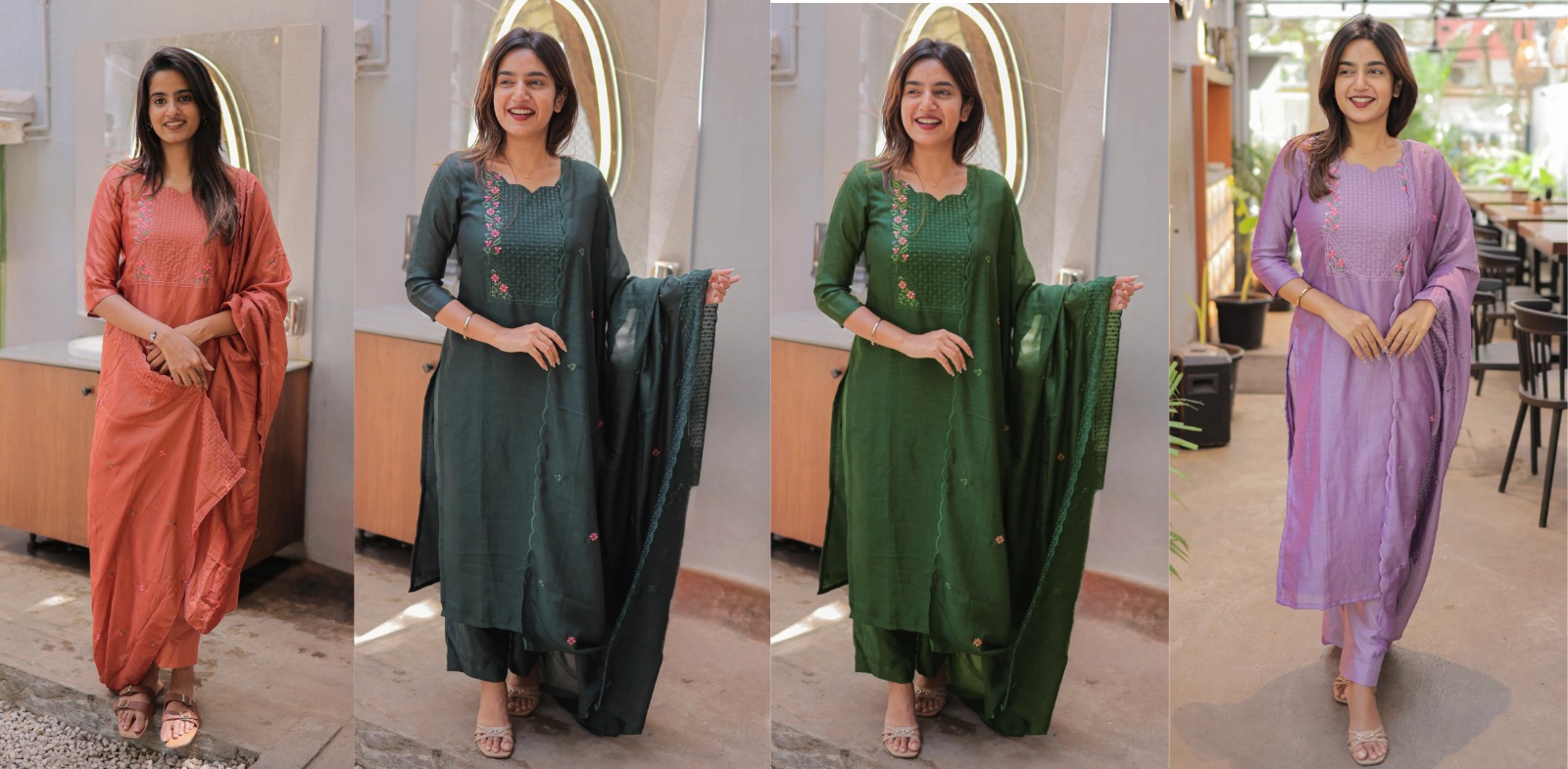
If extra seam allowance exists along the sleeve seam, widening the bicep and elbow is usually the least disruptive adjustment. A tailor can also add a small side panel or gusset when the design permits. A gusset is a separate fabric insert placed under the arm to increase movement, although matching embroidery or print direction can be difficult.
If the whole kurta lifts when the arm moves forward, the armhole and sleeve attachment need evaluation. Lowering an armhole can sometimes help, but lowering it too much may create excess fabric and reduce support. A skilled tailor may reshape the armhole and sleeve cap together rather than changing one curve in isolation.
If the cuff is the only tight area, widening the lower sleeve or replacing a narrow cuff can solve the problem. Keep at least enough opening to pass comfortably over the hand, especially when the sleeve has no button, zip or side opening. Dense zari, piping and embroidery should not be placed directly over the primary bend point unless the design has adequate room.
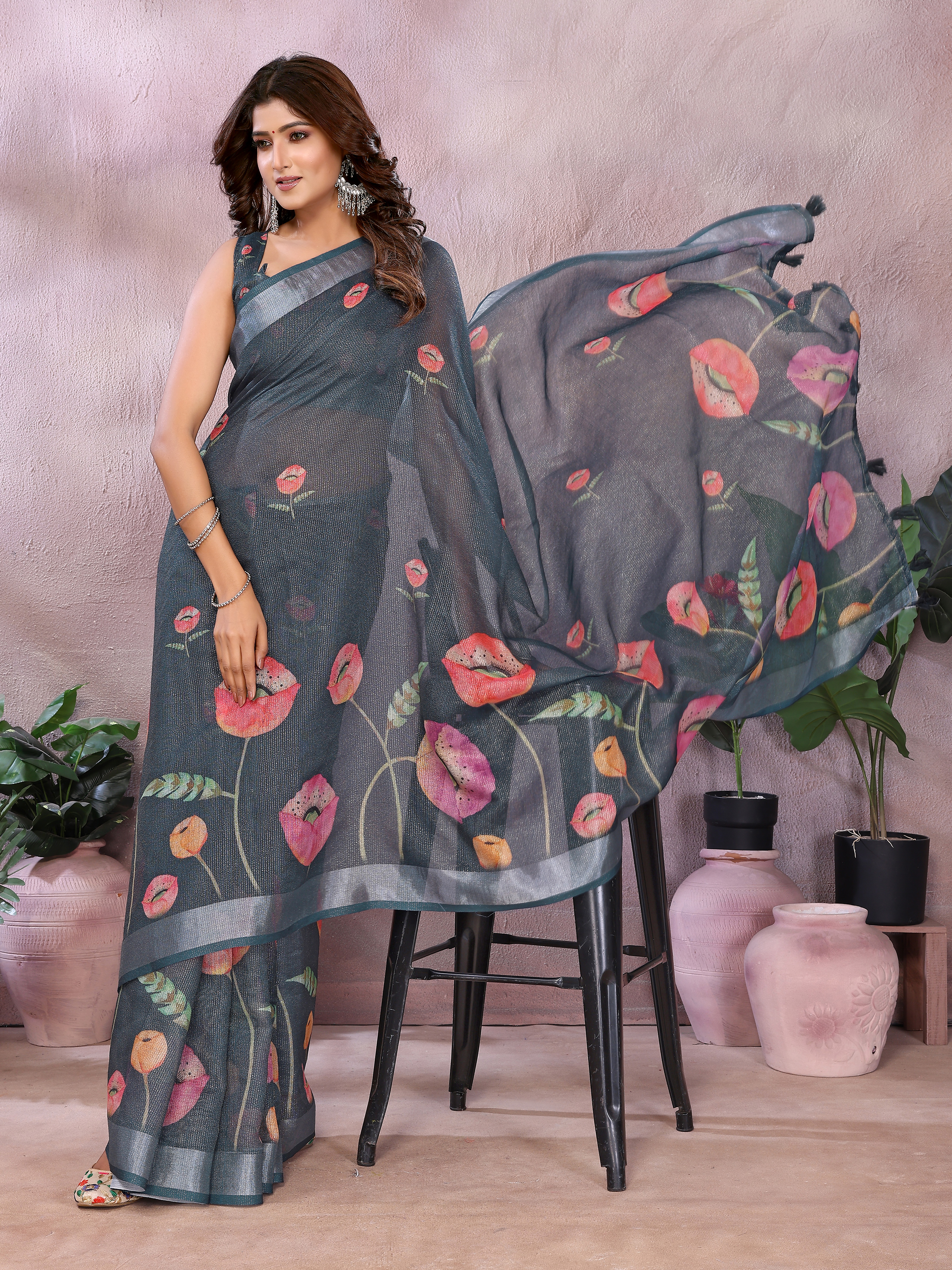
The Navy Blended Silk Zari Kurti Pant Dupatta Set and Orange Thread Embroidered Ethnic Suit Set show why finish details deserve attention during a fit check. Zari and embroidery can make a sleeve look refined while adding firmness at seams or cuffs. Test the garment with the arm bent before deciding that a decorative sleeve is comfortable enough for a long function.
How Can You Choose a Salwar Suit for All-Day Wear?
Choose a salwar suit by matching sleeve construction, fabric behaviour and silhouette to the hours and movements you expect. A beautiful standing fit isn't enough for commuting, working, eating or attending a long ceremony.
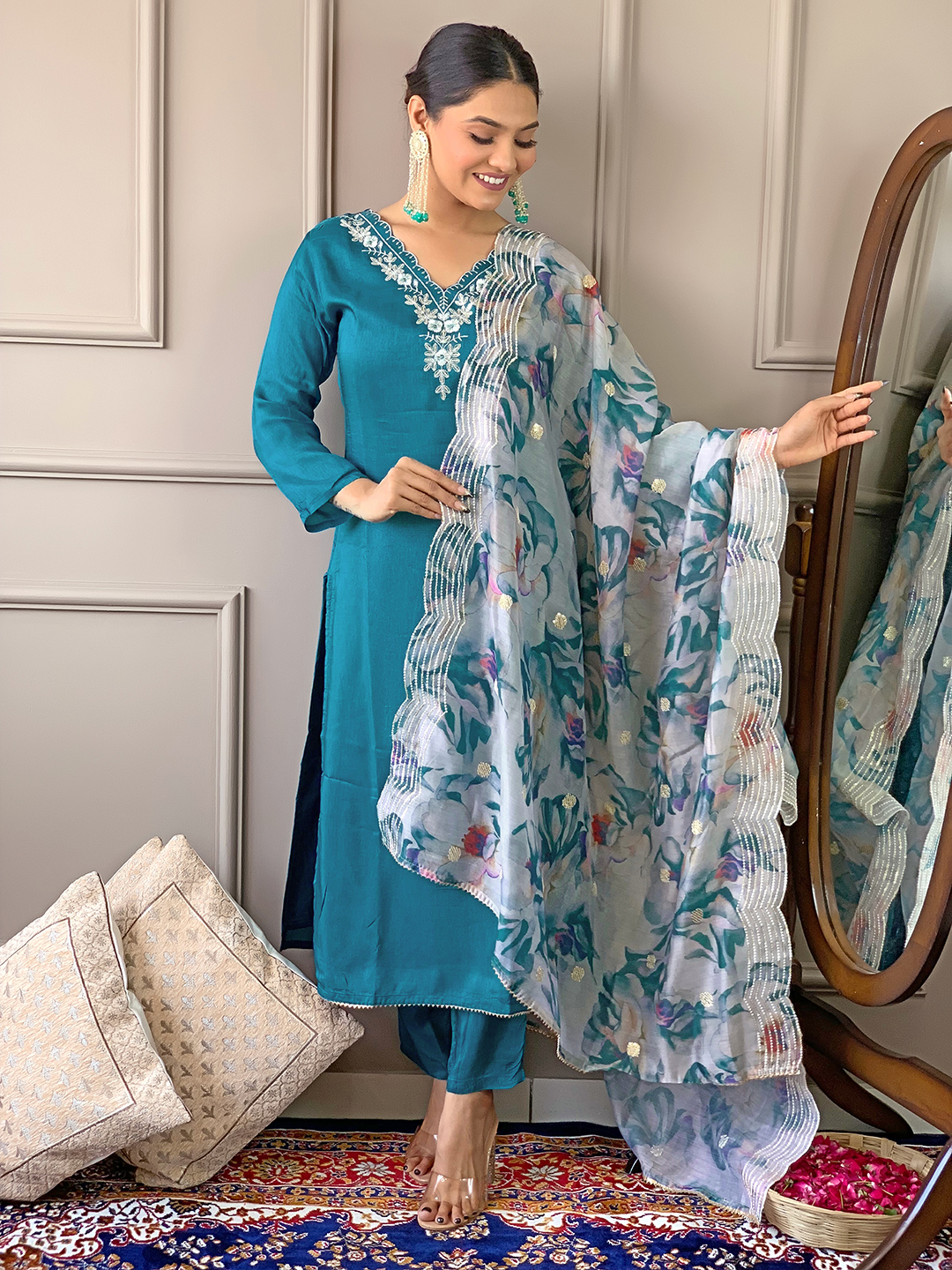
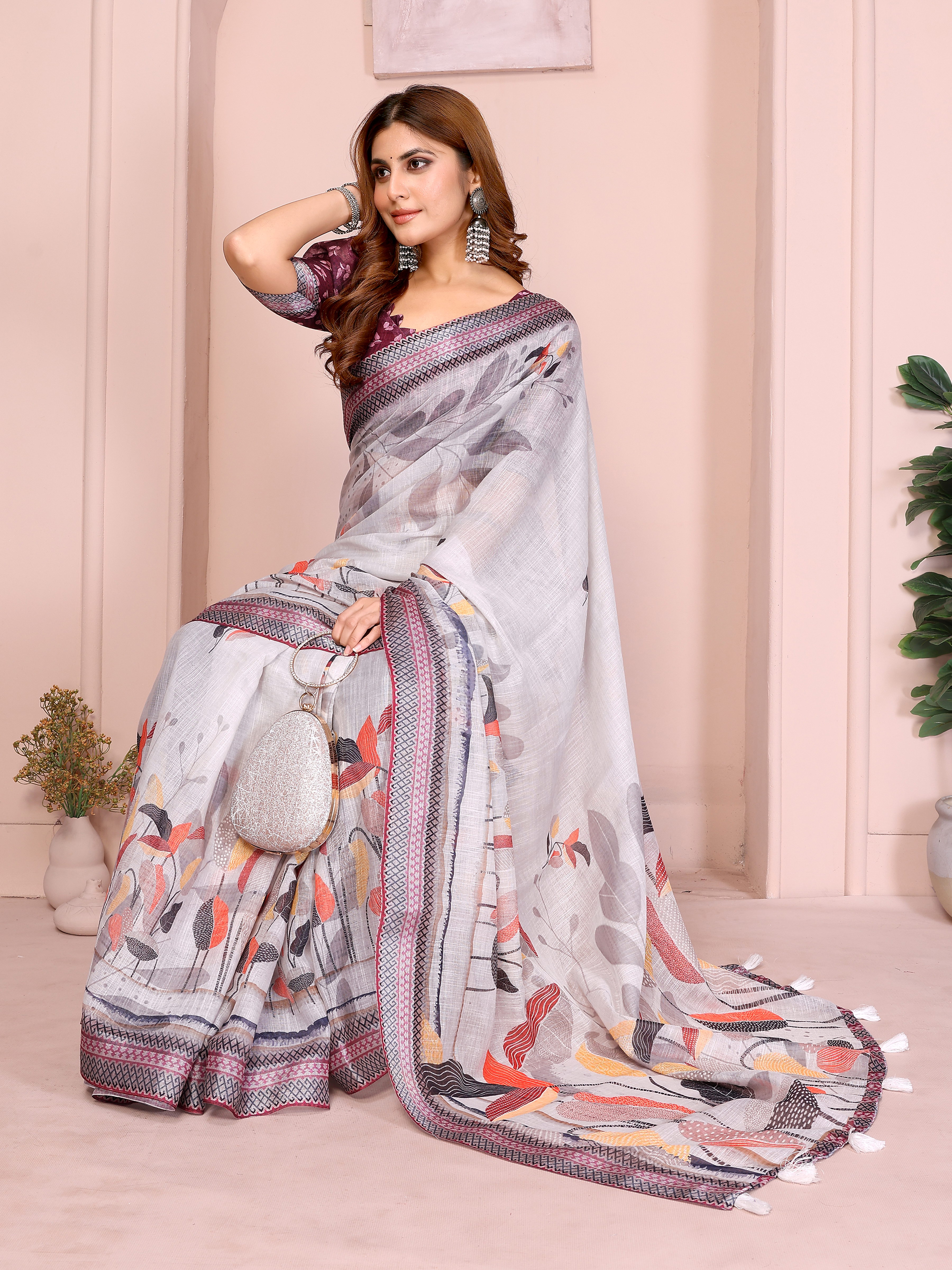
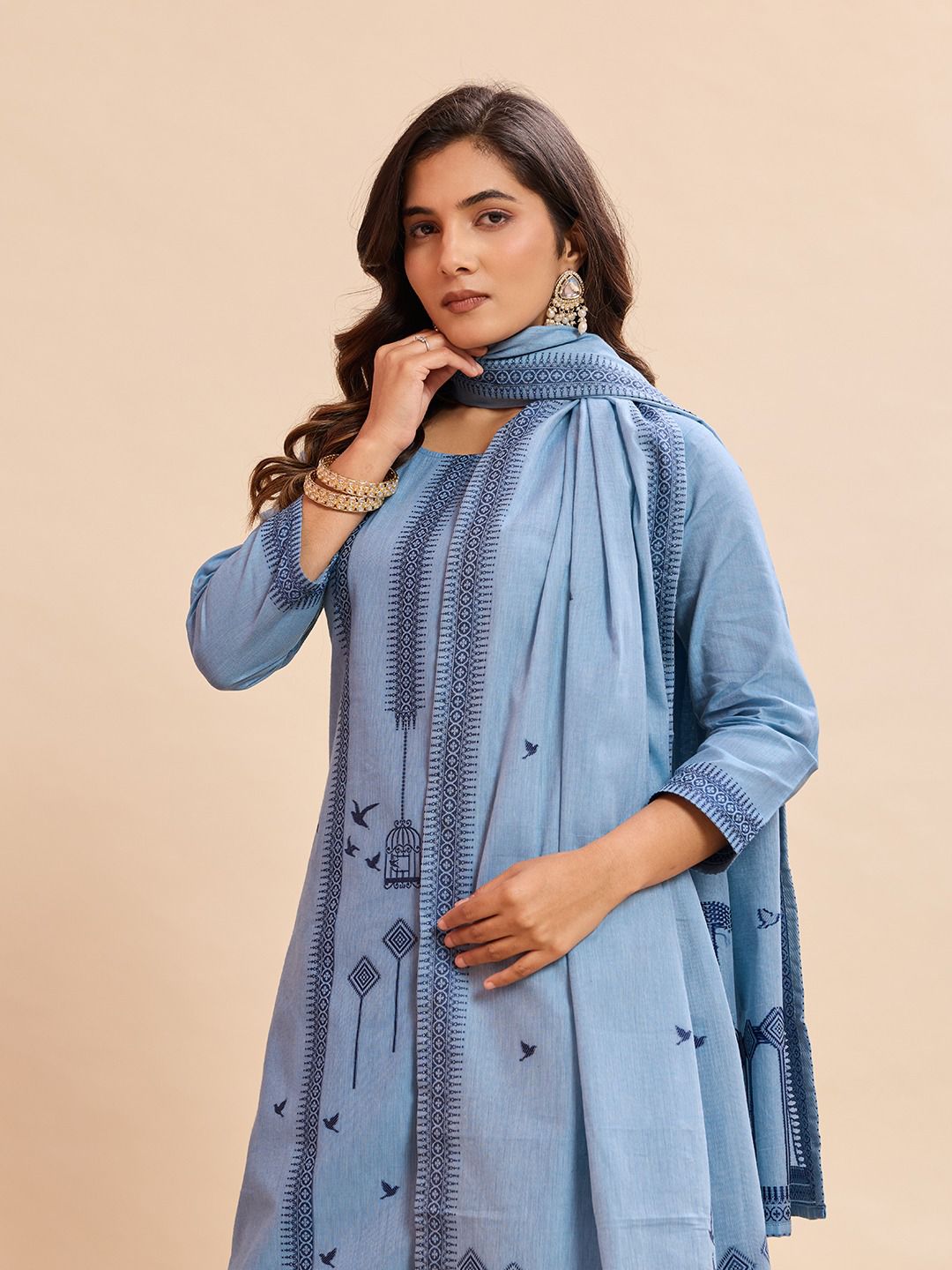
For regular use, a straight kurta with a moderate sleeve width is usually easier to move in than a sharply tapered sleeve. The Sky Blue Cotton Straight Kurta Set with Dupatta and Cream Printed Straight Kurta Set with Dupatta represent the kind of everyday silhouettes that should be assessed for breathable fabric, usable armholes and non-restrictive sleeves rather than colour alone.
For festive wear, inspect the placement of zari, lining and embroidery. The Off White Floral Embroidered Straight Suit Set may look light and delicate, but floral embroidery across the elbow can still reduce flexibility. A practical festive sleeve keeps heavier work away from the bend or uses a slightly roomier cut.
Print and regional design traditions can also guide a wardrobe without deciding fit for you. Kalamkari Print Salwar Suits often invite everyday styling, while Maharashtra Paithani Inspired Salwar Suits, Gujarat Bandhej Salwar Suits and Odisha Sambalpuri Salwar Suits may bring more structured woven or decorative details. Punjab Patiala Salwar Suits generally create a different proportion through their fuller lower silhouette, but the kurta sleeve still needs the same seated movement test.
Before buying, ask for or measure five details: upper-arm circumference, sleeve length, armhole depth, shoulder width and kurta length. If measurements are unavailable, compare the size chart with a garment that fits while seated. A two-minute chair test can prevent hours of discomfort during a wedding, office day or family gathering.
A Simple Sitting Test Before You Keep the Suit
A five-minute sitting test can reveal sleeve problems that a standing mirror can't. The test should reproduce the movements you'll actually make while wearing a salwar suit.
- Sit on a firm chair with both feet on the floor for two minutes.
- Bend both elbows and bring your hands toward your face as if eating.
- Reach forward as if typing or holding a phone.
- Lift one arm to shoulder height and then reach across the body.
- Stand up without pulling the kurta down and check whether the sleeve or armhole has shifted.
Keep the suit if the fabric remains comfortable, the sleeve doesn't leave deep pressure marks and the kurta returns to position without constant adjustment. Consider an alteration if the garment fits well elsewhere but creates one clear restriction. Exchange or choose another size when the shoulder, chest and armhole are all strained, because multiple tight points are rarely solved by one small sleeve adjustment.
Questions About Comfortable Salwar Suit Sleeves
Why do my salwar suit sleeves tighten when I bend my arms?
Salwar suit sleeves tighten when the elbow bends because the curved arm occupies more sleeve length and width than a straight arm. A high armhole, narrow bicep or tapered elbow can make the pulling more severe.
How much ease should a salwar suit sleeve have?
A woven salwar suit sleeve commonly needs about 4 to 6 centimetres of total ease around the upper arm for ordinary movement. The required amount can be higher for firm cotton, zari fabric, dense embroidery or active use.
Can a tailor make tight kurta sleeves wider?
A tailor can widen tight kurta sleeves when sufficient seam allowance is available or when a matching side panel or underarm gusset can be added. If the armhole or sleeve cap is the actual source of tension, those areas must be adjusted as well.
Why does my kurta lift when I raise my arm?
A kurta lifts when the armhole is too high, the sleeve cap is restrictive or the shoulder is too narrow for the wearer's movement. Adding width only at the wrist will not correct a sleeve that pulls from the underarm or shoulder.
Are cotton salwar suits better for sleeve comfort?
Cotton salwar suits can be comfortable because they breathe well, but woven cotton usually has limited stretch. Comfort still depends on a correctly measured armhole, enough upper-arm ease and a sleeve that allows the elbow to bend.
How can I test a salwar suit before buying it online?
Compare the product's garment measurements with a kurta that fits you while seated, especially at the shoulder, armhole, bicep and sleeve length. Check the fabric composition and request measurements when the size chart does not provide enough detail.