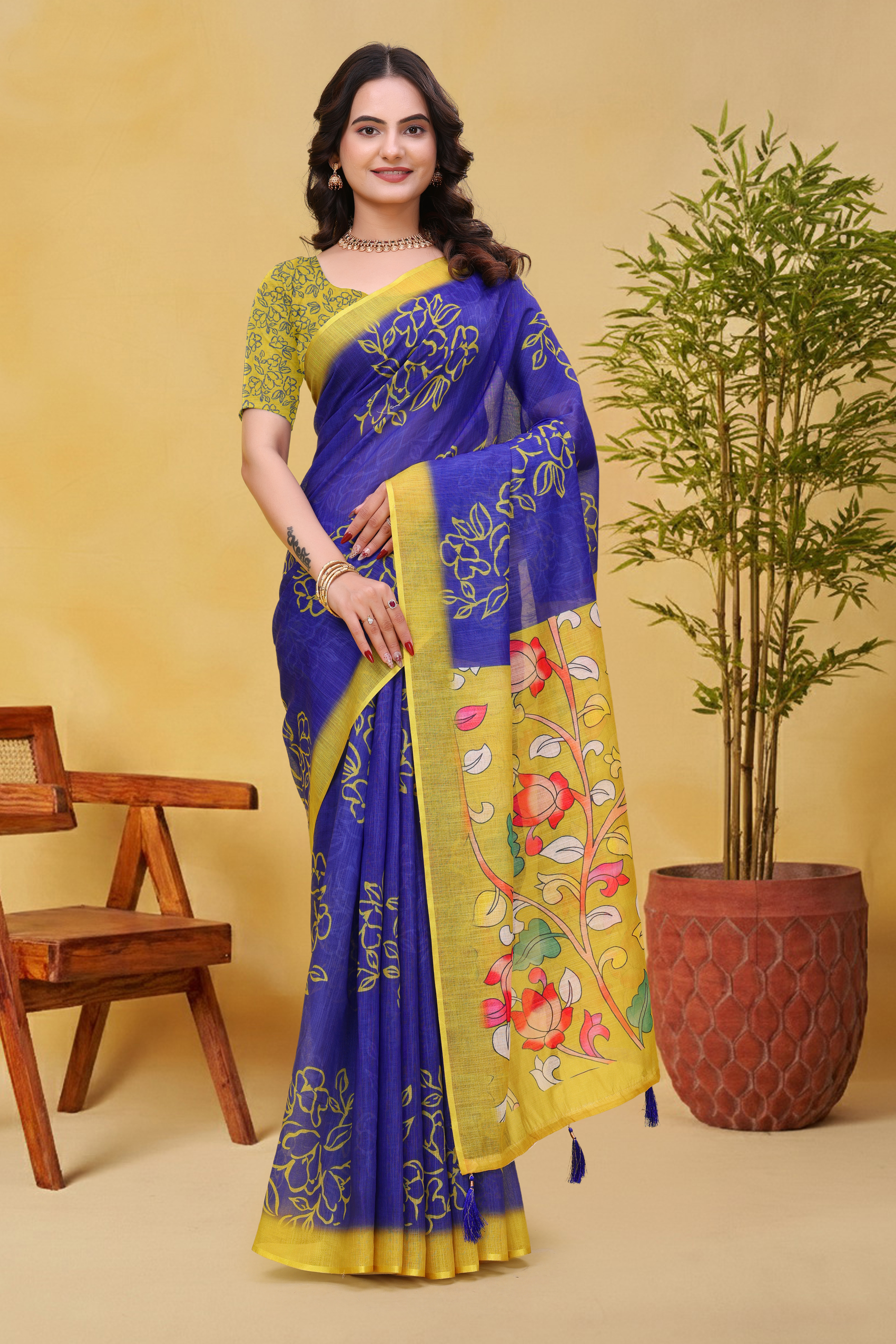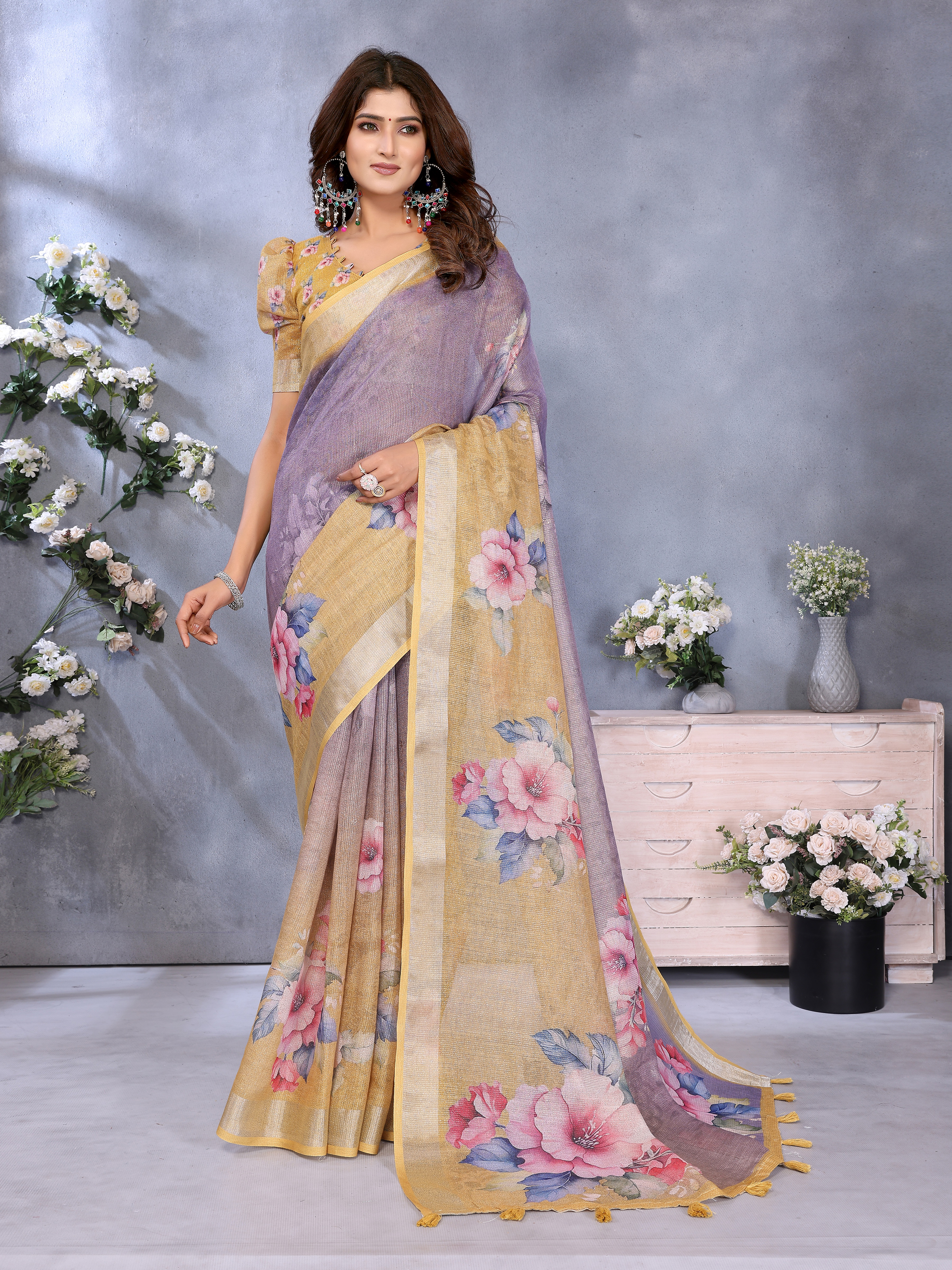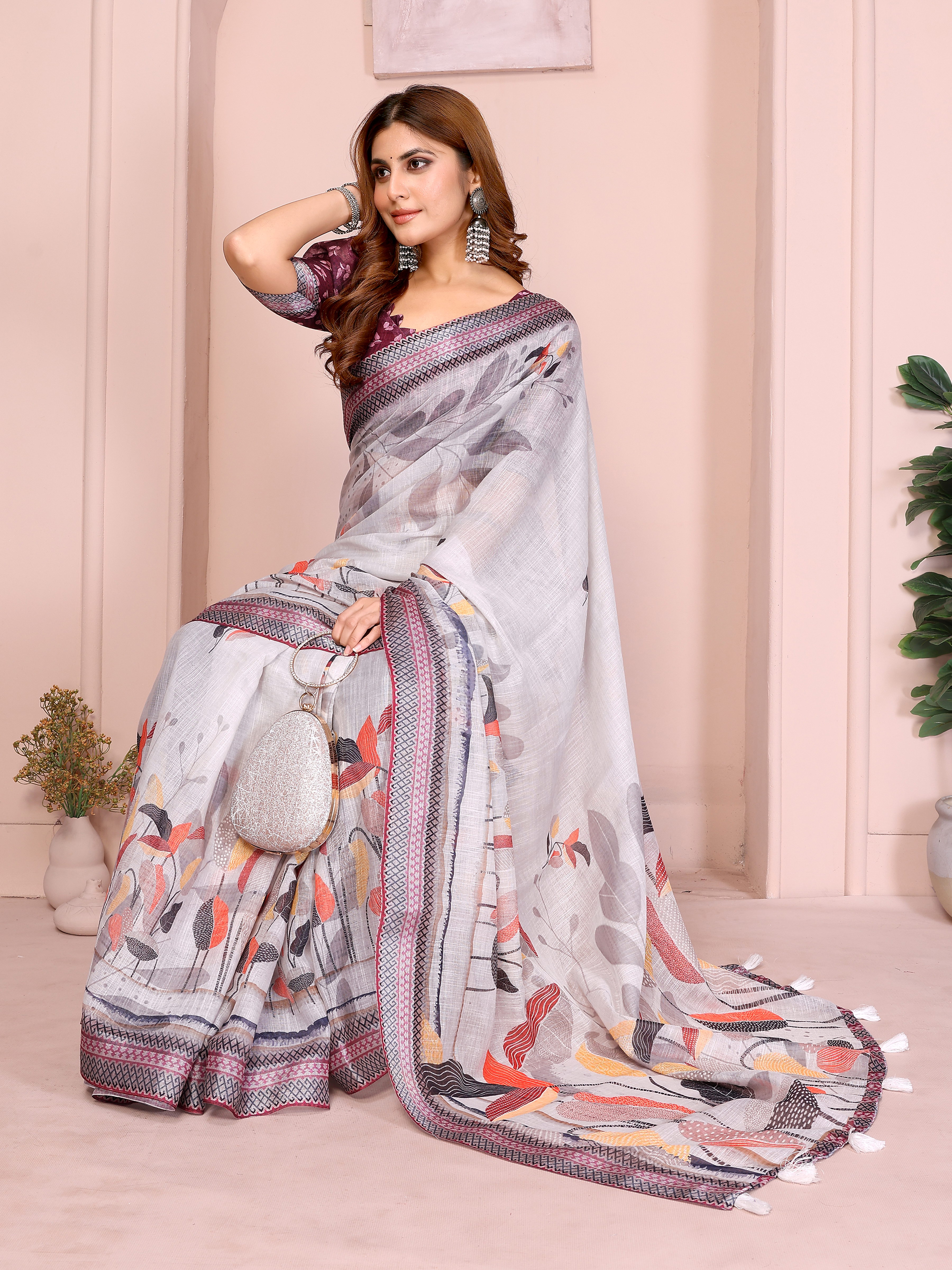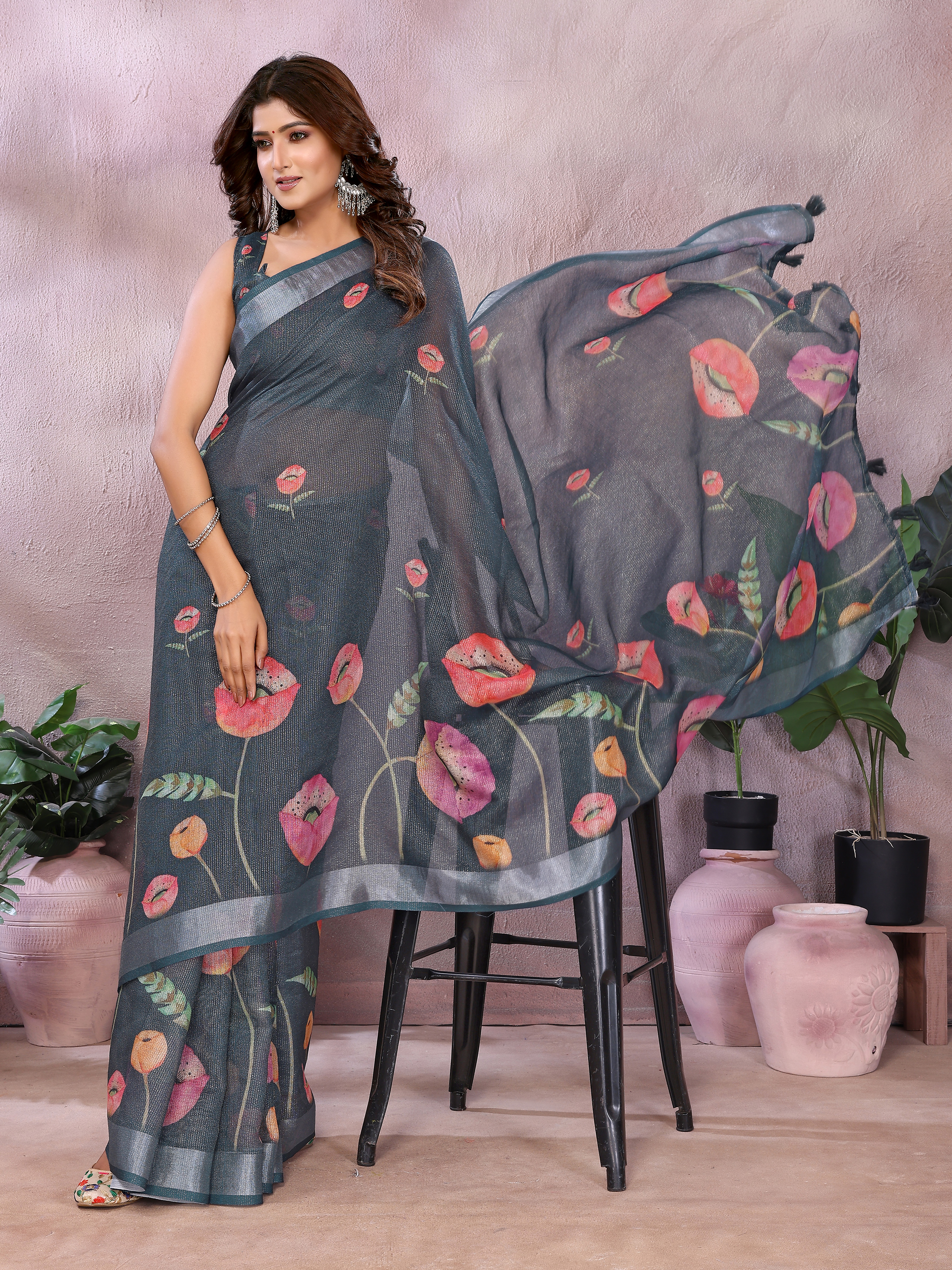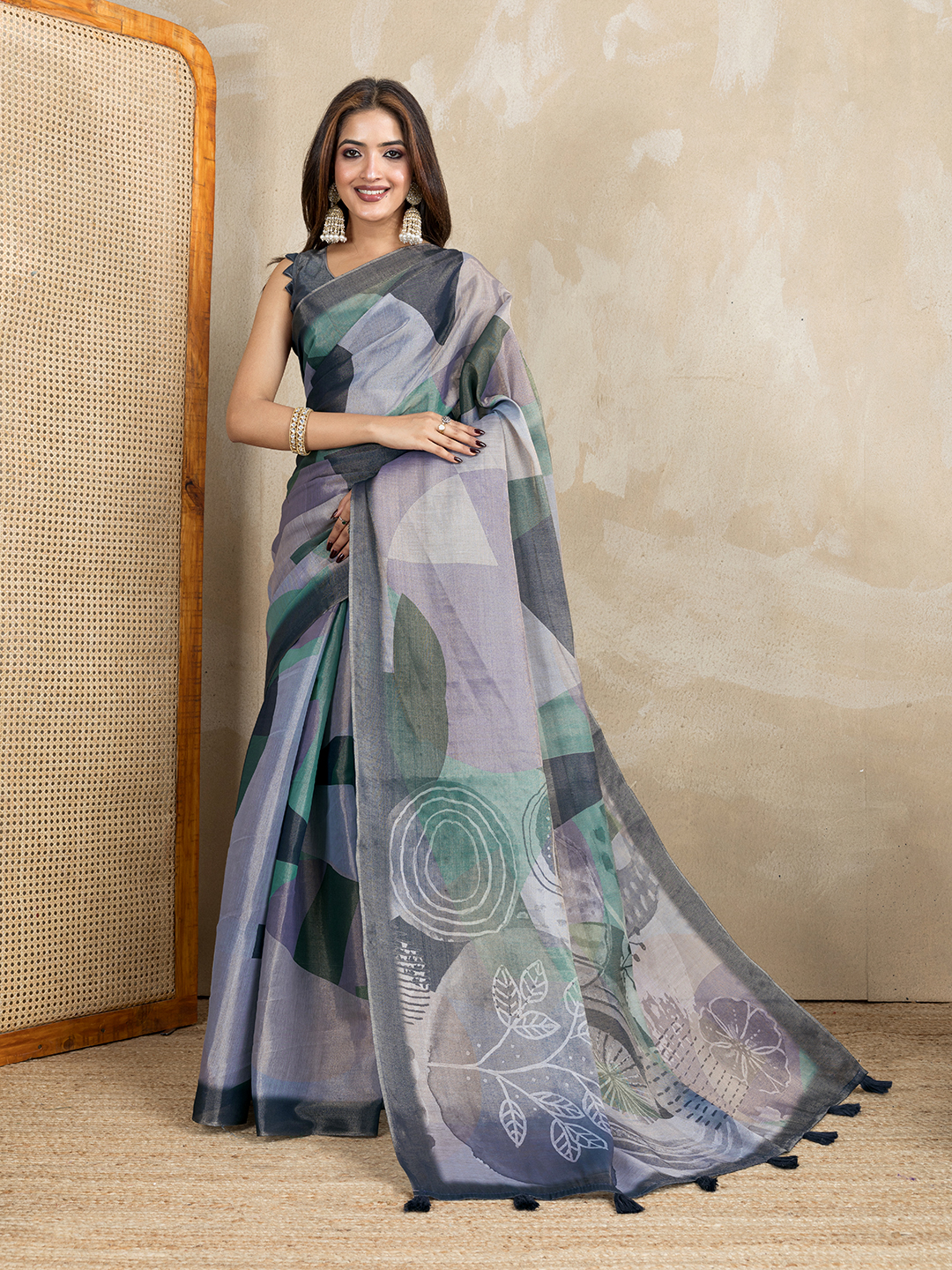
What Makes a Saree Comfortable for Long Office Hours depends on more than a soft fabric. A workday saree must allow sitting, walking, commuting, climbing stairs and reaching across a desk without constant readjustment. Fabric weight, surface texture, blouse construction, pleat width, pallu security and footwear height all influence whether a saree feels effortless at 9 a.m. Or tiring by late afternoon.
The most reliable office sarees combine breathable fibres with a manageable drape and a blouse that stays comfortable while seated. Cotton, linen-cotton, linen and selected lightweight handloom weaves usually perform better for hot commutes and long desk hours than heavily embellished or very slippery fabrics. A polished appearance comes from controlled proportions and neat finishing, not from stiffness or excess decoration.
What Makes a Saree Comfortable for Long Office Hours?
A comfortable office saree has moderate weight, good airflow, a stable drape, a non-restrictive blouse and enough ease for ordinary movement. These features reduce heat, shoulder strain, waist pressure and repeated pinning during a full workday.
Comfort also depends on the wearer's routine. Someone who drives may prioritise a shorter, secure pallu, while someone who takes a crowded train may need firmly pinned pleats and a fabric that doesn't snag easily. A teacher, doctor, lawyer or IAS officer may spend part of the day standing, so the saree must remain tidy during movement rather than only look attractive in a photograph.
Why do fabric weight and airflow matter?
Light to medium-weight fabric usually feels better for long office hours because it places less pull on the shoulder and allows air to circulate around the legs. Cotton absorbs moisture, linen allows airflow and linen-cotton blends balance breathability with easier handling. A very thin fabric isn't automatically comfortable if it clings, slips or needs frequent correction.
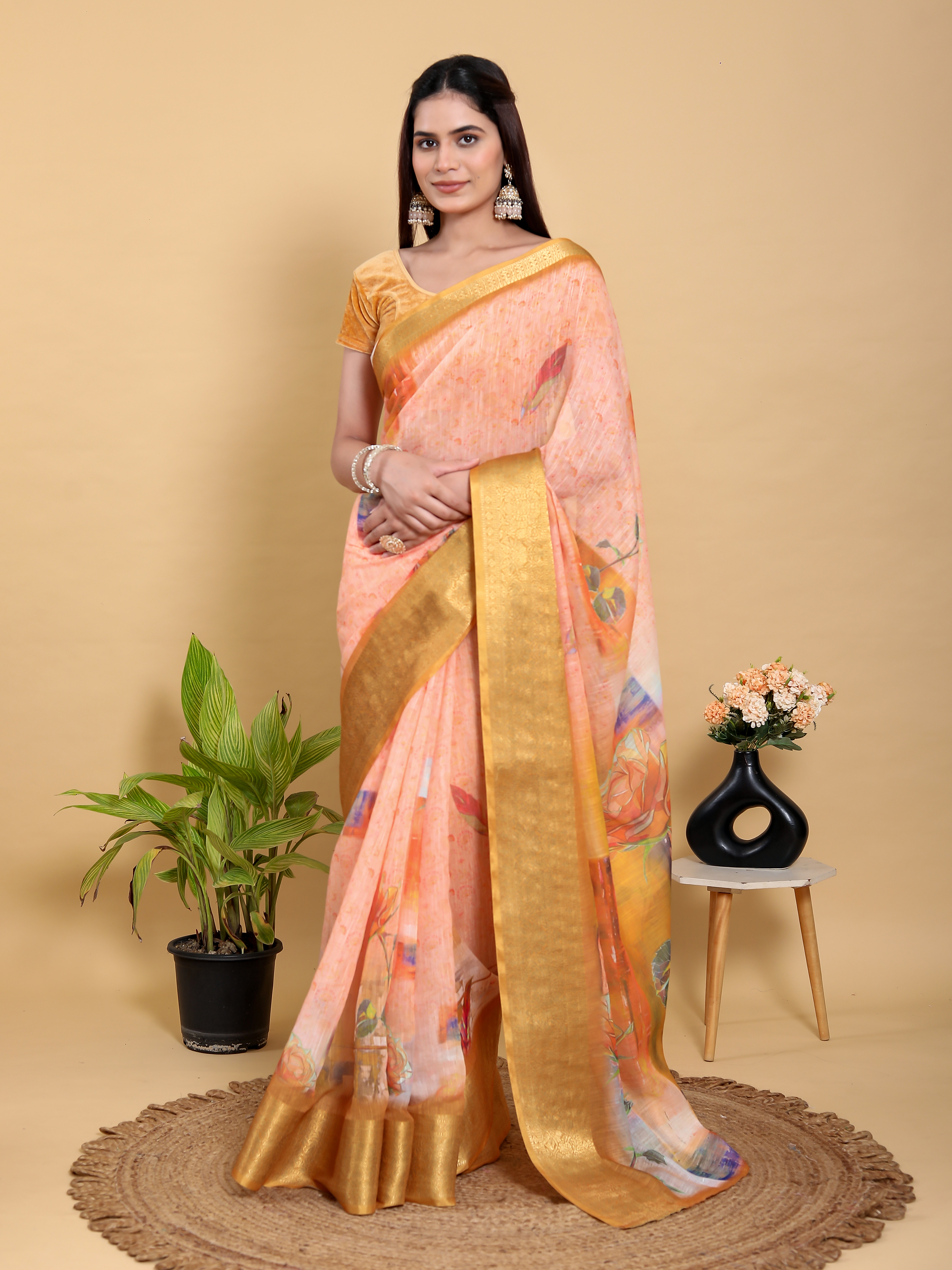
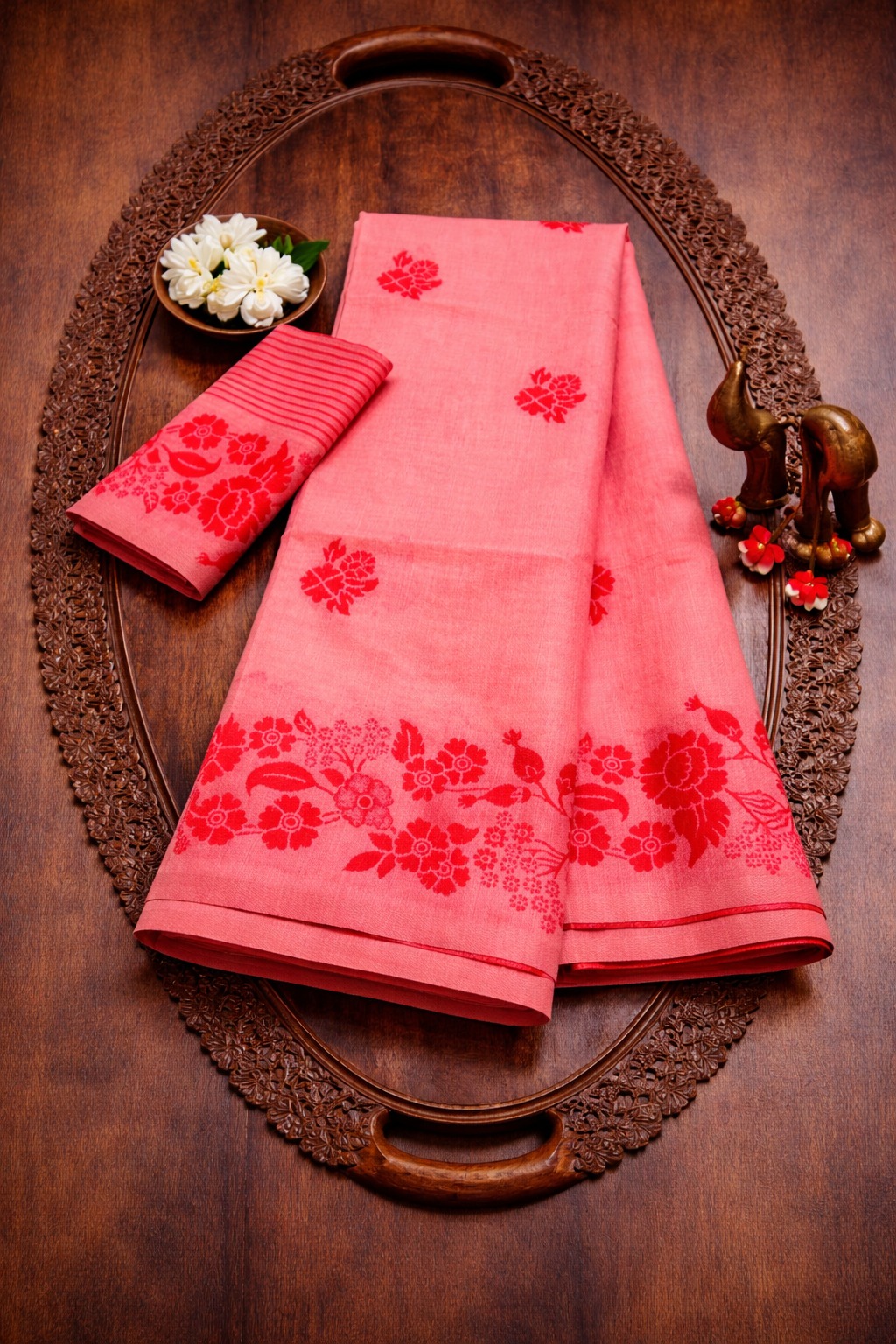
Teal Green Cotton Saree for Women Online India illustrates why cotton remains a dependable choice for daily professional dressing. A cotton saree can feel fresh during warm commutes, particularly when the weave isn't excessively dense. Linen-cotton options such as Coral Floral Linen Cotton Saree with Designer Border offer an useful middle ground when you want a structured border without the weight of heavy zari work.
Which Saree Fabrics Work Best for Professional Office Wear?
Cotton, linen-cotton, linen and breathable handloom sarees are generally the strongest choices for professional office wear because they combine airflow, visual polish and practical draping. The best option depends on climate, commute, dress code and how much ironing you can manage.
Cotton for regular workdays
Cotton is suitable for regular office wear because it absorbs perspiration and usually stays stable after careful pleating. Handloom cotton can have a slightly textured surface that hides minor creasing better than a perfectly smooth fabric. Cotton also suits casual office wear when paired with a clean blouse, modest neckline and restrained accessories.
Cotton works especially well in warm and humid cities, although heavily starched cotton may feel rigid after several hours. A lightly crisp finish gives structure without making the waistband or armholes uncomfortable. Washing instructions matter because repeated high-temperature washing can shrink cotton and change the original fall.
Linen and linen-cotton for breathable structure
Linen is valued for airflow and a dry, textured hand, while linen-cotton blends are often easier to manage than pure linen. Linen naturally develops creases during sitting, so a professional look depends on accepting soft texture rather than expecting an exactly pressed surface .
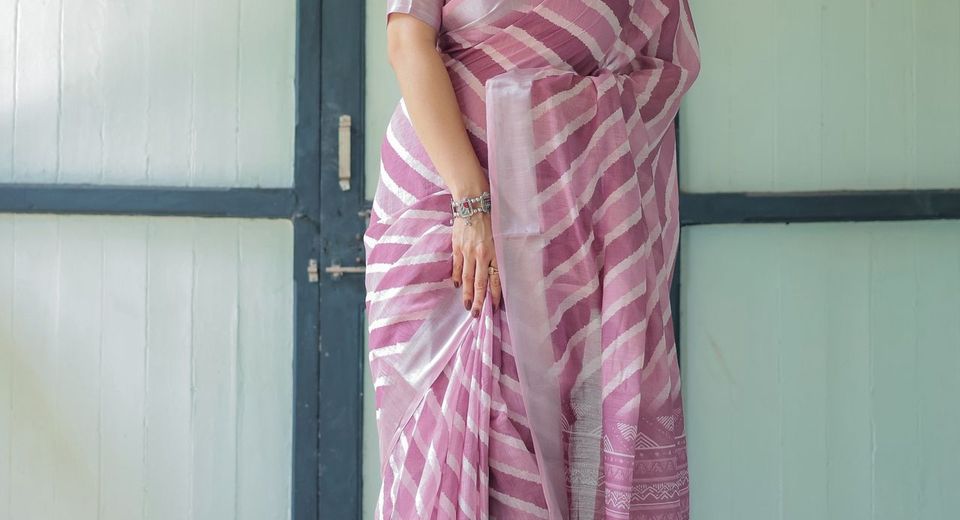
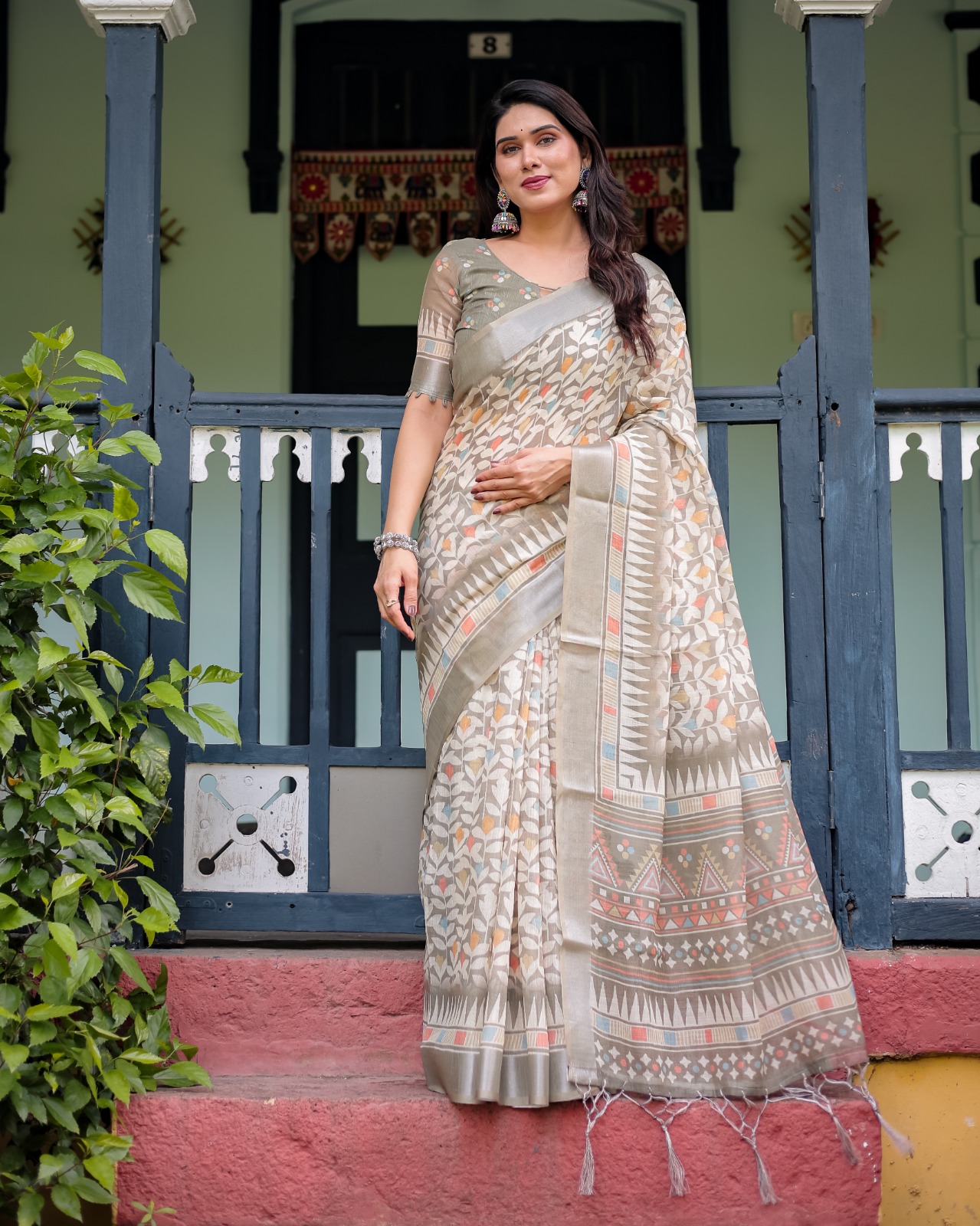
Off White Linen Cotton Printed Saree with Zari adds a small amount of zari interest without requiring a fully festive styling approach. Elegant Pastel Green & Beige Linen Saree with Tribal Design offers a muted colour direction for workplaces where subtle prints and earthy tones are acceptable. Soft Lavender Linen Saree with Elegant Stripe Pattern shows how stripes can create visual order without a loud motif.
When can silk, georgette or chiffon work?
Lightweight silk can work for formal office events, presentations and ceremonial professional settings, but dense zari and heavy borders may become tiring during ordinary desk hours. Banarasi silk and Kanjeevaram are better reserved for workplaces or events where traditional formality is expected, because their richer weaves can add weight and warmth.
Chiffon office wear can be comfortable when the saree is lightweight and the pallu is secured properly, but chiffon is more slippery than cotton or linen. A narrow, well-placed pin and a blouse with sufficient shoulder grip are important. Georgette has slightly more body than chiffon and can be practical for formal meetings, although synthetic fabrics may feel warmer than natural fibres in humid weather.
Collections such as Pink Georgette Sarees and Silk Sarees Under 3000 With Discount can be useful reference points when comparing occasion-appropriate fabrics, but a low price or festive finish doesn't by itself make a saree suitable for a nine-hour workday. Party Wear Sarees usually carry more shine, embellishment or weight than a daily office wardrobe requires.
How Should a Saree Fit and Drape for a Full Workday?
A workday drape should keep the waist secure, the pleats even, the hem clear of the floor and the pallu anchored without pulling on the neck. A saree that looks elegant while standing but restricts the knees or loosens while sitting needs adjustment before it becomes office-ready.
Check the length and footwear first
Wear the shoes planned for work before setting the saree length. The hem should sit close to the floor without dragging, and the front pleats should not cover the toes so completely that walking becomes uncertain. A slightly shorter, secure hem is safer for stairs and public transport than a dramatic floor-skimming finish.
Low block heels, loafers or formal flats generally make a practical office base. Very high heels change the saree length, tilt the pelvis forward and can increase fatigue during standing. The safest combination is a consistent shoe height and a petticoat or underskirt that doesn't twist while walking.
Build stable pleats and an useful pallu
Five to seven front pleats usually create a manageable office drape, although the ideal number depends on saree width and fabric thickness. Narrow, even pleats reduce bulk at the waist and make sitting easier. Pleats should face the same direction and be secured at the waistband before the pallu is arranged.
A pinned shoulder pallu is often more practical than a loose pallu in a workplace. Keep the pallu long enough to cover the torso comfortably but not so long that it brushes the floor or catches on chair arms. Two small safety pins placed discreetly at the shoulder and waist can prevent most shifting without making the drape look stiff.
Lightweight Cream Saree with Designer Floral Pattern demonstrates why a restrained floral surface can work with a compact, controlled drape. Ivory Cream Floral Handloom Saree with Heritage Pallu can suit a more time-honoured office environment when the heritage pallu is allowed to remain the visual focus and jewellery is kept minimal.
Why Does the Blouse Decide So Much of the Comfort?
The blouse often determines office comfort more than the saree because tight armholes, restrictive sleeves and an unstable neckline create pressure throughout the day. A well-fitted blouse should allow the wearer to raise both arms, sit with the back supported and breathe normally without pulling across the bust or shoulders.
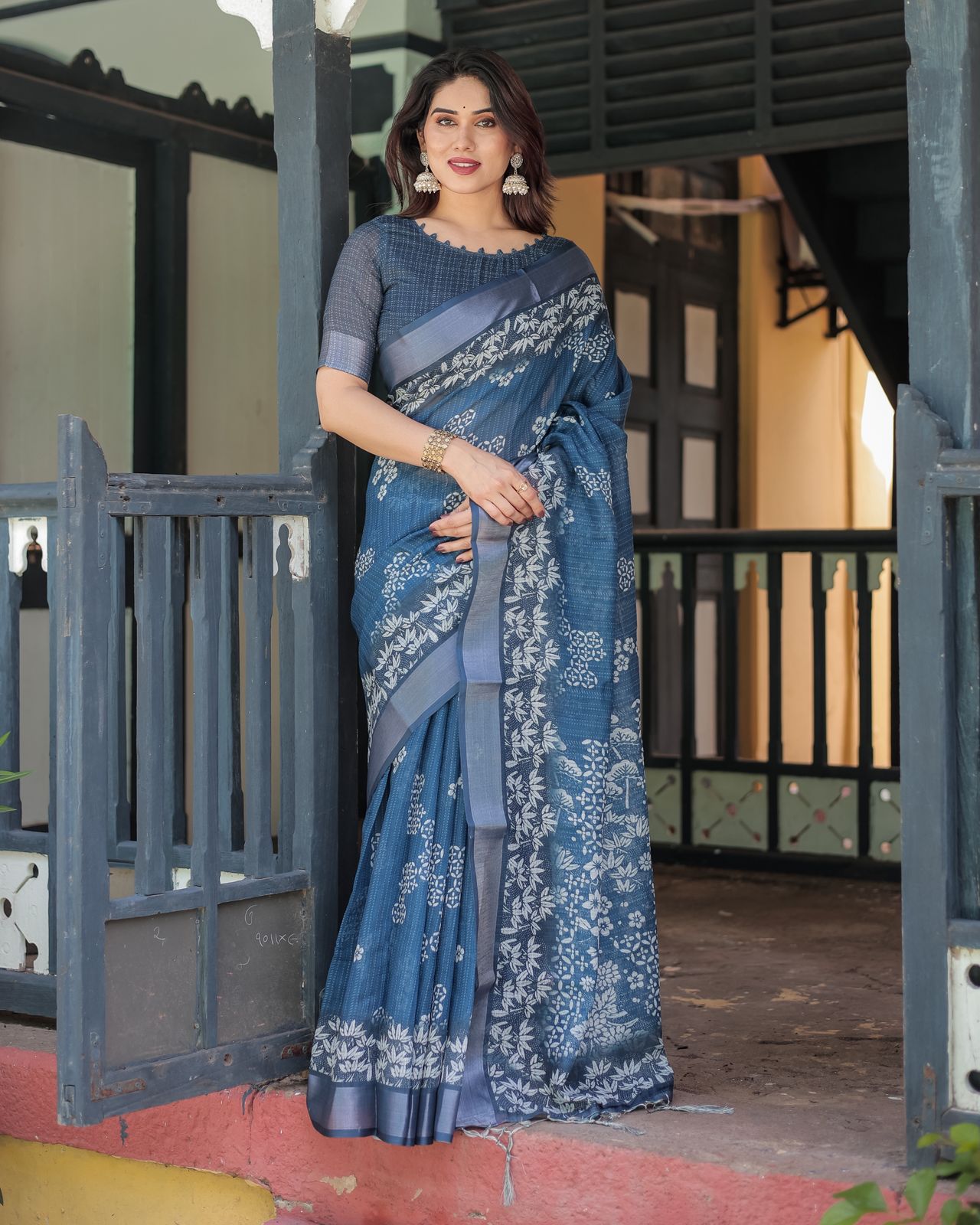
Measure the bust, underbust, shoulder width and upper-arm circumference rather than relying only on a usual blouse size. The armhole should sit close enough to provide support but should not cut into the underarm when the arm moves forward. A blouse lining made from a smooth, breathable fabric can reduce irritation, particularly under linen or textured handloom sarees.
For formal IAS officers, lawyers and other professionals who may move between meetings, a high-to-moderate neckline and elbow-length or short sleeves can provide a composed appearance without restricting movement. A side or back opening is easier to manage than a blouse that requires repeated front adjustment. Avoid very heavy sleeves, dangling tie details and stiff embellishment at the shoulder for long desk hours.
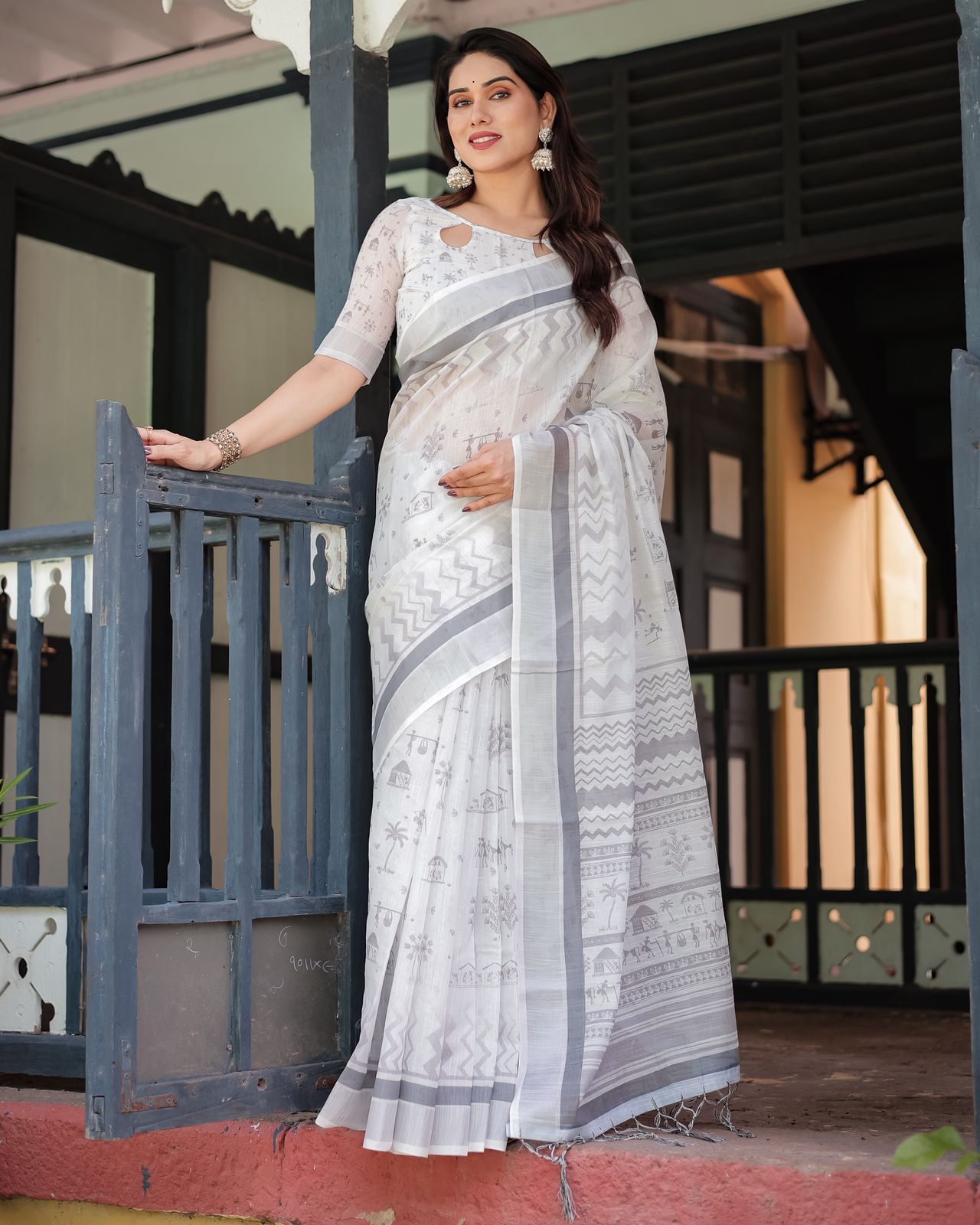
Soft White Linen Saree with Grey Tribal Design pairs naturally with a simple blouse in a calm neutral shade. The combination keeps the visual line professional while leaving the blouse light enough for extended sitting. A blouse should also be tested under the actual saree: a slippery lining can cause the pallu to slide, while a rough seam can irritate the shoulder.
Which Colours and Details Look Professional Without Feeling Dull?
Muted solids, small prints, restrained borders and medium-contrast colour combinations usually create a polished professional impression without adding visual weight. Navy, charcoal, ivory, teal, muted green, beige, dusty rose and soft lavender are versatile choices, but workplace culture should guide the final selection.
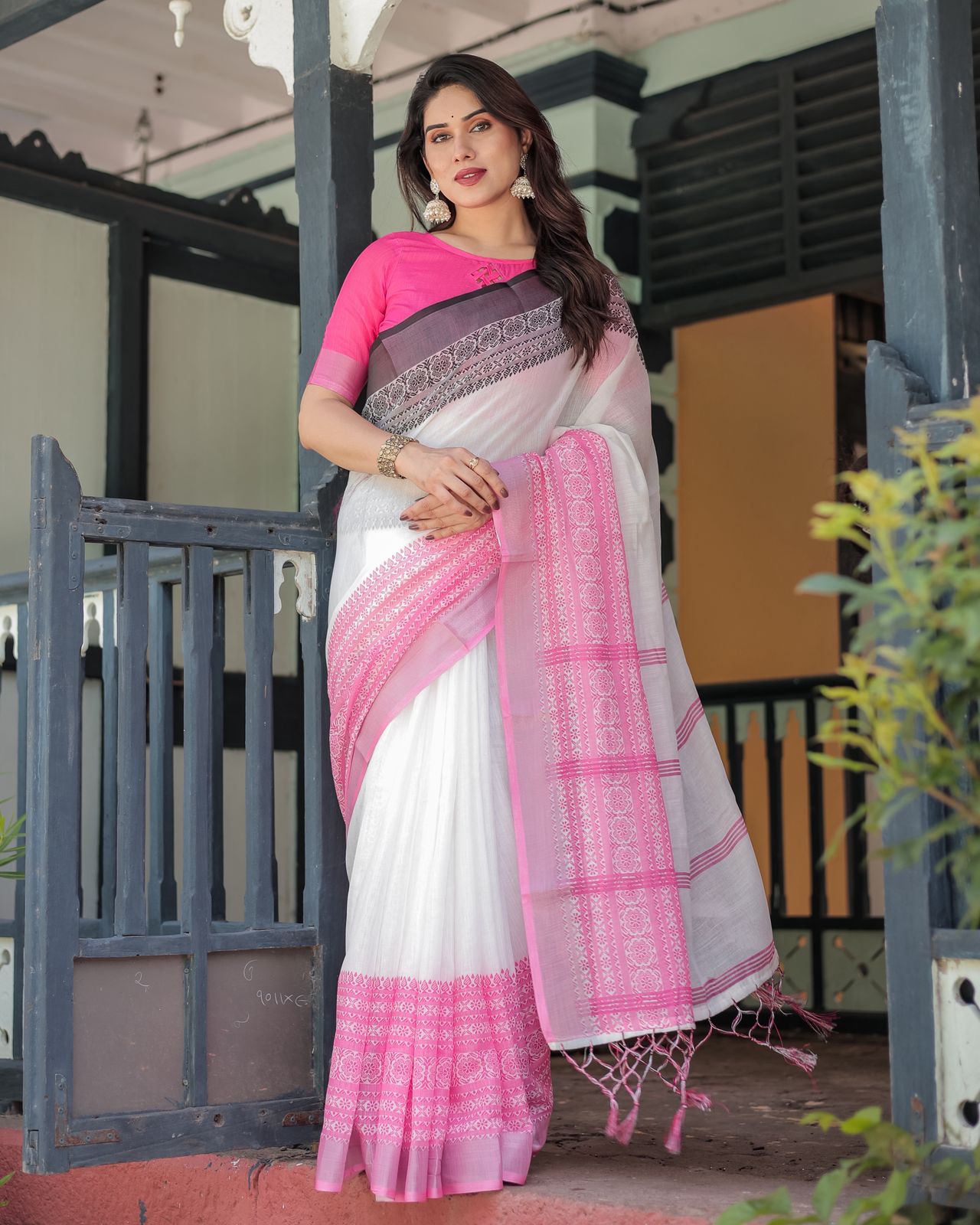
Print scale affects perceived formality. Small florals, fine stripes and controlled geometric motifs are generally easier to style for daily work than oversized high-contrast patterns. A border between approximately 1 and 3 inches often gives definition without becoming the dominant feature, while broad metallic borders can make a saree feel more ceremonial.
Coral Floral Linen Cotton Saree with Designer Border brings colour and structure that can work for a creative workplace or a less conservative Friday wardrobe. For a stricter office, pair a patterned saree with a plain blouse and understated studs. Gray Color Sarees Under 1000 provides an useful colour direction for professionals who prefer neutral workwear, although the actual fabric weight and finish should still be checked before purchase.
Zari isn't automatically unsuitable for office wear, but the amount and placement matter. A narrow zari line or a restrained zari detail can look refined, while dense metallic coverage may feel festive and add weight. Keep the rest of the outfit quiet when the saree already contains shine.
How Can You Make an Office Saree Ready Before Leaving Home?
An office saree becomes easier to wear when it's prepared the night before, pressed according to its fibre and tested with the intended blouse and shoes. Preparation removes the rushed adjustments that commonly make a saree uncomfortable during the first hours of work.
- Check the fabric care label. Cotton and linen may need a warm iron, while synthetic blends and zari details require lower heat or a protective cloth. Never place a hot iron directly on metallic zari.
- Press the saree in sections. Flatten the border first, then create the pleats on a clean surface. Avoid folding damp fabric because trapped moisture can encourage odour and mildew.
- Choose the underskirt carefully. A firm but comfortable waistband prevents the saree from sliding. An overly tight waistband creates pressure after meals and prolonged sitting.
- Pin only where needed. Secure the pleats at the waist and the pallu at the shoulder. Excess pins can catch delicate linen, chiffon or silk and make changing uncomfortable.
- Conduct a movement test. Sit for ten minutes, walk up stairs, raise both arms and reach for a bag. Adjust the blouse, hem or pleats if any movement causes pulling.
A ten-minute movement test reveals more than a mirror check because office clothing must work while seated and in motion. The test also shows whether a handbag strap catches the pallu or whether an ID card lanyard rubs against the blouse neckline.
How Do You Care for Sarees Used Frequently at Work?
Frequent office wear lasts longer when sarees are aired after use, washed according to fibre requirements and stored without crushing damp folds. Care preserves drape, colour, border shape and the comfort that made the saree useful in the first place.
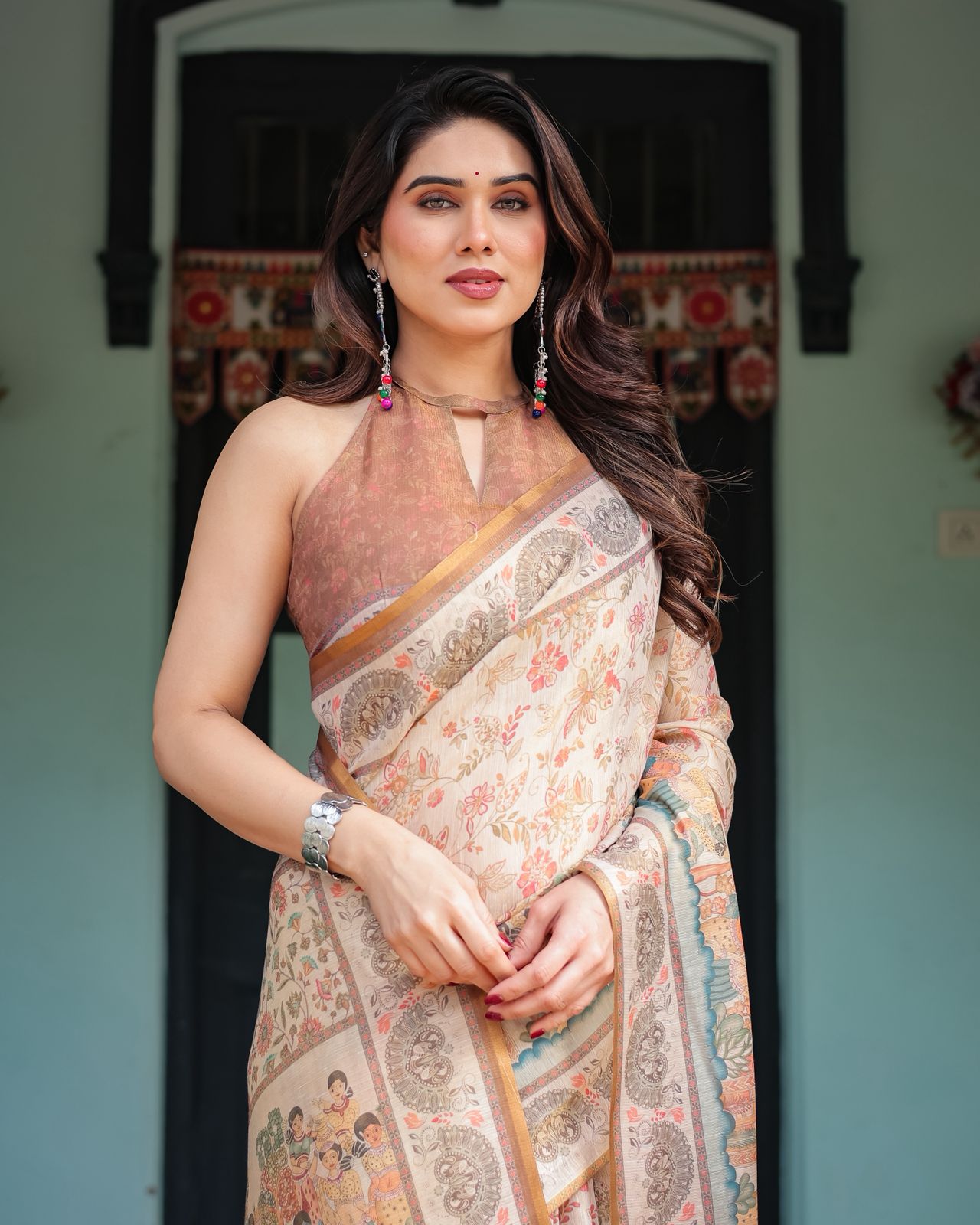
Air a worn saree in shade for several hours before folding it. Cotton and linen can usually tolerate gentler regular washing, but dark colours, zari and handloom finishes may require separate or professional care. Use mild detergent, avoid aggressive wringing and dry coloured sarees away from strong direct sunlight to reduce fading.
Fold the saree along existing fold lines and refold it occasionally so permanent creases don't form in one place. Store silk, zari and delicate handloom pieces in breathable cotton fabric rather than sealed plastic for long periods. Keep perfumes, deodorant and makeup away from the saree because alcohol and oils can mark fibres or tarnish metallic details.
Rotating three to five office sarees gives each saree time to air and reduces repeated washing. The rotation can include one easy cotton, two linen or linen-cotton options and one more formal lightweight saree for presentations. A practical wardrobe should support the actual commute and climate rather than imitate a festive collection.
How Do You Choose Between Comfort and Formality?
Choose comfort first for daily commuting and extended desk work, then add formality through colour, blouse tailoring and neat finishing rather than heavy fabric. A breathable saree with precise pleats is usually more professional than an ornate saree that causes visible discomfort.
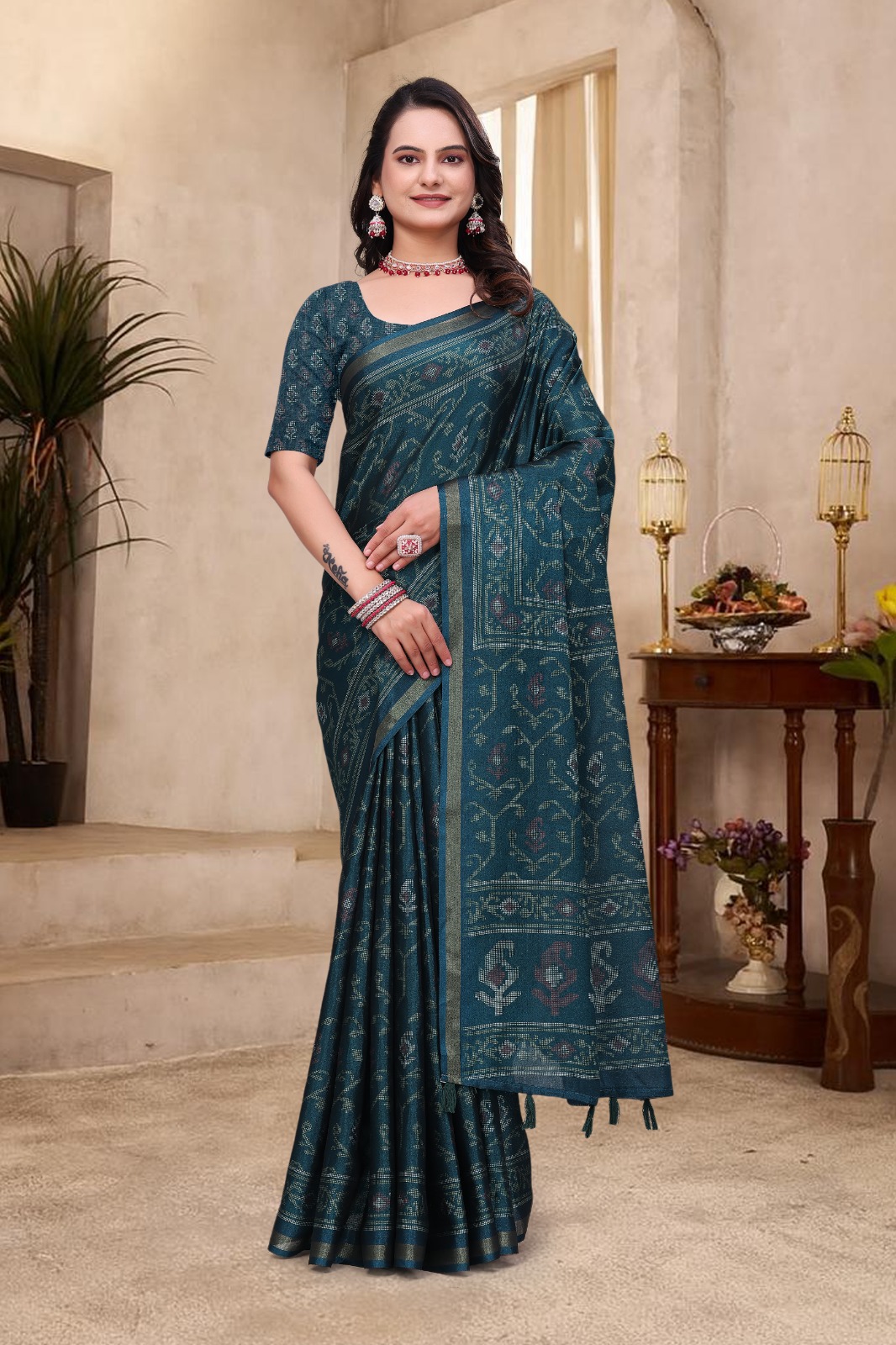
For an ordinary workday, cotton, linen-cotton and lightweight linen are dependable. For a client presentation, a structured linen saree, subtle zari border or lightweight silk can raise formality without creating excessive bulk. For an office celebration, a richer saree may be appropriate, but the same sitting, walking and shoulder tests still apply.
The most useful answer to What Makes a Saree Comfortable for Long Office Hours is a complete outfit rather than a single fibre label. Fabric, blouse fit, underskirt, pins, hem length, footwear, climate and care routine work together. When those elements are balanced, a saree can remain graceful through commuting, meetings, lunch and the final walk home.
Common Questions About Comfortable Sarees for Office Hours
Which saree is best for office wear?
Cotton, linen-cotton, lightweight linen and breathable handloom sarees are usually the best office choices because they offer airflow, moderate structure and manageable weight. Choose a stable drape, restrained print and blouse that allows comfortable movement.
Where can I buy good quality office sarees?
Look for sellers that clearly state the fabric, weave, measurements, care instructions and return conditions. Product photos should show the border, pallu and texture, while customer reviews can help confirm whether the saree is genuinely lightweight and suitable for regular work.
Can chiffon be comfortable as office wear?
Chiffon can work for office wear when it is lightweight, not heavily embellished and secured with a well-fitted blouse and discreet pins. Chiffon is more slippery than cotton or linen, so it may need more careful draping during commuting.
Is silk suitable for long office hours?
Lightweight silk can suit formal office meetings, but heavy Banarasi silk, dense zari and rich Kanjeevaram weaves may feel warm or tiring during a normal nine-hour day. Use silk selectively and test the finished drape while sitting and walking.
How can I stop my saree from slipping at work?
Wear a secure underskirt, make even waist pleats and pin the pallu at the shoulder and waist. A blouse with a stable neckline and a slightly textured saree, such as cotton or linen, usually shifts less than smooth chiffon.
What should an IAS officer wear as a professional saree?
An IAS officer can choose a breathable cotton, linen-cotton or handloom saree in a restrained colour with a neat blouse and minimal accessories. The most appropriate choice depends on the office setting, climate, public-facing duties and the need to move comfortably through a long day.