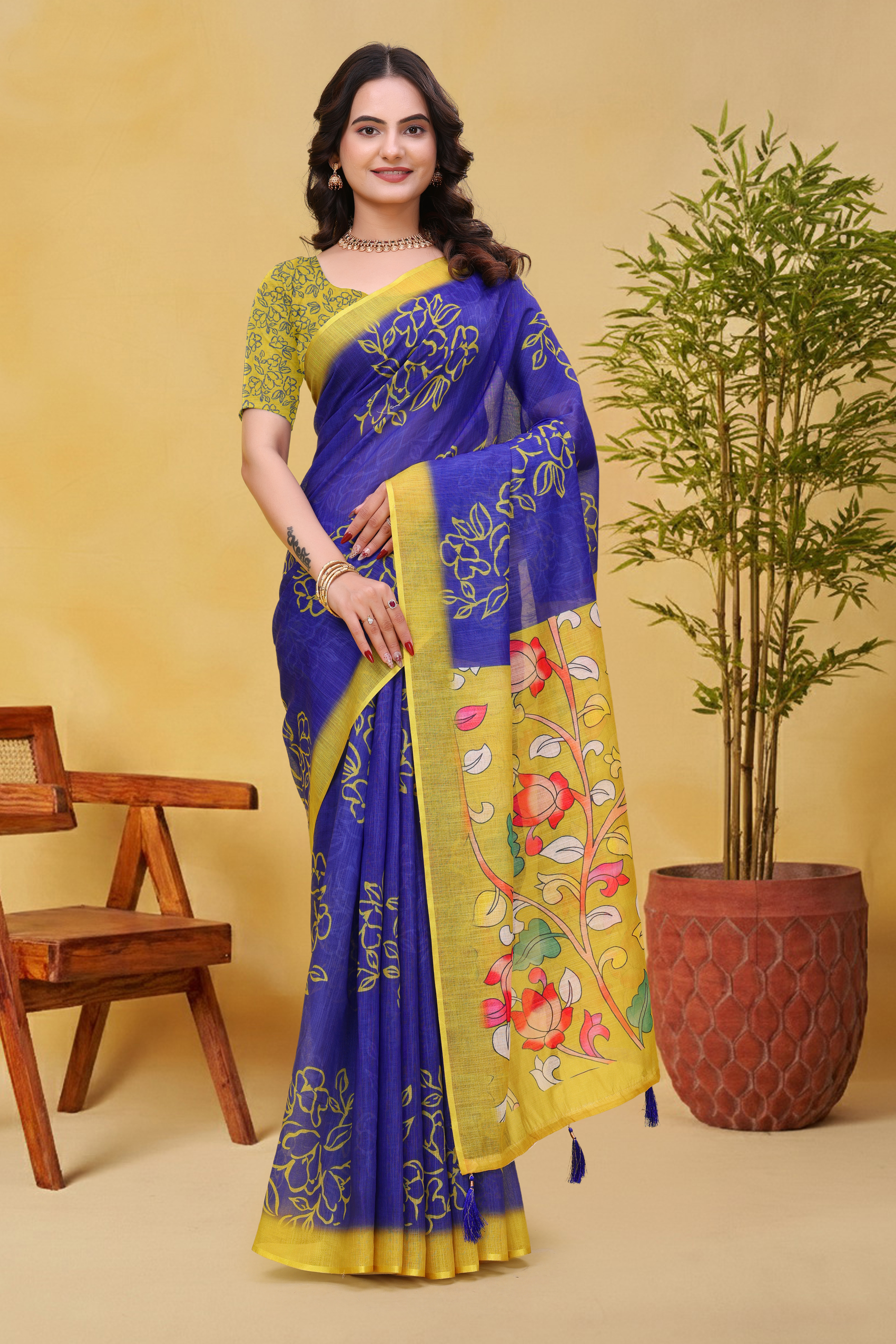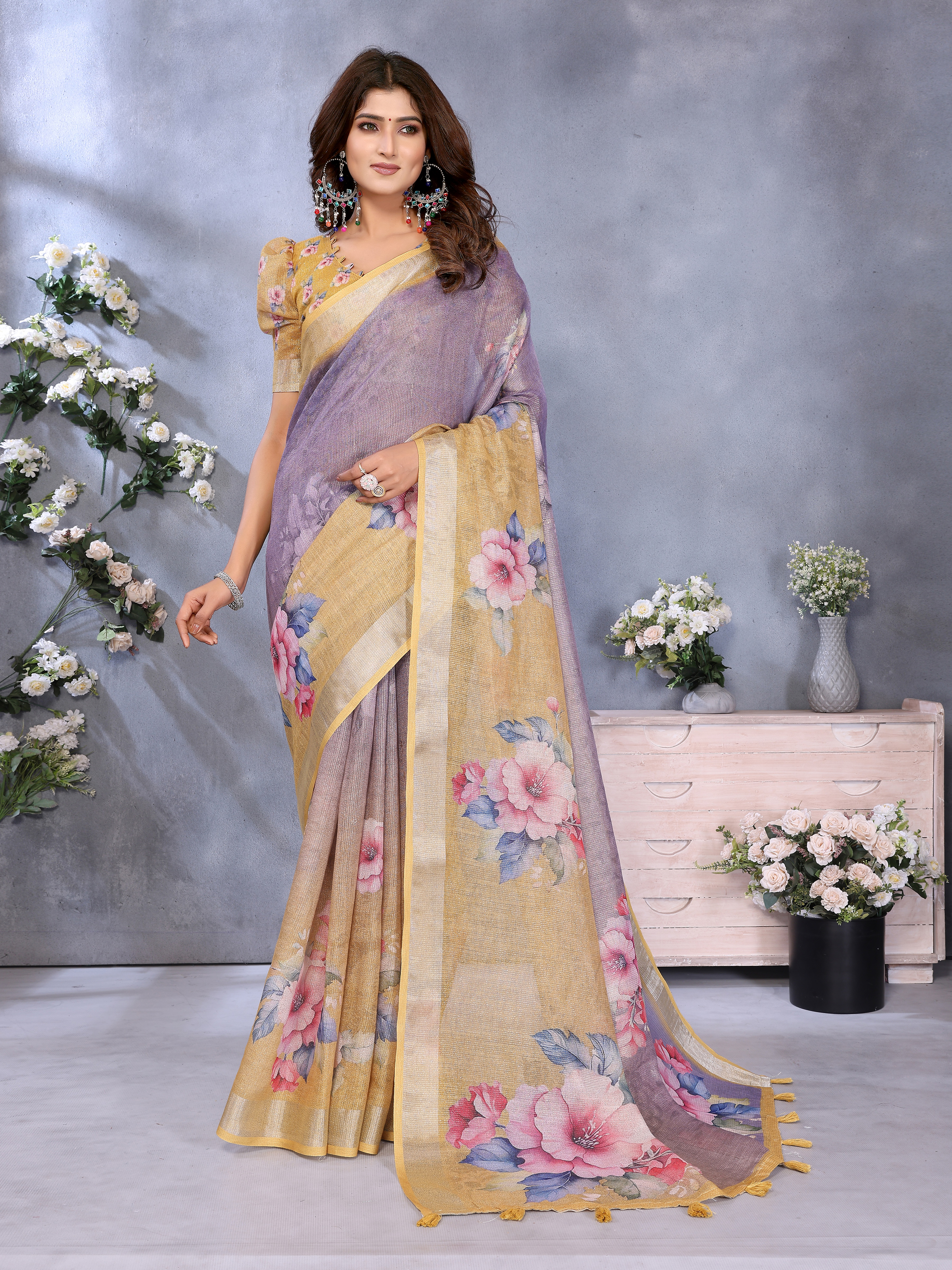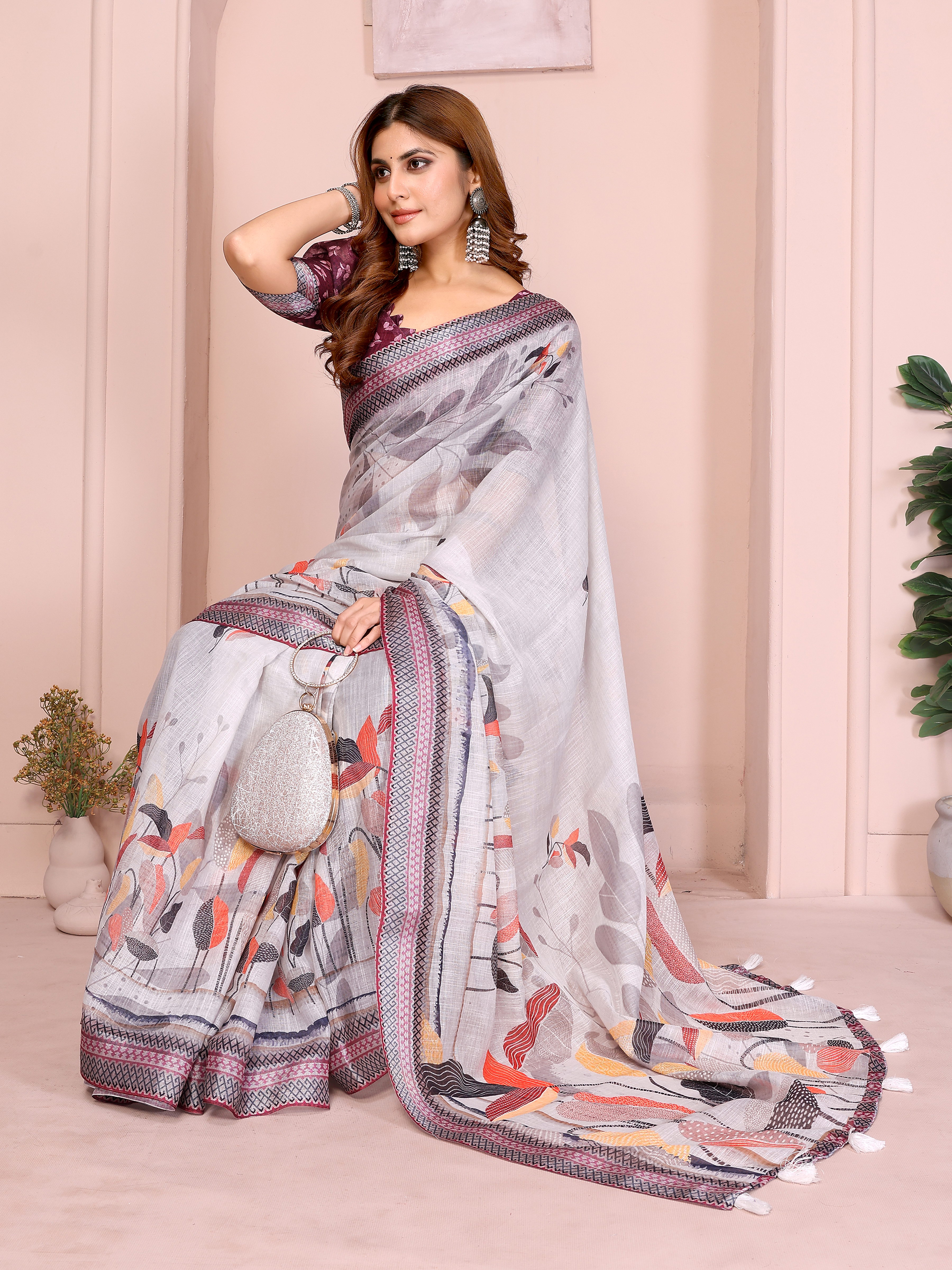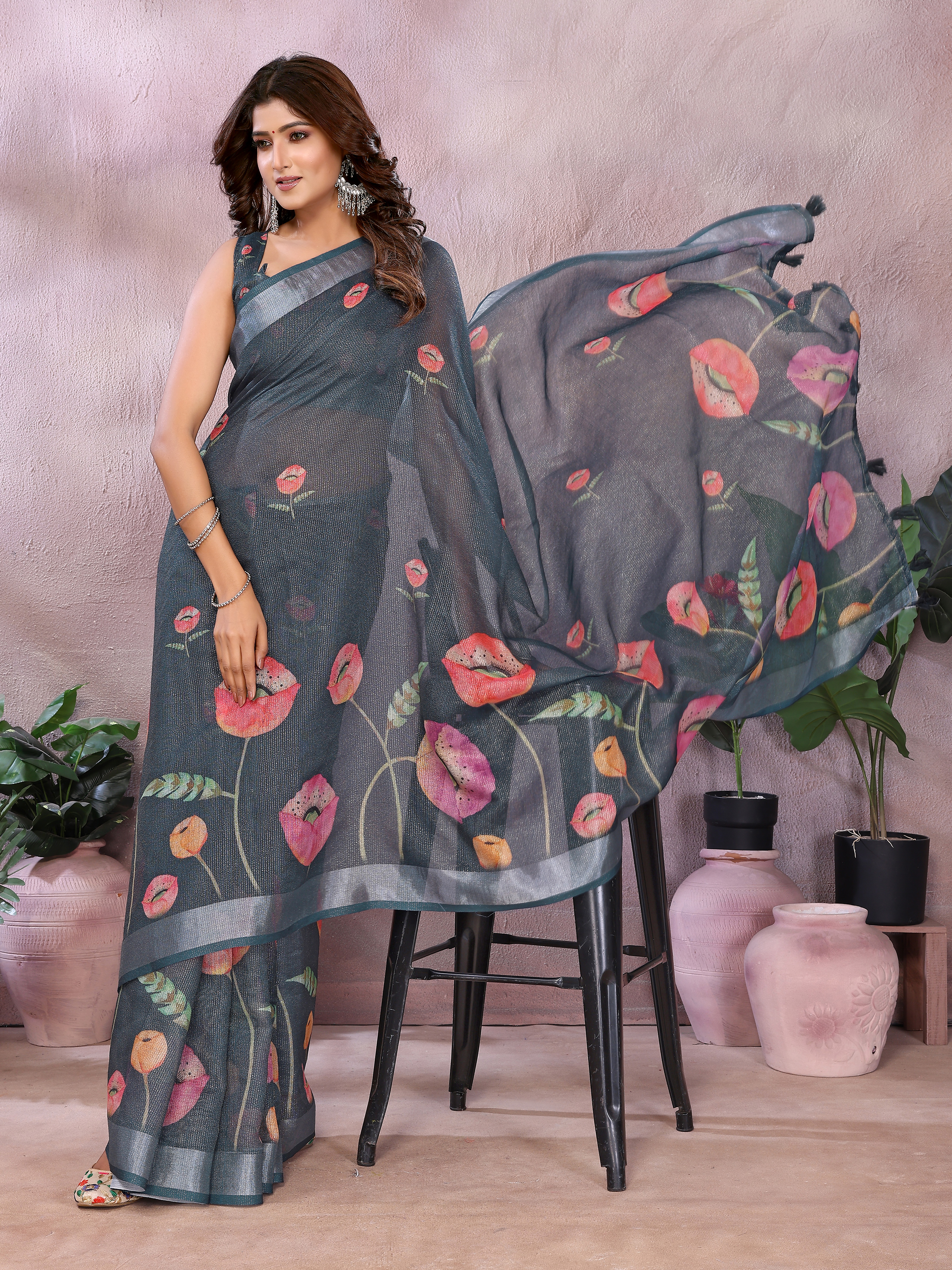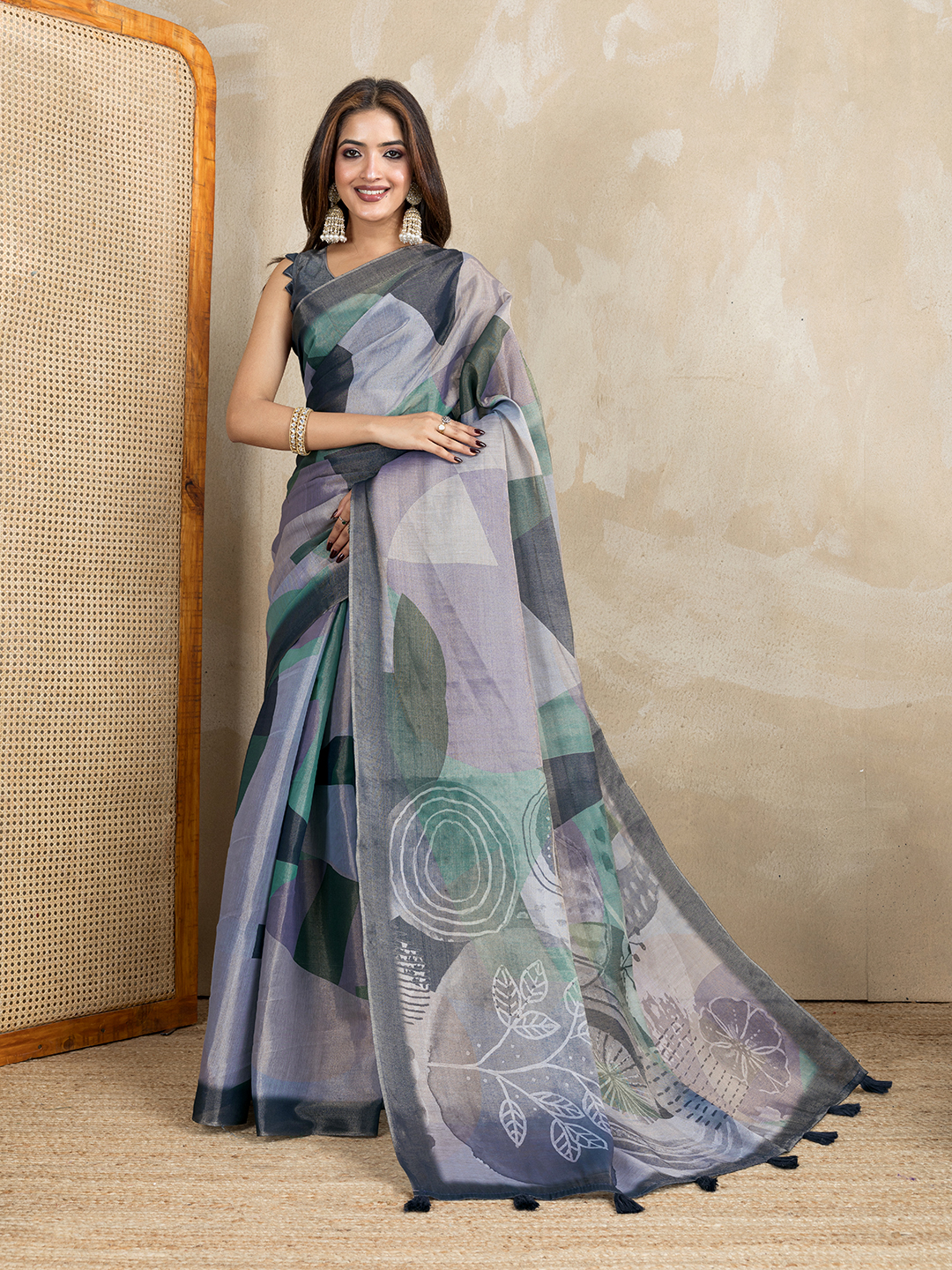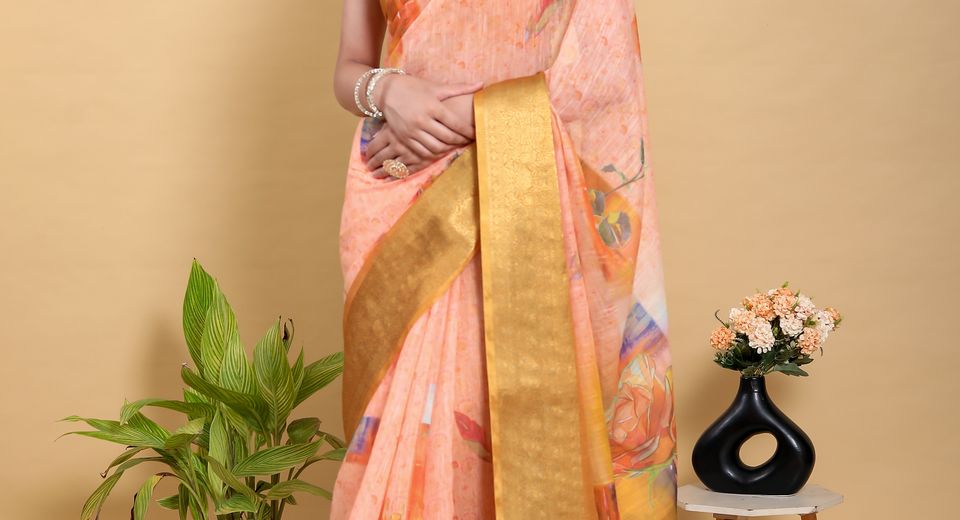
Sarees That Hold Pleats Better Without Extra Starch are easier to wear when the fabric, pressing method and petticoat work together. Starch can make cotton feel rigid, leave pale marks on darker colours and create folds that look sharp but feel uncomfortable after several hours. A better result comes from choosing a fabric with useful natural body, pressing the pleats while slightly damp and securing the drape at the waist before movement begins.
Pleat performance depends on fibre, weave, surface texture, fabric weight and humidity. A tightly woven linen cotton saree may keep a clean front fold because linen adds structure, while a soft georgette may need more pins even after careful ironing. The goal isn't an artificially stiff saree; the goal is a comfortable drape whose folds recover after sitting, walking and climbing stairs.
How Do Sarees That Hold Pleats Better Without Extra Starch Work?
Sarees that hold pleats better without extra starch usually have moderate body, a stable weave and enough surface friction to resist sliding. Cotton, linen cotton, tissue cotton and some organza blends generally offer more natural support than very fluid fabrics.
Fabric weight matters because heavier cloth falls downward and can keep the lower edge aligned, but excessive weight may pull waist pleats open. A medium-weight saree is usually easier to manage for everyday wear. Surface texture also helps: linen slubs, cotton weave variation and small woven motifs create more grip than an exceptionally smooth synthetic surface.
The weave affects how a saree responds to heat. Plain-weave cotton usually accepts a crease clearly, while a loose weave may relax faster in humid weather. Tissue fabrics can hold a pressed line because of their crisp handle, although delicate tissue should be pressed at a lower temperature and with a protective cloth.
Fibre content should be read alongside the word cotton. Cotton silk may combine the soft fall of silk with the body of cotton, while linen cotton balances breathability and structure. Neither blend guarantees perfect pleats, but both can be more forgiving than a very slippery, lightweight fabric.
Which Fabrics Make Sarees That Hold Pleats Better Without Extra Starch?
Linen cotton, medium-weight cotton, tissue cotton, cotton silk and organza cotton silk are strong choices for pleats that need to last without added starch. Each fabric behaves differently, so the best choice depends on the desired softness, occasion and amount of movement.
Why linen cotton helps pleats stay orderly
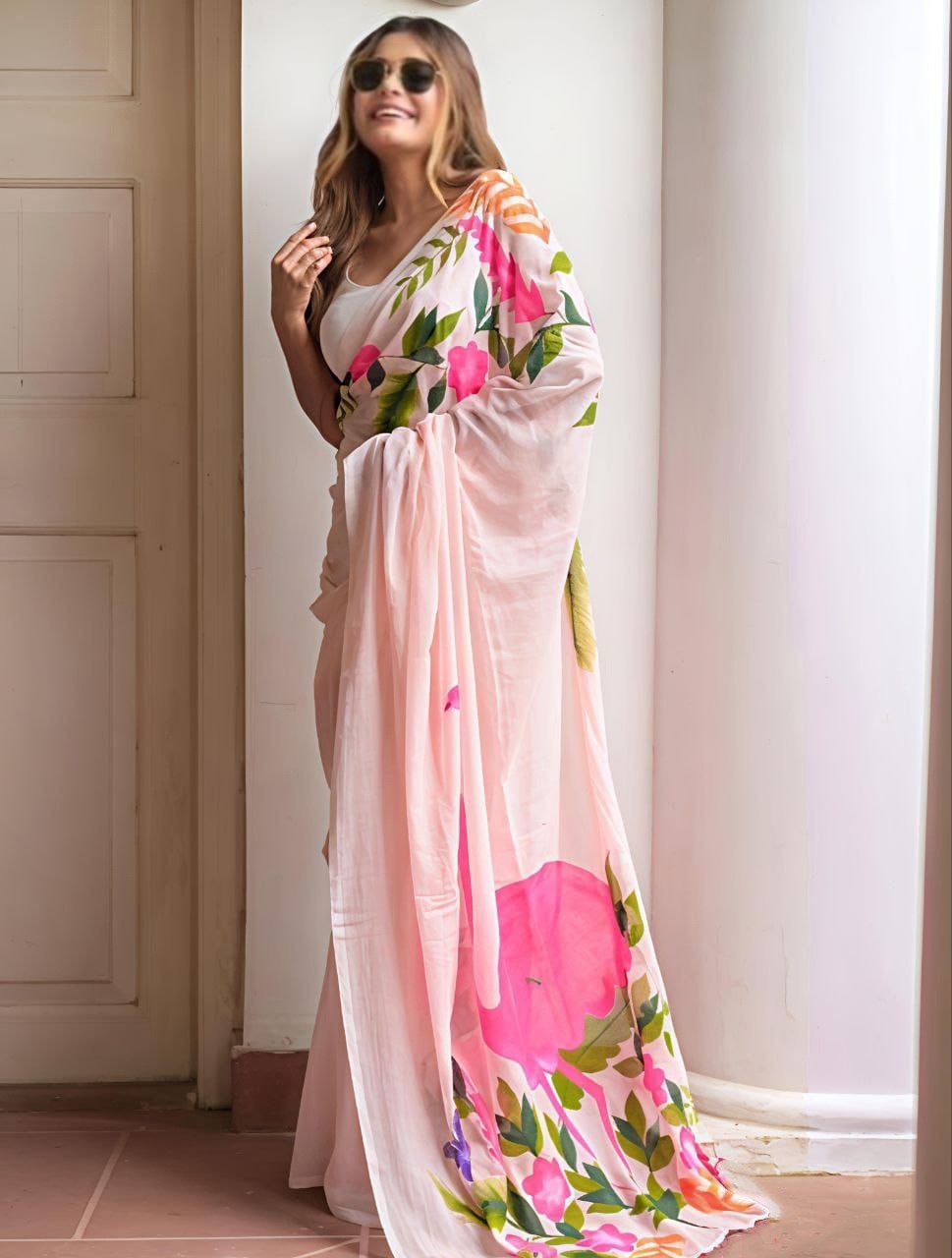
Linen cotton usually offers an useful balance of breathability and structure for long daytime wear. Linen fibres provide a slightly dry hand and natural resistance to collapsing, while cotton keeps the saree comfortable against the skin. Peach Linen Cotton Floral Print Saree with Blouse for Women and Pastel Linen Cotton Floral Print Saree with Designer Blouse show how printed linen cotton can look relaxed while maintaining an orderly front drape.
Linen cotton develops a naturally relaxed texture during wear, so its pleats may not remain sharply architectural. That softness suits office dressing, travel and warm climates. Pressing linen cotton while it's barely damp gives a cleaner result than applying starch after every wash.
How tissue cotton and cotton silk support folds
Tissue cotton can create crisp folds with less effort because the fabric has a lightly structured surface and a subtle sheen. Pastel Floral Tissue Handloom Cotton Saree with Zari Weaves and Peach Green Tissue Cotton Saree With Print Blouse Piece illustrate how tissue cotton can hold a defined pleat while retaining a lighter feel than heavy silk.
Cotton silk provides a smoother fall with more body than many fluid fabrics. Peach Floral Organza Cotton Silk Saree can suit a festive drape when the pleats are pressed in small sections and held briefly under a clean cotton cloth. Organza should not be crushed under excessive heat because permanent shine or flattened texture can result.
When printed cotton is a practical choice
Printed cotton works well when comfort and reliable pleat formation matter more than a glossy finish. Traditional Beige Multicolor Printed Saree and Lightweight Cream Saree with Designer Floral Pattern can be pressed at moderate heat, folded neatly and worn for several hours without requiring a stiffening treatment.
How Should Sarees That Hold Pleats Better Without Extra Starch Be Prepared?
Prepare sarees that hold pleats better without extra starch by washing gently, drying evenly, pressing while slightly damp and folding the pleats before the saree becomes completely dry. This method places a temporary crease into the weave without coating the fibres with a stiffening agent.
- Wash according to fibre: Use a mild detergent and avoid aggressive rubbing around zari, printed areas and delicate borders. A gentle rinse removes detergent residue that can make cotton feel harsh after drying.
- Remove excess water carefully: Do not wring a saree tightly. Press water out with a clean towel or allow the garment to drip briefly before hanging it in shade.
- Dry with alignment in mind: Hang the saree from a wide support and straighten the border while the fabric is damp. Strong direct sunlight can fade prints and weaken some dyed fibres over time.
- Press in sections: Use the heat setting recommended for the fibre. Place a thin cotton pressing cloth between the iron and zari, metallic thread, organza or dark prints.
- Fold before full dryness: When the saree feels cool and slightly damp rather than wet, create broad lengthwise folds. Let the saree finish drying in that aligned state.
- Pre-pleat for important events: Make the front pleats at home, press them under a light book or clean flat weight for 10 to 15 minutes, then hang the saree on a padded hanger.
Pre-pleating is especially useful when a saree must look neat immediately after arrival at a venue. A light weight is safer than a heavy stack of books because excessive pressure can create a hard ridge, flatten zari and leave a visible imprint on a textured weave.
How Can You Drape Sarees That Hold Pleats Better Without Extra Starch?
Keep pleats closed by making five to seven evenly sized folds, aligning the lower edge and anchoring the top section securely at the waist. The exact number depends on saree width, body shape and fabric thickness.

Start with a firm but comfortable petticoat or shapewear skirt whose waistband sits at the intended saree height. A loose waistband allows the pleats to slide downward, while an excessively tight waistband can distort the front panel. Tuck the first wrap smoothly before forming pleats so the fabric doesn't pull diagonally across the abdomen.
Each pleat can be approximately 10 to 12 centimetres wide at the top, adjusted when the saree is narrow or bulky. Hold all pleats together with one hand and check that the bottom edges form a straight line. Uneven lower edges are often more noticeable than slightly imperfect upper folds.
Use two small safety pins rather than one large pin when the fabric is medium weight. Place one pin horizontally near the waistband and another slightly lower, hidden inside the top portion of the pleats. Insert pins parallel to the weave where possible, and avoid piercing zari, embroidery, fragile organza or a prominent printed motif.
For a saree with a slippery pallu, a discreet shoulder pin and a waist pin reduce the pulling transferred to the front pleats. Pins should hold the fabric, not replace a properly fitted petticoat. Test the drape by sitting down before leaving home, because pleats that look secure while standing may open when the waist bends.
Which Sarees That Hold Pleats Better Without Extra Starch Suit Different Days?
The most suitable saree depends on whether the priority is crispness, breathability, easy packing or festive polish. Choosing by the day's movement is more reliable than choosing only by colour or surface shine.
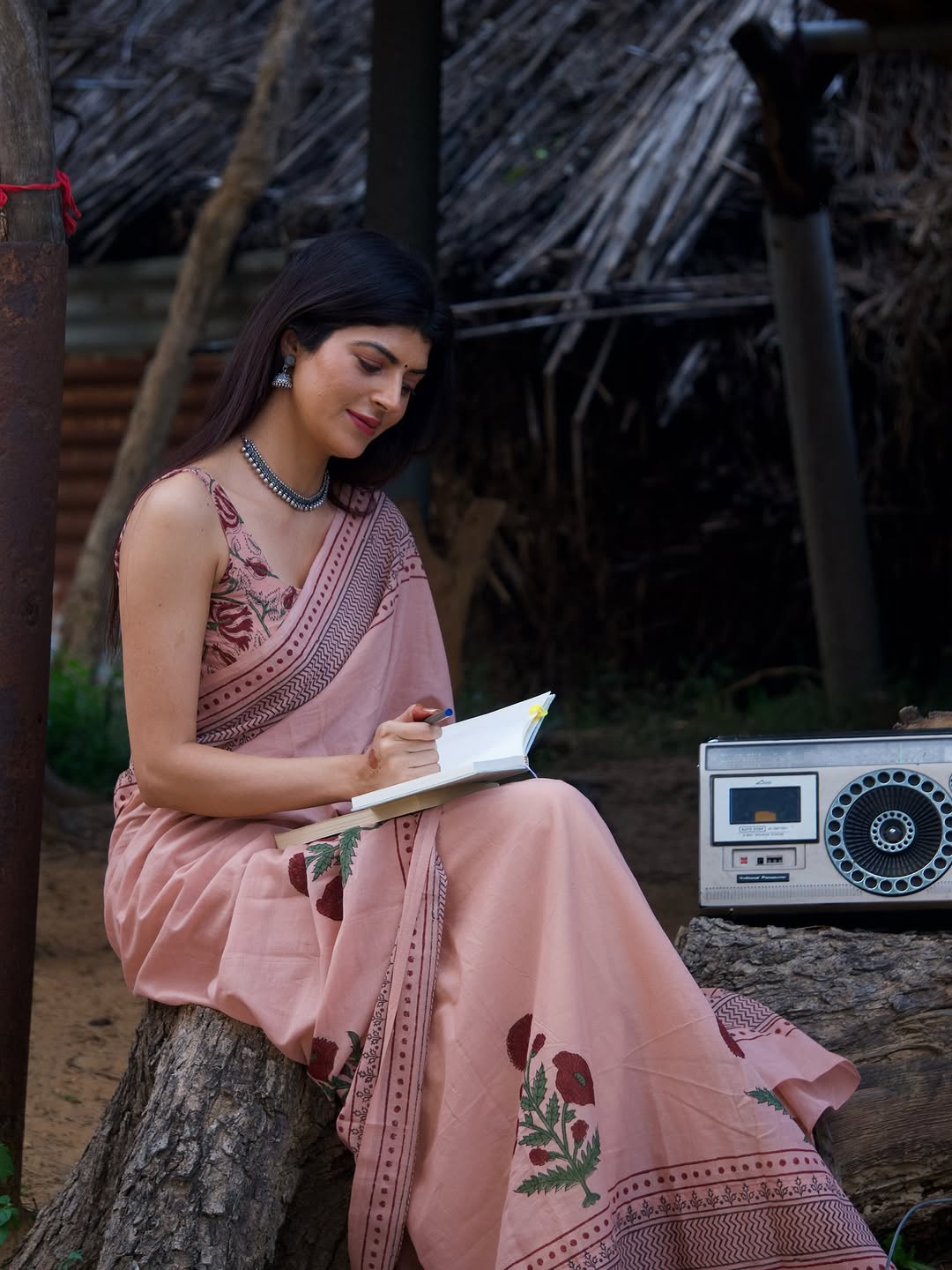
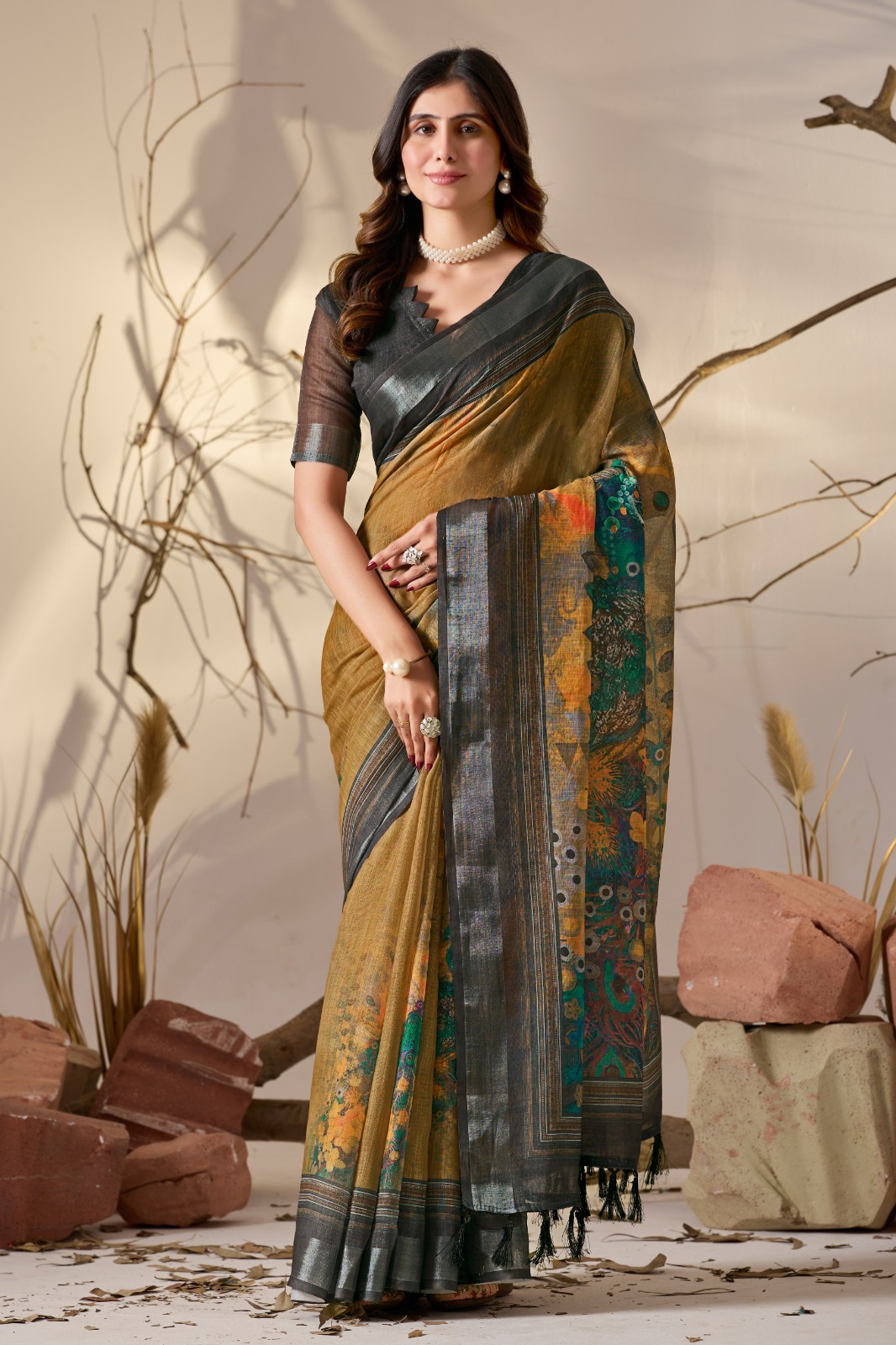
For office commuting, linen cotton is a dependable middle ground. Elegant Mustard Linen Cotton Saree Set has the kind of structured yet breathable character that works with a tucked blouse, low-profile jewellery and a shorter pallu. Linen cotton also hides minor relaxation in the folds because its natural texture makes an exactly rigid finish unnecessary.
For a hot afternoon, lightweight cotton is more comfortable than a heavily embellished saree. Classic Beige Multicolor Printed Saree can be folded into five or six broad pleats, while a breathable blouse and a non-slippery petticoat reduce adjustments during travel.
For a small festive gathering, tissue cotton or cotton silk adds definition without requiring a thick layer of starch. Pastel Floral Tissue Handloom Cotton Saree with Zari Weaves demonstrates how zari can add visual richness while the woven body supports a clean front fold.
For a softer, more fluid appearance, a printed linen cotton saree can be allowed to relax slightly rather than being repeatedly re-pressed. Peach Linen Cotton Floral Print Saree with Blouse for Women and Pastel Linen Cotton Floral Print Saree with Designer Blouse suit a deliberately natural drape, especially when paired with a structured blouse.
Budget planning can also guide fabric selection. Sarees from Rs 1000 to Rs 1500 may include practical printed cotton and linen cotton options suitable for frequent wear. Sarees Under 20% Off, Sarees Under 10% Off, Sarees Flat 60% Off and Sarees Flat 50% Off can also help compare prices, but the fibre composition and care instructions should remain more important than the discount percentage.
How Should Sarees That Hold Pleats Better Without Extra Starch Be Stored?
Store sarees that hold pleats better without extra starch in clean, dry conditions with the pleats supported but not compressed for long periods. Correct storage prevents moisture, sharp permanent creases and friction from undoing careful preparation.

Allow a worn saree to air for several hours before folding it away. Sweat and humidity trapped between folded layers can create odour, mildew or dye transfer, particularly in warm weather. Do not store a saree while it's damp from washing or steaming.
Fold the saree along broad existing lines and place soft, uncoloured tissue paper between zari sections or heavily textured layers. Acid-free tissue is preferable for long-term storage because ordinary newspaper can transfer ink and acidic compounds to fabric.
Keep sarees in breathable cotton covers rather than sealed plastic for routine storage. A wardrobe shelf is safer than a crowded hanger when the saree is heavy, because prolonged hanging can stretch the shoulder area and pull the border out of alignment.
Refold stored sarees every few months to prevent one crease from becoming permanent. Rotate the fold position by a few centimetres, especially for linen cotton, tissue cotton and organza cotton silk sarees.
What Mistakes Stop Sarees That Hold Pleats Better Without Extra Starch From Working?
The most common mistakes are choosing a slippery fabric for a high-movement day, ironing at the wrong temperature, making uneven pleats and relying on a loose petticoat. Avoiding those mistakes usually improves the drape more than adding starch.
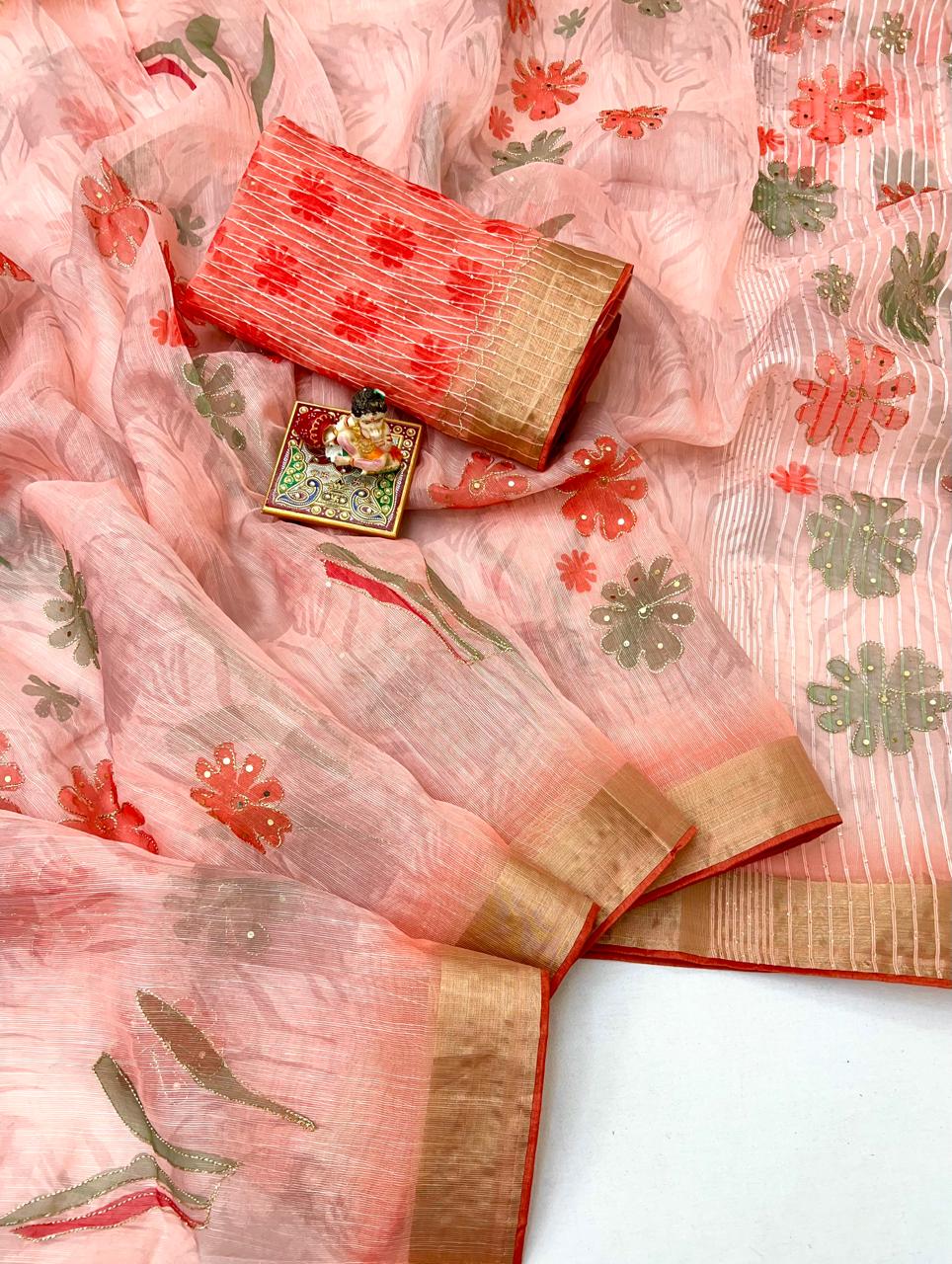
Excessive heat can glaze synthetic fibres, flatten organza and make some printed fabrics look shiny. Always test the iron on an inside edge or spare fabric area, and use a pressing cloth for zari and delicate surfaces.
Overloading the front with too many narrow pleats can make the waist bulky and encourage the folds to spread. Five to seven balanced pleats usually create a cleaner result than attempting ten very thin folds in a medium-weight saree.
Spraying water directly onto zari or dark printed sections can leave rings. Mist the pressing cloth lightly instead, or use the residual dampness from washing before ironing the main body of the saree.
Finally, don't judge pleat stability only while standing in front of a mirror. Walk for five minutes, sit on a chair, climb a few steps and raise one arm. A saree that remains comfortable and aligned through those movements is a better choice than a stiff drape that looks ideal only at the start.
Common Questions About Sarees That Hold Pleats Better Without Extra Starch
Which saree fabric holds pleats best without starch?
Linen cotton, medium-weight cotton, tissue cotton and cotton silk generally hold pleats well without added starch. Linen cotton offers a particularly useful balance of structure, breathability and comfort for everyday wear.
Can cotton sarees keep crisp pleats without starch?
Yes, cotton sarees can keep crisp pleats without starch when they are pressed while slightly damp and folded before they become fully dry. A firm petticoat, even folds and two discreet pins improve stability during movement.
How many pleats should a saree have?
Most sarees work well with five to seven front pleats. The ideal number changes with the saree width, fabric thickness and the amount of space available at the waist, so even lower edges matter more than an exact count.
How can saree pleats stay neat in humid weather?
Choose a breathable fabric with moderate body, dry the saree completely before wearing it and use a secure but comfortable waistband. A waist pin and a shoulder pin can limit movement, while repeated heavy starch may make the fabric uncomfortable and brittle over time.
Can an iron replace starch for saree pleats?
A carefully controlled iron can create a useful temporary crease without starch. Press the saree in sections while it is slightly damp, use the correct temperature and place a cotton cloth between the iron and zari, organza or dark prints.
How should pre-pleated sarees be stored?
Hang a pre-pleated saree on a padded hanger for short-term storage, or fold it along broad lines in a breathable cotton cover for longer storage. Avoid heavy weights, damp cupboards and tight plastic wrapping because they can flatten the texture or trap moisture.