Why Some Sarees Develop Tiny Pulls Even Without Visible Damage is a question many wearers ask after noticing a small loop on a saree that looked flawless when it was purchased. A pull doesn't always mean that the fabric has been cut, torn or poorly made. In many cases, one yarn has shifted slightly because of friction, a loosely woven structure, a rough accessory or pressure during folding. Understanding the difference between a displaced yarn and actual damage helps you respond without making the mark larger.
A saree is made from thousands of lengthwise and crosswise yarns. The lengthwise yarns are called the warp, while the crosswise yarns are called the weft. A tiny pull happens when one of these yarns is caught and lifted above its normal position. The surrounding fabric may remain intact, so the saree can look undamaged from a distance even though a small loop is visible up close.
Why Some Sarees Develop Tiny Pulls Even Without Visible Damage
Some sarees develop tiny pulls because individual yarns can move within a weave before the fabric shows any tear or hole. A displaced yarn may be caused by rubbing, snagging, loose weave construction, surface texture, or contact with jewellery and furniture.
Fabric structure matters more than appearance alone. A smooth saree can still contain a floating yarn, a slub or a slightly relaxed section created during weaving. A handloom saree may show small variations in yarn tension that are part of its construction rather than evidence of a defect. A printed saree can also develop a pull because printing changes the surface appearance but doesn't prevent mechanical snagging.
Banarasi silk, Kanjeevaram, Chanderi, cotton, satin and Chinnon each respond differently to friction. A compact cotton weave may resist casual abrasion but catch on a sharp edge. Chanderi can feel light and crisp while still having delicate yarn movement. Satin has a smooth face that slides against skin but can reveal a pulled filament clearly because the surface reflects light. Chinnon is light and fluid, so a small snag may distort a wider area if it's tugged repeatedly.
Which everyday objects cause saree pulls?
Sharp or textured objects are the most common everyday causes of saree pulls. A rough blouse hook, exposed stitching, handbag clasp, watch strap, ring, bangle edge, chair corner or car-seat seam can catch a yarn during normal movement.
- Jewellery: stone settings, unfinished metal edges and layered bangles can hook floating yarns, especially near the pallu and sleeve area.
- Blouse construction: exposed hooks, metallic zips, sequins and coarse seam allowances can rub against the saree during sitting or dancing.
- Furniture: cane chairs, rough wooden arms and chipped tables can catch the lower pleats.
- Bags: metal clasps and hook-and-loop fasteners can pull yarns while a shoulder bag moves across the torso.
- Storage: a rough shelf, uncovered hanger or contact with embellished garments can create repeated friction before the saree is worn again.
A saree may also catch on itself. Dense pleats place several layers under pressure, and a zari border can rub against the body or blouse. Repeated movement at the waist, shoulder and pallu creates more friction than a saree receives while hanging untouched.
How weave, yarn and embellishment affect snagging
Loose or textured yarn arrangements generally make a saree more vulnerable to visible pulls than a tightly compact, plain weave. The risk depends on yarn thickness, weave density, surface texture, embellishment and how much the fabric moves against another surface.
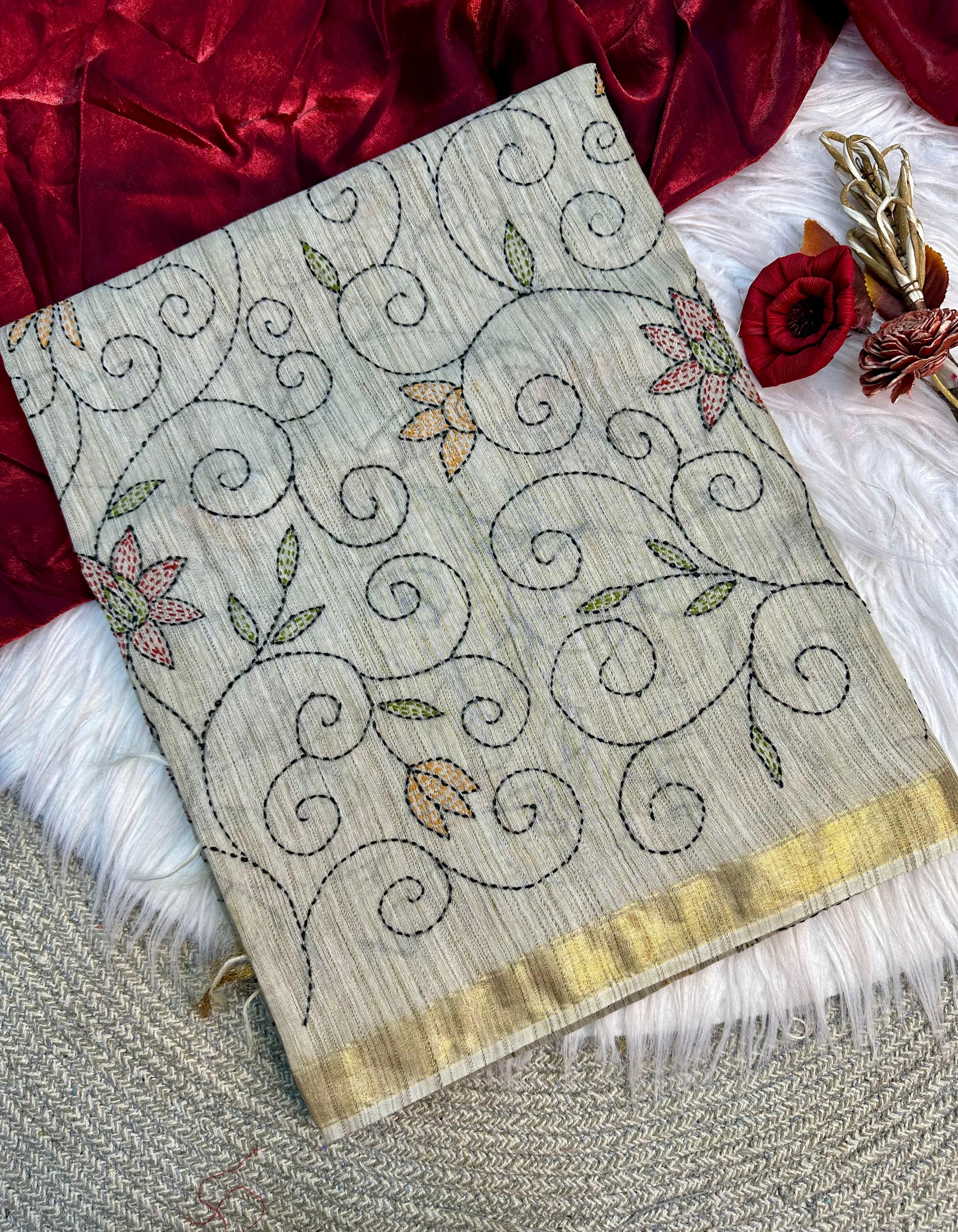
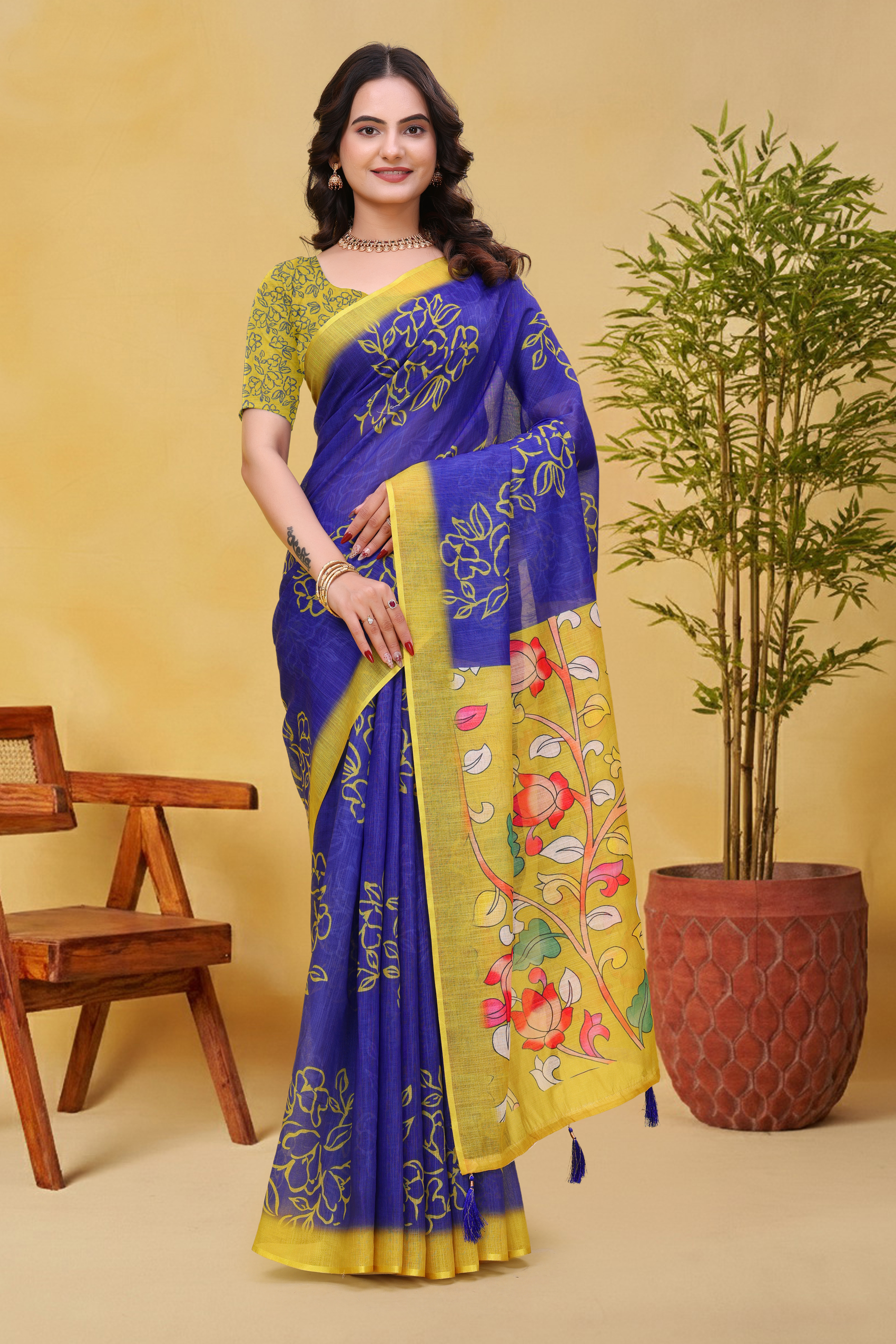
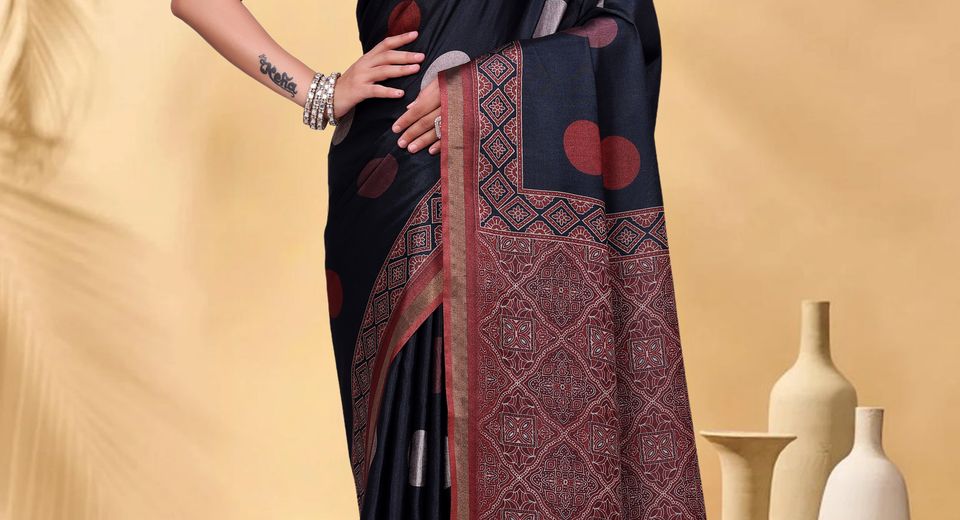
Handloom cotton often contains natural variations in yarn thickness. A small slub is a thicker section of yarn woven into the cloth, and a slub isn't automatically a flaw. A slub can catch more easily than an even yarn because it sits slightly proud of the surface. The Rust Maroon Handloom Cotton Saree with Floral Print and Traditional and the Navy Cotton Saree with Rust Print and Handloom Style Border illustrate why a textured handloom character deserves gentle handling around rough furniture and accessories.
Zari introduces another consideration. Zari may be woven through the fabric as a decorative metallic element, and the raised surface can meet jewellery or bag hardware during wear. A small displaced zari strand can look brighter or darker depending on the angle of light. Do not assume that every uneven glint is a pull; first check whether a yarn is actually lifted from the surface.
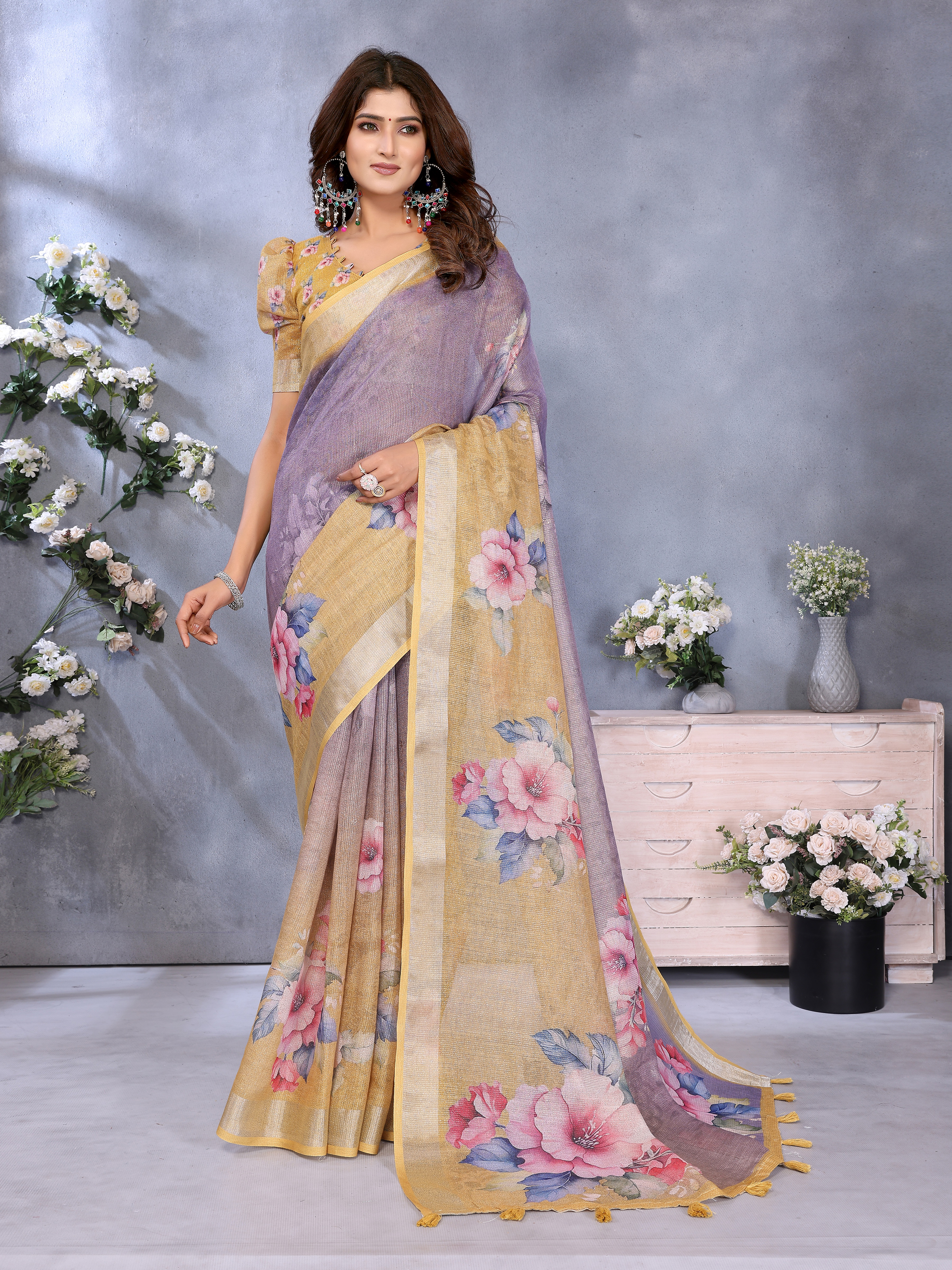
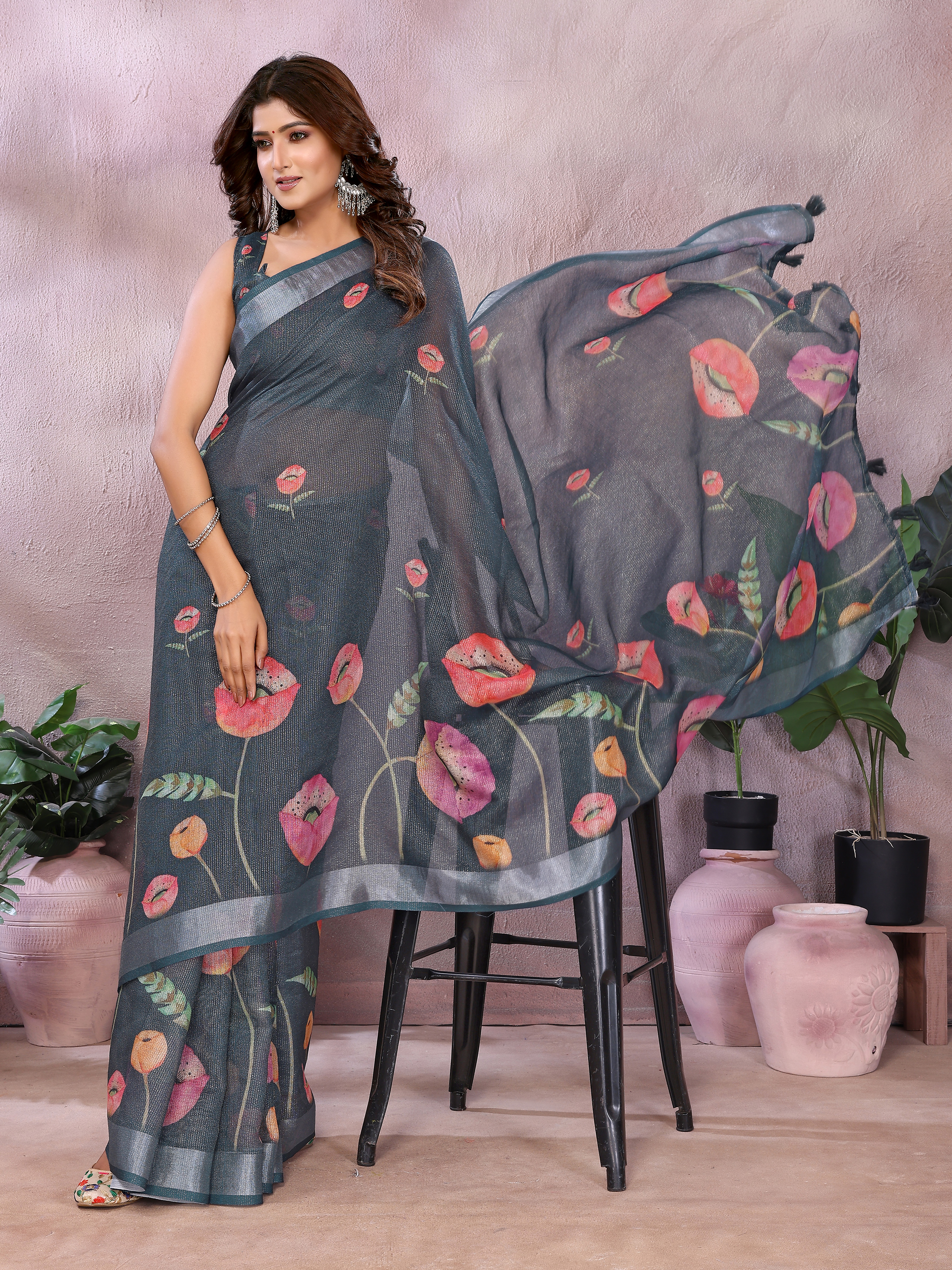
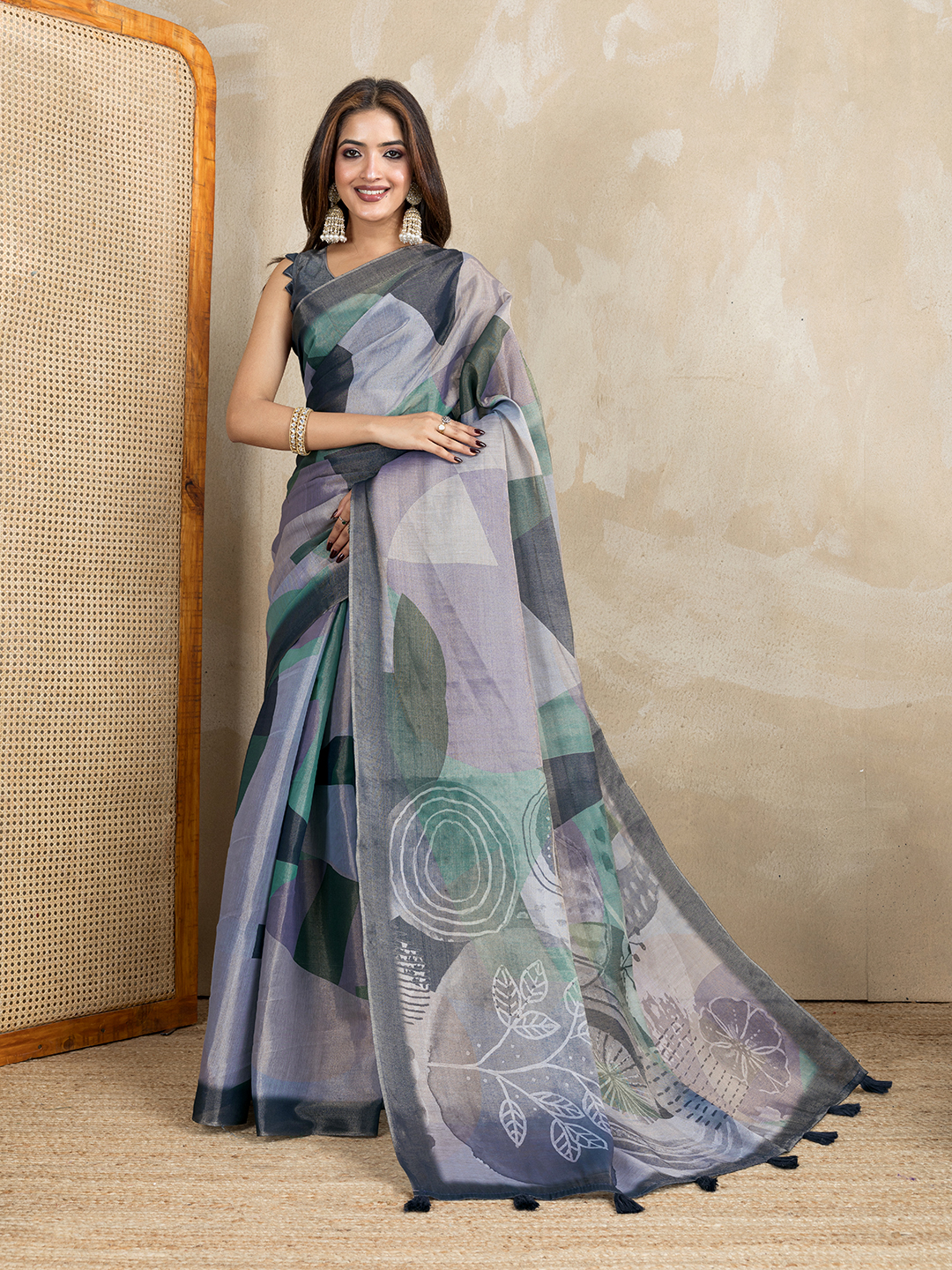
Tissue fabrics and satin surfaces can make tiny irregularities more noticeable because light reflects from the fabric in a continuous direction. The Pastel Floral Tissue Handloom Cotton Saree with Zari Weaves combines a light-catching surface with woven decoration, so a careful pre-wear inspection is useful. The Teal Rust Floral Satin Saree with Printed Pallu and Borders may show a snag clearly against its smooth face even when the surrounding weave remains stable.
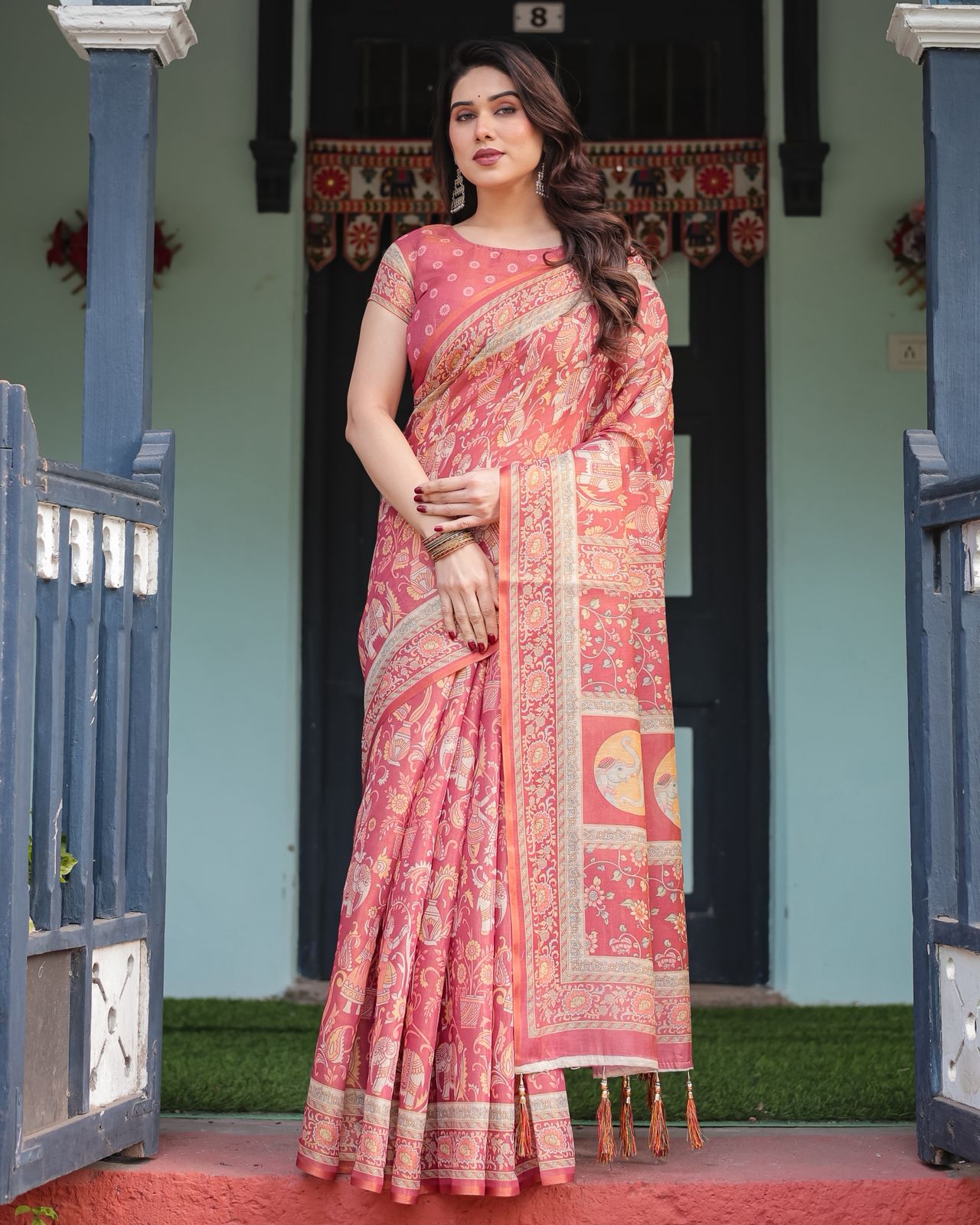
Chanderi cotton has a light, airy handle and often a crisp surface. The Rust Printed Chanderi Cotton Saree with Traditional Borders should be folded without pressing rough embellishments directly into the body of the saree. A decorative border can protect an edge from some forms of wear, but the border itself can catch on hardware or unfinished nails.
How can you tell a harmless yarn loop from real fabric damage?
A harmless yarn loop usually appears as one raised strand with intact fabric around it, while real damage often includes a hole, broken yarns, spreading distortion or a cut edge. Examine the area in daylight before touching it.

- Place the saree on a clean, flat surface and support the surrounding fabric.
- Look at the mark from two directions because a reflective yarn may disappear when viewed from one angle.
- Check whether the yarn is lifted, broken, pulled sideways or missing.
- Inspect the reverse side for a gap, broken warp, broken weft or a line of puckering.
- Compare the surrounding weave with the marked area instead of judging only by colour.
A single loop with no hole is often a snag rather than structural failure. A row of parallel pulls, a widening gap or a broken border needs more caution. Repeated tugging can convert a minor displacement into a permanent hole, particularly in lightweight sarees and open-textured weaves.
Small irregularities from weaving are different from post-production damage. A handloom slub is integrated into the cloth and doesn't usually have a loose tail. A snag has a direction: the yarn may lean toward the object that caught it, or the fabric may pucker around one point. A clear photograph taken before trimming or washing can help a professional assess the difference.
What should you do when a saree develops a tiny pull?
Stop pulling the loose strand, place the saree flat and secure the area temporarily without cutting the yarn. The safest response depends on whether the yarn is displaced, broken or connected to zari.
Safe first steps at home
Remove the saree from the source of friction and keep the loose section from catching again. You can place a piece of smooth tissue paper over the area while transporting the saree to a tailor or textile repair professional. Tissue paper should be used as a temporary protective layer, not pressed into a damp saree for storage.
don't use scissors on a raised yarn simply because the loop looks untidy. Cutting can shorten a warp or weft and leave an opening that grows during pleating. Do not pull the strand from the reverse side either, because the yarn may tighten one section and distort the adjacent pattern.
For a minor loop in plain fabric, an experienced tailor may use a fine needle or snag-repair tool to guide the yarn back toward the reverse side. The work should be done with minimal tension and tested first on a hidden section when possible. Zari, tissue, satin and sheer fabrics deserve specialist handling because a repair can alter shine or leave a visible mark.
When should a professional inspect the saree?
A professional should inspect the saree when a pull has broken yarns, formed a hole, affected a border, spread across several centimetres or involved metallic zari. A textile conservator or skilled saree alteration specialist can stabilise the area without creating additional tension.
Take clear photographs before any repair, especially if the saree is new or the pull appeared before wearing. Photograph the full saree, the close-up and the reverse side in natural light. Keep purchase details and care instructions available. A precise record makes it easier to distinguish a handling snag from a weaving variation.
How can you prevent tiny pulls during wearing?
You can reduce tiny pulls by checking contact points before dressing, smoothing blouse construction and choosing accessories with finished surfaces. Prevention works best when the saree, blouse, jewellery and environment are considered together.
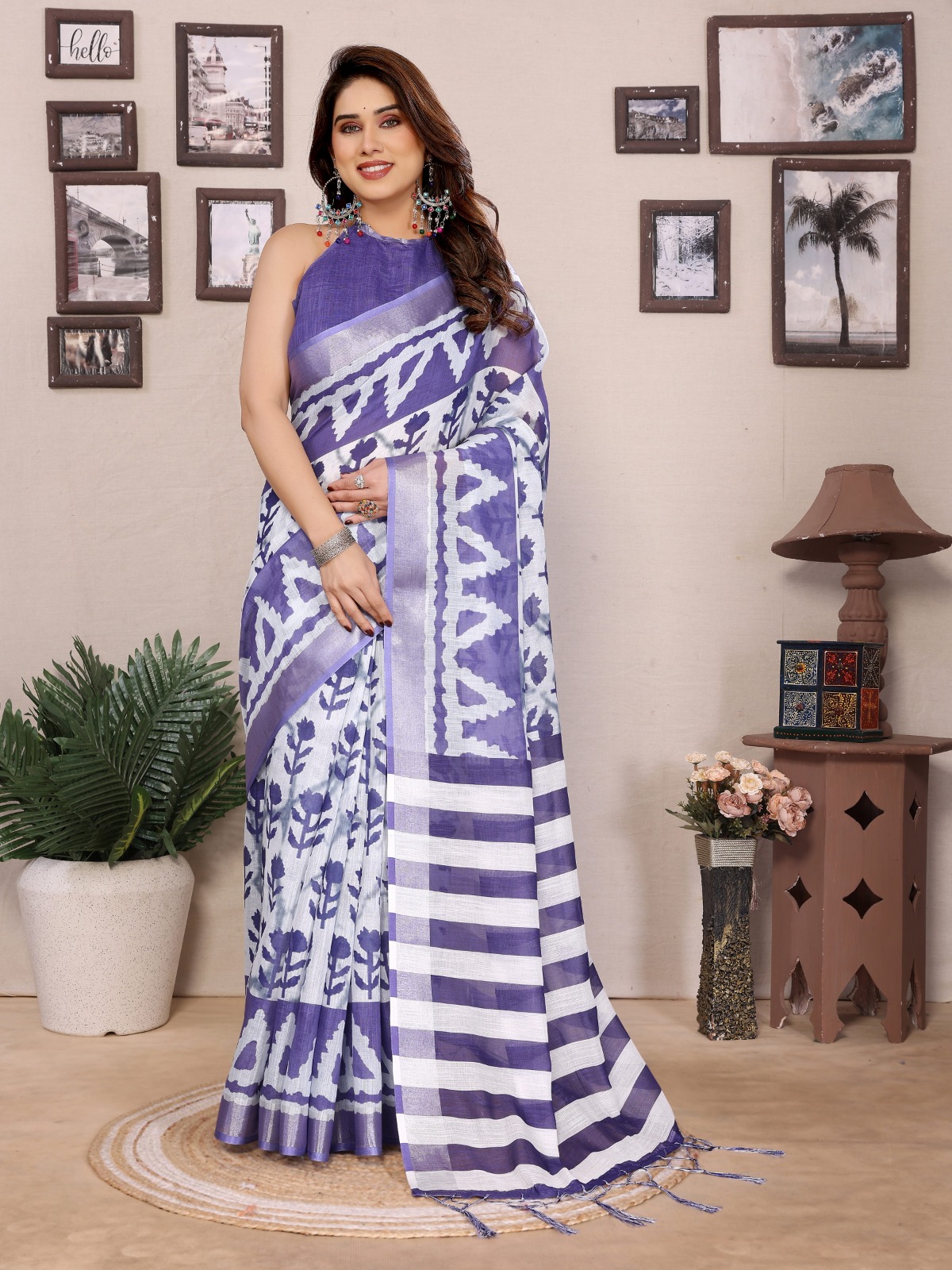
- Run a clean cotton cloth over blouse hooks, zips and seam edges to identify rough points before wearing.
- Choose bangles and rings with smooth inner surfaces, and check stone settings for exposed claws.
- Carry a bag with a covered or smooth clasp rather than an exposed hook-and-loop closure.
- Keep the pallu away from rough chair arms, wicker surfaces and chipped wooden edges.
- Lift pleats when sitting instead of dragging multiple layers across the floor or seat.
- Use a clean, smooth underskirt waistband so repeated movement doesn't create unnecessary rubbing.
- Check the saree after wearing, especially near the waist, shoulder, pallu and border.
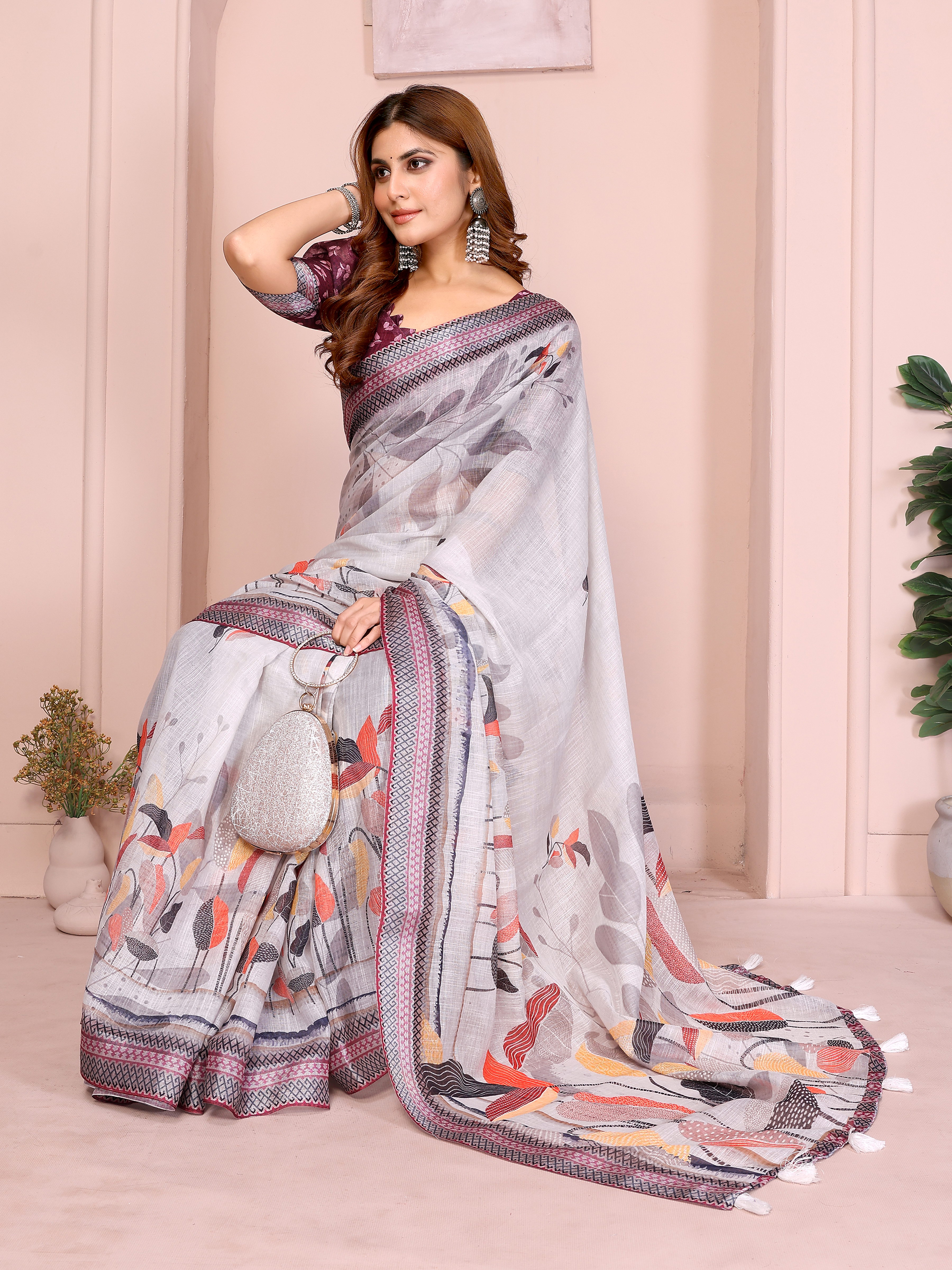
The Lightweight Grey Saree with Rust Designer Border and the Rust Red Handloom Printed Saree with Ethnic Border are useful examples of sarees that benefit from an intentional accessory check before styling. A visible border can reveal friction sooner than a plain body, so inspect the border as well as the main field.
How should sarees be folded and stored to avoid pulls?
Sarees should be stored clean, completely dry and separated from rough or heavily embellished garments. Correct folding reduces pressure, while a smooth storage layer reduces abrasion between uses.

Air the saree after wearing before folding it for storage. Perspiration, body oils and dampness can weaken fibres over time and may make dust adhere to the surface. Do not store a saree while it's still moist from washing, steaming or humid weather.
Fold the saree along broad, relaxed sections rather than forcing sharp creases through raised zari, sequins or a textured border. Place acid-free tissue or a clean, soft cotton cloth between heavily embellished layers. Avoid newspaper because ink can transfer, and avoid rough plastic bags because trapped moisture and friction can both create problems.
Store the folded saree horizontally when possible, with the heaviest garments below lightweight fabrics. If a saree is hung, use a broad, smooth hanger and avoid overcrowding. A crowded wardrobe causes neighbouring garments to rub whenever one item is removed.
Discounted sarees still require the same care as premium textiles. Collections such as Sarees from Rs 1000 to Rs 1500, Sarees Under 20% Off and Sarees Under 10% Off may include cotton, Chanderi, satin or blended constructions with different snag risks. Price doesn't identify weave density, so read the fabric information and inspect the surface before wearing.
When does a tiny pull indicate a larger care problem?
A tiny pull indicates a larger care problem when similar marks keep appearing in the same area or when one snag spreads after handling. Repeated pulls usually point to an unresolved friction source rather than a single unlucky accident.

Several marks near the shoulder can indicate a rough blouse seam, bag strap or jewellery setting. Marks across the lower pleats may point to a chair, floor or vehicle seat. Pulls near the pallu can come from bangles, rings, a brooch or a rough wall. Mapping the location of each mark helps identify the cause.
Care also includes selecting a saree for the setting. A fluid, lightweight saree can be comfortable for movement but may need more attention around bags and furniture. A textured handloom cotton saree may tolerate regular use but still catch on unfinished surfaces. A heavily embellished saree may need a smoother blouse and simpler accessories to reduce contact points.
Small pulls are not a reason to stop wearing sarees. They are a reminder that woven cloth responds to friction at a microscopic level. A careful inspection, smooth accessories, suitable storage and prompt professional repair can preserve the appearance of a saree far longer than hurried trimming or repeated tugging.
Common Questions About Tiny Pulls in Sarees
Why do new sarees get tiny pulls without a tear?
New sarees can develop tiny pulls when a yarn catches on jewellery, blouse hardware, a bag clasp or a rough surface. The fabric may remain intact because the yarn has shifted rather than broken.
Can I cut a loose thread from my saree?
You should not cut a loose thread before checking whether it is part of the warp, weft or zari. Cutting a displaced yarn can create a hole, so a skilled tailor should handle anything more than a very minor surface fibre.
Are tiny loops in a handloom cotton saree a defect?
A handloom slub is not automatically a defect because natural variations in yarn thickness are part of many handloom fabrics. A snag usually has a lifted direction or pucker, while an integrated slub has no loose tail and remains part of the weave.
How can jewellery cause pulls in a saree?
Jewellery can cause pulls when stone settings, bangle edges or unfinished metal surfaces catch a raised yarn during movement. Smooth accessories and a pre-wear check can significantly reduce this risk.
How should I store a saree with zari to prevent snags?
Store a clean, completely dry zari saree in broad folds with smooth tissue or soft cotton between raised embellished sections. Keep the saree away from rough shelves, exposed hangers, newspaper and overcrowded wardrobes.
When does a saree pull need professional repair?
Professional repair is advisable when the pull includes broken yarns, a hole, a spreading gap, a border distortion or metallic zari. A specialist can stabilise the area with less risk than cutting or pulling the strand at home.