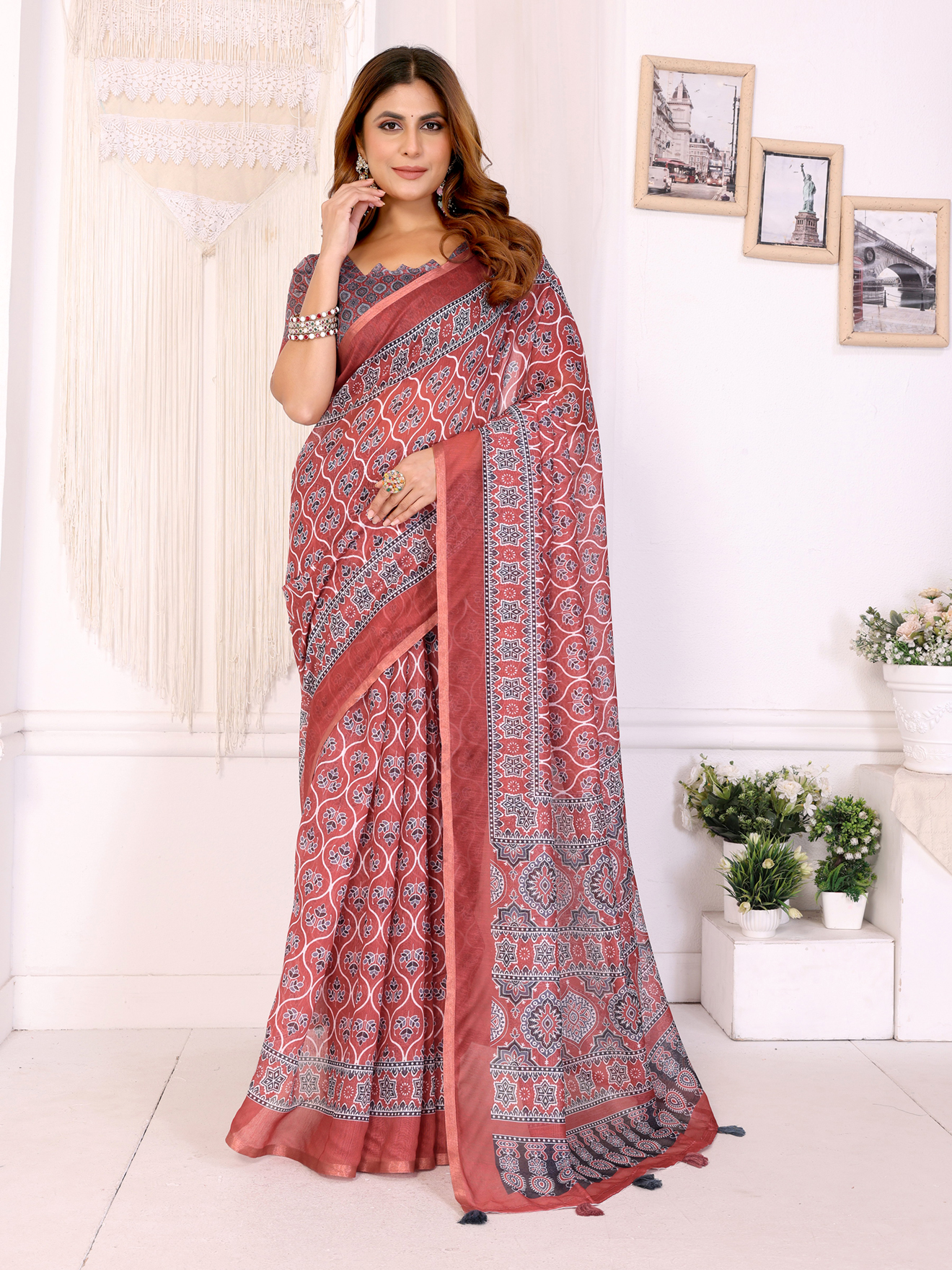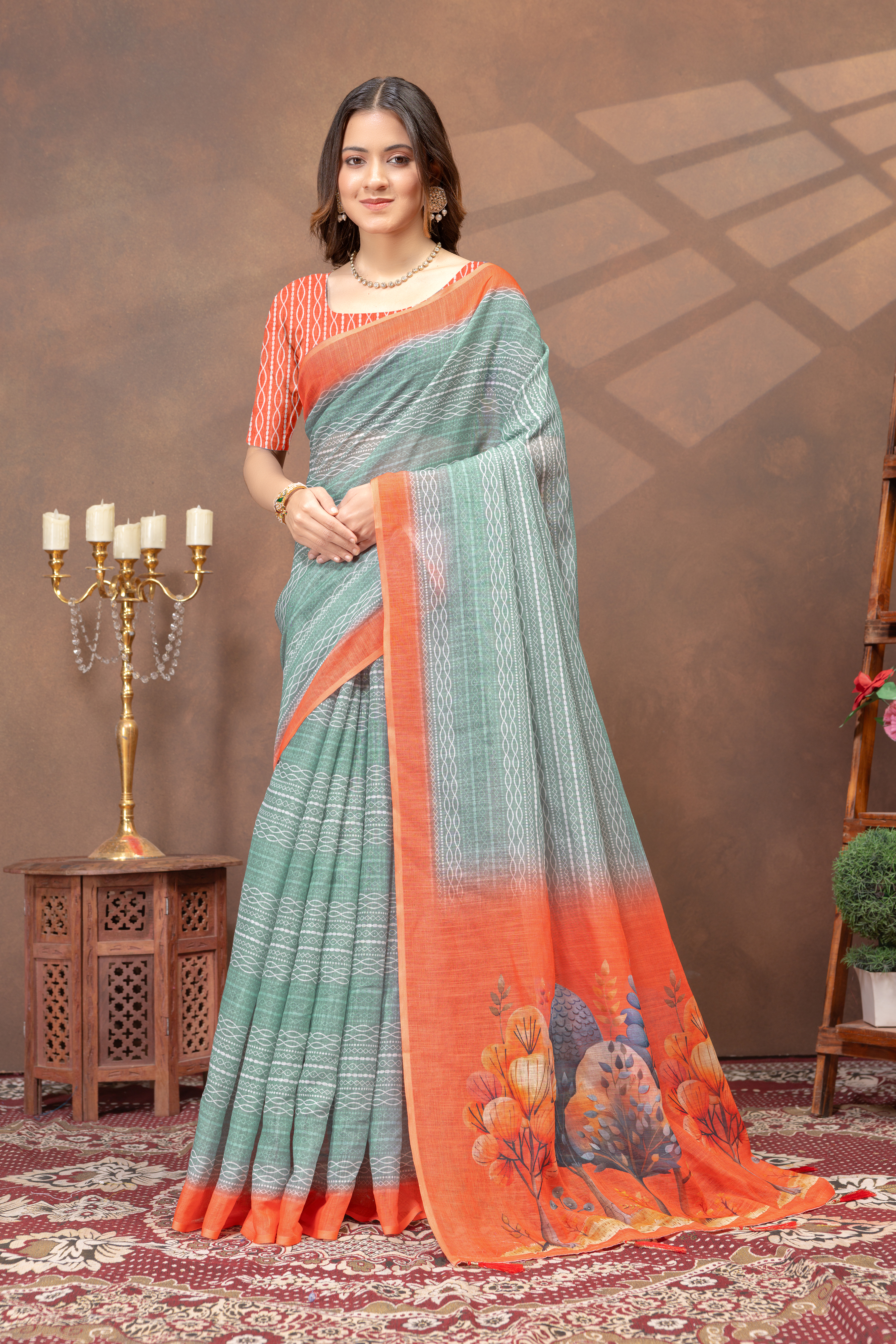
Why Some Saree Pallus Twist Instead of Falling Straight is a question of fabric behaviour, not a sign that every saree has been stitched incorrectly. A pallu can turn sideways when the fabric is cut slightly off-grain, when the pleats pull unevenly, when a heavy border drags one edge down, or when the pallu is pinned under tension. Fibre type, weave structure, humidity and the way the saree is worn also change how the pallu settles on the shoulder.
A straight pallu needs two things working together: a balanced lengthwise grain and even support from the shoulder, pleats and waist. A carefully chosen saree can still twist if those points are misaligned. Once you identify the source, a small adjustment often works better than adding several visible safety pins.
Why Some Saree Pallus Twist Instead of Falling Straight
The main reason a saree pallu twists is uneven tension between its two long edges. One edge may be held tighter by a shoulder pin, pulled down by a zari border, caught under a blouse, or folded more sharply than the other edge. The pallu then rotates around the point where it leaves the shoulder instead of hanging in the same plane as the body.
Fabric grain is another major factor. Woven sarees contain lengthwise warp threads and crosswise weft threads. A pallu falls most predictably when its long edges follow the warp direction. If the cloth is cut, joined or folded slightly diagonally, the pallu may drift toward one side even when the drape looks symmetrical at the waist.
Soft fabrics magnify small errors. Chanderi, cotton linen and lightweight silk can respond quickly to body movement, while a very fluid fabric may fold over itself at the shoulder. A dense Banarasi silk pallu usually has more body, but its heavier zari or jacquard sections can pull one corner downward. Neither behaviour automatically indicates poor quality; both require a different draping method.
How Fabric, Weave and Border Weight Change the Fall
Fabric weight and surface friction determine how readily a pallu slides, folds or holds a crease. Cotton generally offers more grip, silk often has a smoother surface, and blended or soft-finish textiles can combine slip with a fluid drape. The weave also matters because a compact pattern section may behave differently from a plain body.
Light cotton and handloom sarees
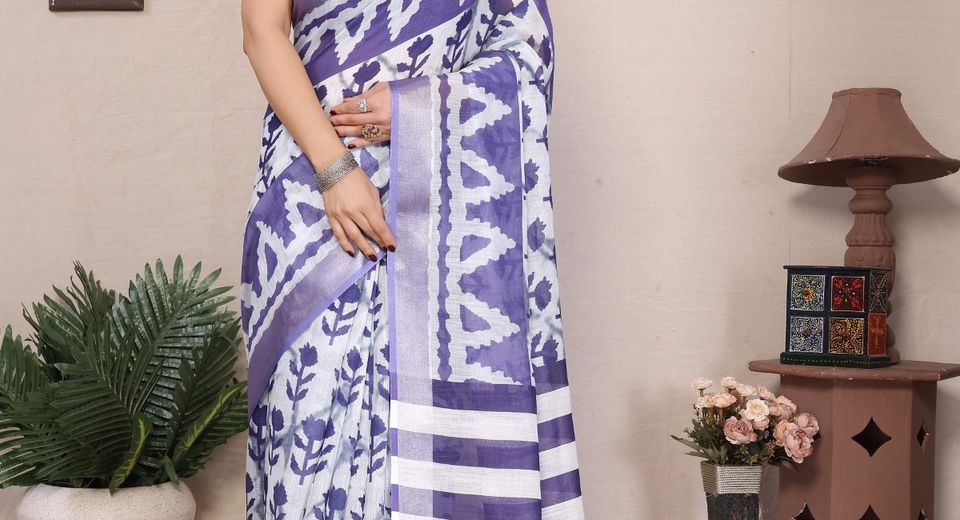
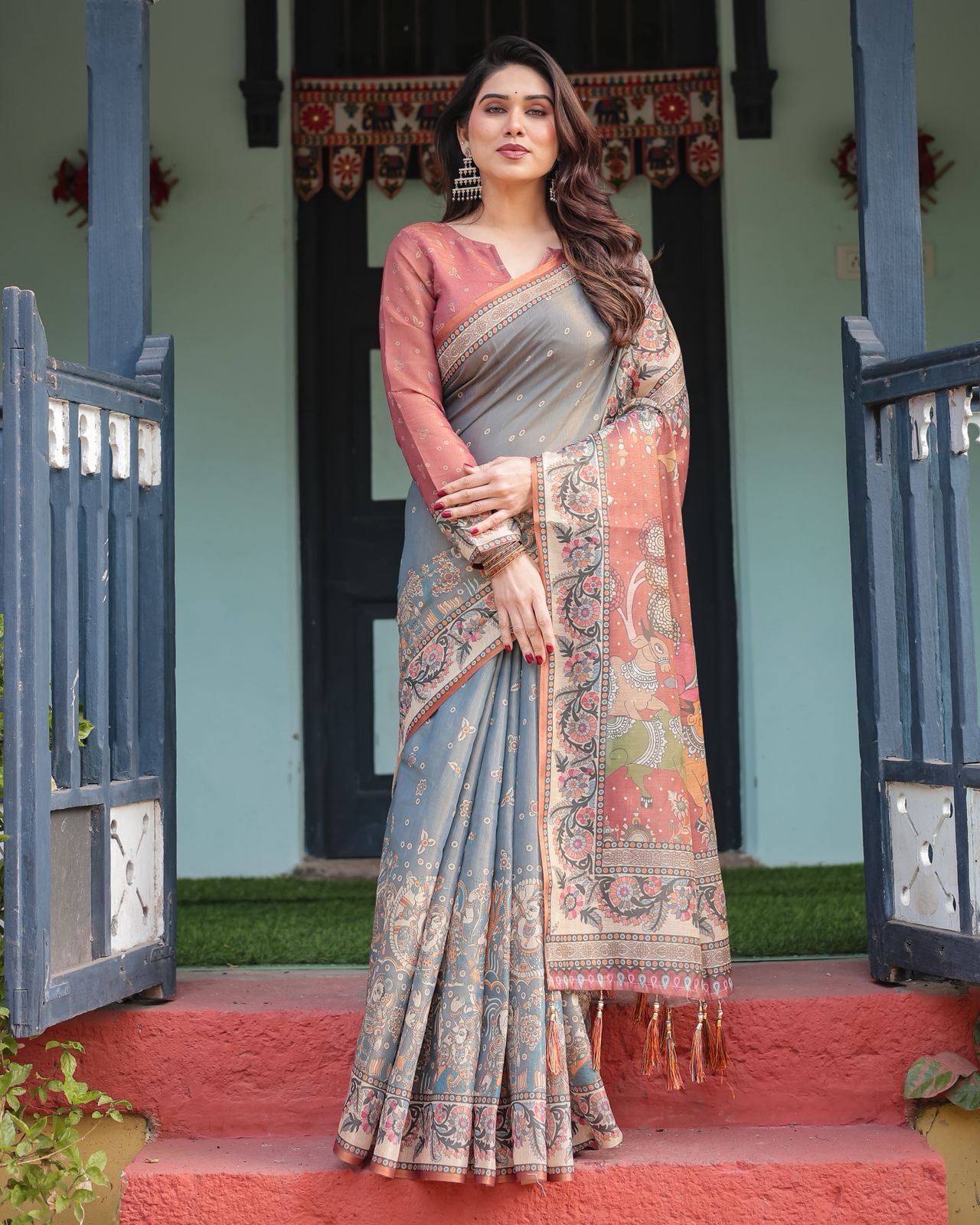
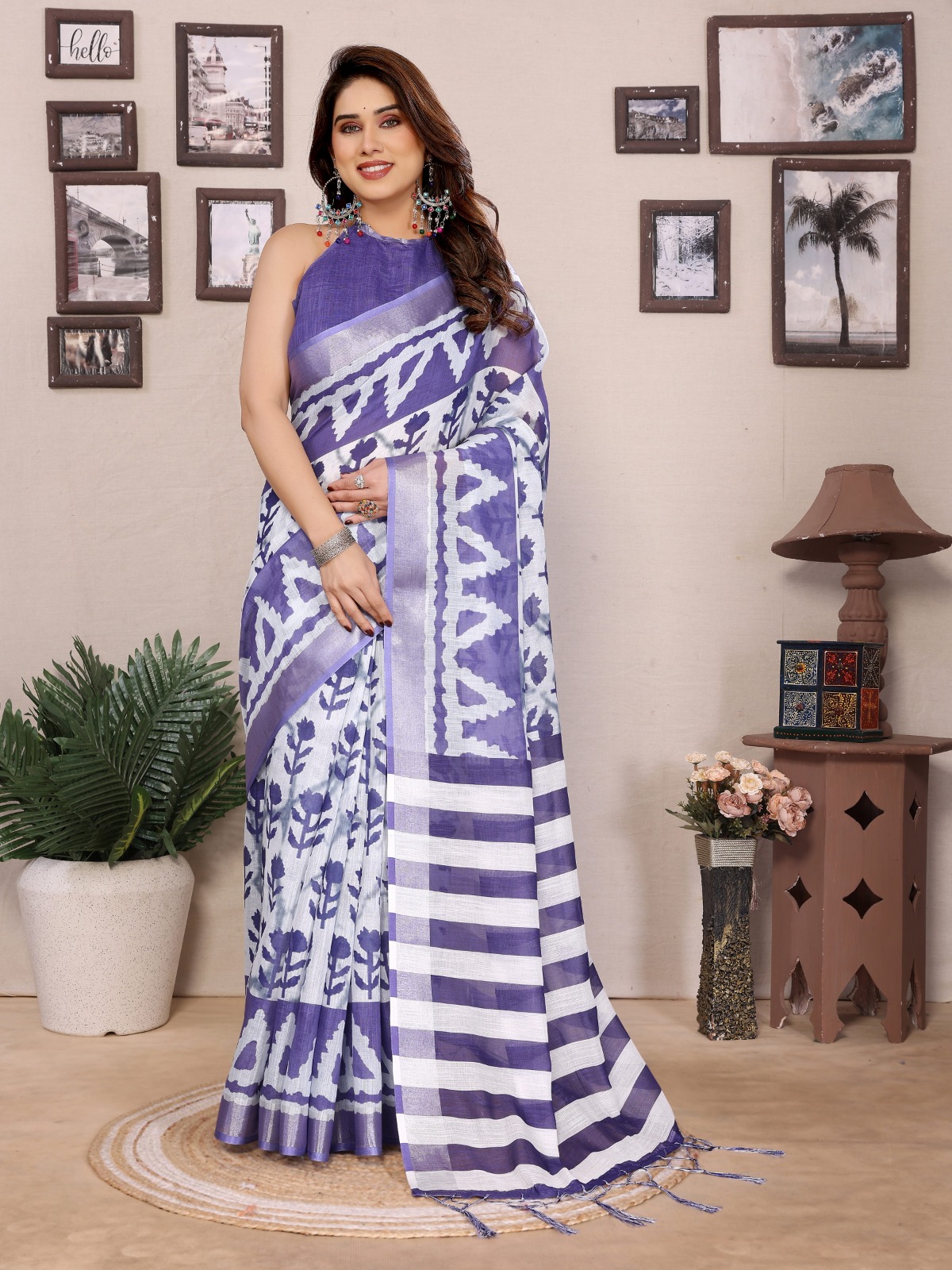
Light cotton sarees usually twist because the pallu lacks enough weight to resist movement. A Purple Cotton Linen Printed Saree with Striped Pallu can look crisp when freshly pressed, but its striped pallu may reveal even a small diagonal shift. A firm shoulder fold, a single discreet pin and moderate pleat width usually give lightweight cotton better control than numerous tight pins.
Handloom cloth may contain small variations in tension across its width. Those variations are part of the weaving process and can affect the way a border settles. An Ivory Rust Handloom Floral Saree with Storytelling Pallu may have a pallu with a distinct visual direction, so a slight twist becomes more noticeable than it would on an all-over print.
Silk, zari and jacquard borders
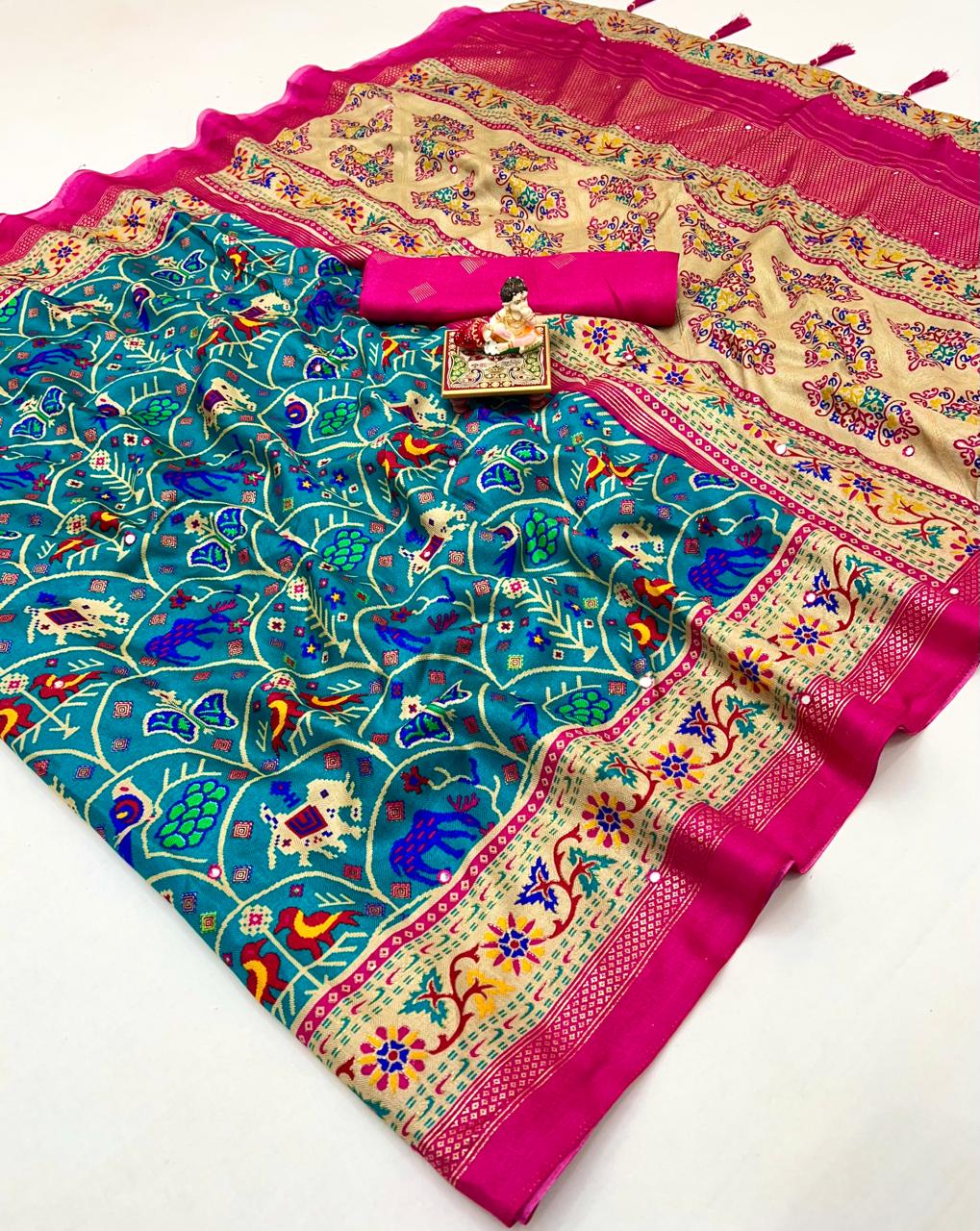
Heavy borders can make a pallu rotate because the border edge has greater mass than the opposite edge. Zari, metallic thread and dense jacquard designs may also create stiffness along one side. A Pure Patola Silk Double Ikkat Saree with Zari Border needs enough shoulder support to carry the border weight without letting the decorated edge pull forward.
A Red Yellow Soft Lichi Silk Saree with Rich Pallu & Jacquard Border can behave differently from a plain silk saree because the rich pallu has extra structure. The pallu should be arranged with the heavier design area lying flat rather than folded into a narrow rope. Folding a substantial jacquard section too tightly can make the edge spring back and turn.
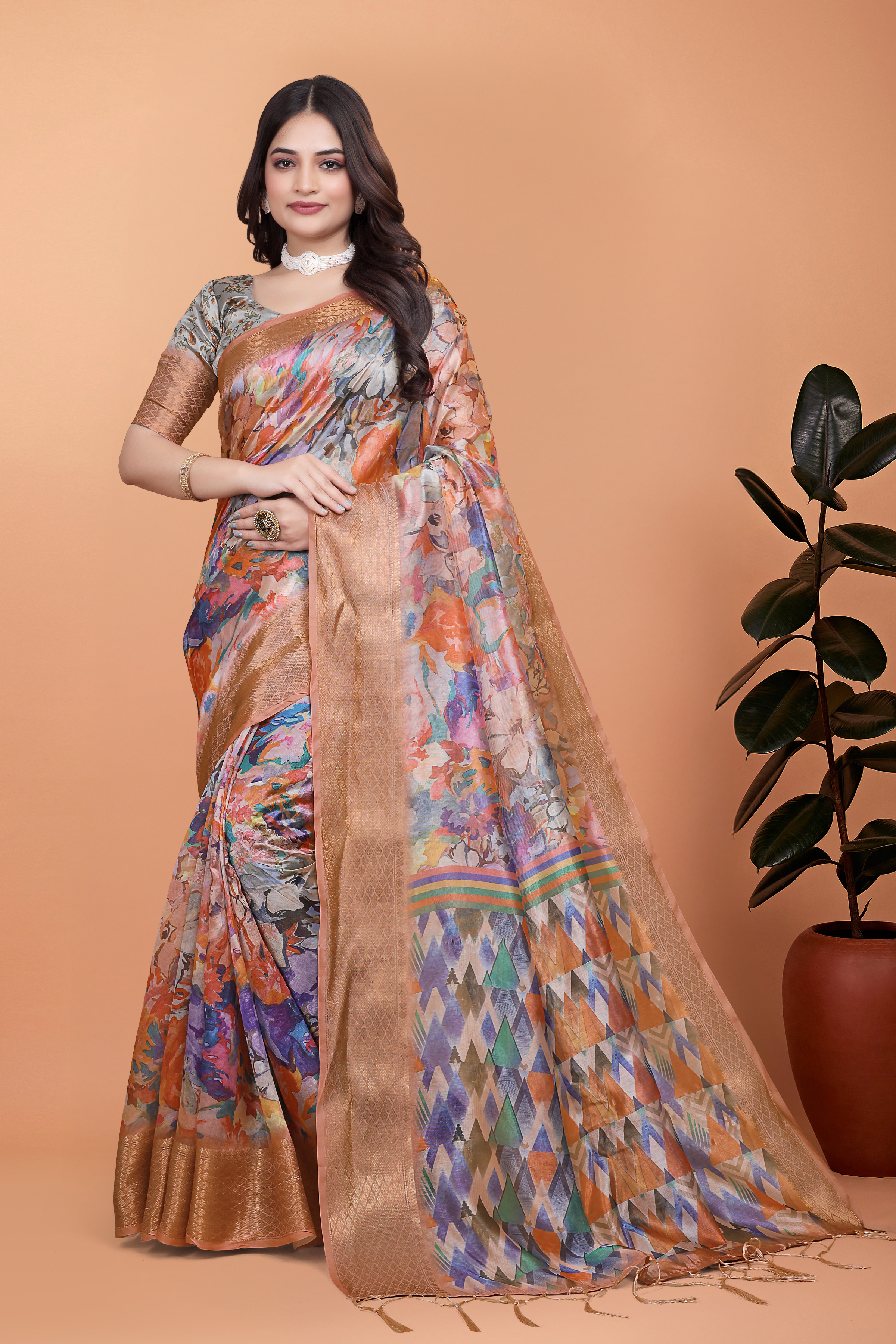
Banarasi silk deserves special attention because zari patterns can add weight and reduce flexibility in selected areas. A Multi Color Banarasi Silk Saree with Artistic Prints may need broader pallu folds than a lightweight printed cotton saree. Broader folds distribute the patterned and metallic weight across the shoulder instead of concentrating it along one edge.
What Pleats and Pinning Have to Do With Pallu Alignment
Even pleats and balanced pinning keep a pallu straighter because they prevent one side of the saree from carrying more tension than the other. A pallu should leave the waist without a sudden diagonal pull. If the pleats point toward one hip while the pallu is drawn toward the opposite shoulder, twisting is likely.
Check the waist pleats first
The waist pleats should be parallel, similar in width and secured at the same vertical level. Five to seven pleats of approximately 10-12 centimetres each are a practical starting point for many sarees, although fabric thickness may require fewer or wider pleats. Uneven pleats can shorten one side of the saree and force the pallu to compensate.
Stand straight while checking the pleats rather than leaning forward. A forward lean shifts the waistline and creates temporary tension that disappears when you stand upright. The bottom edges of the pleats should touch the floor lightly or sit just above it, because excessively long pleats pull fabric away from the pallu.
Place pins where they control movement
One concealed pin at the shoulder fold and one optional pin near the blouse side seam usually provide enough control. The shoulder pin should catch the pallu and a stable layer underneath without piercing the most visible zari or embroidery. Pinning only the outermost layer allows the pallu to rotate around the pin.
Pinning the entire visible pallu flat against the blouse can prevent twisting but may make the drape stiff and restrict movement. A better approach is to secure the top fold, leave the lower portion free and check the fall after walking several steps. Pins should not be placed so tightly that the upper edge is shorter than the lower edge.
How to Test Whether the Problem Comes From the Saree or the Drape
A three-step test can separate fabric behaviour from draping error. First, hold the saree by the two top corners of the pallu and let it hang freely from a hanger or a door. Second, smooth the long edges without stretching them. Third, compare the pallu with a straight doorframe or curtain edge.

If the pallu twists while hanging freely, the cloth may have skewed grain, uneven finishing or a weighted border. If the pallu hangs straight off the body but twists after draping, the cause is more likely to be pleat direction, shoulder tension or pin placement. If only one section curls, inspect that section for a folded hem, pressing line or dense woven motif.
don't pull forcefully on a silk pallu to correct a suspected grain issue. Strong stretching can distort the weave and permanently change the edge. A professional saree presser or experienced tailor can assess whether a hem needs re-pressing or whether the cloth has a genuine structural skew.
A useful comparison is to drape the saree once with the pallu open and once with narrow shoulder pleats. If the open pallu falls straight but narrow pleats twist, the folds are concentrating tension. If both versions twist in the same direction, inspect the border, hem and grain before changing the pleat style.
Practical Drape Adjustments for Different Saree Types
The best correction depends on the textile and the visual weight of the pallu. Lightweight cotton needs friction and shape, fluid silk needs controlled support, and heavily decorated sarees need weight distribution. Matching the adjustment to the fabric is more reliable than using the same number of pins for every saree.

- For cotton and cotton linen: Press the pallu on low to medium heat with a pressing cloth, create broad shoulder pleats and use one concealed pin. Avoid excessive starch if the fabric already feels brittle.
- For Chanderi and fine handloom sarees: Use shallow, even pleats and avoid pulling the pallu tight across the bust. A small clear blouse loop can support the pin without adding visible hardware.
- For Banarasi silk and zari sarees: Spread the decorative weight across two or three broad folds. Keep pins away from zari motifs and never drag the border across a rough surface.
- For Patola and double ikkat sarees: Align the geometric motifs before fixing the shoulder. A diagonal motif line can make a pallu appear twisted even when the fabric is hanging correctly.
- For soft silk and satin-like fabrics: Use a non-slip blouse fabric, a secure shoulder fold and a pin that catches an inner layer. A slightly wider pallu pleat reduces sliding.
The Printed Mal Cotton Saree With Designer Pallu by VARNAVI illustrates why a designer pallu may need to be arranged as a visual panel rather than compressed into very narrow folds. The printed design should remain readable, while the shoulder fold should still have enough depth to stop the lower edge from rotating.
How Blouse Fit, Body Movement and Weather Affect the Pallu
A blouse that fits smoothly at the shoulder gives the pallu a stable anchor. A loose shoulder seam can let the pin and fabric move together, while a very tight armhole can pull the pallu forward whenever the arm rises. The blouse neckline and sleeve construction therefore influence pallu alignment even though they're separate garments.
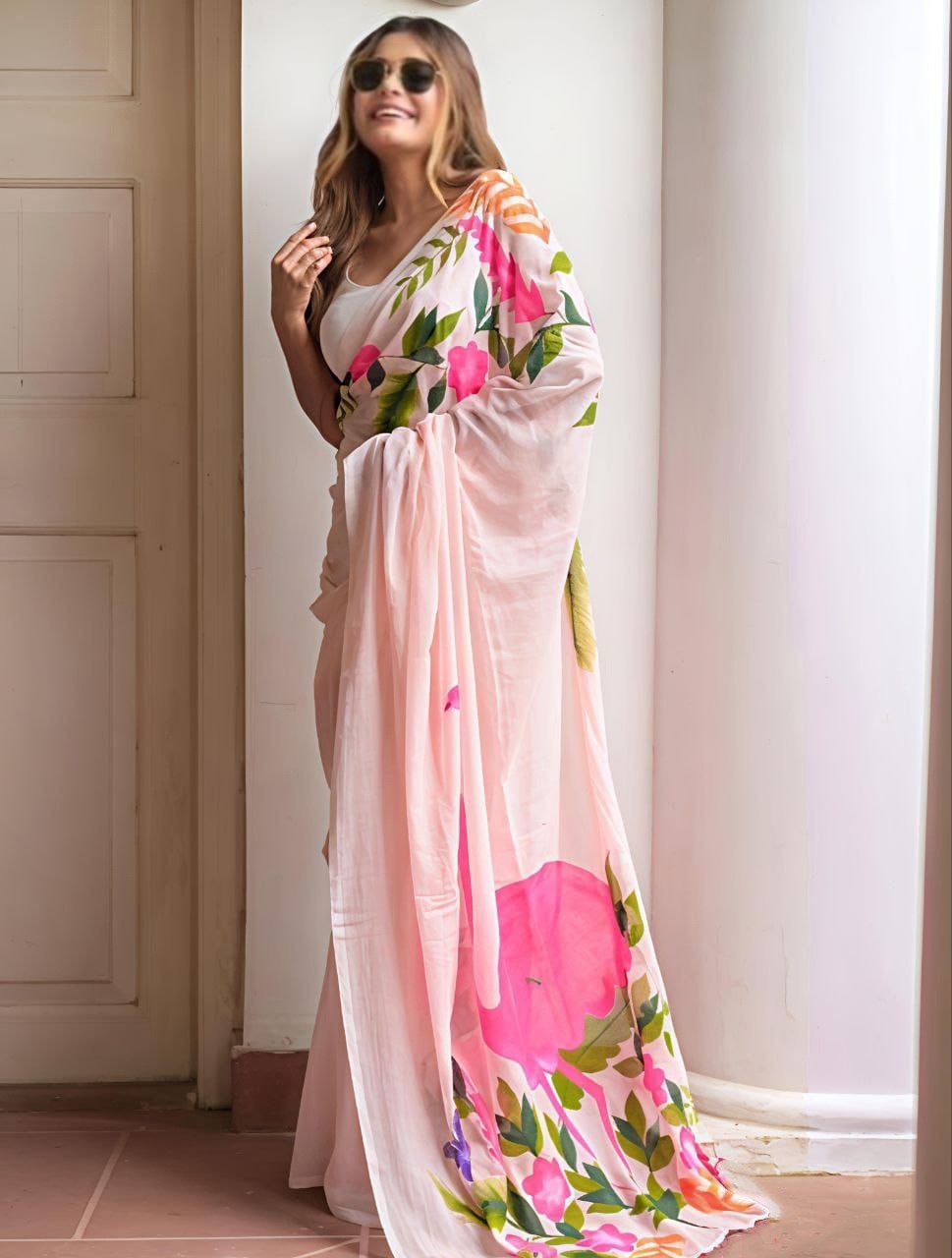
Walking, sitting and lifting the arms change the pallu angle. A pallu arranged perfectly while standing still may twist after repeated arm movement because the fabric catches on a bracelet, watch, handbag strap or textured blouse. Test the drape by walking for two minutes, sitting on a chair and raising both arms to shoulder height.
Humidity can make cotton fibres swell slightly and increase grip, while perspiration may make silk or smooth synthetic surfaces slide against the blouse. Static electricity in dry weather can make a light pallu cling to the blouse. A breathable cotton blouse lining, a smooth underskirt waistband and removal of rough accessories can reduce these problems without adding more pins.
Underskirt tension also matters in a traditional drape. The underskirt should sit securely at the natural waist and should not loosen as you walk. If the base shifts, the pleats descend unevenly and the pallu follows the new tension line. A well-fitted petticoat or structured underskirt creates a more dependable foundation than repeated adjustments at the shoulder.
Choosing a Pallu That Matches the Intended Fall
A straight, formal pallu normally comes from a saree with a stable body, a balanced border and enough length for relaxed shoulder pleats. A fluid pallu can be attractive when the styling is meant to look soft and mobile, but it won't behave like a stiff formal silk. Product descriptions should therefore be read for weave, border and pallu details rather than colour alone.

An Ivory Cream Floral Handloom Saree with Heritage Pallu suits a structured, heritage-inspired arrangement when the pallu design is shown in broad folds. A Wine Patola Style Soft Pashmina Silk Party Wear Saree may require a secure inner pin because soft pashmina silk can move differently from crisp Patola-style geometry. The visual intention of the pallu should guide the fold width.
Budget doesn't determine whether a pallu will fall straight. Sarees from Rs 1000 to Rs 1500 can include practical cotton and blended options that are easy to control, while a higher-priced silk may still need careful pinning because of its smooth surface. Discount collections such as Sarees Under 20% Off, Sarees Under 10% Off and Sarees Flat 50% Off can be browsed by fabric and construction rather than by discount percentage alone.
A larger reduction in price doesn't remove the need to inspect the pallu. Sarees Flat 60% Off may contain varied fabrics, so check whether the product description names a heavy border, jacquard pallu, handloom weave or soft silk finish. Those details predict the drape more accurately than the word "designer".
A Reliable Five-Minute Method Before Leaving Home
A five-minute final check can prevent most visible pallu twisting. Drape the saree while standing upright, align the waist pleats, spread the pallu over the shoulder, secure the top fold and then test the movement that the outfit will require.
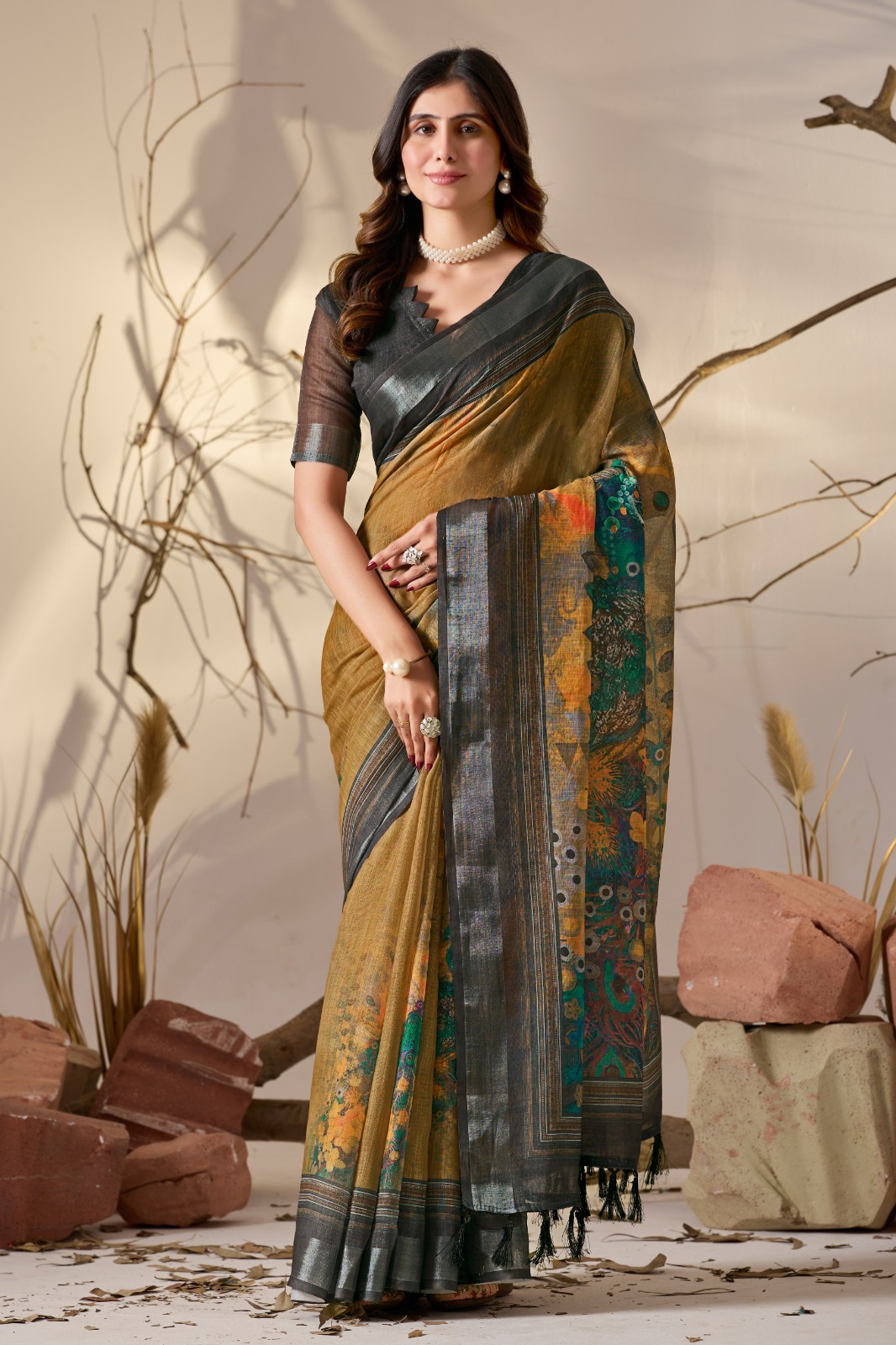
- Align the base: Secure the underskirt at the natural waist and check that the hem is even around the feet.
- Set the pleats: Make parallel pleats of similar width, keeping the lower edges level and the waist fold flat.
- Release the pallu: Let the pallu hang without pulling it diagonally across the torso.
- Distribute the weight: Place zari, jacquard or embroidered sections across broad folds instead of stacking them on one edge.
- Pin lightly: Catch the top fold and an inner layer, then walk, sit and raise the arms before adding a second concealed pin.
If the pallu still twists after this method, photograph the saree hanging freely and while draped. Comparing the two images reveals whether the rotation begins in the fabric or at the shoulder. That simple diagnosis prevents unnecessary ironing, aggressive stretching and excessive pinning.
Common Questions About Saree Pallu Twisting
Why does my saree pallu keep moving to one side? The usual causes are uneven shoulder tension, a diagonal pallu fold, an unstable blouse shoulder or a heavy border pulling one edge. Re-align the waist pleats, loosen the pallu slightly and secure the top fold to an inner layer.
How can I keep a silk saree pallu straight? Keep the shoulder pleats broad, use a non-slip blouse surface and place one concealed pin through the top fold and an inner layer. Avoid pulling the silk tightly because tension makes the pallu rotate when you move.
Does a heavy zari border make a pallu twist? A heavy zari border can make a pallu twist when the decorated edge carries more weight than the opposite edge. Spread the border over wider folds and keep the heavier section supported near the shoulder.
Can ironing fix a saree pallu that falls diagonally? Pressing can correct a temporary fold or curled hem, but ironing can't reliably fix a permanently skewed grain. Use low or medium heat according to the fibre, place a pressing cloth over silk and seek professional assessment for persistent diagonal fall.
How many pins should be used for a saree pallu? One shoulder pin is often sufficient for cotton, while a slippery or heavily decorated saree may need a second concealed pin near the blouse side seam. More pins are not automatically safer because excessive tension can distort the pallu.
Why does a printed or geometric pallu look twisted even when it hangs straight? Uneven motif placement or diagonal pattern lines can create an optical illusion of twisting. Compare the physical long edges with a vertical reference before changing the drape.
Common Questions About Saree Pallu Twisting
Why does my saree pallu keep moving to one side?
The usual causes are uneven shoulder tension, a diagonal pallu fold, an unstable blouse shoulder or a heavy border pulling one edge. Re-align the waist pleats, loosen the pallu slightly and secure the top fold to an inner layer.
How can I keep a silk saree pallu straight?
Keep the shoulder pleats broad, use a non-slip blouse surface and place one concealed pin through the top fold and an inner layer. Avoid pulling the silk tightly because tension makes the pallu rotate when you move.
Does a heavy zari border make a pallu twist?
A heavy zari border can make a pallu twist when the decorated edge carries more weight than the opposite edge. Spread the border over wider folds and keep the heavier section supported near the shoulder.
Can ironing fix a saree pallu that falls diagonally?
Pressing can correct a temporary fold or curled hem, but ironing cannot reliably fix a permanently skewed grain. Use low or medium heat according to the fibre, place a pressing cloth over silk and seek professional assessment for persistent diagonal fall.
How many pins should be used for a saree pallu?
One shoulder pin is often sufficient for cotton, while a slippery or heavily decorated saree may need a second concealed pin near the blouse side seam. More pins are not automatically safer because excessive tension can distort the pallu.
Why does a printed or geometric pallu look twisted even when it hangs straight?
Uneven motif placement or diagonal pattern lines can create an optical illusion of twisting. Compare the physical long edges with a vertical reference before changing the drape.