A six-hour wedding, puja or cultural programme tests a saree differently from a short reception. Sitting cross-legged, rising for rituals, shifting in a dining chair and travelling between venues can loosen pleats, pull at the pallu and create pressure around the waist. Choosing a Saree for a Long Seated Ceremony Without Constant Adjusting therefore begins with movement, fabric recovery and secure construction, not only colour or embellishment.
The most reliable choice usually has a manageable weight, a border that helps the hem hold its shape, a blouse that permits deep breathing and pleats that are pressed and anchored before leaving home. The right saree should remain presentable after repeated changes between sitting and standing while still feeling appropriate for the formality of the event.
What makes a saree comfortable for prolonged sitting?
A saree is comfortable for prolonged sitting when its fabric bends without becoming bulky, its waist area isn't tightly wrapped and its pallu can be secured without restricting the shoulder. Fabric weight, fall, blouse fit and footwear height all affect comfort during a long seated ceremony.
Soft linen cotton, light cotton, satin with controlled drape and moderately weighted woven fabrics can work well when styled correctly. A very stiff textile may form attractive pleats while standing but press into the knees or abdomen after an hour. A heavily embellished saree can also become tiring if sequins or zari sit directly against the chair or floor.
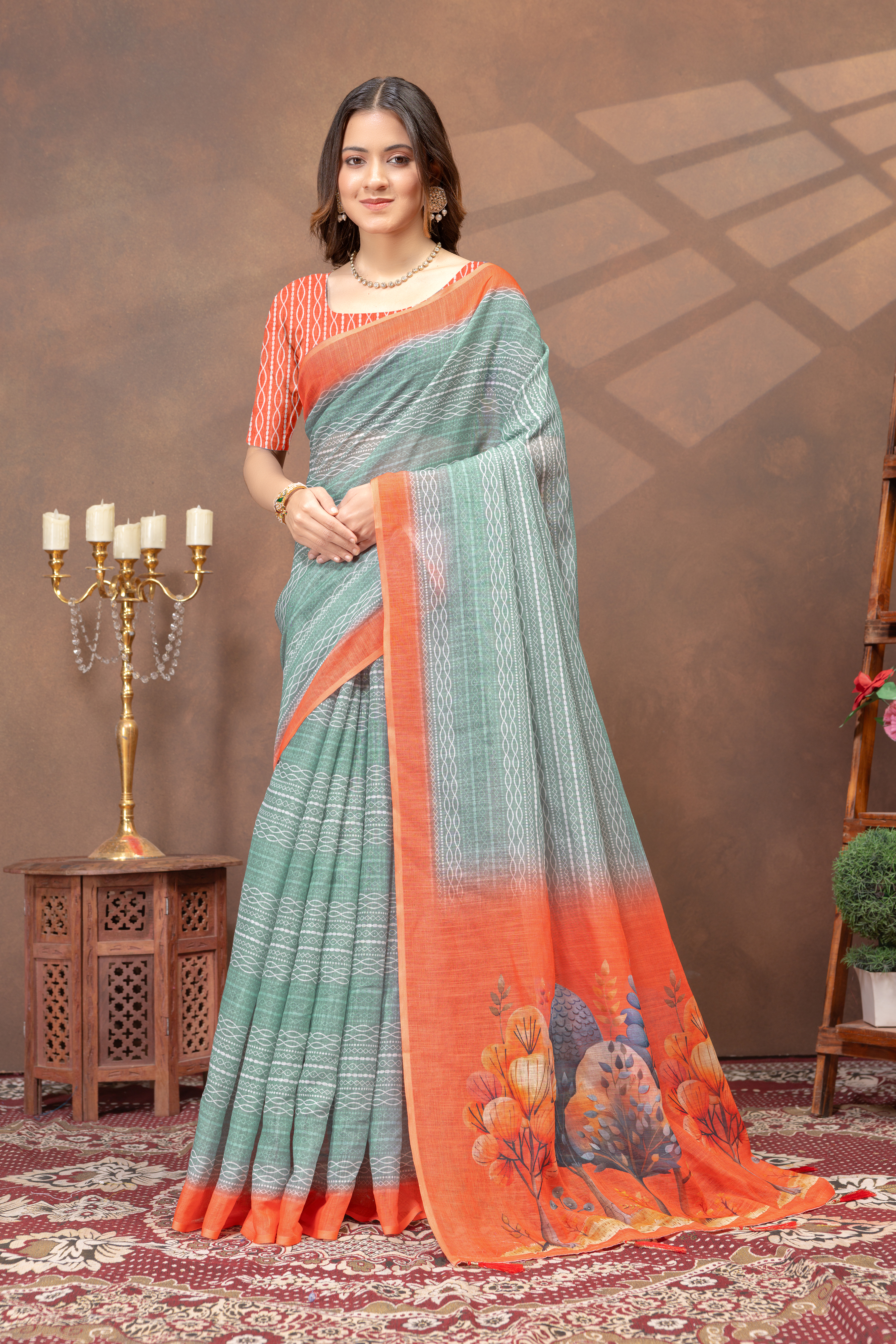
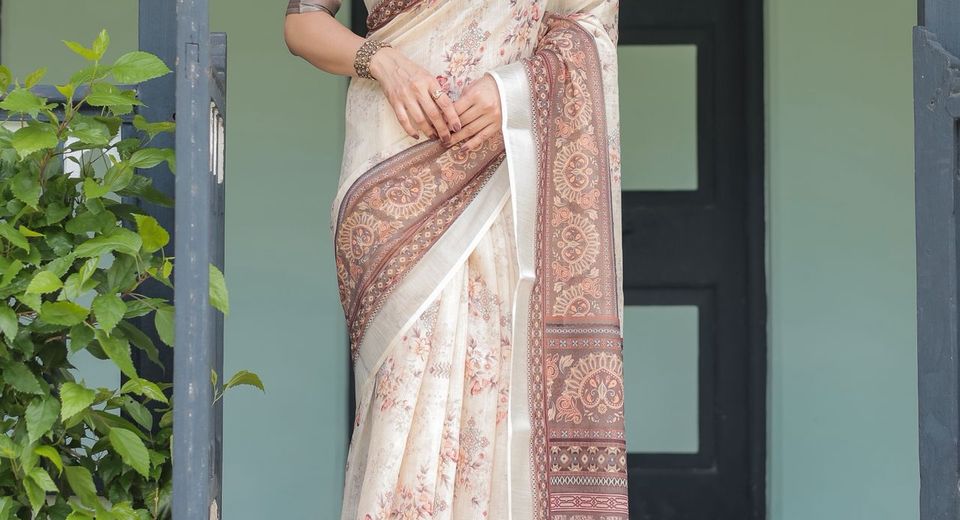
Look for a saree with a clean fall and enough body to hold pleats. Elegant Mustard Linen Cotton Saree Set illustrates why linen cotton is useful for extended wear: the fabric can offer structure without the dense weight associated with some formal textiles. A linen saree with a narrow or subtle border is also less likely to bunch under the thighs than a thick, heavily raised border.
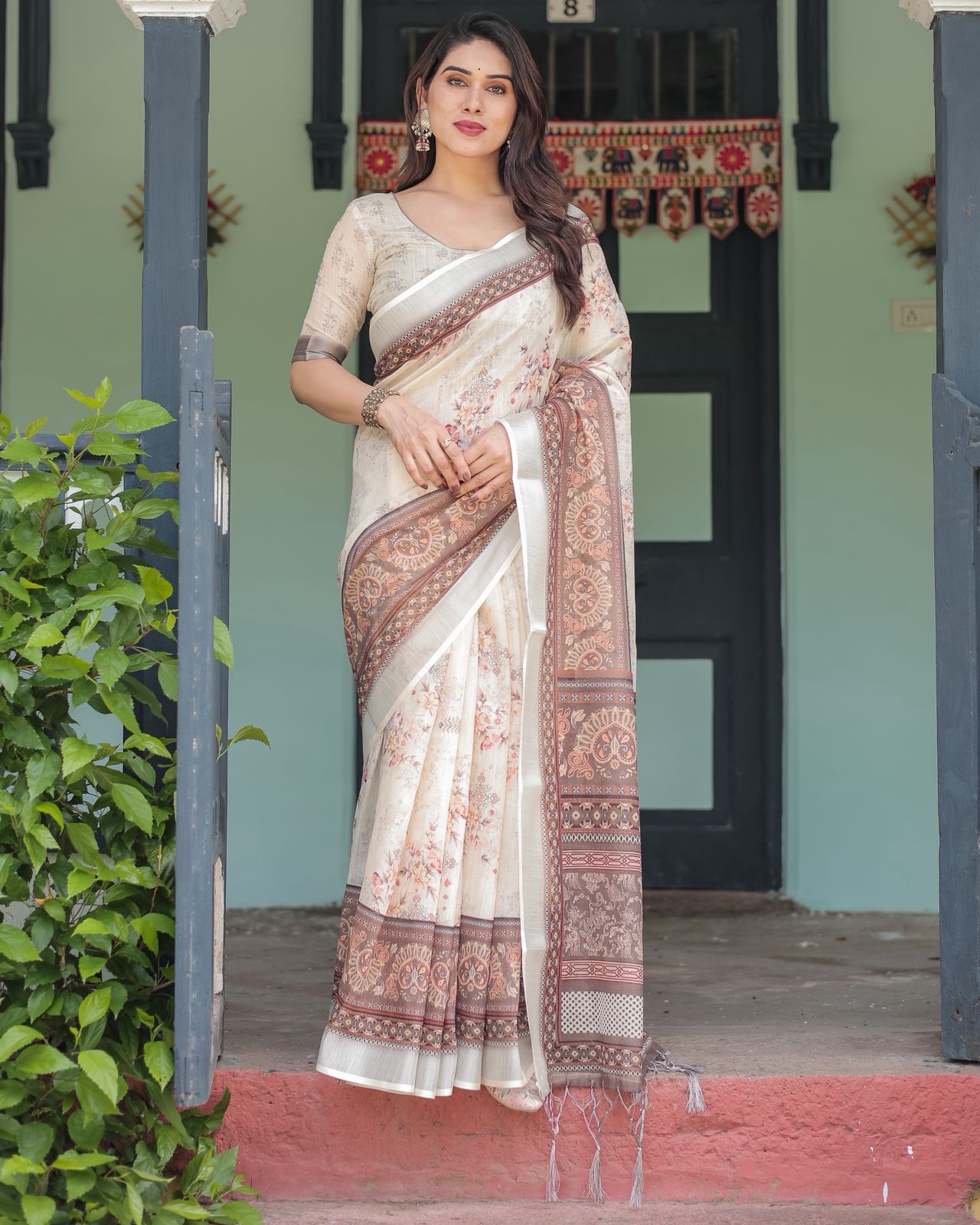
Comfort doesn't mean choosing an informal appearance. Graceful Beige Linen Saree with Traditional Designer Border can suit a ceremony because a defined border creates polish while the linen base supports a more breathable drape. Border width matters: a very broad contrast border can feel stiff at the ankle, while a medium border gives visual definition without creating a heavy fold at the feet.
Choosing a Saree for a Long Seated Ceremony Without Constant Adjusting
Choosing a Saree for a Long Seated Ceremony Without Constant Adjusting is easiest when the saree is assessed for three movements: sitting down, standing up and walking a short distance. A saree that looks stable on a hanger may still shift when the wearer bends the knees or reaches forward.
Compare fabric behaviour before selecting a colour
Fabric behaviour should be checked before colour because drape determines how often the saree needs attention. Linen cotton generally offers a stable, lightly textured surface; satin slides more easily and needs better pinning; fine cotton can feel breathable but may crease; heavily decorated fabrics need careful weight distribution.
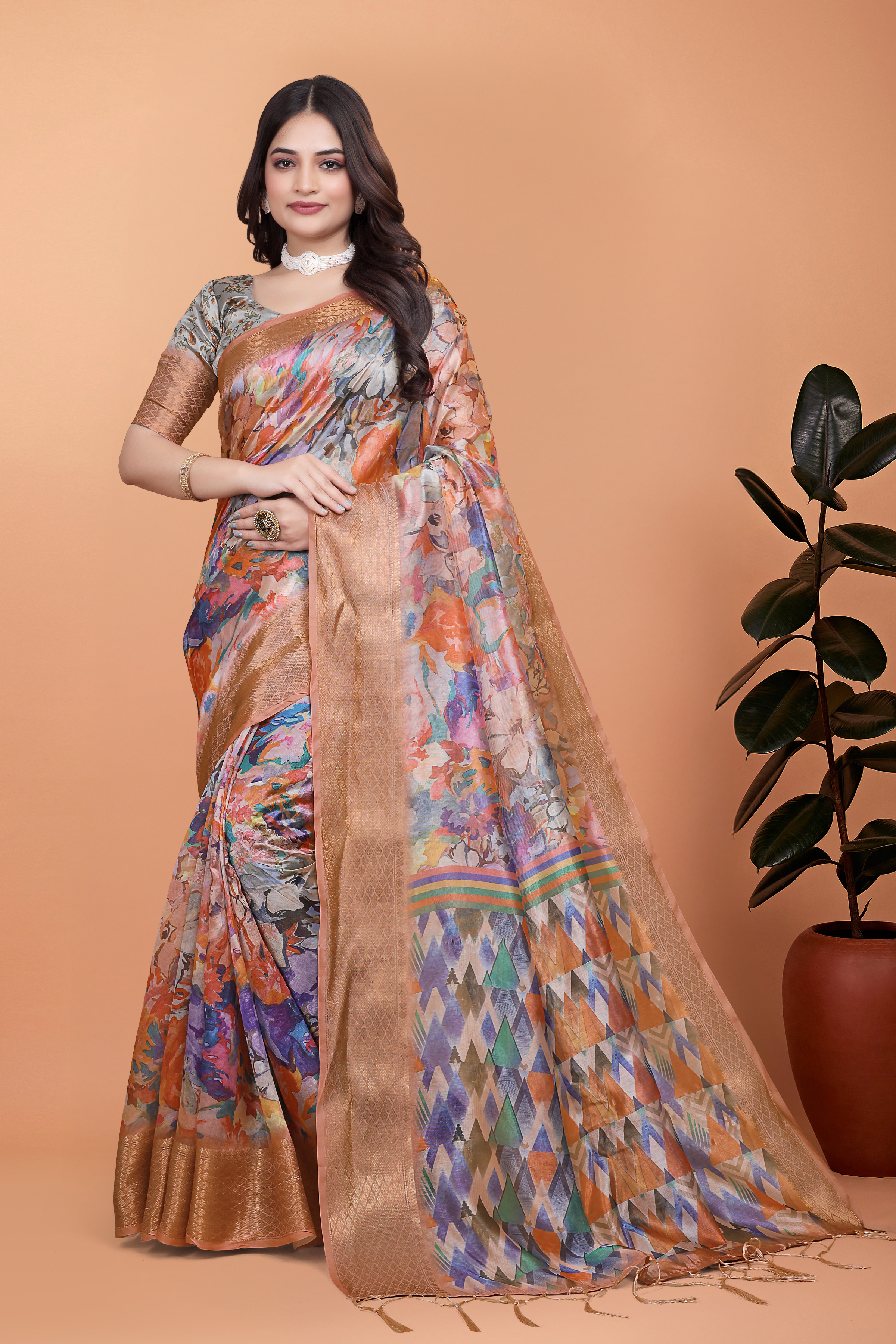
Pastel Linen Cotton Floral Print Saree with Designer Blouse is an useful model for daytime ceremonies because a printed linen cotton surface can disguise small seated creases better than a plain, reflective fabric. Floral placement also reduces the visual impact of minor folding around the lap. Check the actual listing details, measurements and blouse information before ordering, particularly when similar names appear across a range.
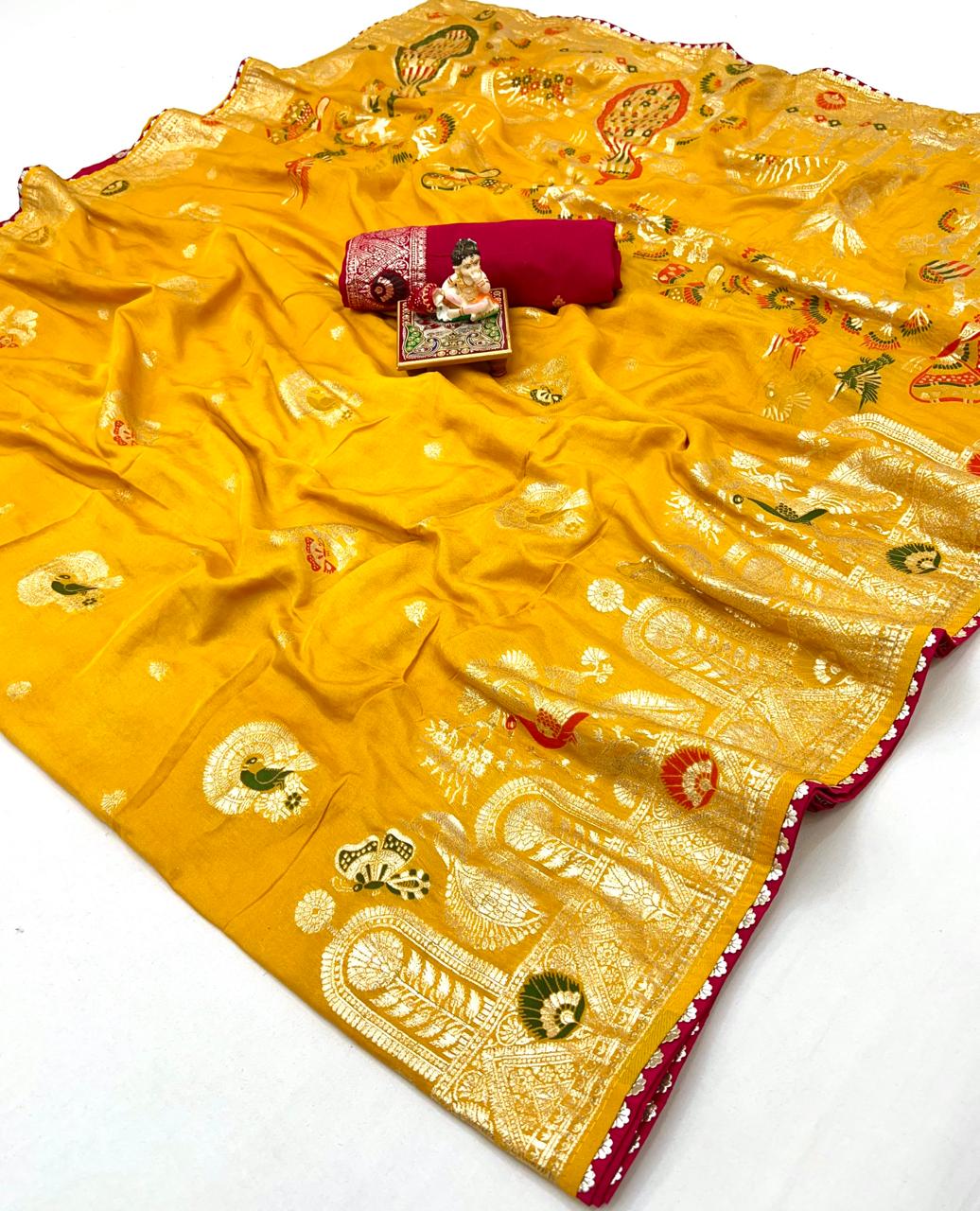
A satin saree can still be suitable when the event is formal, but satin requires a secure waist tuck and a firmly set pallu. Mustard Satin Saree with Printed Pink Pallu & Blouse combines a smooth base with a visually distinct pallu, so the pallu should be pleated evenly and anchored at the shoulder rather than left loose. Satin is more likely than linen cotton to slide across a chair, especially when worn over a slippery lining.
Match the textile to the ceremony setting
The venue should influence the fabric choice because floor seating, banquet chairs and outdoor seating create different friction and movement conditions. For floor seating, select a saree that folds smoothly over the knees and avoid thick embellishment along the lower border. For upright chairs, a saree with moderate body can prevent the pallu from sliding behind the backrest.
Air-conditioned halls may make a denser silk or embellished saree comfortable, while a warm temple courtyard or daytime mandapam often favours linen cotton or cotton. A formal evening wedding can accommodate a heavier finish, but weight should be concentrated near the border and pallu rather than distributed across the entire six-yard length.
How should pleats and the pallu be secured?
Pleats and the pallu should be secured at separate points so the saree can tolerate sitting, standing and small movement without pulling against one pin. A waist tuck, a small number of hidden pleat pins and a shoulder pin provide more dependable control than one large safety pin.
Make front pleats approximately 10 to 12 centimetres wide and keep the stack even from top to bottom. The exact number depends on the saree width and the wearer's waist, but uneven pleats create a loose edge that catches on footwear. Press the pleats while slightly damp or use steam, then allow the fabric to cool completely before pinning; cooled pleats hold their shape better than warm fabric.
Place the pleat anchor slightly to one side of the navel if that position feels less restrictive while seated. Tuck the pleats firmly but don't tighten the waist tuck to the point that breathing or bending becomes uncomfortable. A soft cotton underskirt or well-fitted petticoat gives the saree a stable base; a slippery synthetic petticoat can cause satin and lightweight sarees to rotate.
For the pallu, keep six to eight pleats when the saree is slippery or the ceremony involves repeated movement. Pin the pallu at the shoulder and add a concealed pin near the upper chest only if the neckline and blouse design allow it. A second pin should hold the pallu to the blouse rather than directly to exposed skin, which reduces pulling and prevents a sharp pin from causing discomfort during prolonged sitting.
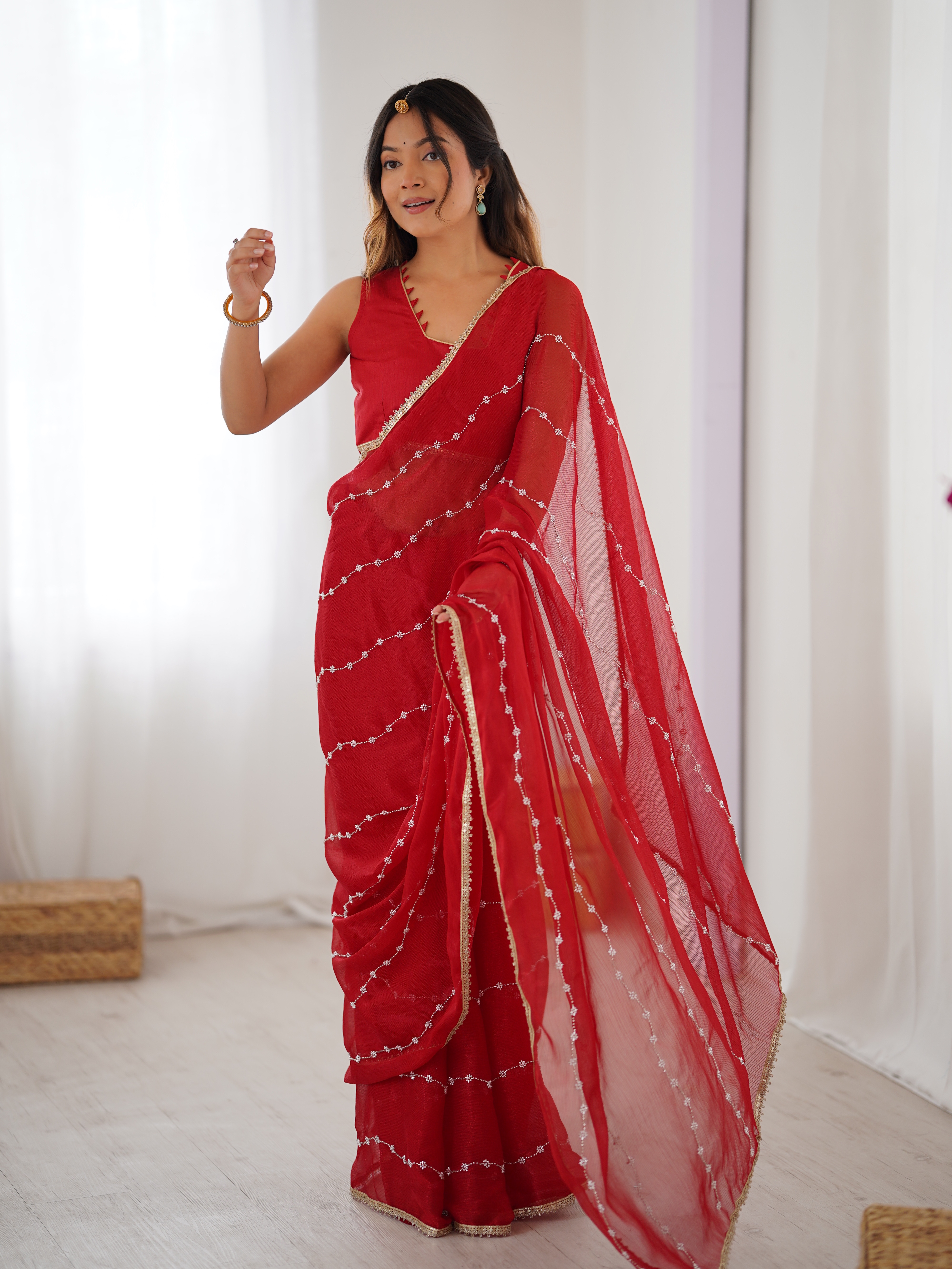
Graceful Pink Linen Saree with Subtle Silver Border can benefit from narrow, crisp pallu pleats because the subtle border remains visible without adding bulk. When a pallu has zari, sequins or a satin finish, place the pin through a seam allowance or the blouse fabric whenever possible to protect the saree surface.
Which blouse details prevent discomfort during a long ceremony?
A comfortable ceremony blouse needs a stable shoulder, adequate arm movement and a waist length that stays covered when the wearer sits. Sleeve tightness and bust fit matter more over several hours than a dramatic neckline or elaborate back design.

Choose a blouse that allows the arms to move forward without pulling across the back. A practical test is simple: sit in the blouse, clasp the hands in front and raise both elbows slightly. If the armhole cuts into the underarm or the neckline shifts, the blouse will probably become irritating during rituals, meals or conversation.
A blouse hem should meet the petticoat or underskirt comfortably when seated. A cropped blouse can expose the waist as the saree rises over the knees, while an excessively long blouse can interfere with the upper pleats. A lined blouse usually feels more comfortable against the skin during a long event, particularly when the saree has zari, sequins or a coarse woven texture.
Blouse hooks, shoulder seams and sleeve edges deserve a final inspection two days before the ceremony. Loose hooks invite repeated adjustments, and a shoulder seam that sits too far outward can make the pallu slide. If the blouse is new, wear it at home for at least 30 minutes while sitting, walking and reaching before deciding whether alterations are necessary.
How should you sit, walk and rise without disturbing the drape?
You can reduce saree movement by gathering the front pleats lightly before sitting, lowering the body with the feet close together and keeping the pallu outside the chair's backrest. Controlled movement prevents the waist tuck from bearing the full force of every change in position.
Before sitting on a chair, check that the back of the saree isn't trapped under the hips. Pull a small amount of fabric forward from the side rather than yanking the front pleats. On the floor, spread the lower pleats over the knees or arrange them to one side before folding the legs. Never sit directly on a decorative border because repeated pressure can crease zari and make standing awkward.
When rising, place one foot slightly forward, gather the pallu near the waist and use the chair or floor support if available. Avoid stepping backward immediately after standing because the lower hem may remain caught beneath a heel. These movements take only a few seconds but prevent the hurried tugging that usually loosens a saree.
Footwear also changes saree stability. Wear the exact footwear during the final drape trial because a heel changes the saree's floor clearance and a flat shoe can make the hem drag. For a long ceremony, a stable block heel of approximately 2 to 4 centimetres is often easier to manage than a narrow high heel, especially when the wearer must sit on the floor.
Which saree details should be avoided for hours of sitting?
Very slippery fabric, dense embellishment across the lap, stiff borders and an overly long pallu are the details most likely to create discomfort during prolonged sitting. Each feature can be manageable for a short event but troublesome after repeated posture changes.

- Uncontrolled satin: Smooth satin can rotate around the waist or slide across a chair unless the petticoat, tuck and pins provide enough grip.
- Heavy lower embellishment: Dense sitara, stones or zari near the knees can feel hard under pressure and may crease when repeatedly folded.
- Rigid borders: A thick border can form a raised ridge beneath the legs and make floor seating uncomfortable.
- Excess fabric at the front: Very deep pleats may look dramatic but can create a bulky stack between the knees while seated.
- Unsecured long pallus: A loose pallu can catch on chair arms, serving trays or jewellery when the wearer stands.
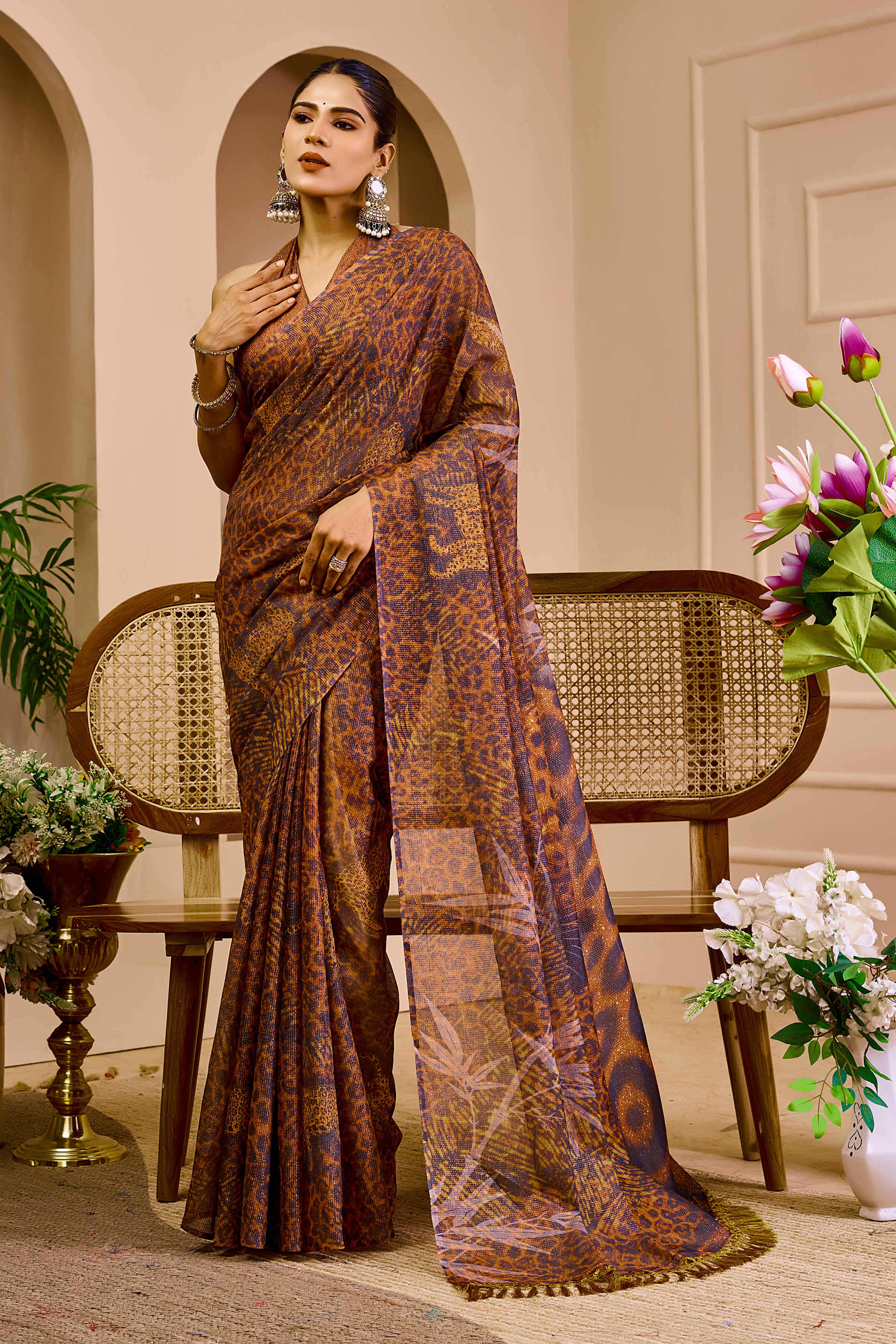
Heavy Sitara Fancy Saree for Wedding & Party Wear can be appropriate for a short formal segment, but dense sitara deserves a seated trial before a full-day ceremony. Sit in the complete outfit for 20 minutes and check whether the embellishment presses into the thighs, whether the pallu pulls at the shoulder and whether the waist feels heavier on one side.
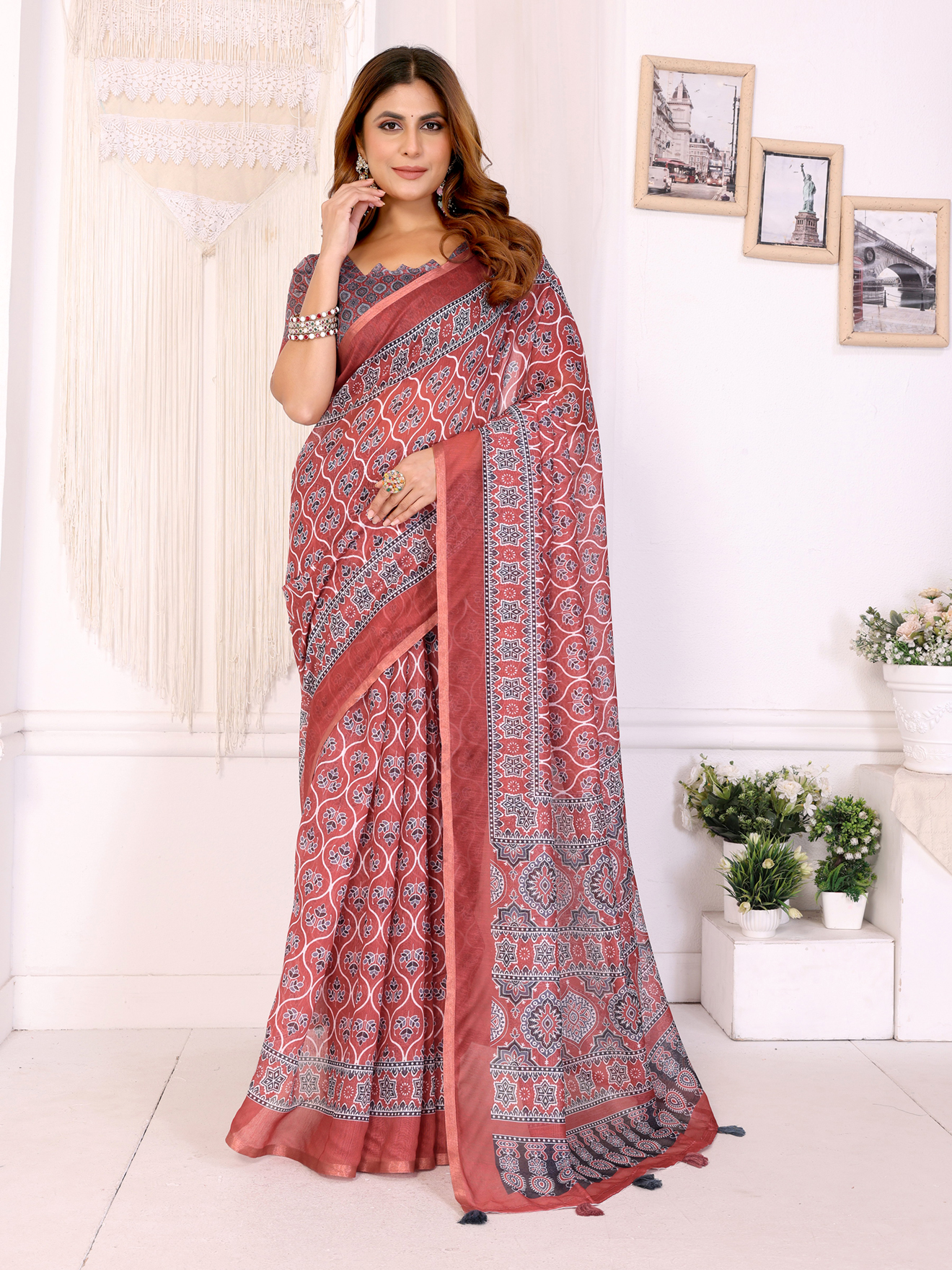
Varnavi Vastra Green Heritage Cotton Saree brings another kind of practical option for a traditional setting because cotton generally provides more grip than a highly polished synthetic surface. The relevant test remains the complete outfit: cotton can still crease or feel warm if the petticoat, blouse and footwear are poorly matched.
How can you test a saree before the ceremony?
A complete 45-minute dress rehearsal is the most useful way to test a saree before a long ceremony. The rehearsal should include the final blouse, petticoat, pins, jewellery and footwear, because each item changes the saree's balance.

- Drape and pin the saree: Set the waist tuck, front pleats and pallu exactly as planned for the event.
- Sit for 15 minutes: Use the likely chair or floor position and note pressure at the waist, knees, shoulder and lower back.
- Stand and walk: Walk 10 to 15 metres, turn twice and climb a few steps if the venue requires stairs.
- Repeat the sitting test: Check whether the pleats have spread, the pallu has slipped or the hem has moved under the feet.
- Make one alteration at a time: Adjust the petticoat tightness, pin placement or pleat width separately so you know which change solved the problem.
Keep a small emergency kit with two safety pins, a few discreet fabric clips, a needle, thread, a stain-removal wipe and a spare blouse hook. Fabric clips can help with a temporary pallu adjustment, but test them on a hidden area first because some clips leave marks on delicate silk, satin or zari.
When comparing budget options, price doesn't automatically predict seated comfort. Sarees Flat 60% Off, Sarees Flat 50% Off and Sarees from Rs 1000 to Rs 1500 can all contain useful ceremony choices, but inspect fabric composition, border construction, blouse details and measurements rather than relying on the discount percentage alone. Sarees Under 20% Off and Sarees Under 10% Off may also be worth comparing when a specific linen cotton or cotton texture is more important than maximum embellishment.
What is the final checklist for a low-maintenance ceremony saree?
The final checklist should confirm fabric stability, secure pleats, comfortable tailoring and correct floor clearance. A saree is ready for a long ceremony when the wearer can sit, stand, walk and reach without feeling compelled to tug at the waist or shoulder.
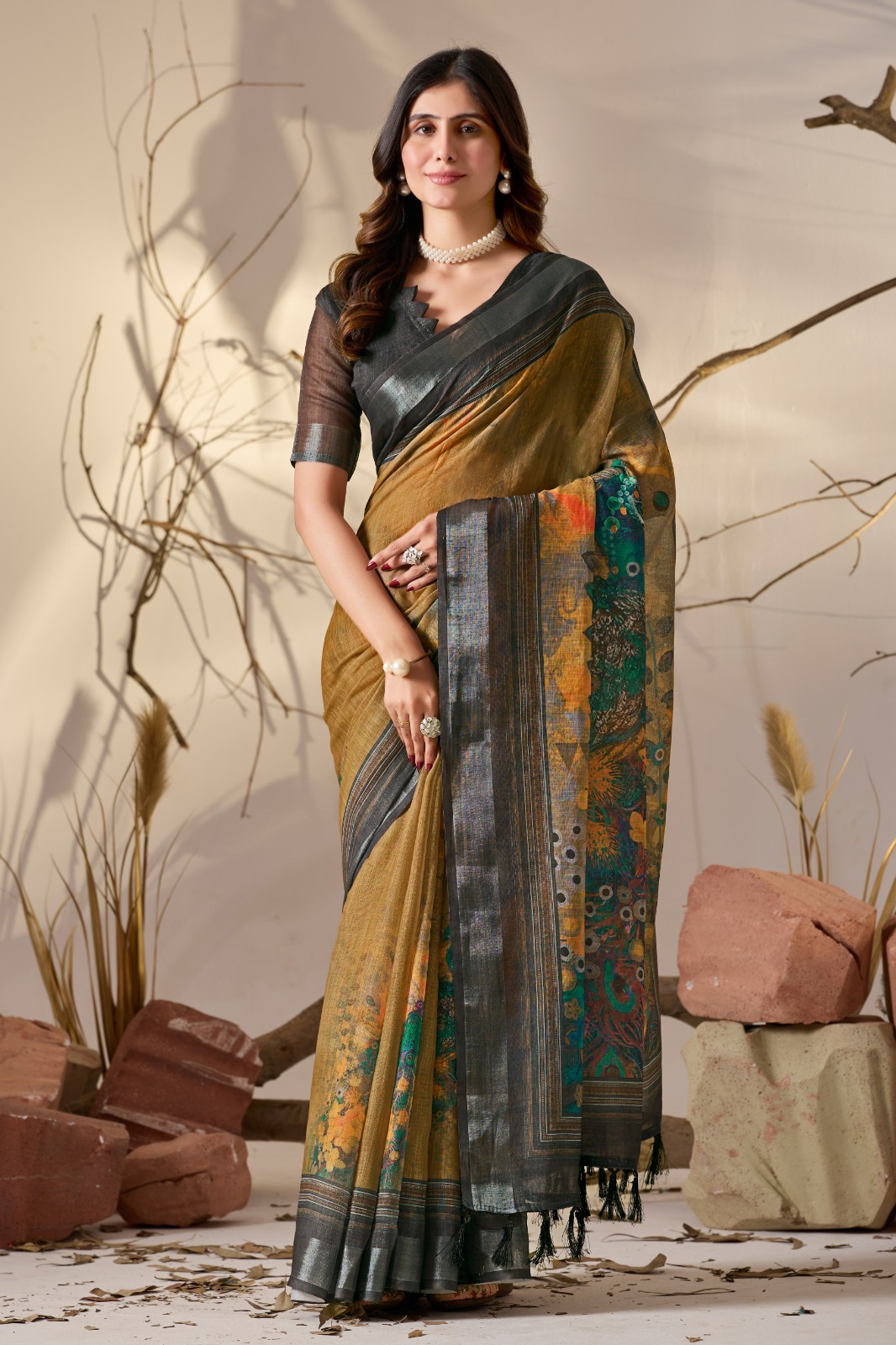
- Choose linen cotton, cotton or a controlled-weight formal fabric when breathability and grip matter.
- Test satin and heavily embellished sarees while seated before committing to an all-day event.
- Press front pleats, allow them to cool and anchor them with discreet pins.
- Use a stable petticoat or underskirt rather than a very slippery base.
- Check the blouse while seated, with arms forward and elbows raised.
- Match the saree length to the exact footwear worn at the ceremony.
- Secure the pallu at the shoulder and keep excess fabric away from chair backs.
- Carry a small repair kit instead of relying on repeated improvisation.
The best low-maintenance saree is the one whose fabric, fit and drape support the ceremony's actual movements. A breathable linen cotton saree may outperform a heavier designer finish at a daytime ritual, while a carefully pinned satin or sitara saree can work well for a shorter evening function. Choosing with the seating arrangement in mind creates a more polished appearance and a much easier day.
Common Questions About Wearing a Saree Through Long Ceremonies
Which saree fabric is most comfortable for sitting for several hours?
Linen cotton and breathable cotton are usually comfortable for several hours because they offer airflow and moderate grip. Satin and heavily embellished sarees can also work, but they need a stable petticoat, secure pleats and a seated trial before the event.
How do I stop saree pleats from opening while sitting?
Press front pleats evenly, let the fabric cool and secure the pleat stack with one or two discreet pins. A well-fitted cotton petticoat or underskirt also reduces rotation and helps the pleats remain aligned when you sit and stand.
Is satin a good saree choice for a long ceremony?
Satin can suit a formal ceremony, but satin is more slippery than linen cotton or cotton. Secure the waist tuck, use six to eight pallu pleats, pin the shoulder and rehearse the complete outfit while sitting before the ceremony.
How should I sit on the floor in a saree without disturbing it?
Gather the front pleats lightly, lower your body with your feet close together and arrange the lower fabric over the knees or to one side. Avoid sitting directly on a stiff border and check that the hem is not caught beneath a heel before standing.
What blouse fit is best for a saree worn all day?
An all-day blouse should have a stable shoulder, a comfortable armhole, enough back ease and a hem that stays aligned with the petticoat while seated. Wear the blouse for at least 30 minutes before the event and test reaching, walking and sitting.
How can I test whether a saree will need constant adjusting?
Wear the complete outfit for a 45-minute rehearsal that includes sitting, standing, walking and turning. If the waist tuck rotates, the pallu slips or the pleats spread during the rehearsal, change the pin placement, petticoat or pleat width before the ceremony.