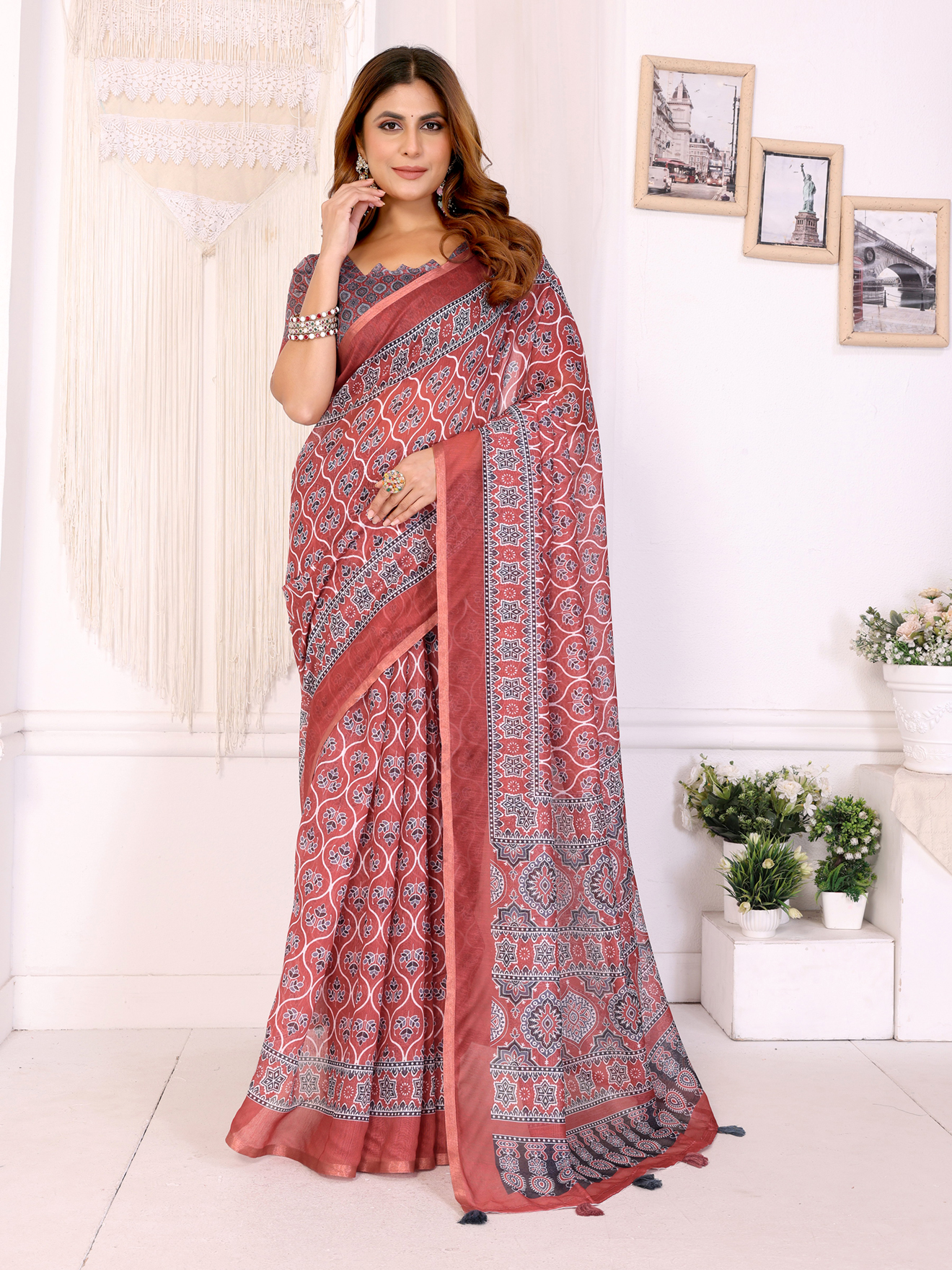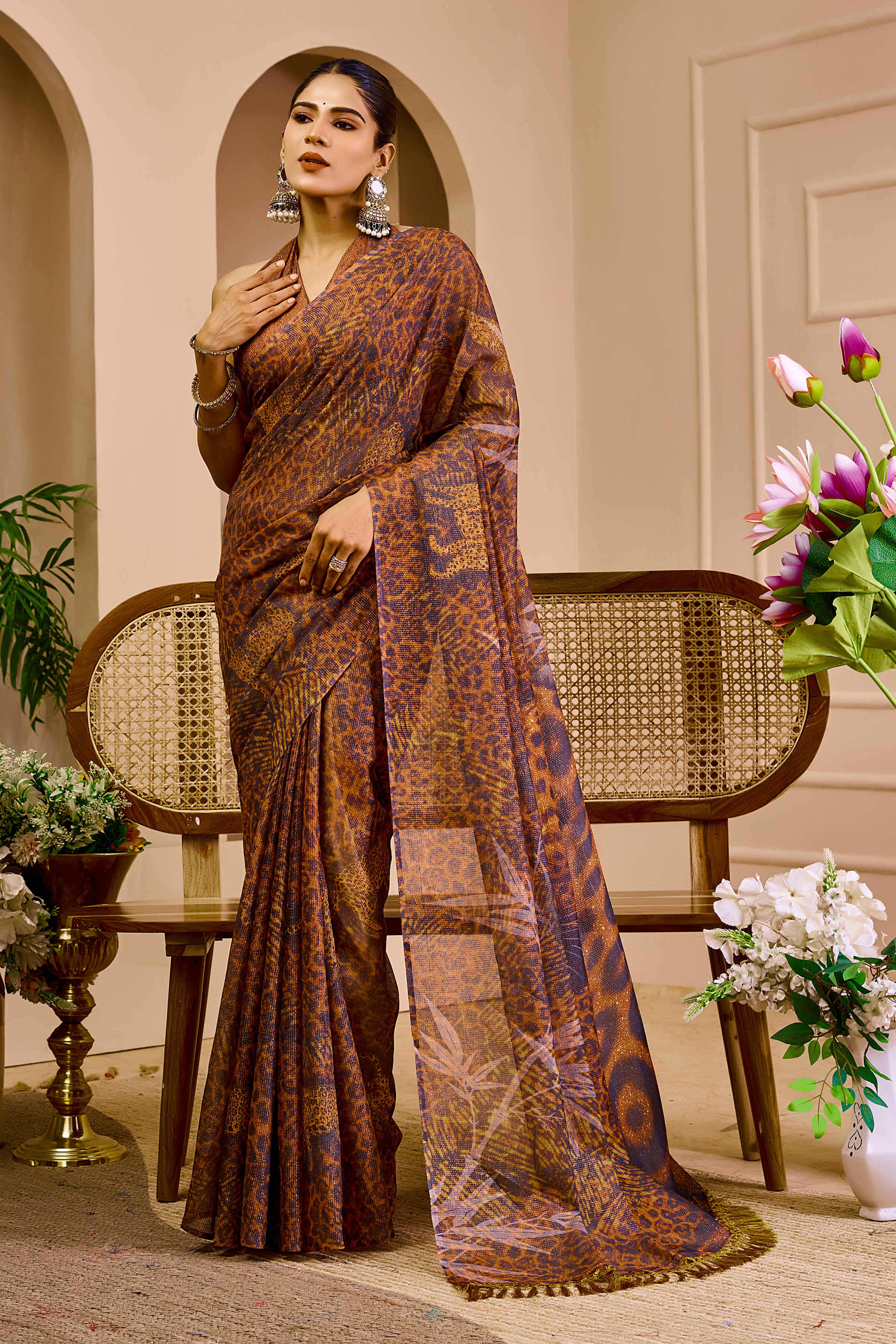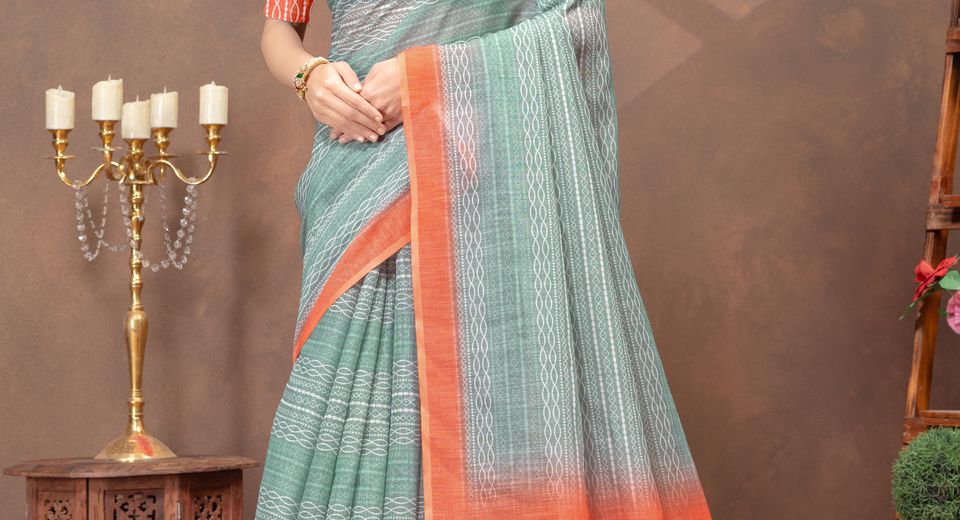
Saree Creases That Disappear Easily and the Ones That Usually Stay depend on the fibre, weave, finish and length of time a fold has been pressed into the cloth. A fresh crease in cotton may relax after light steaming, while a sharp line in linen or a fold beside zari can remain visible for much longer. Knowing the difference helps you choose the right ironing temperature, moisture level and storage method before a rushed dressing session.
A crease isn't always damage. Some folds are temporary compression marks caused by packing, draping or stacking, but repeated folding in the same place can distort yarns and leave a memory in the fabric. The safest approach is to identify the saree's material first, test a hidden edge, and then use the least heat and pressure needed.
What makes one saree crease easier than another?
A saree creases easily when its fibres bend under pressure and remain in that position after the pressure is removed. Cotton and linen absorb moisture readily, so they can develop pronounced fold lines but often respond well to controlled steam and reshaping. Smooth synthetic fibres may show shallow packing wrinkles that disappear quickly, although high heat can create shine or even melt the surface.
The weave also matters. A tightly woven saree generally holds a sharper fold than a loose, airy weave because more yarns are compressed together. A crisp finish, starched cotton, tissue structure or metallic zari can preserve a fold's edge. Prints usually don't change how the base fabric creases, but pigment and surface embellishment make direct ironing riskier.
Crease age is equally important. A fold left for two days in a breathable cupboard is usually easier to release than the same fold stored for six months under a stack of garments. Weight, heat and low humidity set the fold more firmly, particularly along the pallu and pleat area.
Saree Creases That Disappear Easily and the Ones That Usually Stay
Saree Creases That Disappear Easily are usually fresh wrinkles in cotton, cotton blends and lightweight woven fabrics, while deep fold lines in linen, starched cloth and areas near zari usually stay longer. The distinction doesn't mean that a linen crease is permanent or that every cotton crease vanishes instantly. It indicates how much moisture, time and careful pressing the fabric is likely to need.
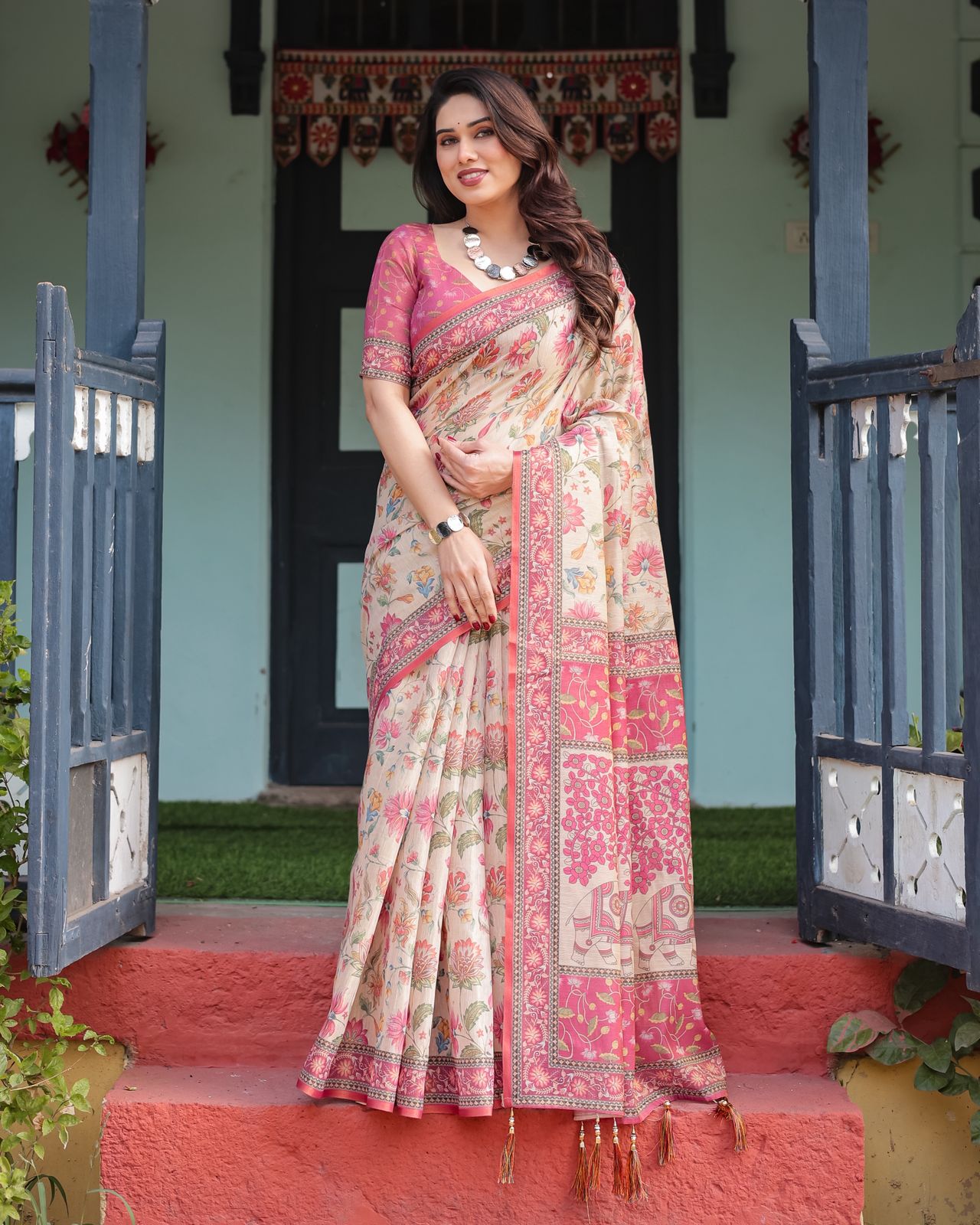
Fresh packing creases
Fresh packing creases usually disappear with gentle steam, a short airing period or low-temperature ironing through a cotton cloth. Unfold the saree fully, hang it for 30 to 60 minutes, and let gravity loosen shallow lines before applying heat. Avoid pressing a folded saree because the iron can sharpen the adjacent fold.
Deep fold creases
Deep fold creases usually require several careful passes rather than one forceful pass. Place the saree flat on a clean ironing surface, cover it with a thin white cotton pressing cloth, and move the iron continuously for two or three seconds at a time. If the line remains, add a small amount of steam and allow the area to cool flat instead of increasing the temperature immediately.
Creases beside zari and borders
Creases beside zari are harder to release safely because metallic threads can flatten, snag or lose their finish under direct heat. Press the reverse side through a cotton cloth, keep the iron away from raised zari, and use brief contact rather than sustained pressure. A professional saree-care service is safer for antique zari, heavy woven borders or embellished pallus.
How cotton, linen and tissue sarees respond to creases
Fabric-specific handling gives better results than using one ironing setting for every saree. The examples below describe common behaviour, but a care label and a hidden-area test should always take priority.

Cotton and cotton-blend sarees
Cotton sarees usually release creases well with moderate moisture and medium heat. Iron a slightly damp saree only when the fabric is clean and colourfast, because moisture can spread dye or create water marks on some finishes. A dry saree can be misted lightly from a distance, then pressed on the reverse through cotton fabric.
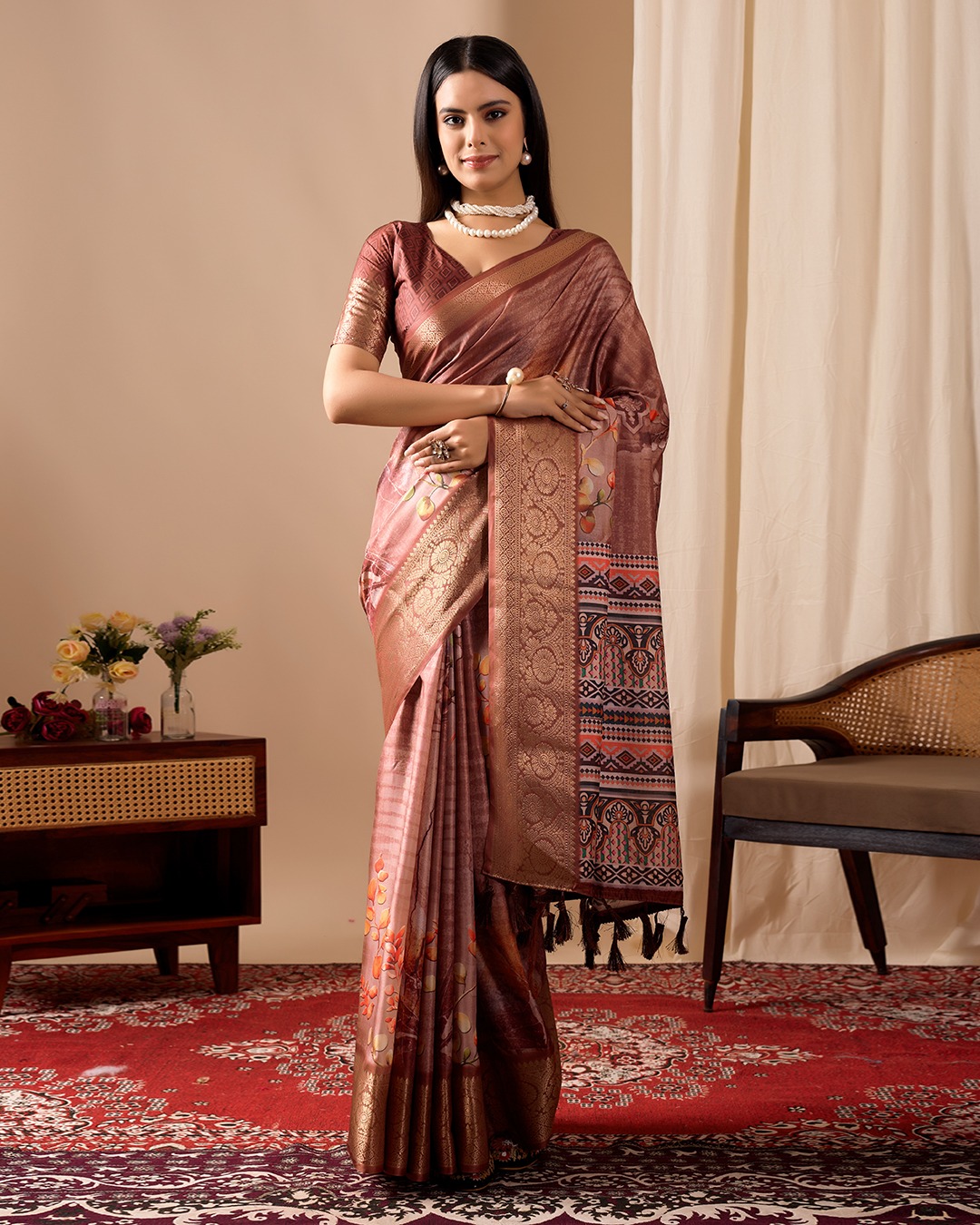
A handloom cotton saree may have small variations in texture that should not be flattened aggressively. Cream Pink Tissue Handloom Cotton Saree with Zari and Pastel Floral Tissue Handloom Cotton Saree with Zari Weaves combine cotton structure with a tissue-like surface and zari, so the zari areas deserve cooler, shorter pressing than the plain body. The aim is to remove packing lines without crushing the raised weave.
Linen and linen-cotton sarees
Linen develops visible creases because flax fibres have lower elasticity than many cotton fibres. Linen creases often soften with steam but may not disappear completely, especially at the lower pleats, pallu folds and areas that have been stored under weight. Press linen while it's slightly damp, using the reverse side and steady movement.
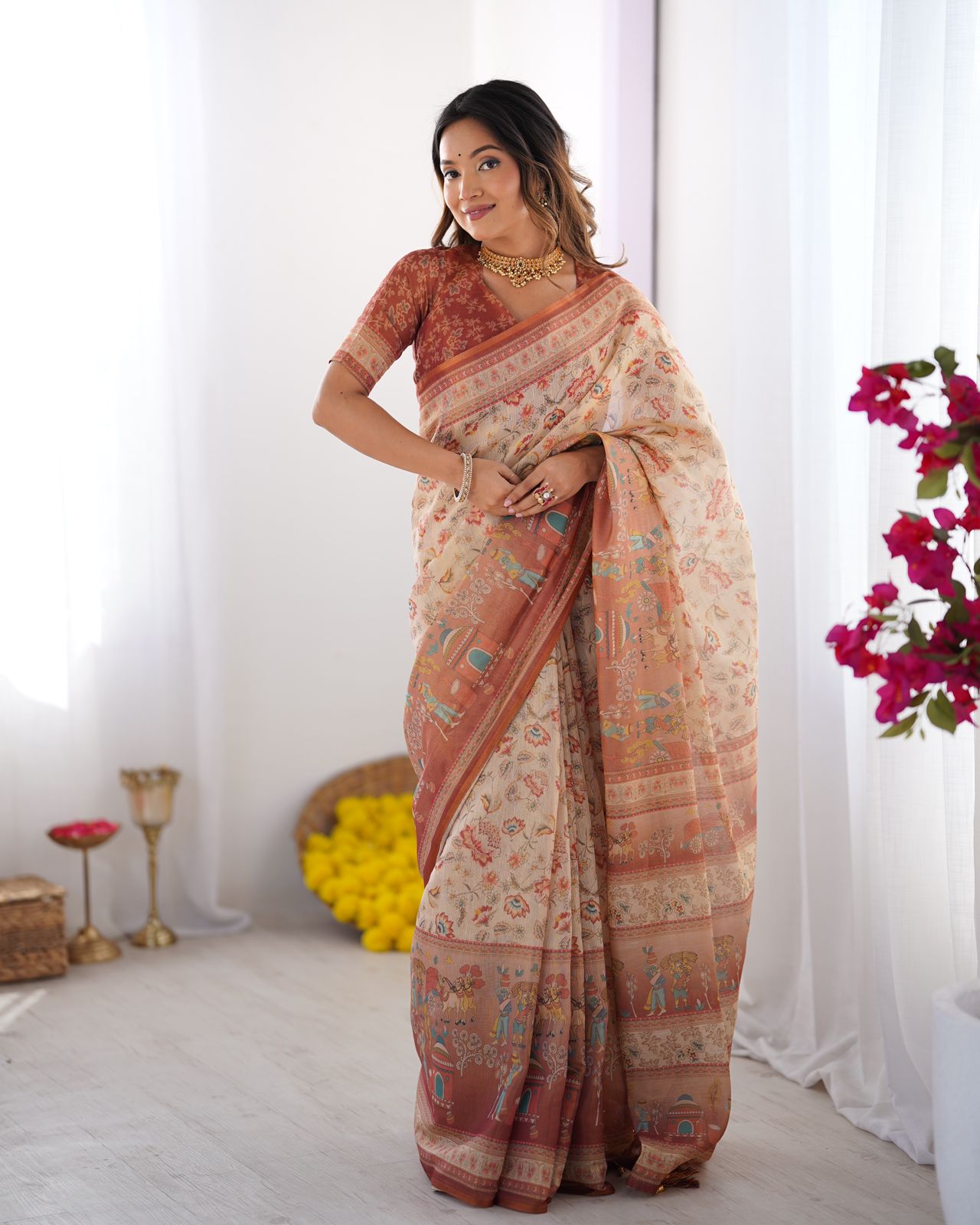
Cream & Blue Floral Linen Cotton Saree with Contrast Border, Pastel Linen Cotton Floral Print Saree with Designer Blouse, Teal Floral Linen Cotton Saree with Elegant Contrast Border and Peach Linen Cotton Floral Print Saree with Blouse for Women illustrate why body and border should be treated separately. The linen-cotton body can tolerate careful steam, while a contrast border, printed area or attached blouse should be tested first. Floral prints should not be rubbed or pressed with a dirty soleplate, because heat can transfer residue into the surface.
Tissue and lightweight woven sarees
Tissue sarees often show temporary crush marks but can also develop unwanted shine when pressed directly. Use the lowest effective setting, a thick cotton pressing cloth and the reverse side. Do not drag an iron across a lightweight tissue surface; lift and place the iron in short movements to avoid stretching the weave.
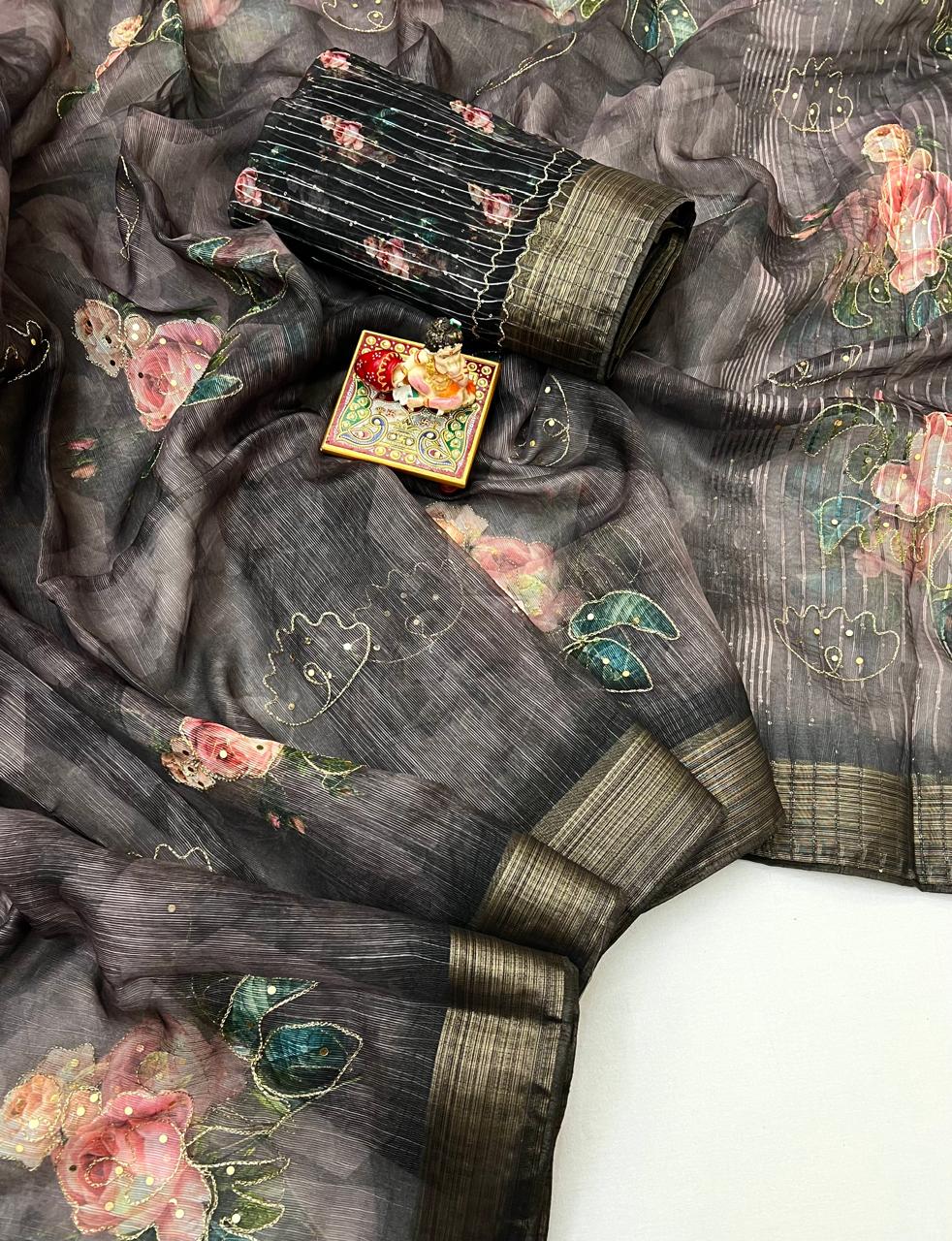
Lightweight Cream Saree with Designer Floral Pattern may need only hanging and gentle steaming if its creases are shallow. Keep the steamer at least 15 to 20 centimetres away, and support the hem so steam doesn't pull the fabric downward while it's warm.
Which ironing method removes creases without damaging fabric?
The safest ironing method is reverse-side pressing through a clean cotton cloth at the lowest temperature that releases the wrinkle. This method limits direct contact, protects prints and zari, and gives you time to judge whether additional heat is necessary.
- Read the care label and identify whether the saree contains cotton, linen, silk, synthetic fibre or metallic work.
- Check the iron soleplate for starch, oil or dark residue that could transfer to the saree.
- Test a hidden corner or inner fall area for colour bleeding, shine and texture change.
- Lay the saree flat without stretching the selvedge, then cover one small section with a white cotton cloth.
- Press the reverse side in short, moving strokes; never leave a hot iron standing on one spot.
- Let each pressed section cool completely before folding it, because warm cloth can form new creases under pressure.
A steamer is useful for hanging sarees and light packing wrinkles, but steam isn't automatically safer than an iron. Excess moisture can water-mark some prints, and the weight of wet fabric can stretch a loosely woven border. Keep the steamer moving, avoid direct contact with zari, and let the saree dry fully before wearing or storing it.
Why do some saree creases refuse to disappear?
Some saree creases refuse to disappear because repeated compression has changed the position or tension of the yarns rather than merely bending the surface. This is common along permanent fold lines, narrow pleat channels and edges that have been stored beneath heavy stacks. Linen and starched cotton can retain these lines because their fibres recover less readily.

Heat can make a stubborn crease look temporarily smoother without restoring the original structure. Once the cloth cools, the line may return. Pressing harder isn't a reliable solution: excessive pressure can flatten texture, create gloss, damage a print or set a sharper line beside a zari border.
A crease may also be mistaken for a weave variation. Handloom cotton can contain small changes in yarn thickness or density that remain after washing and pressing. Compare the mark with the surrounding weave under natural light. If the line follows a repeated fold exactly, it's likely a crease; if the texture varies across the panel, it may be part of the fabric construction.
Storage habits that prevent permanent fold lines
Correct storage prevents more creases than repeated ironing can remove. Fold a completely dry saree along different lines each time, keep heavy embellished garments above rather than on top of delicate weaves, and avoid compressing the stack in an overfilled shelf.

- Refold a saree every two to three months if it remains stored for a long period.
- Use clean, breathable cotton or muslin wrapping instead of sealed plastic for routine wardrobe storage.
- Place tissue paper between zari-heavy folds to reduce friction and pressure marks.
- Keep sarees away from direct sunlight, damp walls and strong perfume or cosmetic residue.
- Store the blouse separately when its seams or hooks create pressure marks on the saree body.
- Store only sturdy sarees on broad, padded hangers; avoid narrow wire hangers that create shoulder points.
Price or discount status doesn't determine how a saree will crease, but a purchase can be easier to plan when the likely care needs are clear. Collections such as Sarees from Rs 1000 to Rs 1500, Sarees Under 20% Off and Sarees Under 10% Off can be compared by fibre, weave and border construction rather than by price alone.
Deeply discounted pieces still deserve the same inspection. Sarees Flat 60% Off and Sarees Flat 50% Off may include different materials and finishes, so check the product description and care information before choosing an ironing routine. A lower price doesn't make high heat safer for tissue, linen or zari.
What to do before wearing a creased saree
The quickest safe routine is to air the saree, identify the worst lines, test a hidden area and press only the visible sections that need attention. This approach prevents unnecessary heat across the entire six-metre length.
For a saree needed the same day, open it at least two hours beforehand. Hang the body over a wide rail, separate the pallu so air can circulate, and use a steamer only on shallow wrinkles. For a deep crease, place the saree flat and press through cotton cloth rather than trying to stretch the line away while draping.
don't spray perfume, starch or water directly onto a printed saree immediately before ironing. Sprays can leave concentrated marks, and fragrance oils may darken pale cotton or linen. Apply cosmetics and perfume after the saree has cooled and is ready to wear.
When the saree is worn frequently, rotate fold positions instead of repeating the same pleat line every time. The practice distributes compression across the length and reduces the chance that one fold becomes a lasting crease.
When should a saree go to a professional cleaner?
A saree should go to a professional cleaner when it has bleeding colours, antique zari, heavy embellishment, mould, oil stains or a crease that remains after cautious home treatment. Professional handling is especially sensible when the fabric content is unknown or the saree has sentimental value.
Explain the problem clearly before service begins. Mention whether the crease is near zari, whether the saree has been washed recently, and whether any home product has been applied. A cleaner can then choose a suitable pressing or cleaning process instead of treating the entire saree as ordinary cotton.
Never keep increasing heat because a fold has not disappeared after one pass. A persistent crease is information about the fabric's structure, not an invitation to apply more force. Patience, moisture control and correct storage usually protect the saree better than aggressive pressing.
Practical Answers About Saree Creases and Safe Pressing
Which saree fabrics lose creases most easily?
Fresh creases in cotton, cotton blends and lightweight woven sarees usually release most easily with airing, gentle steam or medium-temperature pressing through cotton cloth. Linen can soften without becoming completely smooth, while tissue and zari require lower heat and shorter contact.
How can I remove deep creases from a linen saree?
Press a linen saree slightly damp on the reverse side through a clean cotton cloth. Use steady, moderate heat and allow each section to cool flat; repeated light passes are safer than one very hot pass.
Can I iron a saree with zari?
You can press many sarees with zari if you use the reverse side, a cotton pressing cloth and brief contact at low or moderate heat. Avoid placing the iron directly on raised zari, and use professional care for antique, dense or fragile metallic work.
Is steaming safer than ironing a printed saree?
Steaming is useful for shallow wrinkles, but it is not always safer because excess moisture can mark some prints or stretch a loose weave. Keep the steamer 15 to 20 centimetres away, keep it moving, and test a hidden area first.
Why do saree creases return after ironing?
Creases can return when repeated compression has changed yarn tension, especially in linen, starched cotton and heavily folded areas. Letting the fabric cool flat, changing fold positions and reducing stack weight can help prevent the line from setting again.
How should I store a saree to avoid permanent creases?
Store a completely dry saree in breathable cotton or muslin, refold it along different lines every two to three months, and keep heavy garments from pressing on delicate fabric. Tissue paper between zari-heavy folds can reduce pressure and friction.