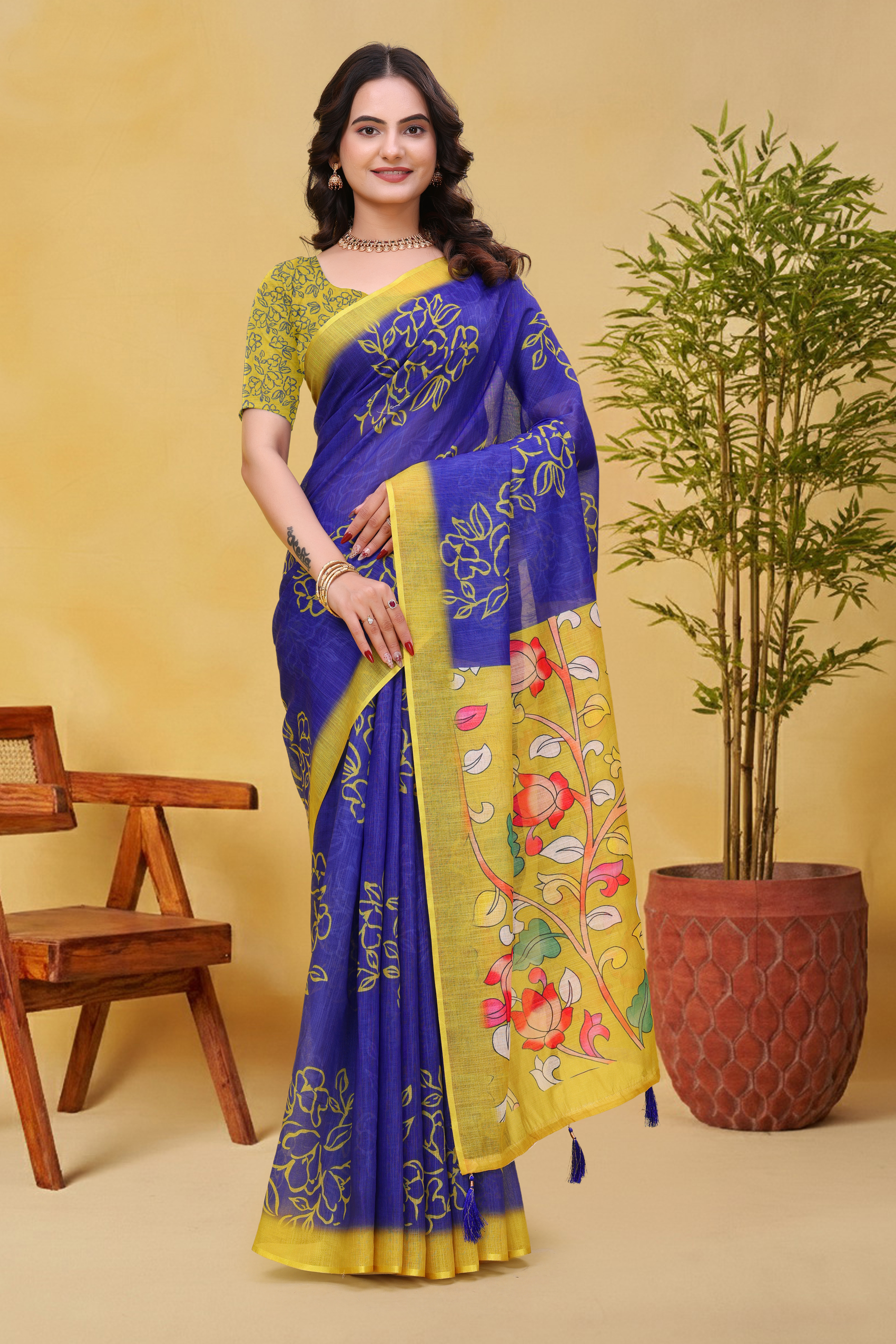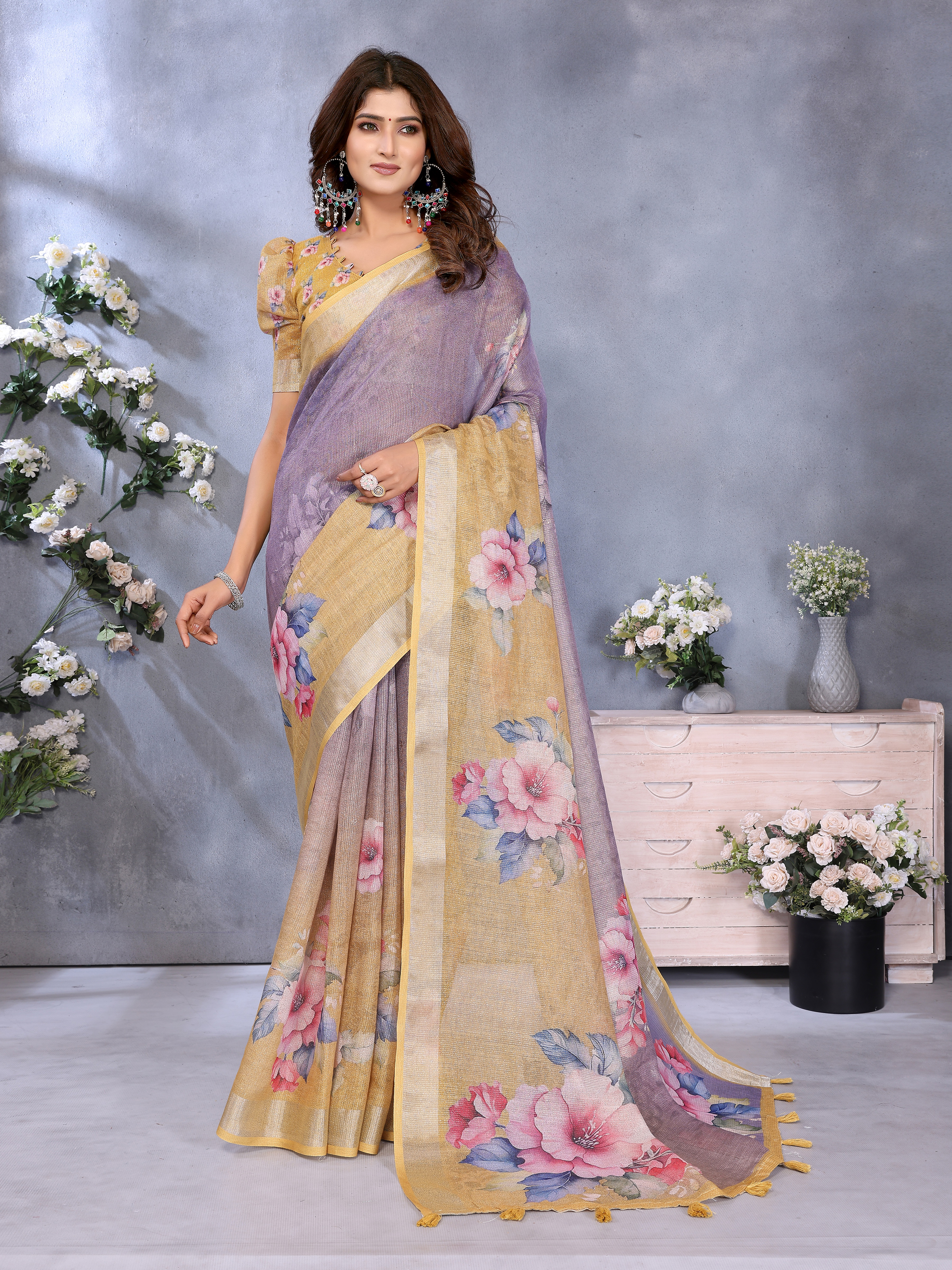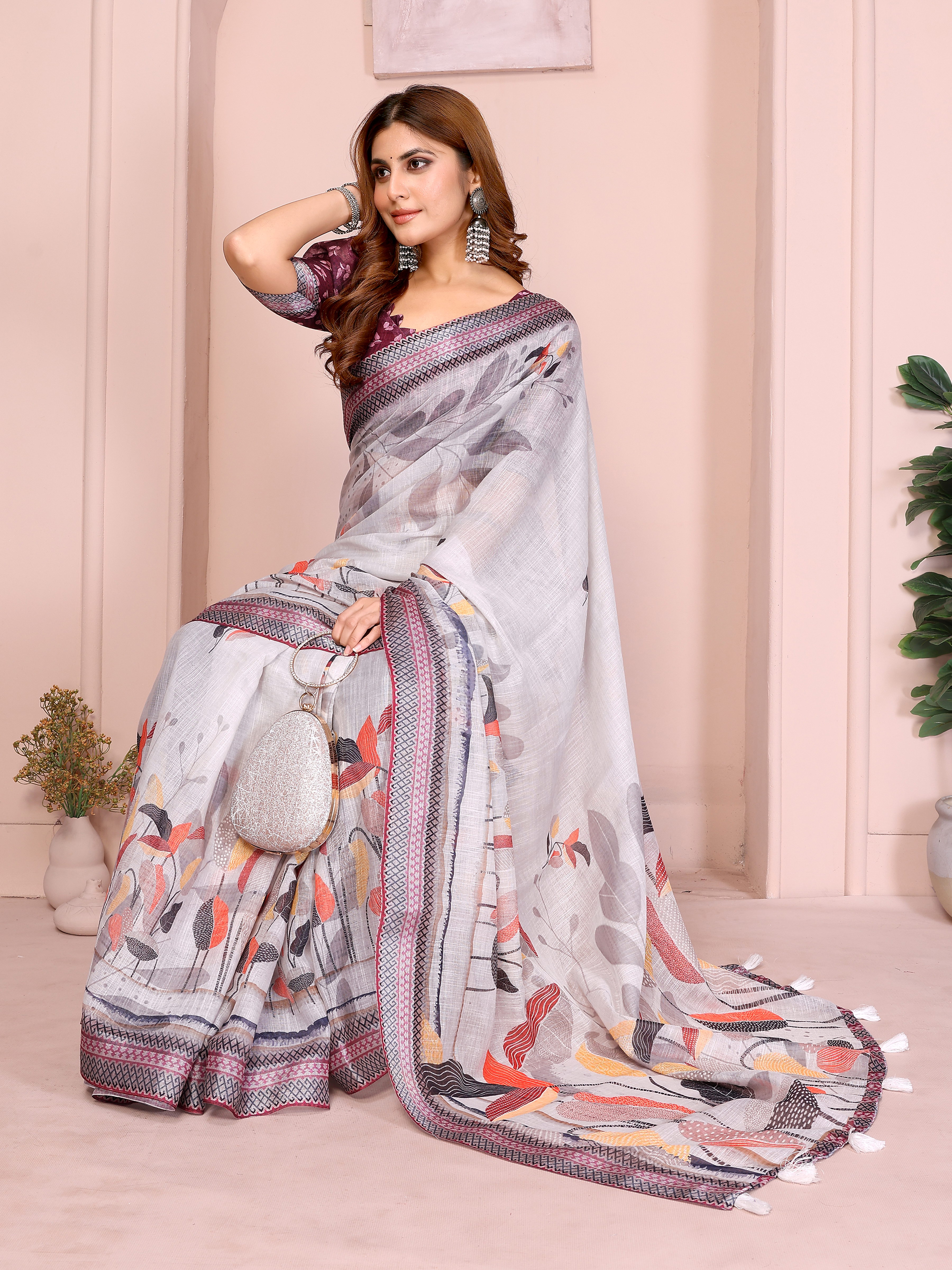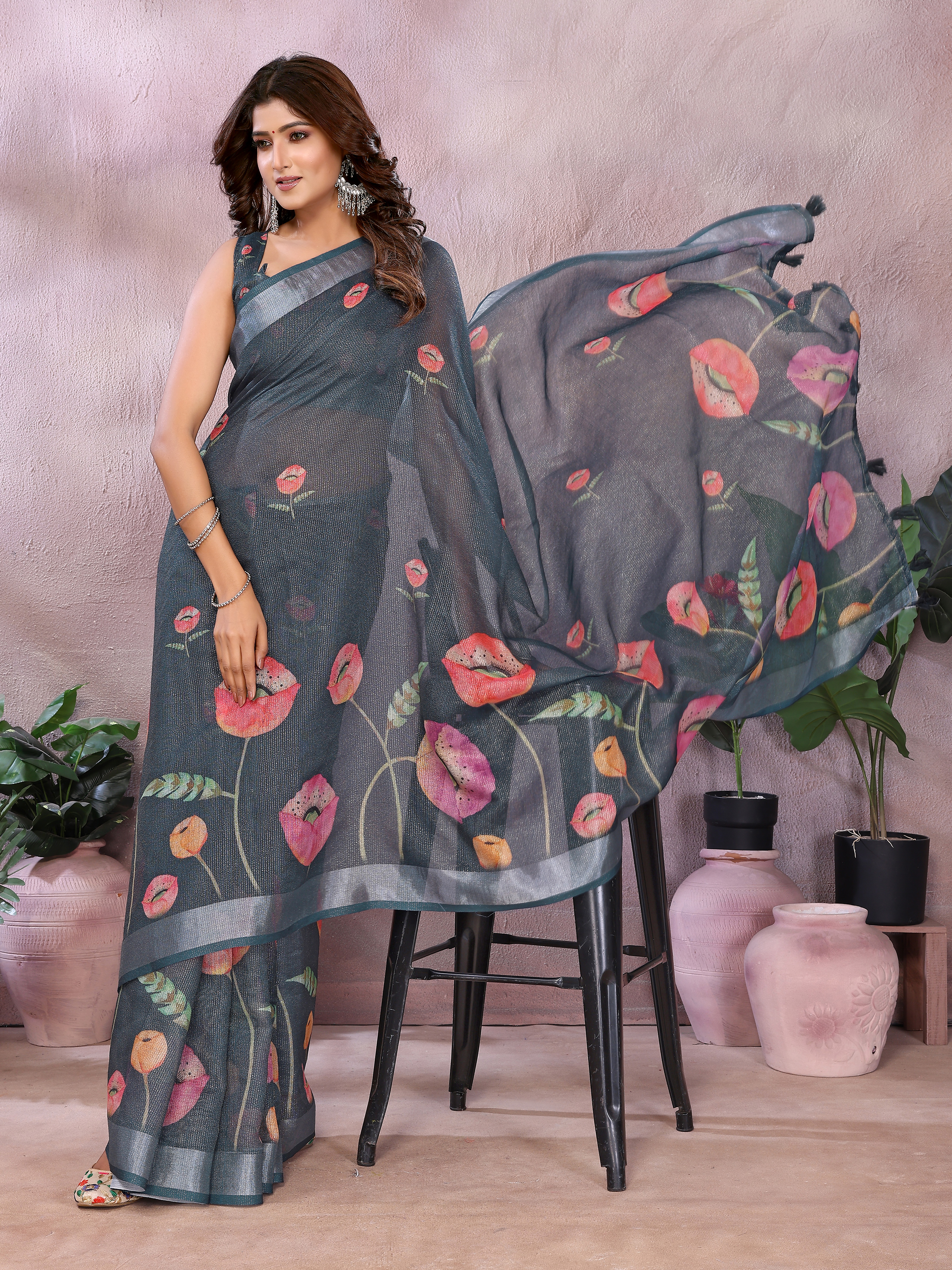
Why some kurtis twist around the body after a few washes is usually a construction and care problem, not simply a sign that the fabric is poor. A kurti can begin rotating at the side seam, pulling across the front, or swinging unevenly at the hem when fabric grain, yarn tension, shrinkage, stitching, and washing pressure work against one another. Understanding these causes helps you choose better-made salwar suits and protect their shape after purchase.
What does a twisting kurti look like?
A twisting kurti changes position on the body even when the wearer stands still. The side seam may travel towards the front or back, the placket can stop lying centrally, one sleeve can feel tighter, and the hem may appear longer on one side.
These symptoms are different from ordinary looseness. A loose kurti generally hangs evenly but has extra room. A twisted kurti has uneven tension: one area pulls while another develops diagonal folds. The problem often becomes clearer after washing because wet fabric exposes hidden tension in the yarns and seams.
Look at the garment on a flat surface before deciding that the body shape caused the problem. Match the shoulder seams, smooth the side seams into a straight line, and compare both hem corners. If the garment can't lie symmetrically when empty, the imbalance began during weaving, cutting, or sewing.
Why some kurtis twist around the body after a few washes
Why some kurtis twist around the body after a few washes can be explained by five connected factors: off-grain fabric, uneven shrinkage, yarn relaxation, seam distortion, and harsh laundering. A single kurti may show more than one factor at the same time.
Off-grain cutting
Off-grain cutting is the most important structural cause of a kurti rotating during wear. Woven fabric has lengthwise yarns called the warp and crosswise yarns called the weft. When a pattern is placed at an angle instead of following the warp, the garment panels pull diagonally after movement and washing.
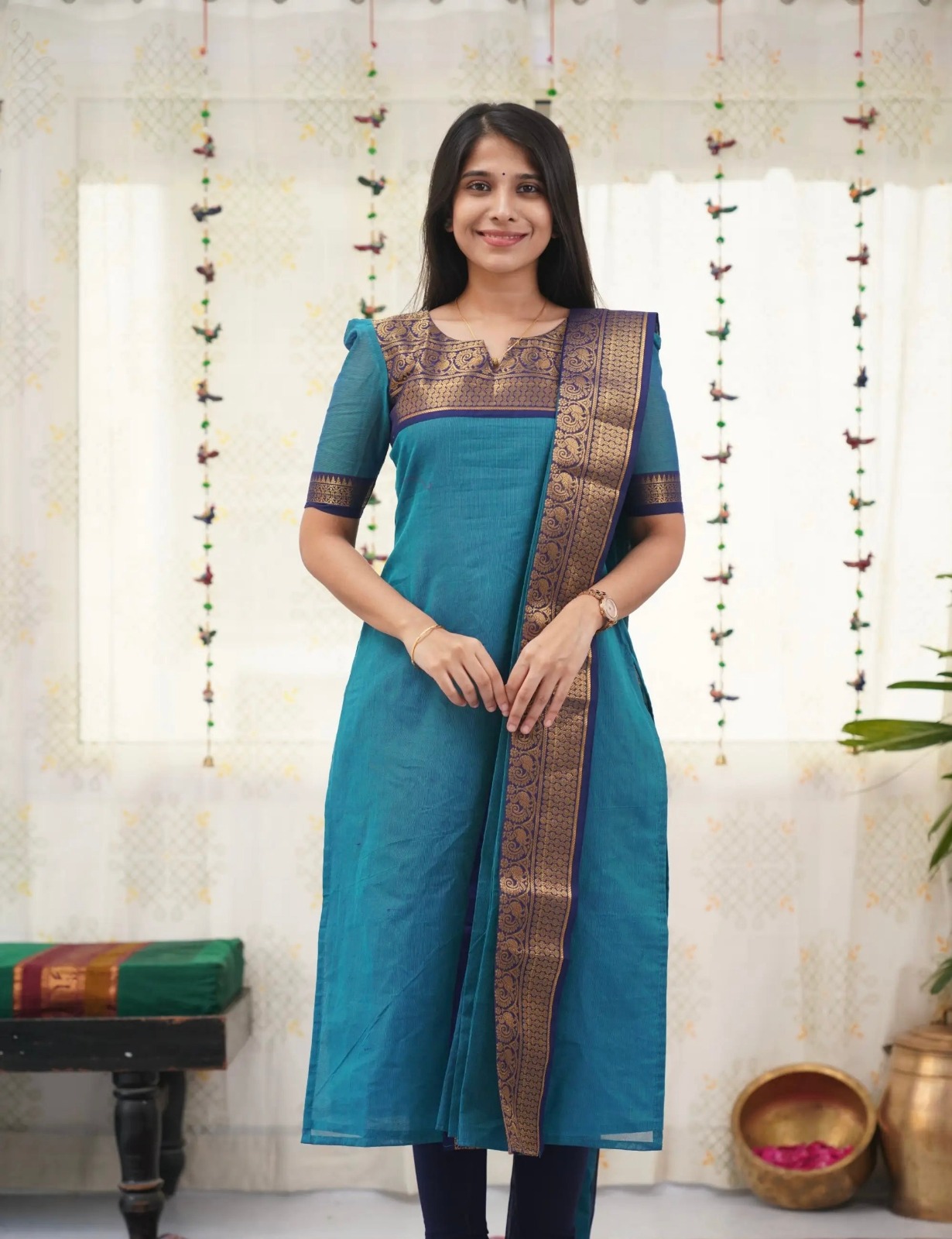
Small deviations can remain unnoticed in a loose silhouette, but long straight kurtis reveal them quickly. The front and back panels may contract in different directions, causing the side seam to migrate. Handloom or textured fabrics can require particularly careful cutting because visible stripes, zari lines, and woven motifs make grain easier to assess.
Uneven shrinkage
Uneven shrinkage occurs when different panels, yarn directions, or trims contract by different amounts. Cotton can shrink when exposed to water, heat, agitation, or a sudden change from wet to dry. The warp may shorten more than the weft, or a densely woven border may behave differently from the main fabric.
A cotton kurti that was not pre-washed before cutting may lose a little length and width. If the front panel shrinks more than the back panel, the garment develops diagonal strain. Cotton blends, woven dupattas, lining fabrics, and decorative panels can also respond differently because their fibre content and construction are not identical.
Yarn and weaving tension
Residual yarn tension can release during the first few washes and alter the fabric's balance. Weaving, dyeing, calendaring, and finishing place temporary stress on cloth; water allows some yarns to relax and move back towards their natural position.
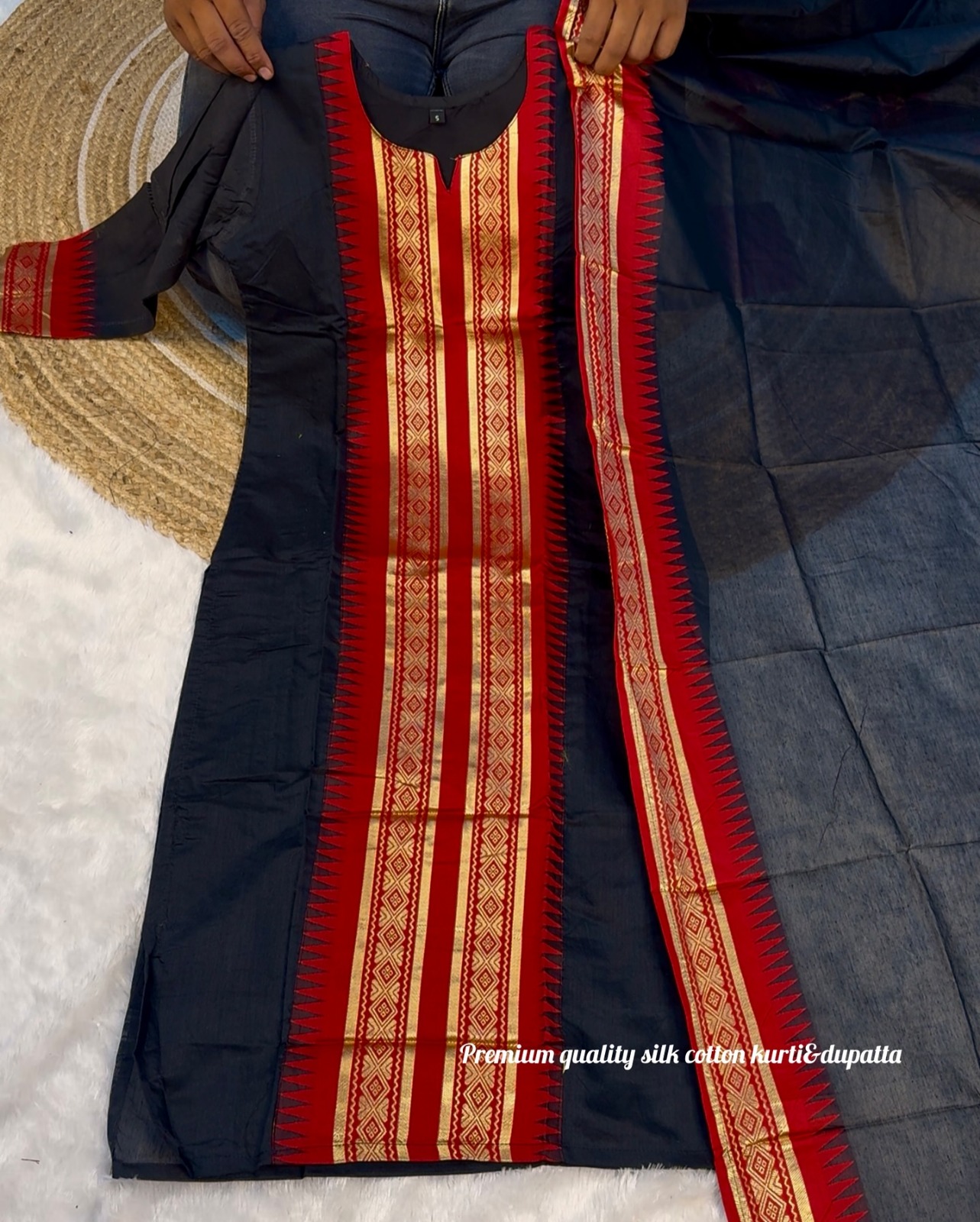
Traditional-looking textiles are not automatically immune to this behaviour. A Kanchi cotton weave, a jacquard surface, and a smooth plain-weave cotton each have distinct yarn arrangements. Navy Kanchi Cotton Kurti Set with Woven Dupatta and Kanchi Cotton Jacquard Kurti Dupatta Set illustrate why surface texture and weave density matter when judging post-wash movement.
Seam and overlock distortion
Seam distortion happens when stitching gathers one panel, stretches another, or fails to follow the intended line. A sewing machine feed can push lightweight fabric unevenly, while tight thread tension can create a slight ridge along the seam.
Overlocked edges may also contract if the stitch is too tight. A seam that looks straight on the hanger can become wavy after water reaches the thread and fabric. Side seams, sleeve joins, princess seams, and panels near a heavy woven border deserve close inspection because those areas carry different loads.
Washing stress
Washing stress accelerates twisting when a kurti is soaked for a long time, scrubbed, wrung, washed in a crowded machine, or dried from one shoulder. Wet cotton becomes heavier, and twisting the garment while it carries that weight can permanently set diagonal distortion.
Hot water and high dryer temperatures increase shrinkage risk. Strong detergent doesn't directly rotate a kurti, but repeated chemical and mechanical stress can weaken fibres and change the relationship between the fabric and seams. A garment that was only slightly off-grain may become visibly skewed after several aggressive washes.
How can you check a kurti before buying?
You can identify many twisting risks before buying by checking grain, symmetry, seams, and fabric recovery on a flat surface. A quick inspection is more useful than judging only colour, embroidery, or the appearance of the garment on a model.
- Check the side seams. The side seams should run from the centre of each underarm towards the hem without spiralling. A seam that already leans forward or backward is a warning sign.
- Compare the shoulders. Place the garment flat and align the neckline. Both shoulder seams should have similar lengths, and the armholes should not sit at noticeably different angles.
- Study the hem. Measure or visually compare both sides from the shoulder. A small difference may come from design, but an unexplained diagonal hem often indicates panel imbalance.
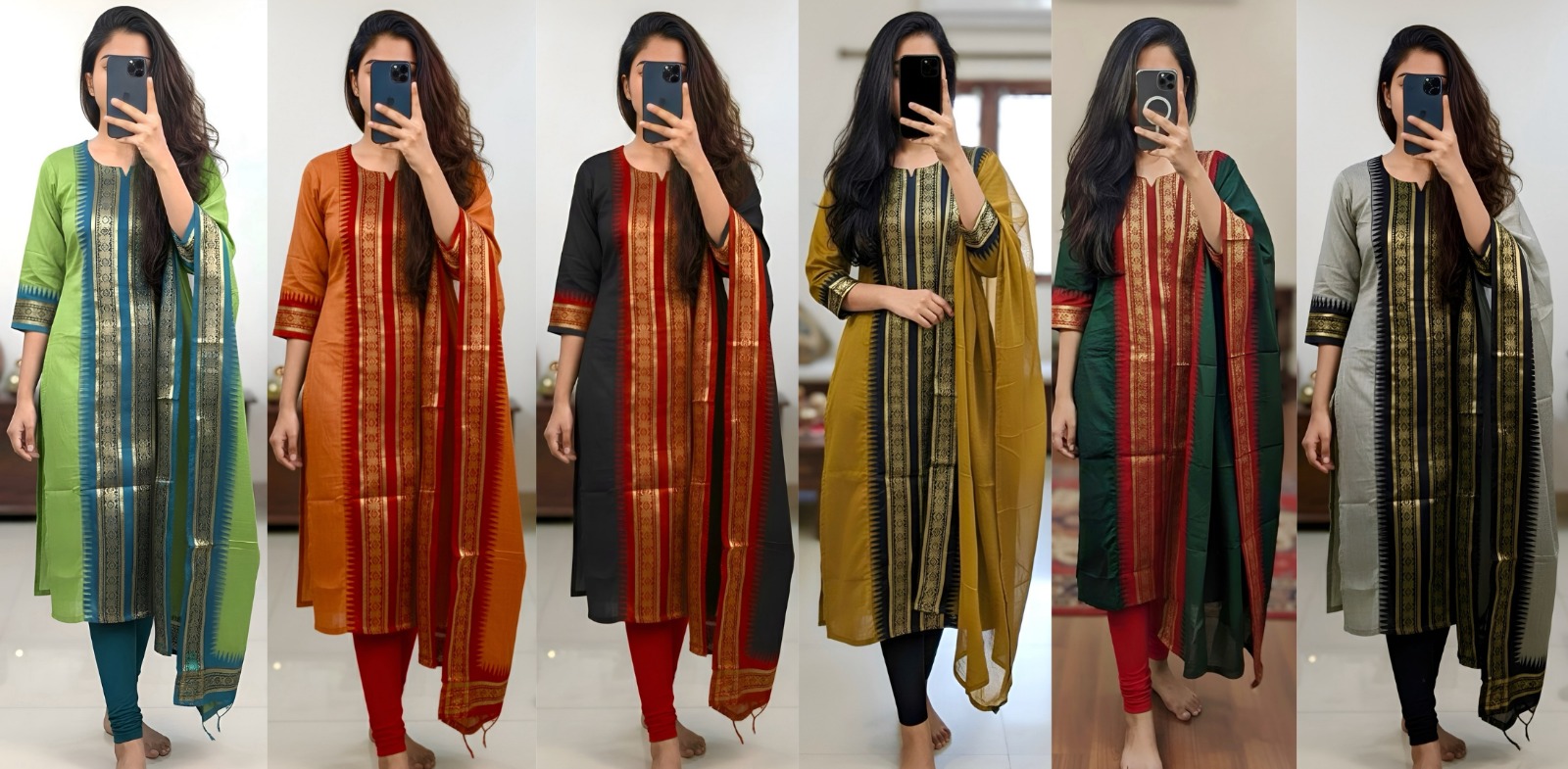
- Inspect woven lines. On a striped or patterned fabric, motif lines should remain reasonably consistent with the garment's vertical direction. Kanjeevaram-inspired borders, zari bands, and jacquard motifs make serious cutting errors easier to spot.
- Look inside the garment. Seams should have even stitch density without puckering, skipped stitches, or a tightly pulled overlock. Loose threads are repairable; a consistently wavy seam is more concerning.
- Ask about care. A seller or care label should state whether the fabric needs gentle washing, cold water, shade drying, or dry cleaning. Care instructions are part of fit preservation, not an afterthought.
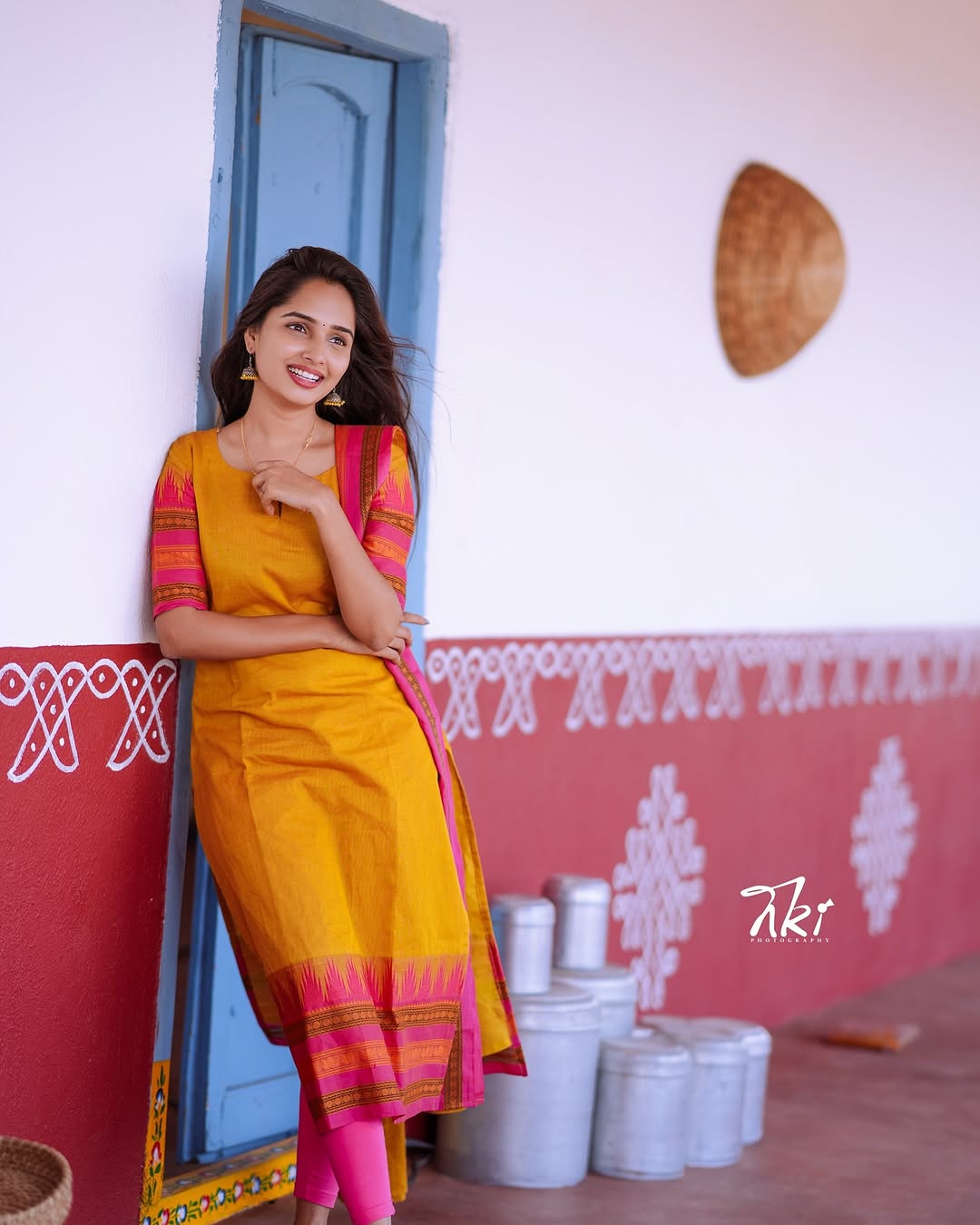
The Royal Orange Kurti Pant Set and Classic Yellow Cotton Kurti Set with Woven Dupatta are useful examples of why coordinated garments need balanced construction across more than one piece. A kurti may remain straight while trousers or a dupatta shrink differently, making the complete salwar suit look mismatched after laundering.
Which fabrics and details need extra care?
Cotton, textured weaves, zari work, and mixed-fabric details need more controlled washing than smooth synthetic fabrics. Fibre content alone doesn't predict twisting; weave density, finishing, embellishment, and panel construction matter equally.
Cotton and handloom-style weaves
Cotton is breathable and practical, but cotton can shrink and crease when exposed to heat and agitation. Kanchi cotton and other structured weaves may retain a crisp shape when washed gently but become distorted when wrung or dried unevenly.
A cotton kurti should be washed according to its label, especially during the first wash. A short soak in cool or lukewarm water is safer than leaving the garment submerged overnight. Lime Green Kanchi Cotton Kurta Dupatta Set - and Kanchi Cotton Zari Woven Kurti Set with Traditional Dupatta demonstrate why a woven texture or decorative thread calls for measured handling rather than routine heavy washing.
Jacquard and zari surfaces
Jacquard fabric contains a woven pattern created by a more complex yarn structure, while zari adds a metallic or metallic-effect thread to the design. Both details can make the fabric heavier or less forgiving when pulled wet.
Turn jacquard and zari kurtis inside out before a gentle wash when the care label permits it. Avoid brushes and strong rubbing over the motif. Press excess water out between clean towels instead of twisting the garment, and dry it flat or on a broad hanger according to the label.
Printed and embellished fabrics
Printed cotton may fade or develop a harsher hand when washed with strong detergent, while embroidery and surface embellishment can pull at nearby seams. Kalamkari Print Salwar Suits require colour-care awareness because printed surfaces should not be left in direct, intense sunlight for prolonged periods.
Textile traditions also affect handling expectations. Maharashtra Paithani Inspired Salwar Suits, Gujarat Bandhej Salwar Suits, Odisha Sambalpuri Salwar Suits. Punjab Patiala Salwar Suits may use visual features associated with regional textiles, but the correct care method still depends on the actual fibre, dye, lining, and label rather than the regional name alone.
How should you wash a kurti to prevent twisting?
You can reduce twisting by using cool water, gentle movement, careful rinsing, supported drying, and low-pressure ironing. The correct routine protects both fabric grain and the seams that hold the garment in shape.
- Read the care label first. Follow a dry-clean-only instruction even when the fabric looks washable. Check whether the label specifies hand wash, machine cycle, temperature, or dry cleaning.
- Wash similar colours together. Separate deep dyes from pale cotton, particularly during the first two or three washes. Avoid washing a delicate kurti with towels, denim, or garments with hooks that create extra friction.
- Use cool or lukewarm water. Water around 20°C to 30°C is generally gentler than hot water for cotton garments, unless the care label gives different instructions.
- Keep soaking brief. Five to ten minutes is usually enough for a lightly soiled kurti. Long soaking allows dyes, fibres, and seams to remain under water stress for too long.
- don't wring. Lift the garment with both hands, press water out gently, or roll it inside a clean towel. Twisting wet fabric is one of the fastest ways to create diagonal distortion.
- Reshape while damp. Align the placket, shoulders, side seams, sleeves, and hem on a flat drying surface. Correcting the shape before the fabric dries can prevent a minor shift from becoming permanent.
- Dry away from harsh sunlight. Shade drying reduces colour fading and uneven drying. Do not hang a heavy, soaking-wet kurti from one narrow hanger because the shoulder may stretch and the body may pull sideways.
- Iron with moderate heat. Iron along the grain rather than dragging the iron diagonally across the fabric. Use a pressing cloth for zari, prints, jacquard, and dark colours when the label permits ironing.
A washing machine can be suitable when the care label permits it. Select a gentle cycle, place the kurti in a mesh laundry bag, avoid overloading the drum, and use a low spin setting. A crowded drum forces wet garments against one another and increases creasing, seam stress, and colour transfer.
Can a twisted kurti be corrected?
A mildly twisted kurti may improve with careful re-washing, reshaping, and pressing, but a severe construction defect usually requires alteration or replacement. The right response depends on whether the distortion comes from temporary creasing or permanently unbalanced panels.
First wash the kurti according to its label without wringing, then lay it flat and align the seams while damp. Once dry, compare the hem and side seams again. If the garment returns to its original alignment, washing technique probably contributed to the problem.
If the side seam still spirals, the hem remains diagonal, or one sleeve sits at a different angle, take the kurti to an experienced tailor. A tailor can sometimes release a tight seam, reset a sleeve, or correct a hem. Alteration can't fully repair fabric that was cut substantially off-grain, and reducing one side may make the garment narrower than intended.
Photograph the kurti flat before washing and again after the first wash if you suspect a manufacturing issue. Keep the care label and purchase details. Clear evidence helps distinguish a construction problem from damage caused by hot water, wringing, or unsuitable dry-cleaning.
How do better construction and care work together?
Good construction reduces the chance of twisting, while appropriate care prevents small imbalances from becoming visible. Neither careful washing nor a premium-looking fabric can compensate completely for panels cut off-grain or seams sewn under excessive tension.
Before buying a salwar suit, check the garment flat, read the fibre and care information, and consider how often the set will be worn. A daily cotton kurti benefits from a stable weave, balanced panels, secure seams, and a care routine that fits your household. A zari kurti or heavily textured jacquard set may need more careful laundering than a plain cotton style.
After washing, judge the garment by seam alignment rather than by creases alone. Temporary wrinkles disappear with drying and pressing; a side seam that repeatedly travels around the body doesn't. Recognising that difference helps you protect a good kurti, identify a genuine construction fault, and avoid blaming your body for a garment that has lost its balance.
Questions readers ask about kurti twisting
Why does my kurti twist to one side after washing?
A kurti usually twists to one side because its panels have shrunk unevenly, were cut off-grain, or contain seams with unequal tension. Wringing and hanging a heavy wet kurti from one shoulder can make the distortion worse. Check whether the side seam spirals when the garment is laid flat.
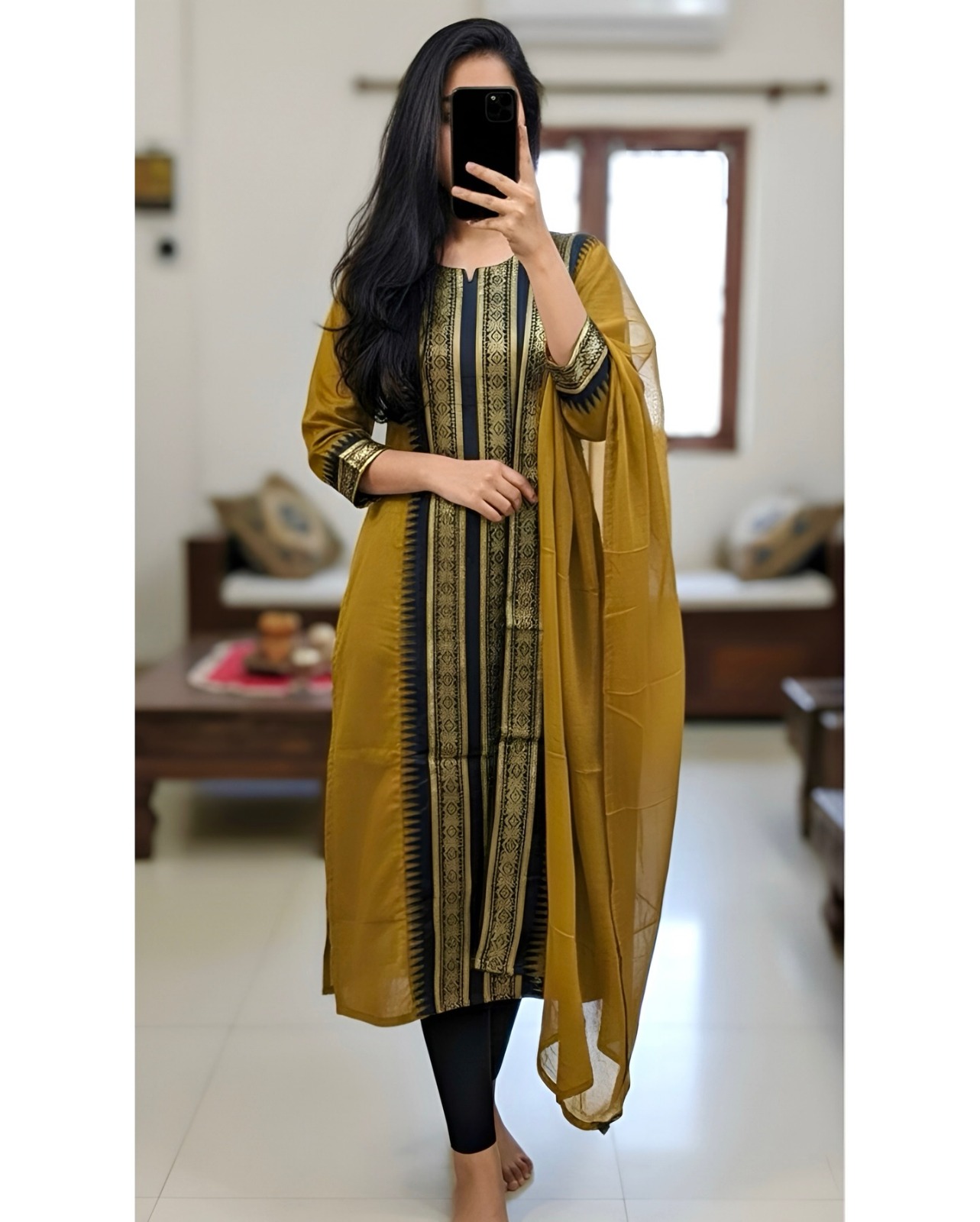
Can cotton kurtis shrink and twist after the first wash?
Yes, cotton kurtis can shrink and twist after the first wash when the fabric was not pre-washed or when hot water, vigorous agitation, and high heat are used. Gentle washing in cool water, no wringing, and careful reshaping while damp reduce the risk. Follow the garment's care label because cotton weaves don't all behave identically.
How can I tell whether a kurti is cut off-grain?
A kurti may be cut off-grain when its side seams spiral, vertical motifs lean, or the hem forms a diagonal line on a flat surface. Align the neckline and shoulders, then smooth the fabric without stretching it. Persistent asymmetry before washing suggests a cutting or construction problem rather than normal wear.
Does ironing fix a kurti that keeps rotating around the body?
Ironing can remove temporary creases but can't permanently correct panels cut off-grain or seams sewn under unequal tension. Use moderate heat and press along the fabric grain to avoid adding diagonal stretch. A persistent twist may require assessment by a tailor or seller.
Should I wash a cotton salwar suit before wearing it?
A first wash is useful when the care label permits washing because it reveals how the cotton, dye, seams, and trims respond before an important wear. Use the gentlest suitable method and avoid soaking for a long period. Dry the kurti and coordinating pieces in their correct shape so they don't shrink unevenly.
Can a washing machine cause a kurti to twist?
A washing machine can contribute to twisting through high agitation, crowded loads, strong spinning, and friction against heavy garments. A gentle cycle, mesh laundry bag, low spin, and prompt reshaping reduce those stresses. Machine washing is appropriate only when the care label allows it.
Common Questions About Kurti Twisting After Washing
Why does my kurti twist to one side after washing?
A kurti usually twists to one side because its panels have shrunk unevenly, were cut off-grain, or contain seams with unequal tension. Wringing and hanging a heavy wet kurti from one shoulder can make the distortion worse.
Can cotton kurtis shrink and twist after the first wash?
Yes, cotton kurtis can shrink and twist after the first wash when the fabric was not pre-washed or when hot water, vigorous agitation, and high heat are used. Gentle washing in cool water, no wringing, and careful reshaping while damp reduce the risk.
How can I tell whether a kurti is cut off-grain?
A kurti may be cut off-grain when its side seams spiral, vertical motifs lean, or the hem forms a diagonal line on a flat surface. Persistent asymmetry before washing suggests a cutting or construction problem rather than normal wear.
Does ironing fix a kurti that keeps rotating around the body?
Ironing can remove temporary creases but cannot permanently correct panels cut off-grain or seams sewn under unequal tension. A persistent twist may require assessment by a tailor or seller.
Should I wash a cotton salwar suit before wearing it?
A first wash is useful when the care label permits washing because it reveals how the cotton, dye, seams, and trims respond before an important wear. Use the gentlest suitable method and avoid soaking for a long period.
Can a washing machine cause a kurti to twist?
A washing machine can contribute to twisting through high agitation, crowded loads, strong spinning, and friction against heavy garments. A gentle cycle, mesh laundry bag, low spin, and prompt reshaping reduce those stresses.