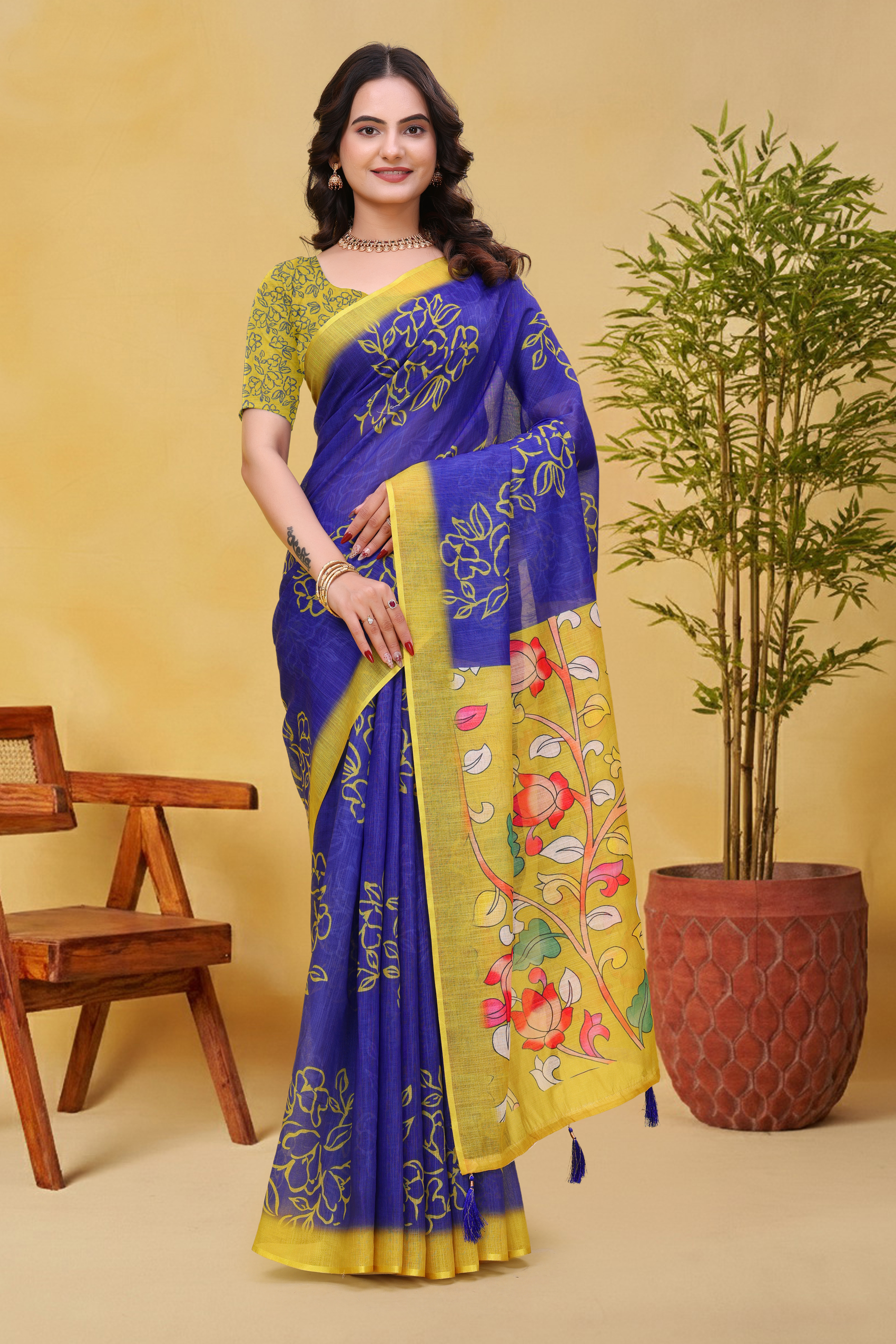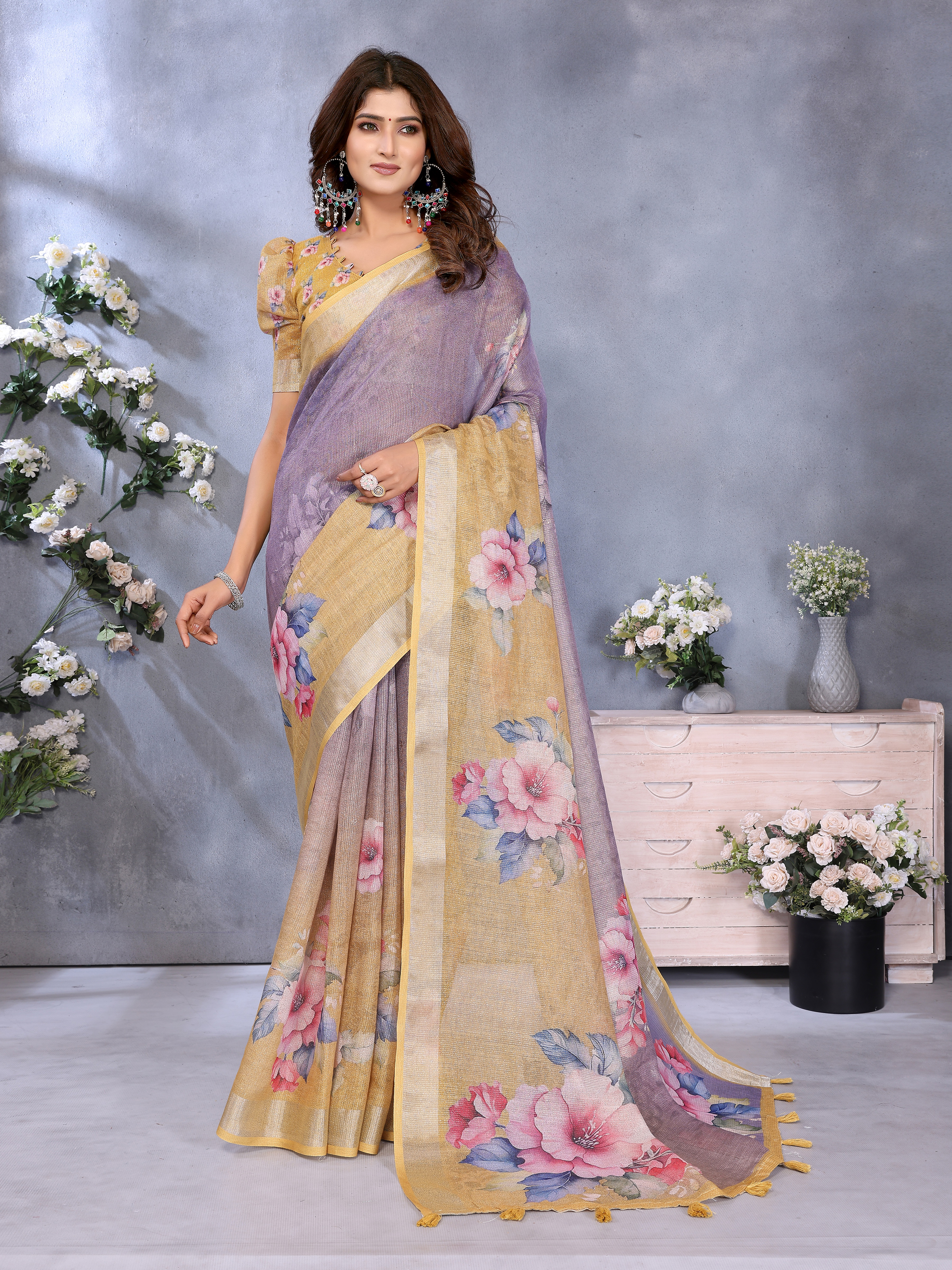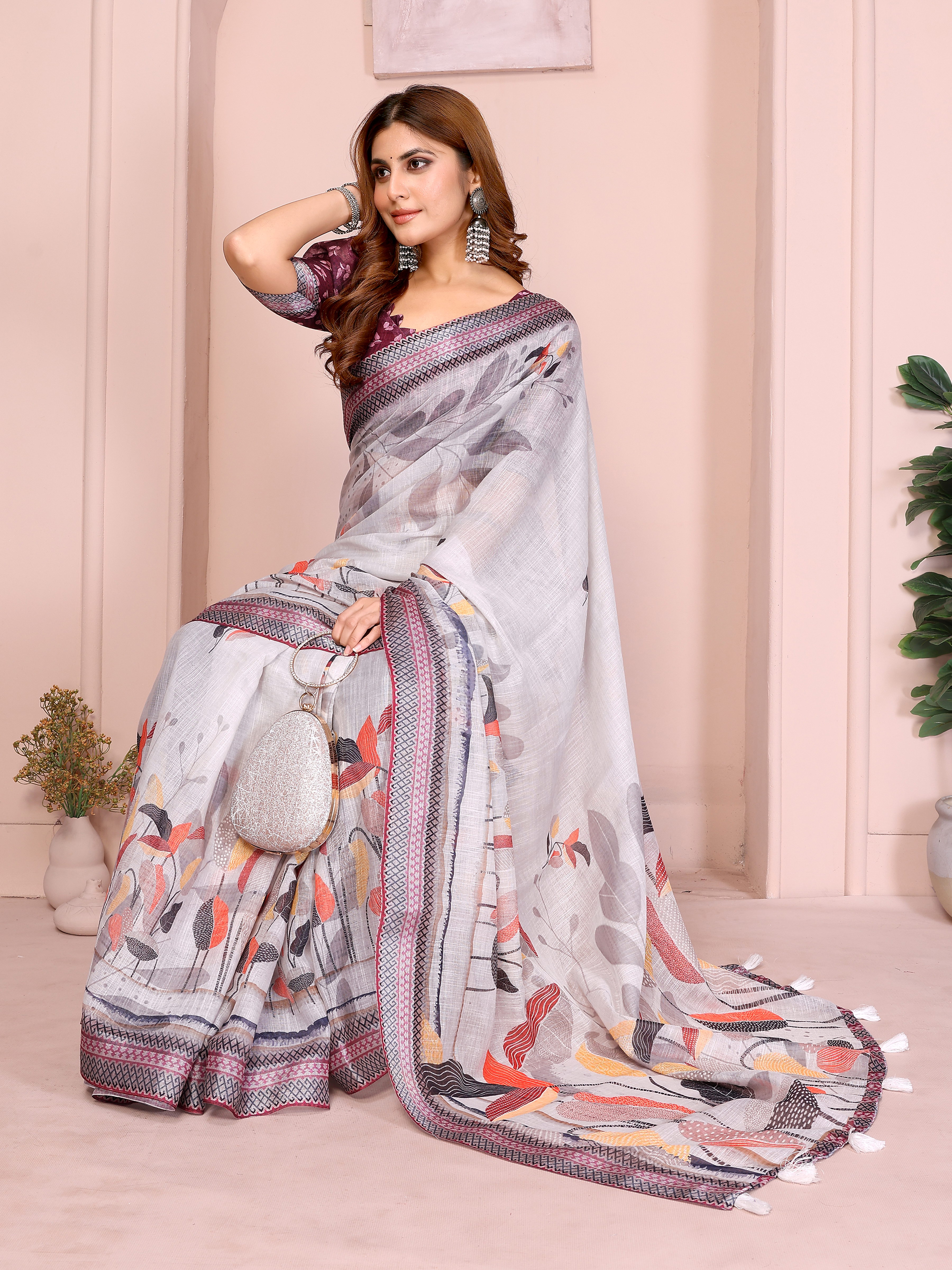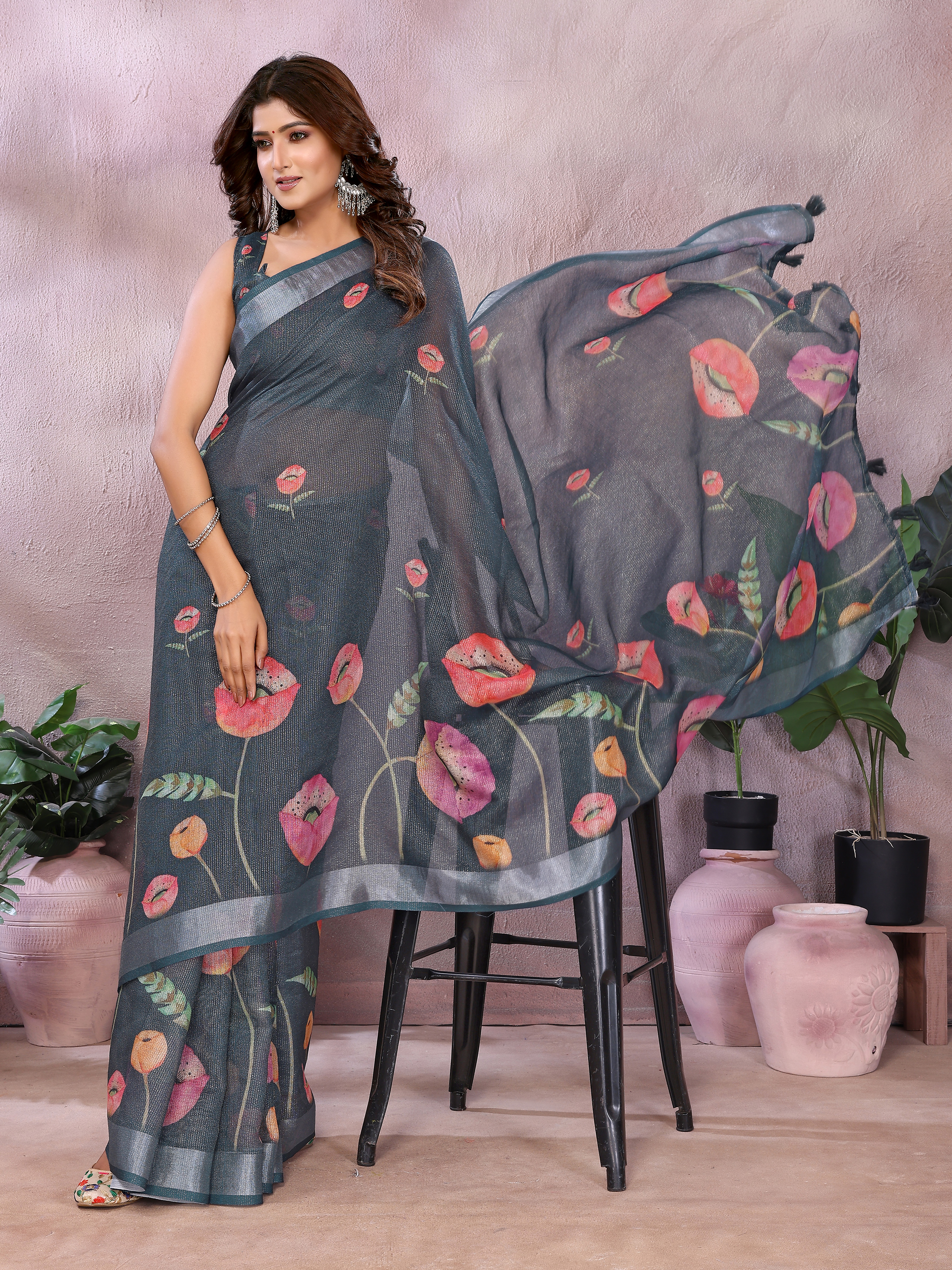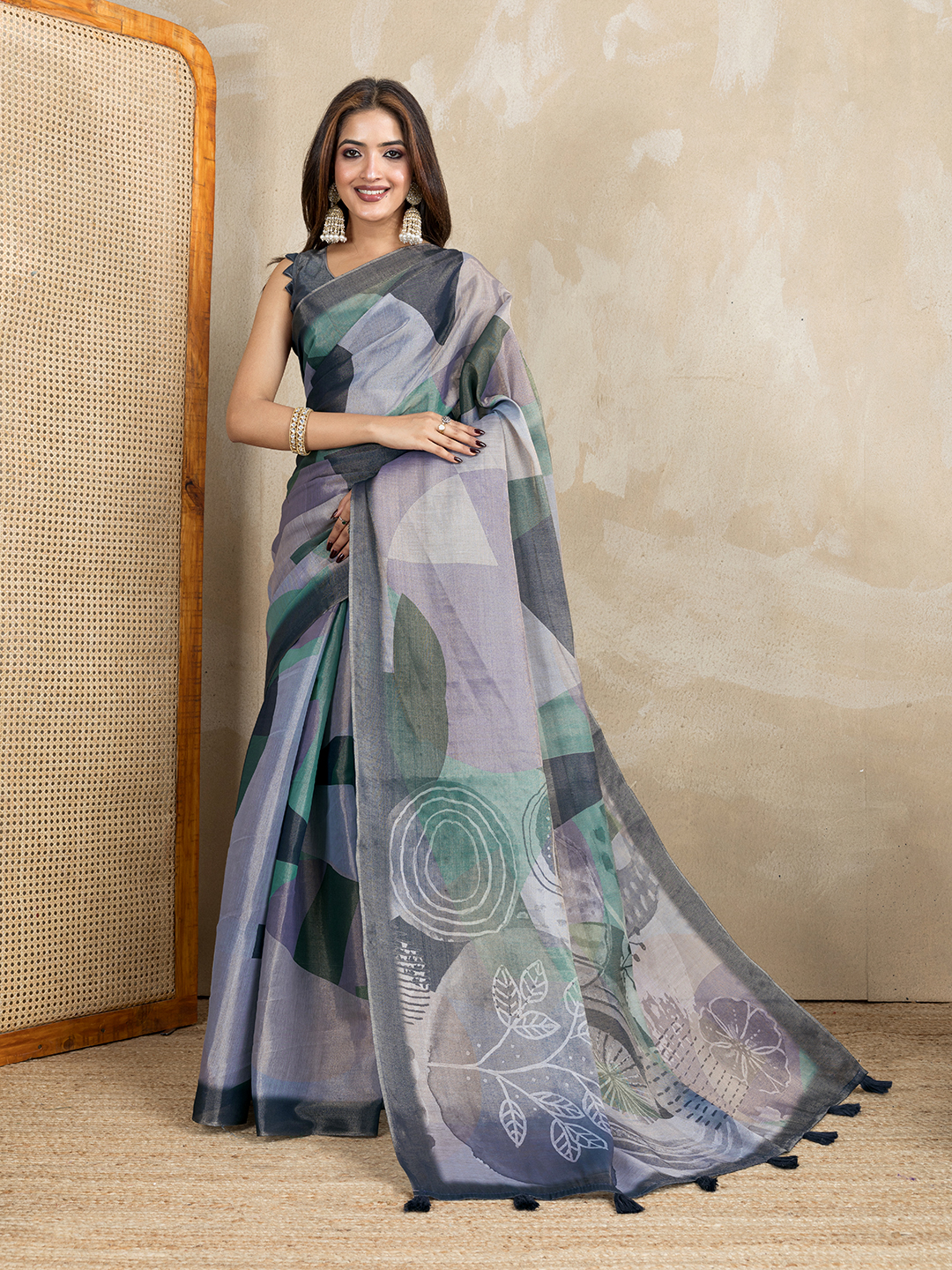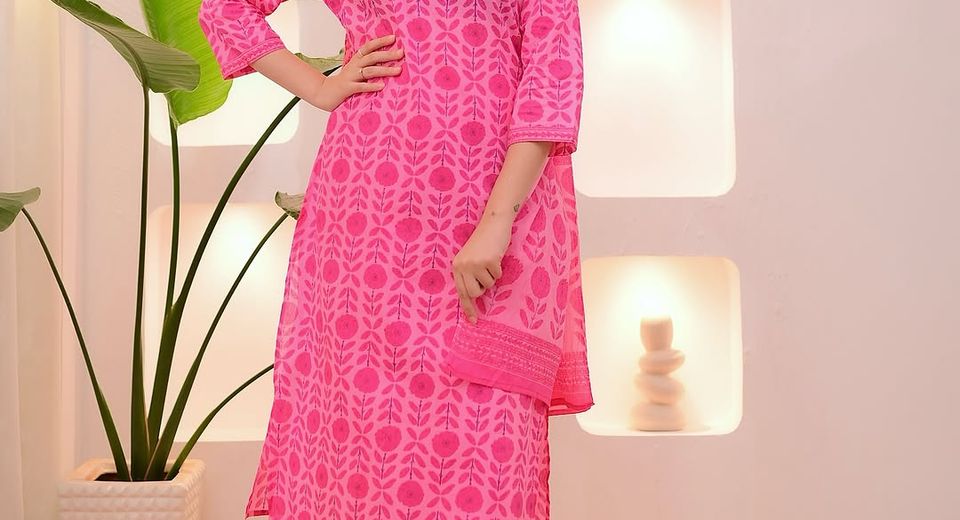
A kameez can fit well across the shoulders and still feel unsuitable for commuting, office hours or household routines when the side slits rise too far above the knee. Why Some Kameez Side Slits Start Too High for Everyday Wear usually comes down to the garment's pattern, length, fabric width and the movement the designer expects from the wearer. A slit that looks elegant on a standing model may expose the hip or upper thigh when you sit, climb stairs or reach for something.
Side slits are not automatically a design flaw. Slits reduce pulling across the hips, give a straight kameez room for walking and help a narrow silhouette hang cleanly. The problem appears when the opening begins at a point where the garment stops providing reliable coverage during ordinary movement. A few measurements taken before purchase can reveal whether a kameez will behave like practical daily wear or require constant adjustment.
Why Some Kameez Side Slits Start Too High for Everyday Wear
Some kameez side slits start too high because the pattern prioritises a narrow, elongated silhouette over seated coverage and unrestricted everyday movement. Designers may also raise the slit to prevent strain around the hips when a straight garment is cut with little ease.
A straight kameez hangs close to the body from the underarm to the hem. Without a side opening, the fabric can pull diagonally across the hip as the wearer walks. A higher slit gives the front and back panels more freedom to separate, especially when the garment has a narrow hem. That construction can make the garment look sleek, but the same opening may reveal more of the leg than expected when the wearer sits or steps onto public transport.
Shorter kameez styles create a second problem. A slit that rises 16 inches from the hem represents a much larger proportion of a 38-inch kurta than of a 46-inch kameez. The opening may therefore feel high even when the numerical measurement seems ordinary. Designers sometimes use a standard slit length across several sizes and lengths, although the wearer's height, hip position and garment length change the practical result.
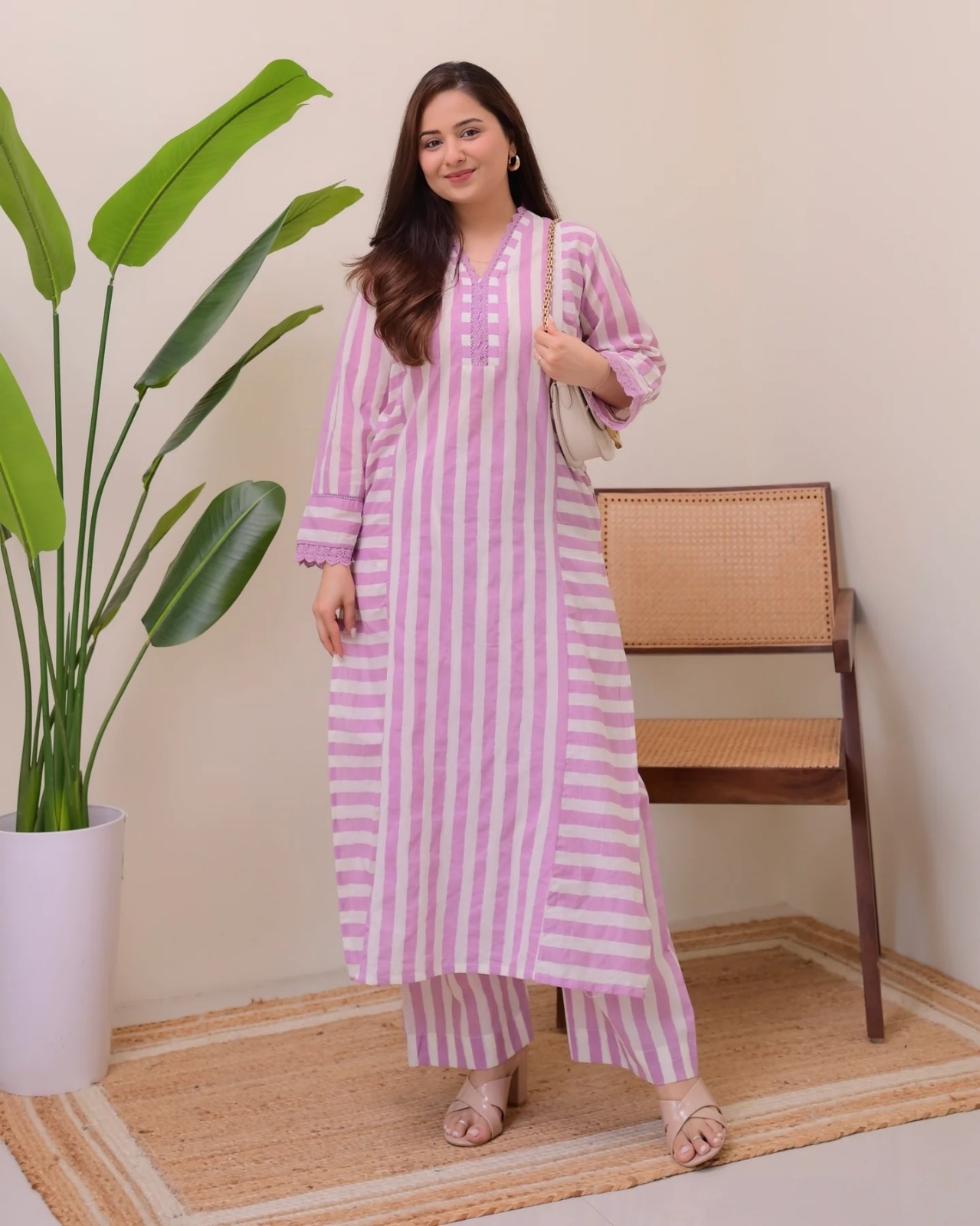
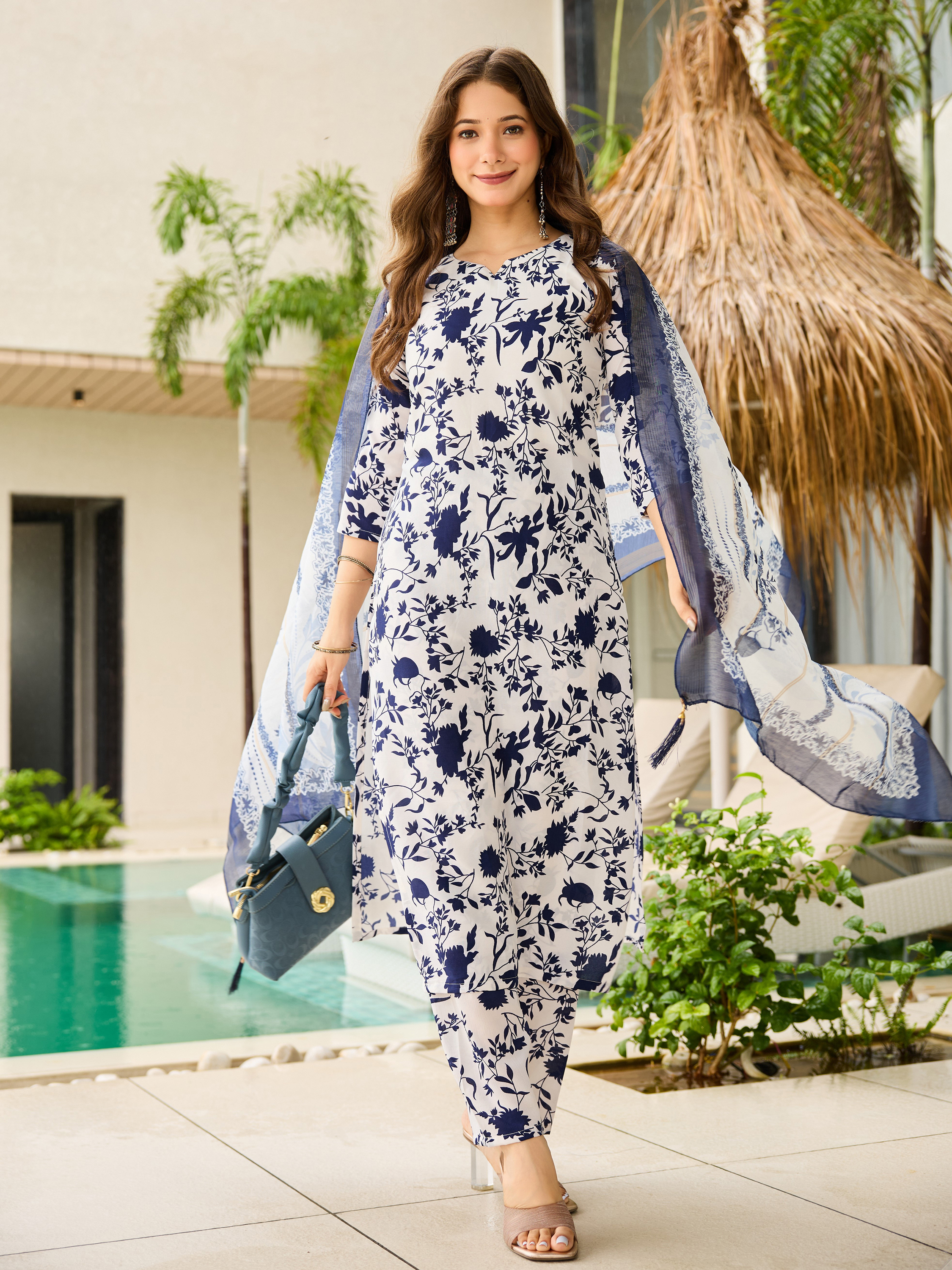
Fabric choice also influences slit height. Lightweight rayon and soft cotton move away from the body more readily, while crisp khadi cotton or a firmer woven fabric may stay closer to the legs. A high slit in fluid fabric can open during a stride; a lower slit in rigid fabric can still restrict movement. The printed Pink Printed Rayon Kurta Set with Dupatta for Elegant Everyday Wear illustrates why drape matters: rayon can feel easy and fluid, but the opening should still be checked while walking rather than judged from a static photograph.
What does a kameez side slit actually do?
A kameez side slit provides walking ease by allowing the front and back panels to move independently around the legs. The slit also reduces stress on side seams and helps a straight-cut garment sit more smoothly over the hips.
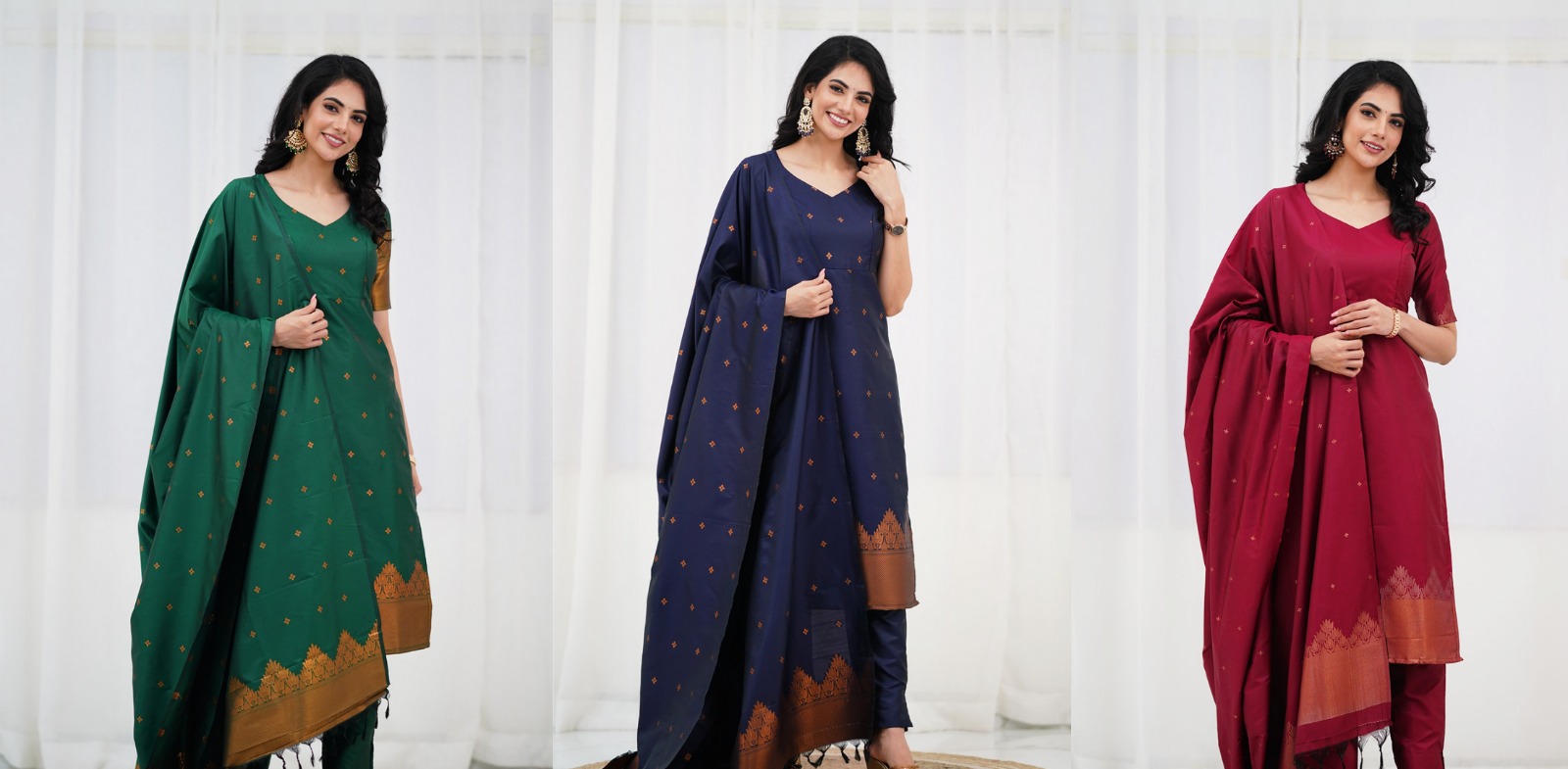
The opening begins at the hem and ends at a higher point on each side seam. The distance between the hem and the top of the slit is the slit depth. A 12-inch slit leaves more fabric closed around the hip than an 18-inch slit, even if both garments have the same length. Some sellers describe slit length inconsistently, so asking whether the measurement runs upward from the hem is useful.
Side slits are different from a centre-front opening or a flared hem. A side slit exposes the side of the lower leg and can affect how the garment overlaps a churidar, cigarette pant, palazzo or salwar. A flared A-line kurti usually needs less slit height because the flare supplies walking room through the shape of the garment itself.
The Designer Cotton A-Line Kurti Pant Set with Mirror Work demonstrates this distinction in practical terms. An A-line silhouette spreads gradually from the bust or waist, so the wearer may get comfortable stride room without a deep side opening. A straight kameez may need a longer slit, but the slit should be balanced against the wearer's need for coverage.
How high should a daily-wear kameez slit be?
A daily-wear kameez slit should generally end around the lower thigh or several inches above the knee, with the exact point adjusted for garment length, hip ease and personal coverage preferences. There is no universal measurement, but many wearers find a 10- to 14-inch opening more manageable than an 18- to 22-inch opening on a knee-length or mid-calf straight kameez.
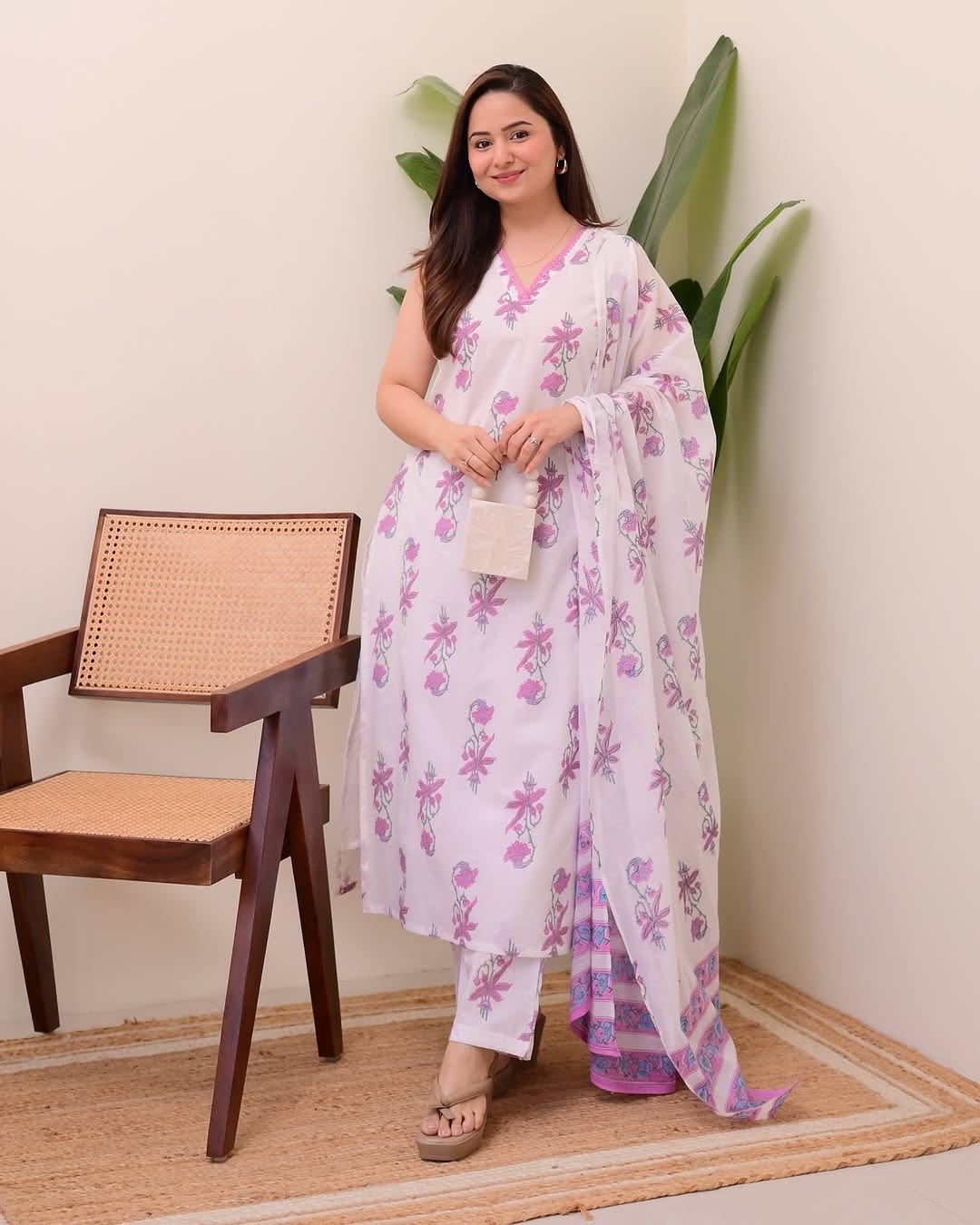
Use proportions rather than a number alone. For a 44-inch kameez, a 12-inch slit leaves substantial closed fabric around the hip and upper thigh. For a 38-inch kurta, the same 12-inch opening may look and feel more revealing because the hem sits higher. A 16-inch slit on a 48-inch long kameez may be comfortable for one person, while the same slit on a 40-inch style may be unsuitable for bending or sitting.
Hip ease is equally important. Measure the widest hip area and compare it with the garment's finished hip measurement. A straight kameez with only 2 inches of total ease may require a longer slit to permit walking, while a garment with 4 to 6 inches of ease can often use a shorter slit without pulling. Finished measurements are more informative than a generic label such as medium or large.
The Vertical Cotton Straight Kurta Set with Dupatta is the kind of silhouette where this balance deserves attention. Cotton straight kurtas can be breathable and dependable for daily use, but the buyer should check both the finished hip width and the distance from the hem to the slit opening. Comfort comes from the relationship between those measurements, not from the word cotton alone.
Which daily activities reveal a slit that's too high?
Sitting on a chair, climbing stairs, entering a car and taking a long stride reveal an excessively high slit faster than standing in front of a mirror. Everyday wear requires coverage during movement, not only while the body is upright.
To test a kameez, stand normally and note where the slit ends on your leg. Sit on a chair with both feet on the floor, then cross one ankle over the other. If the side seam pulls open toward the hip or the inner trouser becomes clearly visible, the slit may be too high for your preferred coverage. Repeat the test while leaning forward slightly, because desks, dining tables and public transport often require that posture.
Take six to eight normal steps and one deliberately longer step. Watch whether the front panel swings away from the back panel. A lightweight garment may open more in motion than it does when pinned on a model. Raise one knee as if climbing a stair and reach one arm forward. These movements show whether the slit offers useful ease or simply creates exposure.
Commuters should perform one more check: place a handbag or tote against the side of the body and walk. A bag can catch the fabric and pull the slit open. People who cycle, ride scooters or frequently climb stairs may prefer a longer kameez, a lower slit and trousers with a secure waistband, even when a shorter style looks more fashionable.
How do fabric and silhouette change slit comfort?
Fabric weight, stretch, drape and garment shape all vary how comfortable a side slit feels. A slit measurement must therefore be judged alongside the textile and cut.
Rayon has a fluid drape and may move gracefully around the legs, but it can also swing open with a brisk stride. Cotton usually feels stable and breathable, although a very crisp cotton may need more width at the hip. Khadi cotton has a firmer hand and may hold its shape, while a soft woven blend can fall closer to the body. Chanderi is lightweight and often sheer or semi-sheer, so a high slit requires careful consideration of lining and trouser coverage.
Longer straight kurtas distribute the opening over more fabric and often offer a calmer visual line. A-line kurtis provide movement through flare. Palazzo sets can accommodate a more open hem because the wide trouser leg supplies coverage, although the side opening can still expose the upper leg while sitting. A salwar or a full palazzo isn't a substitute for a well-positioned slit if the wearer wants consistent side coverage.
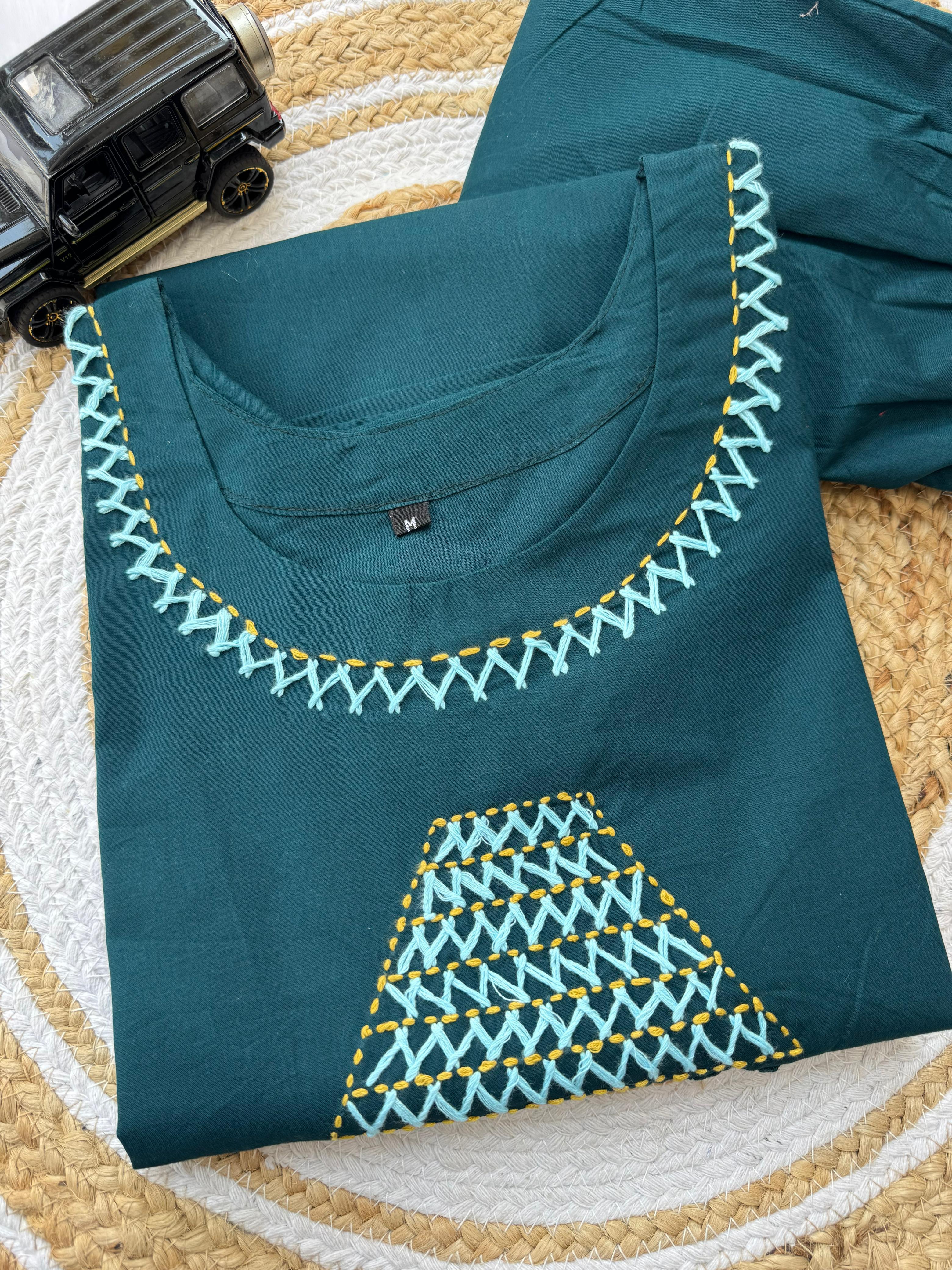
The Striped Rayon Straight Kurta Palazzo Set for Women shows how a wide trouser can alter the practical effect of a slit. Palazzo trousers may make walking comfortable, but the wearer should still check whether the kameez opens across the hip when sitting. The Teal Cotton A-Line Kurti Pant Set with Handwork brings a different construction lesson: A-line volume can reduce reliance on a deep side opening, while handwork and embellishment make seam alterations more complicated.
How can shoppers check slit height before buying?
Shoppers can check slit height by comparing slit depth, kameez length and finished hip ease before relying on photographs or size labels. A seller's measurement chart should ideally list garment length, hip width and slit length separately.
- Measure a comfortable garment at home. Lay a daily-wear kameez flat, measure from the shoulder to the hem and measure from the hem upward to the top of the slit. Record the finished hip width across the garment, then double it if the measurement is taken from side to side.
- Compare proportions. Divide the slit depth by the total kameez length as a rough guide. A 14-inch slit on a 44-inch garment is less dominant than a 14-inch slit on a 38-inch garment. The ratio can't replace a try-on, but it helps identify unusually open cuts.
- Check the side-seam position. A slit that begins above the widest part of the hip may gape even when the length appears modest. Look for a product photograph taken from the side, not only a front-facing image.
- Assess the fabric. Ask whether the garment is lined, opaque, stretchy, crisp or fluid. Rayon, viscose and lightweight blends can move differently from cotton, silk or khadi cotton.
- Plan the alteration. A tailor can often close the top 2 to 4 inches of a slit with a matching seam, add a modesty panel or insert a small triangular gusset. Alterations work best when there's sufficient seam allowance and when embroidery or mirror work doesn't cross the adjustment area.
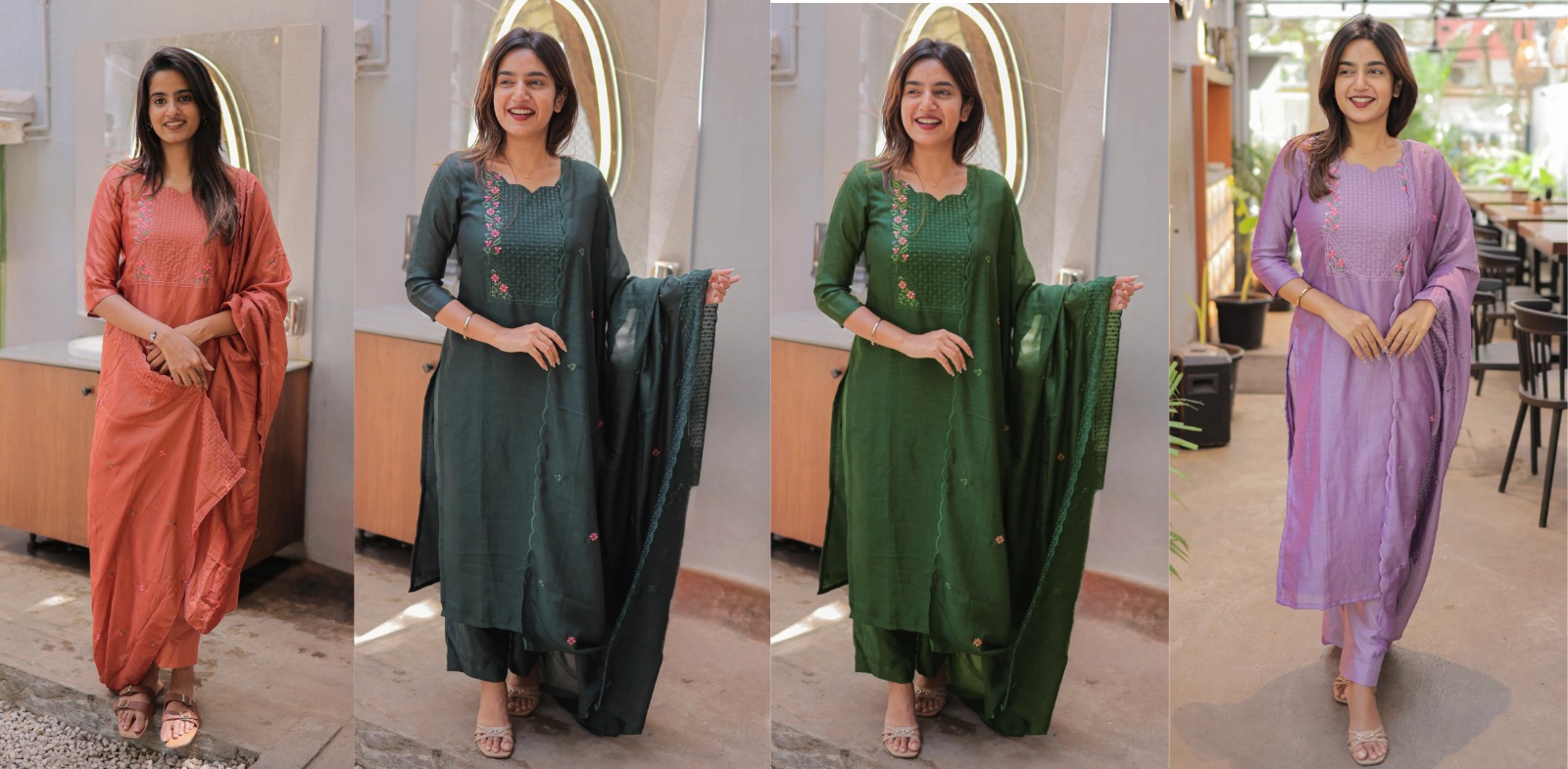
The Elegant Pink Print Daily Wear Kurta Set and the Cream Khadi Cotton Straight Kurta Set with Dupatta represent two useful comparison points for shopping. A printed daily-wear set may have a softer, more mobile drape, while khadi cotton may feel more structured. Neither fabric guarantees the right slit height; the finished measurements and intended activities still decide the fit.
Can styling make a high slit more practical?
Styling can improve coverage around a high slit, but styling can't correct a slit that opens above the wearer's comfort line. Full-length trousers, an opaque inner layer and a longer dupatta can provide additional security for some settings.
Cigarette pants create a neat line and make the slit visible, while straight pants provide a little more visual coverage at the ankle. A full palazzo can cover the leg beneath an open side seam, but it should not be so wide that it catches on stairs. A salwar gives gathered volume and may suit a relaxed cotton kameez, though the fabric can bunch under a fitted side opening.
A dupatta can be worn across the front for seated settings, but depending on a dupatta to cover a moving side slit is inconvenient during work or travel. The Black Heritage Weave Kurti Dupatta Set may suit a layered look, yet the wearer should still test the kurti independently. Colour, weave and a coordinated dupatta improve styling; they don't change the position of the side seam.
For everyday wear, choose a kameez that remains comfortable without repeated pinning. A small side gusset, a 2-inch stitched extension at the top of the slit or a modesty panel can be more reliable than arranging the dupatta after every step. Alterations should preserve the original hem balance and use thread that matches the seam.
When should you choose a different kameez cut?
Choose an A-line, flared or longer kameez when a straight style needs an unusually high slit to permit walking. A different silhouette can provide movement while preserving more closed coverage around the hip and upper thigh.
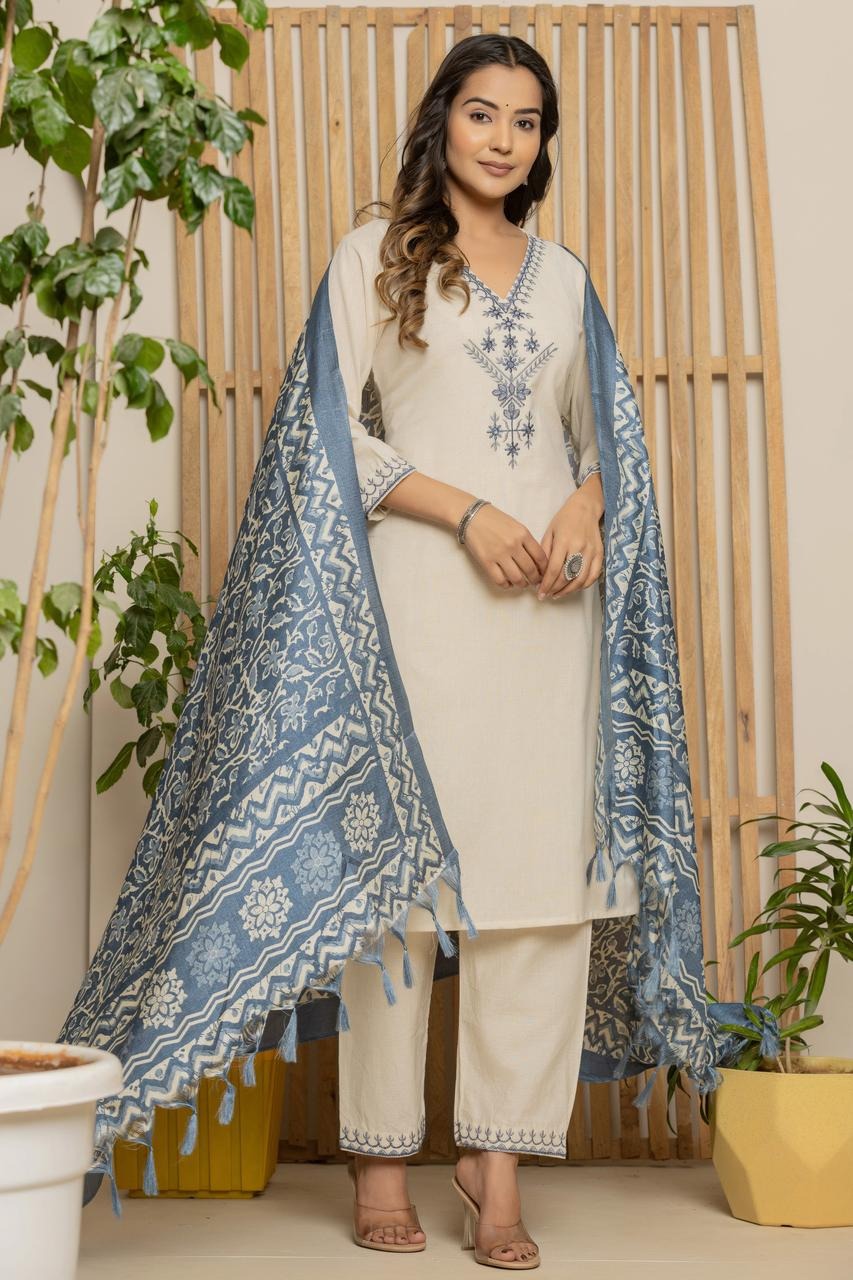
An A-line kurti suits people who want ease without a dramatic side opening. A longer straight kameez works well when paired with narrow trousers, provided the hip measurement allows a normal stride. A front-slit style may be preferable for some wardrobes because the opening remains visible and controllable, although its coverage should also be tested while sitting.
The Black Heritage Weave Kurti Dupatta Set can be assessed for structure and layering, while the Teal Cotton A-Line Kurti Pant Set with Handwork can guide shoppers toward a cut that builds movement into the shape. The key question isn't whether a garment has a slit, but whether the garment gives enough walking ease without placing the opening too high.
Daily clothing should support repeated actions: sitting for an hour, walking several hundred metres, lifting an arm, using stairs and carrying a bag. If a kameez requires constant checking during those actions, the garment is mismatched to the routine, even if the fabric, print and embroidery are attractive.
Understanding Why Some Kameez Side Slits Start Too High for Everyday Wear makes online shopping more precise. Check the slit depth from the hem, compare the measurement with kameez length, verify finished hip ease and test the fabric's movement. Those four checks offer a stronger prediction of comfort than a model photograph or a broad size label.
Everyday Kameez Side Slit Questions Answered
Why are my kameez side slits so high?
A high side slit usually results from a narrow straight cut, limited hip ease or a pattern designed to create a longer, slimmer silhouette. Shorter kameez lengths also make an ordinary slit measurement appear higher in proportion to the garment.
How many inches should a daily-wear kurta slit be?
A 10- to 14-inch slit often works well for many knee-length or mid-calf daily-wear kurtas, but the correct measurement depends on kameez length, hip ease and personal coverage needs. Compare slit depth with the garment length instead of using a fixed number alone.
Can a tailor lower or close a kameez side slit?
A tailor can usually close the upper 2 to 4 inches of a side slit if the seam has enough allowance and the area is not blocked by embroidery or mirror work. A modesty panel or small gusset can also improve coverage while retaining walking ease.
Is an A-line kurti better than a straight kurta for high side-slit comfort?
An A-line kurti often provides more movement through its flare, so it may need a shorter slit than a narrow straight kurta. A straight kurta can also be comfortable when its hip measurement includes adequate ease and its slit ends at a suitable height.
Which fabrics make a kameez slit open more during walking?
Fluid fabrics such as rayon and viscose can swing away from the body during a stride, while crisp cotton and khadi cotton may hold their shape more firmly. Fabric behaviour varies with weight and construction, so a walking test remains more reliable than fibre content alone.
How do I check a kameez side slit before buying online?
Ask for the slit length measured upward from the hem, the full kameez length and the finished hip measurement. Compare those figures with a comfortable garment at home, and check whether the product photograph shows the side view and fabric drape.