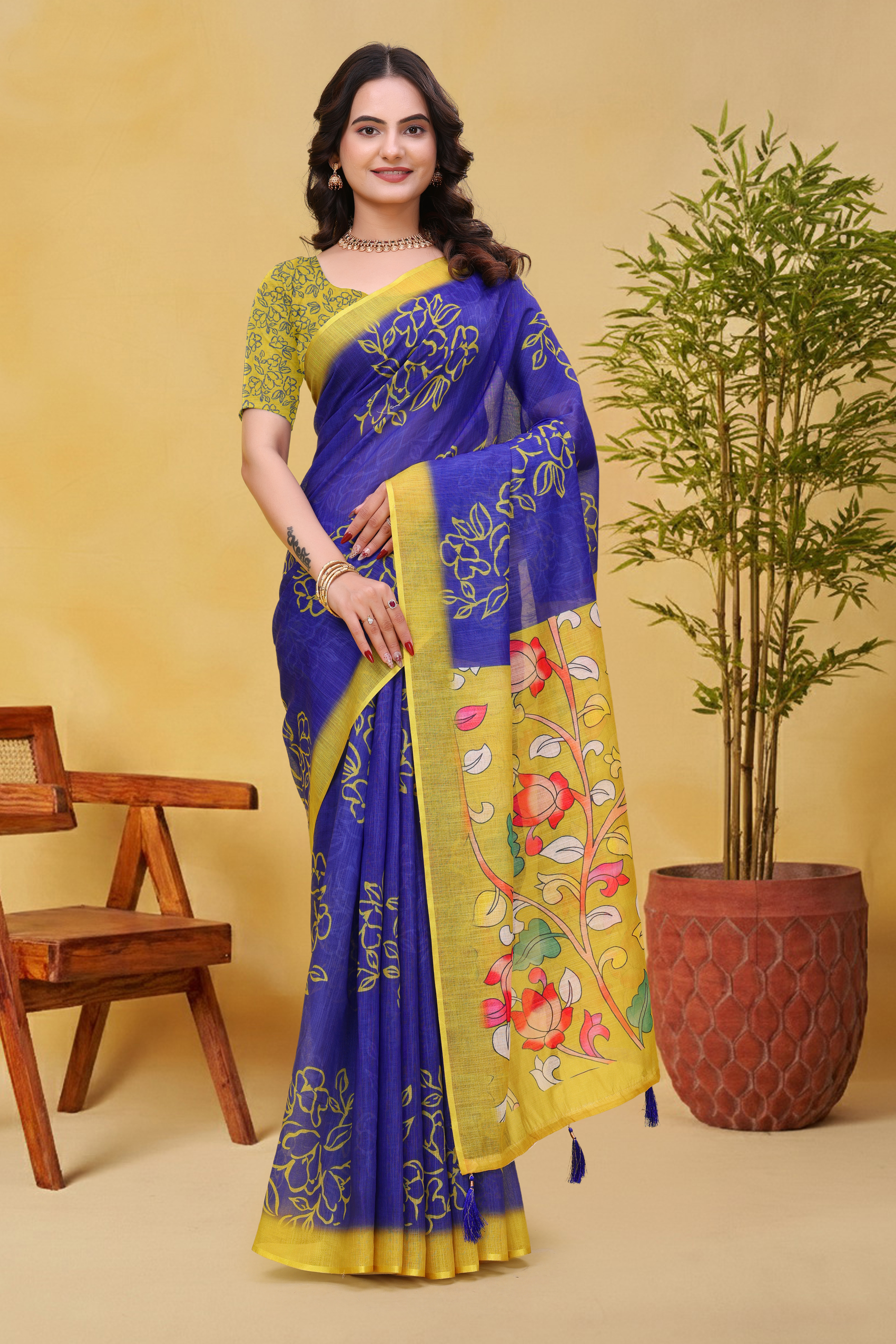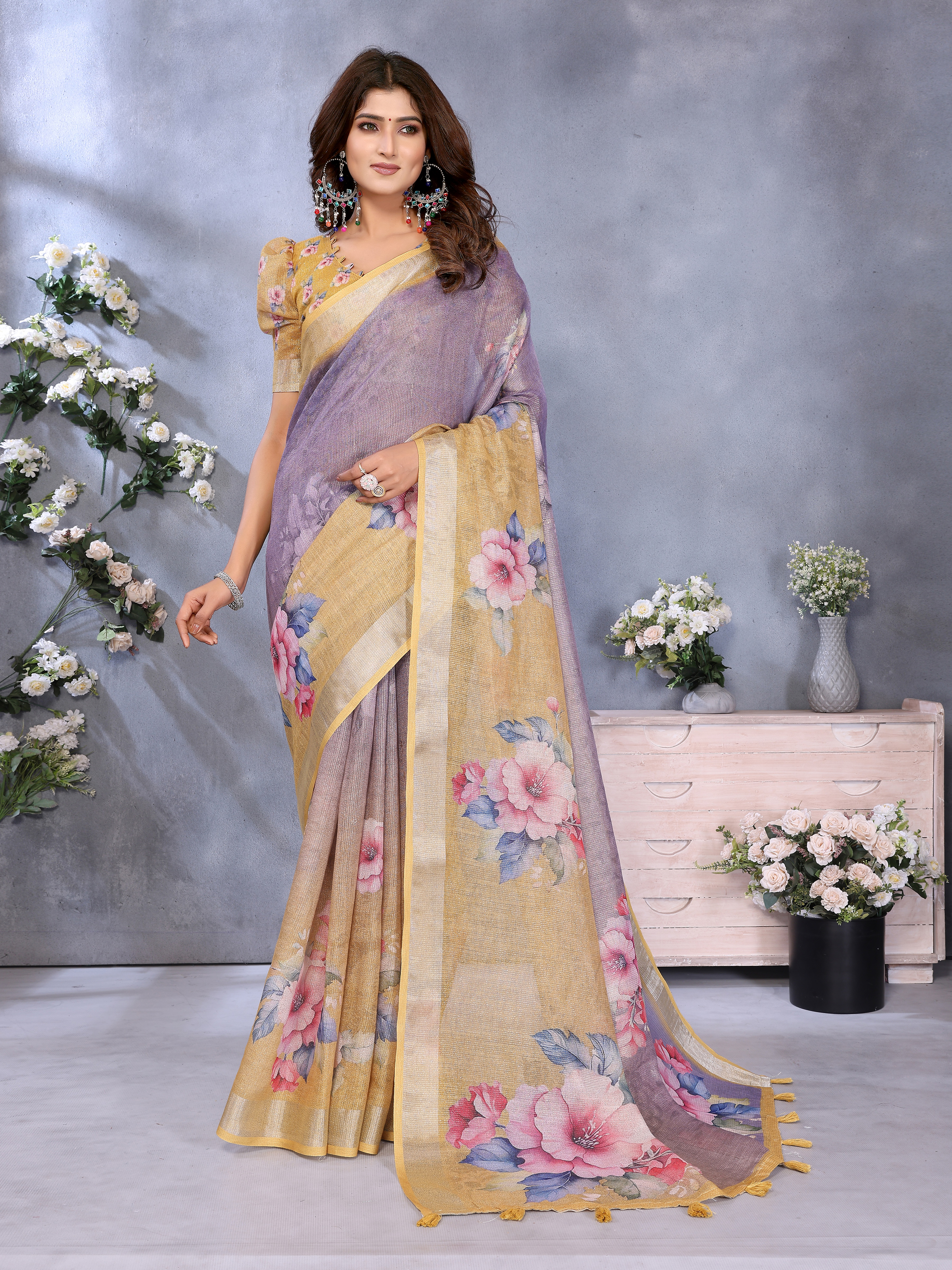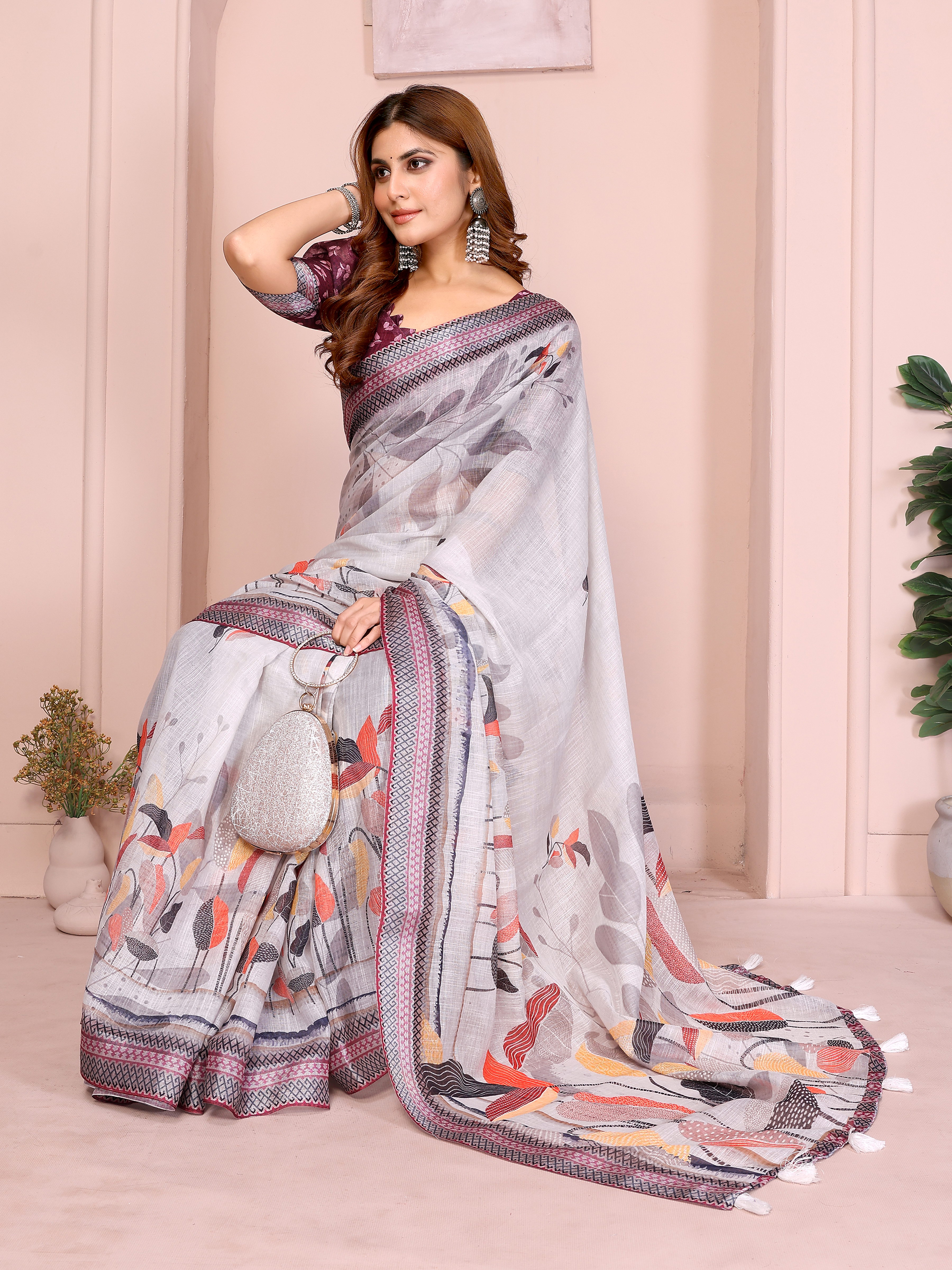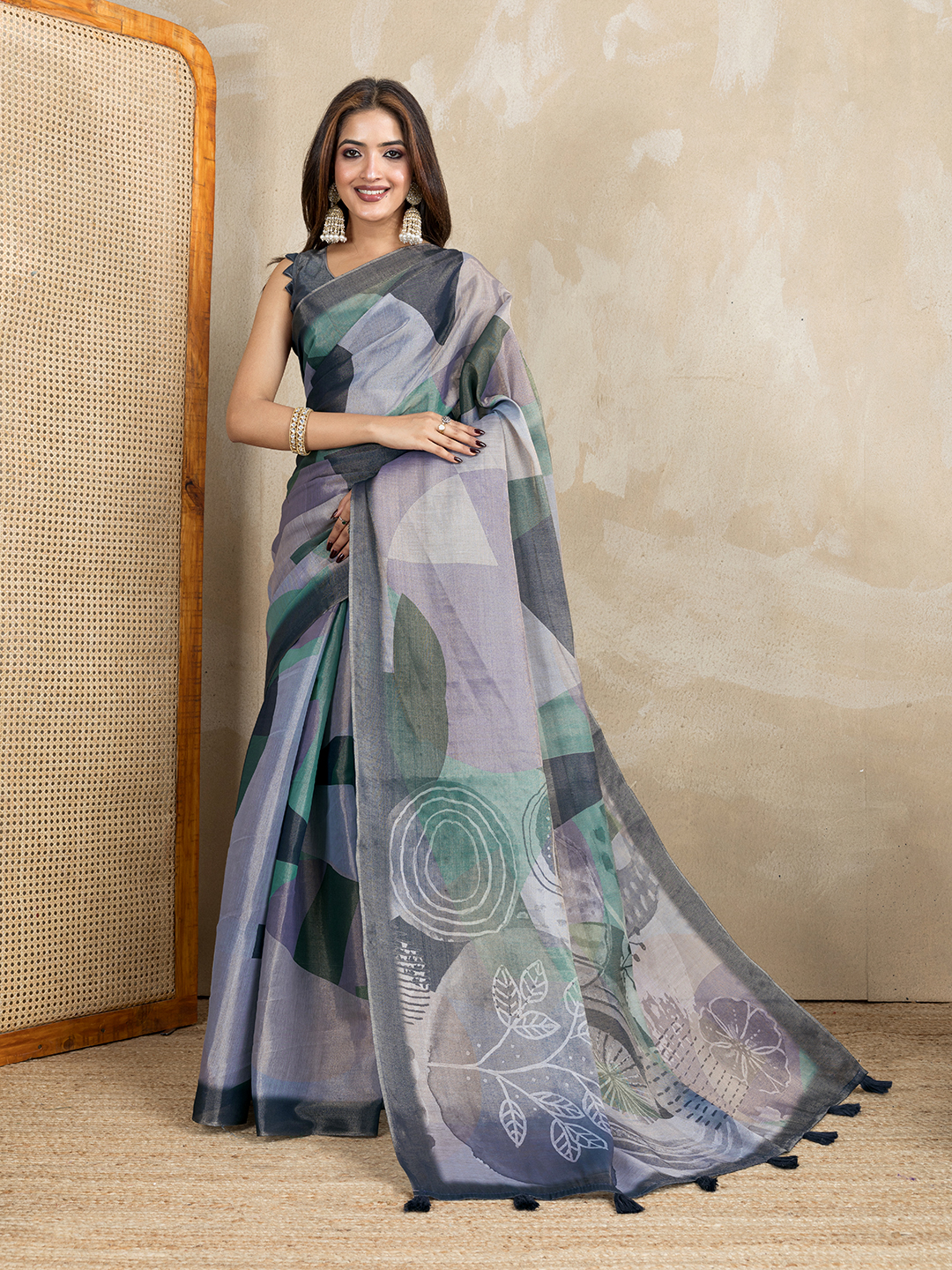
Why Some Blouses Pull Up When You Raise Your Arms is a fit question with a surprisingly technical answer: the blouse usually lacks enough movement at the armhole, shoulder, bust or side seam. A blouse can look attractive while your arms rest at your sides and still ride upward when you reach for a phone, adjust your saree or lift a child. The problem isn't always that the blouse is too short. The cut, fabric, sleeve construction and body measurements work together to determine whether the hem stays in place.
Understanding the cause helps you decide whether a readymade blouse needs a different size, a small alteration or a complete change of style. The same principles apply to a silk blouse, a cotton blouse, a padded blouse and a designer saree blouse.
Why Some Blouses Pull Up When You Raise Your Arms
Some blouses pull up because the armhole and upper body don't provide enough length or movement for the shoulder and arm to rotate naturally. When the arm rises, the fabric attached tightly around the underarm is dragged upward, taking the waist and hem with it.
The arm doesn't move from the shoulder joint alone. The shoulder blade rotates, the upper arm lifts and the ribcage expands slightly during movement. A close-fitting blouse must accommodate that chain of motion. If the armhole is cut too high, too narrow or too far forward, the garment borrows fabric from the body length whenever the arm moves.
A low armhole isn't automatically the solution. A very deep armhole can create gaping, expose the bra and allow the blouse to shift sideways. Good fit depends on the armhole shape as much as its depth. The armhole should sit close enough to the body for support while allowing the upper arm to move without pulling the side seam.
How can you tell whether the armhole is causing the problem?
An armhole is probably causing the upward pull when diagonal wrinkles run from the underarm towards the bust or neckline as the arm rises. The side seam may angle forward, the blouse hem may lift at the front, or the fabric may press sharply into the underarm.
Test the blouse while wearing the bra and saree petticoat you normally use. Raise both arms to shoulder height, then reach forward and bend one elbow. If the entire blouse climbs several centimetres or the neckline moves noticeably, the armhole has insufficient mobility for your body.
The Four Fit Measurements That Control Blouse Movement
Shoulder width, armhole circumference, bust ease and blouse length are the four measurements most responsible for a blouse riding up. Checking all four is more reliable than simply ordering a larger bust size.
Shoulder width
Shoulder width determines where the armhole begins. A shoulder seam that ends too far inward restricts the upper arm, while a seam that extends too far outward can make the blouse collapse and shift. A narrow shoulder measurement often creates pulling near the neckline and underarm, even when the bust measurement appears correct.
Measure from the outer edge of one shoulder bone to the other across the back, keeping the tape flat rather than following the curve. Compare that measurement with the blouse's shoulder measurement. A difference of about 1 to 1.5 centimetres can be noticeable in a structured blouse with little stretch.
Armhole circumference
Armhole circumference is the tape measurement around the opening where the arm meets the body. A small armhole circumference restricts movement, especially in sleeveless readymade blouses or blouses with firm lining.
don't measure the armhole by pulling the tape tightly around the bare arm. The measurement should follow the seam line of a comfortable blouse, or the body around the shoulder joint with enough ease for movement. A tailor may reshape the armhole, but lowering it without adjusting the sleeve or side seam can create a new fitting problem.
Bust ease
Bust ease is the additional room between your body measurement and the garment measurement. A fitted blouse generally needs less ease than a loose top, but zero ease can make the blouse pull upward when the arms move forward.
Padded blouses require particular attention because the padding and lining occupy space over the bust. A padded blouse that matches the bust measurement exactly may feel tighter than an unpadded blouse of the same labelled size. Check whether the cup area lies smoothly without flattening the bust or creating horizontal drag lines.
Blouse length
Blouse length affects how much upward movement is visible, but length alone rarely fixes an armhole problem. A longer blouse can still ride up if the side seam is being pulled by a tight underarm.
Measure from the highest point of the shoulder, over the bust, to the point where you want the hem to finish. Many saree blouses end near the natural waist, but the correct finishing point depends on saree drape, petticoat height and personal comfort. Add length only after checking the upper-body fit.
How Fabric Changes the Way a Blouse Moves
Fabric affects blouse movement through stretch, weight, stiffness, weave and recovery. Two blouses with identical measurements can behave differently when one is made from soft cotton and the other from firm silk with a structured lining.
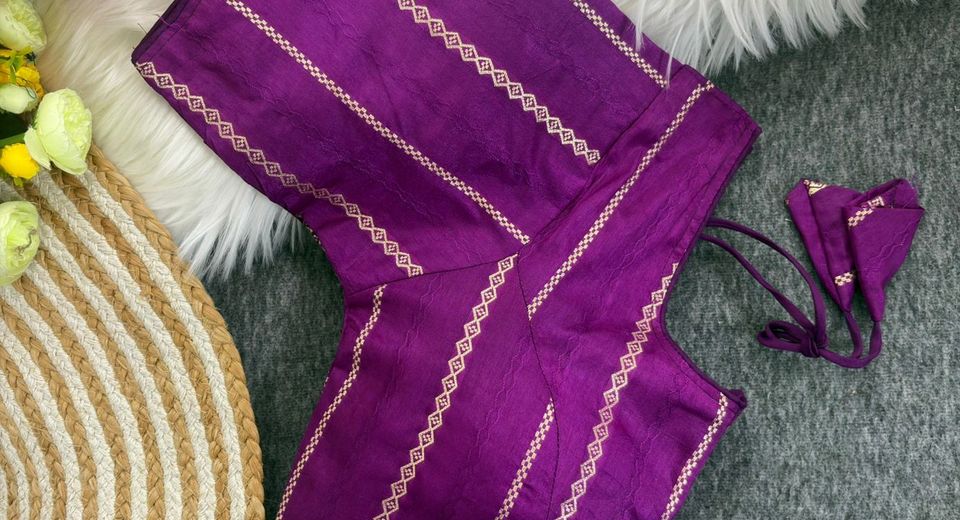
Silk usually has limited recovery compared with a stretch knit, so a silk blouse must receive enough movement from its cut rather than relying on fabric give. Banarasi silk, zari and heavier woven surfaces can also add weight to the garment. A structured piece such as the Banarasi Silk Golden Jari Padded Blouse for Women may need especially accurate shoulder and bust measurements because decorative yarn and lining don't accommodate pulling like elastane.
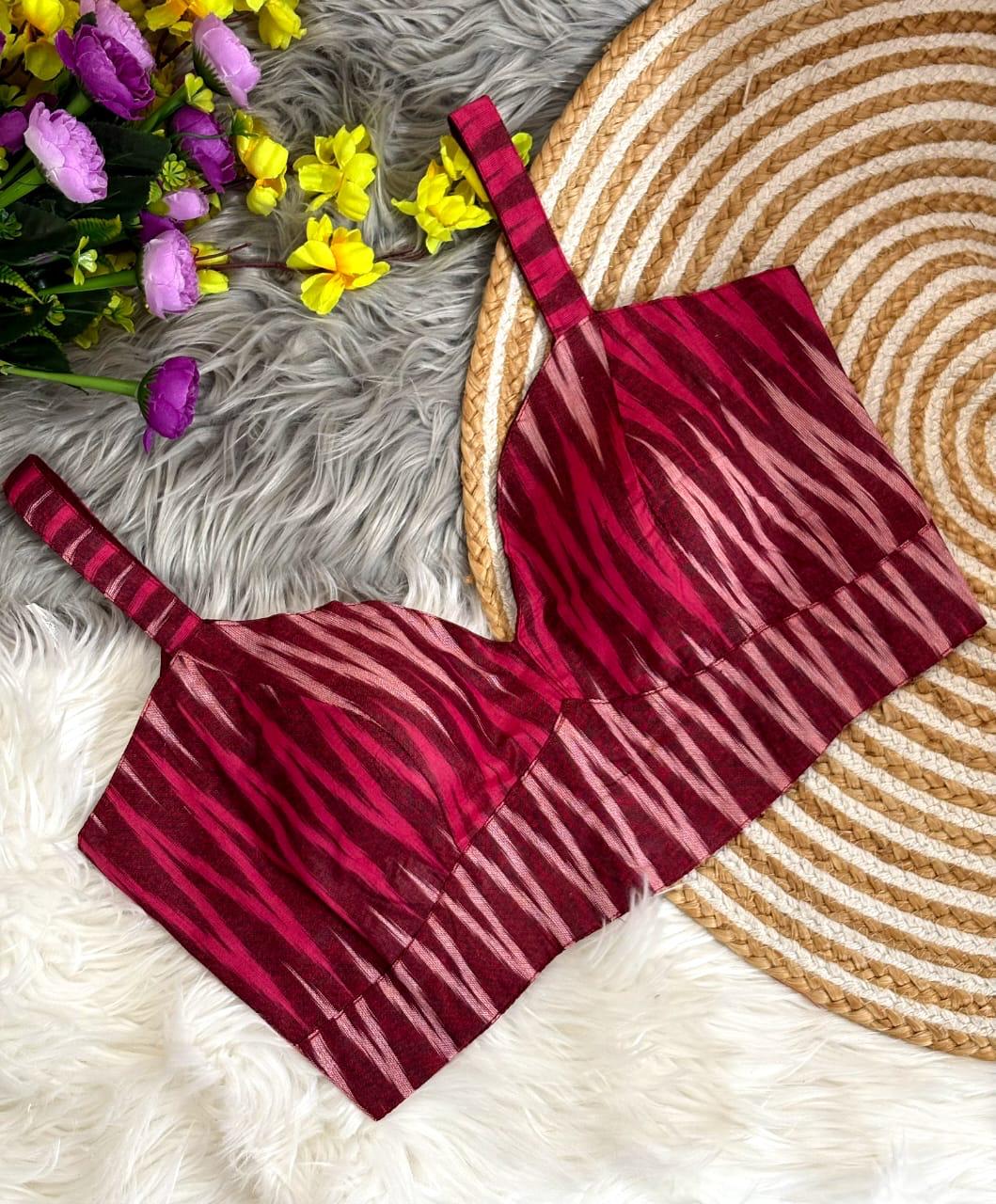
Cotton can feel breathable and forgiving, but woven cotton isn't automatically stretchy. A crisp cotton blouse with a close armhole may pull more than a slightly relaxed silk design. The Ikkat Cotton Padded Blouse for Women Sleeveless and Brown Ikat Cotton Padded Blouse Sleeveless Stylish illustrate why a sleeveless cut still needs adequate armhole room; removing sleeves doesn't remove shoulder movement.
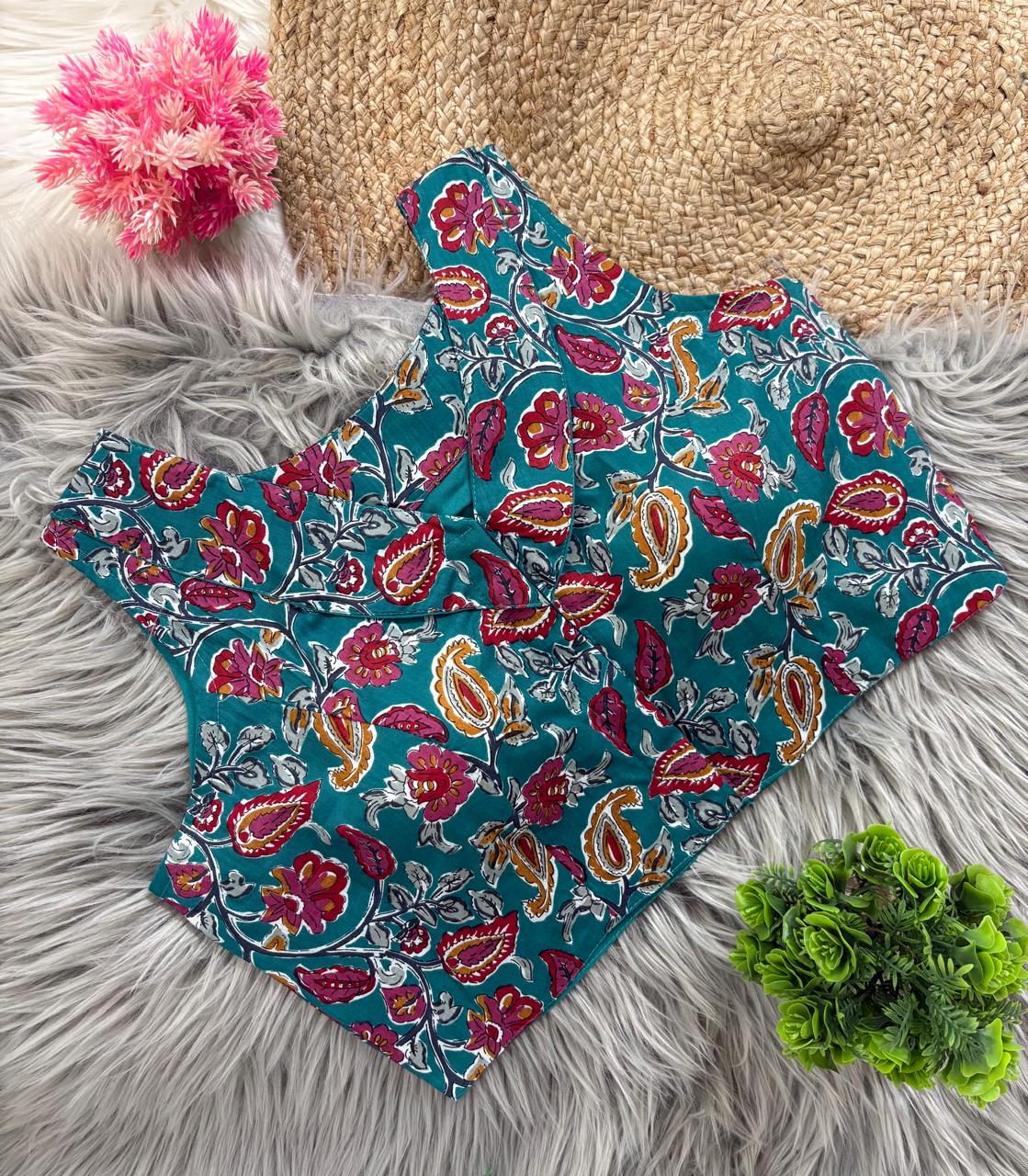
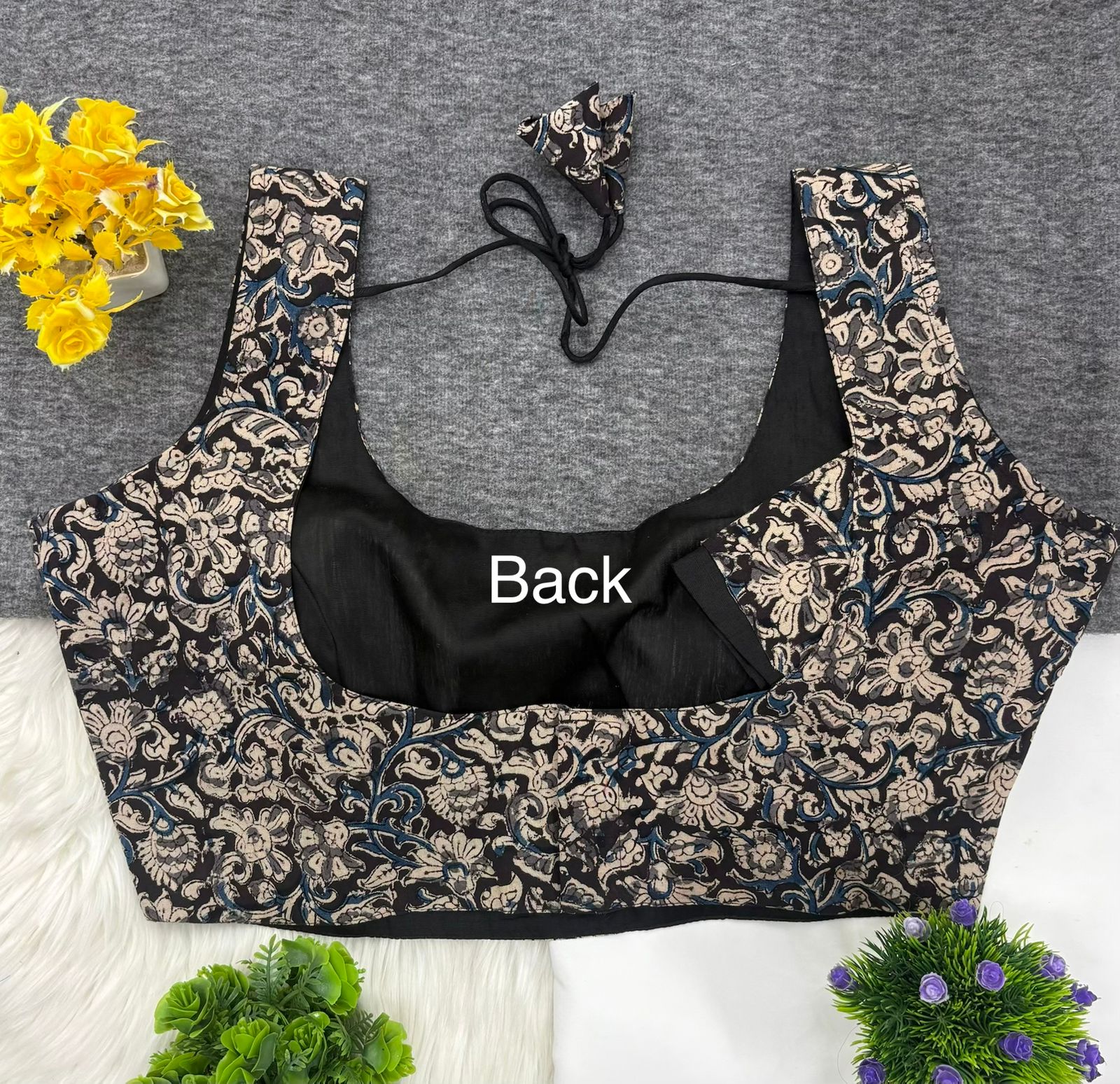
Soft, lighter cotton can be easier to wear for long periods because it absorbs less heat and may mould gradually to the body. The Pure Kalamkari Cotton Padded Blouse for Women and Kalamkari Cotton V Neck Collar Blouse for Women show how printed cotton designs can offer visual detail without requiring heavy embellishment. Their comfort still depends on the relationship between lining, padding, bust room and armhole shape.
Be cautious when assuming that a slightly loose or textured fabric will solve a fit issue. A lining can be tighter than the outer fabric, and the lining is often the layer that restricts movement. When trying a lined blouse, judge comfort from the inner layer rather than the surface fabric.
Readymade Blouse Fit: Why the Labelled Size May Still Feel Wrong
A labelled readymade blouse size is only a starting point because brands grade shoulder, bust, waist and armhole measurements according to different size blocks. A medium from one maker may have a generous bust and narrow shoulder, while another medium may use a broader shoulder and shorter length.
Compare at least five measurements before buying: bust, waist, shoulder, armhole and length. For a padded blouse, also check cup coverage and the position of the bust point. A blouse that fits the bust but pulls at the shoulders may need a different pattern, not simply one size larger.
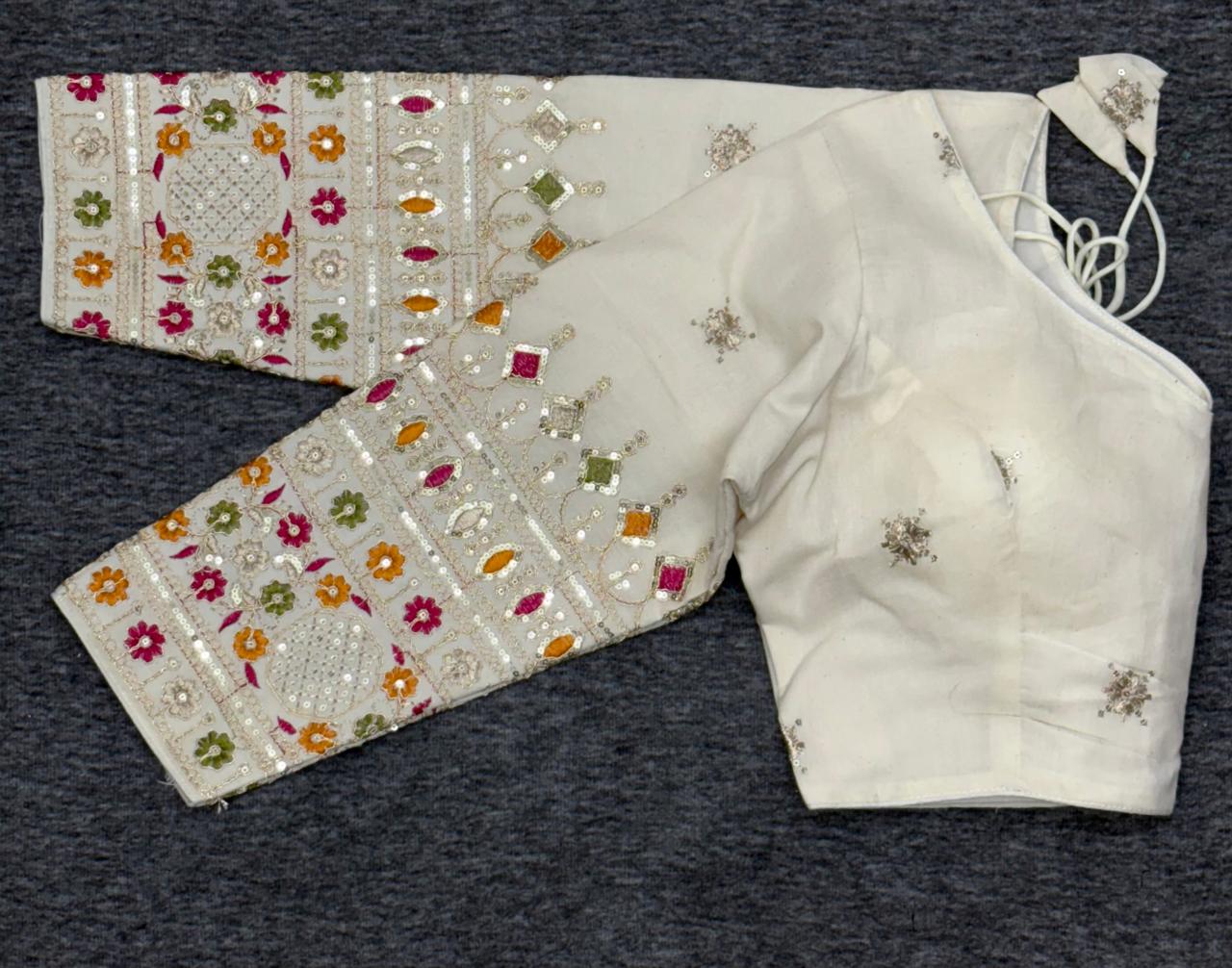
Designer readymade blouses often include details such as collars, deep necklines, dense zari, beads or shaped cups. Those details can reduce the amount of fabric available for alteration. A simple cotton blouse may allow side-seam changes, while a heavily decorated silk blouse may require a specialist tailor to preserve the embroidery and lining.
Readymade construction can be a useful choice when the measurement chart matches your body and the style suits your movement needs. The Classic Festive Wear Blouse for Stylish Saree Look can work for a polished saree outfit, but festive styling should not persuade you to ignore a tight armhole or a shoulder seam that sits in the wrong place.
What should you do if you're between two sizes?
Choose the larger size when the smaller size creates visible pulling across the bust, shoulder or underarm, provided the larger size can be taken in at the waist. It is usually easier to reduce a little volume than to create missing fabric at the armhole or bust.
don't size up automatically if the larger blouse creates a low armhole, shoulder droop or neckline gap. A pattern with a better shoulder-to-bust proportion will often be more comfortable than a larger version of the wrong proportion.
How Sleeves, Necklines and Padding Affect Arm Movement
Sleeves influence movement because sleeve width and sleeve-head shape determine how much the arm can lift. A narrow cap sleeve can pull at the armhole, while a tight elbow-length sleeve can restrict the forearm and transfer tension back to the bodice.

Sleeveless blouses remove sleeve restriction but place more responsibility on the armhole binding. A sharply cut armhole may dig into the underarm or expose the bra when the arm rises. The Cream Ikat Cotton Padded Blouse Sleeveless Trendy is an example of a sleeveless style that should be assessed for armhole comfort, not only for neckline and print.
High necklines and collars can feel restrictive when the shoulder slope is incorrect. A V neckline may provide a little more visual and physical openness at the front, but a V shape can't compensate for a narrow shoulder or undersized armhole. Neckline depth changes appearance; it doesn't replace correct body measurements.
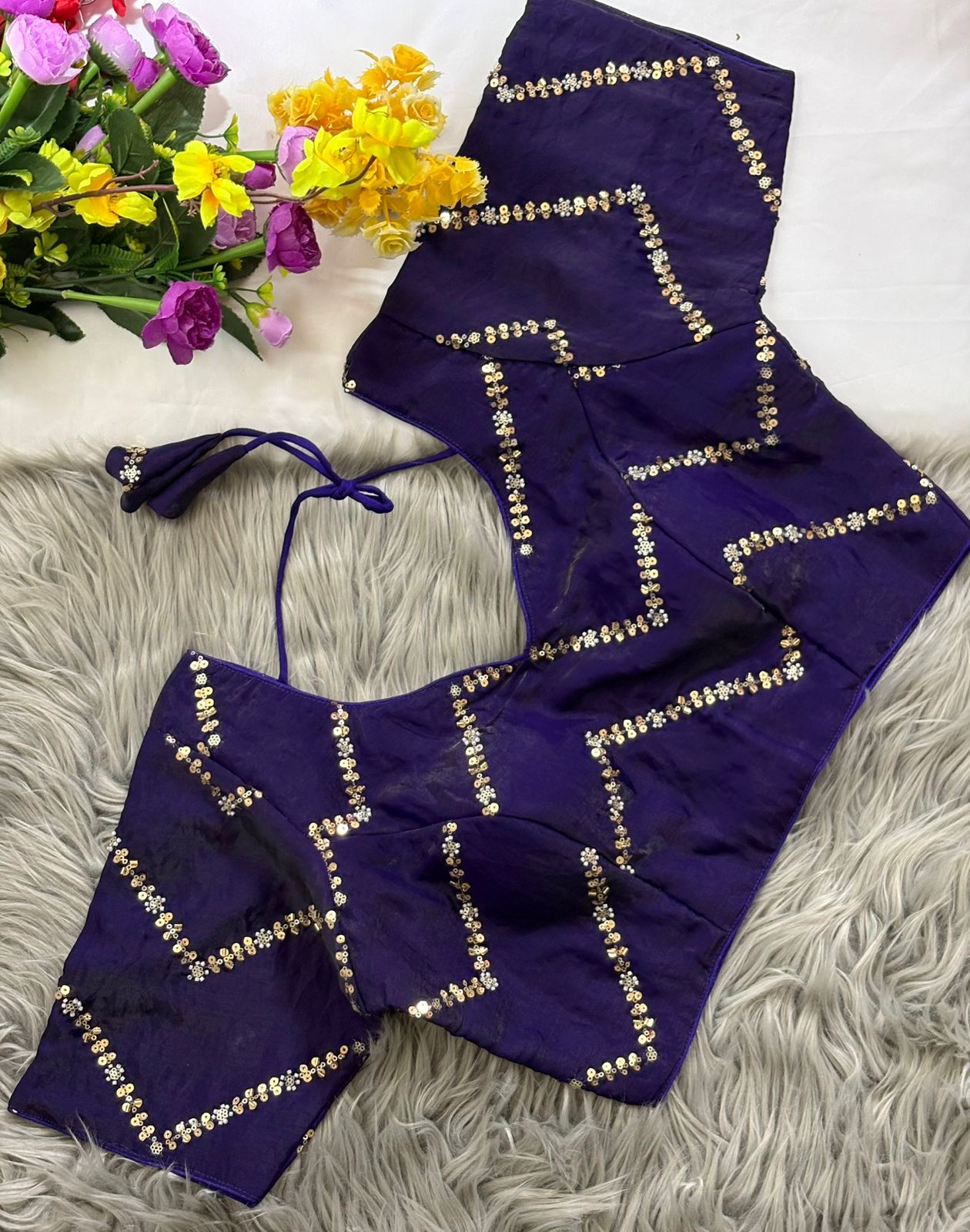
Padding changes the internal volume of the blouse and can push fabric outward at the bust. A padded design should sit smoothly over the bust without forcing the side seam forward. The Fendy Silk Zigzag Moti Work Readymade Blouse combines a decorative surface with a fitted construction, so movement should be tested with both arms rather than judged while standing still.
Simple Tests to Perform Before Wearing a Blouse to an Event
A five-minute movement test can reveal most serious fit problems before a wedding, Haldi ceremony or reception. Put on the actual bra, saree and accessories you expect to wear, because undergarment height and saree drape can change the blouse position.

- Reach overhead: Lift both arms as if placing something on a shelf. Note whether the hem rises, the neckline pulls or the underarm pinches.
- Reach forward: Extend both arms as if holding a tray. Horizontal wrinkles across the bust indicate insufficient ease or a misplaced bust point.
- Cross your arms: Fold your arms across the chest. Tightness through the back suggests restricted shoulder width or too little back ease.
- Rotate your torso: Turn left and right while keeping the hips still. A side seam that twists or shifts forward indicates imbalance in the pattern.
- Sit down: Sit upright for five minutes. A blouse that feels fine while standing may become tight when the ribcage and waist change position.
- Check the lining: Run a finger along the underarm and neckline. Rough seams, stiff binding or a tight lining can cause discomfort even when the outer fabric looks smooth.
A blouse is movement-ready when the hem shifts minimally, the neckline stays stable and the underarm remains comfortable during all six tests. Minor movement is normal; constant upward travel is a fit warning.
Alterations That Can Stop a Blouse From Riding Up
The correct alteration depends on where the tension appears. A tailor should diagnose the pulling while you move, rather than lengthening the hem immediately.
- For a tight side seam: Release available seam allowance at the bust or waist. This can create breathing room, but it can't repair a fundamentally undersized armhole if no allowance remains.
- For a narrow armhole: Reshape or lower the armhole slightly, then finish the edge carefully. Lowering too much can expose the bra and reduce support.
- For a tight shoulder: A tailor may adjust the shoulder seam or add a small gusset, depending on the construction. Decorative borders and embroidery can make this alteration difficult.
- For a short blouse: Add a matching or deliberately contrasting hem panel only after correcting upper-body tension. Adding length first may make the blouse look longer while leaving the movement problem intact.
- For a tight lining: Replace or release the lining if the outer fabric has enough room. A lining that's shorter or narrower than the shell can pull the entire blouse upward.
- For sleeve restriction: Widen the sleeve or alter the sleeve-head shape. Removing a sleeve may not work if the armhole edge itself is too tight.
Alterations are safest when completed before embellishment is added or before the blouse is worn with delicate saree fabric. Take the blouse to a tailor wearing the bra you plan to use, and ask for a movement test after every major adjustment.
How to Choose a More Comfortable Blouse for a Saree
A comfortable saree blouse should match the body's movement requirements as carefully as it matches the saree's colour and formality. Begin with accurate measurements, then consider fabric stiffness, lining, sleeve design and the amount of time you'll spend moving.
For a long festive event, breathable cotton can be practical, especially when the saree is already heavy. For formal evening wear, silk can look refined, but the blouse needs adequate ease because woven silk won't stretch significantly. A designer saree outfit should allow you to sit, eat, greet guests and raise your arms without repeatedly adjusting the neckline or hem.
When comparing styles, prioritise the shoulder and armhole before decorative details. A well-fitting blouse with a simple neckline is more useful than an ornate blouse that requires constant pulling down. Padded, sleeveless and collar styles can all be comfortable when their measurements suit the wearer.
A blouse should support the saree rather than compete with your movement. Careful measurement, a short movement test and targeted alterations usually solve upward riding more effectively than buying a longer blouse or relying on fashion tape.
Common Questions About Saree Blouses That Ride Up
Why does my blouse ride up when I lift my arms?
A blouse usually rides up because the armhole is too tight or incorrectly shaped for the wearer's shoulder movement. Tight shoulder width, insufficient bust ease, a restrictive lining or a short blouse can add to the upward pull.
Will making a blouse longer stop it from riding up?
Making a blouse longer will not usually solve the problem if the armhole or shoulder is tight. Correct the upper-body tension first, then add length if the finished hem still sits too high.
Is a deep armhole better for preventing a blouse from pulling up?
A slightly deeper armhole can improve movement, but an excessively deep armhole may gape, expose the bra and allow the blouse to shift. The best armhole is close enough for support while leaving room for the upper arm to rotate.
Why does my padded blouse feel tighter than an unpadded blouse in the same size?
Padding and lining occupy extra space over the bust, so the same labelled size may provide less usable room. Check the cup coverage, bust ease, side seam and lining separately when assessing a padded blouse.
Can a tailor fix a readymade blouse that pulls up?
A tailor can often release the side seam, adjust the shoulder, reshape the armhole, replace a tight lining or add a hem panel. The alteration depends on available seam allowance and whether embroidery, zari or structured padding limits the changes.
Do cotton blouses move better than silk blouses?
Cotton blouses may feel cooler and softer, but woven cotton is not necessarily stretchy. Silk blouses can also be comfortable when the shoulder, armhole and bust ease are correct; fabric choice alone does not determine movement.