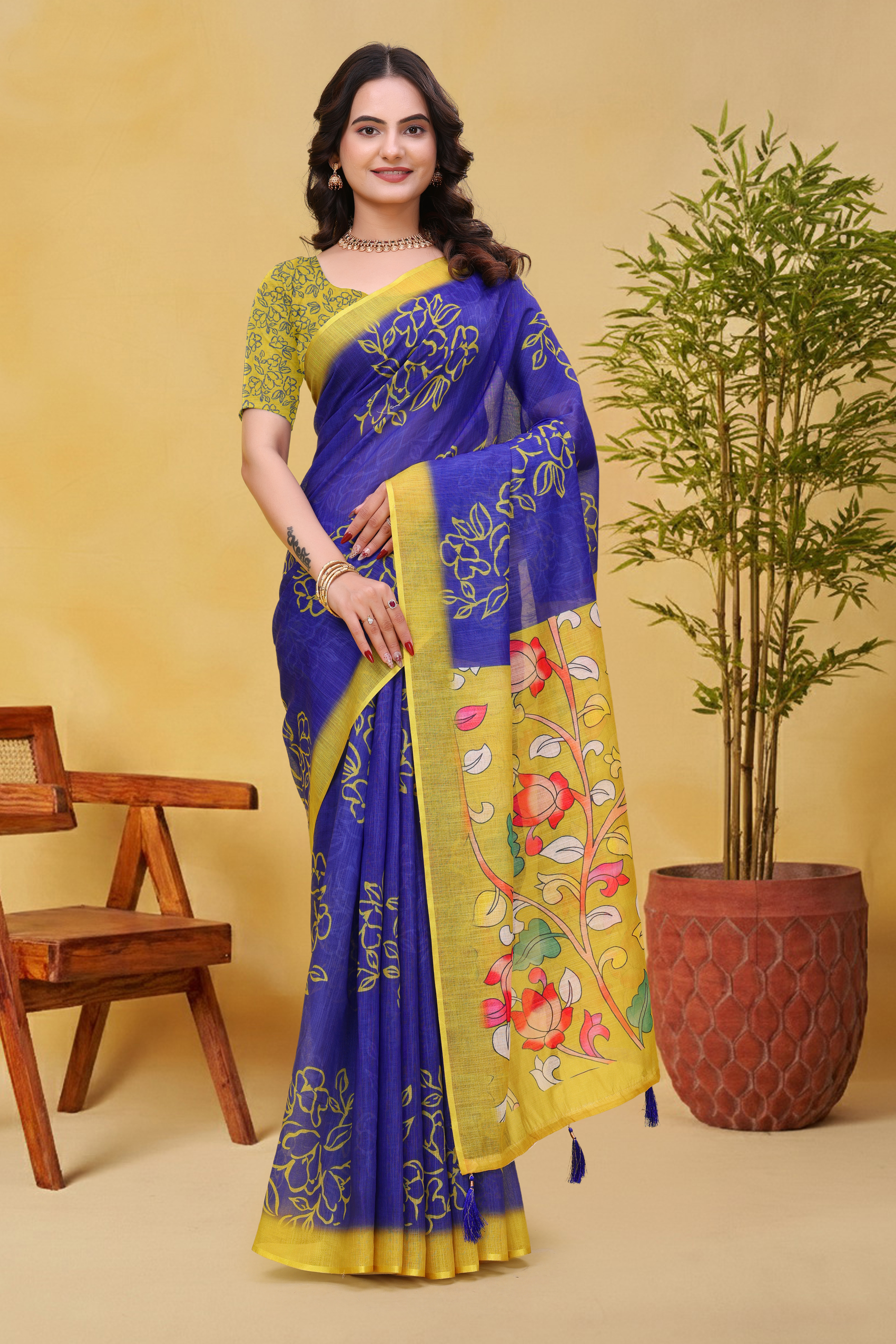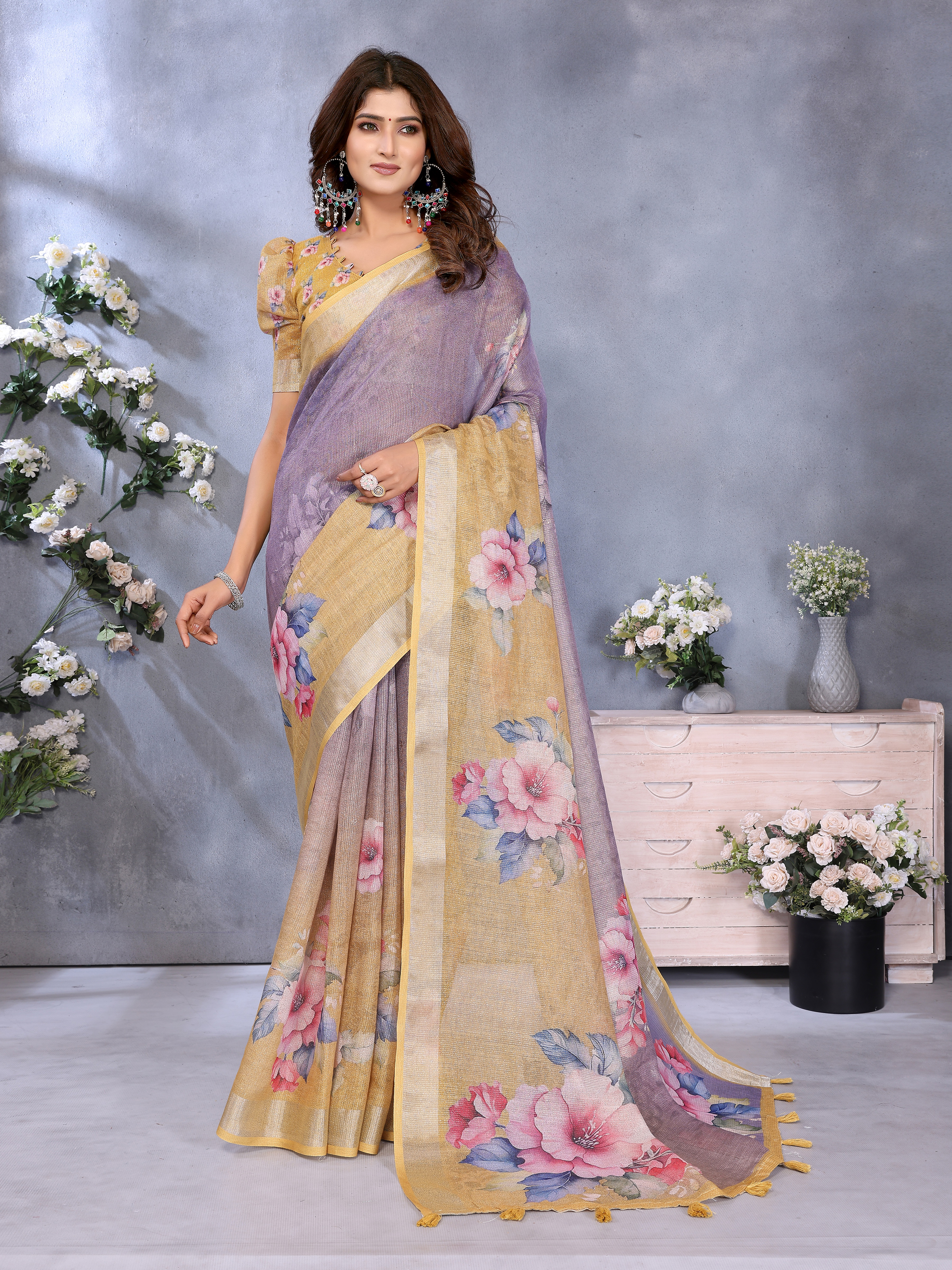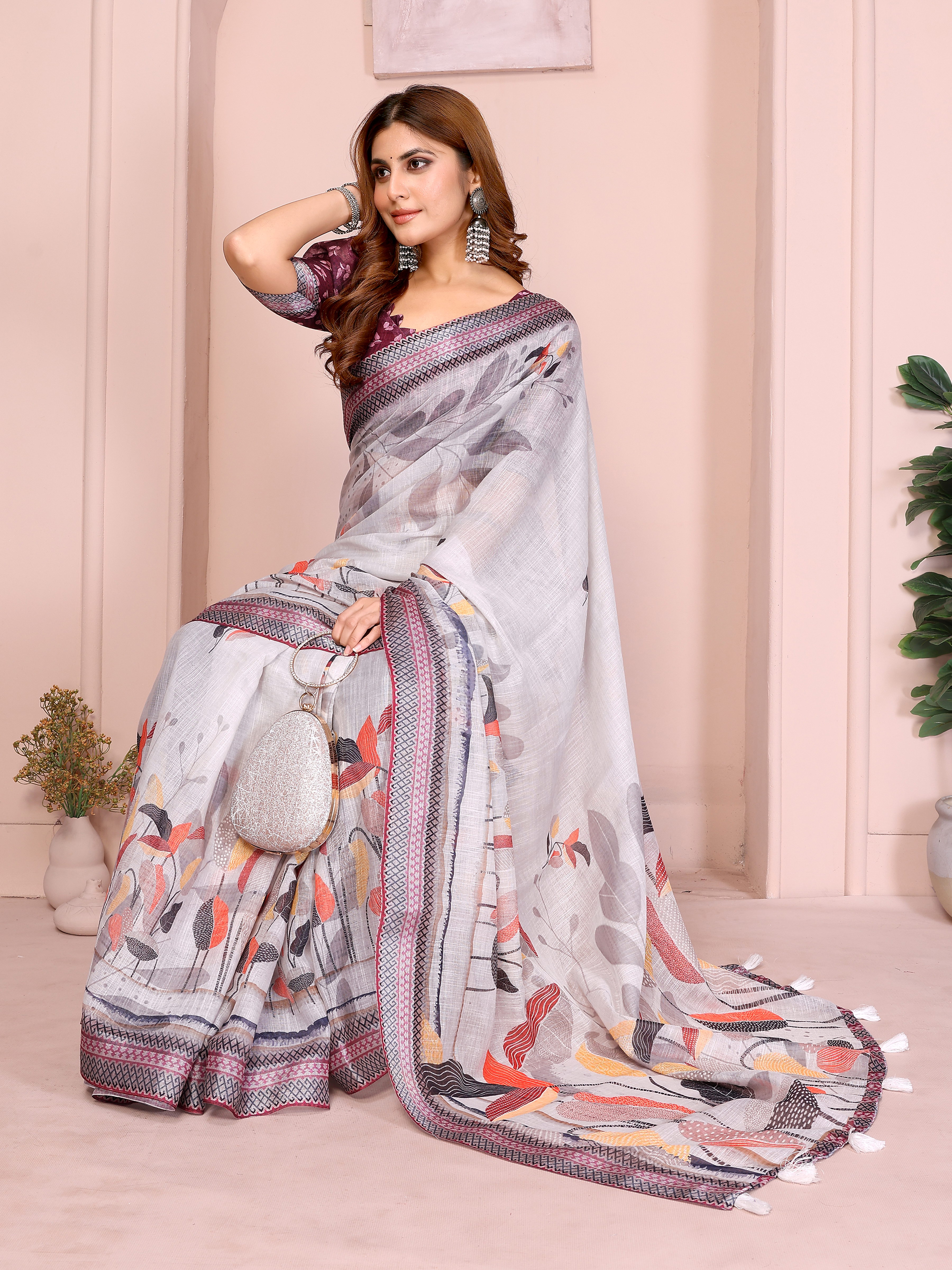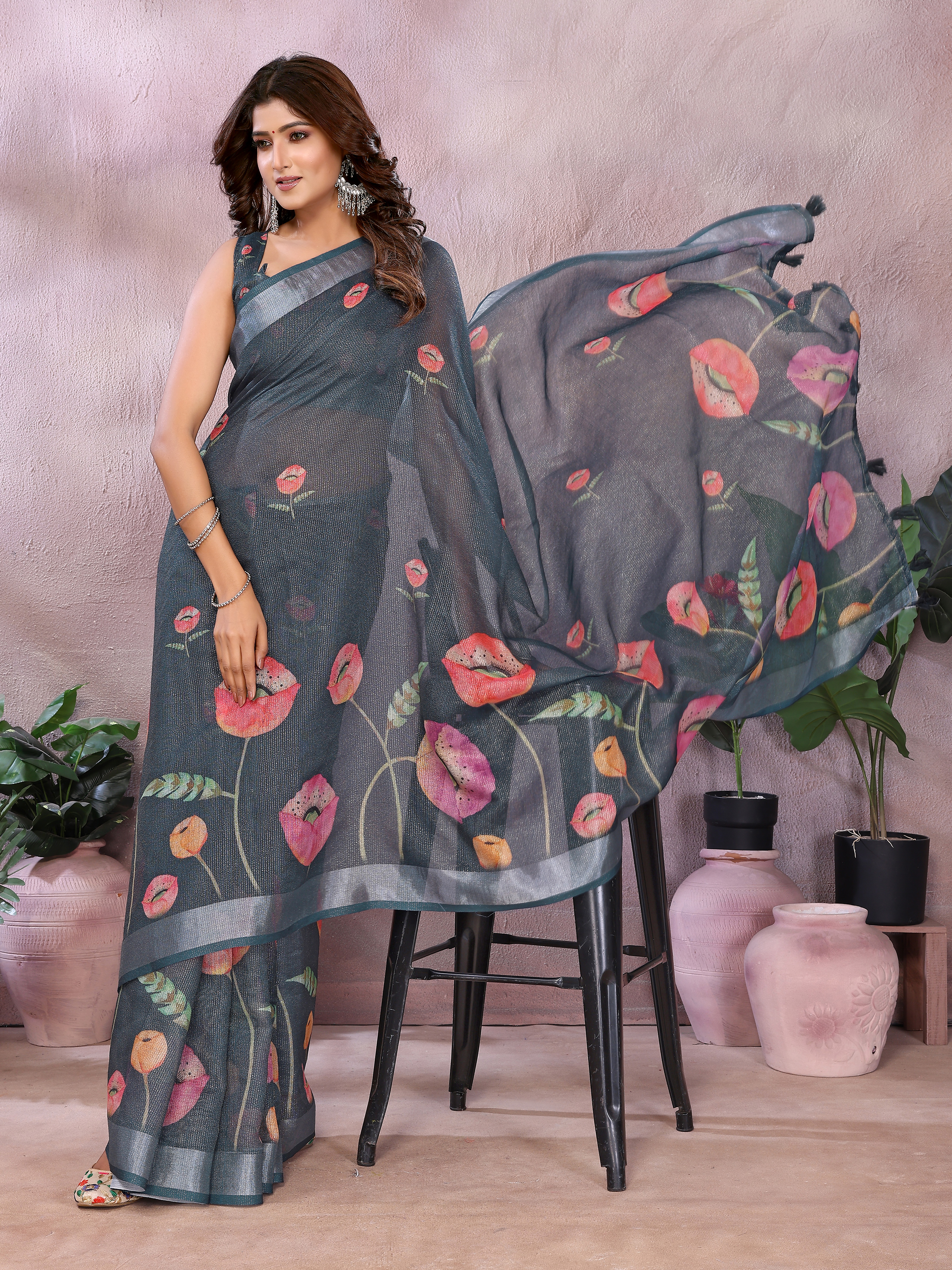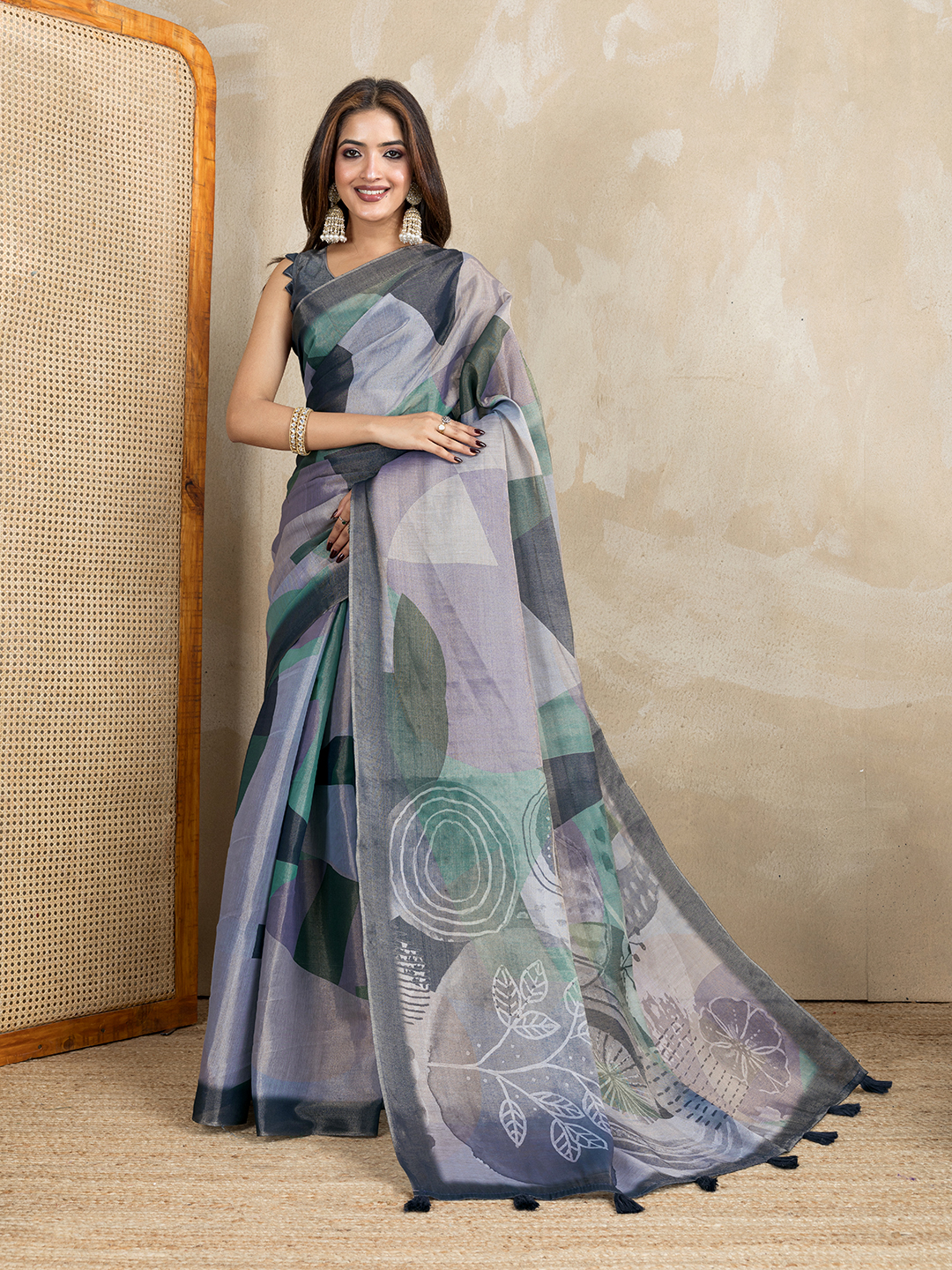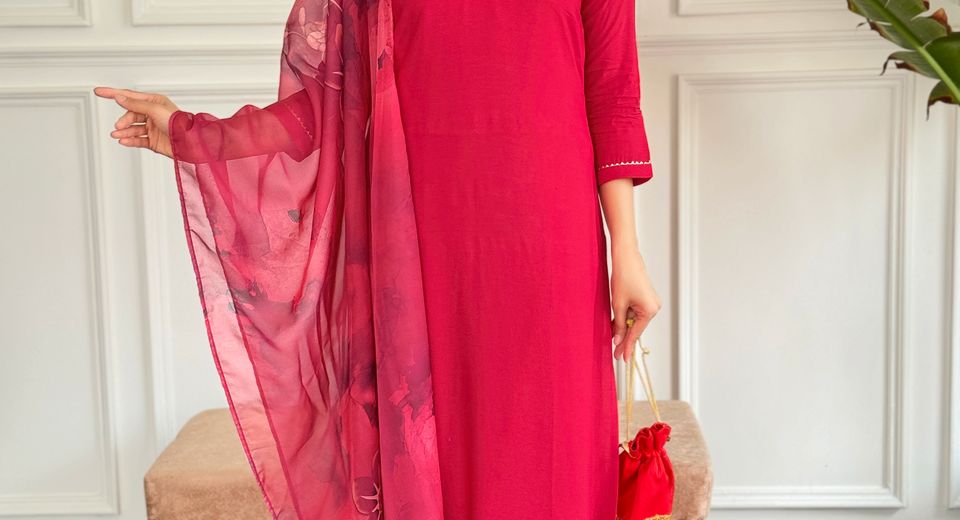
Why Small Prints and Large Prints Change the Look of the Same Kurti Cut becomes clear when two identical straight kurtis are placed side by side: one may appear quieter and longer, while the other looks more dramatic and visually broad. The difference comes from motif scale, spacing, contrast and placement, not only from stitching. Understanding print scale helps you select a salwar suit that supports your proportions, styling goals and occasion.
A small floral repeat can make a kurti feel light, detailed and easy to layer. A large botanical, geometric or traditional motif commands more attention and can visually divide the body. Neither option is universally flattering or unflattering. The useful question is how the print interacts with the cut, fabric, colour and accessories.
Why Small Prints and Large Prints Change the Look of the Same Kurti Cut
Small prints usually create a continuous, finely textured surface, while large prints create stronger visual stops across the garment. The eye reads repeated tiny motifs as an overall texture, but it notices large motifs individually. That difference affects perceived width, length, movement and formality even when the neckline, sleeves and hem remain identical.
A straight kurti with a small all-over print often appears visually elongated because the eye isn't interrupted by a dominant central shape. A straight kurti with a large print can look more expansive because each motif occupies more visual territory. A dark base with low-contrast small motifs may appear streamlined, whereas high-contrast large motifs produce a stronger statement.
Print scale also changes how a three-piece salwar suit is read. A bold motif on the kurti paired with plain pants and a restrained dupatta keeps attention on the upper body. A minor print repeated across the kurti, pants and dupatta creates a softer, more coordinated impression. The same cut therefore serves different style purposes depending on where the pattern is allowed to look.
How Does Motif Size Affect Visual Proportion?
Motif size affects visual proportion by controlling how quickly the eye travels across the garment. Smaller motifs encourage an uninterrupted scan, while larger motifs make the eye pause at each shape, border or colour block.
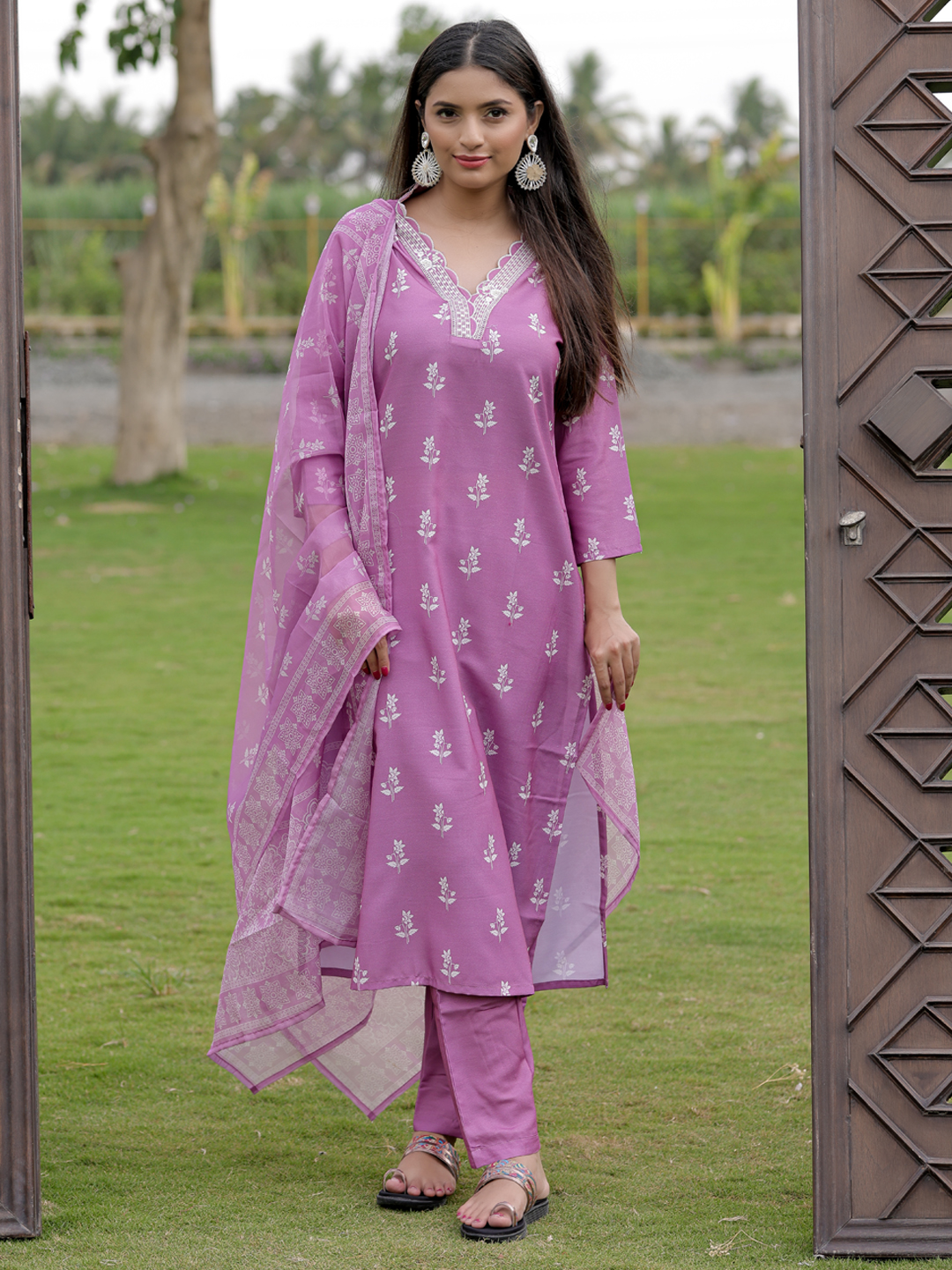
Vertical movement is easiest to preserve when a small print has a narrow repeat, a vertical arrangement or a low-contrast relationship with the base colour. A large print can also support length when its main motifs are arranged vertically or when a long, unbroken panel runs down the centre. Print size alone doesn't determine whether a kurti looks long or wide; arrangement matters just as much.
Horizontal borders deserve special attention. A broad border at the hem or across the chest creates a clear line that can visually shorten the area where it sits. A thin printed border generally has a gentler effect. Large motifs placed at the sides can add apparent width, while a concentrated central motif draws attention inward.
Dupatta scale can either balance or exaggerate the kurti's effect. A bold kurti with a plain or finely patterned dupatta usually looks intentional. A large-print kurti combined with a large-print dupatta can appear busy unless both designs share a colour family and one pattern has noticeably more empty space.
Which Print Scale Works With Different Kurti Cuts?
Small prints suit most kurti cuts, but large prints work best when the garment has enough surface area to display the motif without awkward interruptions.
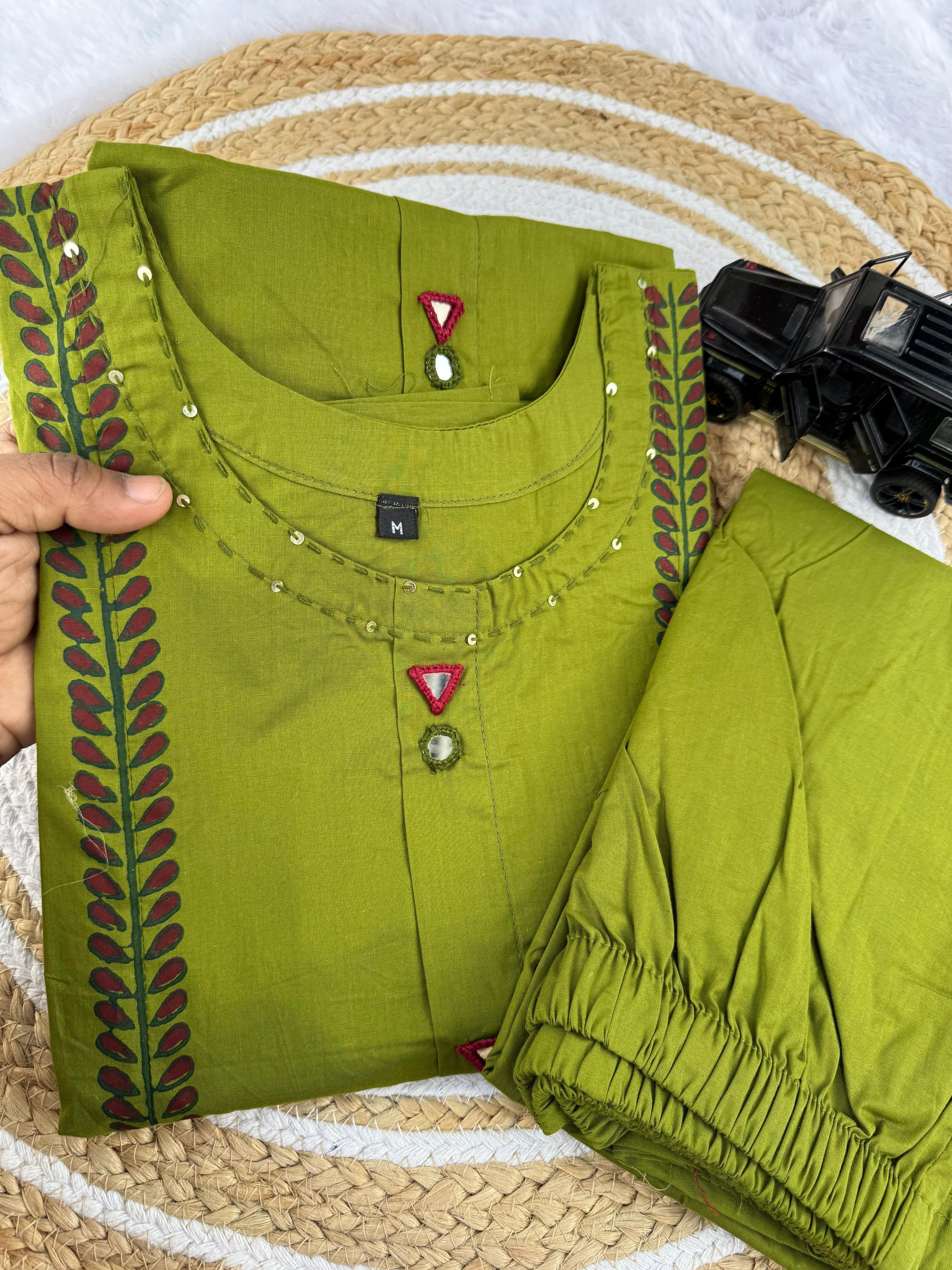
Straight kurtis
Small and medium prints are dependable choices for straight kurtis because the long, simple line gives repeated motifs room to create rhythm. A small floral design works well for office dressing, daily wear and layering under a solid dupatta. A large print can look striking on a straight kurti when the motif is centred, vertically aligned or balanced by plain trousers.
Blue Kanchi Cotton Jacquard Kurti with Elegant Dupatta demonstrates why woven pattern and silhouette need to be considered together. A structured, detailed surface already attracts attention, so accessories can remain controlled rather than competing with the kurti.
Anarkali and flared cuts
Medium or large motifs can complement an Anarkali because the flare provides enough width for the design to open without being cut into too many narrow sections. Small prints create a more delicate, continuous effect on the same flare. Large motifs placed near the lower skirt can emphasise movement, while large motifs across the yoke can draw attention upward.
Short kurtis with pants
Short kurtis can carry larger motifs because the shorter length prevents a big design from becoming visually repetitive. A large motif on a short kurti looks contemporary with solid cigarette pants or palazzos. Small prints create a relaxed result and allow patterned trousers or a textured dupatta to enter the outfit without excessive contrast.
Panelled and asymmetrical cuts
Panelled and asymmetrical kurtis generally benefit from medium or smaller motifs because complicated seams already create visual movement. A large print may be attractive, but the motif can be interrupted at every panel seam and lose its intended shape. A carefully placed border or directional print can solve that problem when tailoring is designed around the pattern.
How Should You Choose a Print for Your Body Proportions?
Choose a print by deciding where you want attention to land, then match motif scale and placement to that area. Print scale should support personal preference rather than enforce rigid body-shape rules.
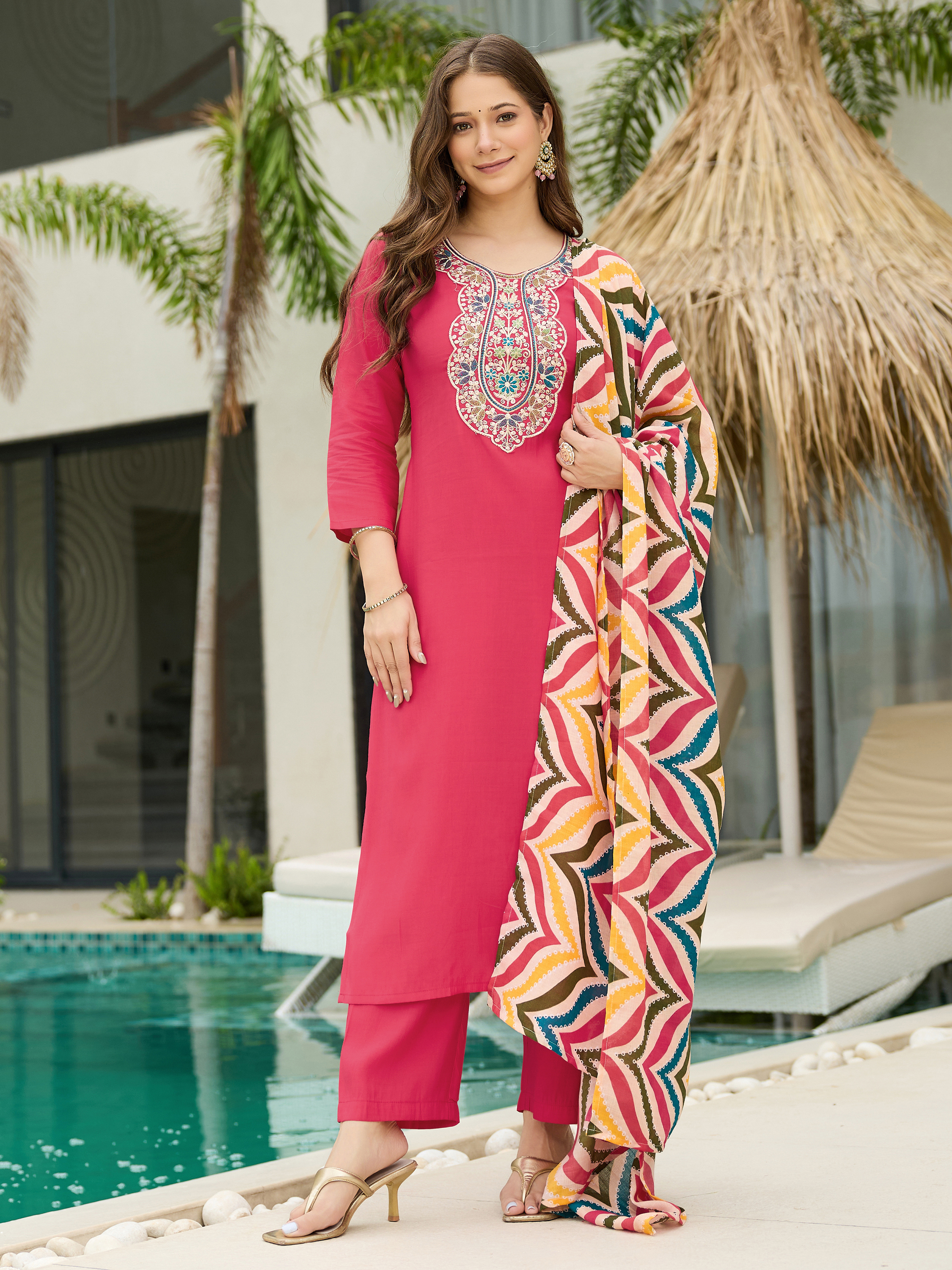
People who prefer a quieter, lengthened impression often enjoy small motifs, low contrast and vertical spacing. A small print doesn't hide the body; it simply creates fewer dominant visual interruptions. A long dupatta worn in a straight fall can reinforce the vertical effect.
People who want to highlight the shoulders, neckline or upper torso can choose a large motif on the kurti yoke or chest, particularly when the lower half remains plain. People who want more emphasis around the hem can select a border or large motif near the skirt rather than across the bust. These placement decisions are more precise than choosing a print solely by size.
Contrast changes the apparent strength of every motif. A large ivory motif on deep black looks bolder than a large tonal motif on a similar-coloured base. Black Kanchi Cotton Jacquard Kurti with Woven Dupatta Set has the visual richness associated with a dark woven surface, so simple earrings and an uncluttered hairstyle can preserve balance.
Body proportions also interact with garment length. A large print on a long kurti can feel generous and dramatic, while the same print on a short kurti can look crisp and modern. A small print on a very long garment may appear refined, but too many tiny high-contrast motifs can create visual noise. Trying the garment with its intended footwear is useful because flat sandals, pointed juttis and heeled mules change the final vertical line.
What Do Print Scale, Fabric and Colour Have to Do With One Another?
Fabric and colour determine how strongly a print scale is perceived. Matte cotton softens contrast, reflective zari sharpens it, and fluid chiffon allows large motifs to move differently from motifs on a structured weave.
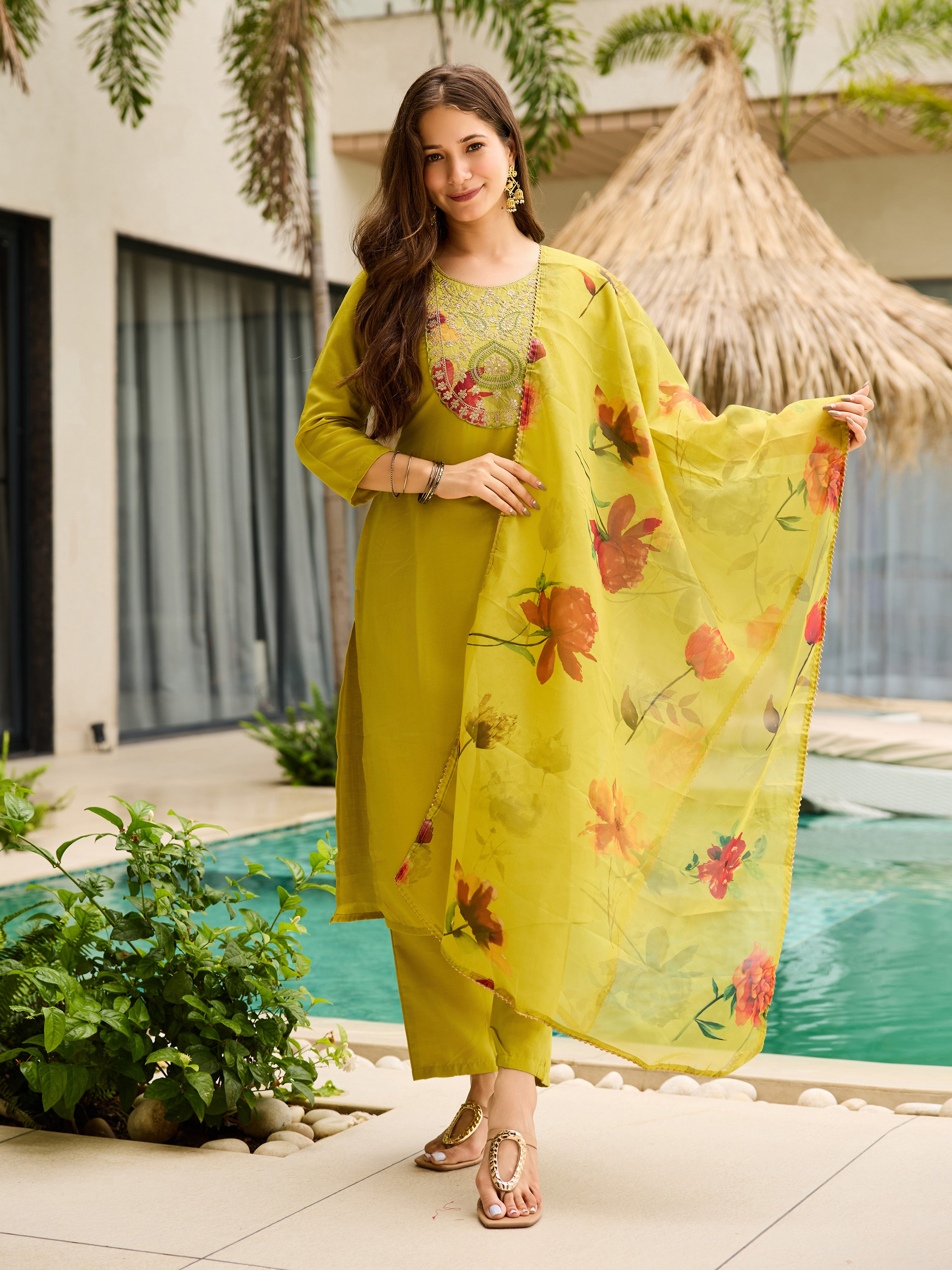
Chanderi, cotton texture and jacquard weaving each give patterned surfaces a different visual density. Black Jacquard Woven Kanchi Cotton Kurti Set can read as more substantial than a fine small-print cotton kurti because woven texture adds depth even when motifs are not oversized.
A digital print on a fluid base can make a large floral pattern feel softer because the fabric moves around the body. Shop Floral Digital Printed Chiffon Kurti Palazzo Set with zari embroidery combines a fluid silhouette, a visible floral design and zari detail. Such an outfit already has several points of interest, so a plain or lightly finished dupatta can keep the total look composed.
Warm colours such as gajri, onion pink and olive yellow can make motifs feel more prominent when they contrast strongly with the background. Gajri Embroidered Kurti Pant Dupatta Set Women and Onion Pink Printed Kurti Pant Dupatta Set show how colour mood can alter the reading of a similar three-piece format. A soft colour doesn't automatically mean a subtle outfit; high contrast or embroidery can make it visually assertive.
Zari, embroidery and woven texture should be counted as pattern information. A minor printed motif combined with heavy zari may have the same visual weight as a larger, flat print. Olive Yellow Embroidered Kurti Set with Dupatta therefore calls for a different accessory approach from a simple cotton kurti with a low-contrast repeat.
How Can You Style Small-Print and Large-Print Salwar Suits?
Style a small-print salwar suit by adding controlled texture, and style a large-print salwar suit by giving the strongest motif enough breathing room.
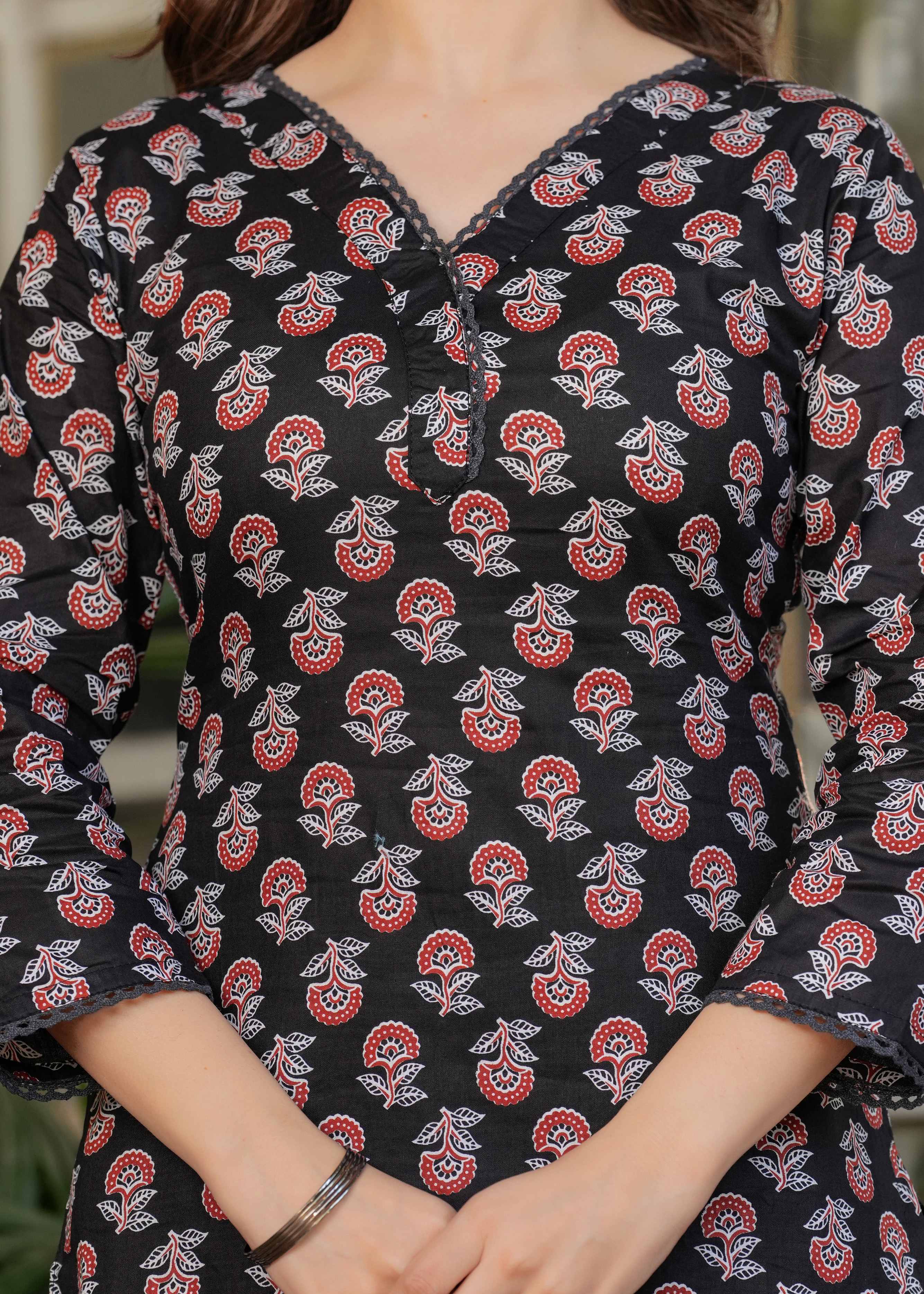
Small prints pair comfortably with a textured dupatta, modest jewellery or a patterned jutti because the base pattern remains fine-grained. A small printed kurti with solid pants is an easy workwear formula. For festive dressing, add one stronger element, such as oxidised earrings, a zari-edged dupatta or embroidered footwear, rather than several competing patterns.
Large prints need fewer supporting statements. Solid pants in a colour pulled from the motif can make a bold kurti look deliberate. A plain dupatta worn over one shoulder leaves the main design visible. If the dupatta also carries a large pattern, use a shared base colour, comparable warmth and different motif sizes so the two pieces don't compete equally.
Black Kanchi Cotton Kurti Dupatta Set for Women offers another useful styling lesson: when the base is dark and the silhouette is uncomplicated, metallic jewellery or a brighter sandal can provide contrast without introducing a second major print. Onion Pink Printed Kurti Pant Dupatta Set can move in a lighter direction with pearl details, neutral footwear or a soft solid dupatta.
Time-honoured design families also influence how print scale feels. Kalamkari Print Salwar Suits (Copy) may suggest narrative botanical or figurative detail, so a medium-scale pattern can retain recognisable forms without making the outfit look crowded. Maharashtra Paithani Inspired Salwar Suits can use heritage-inspired colour relationships that deserve a quieter accessory plan. Gujarat Bandhej Salwar Suits and Odisha Sambalpuri Salwar Suits demonstrate how repeated dots, checks or regional motifs can remain visually rich even when individual units are small.
Punjab Patiala Salwar Suits often have generous lower-volume styling, which gives you room to balance a more assertive kurti print with a simpler dupatta. The design language of a print matters as much as its measurement: a dense heritage repeat and a sparse oversized flower may occupy similar space but create completely different impressions.
How Can You Test Print Scale Before Buying?
Test print scale by checking the garment from three distances: close-up, one metre away and in a full-length mirror. A print that looks delicate online may read as bold at conversation distance, while tiny motifs may disappear in a photograph.

First, identify the largest uninterrupted area of the kurti. That area determines whether the main motif will be visible or repeatedly cut by seams, gathers and the dupatta. Next, check the neckline, sleeve and hem placement. A large flower cut across the bust or a border ending above the ankle can change the intended balance.
Second, compare the kurti with the exact bottom and dupatta rather than judging the top alone. A large-print kurti with wide palazzo pants can create considerable visual volume, whereas the same kurti with narrow pants may look more streamlined. A small-print kurti with a busy dupatta can become more animated than expected.
Third, examine colour contrast under daylight and indoor lighting. Black, navy and jewel tones can deepen indoors, while zari can become much more prominent under artificial light. A Haldi ceremony usually welcomes cheerful contrast and movement, while a work setting may call for a smaller repeat, controlled embroidery and a less reflective finish.
How Do You Build a Balanced Outfit From One Print?
Build balance by selecting one dominant visual element and allowing the remaining pieces to support it. The dominant element may be the kurti print, a zari border, an embroidered dupatta or statement jewellery.
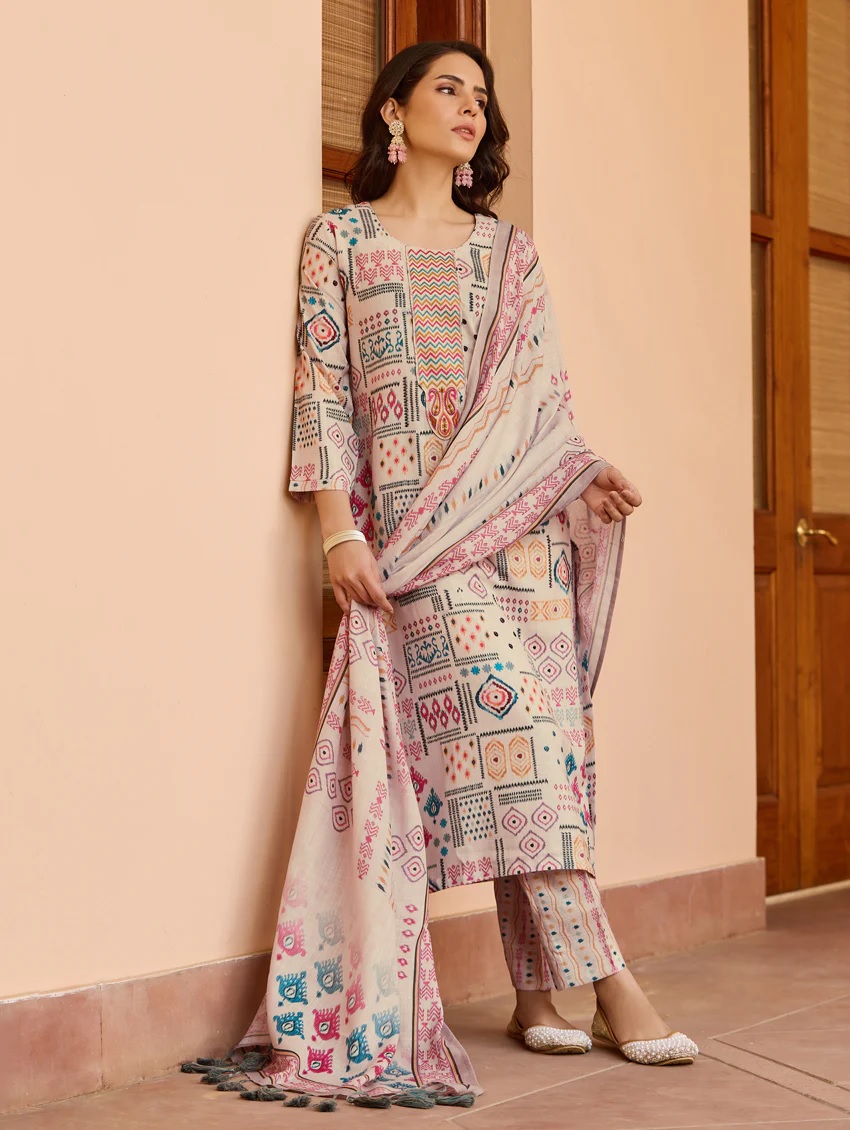
For a small-print kurti, choose one of three directions: repeat a colour in the dupatta, introduce texture through zari or jacquard, or keep the rest solid for a clean line. For a large-print kurti, repeat one secondary colour in the pants or earrings and avoid adding another equally large motif.
Print scale is also a practical buying consideration. Small repeats are forgiving when a garment is worn repeatedly because minor creasing is less noticeable. Large motifs require closer attention to placement, seam matching and care because folds can interrupt the visual design. Follow the garment's care label, wash printed fabrics inside out when permitted, and avoid harsh bleaching that can reduce contrast.
The most useful rule is simple: select the print that creates the amount of visual activity you actually want. Small prints offer texture and flexibility; large prints offer presence and direction. Both can work with the same kurti cut when placement, fabric, colour and styling are considered together.
Common Questions About Choosing Print Scale for Salwar Suits
Do small prints make a kurti look slimmer?
Small prints can create a more continuous visual surface and may make a kurti appear more streamlined, especially when contrast is low and the arrangement is vertical. The result also depends on garment length, fabric, colour and the placement of borders or motifs.
Do large prints make a salwar suit look bigger?
Large prints can make an area look more prominent because the eye pauses on each motif, but they do not automatically make the whole outfit look larger. Low-contrast colour, vertical placement and solid pants can keep a large-print suit balanced.
Which print is better for a straight kurti?
Small or medium prints are versatile for a straight kurti because they support its long, simple line. Large prints also work when the motif has enough uninterrupted space or is arranged vertically, with plain pants or a restrained dupatta for balance.
Can I wear a large-print kurti with a printed dupatta?
You can wear a large-print kurti with a printed dupatta when the two pieces share a colour family and have unequal visual weight. Keep one pattern smaller, more widely spaced or lower in contrast so both designs do not compete.
Are small prints suitable for festive salwar suits?
Small prints can suit festive salwar suits when zari, embroidery, a rich fabric or statement accessories provide the celebration detail. A small print paired with a heavily embellished dupatta often looks more balanced than a large print combined with several ornate elements.
How should I choose a print for a Haldi ceremony?
Choose a print with cheerful colour contrast and enough movement for the Haldi ceremony, while checking whether the fabric and embellishment are practical for the event. A bright large print creates a statement, whereas a small print leaves more room for bold jewellery or a colourful dupatta.