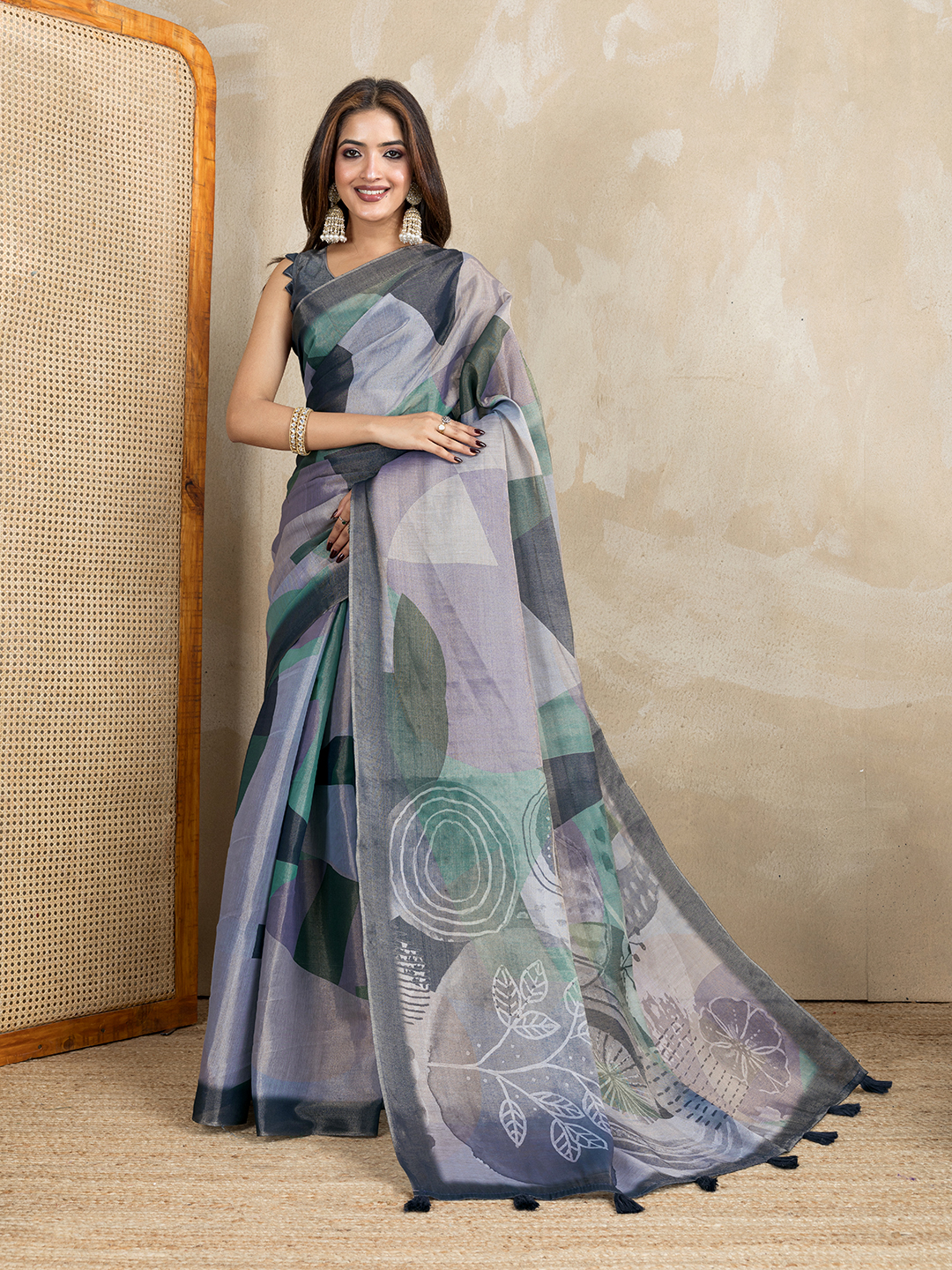

Why Silk Sarees Should Not Be Stored Next to Certain Embellished Outfits is a practical wardrobe question, not merely a matter of neat arrangement. Sequins, zari, beads, crystals, metal hooks and dense embroidery can scrape silk, catch its floating threads, press permanent marks into folds and transfer dye or tarnish onto a neighbouring saree. A few inexpensive storage changes can protect a Banarasi silk saree, a handloom silk saree or a lightweight organza silk saree for years.
Why Silk Sarees Should Not Be Stored Next to Certain Embellished Outfits: the basic risk
Silk sarees should not be stored next to embellished outfits because hard or rough decorations can abrade silk during handling, while trapped humidity and colour transfer can worsen the damage. Silk fibres are strong for their weight, but repeated rubbing against sequins, zari edges or beadwork can pull threads and create tiny snags.
Wardrobes experience movement even when garments are not being worn. A saree may slide when another outfit is removed, a shelf may vibrate when a drawer closes, and folded layers may shift under their own weight. Every small movement can bring a silk surface into contact with a sharp sequin edge or an uneven embroidery knot.
Embellished garments also tend to be heavier and less flexible than silk sarees. A heavily worked blouse, lehenga or sharara placed above a folded saree can create concentrated pressure points. Over several months, pressure from beads, stones or metal elements may leave ridges, dull patches or crushed pleats.
Which embellishments create the greatest risk?
Metal sequins, cutdana, beads with rough holes, crystal settings, coarse zardozi and exposed zari ends create the greatest risk to silk sarees. Smooth thread embroidery is generally less abrasive, although raised knots and loose threads can still catch the saree's surface.
- Sequins: Sequin edges can act like small blades when a folded garment slides across silk.
- Zari and zardozi: Metallic threads may have stiff ends, and tarnished metal can leave dark marks on pale silk.
- Beads and crystals: Hard decorations create pressure points and can snag a fine weave.
- Mirror work: Glass pieces can chip, scratch adjacent fabric or break under compression.
- Hook-and-eye fasteners: Exposed hooks catch silk threads more readily than covered fasteners.
Why Silk Sarees Should Not Be Stored Next to Certain Embellished Outfits: damage mechanisms
Embellishments damage silk through abrasion, snagging, pressure, chemical transfer and moisture-related staining. These problems often develop slowly, so a saree may look perfectly safe when first placed in the wardrobe and show damage only after several months.
How do sequins and embroidery pull silk threads?
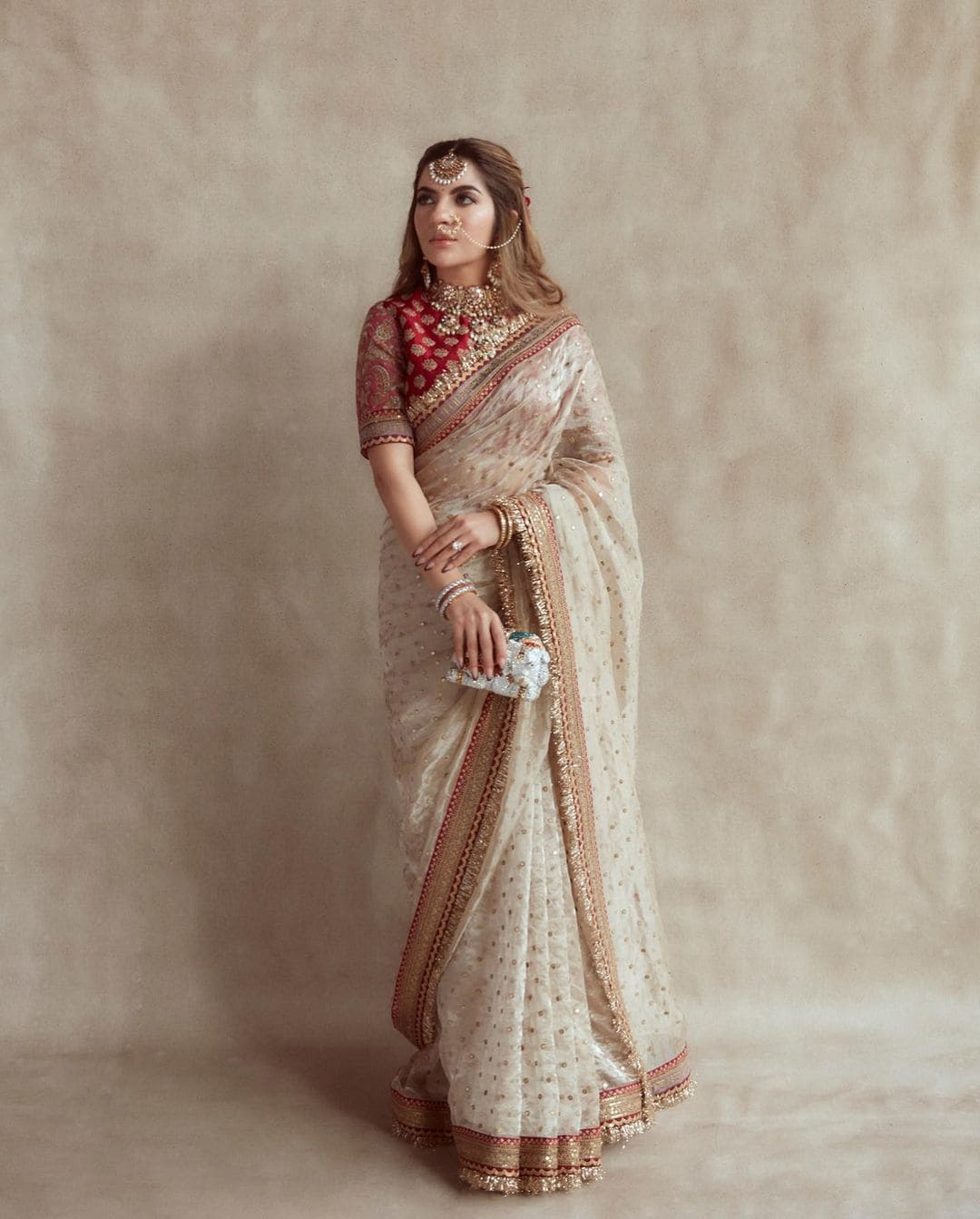
Sequins and rough embroidery pull silk threads when their edges catch the yarns during folding, stacking or removal. Organza silk and lightweight silk fabrics are particularly vulnerable because their fine structures expose more of the yarn surface.
A pulled thread may appear as a tiny loop at first, but cutting that loop can create a visible gap. Do not pull the loop back through the weave or trim it with household scissors. A specialist textile repairer can often secure a loose yarn more safely than an improvised repair.
Off White Organza Silk Embroidered Saree with Sequin Butti Work - Party Wear demonstrates why the decoration and the base fabric need sensible separation. Sequin work is attractive on the saree itself, but the reverse side of another sequin-heavy garment should not be allowed to rub against its folds.
Why do heavy garments leave pressure marks?
Heavy garments leave pressure marks when hard embellishments remain pressed against silk for a long period. A zari border, bead cluster or stone setting can flatten a neighbouring fold, especially when the saree is stored beneath a dense embroidered lehenga.
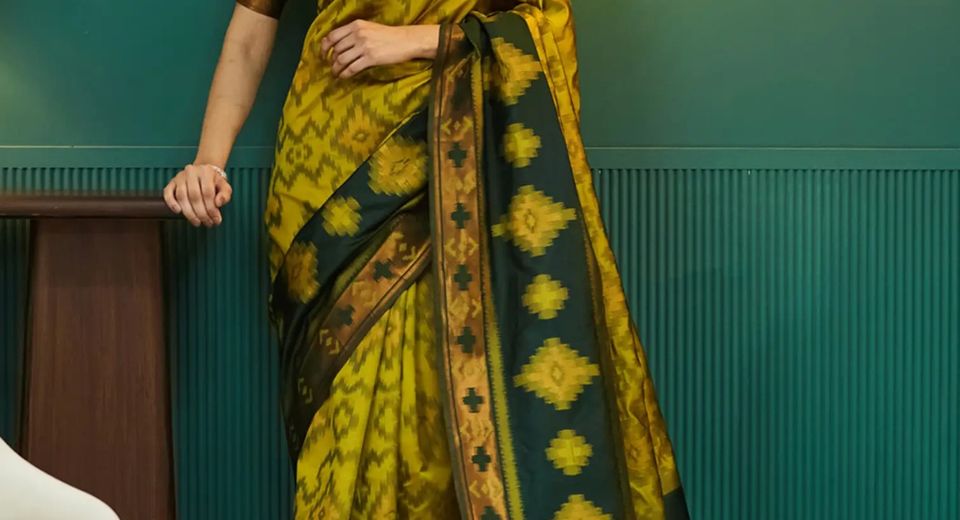
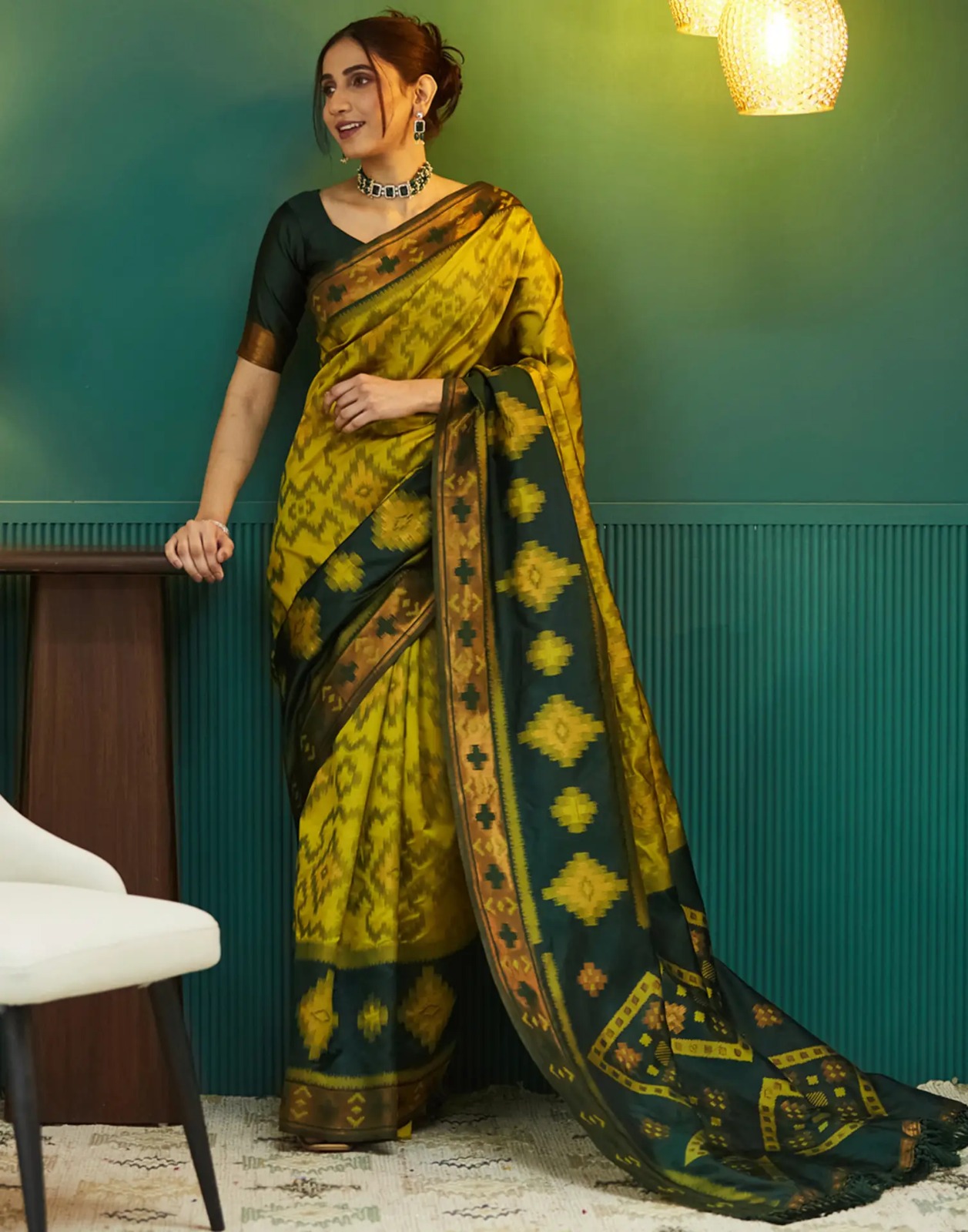
Jacquard silk already has a structured surface, so added pressure can make texture loss difficult to notice until the garment is unfolded in daylight. Heritage Mustard Jacquard Silk Saree should be folded with its woven surface protected from concentrated pressure rather than placed beneath a dense embroidered outfit.
Can zari and embellishments transfer colour or tarnish?
Zari and embellishments can transfer colour or tarnish when moisture, loose dye and metal residue remain in close contact with silk. Dark textiles, metallic trims and damp wardrobes create a higher-risk combination than a clean, dry shelf.
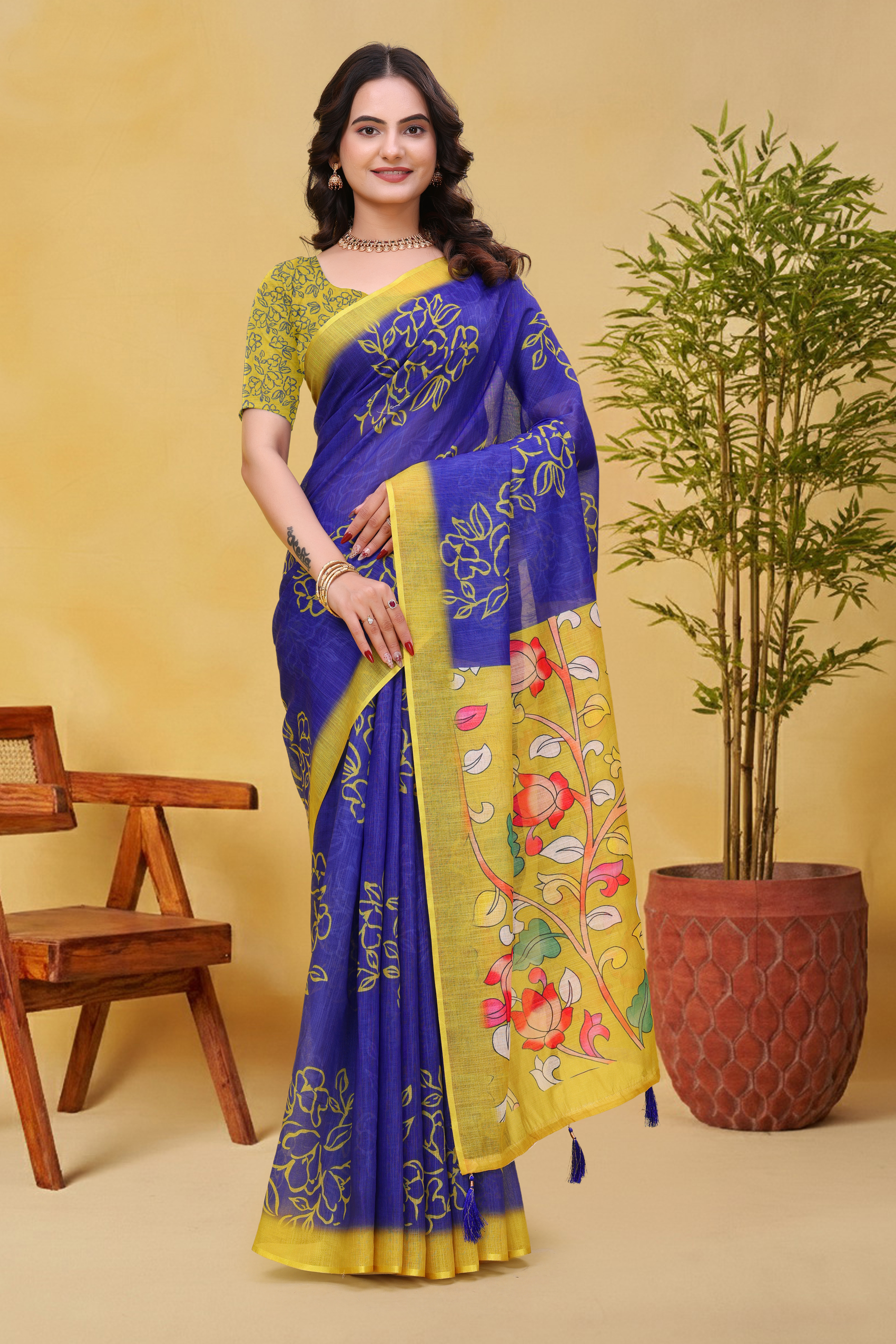
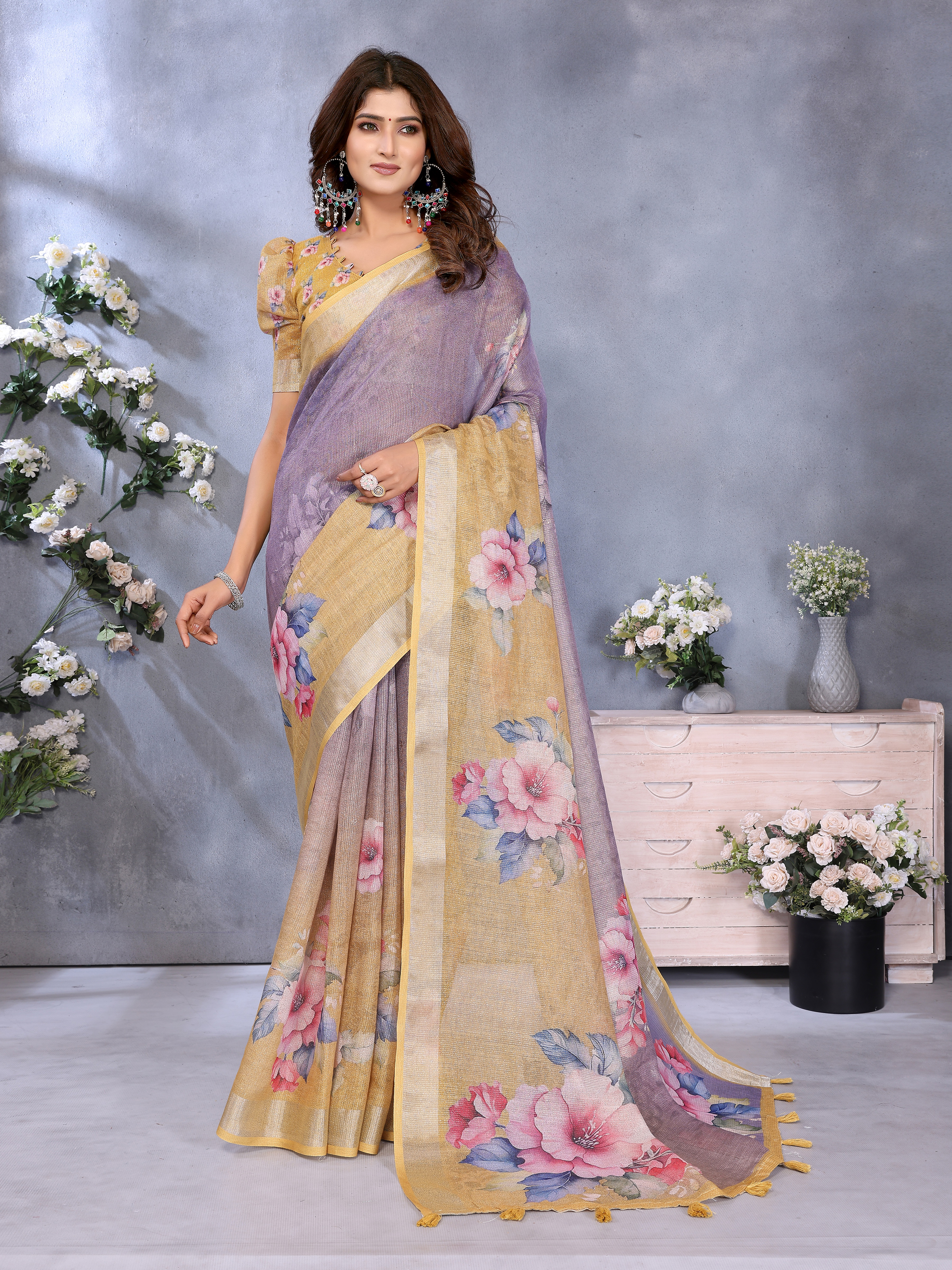
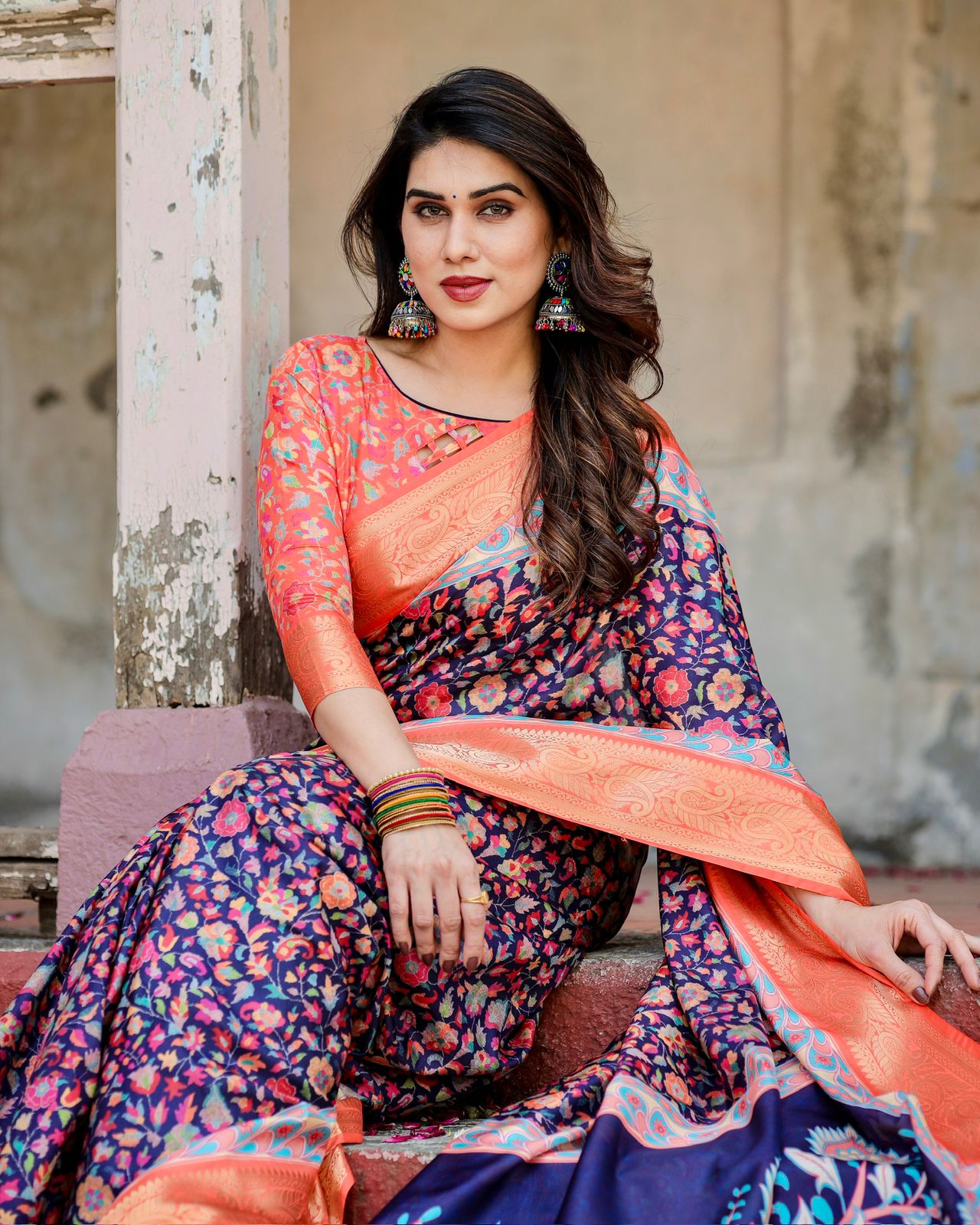
Navy, royal blue, maroon and deep red garments deserve particular caution beside pale silk because loose surface dye can migrate during humid conditions. Royal Mustard Bloom Banarasi Silk Saree and Elegant Blush Beige Organza Silk Festive Saree should not be compressed against garments with unwrapped metal embellishment, particularly during monsoon storage.
Why Silk Sarees Should Not Be Stored Next to Certain Embellished Outfits: fabrics at risk
Lightweight, pale, textured and highly polished silk sarees need extra protection because their surfaces show snags, pressure marks and transferred colour more readily. Sarees with zari borders, delicate weaving or organza sections also benefit from individual wrapping.
- Organza silk: The crisp, fine weave can catch on rough decorations and may show pulled yarns clearly.
- Banarasi silk: Dense zari and brocade surfaces can crease under pressure and should not be crushed in a stack.
- Handloom silk: Uneven yarns and hand-finished details can be more sensitive to snagging than a very smooth, tightly finished surface.
- Pale silk: Off-white, blush beige and pastel shades reveal oil, dye and tarnish marks quickly.
- Older silk: Repeated exposure to heat, light and poor humidity can make ageing fibres less resilient.
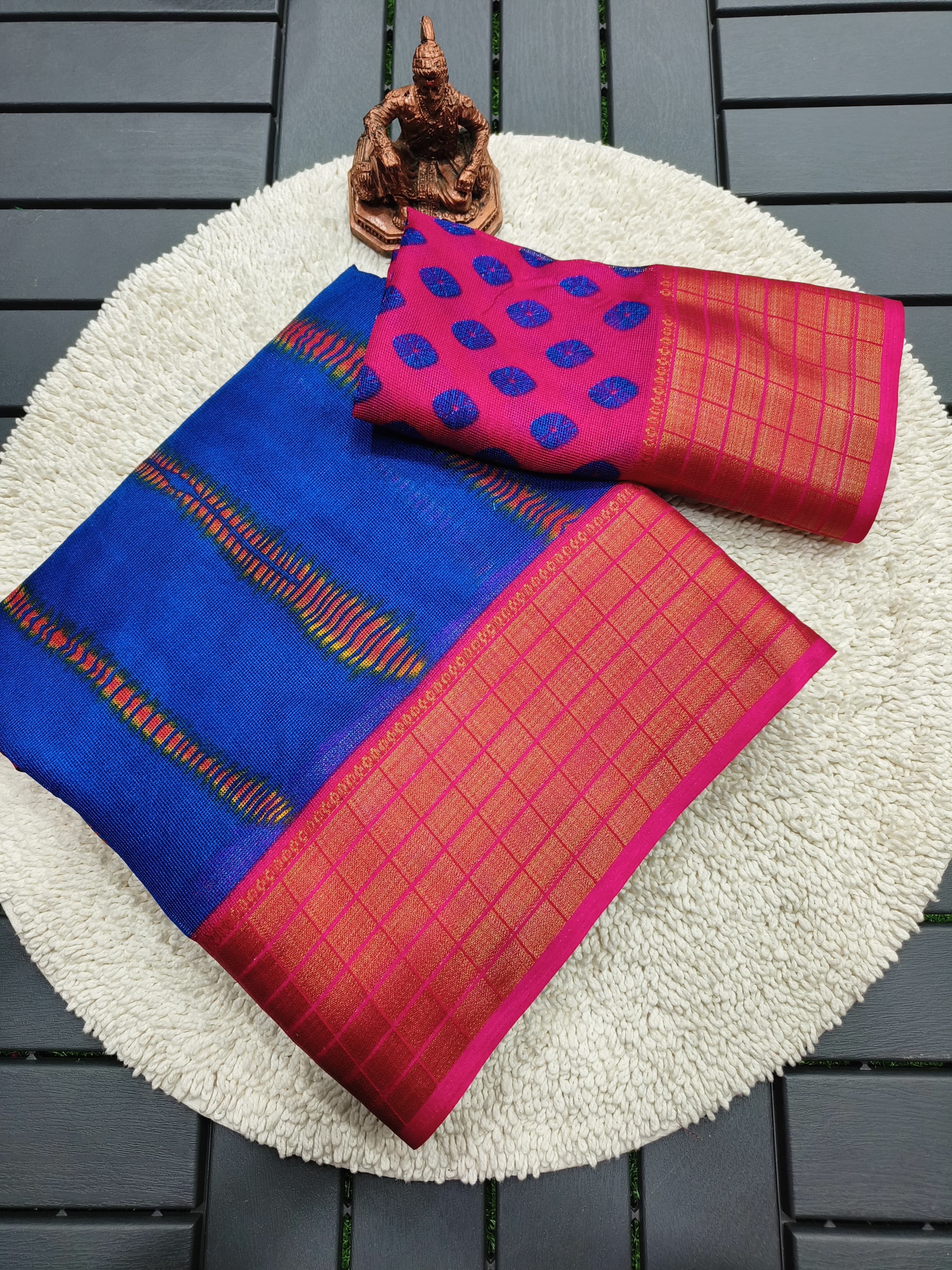
Elegant Royal Blue Silk Saree for Festive & Wedding Wear and Royal Blue Silk Saree with Exquisite Zari Work illustrate a useful distinction: a strong colour doesn't make silk immune to physical damage. Blue silk can hide a small mark better than ivory silk, but a pulled thread or crushed zari border still weakens the garment.
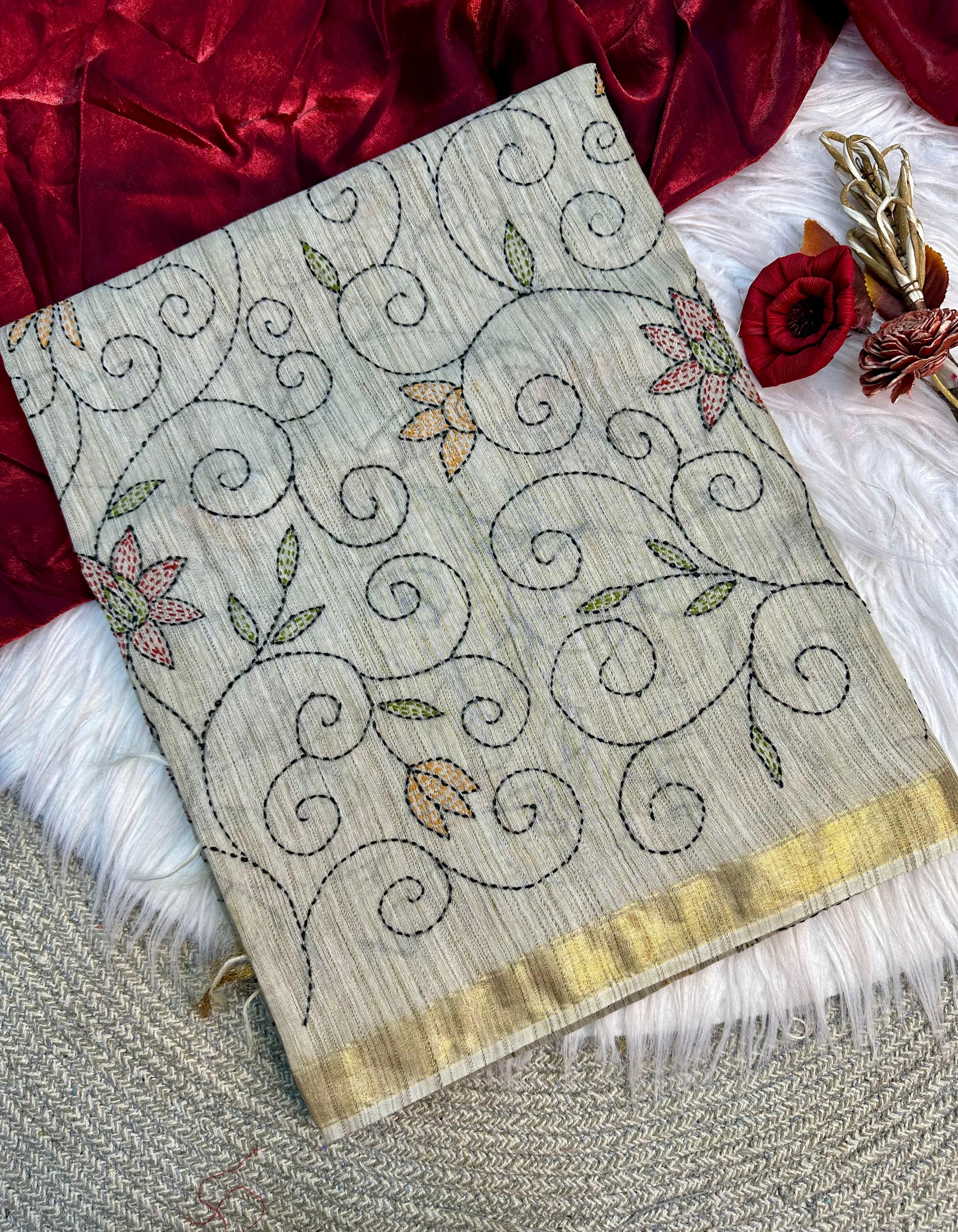
Premium Handloom Silk Saree with Handkatha also deserves careful separation from rough surfaces. Handloom silk can contain subtle variations in yarn thickness and texture, so an exposed hook or coarse bead may catch a section that appears smooth at first glance.
Why Silk Sarees Should Not Be Stored Next to Certain Embellished Outfits: safe separation methods
Silk sarees and embellished outfits should be separated by garment type, wrapped individually in breathable material and stored with the decorated side facing inward or away from silk. Separation reduces friction, distributes pressure and makes it easier to inspect each piece before wearing.
What is the safest shelf arrangement?
The safest shelf arrangement places clean, dry silk sarees in individual breathable wraps on a flat shelf, away from hard embellishments above, below and beside them.
- Clean and completely dry every garment before storage. Body oil, perfume, food particles and perspiration attract insects and can set into silk.
- Fold the silk saree along existing fold lines, changing the direction of the innermost fold occasionally to reduce a permanent crease.
- Wrap the saree in unbleached cotton muslin or acid-free tissue. Avoid newspaper, coloured paper and non-breathable plastic for long-term storage.
- Place the saree on a flat shelf or in a broad drawer, with no sharp embellishment directly above or below it.
- Store sequined blouses, lehengas and beadwork in separate cotton covers. Turn rough or metallic surfaces inward only when the garment's own embroidery won't rub against another decorated surface.
- Leave a little air space between garment stacks. Overfilling a shelf increases compression and makes every removal more abrasive.
Collection grouping should reflect fabric and risk rather than only colour or price. Silk Sarees Under 3000 With Discount may contain different weights and finishes, so price alone should not decide storage. Party Wear Sarees often include sequins and crystals, while Red Banarasi Silk Sarees for Weddings Under 1100 may contain zari; both groups should be checked individually before stacking.
Should the embellished side face inward?
The embellished side should face inward only when the garment is wrapped securely and the decoration can't press against another textile. Folding a sequined garment decoration-to-decoration without a protective layer can create the same abrasion that separation was meant to prevent.
Use a layer of soft cotton muslin or acid-free tissue between folded sections of heavily worked clothing. Avoid placing tissue with printed ink, rough fibres or acidic colouring directly against silk. Replace protective wrapping if it becomes dusty, damp or torn.
Why Silk Sarees Should Not Be Stored Next to Certain Embellished Outfits: humidity and light
Silk stores best in a cool, dry, dark and moderately ventilated wardrobe away from direct sunlight, damp walls and strong heat. Stable conditions matter more than a decorative storage box.
- Humidity: Aim for roughly 45-55% relative humidity when possible. During humid weather, open the wardrobe periodically and use a moisture absorber without allowing the absorber to touch fabric.
- Light: Keep silk away from direct sunlight and strong LED or fluorescent exposure for long periods because light can fade dyes and weaken fibres.
- Heat: Avoid lofts, metal trunks exposed to hot roofs and storage beside radiators or cooking areas.
- Airflow: Air folded sarees in shade for 20-30 minutes every few months, then refold them only when fully dry.
- Insects: Clean shelves, vacuum corners and use cedar or neem products nearby rather than placing scented chemicals directly on silk.
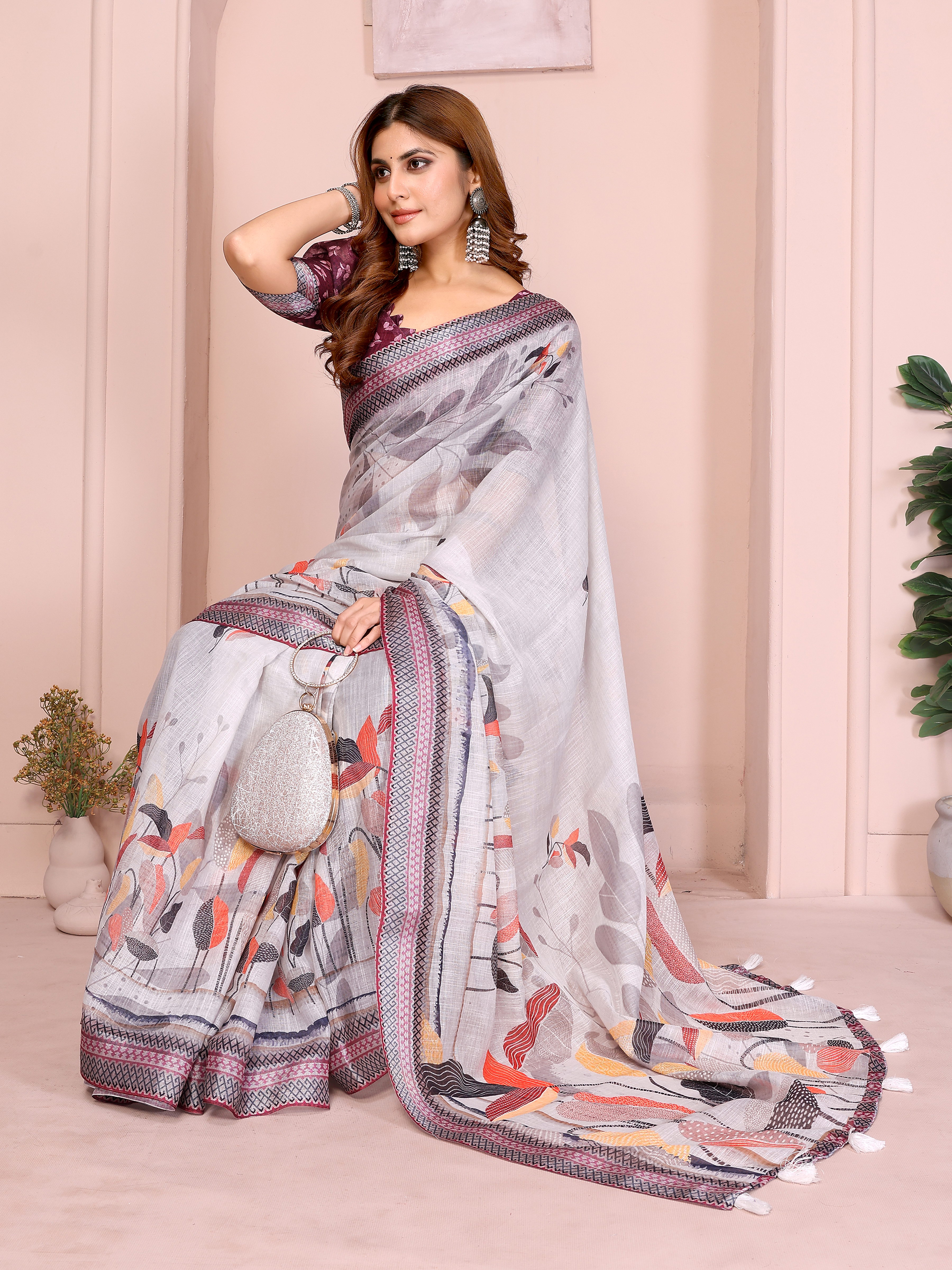
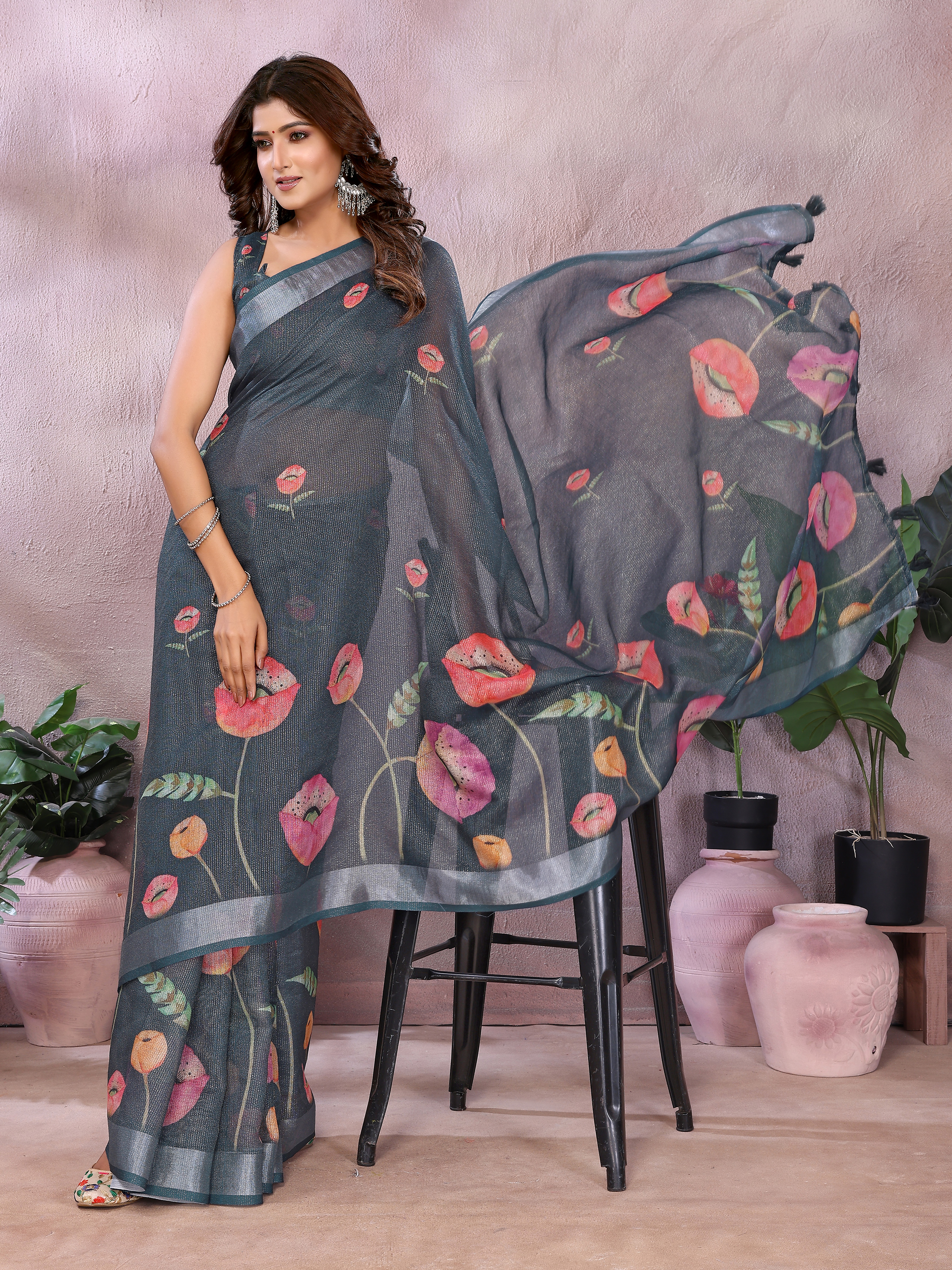
Gray Color Sarees Under 1000 and Pink Georgette Sarees may share a wardrobe with silk, but each fabric still needs its own storage assessment. Georgette can also snag on exposed embellishments, while grey and other dark colours may conceal dust or transferred residue until the fabric is examined under good light.
Why Silk Sarees Should Not Be Stored Next to Certain Embellished Outfits: folding and hanging choices
Folded storage is usually safer for a silk saree kept for several months, while temporary hanging can work when the saree is supported properly and protected from nearby garments. A narrow hanger can place stress on the pallu, border and folded shoulder area, especially when the saree is heavy.
When is a garment bag useful?
A breathable cotton garment bag is useful for a silk saree that's hung temporarily, but a folded saree is usually safer for long-term storage than hanging from a narrow hanger. Keep the bag loose enough to avoid compression and leave space between neighbouring garments.
A plastic cover is suitable only for short transport if the saree is already dry and the cover is removed soon after arrival. Sealed plastic can trap condensation, and condensation encourages mildew, odour and dye migration. Do not add mothballs directly beside silk because their chemicals and strong odour can contaminate fabric.
How often should stored silk sarees be checked?
Stored silk sarees should be checked every two to three months, with an additional inspection before and after monsoon humidity. Look for damp odour, insect activity, loose threads, colour transfer, tarnish and flattened folds.
Air a saree in indirect shade for 20-30 minutes during an inspection, provided the fabric is dry and the weather isn't humid. Never place silk in harsh midday sunlight to remove odour because ultraviolet exposure can fade dyes and weaken fibres.
Why Silk Sarees Should Not Be Stored Next to Certain Embellished Outfits: a practical checklist
A five-minute storage checklist can prevent damage that may otherwise require specialist cleaning or repair. Check the saree, the protective wrap, the shelf and the neighbouring garments before closing the wardrobe.
- Confirm that the saree and blouse are clean and fully dry.
- Inspect sequins, zari, beads, hooks and stones for sharp or loose edges.
- Place cotton muslin or acid-free tissue between silk and any decoration.
- Keep pale silk away from dark garments with uncertain colourfastness.
- Store heavy lehengas and dense beadwork on a separate shelf where possible.
- Leave air space instead of compressing every garment into one drawer.
- Record the storage date and inspect the saree again in two to three months.
Professional help is appropriate when silk has mildew, a spreading dye stain, a broken metallic border, extensive snagging or an unknown chemical mark. Do not rub a stain, apply bleach, spray perfume, iron directly over zari or soak a decorated silk saree without checking the care requirements.
Common Questions About Protecting Silk Sarees from Embellished Garments
Why should silk sarees not be stored next to sequined outfits?
Silk sarees should not be stored next to sequined outfits because sequin edges can rub against, snag and weaken silk fibres during folding or removal. A breathable protective layer and a separate shelf reduce this risk.
Can zari damage a silk saree during storage?
Zari can damage a silk saree when stiff metallic ends, tarnish or concentrated pressure remain against the fabric. Wrap both garments separately and avoid stacking heavy zari work directly on delicate silk.
Is plastic safe for storing silk sarees?
Plastic is suitable for short transport but is not ideal for long-term silk saree storage. Plastic can trap condensation, so unbleached cotton muslin or acid-free tissue is safer for a dry, ventilated wardrobe.
How should embellished lehengas be stored beside silk sarees?
Embellished lehengas should be stored in separate cotton covers on another shelf or below a rigid divider. Keep beads, sequins, mirrors and metal embroidery from pressing directly against folded silk.
How often should silk sarees be aired?
Silk sarees should be checked every two to three months and aired in indirect shade for 20-30 minutes when they are completely dry. Monsoon weather requires more frequent checks for dampness, odour and mildew.
What should be done if a silk saree catches on embroidery?
Stop pulling the saree and do not cut the loose loop with ordinary scissors. Place the garment flat and ask a specialist textile repairer to secure the pulled yarn, especially when zari or a fine organza weave is involved.