

Why Salwar Bottom Rise and Length Change All-Day Comfort becomes clear after several hours of sitting, walking, climbing stairs and adjusting a dupatta. A salwar suit can have beautiful embroidery and a well-cut kurta, yet still feel restrictive if the bottom sits too low, pulls at the crotch or brushes the floor. Rise, waist placement, inseam, hem width and fabric recovery decide whether a bottom supports natural movement. These details matter in straight pants, palazzos, Patiala salwars and relaxed suit sets.
Comfort doesn't mean choosing the loosest possible silhouette. A comfortable salwar bottom keeps the waistband secure without digging in, leaves enough room through the seat and thighs, and ends at a length that works with your footwear and daily movements. The right measurements also reduce repeated tugging, bunching and accidental exposure while sitting.
Why Salwar Bottom Rise and Length Change All-Day Comfort
Salwar bottom rise and length change all-day comfort because they control pressure at the waist, crotch, hips, ankles and feet during movement. Rise measures the distance from the crotch seam to the top of the waistband, while length measures the garment from the waistband or waistline to the hem.
A low rise can pull downward when you sit or bend, especially when the kurta is shorter or the waistband has limited elastic. A rise that's too high can press against the waist or lower ribs and create horizontal folds under the kurta. A correct rise follows the body's natural position without requiring constant adjustment.
Bottom length affects walking safety and visual balance. A hem that touches the floor can collect dust, catch under sandals or become wet during rain. A hem that ends too high may expose the ankle more than intended and make a wide palazzo look visually heavy above the foot. The ideal length depends on the silhouette, your height, footwear and whether the suit is for commuting, work or a seated celebration.
How Does Rise Affect Sitting, Walking and Bending?
Rise affects comfort by determining how much fabric is available between the waistband and crotch when the body changes position. Sitting reduces the distance between the waist and upper thigh, so a bottom with insufficient rise may pull at the crotch even when the waist measurement appears correct.
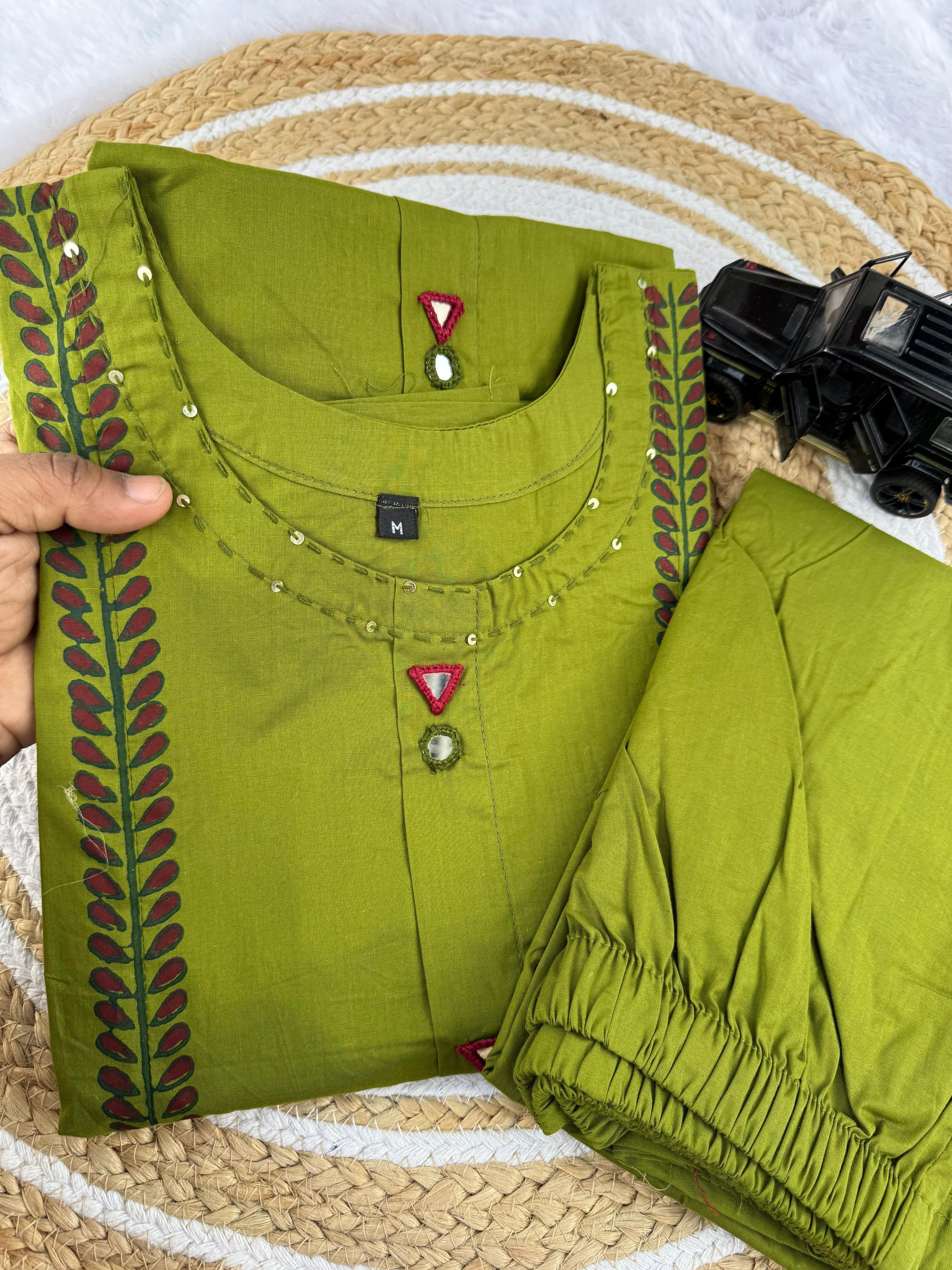
Check rise while trying on a salwar suit by sitting on a chair for five minutes, standing up and raising one knee. The waistband should remain in place, the crotch should not feel tight, and the fabric should not pull sharply across the front. A practical test includes walking ten steps, climbing two or three stairs and bending enough to pick up a lightweight bag.
Patiala salwars usually need generous rise and seat ease because their gathered volume is designed for movement. Straight pants need a more precise rise because excess fabric is less hidden by the silhouette. Palazzos offer width through the leg, but generous leg volume can't compensate for a waistband or crotch that's incorrectly positioned.
What Is the Difference Between Front Rise and Back Rise?
Front rise runs from the crotch seam to the front waistband, while back rise runs from the same crotch point to the back waistband. The back rise is often slightly longer to accommodate the seat, especially in bottoms worn for long periods of sitting.
When the back rise is too short, the waistband may slide down at the back or expose a gap between the kurta and bottom during bending. When the front rise is too long, excess fabric can form a pouch. A balanced pattern distributes ease instead of adding the same amount equally to the front and back.
How Should You Choose the Right Bottom Length?
The right bottom length allows the hem to clear the floor, sit neatly over the foot and maintain the intended shape of the garment. Measure while standing straight in the footwear you expect to wear, from the waistband position to the point where you want the hem to finish.
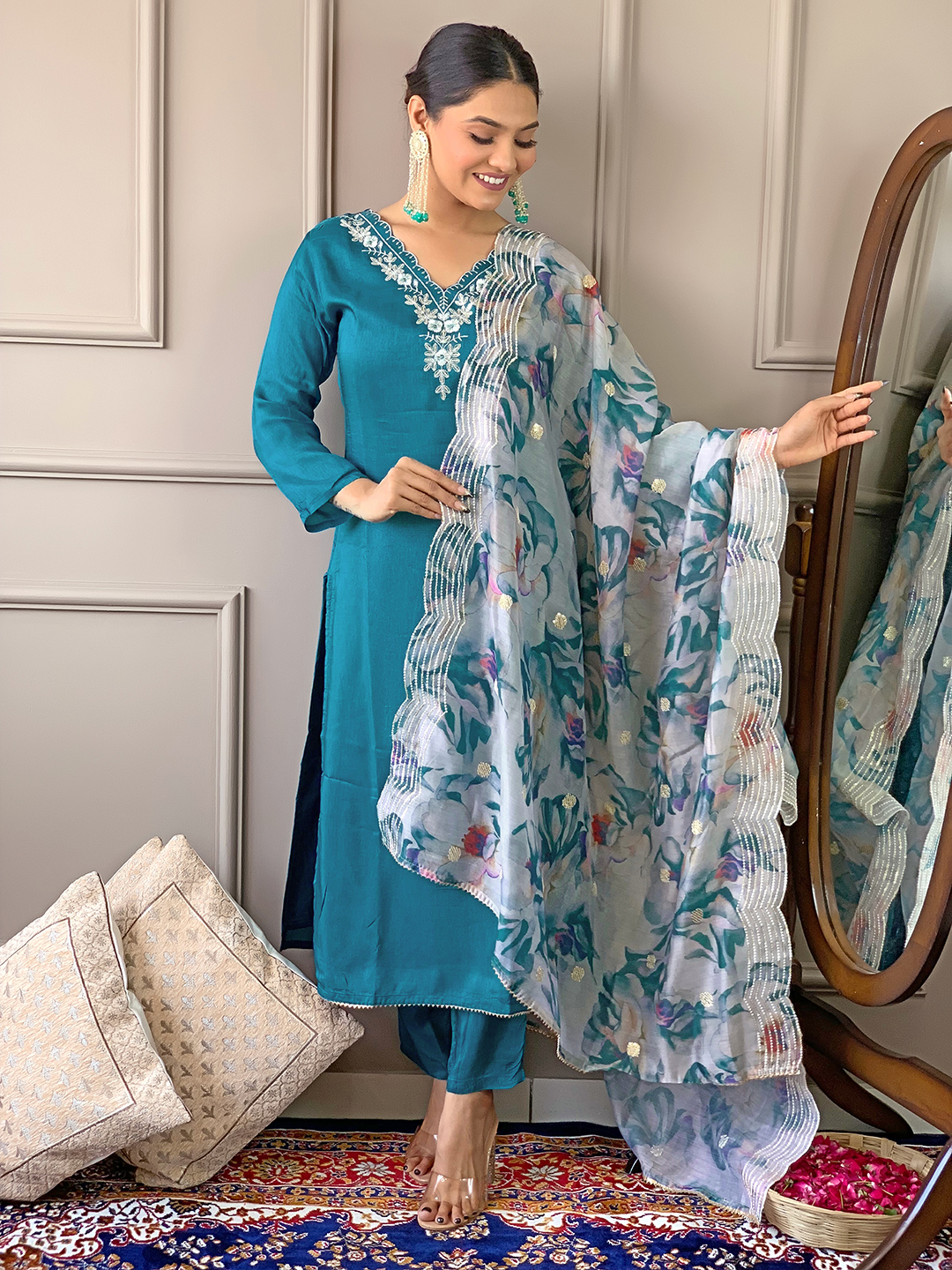
For straight pants, a hem that reaches the top of the foot or sits just above the ankle bone usually works well for everyday wear. For palazzos, the hem can fall closer to the shoe because the wider leg needs length to create a continuous line, but the fabric should not drag. For a cropped cigarette-style bottom, the ankle is intentionally visible, so length should be judged by proportion rather than by comparison with a full-length salwar.
- Measure waist-to-floor length with the waistband sitting where you'll actually wear it.
- Account for the height of the sole when planning a hem for a particular pair of shoes.
- Leave alteration allowance when buying a longer bottom because shortening is usually easier than adding significant length.
- Check both legs because uneven hems become more visible in straight and wide silhouettes.
Height alone doesn't determine the correct length. A longer torso may require a higher waist position, while fuller calves may make a cropped hem feel more restrictive even when the measurement is technically accurate. A petite wearer can choose a full-length bottom, but the hem and footwear must be coordinated so the silhouette doesn't appear pooled.
Which Salwar Bottom Silhouette Gives the Most Practical Ease?
The most practical silhouette depends on your movement needs: straight bottoms offer controlled volume, palazzos provide airflow and stride room, and Patiala salwars provide the most gathered ease through the hip and thigh.
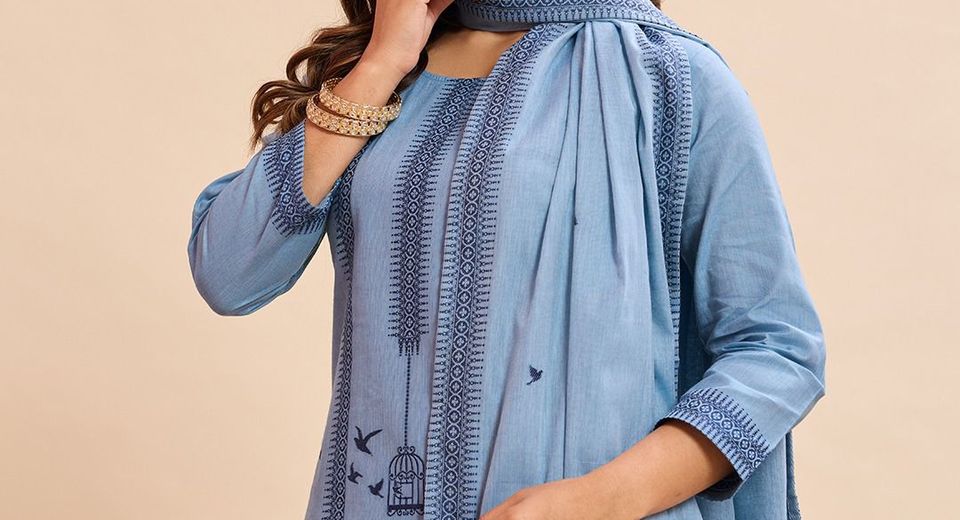
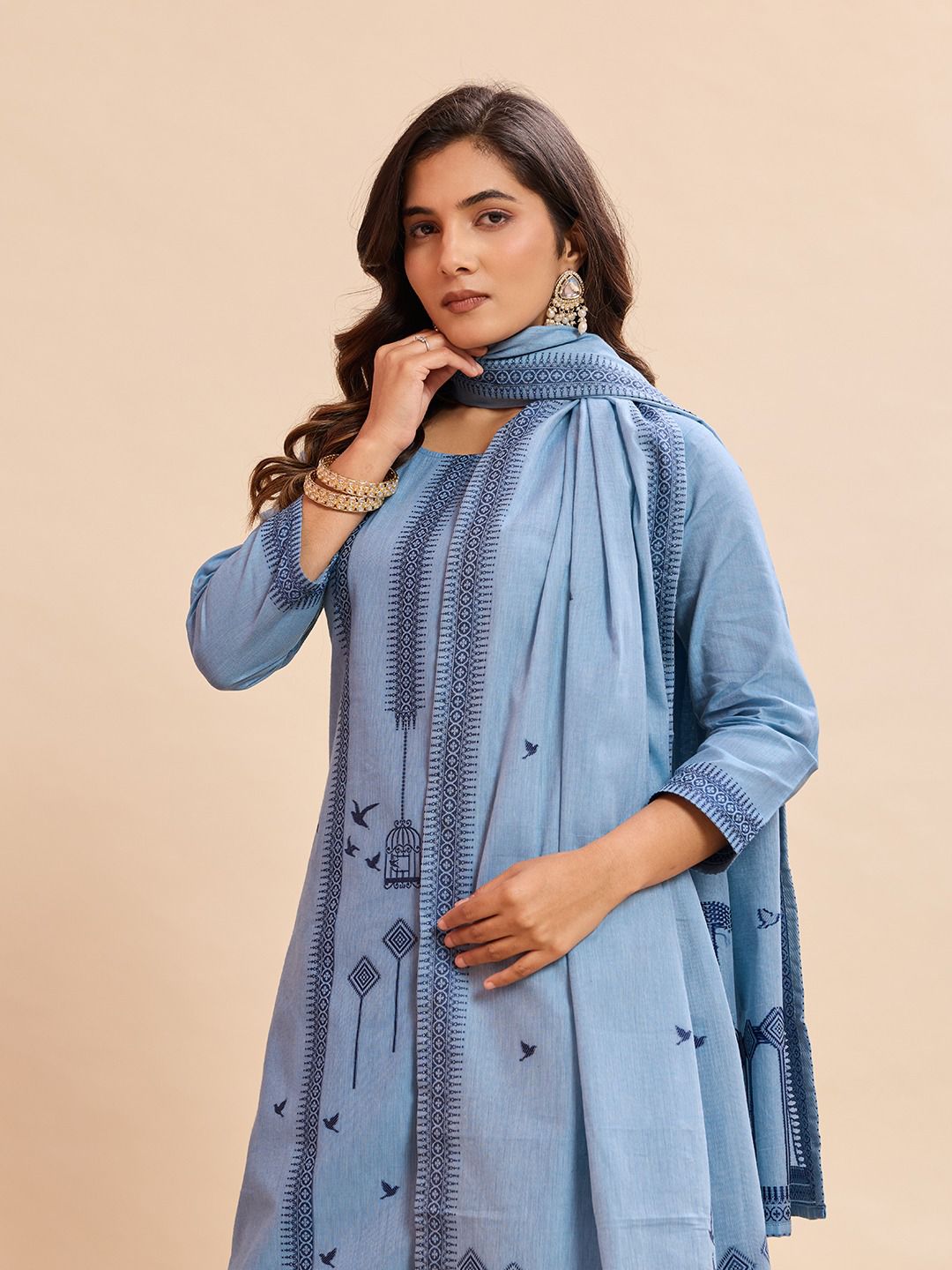
Straight pants suit commuting, office seating and frequent walking because the narrower leg is less likely to catch on furniture or brush against another person. The Sky Blue Cotton Straight Kurta Set with Dupatta illustrates why cotton straight sets are useful in warm weather: a stable leg shape is easy to manage while the natural fabric suits repeated daily movement.
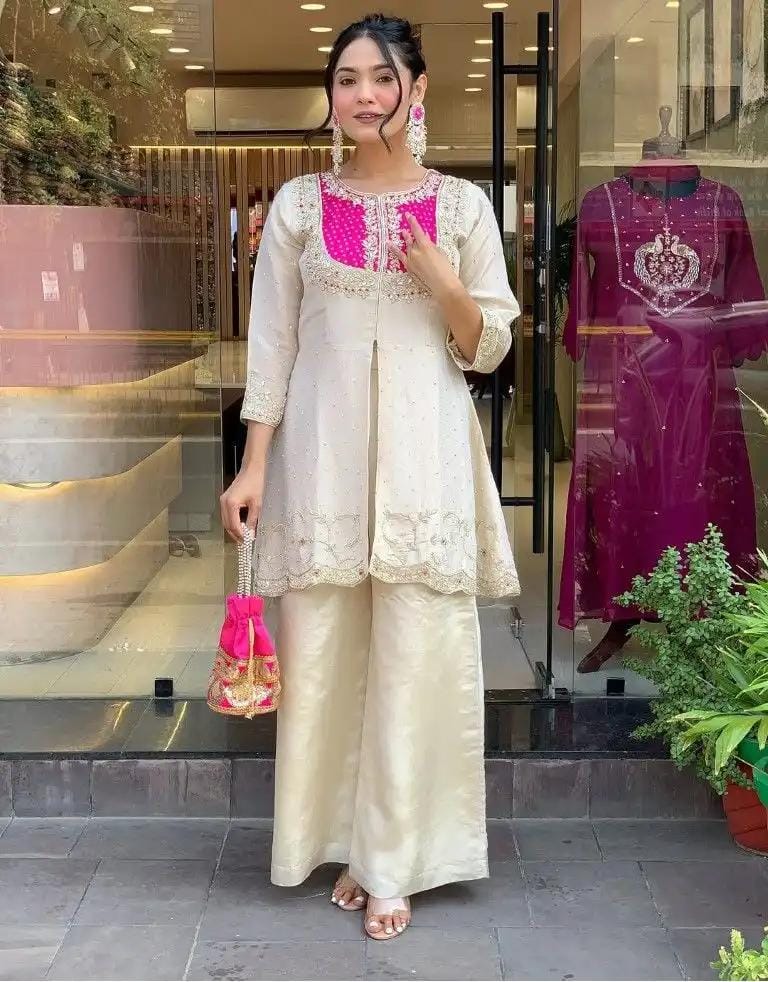
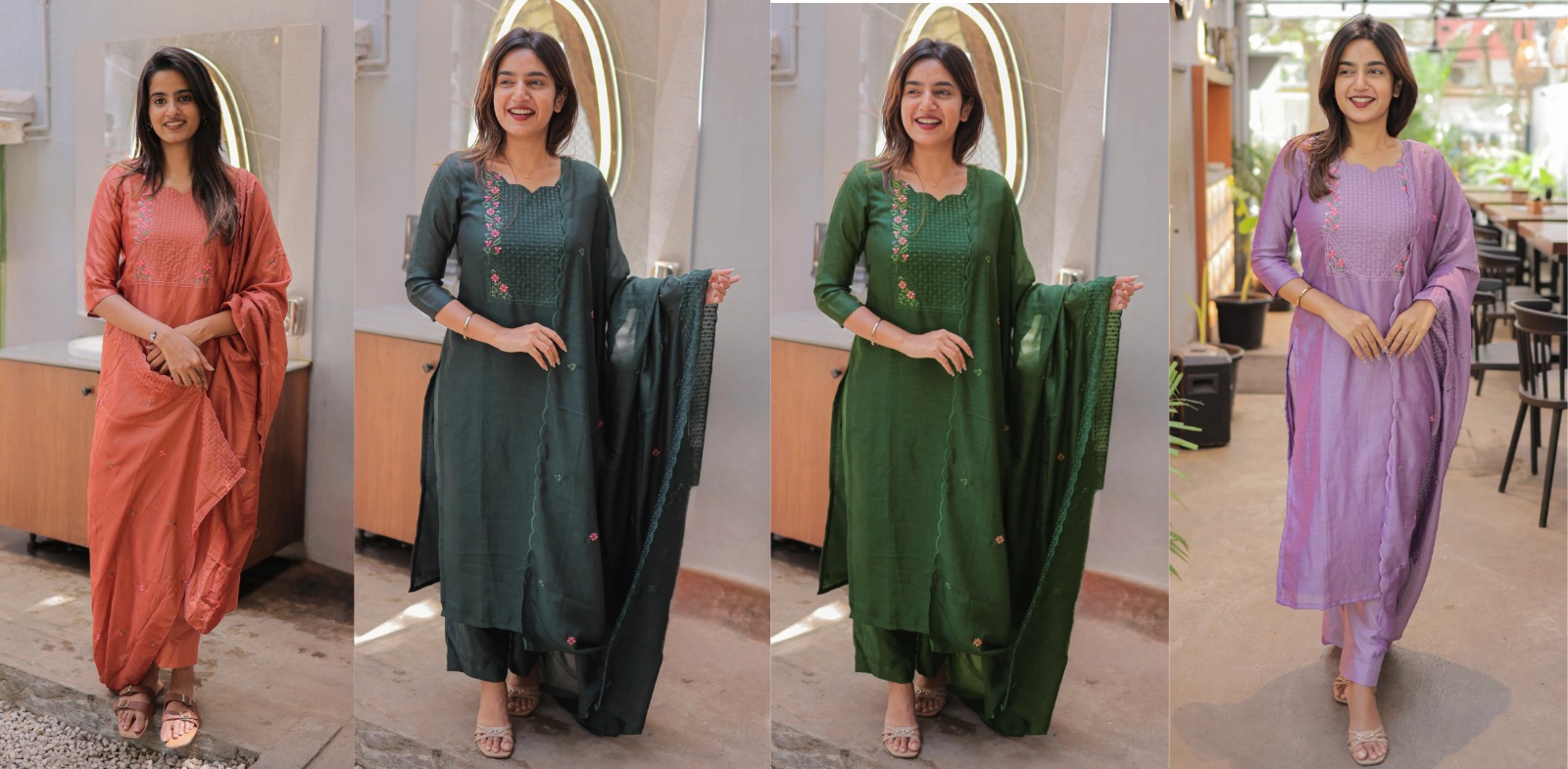
Palazzos work well when you prefer a fluid line or need more room around the thighs. The Elegant Cream Roman Silk Embroidered Top Palazzo Set and the Cream Roman Silk Embroidered Top Palazzo Set Purple show how a wide bottom can support festive styling without relying on a tight leg opening. Roman silk may have a dressier fall, so confirm the hem distance from the floor before wearing either set with flat footwear.
Gathered Patiala bottoms distribute volume around the seat and thighs, but the extra folds can add warmth and visual fullness. Punjab Patiala Salwar Suits are an useful reference for this silhouette. Patiala styling works best when the waistband is secure and the lower leg isn't so tight that the gathered fabric bunches above the ankle.
Regional silhouettes also affect how a wearer judges ease. Maharashtra Paithani Inspired Salwar Suits, Gujarat Bandhej Salwar Suits and Odisha Sambalpuri Salwar Suits may use distinctive colour, print or border treatments. But the same fit checks still apply: the waist should stay stable, the rise should permit sitting, and the hem should clear the ground.
How Does Fabric Change Rise, Length and Movement?
Fabric changes comfort by influencing breathability, stretch, drape, friction, weight and the amount of ease needed in the pattern. Two bottoms with identical measurements can feel different because cotton holds its shape, rayon moves softly, and silk-blend surfaces may slide or drape differently against the body.
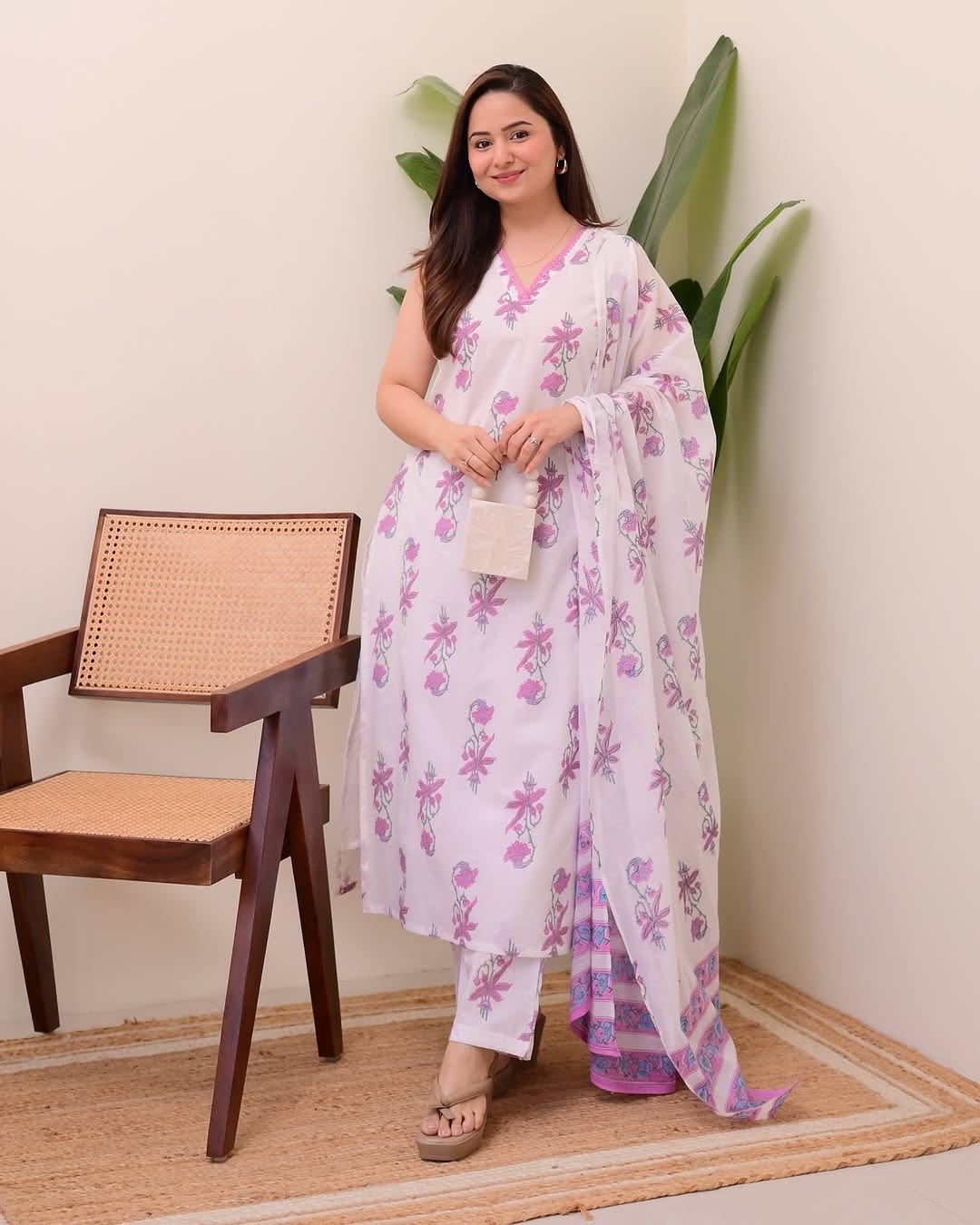
Cotton is often practical for long days because it allows airflow and has a stable hand, although a tightly woven cotton bottom may need additional ease at the hip and knee. The Sky Blue Cotton Straight Kurta Set with Dupatta and the Cream Printed Straight Kurta Set with Dupatta demonstrate straight-set styling where fabric stability supports active daytime use.
Rayon usually has a soft drape and can feel comfortable around the thigh, but a rayon garment may lengthen slightly with wear or moisture depending on construction. The Cream Pink Printed Rayon Readymade Salwar Suit benefits from careful hem checking because a fluid rayon bottom can sit differently after extended movement than it does on a hanger.
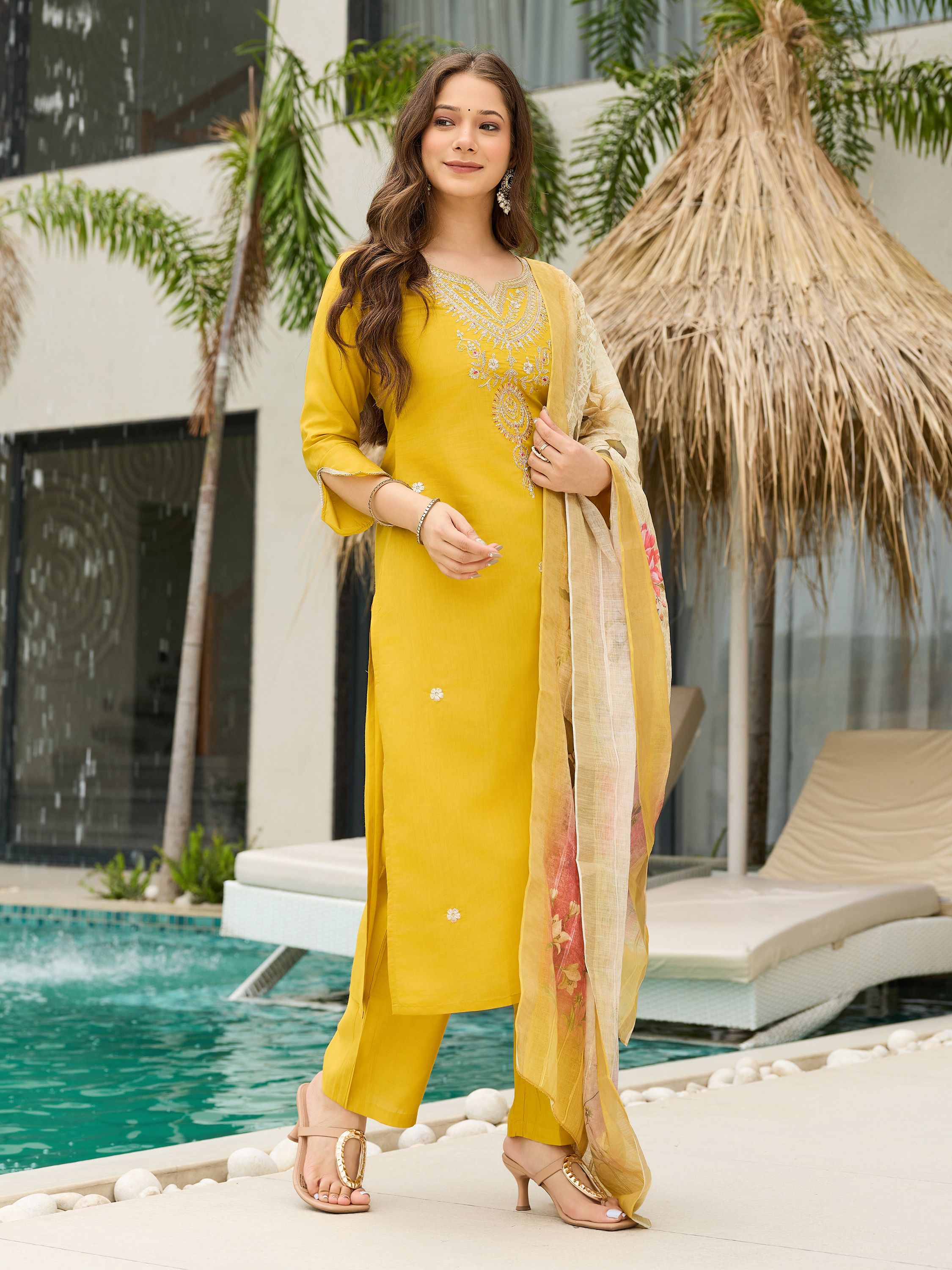
Chanderi and other lightweight dress fabrics can feel airy, but embroidery, lining and zari add weight at specific points. The Cream Threadwork Viscose Chanderi Readymade Salwar Suit should be assessed for lining smoothness and seam placement, not just surface appearance. A lining that ends abruptly at the thigh can increase friction, while a lining that's too narrow can restrict stride.
Heavier embroidery makes balance more important. The Elegant White Cording Threadwork Salwar Suit and Embroidered Salwar Suit Set for Women may require a little more room around the waist and upper thigh if decorative work stiffens the fabric. Check whether the waistband contains elastic, a drawstring, hooks or a combination, because the fastening method changes how the garment responds after meals.
Kalamkari Print Salwar Suits can offer a visually detailed look without changing the basic measurement process. Printed rayon or cotton still needs enough hip ease, a stable waistband and a hem suited to the wearer's usual shoes. Print placement can also affect perceived proportion, so a narrow ankle opening may look more balanced with a longer kurta.
What Measurements Should You Take Before Buying a Readymade Suit?
Take waist, hip, rise, inseam, outseam and preferred hem measurements before buying a readymade salwar suit. These measurements are more useful than relying on a single small, medium or large label.
- Waist: Measure around the place where the waistband will sit, without pulling the tape tight.
- Hip: Measure around the fullest part of the seat and keep the tape level.
- Rise: Sit on a firm chair and measure from the natural waist, through the crotch, to the back waist. A well-fitting pair of bottoms can also be measured flat for comparison.
- Inseam: Measure from the crotch seam to the desired hem along the inside leg.
- Outseam: Measure from the waistband to the hem along the outside leg, especially when comparing a full-length palazzo or straight bottom.
Compare your measurements with the garment's finished measurements rather than your body measurements alone. A garment measurement includes the intended ease, while a body measurement only records the body's circumference. If the product chart provides only waist and hip values, inspect the silhouette description and ask whether the bottom has elastic, a drawstring or a fixed closure.
Measure if swelling or waistband sensitivity is a concern. Feet and waistlines can change slightly over several hours, so a bottom that feels acceptable in the morning may feel tighter after travel or a long event. A flexible waistband can provide useful comfort, but excessive elastic tension can still create pressure.
How Can You Test Comfort Before Wearing a Suit All Day?
You can test all-day comfort by reproducing the movements and sitting positions that the suit will encounter. A short mirror check isn't enough because pulling and pressure often appear only after repeated movement.
- Sit on a dining chair for at least five minutes and check whether the waistband rolls or digs in.
- Walk upstairs and take a long stride to test crotch and thigh ease.
- Raise both arms while wearing the kurta to see whether the bottom and top separate uncomfortably.
- Bend to pick up an object without holding the kurta down.
- Wear the intended footwear and check whether the hem catches under the heel.
- Check the waistband after eating a normal meal if the suit is intended for weddings or long family gatherings.
Small alterations can solve some fit problems, but alterations can't always correct a fundamentally short rise or insufficient hip ease. A tailor can shorten a hem, adjust a waistband and sometimes release a seam if seam allowance exists. Adding substantial length, changing a crotch curve or rebuilding a narrow seat is more difficult and may affect the garment's proportions.
The Cream Pink Printed Rayon Readymade Salwar Suit, the Cream Printed Straight Kurta Set with Dupatta and the Elegant White Cording Threadwork Salwar Suit represent different visual directions, but each should pass the same movement test. A decorative finish doesn't compensate for a bottom that restricts walking or requires constant readjustment.
How Do You Match Rise and Length to a Full Day?
Match rise and length to the day's activities, footwear and climate rather than choosing solely by trend. A commute-heavy day benefits from a secure waistband, moderate hem clearance and a silhouette that doesn't catch while walking. A seated ceremony may require additional back-rise coverage and enough thigh ease for low chairs or floor seating.
Choose cotton or breathable blends for hot daytime travel, and inspect lining and seam placement in embroidered styles. For festive gatherings, a palazzo or fuller salwar can provide movement, but the hem should be checked with the exact footwear. A longer bottom may work with a modest heel and become unsafe with flat sandals.
Comfort also depends on how the kurta and bottom work together. A long straight kurta can conceal a lower waistband, while a shorter kurta makes rise and back coverage more noticeable. Dupatta weight, embroidery placement and the need to pin the garment can add pulling at the shoulders, so the bottom should not create a second source of restriction.
The most reliable buying decision comes from combining garment measurements with a movement test. When rise supports sitting, length clears the floor, and fabric supplies the right amount of airflow and drape, a salwar suit remains comfortable beyond the first few minutes in front of a mirror.
Common Questions About Salwar Bottom Comfort
What is the ideal rise for a salwar suit?
The ideal rise reaches the natural waist position without pressing into the ribs or pulling at the crotch when you sit. Measure the rise while seated and compare it with the garment's finished measurement. The correct value depends on body shape, waistband placement and the intended silhouette.
Should salwar pants touch the floor?
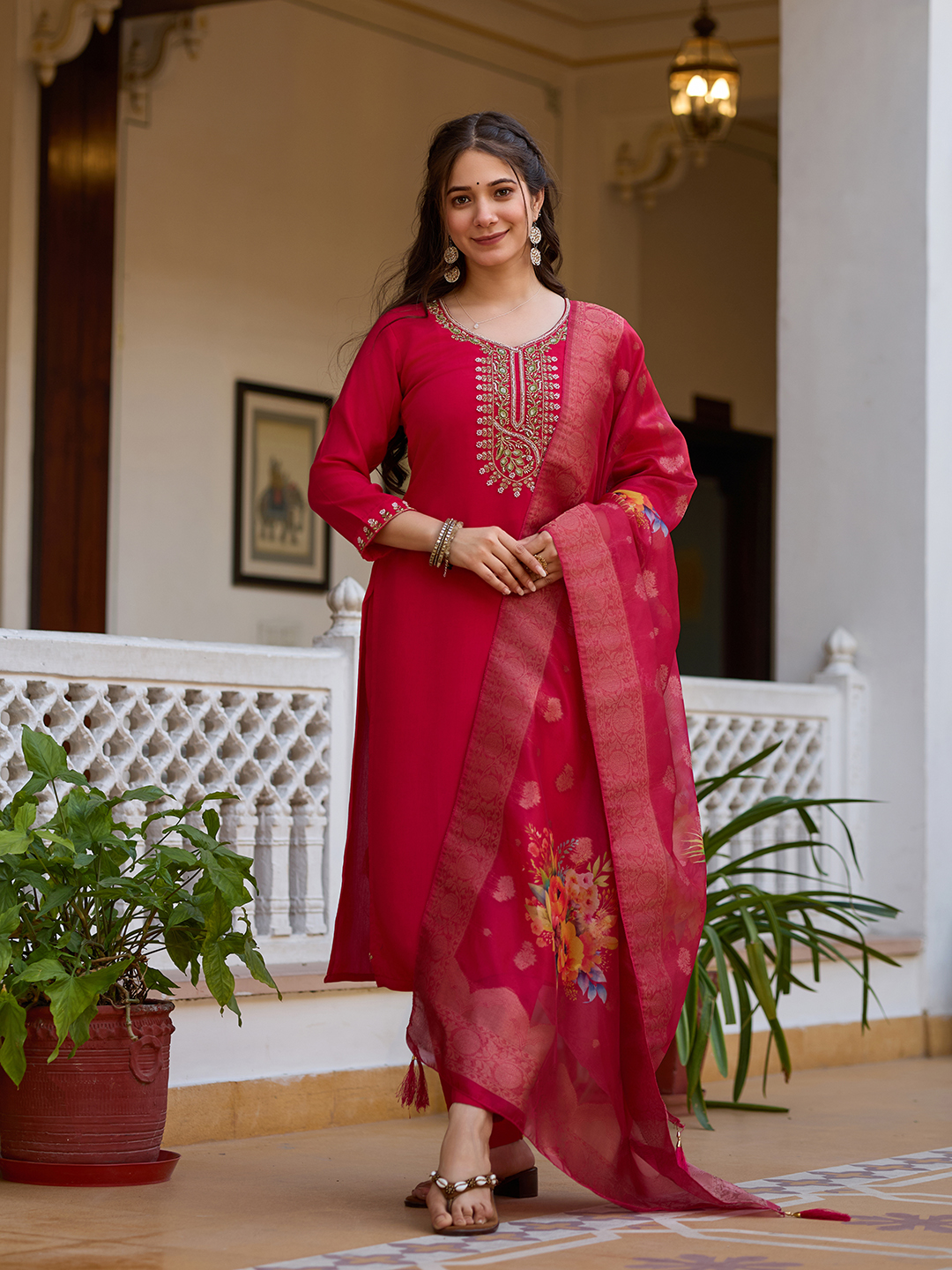
Salwar pants should not drag on the floor during normal walking. Straight pants may end near the top of the foot, while wide palazzos can fall slightly lower if the hem remains clear of the ground with the intended footwear. A dragging hem creates both hygiene and tripping concerns.
Are palazzos more comfortable than straight salwar pants?
Palazzos can feel more comfortable around the thighs because their wide leg brings airflow and stride room. Straight salwar pants may be more practical for commuting because they use less fabric and are less likely to catch on chairs or steps. Waist and rise fit remain more important than leg width alone.
How much ease should a comfortable salwar bottom have?
A comfortable salwar bottom should leave enough room for sitting, walking and bending without creating large folds that shift the waistband. The required ease varies by fabric and silhouette, so finished hip and thigh measurements are more useful than a universal number. Non-stretch cotton generally needs more movement allowance than a flexible fabric.
Can a tailor fix a salwar bottom that's too long?
A tailor can usually shorten a salwar bottom if the hem design allows the original finish to be reconstructed. Shortening a plain hem is simpler than altering a border, embroidery or decorative panel. Measure the desired length while wearing the intended footwear before alteration.
Why does a salwar waistband feel tight after a few hours?
A waistband may feel tight after a few hours because of prolonged sitting, eating, natural body swelling or elastic tension. A fixed waistband with insufficient ease can create more pressure than a correctly adjusted drawstring or moderate elastic. Check the waist measurement, rise and fastening method together rather than changing only the size.
Common Questions About Salwar Bottom Rise, Length and Comfort
What is the ideal rise for a salwar suit?
The ideal rise reaches the natural waist position without pressing into the ribs or pulling at the crotch when you sit. Measure the rise while seated and compare it with the garment's finished measurement. The correct value depends on body shape, waistband placement and the intended silhouette.
Should salwar pants touch the floor?
Salwar pants should not drag on the floor during normal walking. Straight pants may end near the top of the foot, while wide palazzos can fall slightly lower if the hem remains clear of the ground with the intended footwear. A dragging hem creates both hygiene and tripping concerns.
Are palazzos more comfortable than straight salwar pants?
Palazzos can feel more comfortable around the thighs because their wide leg provides airflow and stride room. Straight salwar pants may be more practical for commuting because they use less fabric and are less likely to catch on chairs or steps. Waist and rise fit remain more important than leg width alone.
How much ease should a comfortable salwar bottom have?
A comfortable salwar bottom should leave enough room for sitting, walking and bending without creating large folds that shift the waistband. The required ease varies by fabric and silhouette, so finished hip and thigh measurements are more useful than a universal number. Non-stretch cotton generally needs more movement allowance than a flexible fabric.
Can a tailor fix a salwar bottom that is too long?
A tailor can usually shorten a salwar bottom if the hem design allows the original finish to be reconstructed. Shortening a plain hem is simpler than altering a border, embroidery or decorative panel. Measure the desired length while wearing the intended footwear before alteration.
Why does a salwar waistband feel tight after a few hours?
A waistband may feel tight after a few hours because of prolonged sitting, eating, natural body swelling or elastic tension. A fixed waistband with insufficient ease can create more pressure than a correctly adjusted drawstring or moderate elastic. Check the waist measurement, rise and fastening method together rather than changing only the size.


