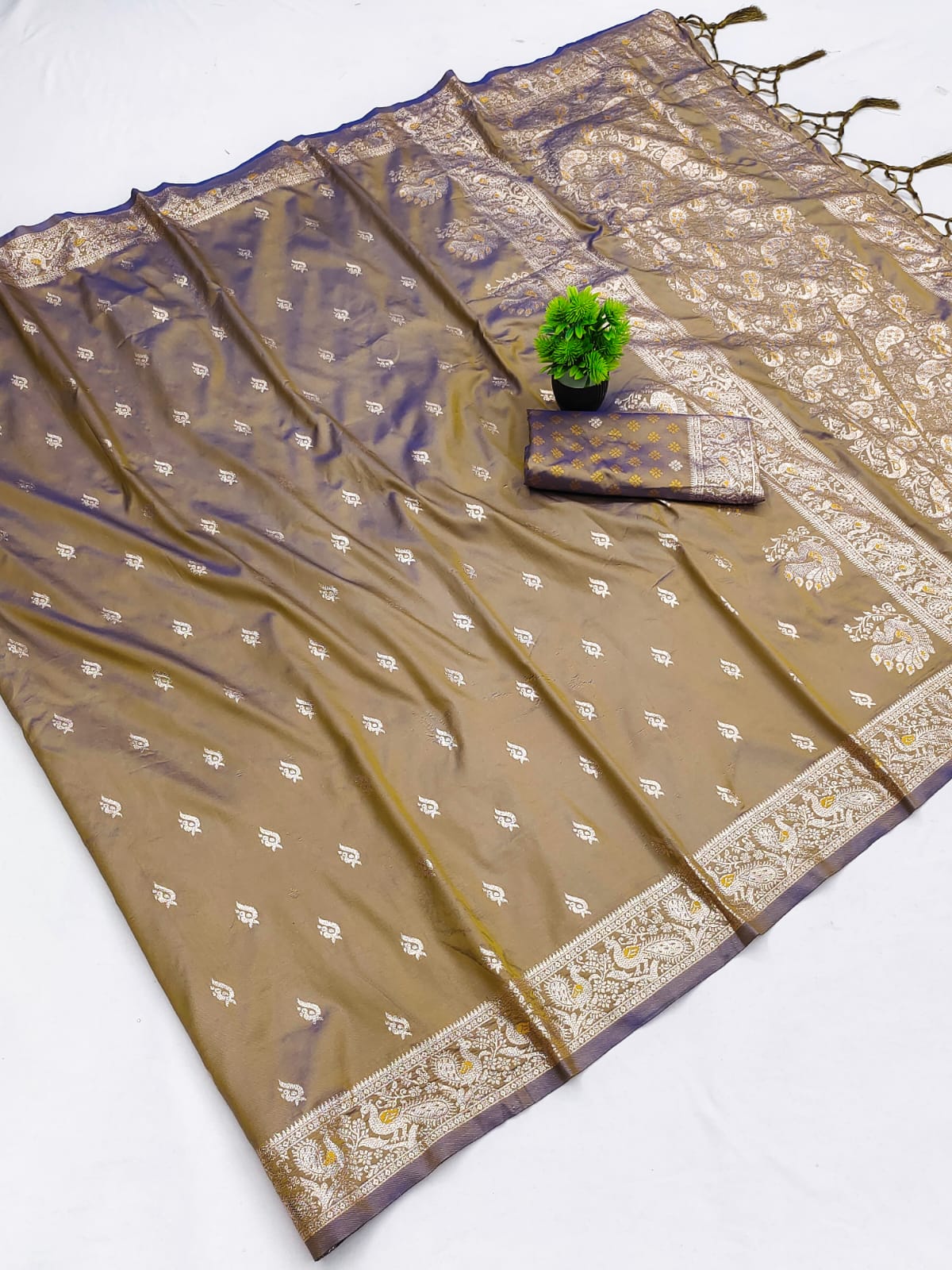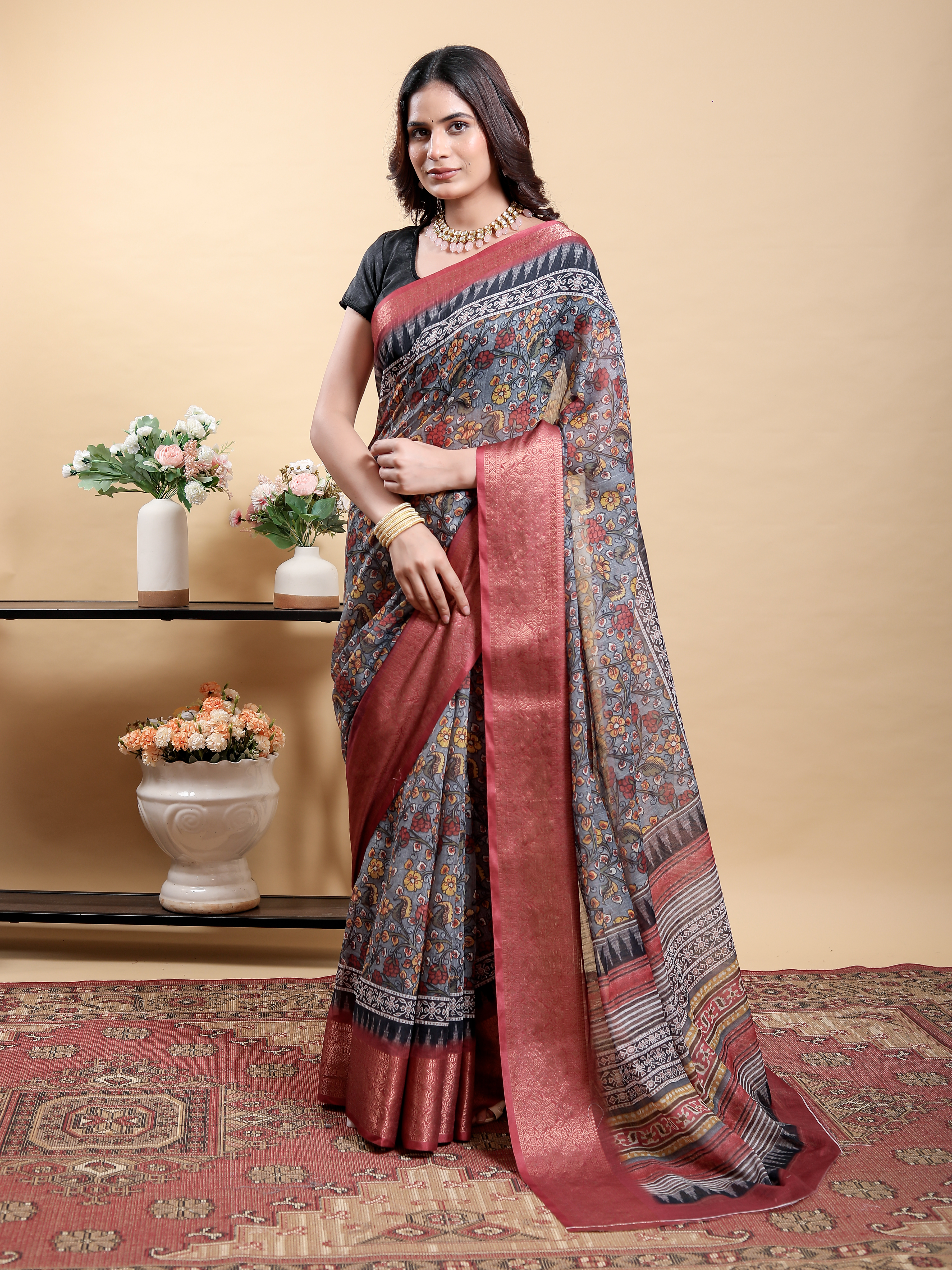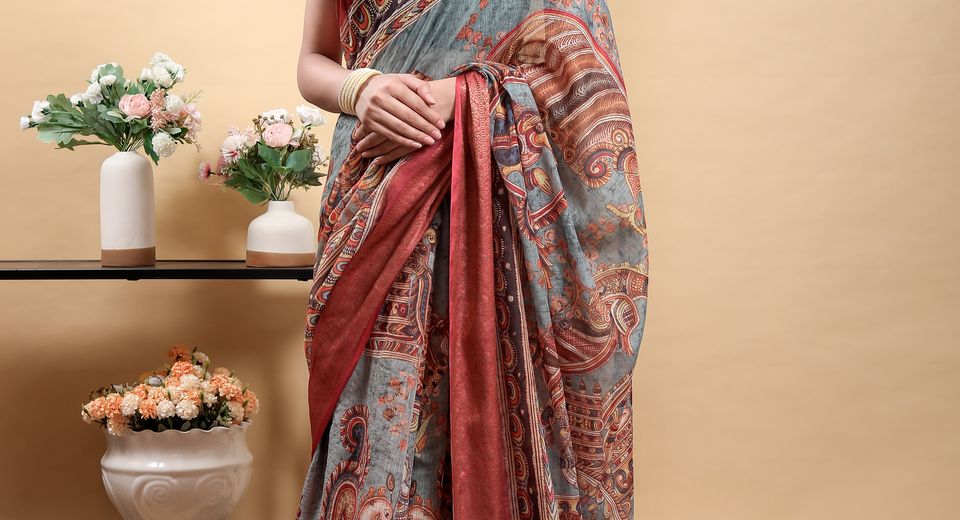
A saree can look completely different in a studio photograph, under indoor lighting and when worn in daylight. Why Product Reviews About Sheerness Are Worth Reading becomes clear when you compare those settings: customer comments often reveal whether a fabric needs a lining, how much of the petticoat shows, and whether a printed border adds useful visual coverage. Sheerness isn't automatically a flaw, but it's a practical characteristic that affects comfort, styling and confidence.
Online shoppers usually judge a saree from a handful of photographs, while reviewers experience the fabric across a full drape. A useful review can tell you whether Banarasi silk feels dense, whether Chanderi needs careful blouse coordination, or whether linen cotton remains comfortable without becoming too transparent. Learning to read those details helps you choose for a real wardrobe rather than for one flattering image.
Why Product Reviews About Sheerness Are Worth Reading
Product reviews about sheerness are worth reading because photographs rarely show fabric transparency under every type of light. A camera may brighten a pale saree, smooth out texture and conceal the contrast between the fabric and the garment underneath. A reviewer who has handled and worn the saree can report what happens at the pleats, pallu, waist and border.
Sheerness affects more than modesty. Fabric transparency influences whether a saree needs a lined blouse, whether a matching petticoat is essential, how clearly a print appears, and how comfortable the garment feels during movement. Sheerness can also change the perceived colour: a pale beige fabric over a dark petticoat may look smoky, while the same fabric over a cream petticoat may look soft and opaque.
Reviews also provide context that a product description may omit. Phrases such as "lightweight," "airy," "thin," "summer-friendly" and "easy to carry" often suggest a finer or more open fabric, although they don't always mean the saree is transparent. A strong review separates these qualities instead of treating them as interchangeable.
What Makes a Saree Look Sheer?
A saree looks sheer when light passes through its yarn structure enough for the colour or outline of the layer underneath to become visible. The result depends on fibre, yarn thickness, weave density, colour, finish and the amount of tension created during draping.

Fibre and yarn thickness
Fine yarns generally allow more light through than thick yarns packed closely together. Chanderi, organza and some lightweight cottons can therefore appear more transparent than a dense cotton or a heavy silk. Banarasi silk usually has a more substantial body, but a lightweight Banarasi weave can still show some transparency in areas without zari.
Linen cotton blends can vary significantly because the ratio of linen to cotton, yarn size and finishing process are not identical across sarees. A linen cotton saree with a printed surface may look more covered than a plain one because the print interrupts the eye, even when the base cloth has the same transparency.
Weave, motifs and borders
A closely packed weave blocks more light than a loose weave, while woven motifs and zari create denser sections across the fabric. Chanderi may combine a light ground with woven butis, making the body airy while the motifs provide visual interruption. A checked weave, jacquard border or metallic edge can make the lower portion appear more substantial without changing the transparency of the main body.
Prints create visual coverage rather than physical opacity. A dark floral print may disguise the outline of a petticoat better than a pale plain ground, but the fabric can still be transparent when held against a window. Reviews are valuable because they can distinguish between a print that looks dense in a photograph and a fabric that's genuinely opaque.
Colour and lighting
Light colours usually reveal the layer beneath more easily than saturated or dark colours, especially in direct sunlight. White, ivory, blush, beige, lavender and pale grey sarees require closer attention to reviews because their appearance changes sharply with the colour of the petticoat and blouse.
Backlighting is the most revealing test. A saree photographed against a bright window may look more transparent than it will appear in a room, while a front-lit studio photograph may hide sheerness. Reviews that mention daylight, indoor lighting or a flash provide more useful evidence than comments that only say "good quality."
How to Read Sheerness Comments in Product Reviews
The most useful sheerness review identifies the fabric, colour, lighting and garment underneath. A comment such as "slightly see-through in sunlight but fine indoors with a matching petticoat" gives more actionable information than either "not transparent" or "very sheer."

- Look for setting: "In daylight," "under tube light," "outdoors" and "during a function" explain when the reviewer noticed the issue.
- Look for location: A reviewer may say the body is sheer while the border and pallu are adequately covered. Sheerness is often uneven across a saree.
- Look for the underlayer: A cream petticoat, black petticoat, shapewear or lining produces different results. The underlayer should be named whenever possible.
- Look for the degree: "Slightly transparent," "outline visible" and "needs lining" are more useful than a vague quality rating.
- Look for the reviewer's purpose: A person seeking a breezy summer saree may regard light transparency positively, while someone attending a formal office event may not.
Reviews with customer photographs are helpful but still need interpretation. Camera exposure, editing, screen brightness and the colour of the room can alter how transparent fabric appears. A photograph is evidence of one situation, not a universal measurement.
Repeated comments are stronger than a single extreme opinion. If several reviewers independently mention that the body needs a matching petticoat, treat that as a reliable buying signal. If one reviewer calls a saree "very sheer" while many others describe it as light but comfortable, check whether the first reviewer used a dark underlayer or direct backlight.
What Sheerness Means for Common Saree Fabrics
Fabric type offers a useful starting point, but weave density and finishing determine the final appearance of an individual saree. Two sarees made from related fibres can have noticeably different coverage.

Linen cotton
Linen cotton sarees are often breathable and moderately light, with sheerness ranging from low to noticeable depending on the weave and colour. The Blue Grey Linen Cotton Printed Saree with Maroon Woven Edge illustrates why the edge and the body should be judged separately: a woven border may look firm while the printed ground remains lighter.
The Printed Linen Cotton Saree in Beige with Metallic Grey Edge is another example of why colour matters. Beige can show the contrast of a darker petticoat more readily than a deep blue or black body. A nude, beige or cream underlayer usually creates a smoother result than stark white or black.
A floral print may make a lightweight ground appear more covered from a normal viewing distance. The Rose Floral Printed Linen Cotton Saree with Heritage Border demonstrates how a prominent print and heritage-style border can frame the drape, although a review remains the best place to confirm whether the body needs additional coverage.
Chanderi cotton
Chanderi cotton is valued for its light hand and subtle sheen, and its transparency can be part of its character. The Black Chanderi Cotton Saree with Contemporary Checked Weave may appear more visually substantial because black and checks interrupt the surface, but the weave can still allow light through in bright conditions.
Chanderi works well with a coordinated blouse and petticoat because the airy body can look intentional rather than accidental. A fitted cotton lining, a full-length petticoat in a close colour and a blouse with enough structure can improve comfort without removing the fabric's movement.
Shimmer and metallic finishes
Shimmer can reflect light and draw attention to the surface, but shimmer doesn't automatically mean opacity. The Buy Blue Floral Printed Shimmer Linen Cotton Saree and the Blue Floral Printed Shimmer Linen Cotton Saree with Borders may photograph brightly because of their finish, so reviews can help establish whether the shimmer masks or highlights the layer underneath.
Metallic details usually increase visual contrast along an edge or motif rather than thickening the full saree. A reviewer who describes the body and border separately gives a clearer picture than a review focused only on shine.
How Sheerness Changes Styling Decisions
Sheerness becomes easier to manage when the petticoat, blouse and drape are selected as part of one outfit. The aim isn't always to make a lightweight saree fully opaque; the aim is to control what shows and where.

Choose the petticoat deliberately
A petticoat in a close shade usually creates the most even appearance under a light saree. A contrasting petticoat can be used intentionally, but the contrast will be visible through a sheer body and may change the saree's colour. A well-fitted petticoat also prevents excess fabric from bunching under the pleats, where folds can create darker lines.
For very light sarees, a cotton-satin or soft satin petticoat can provide a smooth base, while a breathable cotton petticoat may feel better in warm weather. Avoid a petticoat with a rough seam or bulky drawstring if the saree is thin enough to reveal texture.
Coordinate the blouse
A lined blouse gives more control when the saree body is translucent. The blouse colour can match the saree, echo the border or provide a deliberate contrast. A sleeveless or short-sleeved blouse may expose the transition between covered and uncovered areas, so consider the full silhouette in daylight before wearing it to a formal event.
The Lavender Shimmer Linen Cotton Floral Print Saree for Women! Can be styled with a lavender, soft silver or muted grey blouse, depending on whether the desired effect is tonal or contrasted. A blouse with lining and a matte finish can balance a reflective saree surface.
Use the drape to your advantage
Extra pleats, a carefully arranged pallu and a double-layered pallu can increase coverage without making the saree look heavy. A longer pallu spread across the shoulder also reduces the chance of a transparent section falling against a dark blouse or exposed arm.
The Grey Floral Printed Linen Cotton Saree with Jacquard Border shows why a border can help structure a light saree. Keeping the border aligned at the hem and arranging the pallu so the jacquard section remains visible creates definition, even when the body is airy.
Questions to Ask Before Trusting a Product Photograph
A product photograph can't answer every sheerness question, so shoppers should use the image as a prompt for more specific checks. Look for close-ups of the weave, an image showing the reverse side, a full-length drape and photographs taken in more than one lighting condition.
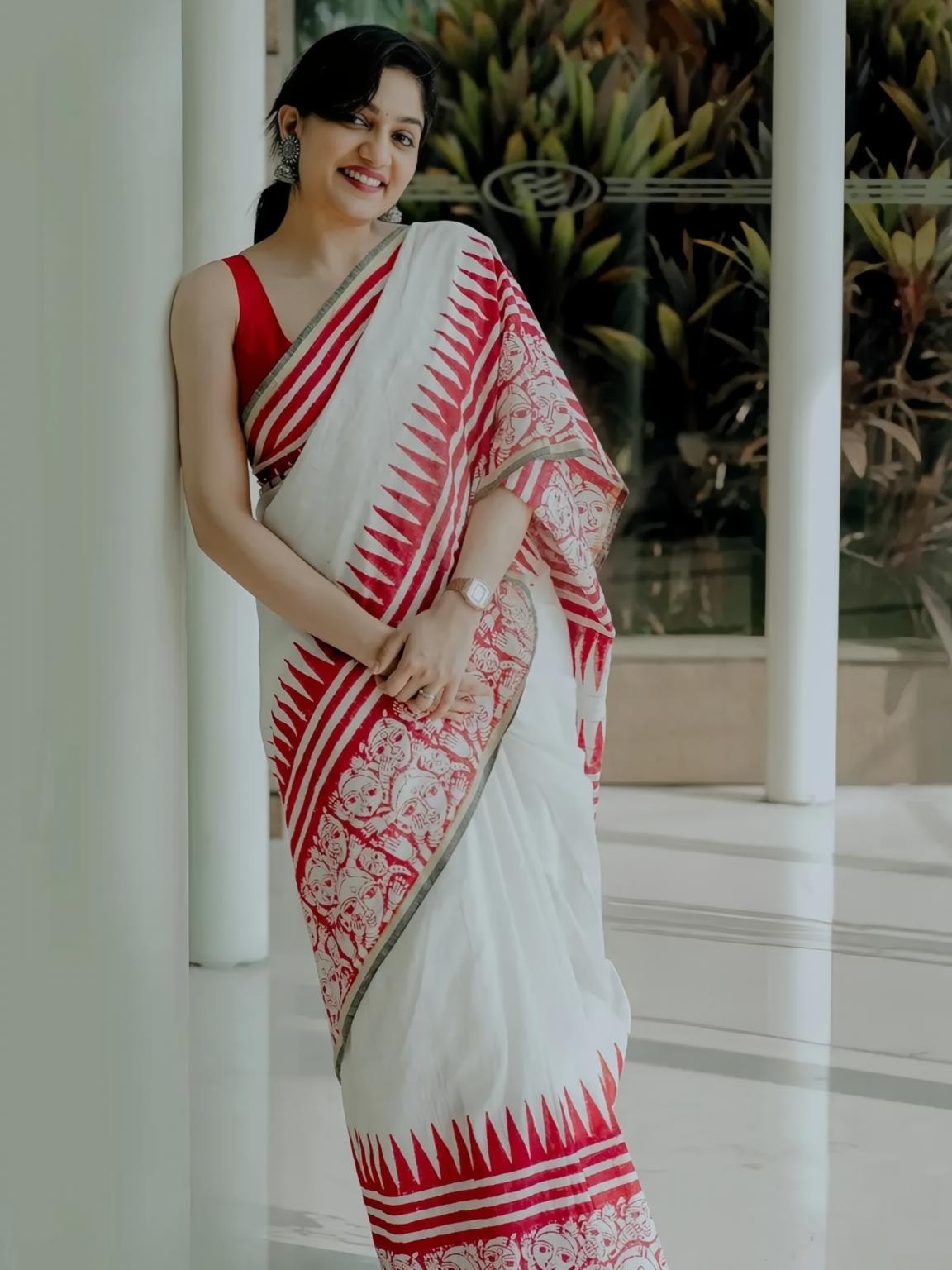
- Is the fabric described as lightweight, airy, translucent or semi-sheer?
- Does the product information identify the fibre blend and weave?
- Are there customer photographs showing the saree worn rather than folded?
- Does the review mention a petticoat, lining or blouse underneath?
- Does the border look opaque while the body appears lighter?
- Are several reviewers describing the same level of coverage?
When information is incomplete, assume that a pale, lightweight or loosely woven saree may need a coordinated underlayer. That assumption doesn't mean the saree is unsuitable. It means the total outfit cost and preparation should include a petticoat or blouse lining if required.
When Sheerness Is a Benefit Rather Than a Problem
Sheerness can be beneficial when the priority is breathability, movement and a delicate drape. Lightweight sarees are often comfortable for summer lunches, daytime gatherings and long indoor events where a heavy fabric would feel restrictive.

A translucent layer can also create depth when styled with a tonal petticoat and a well-lined blouse. Chanderi cotton, linen cotton and fine handloom-inspired fabrics often depend on lightness for their visual appeal. The important question is whether the level of transparency suits the wearer, setting and styling plan.
For a Haldi ceremony or an outdoor daytime celebration, a breathable printed saree may be more practical than a dense silk. For a formal office setting, a religious function or an event with strong stage lighting, a matching petticoat and lined blouse may provide the extra assurance needed. Reviews help match the fabric's real behaviour to the demands of the event.
A Practical Sheerness Check After Delivery
A home test can confirm how a saree behaves before it's worn outside. Hold the unfolded saree near a bright window, then inspect the same section under ordinary room lighting with the intended petticoat behind it.

- Place a hand or a contrasting fabric behind the saree to see whether the outline is visible.
- Check the body, pleats, pallu and border separately because weave density may change across each area.
- Try the saree with the exact blouse and petticoat planned for the event.
- Stand several steps away from a mirror, since close inspection exaggerates transparency.
- Take an unedited photograph in daylight and compare it with the indoor view.
Give the saree time to settle after unpacking because folds and packing creases can temporarily create darker or lighter patches. Do not iron a delicate fabric at high heat merely to test its appearance; use the care instructions and a pressing cloth where appropriate.
Reading reviews before this test saves time because reviewers may already have identified the most revealing conditions. Why Product Reviews About Sheerness Are Worth Reading is ultimately a question of practical information: a few precise comments can prevent an unsuitable purchase, guide the right underlayer and help a lightweight saree look exactly as intended.
Common Questions About Saree Sheerness and Customer Reviews
How can I tell if a saree is too sheer before buying it online?
Read reviews that mention daylight, the petticoat used and whether the outline of the body is visible. Product photographs with a worn drape and fabric close-ups are useful, but repeated customer comments usually provide the clearest indication.
Does a printed saree hide transparency better than a plain saree?
A dense print can disguise the layer underneath from a normal viewing distance, but printing does not make the fabric physically opaque. Hold the saree against light or check reviews for comments about the base fabric before relying on the print.
Which petticoat colour works under a sheer saree?
A petticoat close to the saree's main colour usually gives the most even coverage. A contrasting petticoat can be attractive when intentional, but the contrast may remain visible through a lightweight linen cotton, Chanderi or pale saree.
Is Chanderi cotton always transparent?
Chanderi cotton is often lightweight and may show some transparency, but the exact result depends on yarn thickness, weave, colour and motifs. A lined blouse and coordinated petticoat can make a light Chanderi saree comfortable for formal wear.
Does shimmer make a saree less see-through?
Shimmer reflects light and may make the surface look brighter, but shimmer does not necessarily increase fabric density. Check reviews and test the saree with its intended underlayer, especially when the body is pale or lightweight.
Why do customer photographs show different levels of saree sheerness?
Lighting, camera exposure, editing, viewing distance and the colour of the petticoat can all change the apparent transparency. Use customer photographs as examples of possible results and compare them with written comments about daylight and indoor wear.