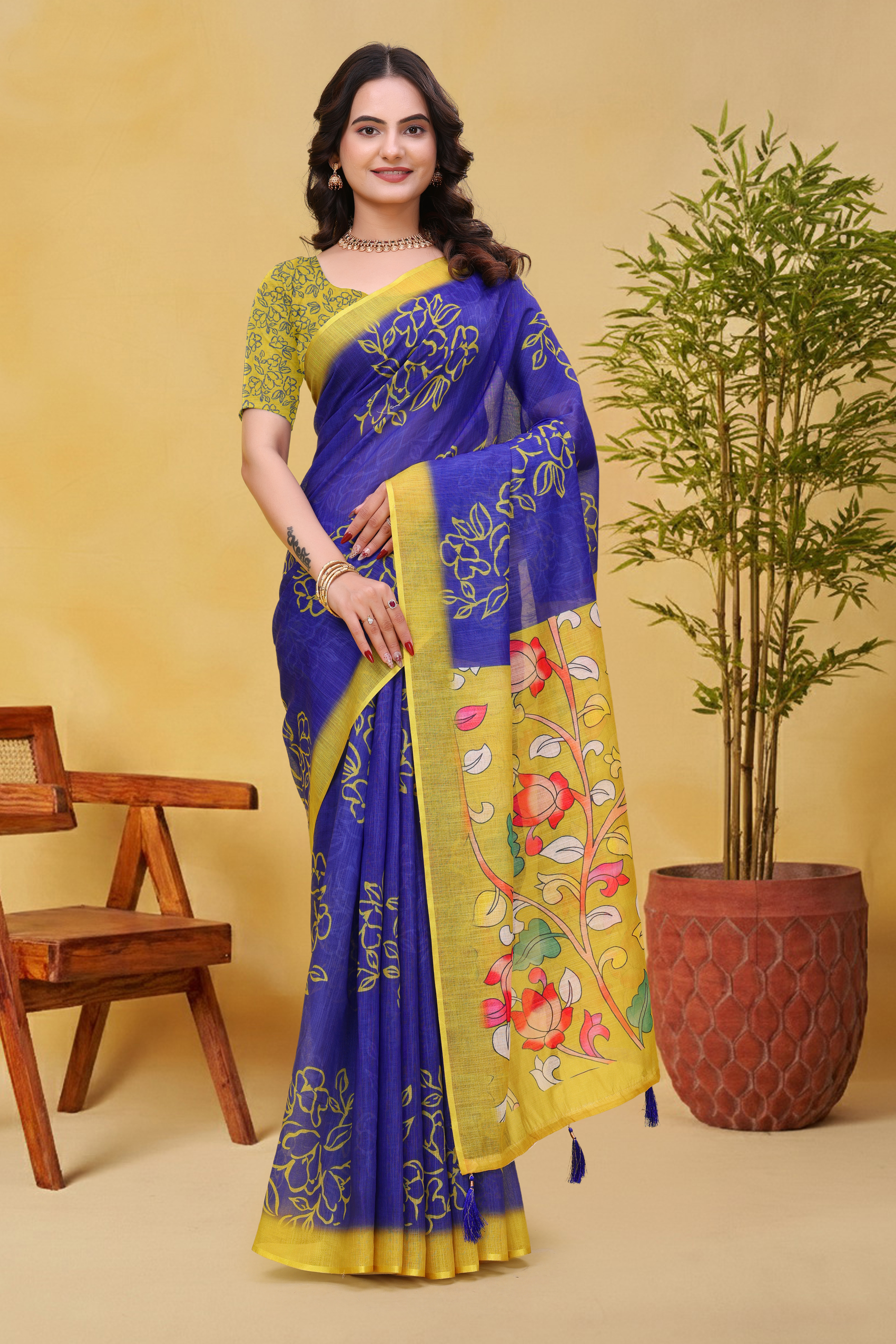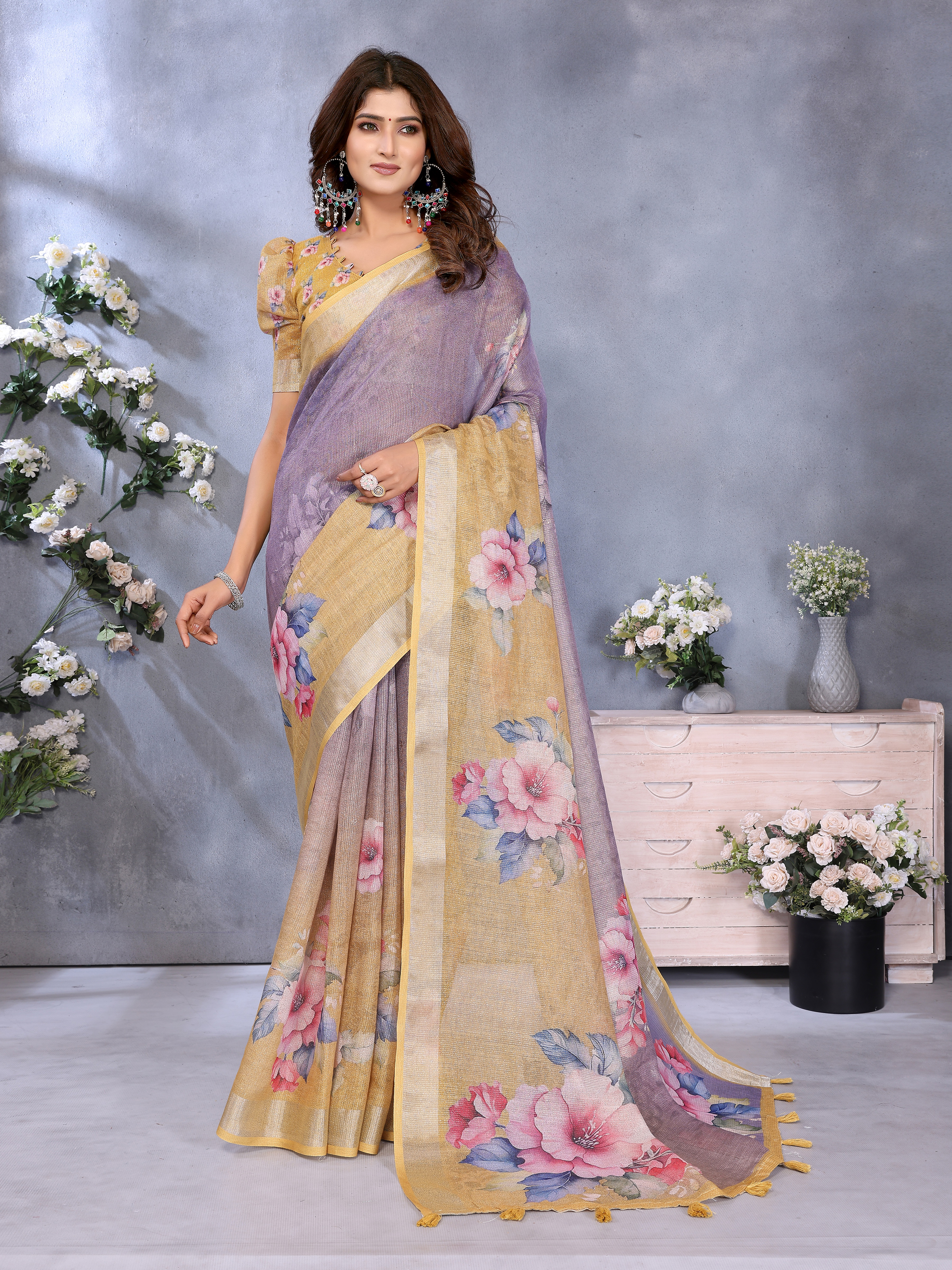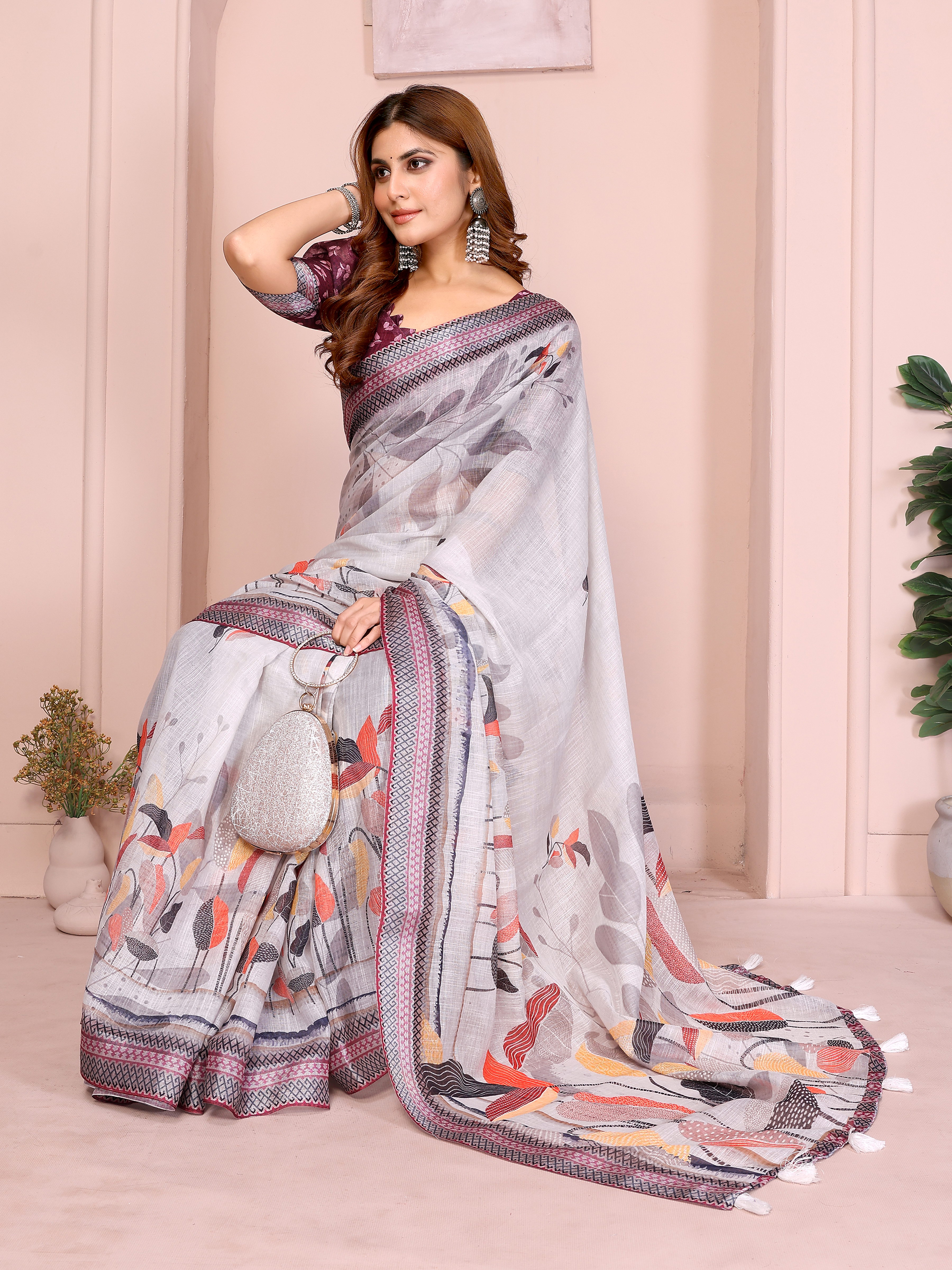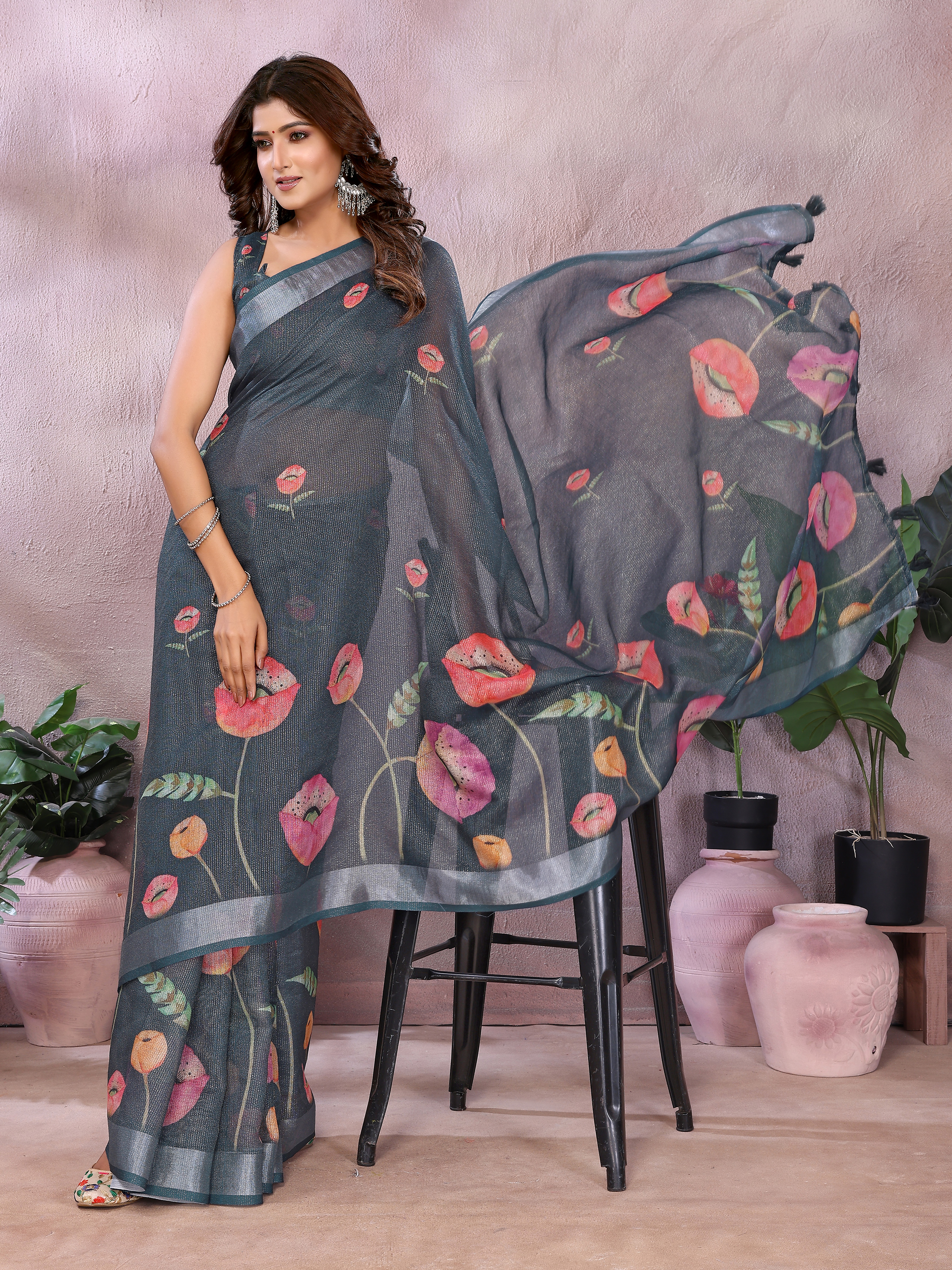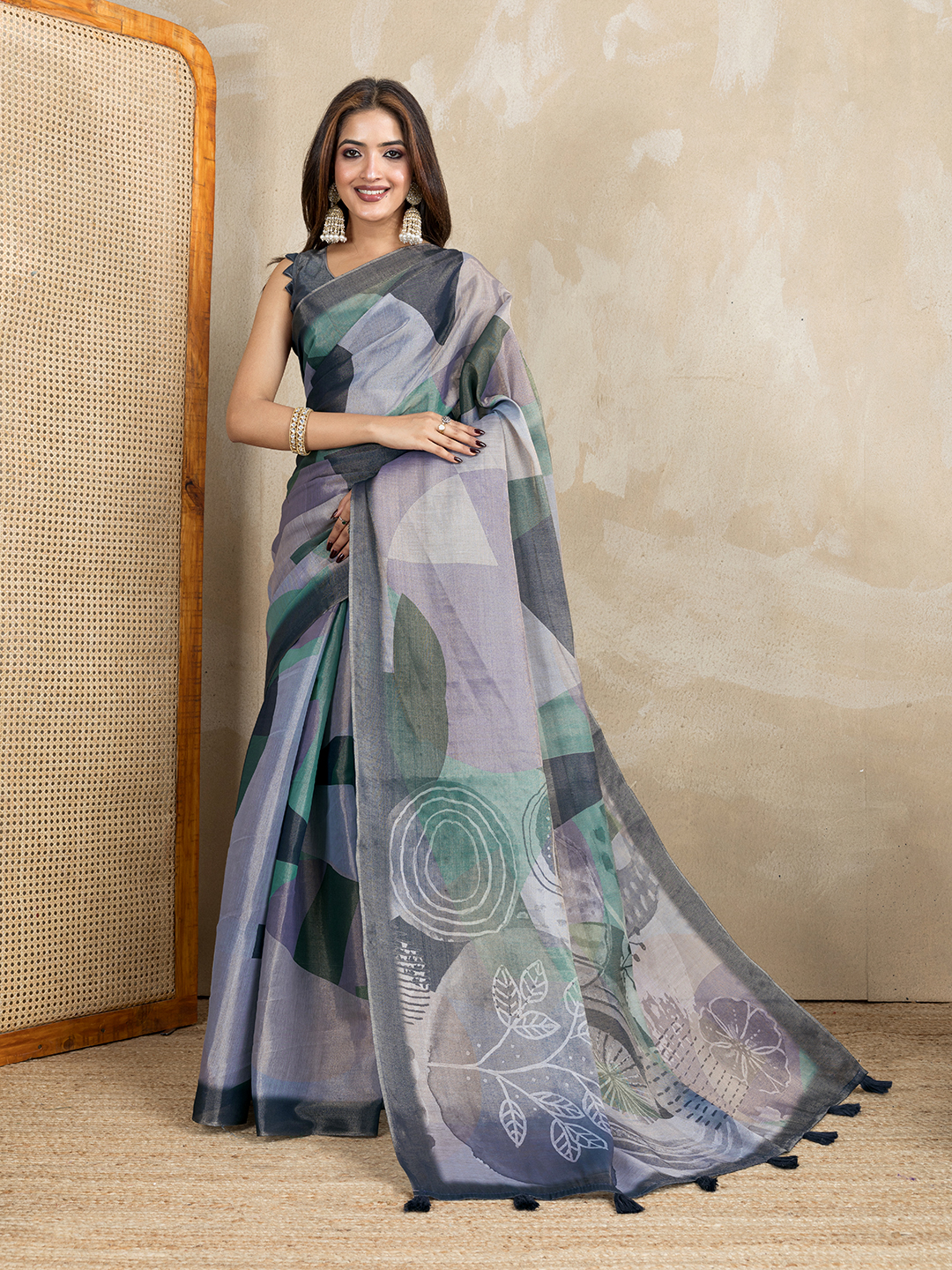
Why Lehenga Dupattas Catch on Skirt Embroidery During Movement usually comes down to friction between two textured surfaces, not poor-quality clothing. Zari, sequins, cutdana, beads, raised threadwork and unfinished embroidery edges can grip net, organza, chiffon or georgette when a wearer walks, turns or sits. The problem becomes more noticeable when a dupatta falls over the front of the skirt because every step pulls the two layers against each other.
A few practical changes can make a substantial difference: place the dupatta away from the most raised embroidery, use a smooth lining or underskirt, secure the drape at controlled points and test the complete outfit while walking before the event. Understanding the snag mechanism helps you choose the right fix instead of adding more pins blindly.
Why Lehenga Dupattas Catch on Skirt Embroidery During Movement
Lehenga dupattas catch on skirt embroidery during movement because the dupatta is repeatedly dragged across protruding decorative elements. A stationary drape may look perfectly smooth, while walking creates sideways tension that allows a sequin, zari loop or bead to hook into the dupatta weave.
Four forces usually work together. Friction increases when both layers have rough or irregular surfaces. Pressure rises where the dupatta is tucked tightly at the waist or held close to the body. Repeated motion pulls the fabric across the same section of embroidery with every stride. Loose decorative components provide the actual hooks that catch delicate fibres.
Dense floral threadwork can cause snagging even without sharp metal. A long satin stitch, a raised cord or a bead with a visible thread loop can catch a fine net edge. Sequins are especially troublesome when their underside or central stitch is exposed. Metallic zari can also develop rough points after wear, pressing or storage.
Which embellishments create the greatest risk?
Sequins, cutdana, zari, bugle beads, three-dimensional flowers and exposed embroidery threads create the greatest snag risk. Flat machine embroidery with tightly secured ends is generally safer than raised handwork, although a heavily embellished skirt can still abrade a lightweight dupatta.
Net and organza are vulnerable because their open or crisp structures can catch around a bead or thread end. Chiffon and georgette drape softly but can still snag when their fine yarns meet sharp sequin edges. A silk dupatta may resist small pulls better, yet a rough zari edge can still mark the surface.
How Fabric Pairings Affect Dupatta Snagging
Fabric pairing determines how easily one garment layer slides over another. A smooth dupatta over a smooth skirt has low resistance, while a sheer net dupatta over sequins or raised zari has high resistance.
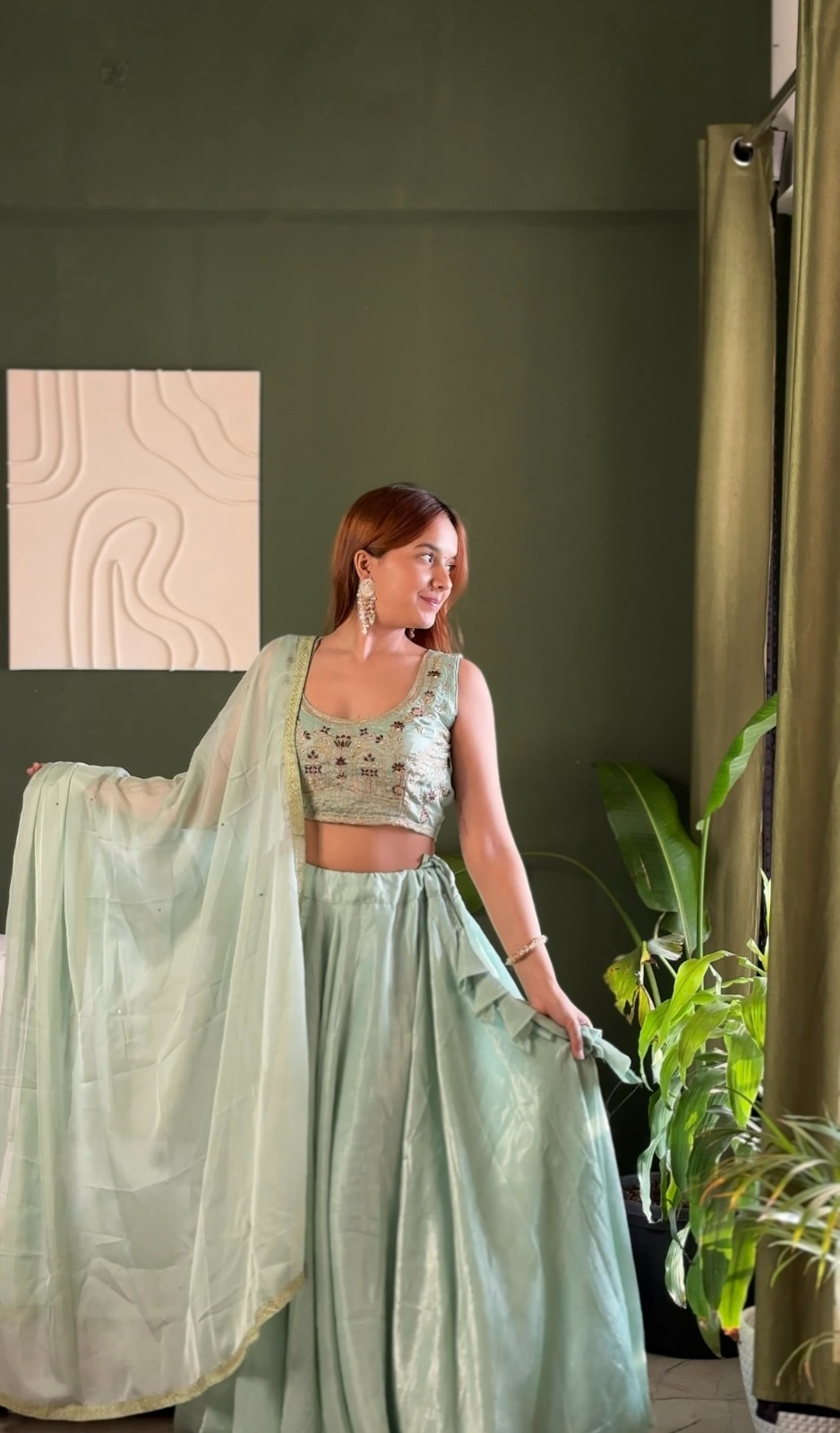
A net dupatta can catch on almost any raised surface because its open mesh offers spaces for beads and threads to enter. A butterfly net style may be particularly susceptible at the scalloped or embellished border, where decorative weight pulls the edge into the skirt. Organza has a firmer hand, so organza may scrape across embroidery rather than glide over it.
Georgette and chiffon usually move more fluidly, but their softness allows them to collapse into embroidered areas. Chinon silk has a fluid, slightly glossy surface that can work well with controlled draping, though exposed sequins remain a hazard. Satin can slide across some embroidery but may snag visibly because a single pulled yarn creates a noticeable line.
The Mint Embroidered Lehenga Set with Net Dupatta for Women illustrates why a coordinated net layer needs deliberate placement when the skirt carries raised decoration. The Designer Threadwork Silk Lehenga Choli Set with Dupatta brings a different pairing: silk may feel smoother, but threadwork height still matters at points where the dupatta crosses the skirt.
What happens when the skirt is too full?
A very full skirt increases the contact area between the skirt and dupatta. Wide flare makes the hem and side panels swing outward during walking, bringing embroidered sections into contact with a dupatta that may already be pulled inward by the arm or waist tuck.
Can-can layers and stiff underskirts amplify the swing. A wearer may then compensate by pinning the dupatta more tightly, which increases tension and makes catching more likely. A balanced silhouette, rather than maximum volume, often improves both comfort and fabric protection.
Where Should a Dupatta Sit to Avoid Embroidered Areas?
A dupatta should sit on the smoothest available skirt panel and should not be repeatedly tucked over dense border embroidery. Positioning the dupatta slightly to one side, or keeping the front section on the blouse and shoulder rather than the skirt, can reduce friction immediately.
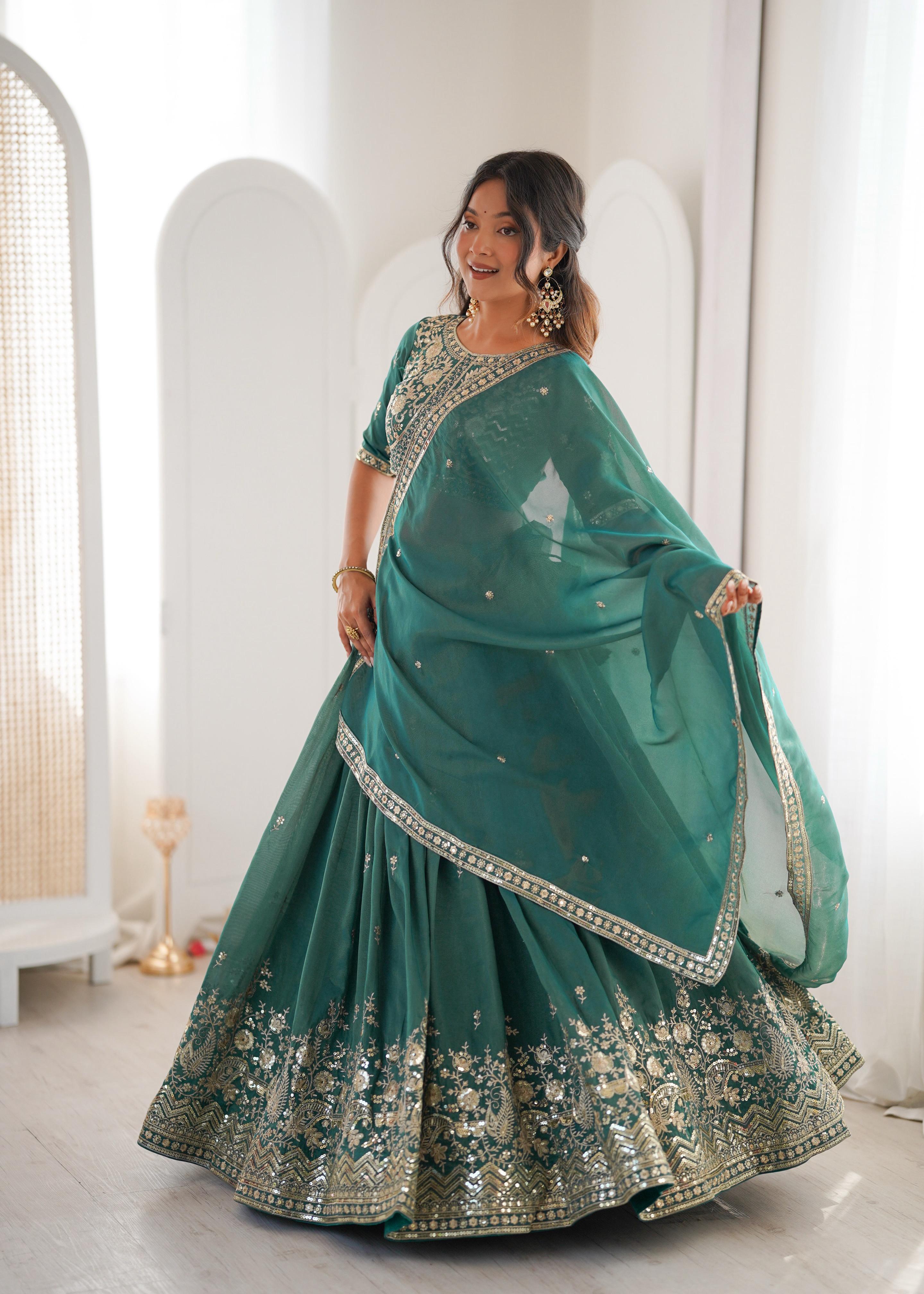
Before fixing the drape, identify the skirt's highest-risk zones. These normally include the hem border, waistline motifs, side seams with heavy work and raised floral or peacock elements. Place the main fall of the dupatta between those zones instead of directly over them.
- Put on the complete outfit first. Wear the blouse, skirt, footwear and intended underlayers before arranging the dupatta.
- Walk for three minutes. Take normal steps, turn around, climb a few stairs and sit on a chair.
- Mark the catching point. Note whether the snag occurs at the border, waist tuck, side seam or free-falling panel.
- Change one variable. Shift the drape, loosen the tuck or move one pin before testing again.
- Secure only after testing. Use concealed pins at stable fabric areas, not through sequins or delicate net.
The Pastel Grey Embroidered Butterfly Net Lehenga Set and Lime Floral Embroidered Butterfly Net Lehenga Set both call for attention to border placement because butterfly net edges can combine a lightweight mesh with decorative detail. Keeping a decorated edge away from the skirt's most raised motifs helps preserve the fall of the dupatta.
Which Tailoring Fixes Reduce Dupatta Snags?
A smooth lining, secured embroidery, adjusted flare and carefully finished seams are the most effective tailoring fixes for dupatta snags. A tailor can solve the underlying friction more reliably than repeated emergency pinning at an event.

Use a smooth inner layer
A satin, polyester or lightweight silk lining can create a protective barrier between the body, underskirt and outer embroidery. The lining should be securely attached and should not extend beyond the skirt hem, where the lining could catch the dupatta itself. A lining doesn't remove the risk from exposed sequins, but a lining can reduce friction against the underside of the skirt.
Secure loose embroidery
Loose zari ends, sequin threads and bead loops should be fastened from the reverse side by an experienced tailor. Do not cut a suspected loose thread without checking whether the thread holds a motif in place. A tiny stitch or fabric-safe adhesive applied by a professional can prevent a decorative element from becoming a hook.
Soften risky borders
A tailor can add a narrow smooth facing behind a rough border, particularly on a dupatta edge that repeatedly touches the skirt. The facing should remain lightweight and should not distort the fall. A narrow rolled hem or carefully enclosed edge is safer than leaving metallic thread ends exposed.
Review the waist and flare
A waist tuck that's too tight pulls the dupatta across the skirt and creates constant tension. A tailor can adjust the tuck, distribute gathers more evenly or reduce excessive flare at the point where the dupatta rests. The Blooming Georgette Sequins and Thread Embroidered Lehenga Set with Georgette Dupatta demonstrates why a fluid georgette layer still needs a sensible crossing point when sequins and threadwork occupy the same outfit.
Budget and fabric choices often influence these alterations. Net Lehengas Under 4500 with 51% Discount may include lightweight embellished skirts that need a careful drape test, while Silk Lehengas Under 3000 may offer a smoother base but still require attention to zari and threadwork height.
How Should You Pin a Dupatta Without Damaging It?
A dupatta should be pinned through strong, low-embellishment areas with the pin lying flat and the point fully closed. Pins should anchor the fabric to the blouse, shoulder seam or waistband rather than piercing a delicate net section against heavy embroidery.
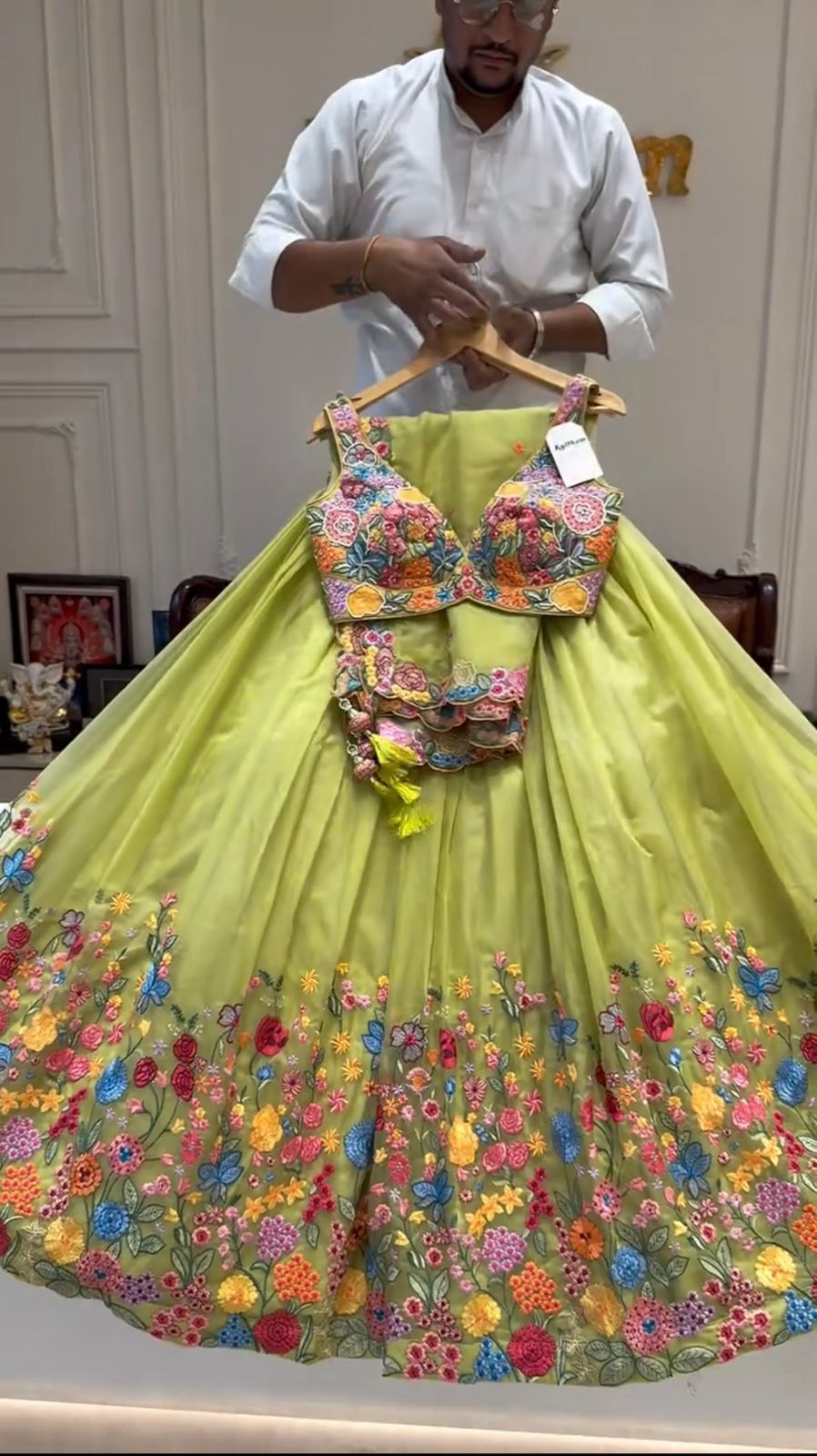
Use small, sharp safety pins for lightweight fabric and test each pin on an inside seam allowance first. Blunt pins enlarge holes, while oversized pins can leave visible marks or pull the drape downward. Concealed brooches can work for heavier dupattas, but a brooch must not rub against sequins or zari.
- Anchor the shoulder pleats close to the blouse shoulder seam.
- Use a second hidden pin near the waist only if the drape needs control.
- Keep the dupatta border free when the border contains dense zari or beads.
- Close every safety pin completely before walking.
- Remove pins by opening them fully rather than pulling them through the fabric.
Pinning can't compensate for a poorly positioned dupatta. If the same point catches after two or three draping adjustments, move the fabric away from the embroidery or request a small tailoring modification.
The Cream Peacock Embroidered Net Lehenga Set for Women shows why a decorative motif can affect draping beyond the skirt's general surface. A peacock, flower or paisley with raised edges should be treated as a contact point when the dupatta falls across the front.
How Can You Test a Lehenga Before a Wedding or Festive Event?
A complete movement test should take at least 10 minutes and should include walking, turning, sitting and raising both arms. A short mirror check isn't enough because most catches occur when the skirt and dupatta move at different speeds.
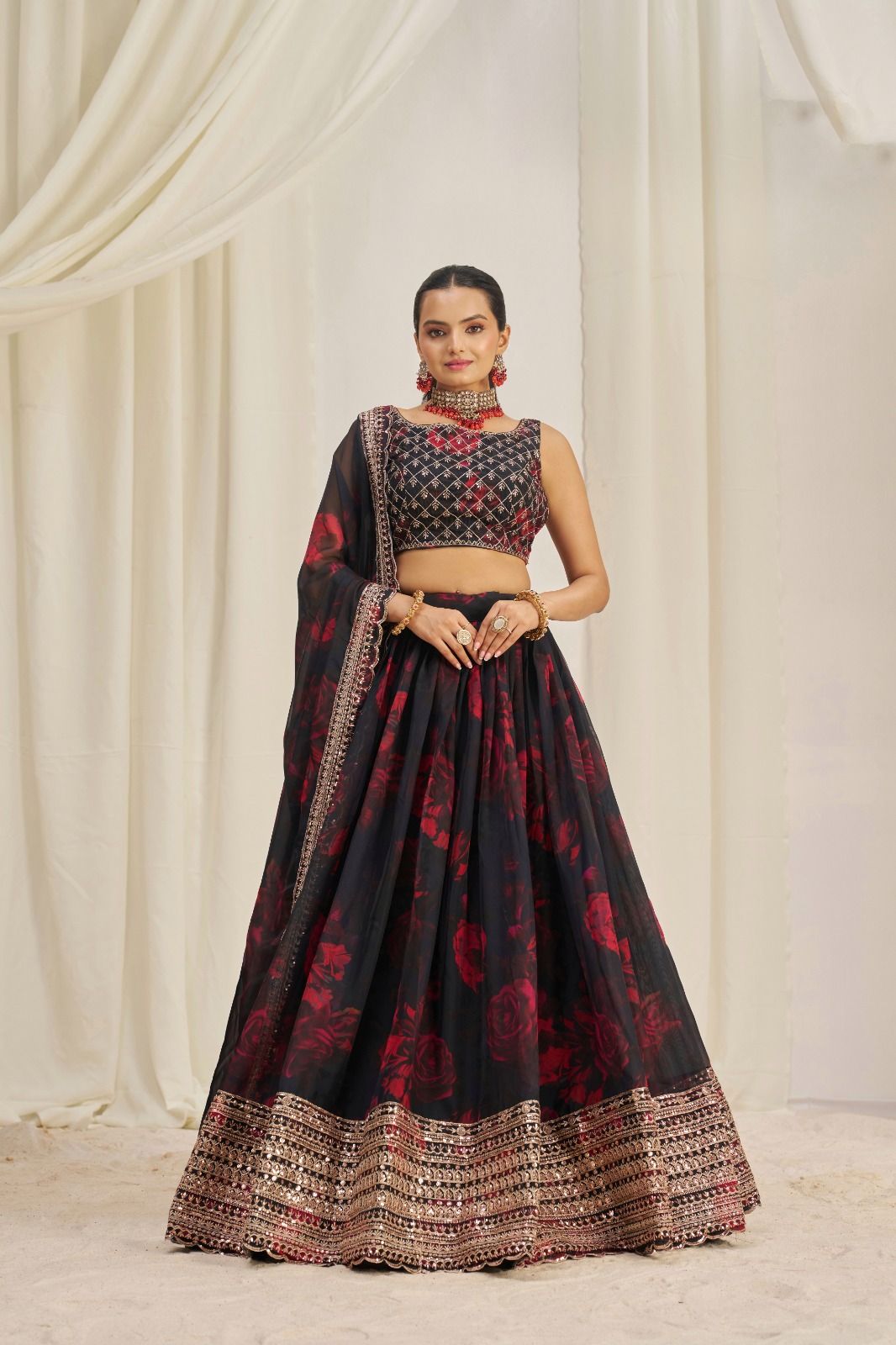
Wear the actual footwear because heel height changes skirt length, posture and stride. Check whether the hem brushes the shoe, whether the skirt rotates at the waistband and whether the dupatta slips toward the embroidered front panel. Ask someone to observe the back and side views while you move.
Test the outfit in the same way for different celebrations. A Haldi ceremony often involves sitting on the floor, moving between guests and handling flower petals, so a loose front dupatta may need more control. Bridesmaid Lehengas Under 5500 can be evaluated with a practical movement test before a group photograph or procession, while Pink Lehengas Under 4000 with 50% Discount and Haldi Lehengas Under 5500 can be checked for colour transfer, surface rubbing and border contact before outdoor use.
- Walk 20 normal steps without holding the dupatta.
- Turn left and right several times to reproduce rotational movement.
- Sit on a chair and rise without pulling the dupatta.
- Climb five stairs or imitate a short step-up movement.
- Lift both arms to test whether the shoulder pin shifts the fabric onto embroidery.
- Inspect the dupatta for pulled threads, open mesh or metallic marks.
What Should You Do If a Dupatta Snags During the Event?
If a dupatta snags during an event, stop moving, release the tension and remove the fabric in the reverse direction of the catch. Pulling forward can lengthen a loop, tear net or detach a sequin.
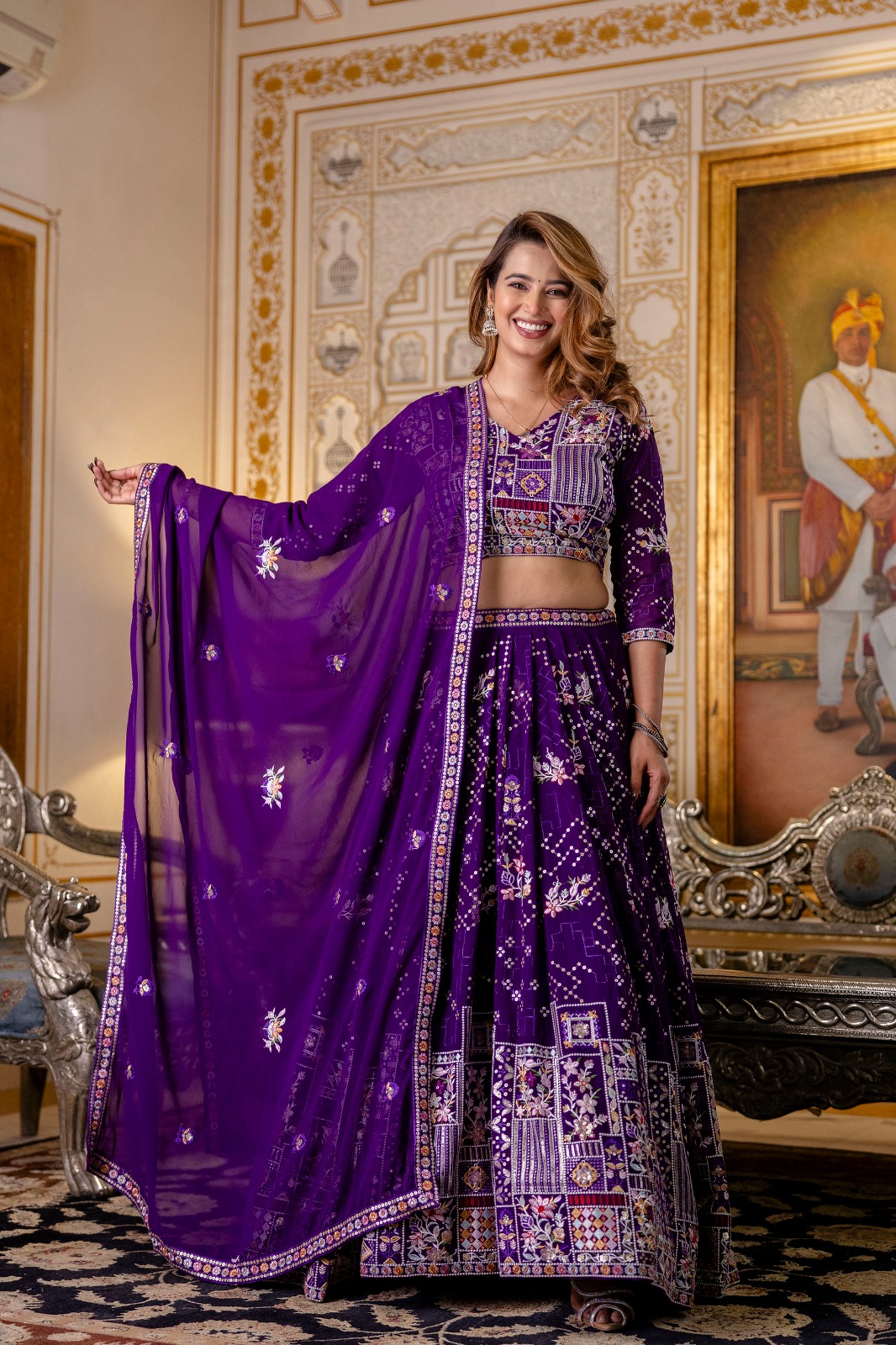
Ask for a small pair of embroidery scissors or a blunt needle only after locating the exact hook. A needle can ease a caught thread away from a sequin, but cutting a thread is safe only when the thread is clearly loose and doesn't secure the motif. A companion can hold the skirt still while you lift the dupatta vertically from the snag.
Temporary repositioning is safer than repeated pulling. Move the dupatta to the opposite shoulder, fold the affected border inward or place the fabric over a smooth blouse panel until the garment can be examined properly. Do not rub perfume, oil or water onto the snagged area because moisture and residue can make delicate fibres swell or stain.
After the event, lay the dupatta flat and inspect both surfaces in daylight. A professional alteration service should handle repeated snags, loose zari, missing sequins or stretched net rather than attempting aggressive home repairs.
The Pink Chinon Silk Sequins Embroidered Lehenga Set Sale and Magenta Satin Embroidered Lehenga Set Online are useful reminders that a glossy or fluid fabric still needs careful handling when sequins, satin surfaces and movement interact. Colour, price and surface shine don't predict snag resistance by themselves; construction, embellishment height and drape placement matter more.
How Can You Store and Care for an Embroidered Lehenga Set?
An embroidered lehenga set should be stored clean, dry, folded around acid-free tissue and protected from direct contact with rough accessories. Proper storage reduces the loose threads, bent sequins and rough zari points that later cause dupatta snags.

Remove pins and brooches before storage, then inspect the garment for food, makeup or moisture. Professional dry cleaning is safer for heavily embellished Banarasi silk, net, satin or Chinon silk than repeated home washing. Follow the care label because zari, adhesive-backed stones and colour-dyed net can react differently to solvents and water.
Wrap the skirt and dupatta separately in clean cotton or acid-free tissue. Avoid placing a heavy blouse, jewellery box or metal hanger directly on the dupatta. Store the set in a breathable garment bag rather than sealed plastic, and refold the garments every few months to prevent permanent pressure lines.
Lehenga dupatta snags are usually preventable when fabric pairing, embroidery height, fit and movement are checked together. A smooth base, a controlled drape and a 10-minute rehearsal can protect delicate net, georgette and organza far more effectively than adding multiple pins at the last minute.
Common Questions About Lehenga Dupatta Snags and Safe Draping
Why does my lehenga dupatta keep getting stuck on the skirt?
A dupatta usually gets stuck because sequins, zari, beads, raised threadwork or loose embroidery threads catch the dupatta surface during movement. Tight waist tucks and a very full skirt increase the friction and tension that make snagging more frequent.
Which dupatta fabric is least likely to catch on embroidery?
A smooth, moderately weighted silk or well-finished satin dupatta is generally less vulnerable than open net or delicate organza. No fabric is completely snag-proof when the skirt has exposed sequins, rough zari or loose beadwork.
How can I stop a net dupatta from snagging on a lehenga?
Keep the net dupatta away from the skirt's heaviest borders and raised motifs, then secure the shoulder and waist points without creating excessive tension. A 10-minute test involving walking, turning and sitting will reveal whether the drape needs repositioning or tailoring.
Can a tailor prevent a dupatta from catching on skirt embroidery?
A tailor can secure loose embroidery, add a smooth facing, adjust excessive flare and improve the lining or hem finish. Tailoring cannot remove every risk from dense sequins or three-dimensional embellishment, but tailoring can significantly reduce repeated catches.
Should I pin my dupatta directly over the embroidered lehenga?
A dupatta should not be pinned through dense embroidery or delicate net pressed against sharp embellishment. Anchor pins to the blouse shoulder seam, a stable waistband area or low-embellishment fabric, and keep every pin fully closed.
What should I do when my dupatta snags during a wedding?
Stop moving and release tension before lifting the dupatta away from the snag in the reverse direction. Do not pull hard or cut a thread until you know whether the thread secures a sequin, bead or motif; reposition the dupatta temporarily and arrange professional repair afterward.