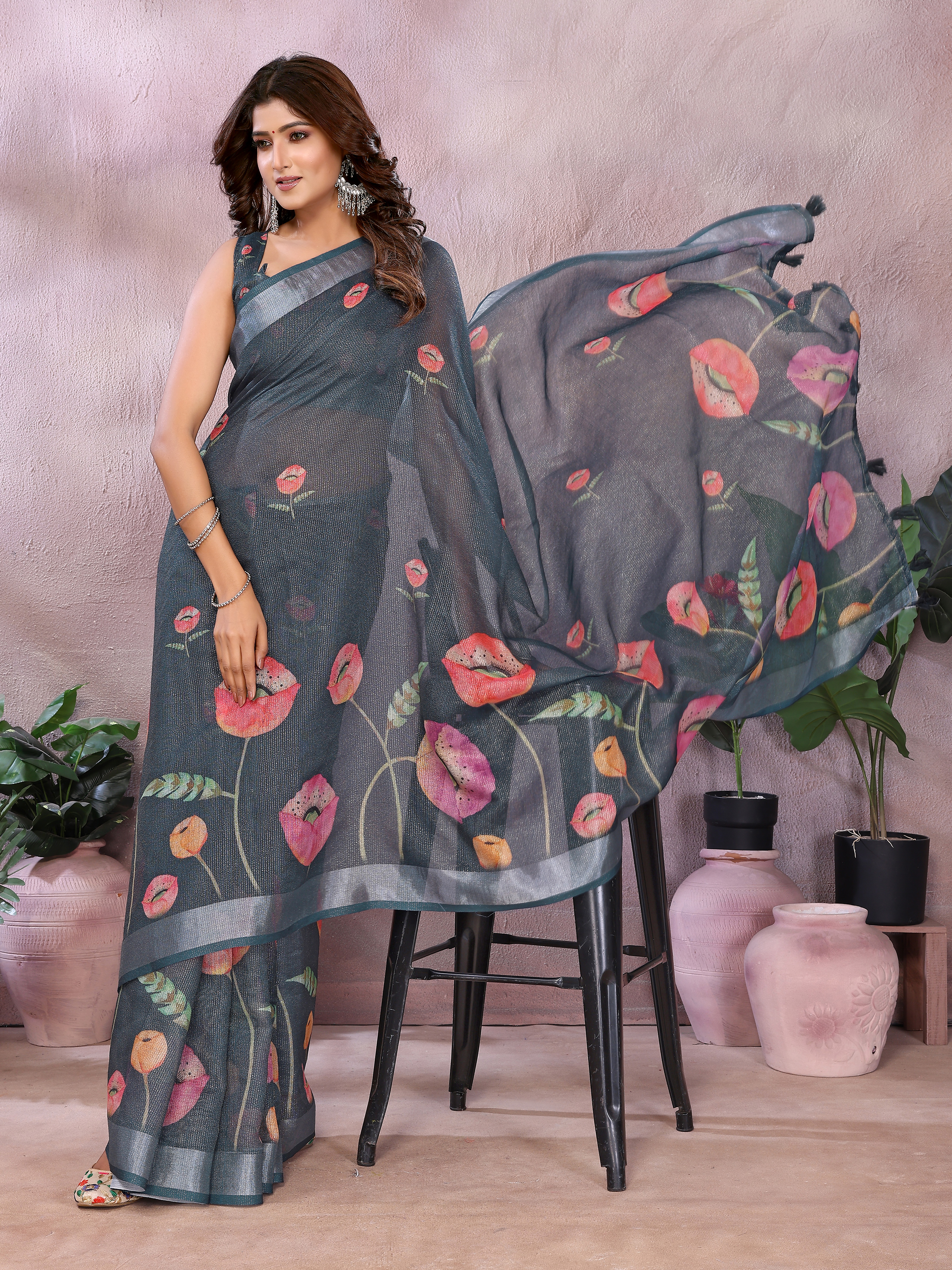
Why Dark Kurtis Sometimes Turn White Around the Seams After Washing is usually explained by a combination of surface abrasion, concentrated detergent and uneven dye loss-not by a mysterious change in the thread itself. The raised seam allowance receives more rubbing during washing, while folded edges can trap detergent or lose colour faster than the flatter fabric. Identifying the cause helps you decide whether a careful rewash can remove the mark or whether the colour has permanently faded.
Why Dark Kurtis Sometimes Turn White Around the Seams After Washing
Dark kurtis sometimes turn white around the seams after washing because the seam area experiences more friction and often holds a higher concentration of detergent than the surrounding fabric. Dark dyes make small changes highly visible, so a narrow pale line can appear even when the rest of a salwar suit still looks evenly coloured.
A sewn seam contains several layers: the garment fabric, seam allowance, stitching thread and sometimes an overlocked edge. That raised construction is stiffer and thicker than a flat panel. During hand washing, machine agitation, wringing and ironing, the seam rubs against itself and against other garments. Cotton, viscose and rayon fibres can become slightly fuzzy, scattering light and making the edge look grey, chalky or pure.
Three different effects can look similar. Detergent residue sits on the surface and may disappear after rinsing. Mechanical abrasion roughens the fibres and creates a pale, furry line. Dye loss removes colour from the fibre or yarn and can't be reversed by another rinse. A simple inspection under bright daylight usually reveals whether the mark is powdery, fuzzy or genuinely lighter.
What does a white seam line indicate?
A white seam line indicates residue when it feels dusty, looks irregular and becomes less visible after a clean-water rinse. A smooth but permanently lighter line indicates colour loss, while a fuzzy line indicates abrasion. Photographing the dry garment before and after rinsing can help distinguish a laundering deposit from a fabric problem.
How detergent and hard water create pale marks
Detergent residue creates pale marks when powder or concentrated liquid isn't fully dissolved or rinsed from the garment. Seams, hems, pleats and underarm folds retain moisture longer, allowing detergent, minerals and loosened dye to collect in narrow bands.
Hard water contains calcium and magnesium salts that can react with soap or detergent. The resulting deposit may look white, especially on black, navy, maroon and dark green fabric. Washing with too much detergent increases the problem; more detergent doesn't produce a cleaner kurti when the load, water volume and rinse cycle are unchanged.
Fabric softener can also leave a visible film if it's poured directly onto clothing. Direct contact with concentrated softener or liquid detergent may produce a lighter-looking patch. A residue mark generally has a slightly stiff or slippery feel, whereas a faded seam feels much like the surrounding fabric apart from possible roughness.
How can you test for detergent residue?
Rinse the affected seam under cool running water for one to two minutes without scrubbing it. Press out excess water with a white towel, allow the garment to dry in shade and inspect the line again. If the whiteness reduces substantially, repeat a gentle rinse; if the seam remains pale, abrasion or dye loss is more likely.
Avoid household bleach, lemon juice and baking soda on a dark kurti. Bleach can permanently strip reactive or direct dyes, while acidic or alkaline home treatments may weaken fibres or alter the colour around embroidery. A mild, colour-safe liquid detergent used at the label-recommended dose is safer than improvised stain removers.
Why seams fade faster than the rest of a dark salwar suit
Seams fade faster because they bear concentrated stress during washing, drying and wearing. The outer side of a seam ridge receives contact first, and the inner seam allowance can rub against the body or against the opposite panel.

Overwashing is one common cause. Repeated cleaning removes small amounts of surface colour, and the raised seam reveals that change before a broad, flat panel does. Wringing is especially harsh because twisting forces the stitched edge to bend sharply while wet. A washing machine's high-speed spin can create a similar effect.
Fibre type changes the appearance. Cotton kurtis can show surface fuzz after rubbing, while viscose and rayon can look more lustrous or streaked when their wet fibres are handled roughly. Polyester-rich fabric usually resists ordinary abrasion better, but a dark polyester garment can still develop detergent streaks or colour transfer from an overloaded wash.
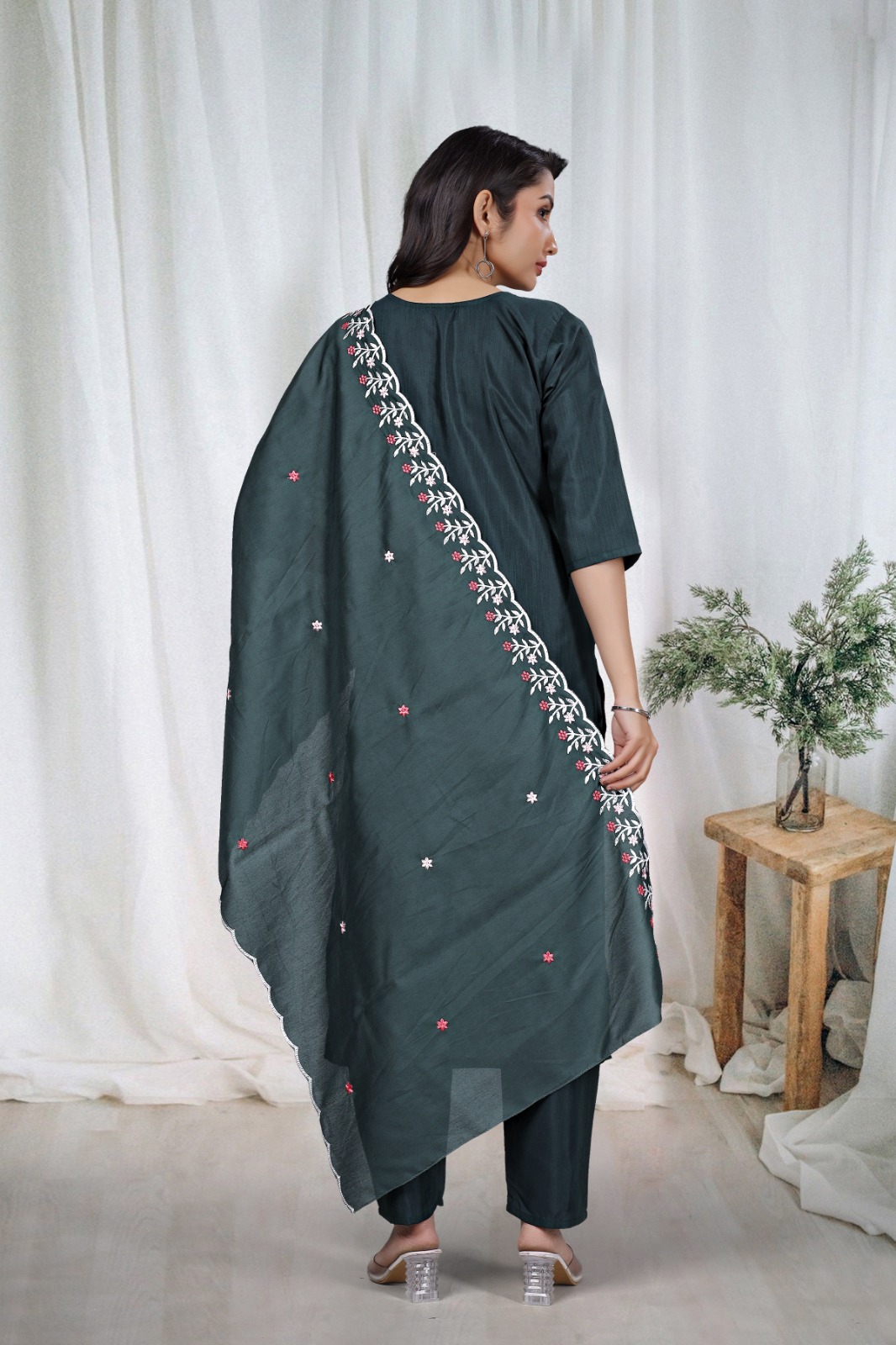
Embroidery and decorative thread add further friction. For example, the raised work on Dark Green Embroidered Kurta Pant Dupatta Set should not be scrubbed along the stitched panel. The same principle applies to garments inspired by regional surface work, including Kalamkari Print Salwar Suits (Copy), Maharashtra Paithani Inspired Salwar Suits and Gujarat Bandhej Salwar Suits: printed, dyed or embellished surfaces need controlled rubbing rather than aggressive cleaning.
Can stitching thread itself turn white?
Stitching thread can look white when the surrounding dark fabric loses colour or when pale thread has been used for construction. Polyester sewing thread may retain its original shade while the garment fabric fades, making the seam appear newly white. A close look with a magnifying glass can show whether the light line follows individual stitches or the wider seam allowance.
Which washing mistakes make white seams more likely?
Hot water, harsh agitation, extended soaking and direct sunlight make white seam marks more likely on dark kurtis. These conditions increase dye movement, fibre swelling and surface friction at the same time.

- Washing dark and light clothes together: loose white lint can cling to damp dark fabric, while dark dye can stain lighter garments.
- Using excess detergent: concentrated product settles in thick seams and may not rinse away fully.
- Soaking for several hours: prolonged water exposure can release unstable surface dye and create uneven colour.
- Scrubbing the neckline or seams: repeated local abrasion produces a visible pale track.
- Wringing a wet kurta: twisting places force directly on stitched joins and embroidered areas.
- Drying in strong midday sun: ultraviolet exposure can fade dark dyes, particularly at exposed folds and edges.
Turn the kurta inside out before washing, close zips and hooks, and separate dark colours from whites and pale pastels. Use cool water, a short gentle cycle or careful hand washing, and a low detergent dose. A white cotton set such as White Blue Printed Cotton Kurta Pant Dupatta Set still benefits from colour separation because printed areas may release dye even when the base fabric looks light.
How should you wash a dark kurti to protect the seams?
Wash a dark kurti inside out in cool water with a small amount of mild liquid detergent, then rinse thoroughly without wringing. This method reduces direct rubbing, limits detergent deposits and keeps the seam ridge from scraping against the wash drum or other clothing.

- Read the care label first. Follow instructions for dry cleaning, machine washing, water temperature and ironing when they're provided.
- Test colourfastness. Dab a hidden hem with a damp white cloth and press for 10 seconds. Transfer of colour suggests that the garment needs separate, gentle washing.
- Prepare the garment. Empty pockets, close fastenings and turn the kurta inside out. Place delicate garments in a mesh laundry bag if machine washing is allowed.
- Use measured detergent. Select the dose for the actual load and water hardness rather than pouring freely. Liquid detergent should be diluted if the product label permits.
- Keep the cycle short. Choose a delicate or colour cycle, and avoid soaking unless the care label specifically recommends it.
- Rinse completely. An extra cool-water rinse is useful when hard water or visible residue has caused previous white marks.
- Dry correctly. Press water out gently, reshape the seams and dry inside out in shade with good air circulation.
don't leave a dark kurta bunched while wet. Wet folds keep detergent against the seam and may transfer dye from one panel to another. Do not iron over a pale residue mark because heat can set certain deposits and make the affected area harder to clean.
How can you tell whether the problem is a defect?
A manufacturing or dyeing defect is more likely when a pale seam appears after the first wash despite following the care label, follows every stitched join with unusual regularity, or includes skipped dye coverage rather than a soft rubbed edge. A single local mark caused by a harsh wash is more likely to be post-wash abrasion or residue.

Inspect the garment before washing and keep the invoice, care-label photograph and unedited images if you suspect a defect. Record the detergent, water temperature, wash method and drying conditions. This information is more useful than describing the garment as simply "colour damaged."
New garments made from dark cotton, viscose or blended fabric may release some surface dye in their first wash. Controlled colour release is different from a sharply white seam. A seam that becomes pale immediately, especially without roughness or detergent residue, deserves a closer review of the dyeing and finishing process.
Care expectations also vary by fabric and construction. Chanderi, organza, jacquard and heavily embroidered garments should not be treated like a sturdy everyday cotton kurta. For example, White Chanderi Kurta Set with Floral Embroidery and Dupatta, White Chanderi Embroidered Kurta Set with Organza Dupatta and White Embroidered Viscose Jacquard Kurta Set for Women each signal different surface textures and decorative details that benefit from label-led care rather than vigorous home washing.
Can a white seam be repaired after washing?
A white seam caused by residue may improve with a cool-water rinse, but permanent dye loss can't usually be restored by ordinary washing. A tailor or textile colourist may be able to recolour a small area, although matching a dark shade beside embroidery or printed work is difficult.

don't use fabric dye across an entire salwar suit without testing a hidden section. Dye may take unevenly on cotton, viscose, rayon, polyester and blended fibres, and stitching thread may absorb colour differently from the main fabric. A home dye can also change the contrast between the kurta, pant and dupatta.
For minor abrasion, a fabric shaver may remove surface fuzz from a flat, sturdy fabric, but it should never be used over zari, embroidery, appliqué, delicate Chanderi or loose stitching. A tailor can trim raised fuzz safely and assess whether the seam allowance or thread has weakened.
Practical care checklist for dark kurtis
Preventing pale seam lines depends more on gentle handling than on a special cleaning product. The following checklist works for most washable dark kurtis when it doesn't conflict with the care label.

- Wash dark kurtis separately or with similar dark colours.
- Use cool water and a measured mild detergent.
- Turn garments inside out before machine washing.
- Avoid hard scrubbing, long soaking and high-speed spinning.
- Rinse until no slippery or powdery film remains.
- Dry in shade, with seams reshaped while damp.
- Store the garment completely dry and don't press it while residue remains.
- Inspect seams, hems and underarms before the next wash.
A garment's visual design can also guide handling. Raised embroidery on White Designer Threadwork Suit with Chinon Dupatta needs protection from snagging. A woven dupatta such as the one paired with Classic Yellow Cotton Kurti Set with Woven Dupatta should be washed according to its own care instructions rather than assumed to match the kurta. Regional styles such as Odisha Sambalpuri Salwar Suits and Punjab Patiala Salwar Suits may use different textures, prints or volume, so the label remains the final authority.
The short answer to why dark kurtis sometimes turn white around the seams after washing is that seams concentrate friction, residue and dye stress in a highly visible line. Rinse first to rule out detergent, inspect the fibres for abrasion, and treat confirmed colour loss as permanent unless a professional recommends a repair. Measured detergent, cool water, inside-out washing and shaded drying prevent most repeat damage.
Questions About White Seam Marks on Dark Kurtis
Why are my black or dark kurti seams turning white after washing?
Dark kurti seams usually turn white because raised seam edges receive extra friction or retain detergent residue. If a cool-water rinse removes the mark, residue was the likely cause; if the line remains lighter or feels fuzzy, abrasion or dye loss is more likely.
How do I remove white detergent marks from a dark salwar suit?
Rinse the affected area under cool running water for one to two minutes, then dry the garment in shade. Avoid scrubbing, bleach and lemon juice, and use a measured amount of mild liquid detergent during the next wash.
Can vinegar fix a seam that has turned white?
Vinegar cannot restore dye that has been removed by friction or bleaching. It may alter residue or odour in some washing systems, but it can also affect finishes, so a plain cool-water rinse and the care label should come first.
Does washing a dark kurti inside out prevent fading?
Washing a dark kurti inside out reduces direct rubbing on the visible surface and can slow seam abrasion. Inside-out washing does not prevent fading caused by hot water, excessive detergent, prolonged soaking or strong sunlight.
How can I tell if white marks are fading or detergent?
Detergent marks often feel powdery or stiff and become less visible after a thorough cool-water rinse. Fading remains after rinsing, while abrasion usually creates a fuzzy, rough or slightly shiny line along the seam.
Should I complain if a new kurti turns white after its first wash?
You should contact the seller or manufacturer when the garment was washed exactly as instructed and a sharply pale seam appeared after the first wash. Keep photographs, the care label, purchase record and details of the detergent and water temperature to support an assessment.