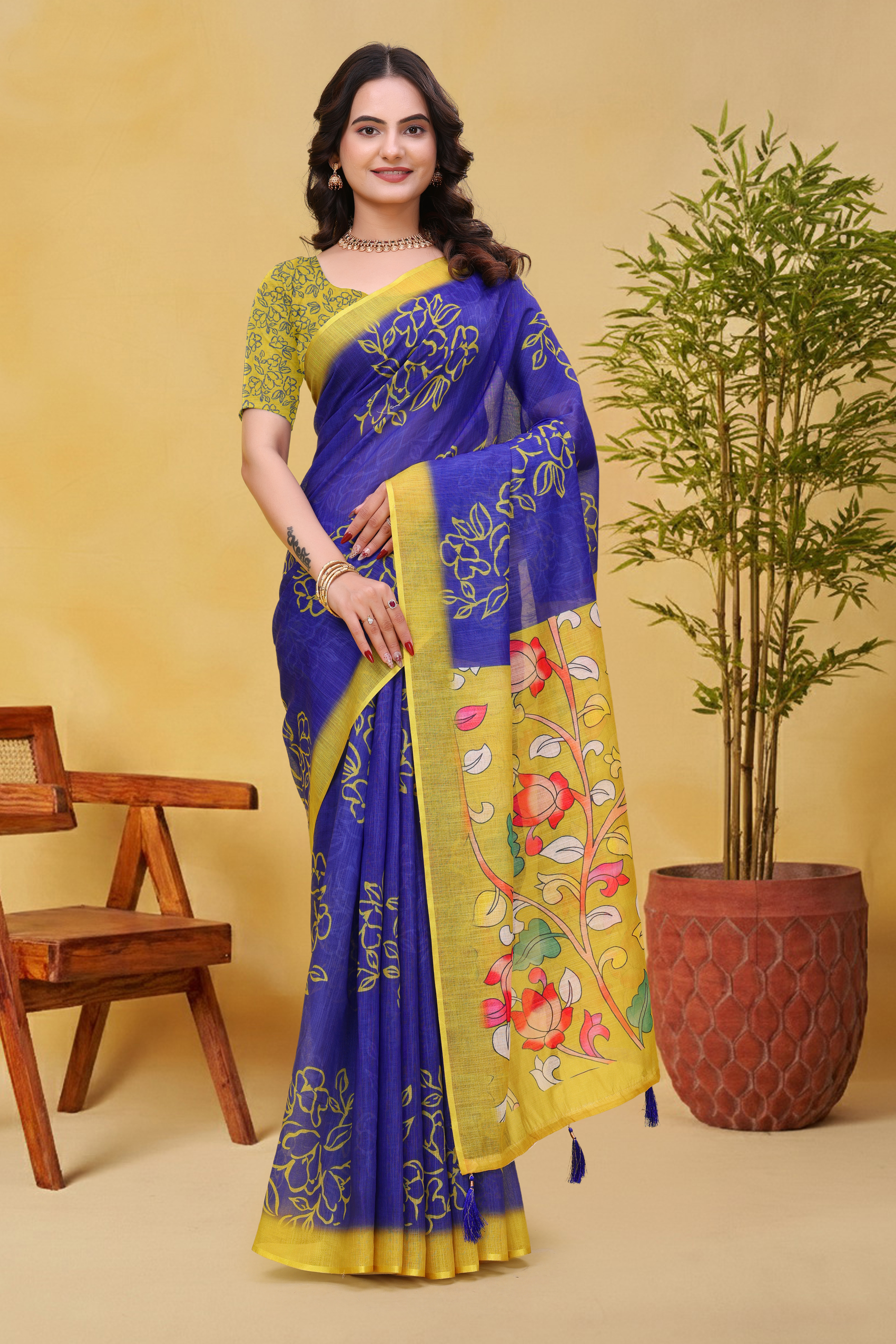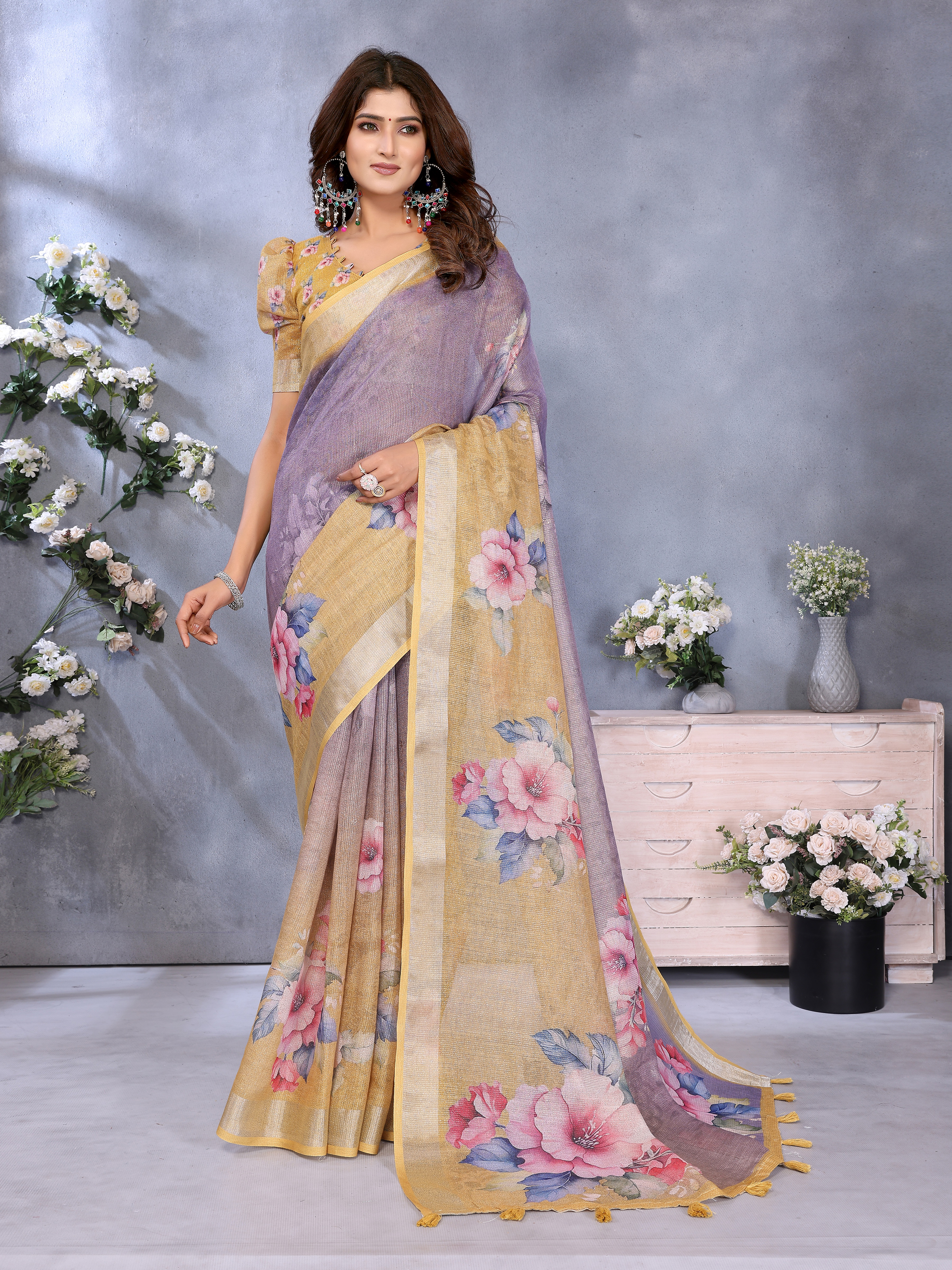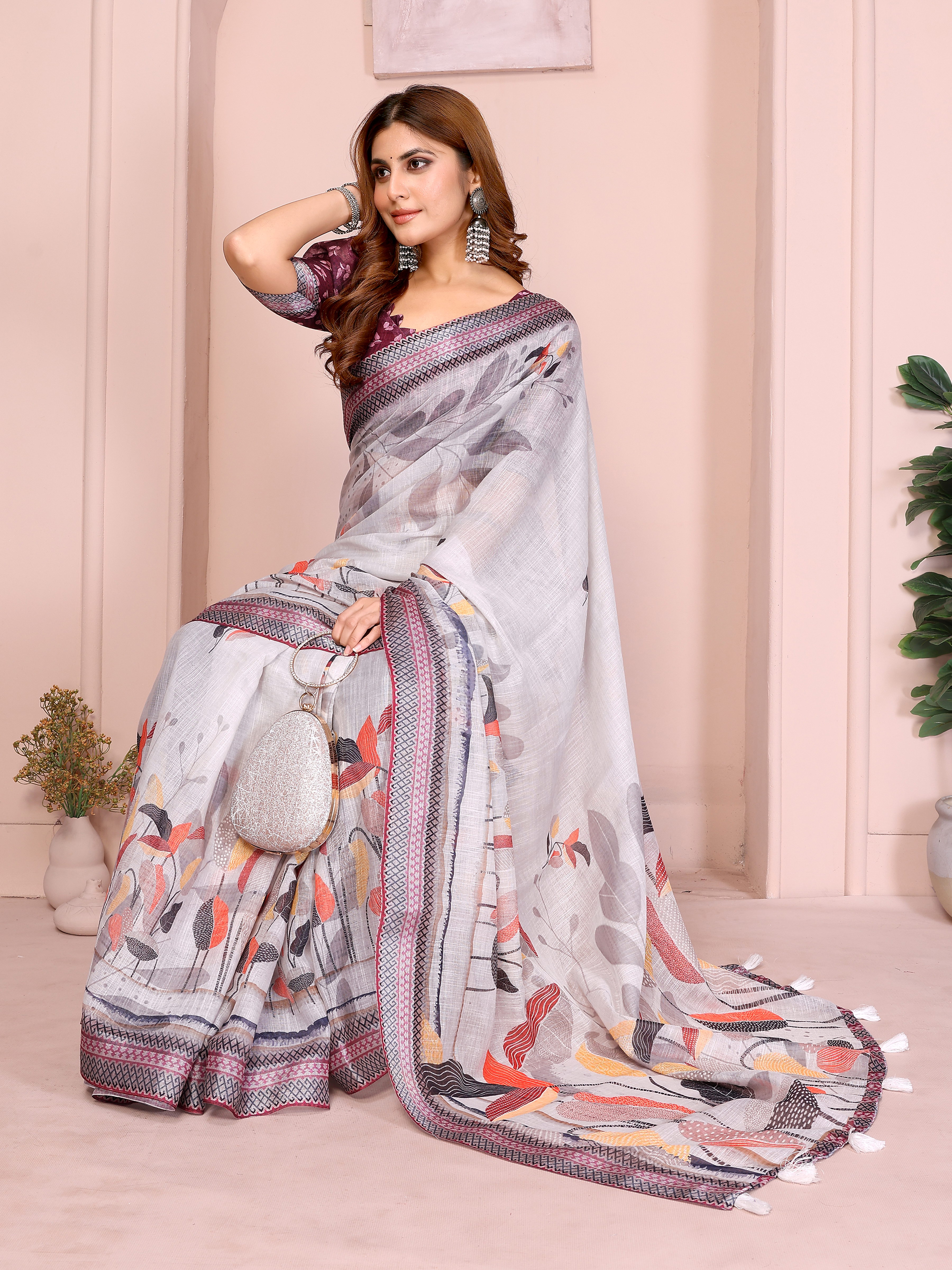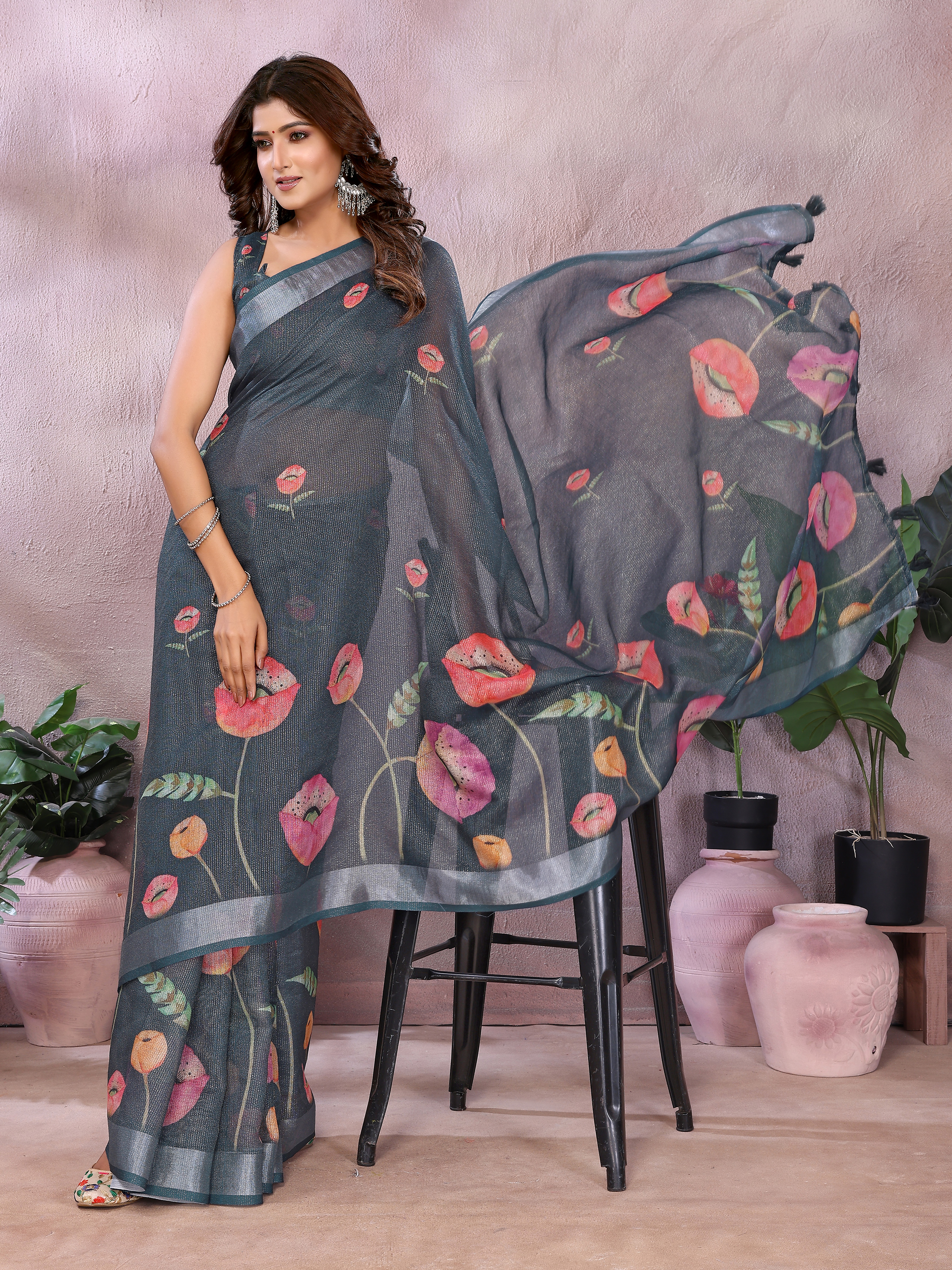
Why Churidar Fabric Needs Enough Stretch to Form Clean Ankle Gathers becomes clear when you look at the garment's shape: the leg is cut longer than the wearer's leg and narrows towards the ankle, so extra length has to compress into regular folds. Without adequate stretch and recovery, the fabric pulls, twists or stops above the ankle instead of creating the close, stacked gathers associated with a well-fitted churidar.
A churidar isn't simply a narrow salwar. A traditional churidar usually has a close leg line, extra length below the knee and a fitted ankle section where surplus length forms gathers. The fabric must move over the calf and heel during dressing, then return close to the leg without losing its shape. That balance depends on fibre, weave, cut, seam construction and accurate measurements.
Why Churidar Fabric Needs Enough Stretch to Form Clean Ankle Gathers
Churidar fabric needs enough stretch because the garment must pass over the widest parts of the leg while remaining narrow enough at the ankle to gather neatly. Controlled elasticity allows the fabric to expand during dressing and movement, while recovery helps the ankle folds remain compact rather than becoming loose or uneven.
Three actions happen at the same time when a churidar is worn. The knee and calf require room for bending, the lower leg requires length to create folds, and the ankle opening must stay secure enough to keep the gathers in place. A rigid fabric can't accommodate all three requirements comfortably in a close cut.
Stretch doesn't mean that a churidar should feel loose or cling like sportswear. The useful quality is controlled give, usually created by a flexible knit, a small amount of elastane, a pliable rayon construction or a soft fabric cut with carefully calculated ease. Recovery matters just as much as stretch. If fabric expands but doesn't return, the ankle gathers flatten after a few hours and the knees may bag.
What do ankle gathers show about churidar fit?
Even horizontal or slightly diagonal folds from the lower calf to the ankle generally show that a churidar has sufficient length and usable ease. Gathers that bunch heavily at one point, pull into vertical lines or disappear while standing can indicate a problem with stretch, length, ankle width or body measurements.
The lower edge should sit around the ankle without cutting into the skin. A narrow ankle opening may hold gathers in place, but excessive tightness creates pressure and makes the fabric ride upward. A wide opening may feel comfortable but allows extra length to fall in a heap rather than forming defined folds.
How Stretch, Recovery and Cut Work Together
Stretch alone can't create good churidar gathers; the garment also needs adequate length, a correctly shaped leg and reliable recovery. A highly elastic fabric with insufficient length will look like a narrow trouser, while a long garment in a rigid fabric may produce uncomfortable wrinkles instead of soft gathers.
Stretch is the amount a fabric can extend when pulled. Recovery is the amount of that extension the fabric regains after the force is removed. For churidar construction, recovery is particularly important at the knees, calves and ankle because those areas experience repeated tension whenever the wearer sits, climbs stairs or walks.
Fabric weight changes how gathers appear. Lightweight fabric forms many fine folds and can look fluid, but very thin fabric may cling or reveal unevenness. Medium-weight fabric creates more visible structure and can hold a cleaner line. Heavy fabric may form fewer, deeper folds and can feel restrictive if the pattern is too narrow.
Seams also influence comfort. A narrow leg with bulky seam allowances can feel tighter than the same measurement in a clean-finished garment. A smooth waistband helps the churidar sit securely, while an overly tight waistband can pull the entire leg upward and disturb the ankle gathers.
What happens when the fabric has too little stretch?
Fabric with too little stretch can make a churidar difficult to pull over the calf, restrict knee movement and create sharp tension lines near the ankle. The wearer may compensate by sizing up, but extra width often weakens the close leg shape and leaves the gathers looking uncontrolled.
Common warning signs include a seam that strains when the wearer sits, a hem that rises several centimetres during walking, diagonal drag lines from the ankle towards the knee and a calf section that feels tight even when the ankle is correctly fitted. A churidar that must be tugged down repeatedly is usually showing a fit or fabric problem rather than requiring more styling.
Which Fabrics Work for a Churidar?
Rayon blends, stretch cottons, flexible knits and fabrics containing a small proportion of elastane are generally easier to use for a close churidar than crisp, non-stretch textiles. The best choice still depends on the pattern, lining, wearer's measurements and desired amount of gathering.
Rayon can provide a soft drape and comfortable movement when the construction has enough give. Cotton with a flexible weave can work well for everyday wear, although tightly woven cotton may need a slightly less narrow cut. Knitted fabrics can stretch generously, but their recovery and opacity should be checked before use. Elastane blends often offer predictable movement, provided the fabric isn't cut beyond its practical stretch.
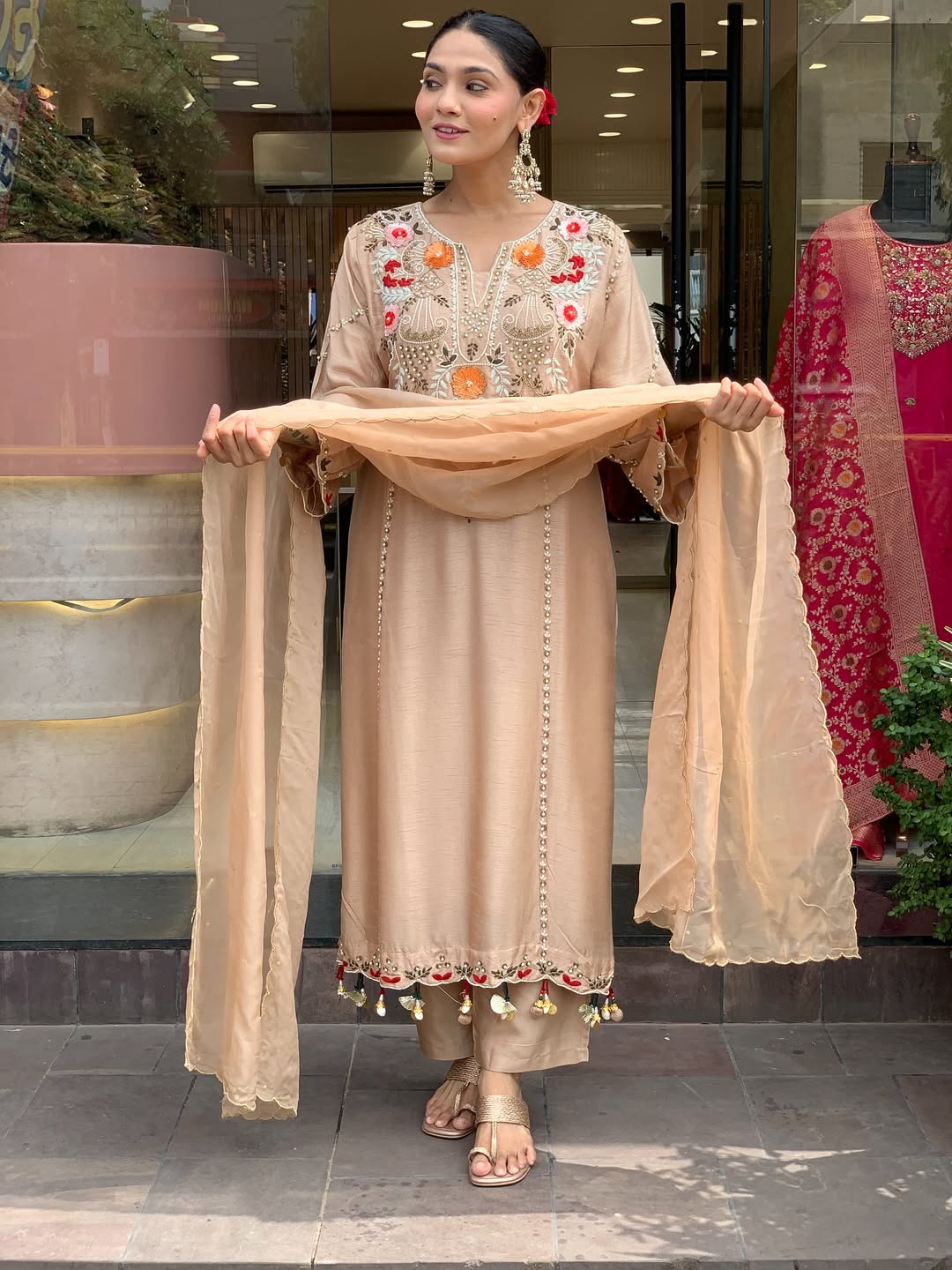
Chanderi, Chanderi silk, Banarasi silk and other crisp woven textiles are better judged as kurta, dupatta or relaxed salwar fabrics unless a pattern specifically allows for their limited stretch. A woven Chanderi kurta can look elegant and structured, but a close ankle section made from the same rigid cloth may not create comfortable churidar gathers.
The difference between a fitted churidar and a straight pant is important. A straight pant can be cut with more ease and doesn't depend on surplus length compressing at the ankle. A churidar needs fabric that can travel over the calf and then recover around the ankle. A salwar suit described as a pant set may therefore have a completely different fabric requirement from a heritage churidar.
Can a non-stretch fabric make a churidar?
A non-stretch fabric can make a churidar only when the pattern provides sufficient ease, the ankle opening isn't excessively narrow and the wearer accepts a less body-skimming fit. Rigid fabric should not be forced into a very tight churidar pattern because comfort and seam durability will suffer.
Tailors sometimes add a side opening, a gusset or a slightly wider calf to improve movement in woven cloth. Those alterations can make a practical garment, but they change the close fit and may reduce the compact appearance of ankle gathers. Fabric choice should therefore be settled before final measurements are taken.
How to Check Churidar Fabric Before Buying or Stitching
A simple stretch-and-recovery test can reveal whether fabric is suitable for a close churidar. Hold a 10-centimetre section across the grain, extend it gently without jerking, release it and check whether the fabric returns close to its original width within a few seconds.
- Test across the grain: Measure 10 centimetres, apply moderate hand tension and note how far the section extends. Record the result rather than relying on the word "stretch" in a product description.
- Check recovery: Release the fabric and wait 10 to 15 seconds. Permanent widening, rippling or a slack edge suggests poor recovery for a close ankle fit.
- Test the lengthwise direction: Some fabrics stretch mainly across the width. That can help calf movement, but it won't replace adequate garment length for ankle gathers.
- Simulate movement: Wrap the fabric around the widest part of the calf and bend the knee. The fabric should allow movement without sharp pressure or seam-like tension.
- Inspect after repeated pulling: Stretch and release the same area five to ten times. If the surface becomes shiny, distorted or permanently loose, the fabric may not retain a neat finish during wear.
Fabric width also affects cutting efficiency. Narrow fabric may require a centre seam or a different layout, while wide fabric can permit a cleaner leg panel. A seam placed along a high-tension area can feel uncomfortable even when the fabric itself stretches well.
What measurements matter most for clean gathers?
Ankle circumference, calf circumference, knee circumference, full side length and the wearer's preferred amount of gathering matter most. Measuring only the ankle is insufficient because the fabric must pass over the calf and knee before it can settle into the lower folds.
Measure the leg while standing naturally, without pulling the tape tight. Add ease according to the fabric's actual stretch rather than using a fixed number for every textile. A tailor should also record the distance from the waist to the knee and from the knee to the ankle because gather placement changes when the lower-leg length is altered.
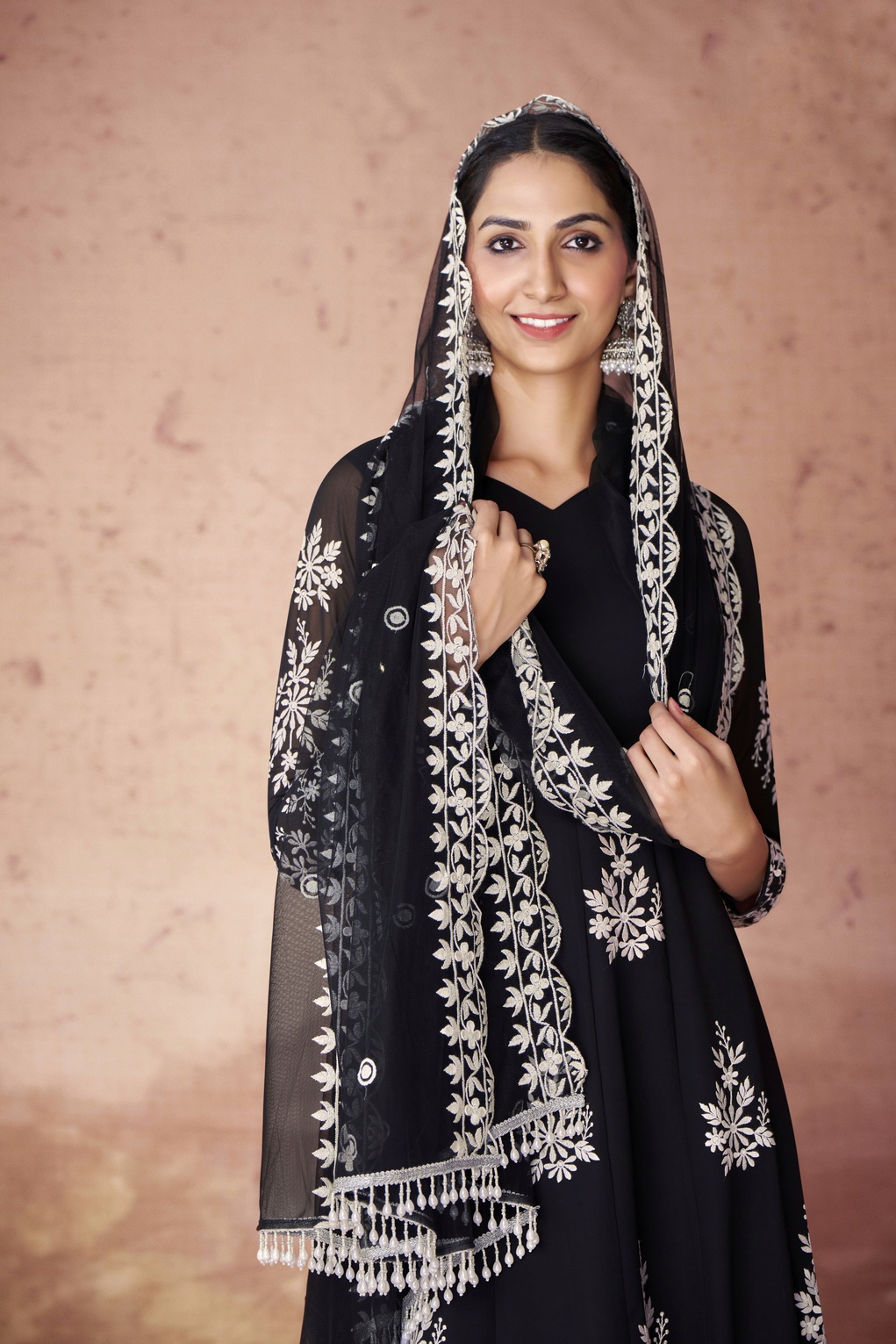
For online buying, compare the garment measurement chart with a well-fitting bottom rather than estimating from a generic small, medium or large label. Black Anarkali Kurta Set With Georgette Pants may have a different bottom silhouette from a classic churidar, so the name of the set alone can't predict ankle fit.
How to Read Salwar Suit Options with Churidar Fit in Mind
A salwar suit's silhouette should be matched to the behaviour of its bottom fabric. Anarkali kurtas, straight kurtas and embroidered three-piece sets can all be paired with different bottom shapes, but a narrow churidar needs more attention to stretch than a relaxed pant or palazzo.
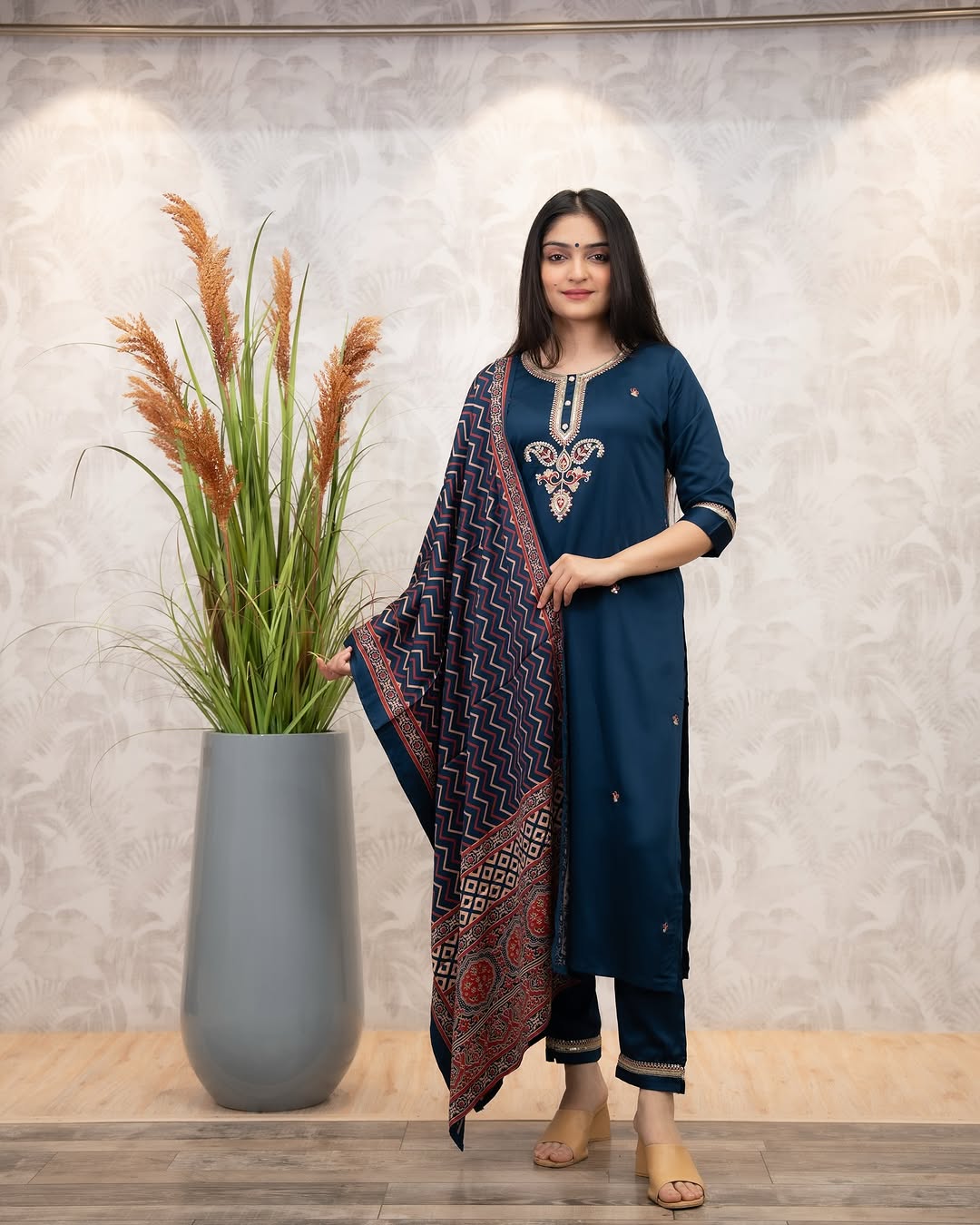
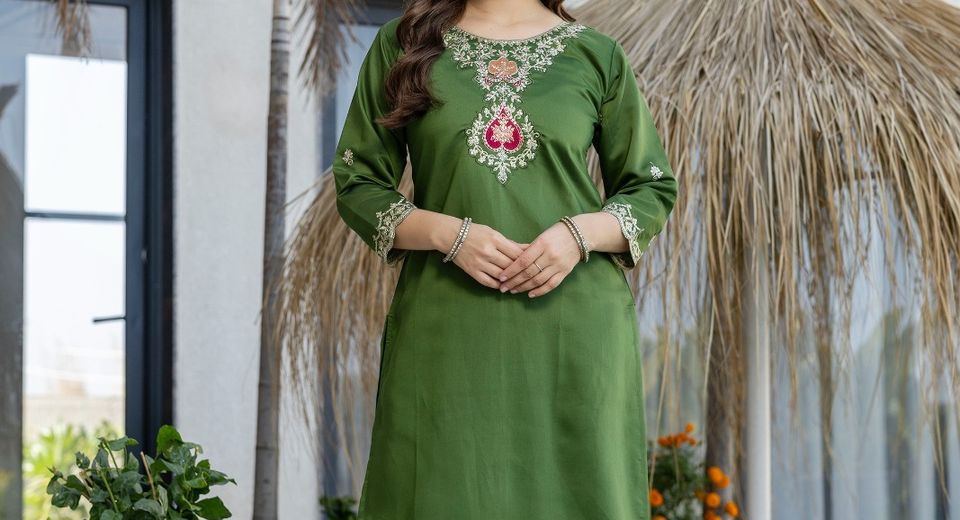
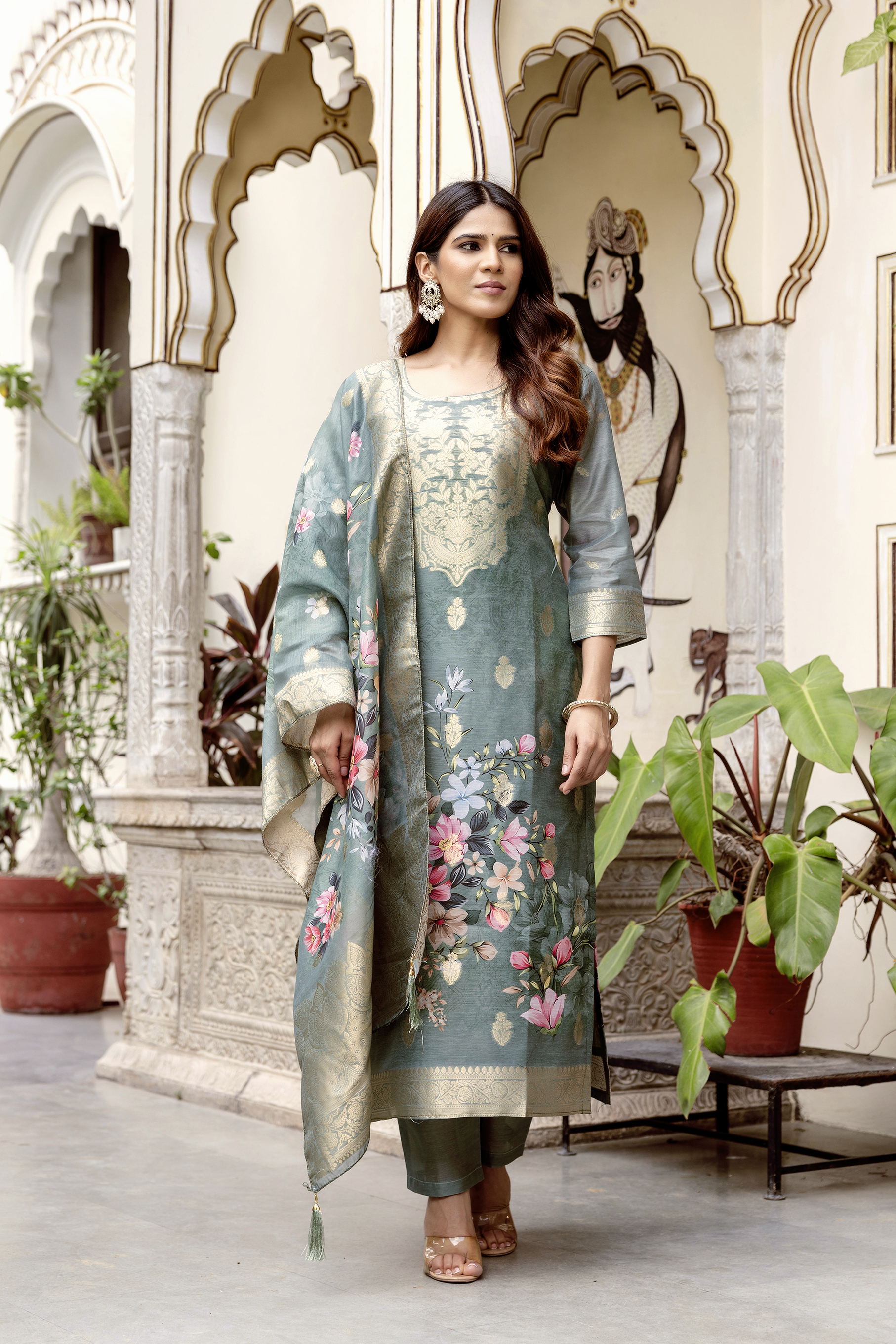
Green Embroidered Chanderi Cotton Kurta Set and Green Chanderi Embroidered Kurta Pant Dupatta Set illustrate why shoppers should read the garment details rather than assume that every salwar bottom is a churidar. Chanderi cotton and Chanderi fabric can offer a structured, breathable appearance, but a shopper should check whether the bottom is cut as a pant, straight trouser or close churidar.
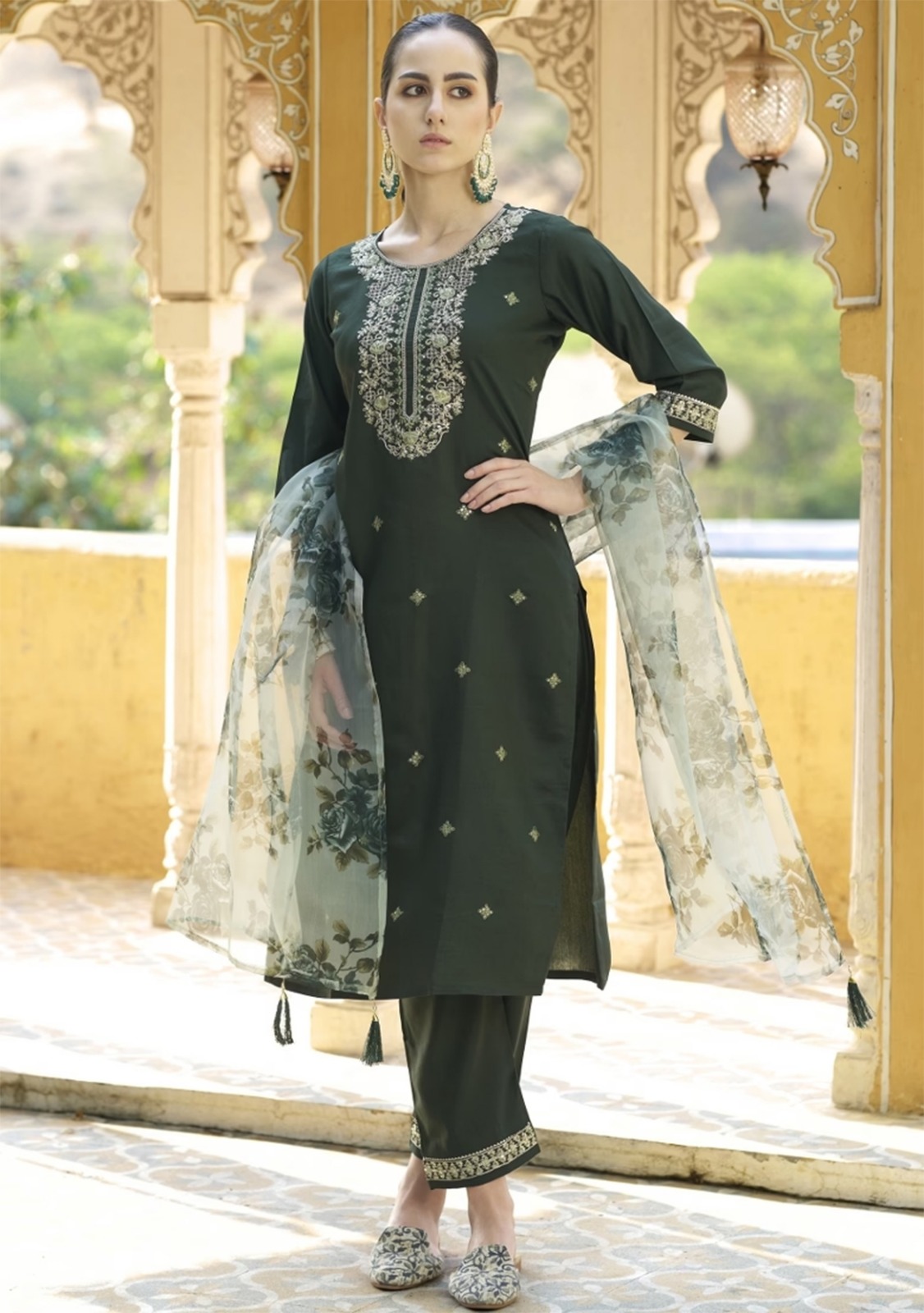
Dark Green Embroidered Kurta Pant Dupatta Set and Green Chanderi Silk Kurta Pant Dupatta Set for Women are similarly useful examples of why "pant" and "churidar" should not be treated as interchangeable terms. A pant generally has more ease through the leg, while a churidar depends on controlled narrowness and extra length below the knee.
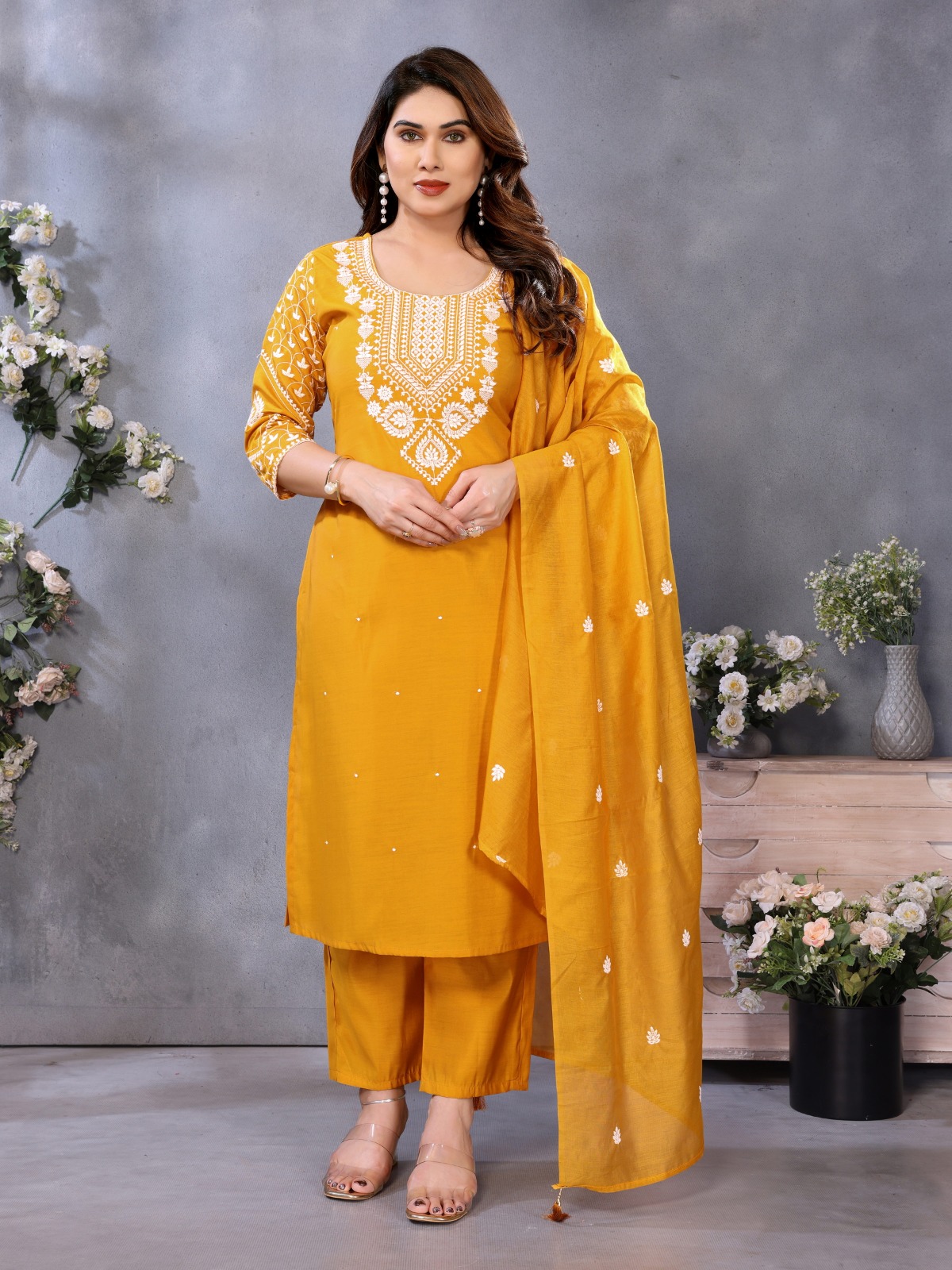
Pista Green Embroidered Chanderi Kurta Dupatta Set may suit a relaxed bottom styling approach, while Rust Chanderi Silk Embroidered Kurta Set with Dupatta can demonstrate how a crisp, occasion-oriented textile is often more important in the kurta and dupatta than in a highly fitted ankle section. Mustard Chanderi Embroidered Kurta Pant Dupatta Set is another reminder to check the stated bottom construction before expecting classic ankle gathers.
Regional design collections also use different bottom silhouettes. Punjab Patiala Salwar Suits are associated with a roomier, pleated salwar shape rather than the close gathered leg of a churidar. Gujarat Bandhej Salwar Suits and Odisha Sambalpuri Salwar Suits may include varied kurta and bottom pairings, so fabric tradition alone doesn't identify the fit.
Maharashtra Paithani Inspired Salwar Suits often draw attention to rich colour placement and heritage-inspired detailing, while Kalamkari Print Salwar Suits (Copy) may highlight surface pattern. In both cases, the correct buying question is whether the bottom is a churidar, straight pant, palazzo or relaxed salwar, and whether its fabric has the movement required by that silhouette.
How to Preserve Churidar Stretch and Ankle Shape
Gentle washing, low heat and careful storage help preserve the stretch and recovery needed for clean ankle gathers. High heat can weaken elastane, distort knitted fibres and permanently relax high-tension areas around the knees and ankle.
- Wash according to the care label: Use a mild detergent and avoid harsh bleaching agents unless the garment instructions explicitly permit them.
- Limit heat: Avoid hot water, high-temperature tumble drying and pressing directly over elastic or stretch panels.
- Dry without pulling: Reshape the legs while damp and dry the garment away from strong, prolonged direct sunlight when the fabric or dye is delicate.
- Store with room: Fold or hang the churidar without compressing the ankle area under heavy clothing.
- Inspect after wear: Persistent knee bagging, a loose ankle edge or twisted seams can signal that recovery is declining.
Ironing should follow the fibre's care instructions. A low-temperature iron or pressing cloth is safer for rayon blends and elastane-containing fabrics than direct high heat. Embroidered Chanderi and Chanderi silk garments may also need gentle pressing on the reverse side to protect zari, embroidery and surface texture.
How to Choose a Comfortable Churidar with Reliable Gathers
Choose a churidar by matching fabric stretch, recovery, leg measurements and silhouette rather than judging the colour or embroidery alone. The most reliable fit allows the garment to pass over the calf comfortably, bend at the knee and settle into even ankle folds without cutting into the skin.
An useful final check is to sit, walk several steps, bend one knee and climb a stair if possible. The hem should not rise dramatically, the seams should not strain and the ankle gathers should remain distributed rather than collecting behind the heel. These tests reveal problems that are invisible when a wearer stands still for a short fitting.
Clean ankle gathers are therefore the result of coordinated design choices. Suitable stretch helps dressing and movement, recovery maintains the shape, correct length supplies the folds, and accurate measurements prevent pressure. When those four elements work together, a churidar looks polished while remaining practical for long hours of festive, office or everyday wear.
Questions Readers Ask About Churidar Stretch and Ankle Gathers
Common Questions About Churidar Stretch and Ankle Gathers
How much stretch should churidar fabric have?
Churidar fabric should have enough controlled give to pass comfortably over the calf and knee without excessive force, but no single stretch percentage suits every pattern. Recovery is equally important because fabric that stretches without returning can lose its ankle gathers and become loose at the knees.
Why are my churidar gathers uneven at the ankle?
Uneven gathers can result from incorrect lower-leg length, an ankle opening that is too wide or narrow, insufficient recovery, or inaccurate calf and ankle measurements. Twisted seams and a waistband that pulls the garment upward can also shift the folds away from the ankle.
Can Chanderi fabric be used for a churidar?
Chanderi fabric can be used for a churidar only when the pattern provides suitable ease and the fabric construction allows comfortable movement. Crisp, non-stretch Chanderi is usually more practical for kurtas, dupattas or relaxed pants than for a very close ankle-fitting churidar.
Is a churidar the same as a straight pant?
A churidar is not the same as a straight pant. A churidar usually has a close leg, extra length below the knee and ankle gathers, while a straight pant has a more consistent leg width and generally requires less stretch for comfortable movement.
How can I test churidar fabric before stitching?
Mark a 10-centimetre section across the grain, stretch it gently, release it and observe whether it returns close to its original width within 10 to 15 seconds. Repeat the test several times and bend the fabric around the calf to check movement, distortion and recovery.
How should a churidar be washed to preserve its stretch?
Wash a churidar according to its care label with mild detergent and avoid high heat, harsh bleach and aggressive wringing. Reshape the legs while damp, dry without pulling the ankle area and use low-temperature pressing when ironing is permitted.