

Why Both Matter for Garment Measurements vs Body Measurements in Ethnic Wear becomes clear when a supposedly proper size still feels too tight, too loose or difficult to move in. Body measurements describe the person wearing a garment, while garment measurements describe the complete clothing. The difference between the two is called ease, and ease affects comfort, silhouette and mobility. A reliable online purchase therefore requires both sets of information, not a quick comparison with a familiar minor, medium or large label.
Ethnic clothing makes measurement decisions more complex because a saree, kurta set, gown, salwar suit and blouse don't fit the body in the same way. A saree depends heavily on drape and petticoat fit, while an embroidered gown needs room at the bust and hip for walking. A straight kurta can be intentionally relaxed, whereas a fitted blouse may require correct bust, underbust and shoulder measurements. Understanding both systems helps you choose a size accurately and identify when tailoring is sensible.
Why Both Matter for Garment Measurements vs Body Measurements in Ethnic Wear: What Is the Difference?
Body measurements are dimensions taken directly on the wearer, while garment measurements are dimensions taken on the completed clothing. A body bust measurement of 36 inches doesn't mean that a kurta with a 36-inch bust measurement will fit comfortably, because the kurta normally needs extra room for breathing and movement.
Body measurements usually include bust or chest, waist, hip, shoulder width, armhole, sleeve length and garment length. The exact list depends on the garment. A blouse may require underbust, front length and back length, while palazzo trousers need waist, hip, rise and inseam measurements.
Garment measurements show the actual dimensions of the product after stitching. A chart may state that a kurta has a 40-inch bust, a 38-inch waist and a 42-inch hip. Those figures are not necessarily the recommended body measurements. A chart that pairs the kurta with a 36-inch body bust is allowing approximately 4 inches of bust ease.
Measurement conventions also vary between sellers. Some sellers measure a garment flat from armpit to armpit and double the result. Other sellers list the full circumference. A flat bust measurement of 20 inches usually represents a 40-inch circumference, but the product information should confirm the method before you compare it with your body.
Why Both Matter for Garment Measurements vs Body Measurements in Ethnic Wear: How Does Ease Affect Fit?
Ease matters because clothing needs extra room beyond the body's exact dimensions for movement, comfort, layering and the intended shape. A garment with zero ease may match a body measurement on paper but restrict sitting, lifting the arms, eating or walking.
Different garments need different amounts of ease. A fitted blouse may work with approximately 1 to 2 inches of total bust ease, depending on the fabric, lining and preferred fit. A regular kurta often needs about 3 to 5 inches of total bust ease, while a loose kurta or anarkali can require more. These figures are starting points rather than universal rules because stretch, construction and personal preference change the result.
Fabric affects the amount of ease required. Cotton, linen cotton and Chanderi cotton usually provide little or no stretch, so a close-fitting garment needs deliberate movement room. Jersey and blended fabrics may tolerate a closer fit. Banarasi silk, zari work, dense embroidery and layered linings can make clothing feel less flexible than plain fabric with the same measurements.
A garment can also need ease in only one area. A fitted shoulder may sit neatly while a fuller hip needs additional room. An anarkali may be close through the bust and flare from the waist. A palazzo may have a comfortable waist but a narrower-than-expected hip. Looking at every listed garment measurement prevents one bust number from giving a misleading impression.
Why Both Matter for Garment Measurements vs Body Measurements in Ethnic Wear: How Should You Measure Your Body?
Accurate body measurements require a flexible tape, light clothing, a natural standing posture and a second person when possible. The tape should touch the body without digging in, and all measurements should be recorded in inches or centimetres consistently.

Why Both Matter for Garment Measurements vs Body Measurements in Ethnic Wear: How Do You Measure Bust, Waist and Hip?
Measure the bust around the fullest part while wearing the bra or supportive innerwear normally used with the garment. Keep the tape level across the back and avoid pulling it tight. Measure the natural waist at the narrowest point or at the crease formed when you bend gently to one side. Measure the hip around the fullest part of the seat while keeping the tape parallel to the floor.
don't hold your breath or pull in the stomach during measurement. A relaxed measurement is more useful than a smaller number that can't be maintained while sitting or eating. If the body has a substantial difference between upper and lower measurements, record both accurately instead of choosing a size based only on the bust.
Why Both Matter for Garment Measurements vs Body Measurements in Ethnic Wear: Which Upper-Body Measurements Are Important?
Shoulder width is measured from one shoulder point to the other across the upper back. Sleeve length runs from the shoulder point to the desired hem, with the arm relaxed and slightly bent. Armhole measurement is harder to take directly, so a well-fitting kurta or blouse can provide a useful reference.
For a blouse, record bust, underbust, shoulder, armhole, front length, back length and sleeve length. Neckline depth should be measured from the shoulder near the neck down to the preferred point. A blouse with a deep neckline, padded cup or structured lining may need additional construction information beyond ordinary body measurements.
Why Both Matter for Garment Measurements vs Body Measurements in Ethnic Wear: How Do Length and Rise Measurements Work?
Kurta length should be measured from the highest shoulder point to the intended hem. Gown length should be measured with the footwear planned for the event. Trouser rise runs from the front waist, between the legs and to the back waist; inseam runs from the crotch to the ankle or intended hem.
Take a second measurement if a number seems unexpected. A difference of half an inch can result from tape angle, posture or a different starting point. Recording the date is useful because body measurements can change, and old figures should not be treated as permanent size data.
Why Both Matter for Garment Measurements vs Body Measurements in Ethnic Wear: How Do You Read a Size Chart?
Read an ethnic-wear size chart by identifying whether each number refers to the body or the finished garment, then compare every relevant dimension rather than only the labelled size. A useful chart should state the measurement type, measurement method and available alteration margin.
Begin with the largest fitting concern. For a kurta, compare bust, waist and hip; for a blouse, compare bust, underbust and shoulder; for palazzos, compare waist, hip and rise. If one measurement falls into a different size band, choose the size that accommodates the largest area and plan an alteration where possible.
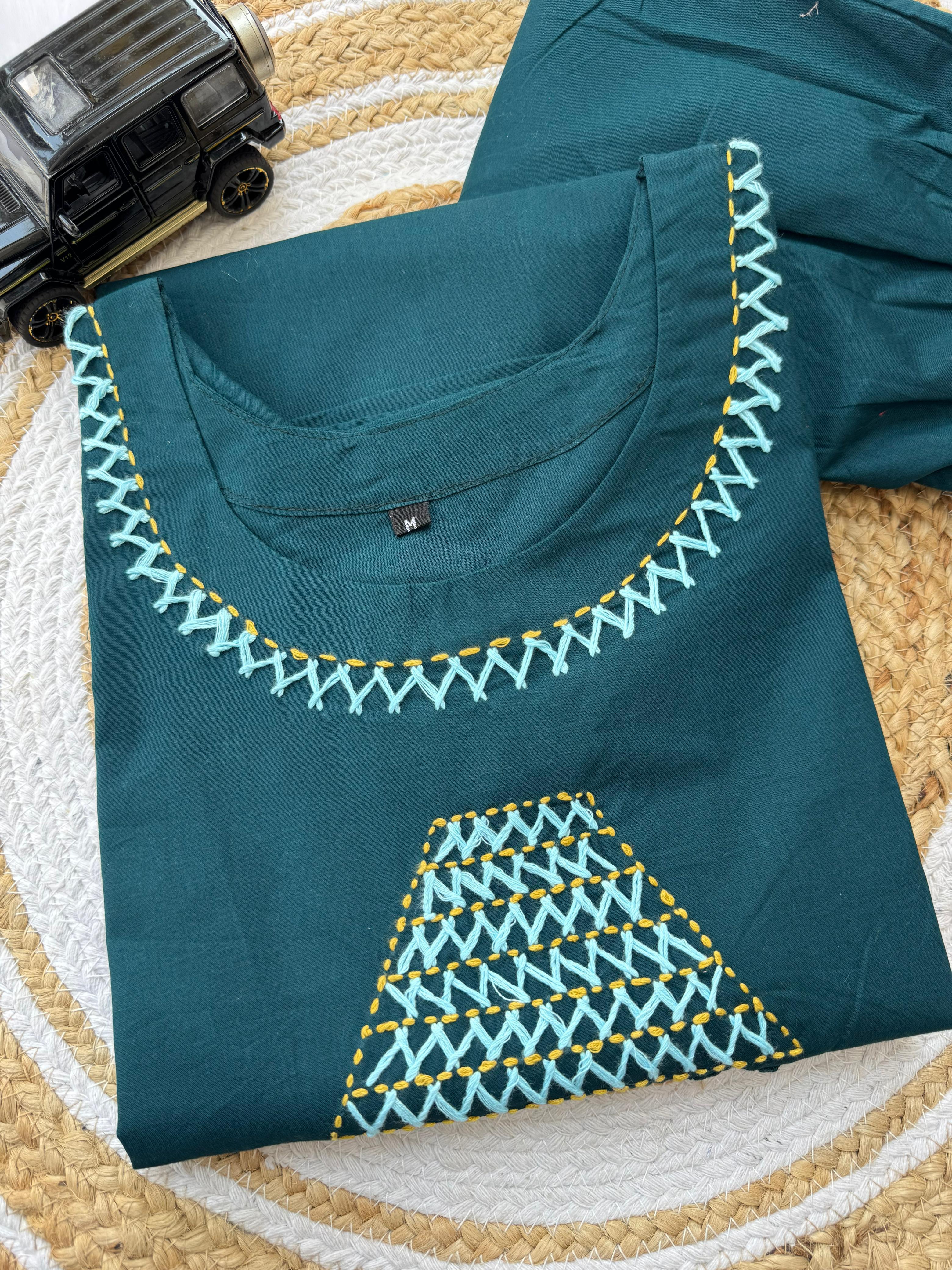
The Elegant Mustard Chanderi Cotton Kurta Set with Embroidery should be assessed for bust, waist, hip and sleeve dimensions because Chanderi cotton generally has limited stretch and embroidery can reduce flexibility. A relaxed fit may intentionally show more garment ease than a body-skimming design.
The Black Chanderi Cotton Saree with Multicolor Geometric Print doesn't require a conventional full-body garment-size decision because the saree fabric drapes around the wearer. The blouse and petticoat still need precise measurements, while saree length and width determine how comfortably the fabric can be pleated and draped.
Check whether the listing provides a maximum body measurement, finished measurement or both. A size labelled L has no universal meaning across Indian clothing. One brand's L may have a 42-inch finished bust, while another brand's L may have a 40-inch finished bust. Numeric measurements are more dependable than alphabetic labels.
Why Both Matter for Garment Measurements vs Body Measurements in Ethnic Wear: Which Numbers Matter for Each Garment?
Each ethnic garment needs a different measurement priority because each garment interacts with the body differently. The correct checklist depends on the garment's structure, closure and drape.

Why Both Matter for Garment Measurements vs Body Measurements in Ethnic Wear: What Should You Check for Sarees?
A ready-to-wear saree or stitched saree needs waist, hip, length and sometimes fall or pleat information. A traditional unstitched saree usually needs a suitable blouse and petticoat rather than a full-body garment measurement. The petticoat waist should sit securely without restricting breathing because saree pleats are anchored there.
Buy Mustard Blue Ikat Print Linen Cotton Saree with Borders illustrates why fabric behaviour matters. Linen cotton tends to hold pleats and may feel less fluid than a lightweight synthetic blend, so the wearer should confirm saree length, width and planned footwear. A saree intended for a tall wearer or a high-heeled look may need more length than a standard drape.
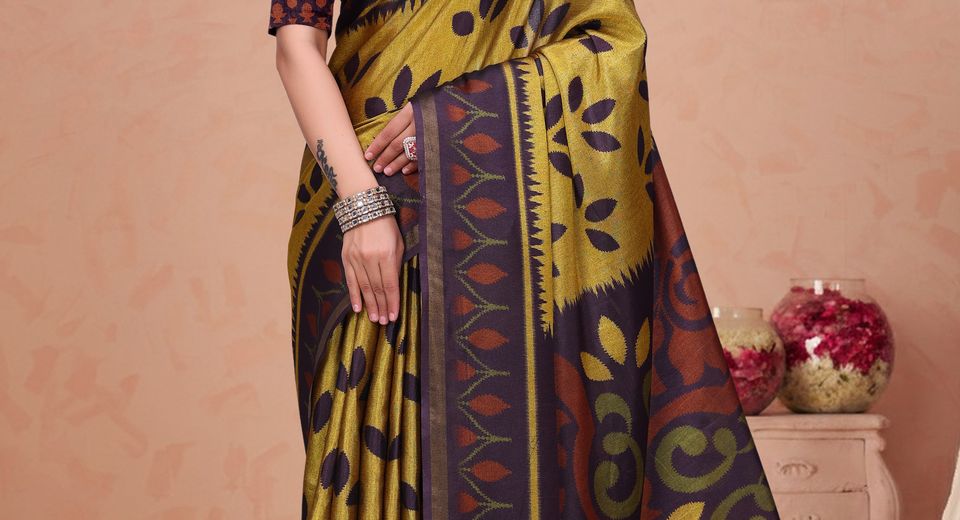
Printed Mal Cotton Saree With Designer Pallu by VARNAVI and Mustard Purple Mal Cotton Printed Saree with Designer Pallu should be assessed for drape preference as well as length. Mal cotton can feel light and breathable, but a wearer who prefers a fuller pleat stack should confirm the available width and fall placement before stitching the blouse or petticoat.
Why Both Matter for Garment Measurements vs Body Measurements in Ethnic Wear: What Should You Check for Blouses?
A blouse requires precise upper-body measurements because the garment is fitted and often lined. Bust alone is insufficient; shoulder, armhole, underbust, front length, back length and sleeve circumference influence final comfort.
Ask whether the blouse includes seam allowance, hooks, padding or margin at the side seams. A blouse with 1 inch of alteration margin on each side may be adjustable, while a heavily embroidered blouse with no extra seam allowance may be difficult to enlarge. The wearer's usual bra style also affects the required bust and armhole space.
Why Both Matter for Garment Measurements vs Body Measurements in Ethnic Wear: What Should You Check for Kurtas and Gowns?
A kurta or salwar suit should be checked at the bust, waist, hip, shoulder and length, with additional attention to sleeve and armhole comfort. A gown should be checked at the bust, waist, hip, shoulder, armhole, total length and flare.
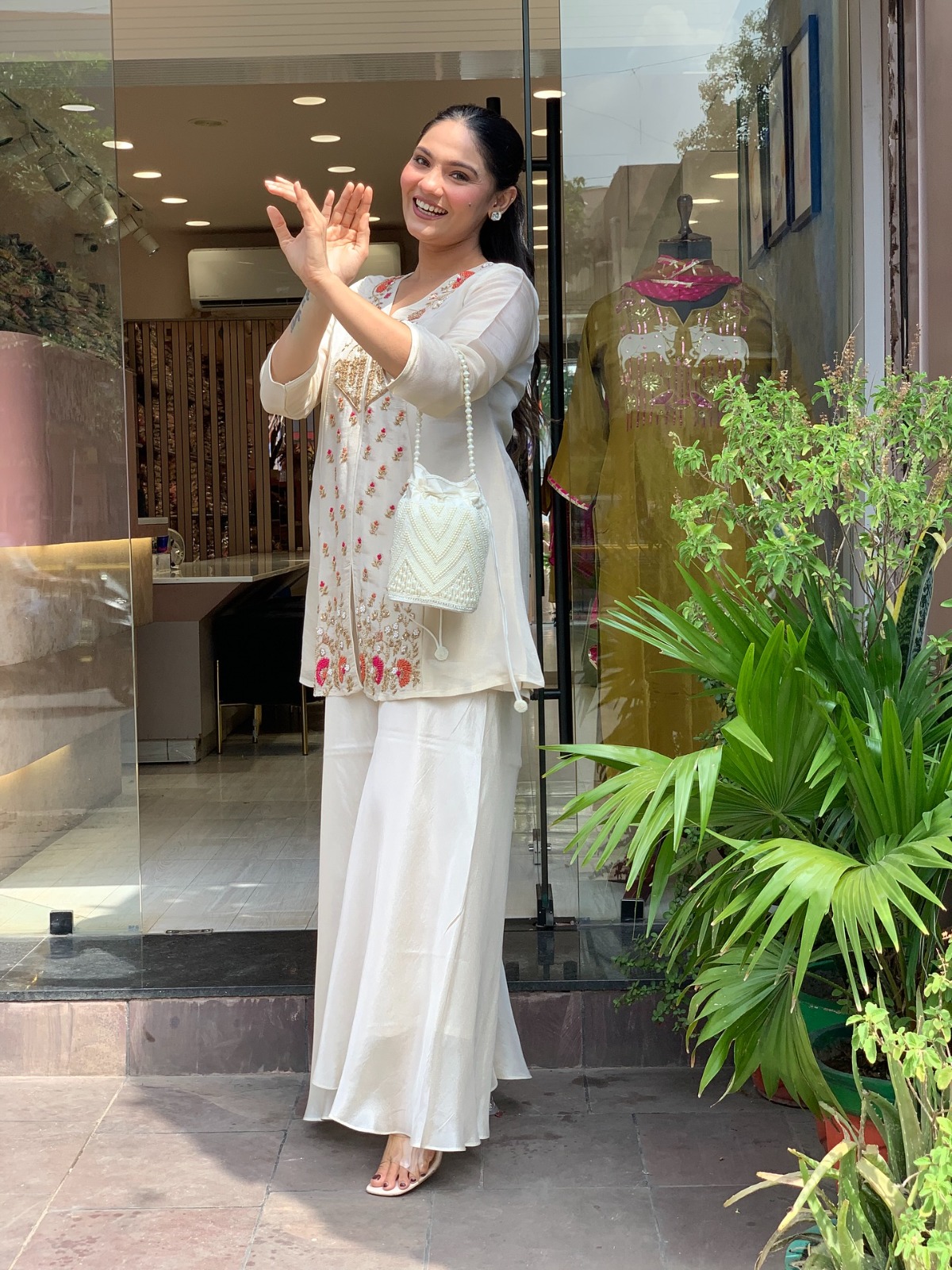
Elegant Black Ethnic Gown with Floral Embroidery may appear forgiving because a flared skirt creates visual volume, but the bodice still needs correct bust, shoulder and armhole measurements. Embroidery, lining and seam placement can reduce movement even when the skirt is generously cut.
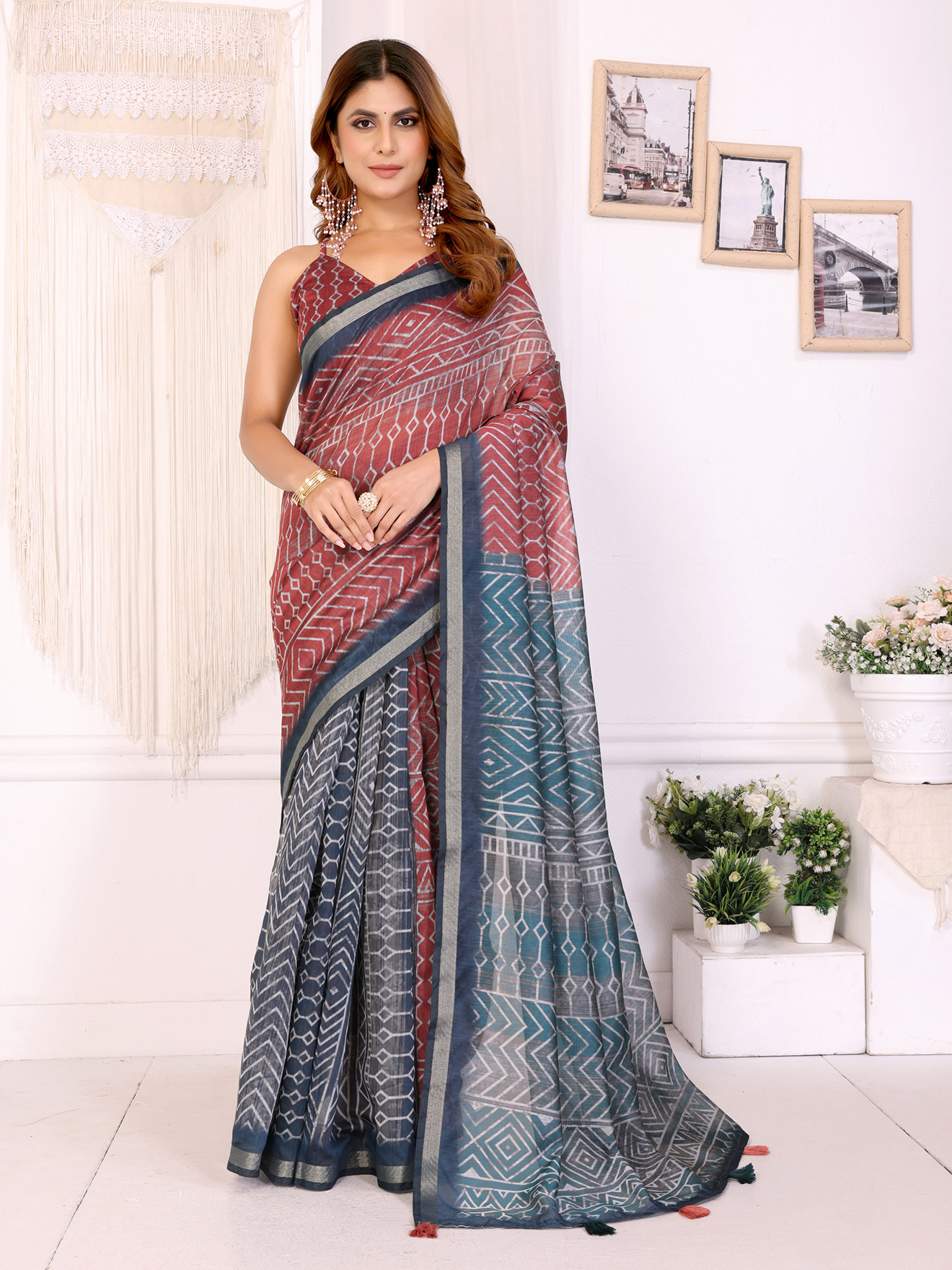
White Floral Printed Saree with Colorful Border and Indigo Blue Geometric Print Saree with Contrast Pallu demonstrate another important point: printed sarees may be flexible in styling, but their blouses and petticoats still require a separate fit decision. Border placement can also influence the effective drape length when the saree is worn with heels or platform footwear.
Why Both Matter for Garment Measurements vs Body Measurements in Ethnic Wear: What Causes Common Fit Mistakes?
Most fit mistakes happen when shoppers compare a body measurement directly with a garment measurement, rely on an alphabetic size, or ignore fabric and construction. A measurement chart can't compensate for an incorrect measuring method.
Choosing a garment with a finished bust equal to the body bust creates a close or restrictive fit in non-stretch fabric. Choosing solely by bust can also produce a garment that fits the chest but pulls at the hip, shoulder or armhole. Comparing all relevant points reveals whether the selected size is genuinely suitable.
Another common mistake is measuring over bulky clothing. Heavy sweaters, shapewear or a padded bra can add several centimetres to the result. Measure over the innerwear normally worn with the ethnic garment, and mention unusual fit requirements to the tailor or seller.
Alteration margin deserves equal attention. A garment can be reduced more easily than it can be enlarged when side seams contain no extra fabric. Check for stated margins before ordering if your measurements fall between sizes. Length alterations are usually simpler than shoulder, armhole or bust alterations, so the largest horizontal measurement should guide the size choice.
Keep a personal measurement record with date, unit, innerwear used and preferred ease. A practical record might state: body bust 36 inches, preferred kurta finished bust 40 inches, fitted blouse finished bust 37 to 38 inches, and gown finished bust 40 to 42 inches. Such notes make future size-chart comparisons faster and more consistent.
Common Questions About Garment and Body Measurements in Ethnic Wear
Are garment measurements the same as body measurements?
No. Body measurements are taken on the wearer, while garment measurements are taken on the finished clothing. The difference between the two is ease, which provides room for movement, breathing and the intended silhouette.
How much ease should a kurta have?
A regular kurta commonly needs about 3 to 5 inches of total bust ease, while a fitted style may need less and a loose anarkali may need more. Fabric stretch, lining, embroidery and personal comfort can change the appropriate amount.
Should I choose a size based on bust or hip measurement?
Choose the size that accommodates the largest relevant body area, then check whether alteration is possible at smaller areas. For a kurta, compare bust, waist and hip; for a blouse, compare bust, underbust, shoulder and armhole.
How should I measure for a saree blouse?
Measure bust, underbust, shoulder, armhole, front length, back length and sleeve length while wearing the innerwear normally used with the blouse. Also check neckline depth, padding and seam allowance because those details affect the finished fit.
Why can a garment with my exact body measurement feel tight?
A garment with the same measurement as the body has little or no ease. Non-stretch fabrics such as cotton, linen cotton and Chanderi cotton need additional room for sitting, breathing and arm movement, while lining and embroidery can make a garment feel even less flexible.
Is an L size consistent across ethnic-wear brands?
No. Alphabetic sizes are not standard across Indian ethnic-wear brands. A numeric garment chart showing finished bust, waist, hip, shoulder and length measurements is more reliable than choosing the same lettered size used for another garment.


