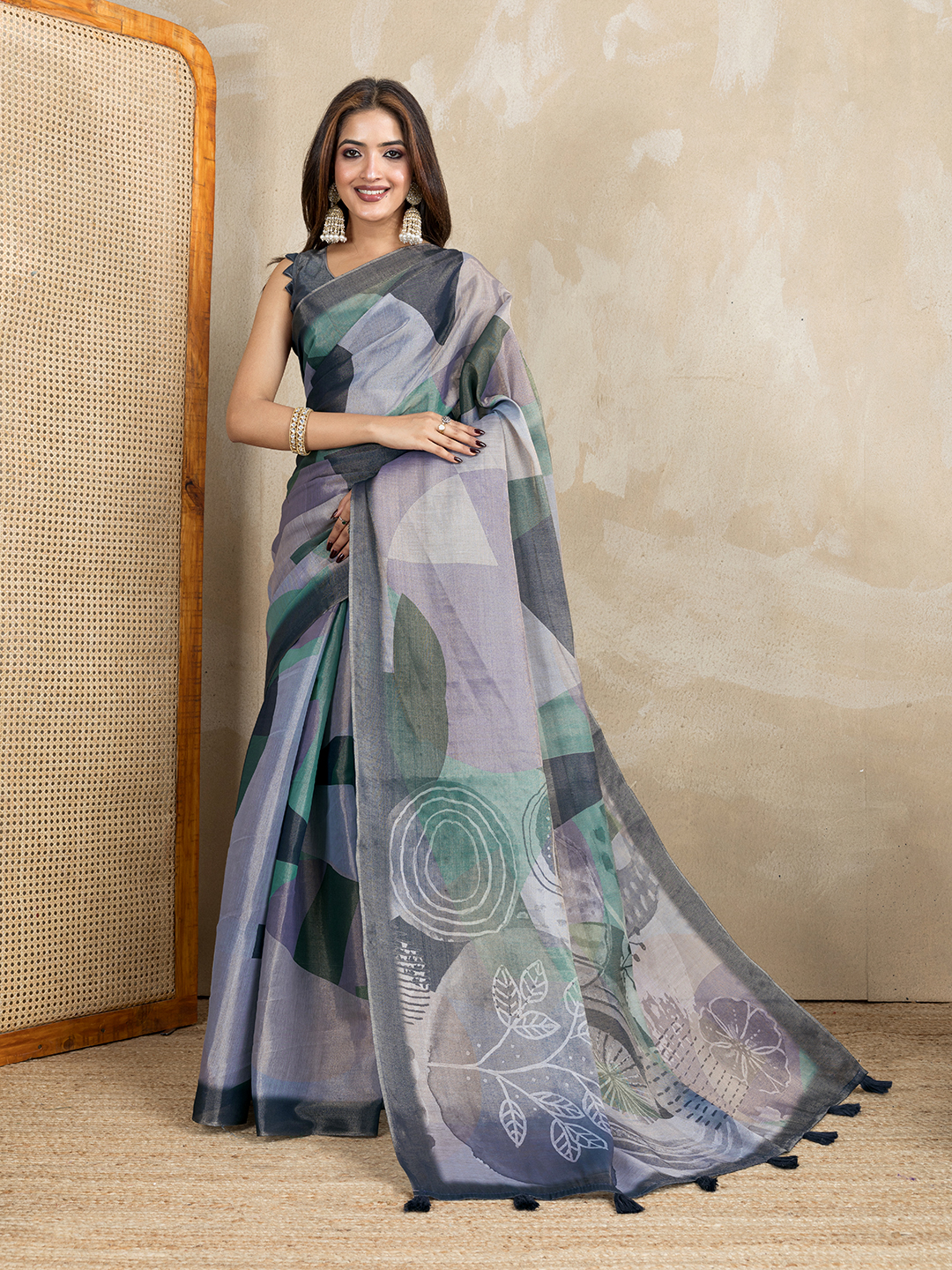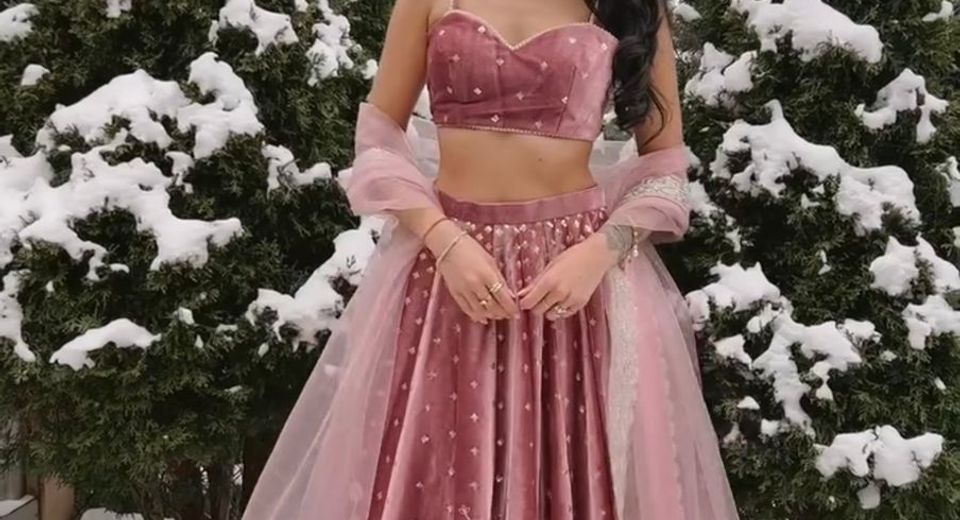
Why a lehenga waistband can feel loose after an hour of wear usually comes down to fabric relaxation, body movement, waistband construction, or an inaccurate first fitting. A lehenga may feel secure while standing in a trial room and then shift lower after sitting, walking, dancing, or wearing a slippery lining. The problem is common in ready-made, fully stitched choli shopping, bridal and designer lehengas, but it can usually be diagnosed before the event.
A loose waistband is more than a minor inconvenience. A skirt that drops by even 2 to 3 centimetres can change the position of the hem, expose the petticoat or footwear, pull against the blouse, and make the dupatta harder to manage. The right solution depends on whether the waist itself has stretched, the fastening has moved, or the skirt was never fitted at the natural waist.
Why a Lehenga Waistband Can Feel Loose After an Hour of Wear
A lehenga waistband can feel loose after an hour because the fabric and waistband settle under body heat, repeated movement, and the weight of the skirt. Satin, lining fabrics and heavily embellished panels can behave differently from the firm waistband used to hold them.
Standing still during a fitting gives a false sense of security. During a wedding, the wearer may sit on low sofas, climb stairs, bend to greet family members, walk for photographs, and dance. Each movement pulls the skirt in a different direction. A waistband with only mild tension at rest may gradually migrate down the waist or expand enough to feel unstable.
Body shape also matters. A skirt fitted at the narrowest point of the waist may stay in place when the wearer stands upright, but a short waistband can press into the abdomen while sitting. The wearer may loosen the fastening for comfort, after which the lehenga remains looser when standing again. A skirt fitted too close to the high hip can have the opposite problem: it may not fall back into place after movement.
Four Common Causes of a Lehenga Waistband Becoming Loose
Relaxed fabric and a slippery lining
Fabric relaxation is the most common reason a waistband feels different later in the day. Satin and some synthetic linings become warmer and more pliable against the body, while a smooth lining can reduce friction between the lehenga and the blouse or underskirt.

A full skirt also creates downward force. Embroidery, sequins, zari, layered net, and a broad flare add weight below the waist. If the waistband is narrow or lightly reinforced, the lower part of the lehenga can pull it down. A smooth satin design such as Magenta Satin Embroidered Lehenga Set Online needs a secure waist finish because satin doesn't grip clothing as readily as cotton or textured silk.
An inaccurate waist measurement
An inaccurate waist measurement causes a lehenga to loosen when the waistband is cut for the wrong part of the body. The natural waist is usually the narrowest point between the ribcage and hip, but some wearers prefer a lehenga to sit slightly lower for comfort.
Measuring over bulky clothing can add 2 to 5 centimetres to the result. Measuring immediately after a large meal can also produce a different number from measuring early in the day. A reliable measurement uses a flexible tape held level around the intended wearing point, with one finger of ease rather than a tight pull. Record the standing measurement and check the fit while seated.
Fastener movement or weak closure support
A hook-and-eye closure, side zip, drawstring, or concealed button can shift if the closure area lacks reinforcement. A zip may remain closed while the waist seam moves downward, and a hook may hold at the edge without distributing tension across the waistband.
Multiple hooks placed vertically provide adjustment, but the hooks must be sewn firmly into a stable strip. A single hook on a heavy skirt is more likely to tilt or pull away. Waist ties can help, although ties placed only on the lining won't reliably control a heavily embroidered outer layer.
Waist placement and blouse proportion
A waistband can appear loose when the lehenga sits lower than the blouse was designed to meet. The gap between blouse and skirt may make the wearer believe the skirt has dropped, even when the waist measurement has not changed.
Short blouses, long torsos, and high-waisted skirts require coordinated measurements. A choli that ends at the natural waist can visually expose a gap if the lehenga has shifted only slightly. A longer blouse or a skirt with a higher rise may offer better coverage for a wedding ceremony, while a lower rise may be more comfortable for prolonged sitting.
How Can You Check Whether the Problem Is the Waist or the Fabric?
The simplest check is to wear the complete outfit for 60 to 90 minutes before making an alteration. The test should include the blouse, intended undergarments, footwear, dupatta, and any can-can or underskirt that will be worn at the event.

- Mark the starting position. Place a small removable fabric marker at the waistband and note where it sits relative to the navel or a seam on the blouse.
- Move normally. Sit for 10 minutes, walk up and down stairs, bend carefully, and raise the arms as you would while adjusting a dupatta or posing for photographs.
- Check the closure. Look for a tilted hook, an open stitch, a zip that has moved, or puckering around the side seam.
- Measure the change. If the entire waistband has moved downward but its circumference is unchanged, the issue may be weight, lining friction, or waist placement. If the waistband gap has increased, the closure or measurement is the likely cause.
- Try the seated check. A waistband that digs in while sitting may need a slightly longer extension or a different wearing point rather than a tighter alteration.
Photographs taken from the front and side after the movement test can reveal a dropped hemline or a visible gap more accurately than a mirror viewed from one angle. A tailor can use the photographs and the marked position to decide whether to reduce the waist, strengthen the closure, or add internal support.
Which Lehenga Construction Gives a More Stable Fit?
A stable lehenga fit usually comes from a firm waistband, a reinforced closure, a suitable rise, and enough ease for sitting. A beautifully embellished skirt can't compensate for a waistband that's too narrow or unsupported.
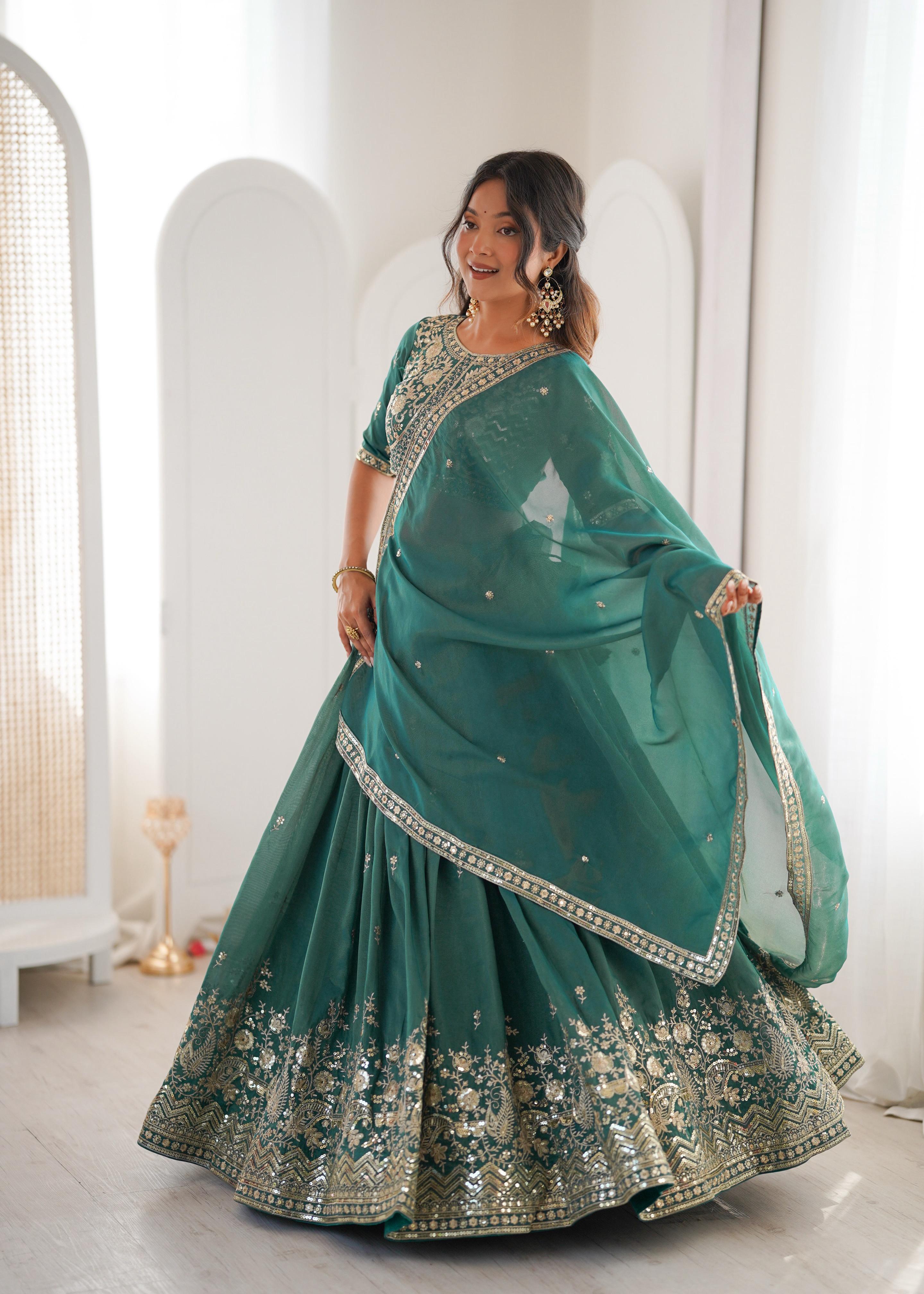
Ready-made lehengas
Readymade lehengas are convenient when the available size matches the wearer's waist, hip, and preferred length. Buyers should check whether the waistband includes extra seam allowance, adjustable hooks, or a margin for alteration. A product description may list a nominal waist size, but the actual fit also depends on the lining, flare, and closure.
The Ready Made Lehenga collection can suit shoppers who need a coordinated skirt and blouse without waiting for a long custom process. A trial should still include sitting and walking because a ready-made waist can feel comfortable at first and loosen later under the weight of the skirt.
Semi-stitched lehengas
Semi Stitched Lehengas Collection pieces generally provide more scope for waist and length adjustment than fixed ready-made garments. A tailor can position the closure at the wearer's preferred waist and account for a longer torso, fuller hip, or different blouse length.
Semi-stitched construction is useful when the wearer's waist and hip measurements fall into different standard sizes. The tailor should fit the waistband after the skirt is assembled because the weight of panels and embellishment can alter how the garment hangs.
Heavily embellished bridal and designer lehengas
Bridal and designer lehengas need stronger waist support because sequins, embroidery, layered net, and dense borders increase the downward load. A broad internal waistband, waist stay, firm interfacing, or discreet drawstring can distribute that load without changing the visible design.
Designer Threadwork Silk Lehenga Choli Set with Dupatta and Green Chinon Silk Sequins Embroidered Lehenga Set represent styles where the wearer should pay close attention to skirt weight and lining friction. A tailor should inspect the inner construction rather than simply taking in the side seams.
What Tailoring Fixes Can Stop a Lehenga from Slipping?
The most reliable fix is a waist alteration combined with closure reinforcement when the waistband has more room than the body needs. Taking in both side seams evenly preserves the centre alignment and prevents embroidery from twisting.
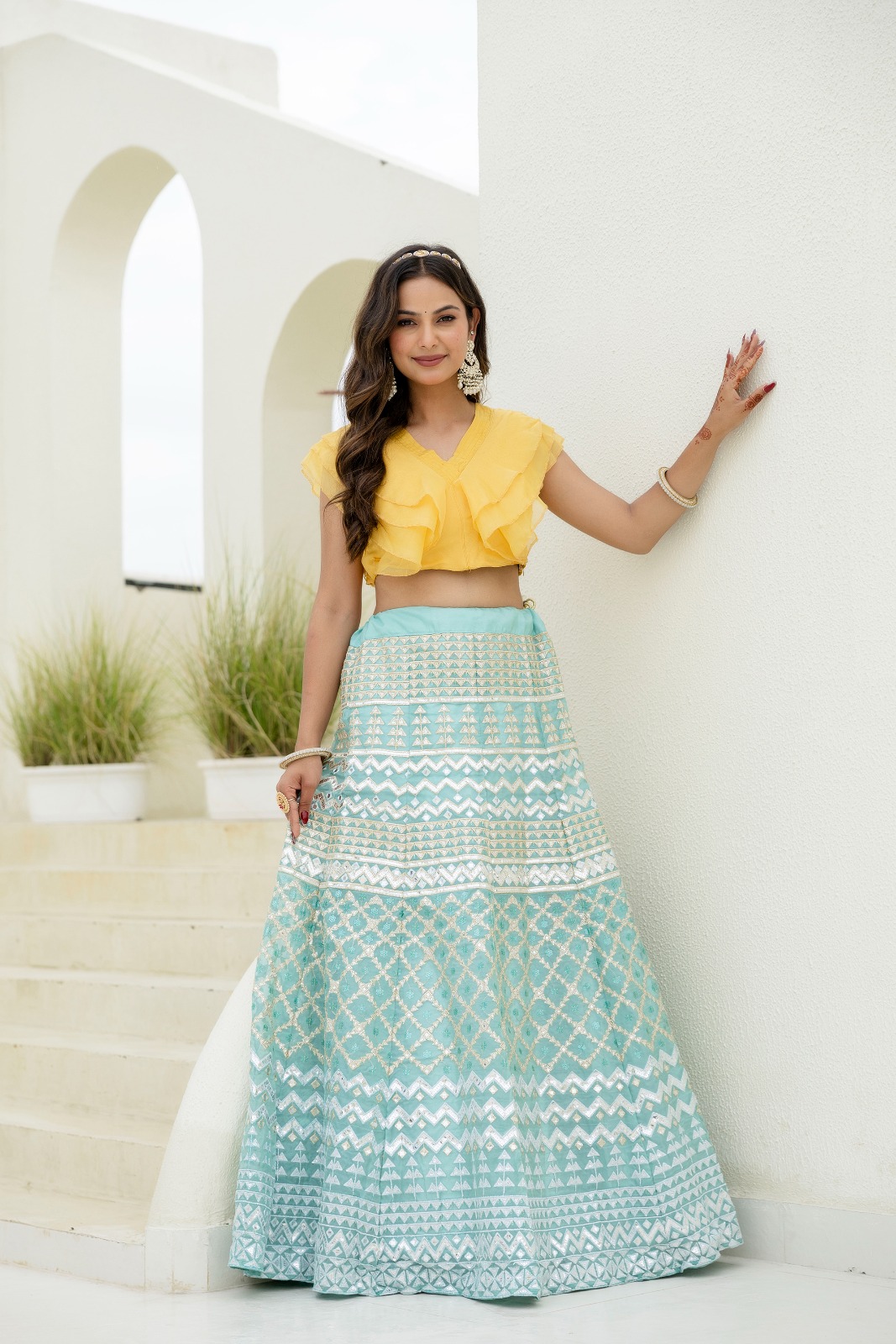
A tailor can add a second row of hooks to create approximately 1 to 2 centimetres of adjustment, depending on the waistband width. A waist stay is a narrow strip of twill tape, grosgrain ribbon, or stable fabric sewn inside the waistband and fastened around the body. A waist stay helps carry the skirt's weight and is particularly useful for long events.
A discreet drawstring can provide flexible control, but the drawstring channel must be attached to the waistband rather than only to a delicate lining. Silicone grip tape or a narrow strip of velvet can increase friction, although the material should be tested first because some adhesives and rough finishes can damage satin or net.
Side seam alterations are not always appropriate. If the waistband is already tight when sitting, taking it in may create discomfort and force the wearer to loosen the closure later. In that situation, adding an extension, moving the fastening, or changing the rise may produce a better result than reducing the circumference.
don't use safety pins as the primary fix for a heavy lehenga. Safety pins can snag net, puncture satin, pull embroidery, and create a sharp point against the skin. Temporary pins are acceptable during an emergency, but a reinforced hook, waist stay, or professional alteration is safer for several hours of wear.
How Should You Shop for a Lehenga That Will Stay Comfortable?
Choose a lehenga by comparing waist, hip, length, rise, closure, and skirt weight instead of relying on a single small, medium, or large label. Fully stitched choli shopping is quicker, but semi-stitched construction can offer better control when standard proportions don't match your body.

Ask for the garment's actual finished waist measurement and the amount of alteration margin. Check whether the waist is elasticated, tied, hooked, zipped, or fixed. A waistband with 2 to 4 centimetres of adjustment is more forgiving for a long wedding day than a fixed closure with no seam allowance.
Consider fabric behaviour before choosing a colour or occasion category. Yellow Lehengas and Green Lehengas may include lightweight festive designs as well as heavier embellished styles, so colour alone can't predict comfort. A layered net skirt may feel light in the hand but still require a secure waistband when a can-can, lining, and embroidery are added.
For a Haldi ceremony, mehendi function, or outdoor wedding, movement and heat deserve special attention. Mehendi Lehengas can be comfortable when the waistband allows seated movement and the lining doesn't cling. A fitted trial is more valuable than choosing only by photographs, especially when the event includes dancing or several hours of standing.
Girls and younger wearers may need additional allowance for movement, but an oversized waistband isn't a safe substitute for growth room. A drawstring or adjustable hook system is preferable to a loose fixed waist because the skirt should remain secure while walking and sitting.
When Should You Alter or Return the Lehenga?
Alter the lehenga when the fabric, colour, length, and overall size are right but the waistband needs a small, measurable adjustment. A reduction of up to about 3 centimetres is often straightforward when the side seams and embroidery permit it, although a tailor must inspect the construction first.
Consider exchanging or returning the garment when the waist, hip, and rise are all unsuitable, when the skirt falls more than 5 centimetres during the movement test, or when the closure is poorly constructed. Repeatedly taking in a heavily embellished skirt can distort motifs and reduce the flare.
Keep alteration timing practical. Complete the first fitting at least 10 to 14 days before a wedding and repeat the full movement test after every major alteration. Avoid washing, steaming, or pressing a heavily embellished lehenga at home before the final fitting because heat, moisture, and pressure can change the fabric's shape.
A lehenga should remain secure without restricting breathing, sitting, or walking. The best fit is stable after an hour, comfortable when seated, aligned with the blouse, and supported by a closure that doesn't rely on emergency pins.
Common Questions About a Lehenga Waistband That Slips
Why does my lehenga fit in the morning but become loose later?
A lehenga can loosen later because body heat relaxes some fabrics, movement pulls down the skirt, and a smooth lining reduces friction. The weight of sequins, embroidery, layered net, or a can-can can also place continuous downward pressure on the waistband.
How much ease should a lehenga waistband have?
A lehenga waistband should usually have enough ease for comfortable breathing and sitting, often around 1 to 2 centimetres beyond the measured waist depending on the construction. The correct amount varies with the rise, fabric, closure, and whether the waistband is worn at the natural waist or slightly lower.
Can a tailor fix a loose ready-made lehenga?
A tailor can usually fix a loose ready-made lehenga by taking in the side seams, moving the hooks, adding a second hook row, or installing a waist stay. The tailor should inspect the embroidery, lining, and seam allowance before changing the waistband.
Is a drawstring better than hooks for a lehenga?
A drawstring offers flexible adjustment, while hooks provide a cleaner and often firmer finish. A drawstring works best when it is anchored to a stable waistband rather than only to a lightweight lining, and heavy bridal skirts may benefit from both a strong closure and internal support.
How can I test a lehenga before wearing it to a wedding?
Wear the complete outfit for 60 to 90 minutes, including footwear, blouse, dupatta, undergarments, and underskirt. Sit, walk, climb stairs, bend carefully, and dance briefly, then check whether the waistband has moved, the closure has tilted, or the hem has dropped.
Should I buy a ready-made or semi-stitched lehenga for easier fitting?
A ready-made lehenga is faster when the standard waist, hip, and length match your measurements. A semi-stitched lehenga generally allows more control over the waist, rise, length, and blouse proportions, making it useful when your waist and hip fall into different standard sizes.