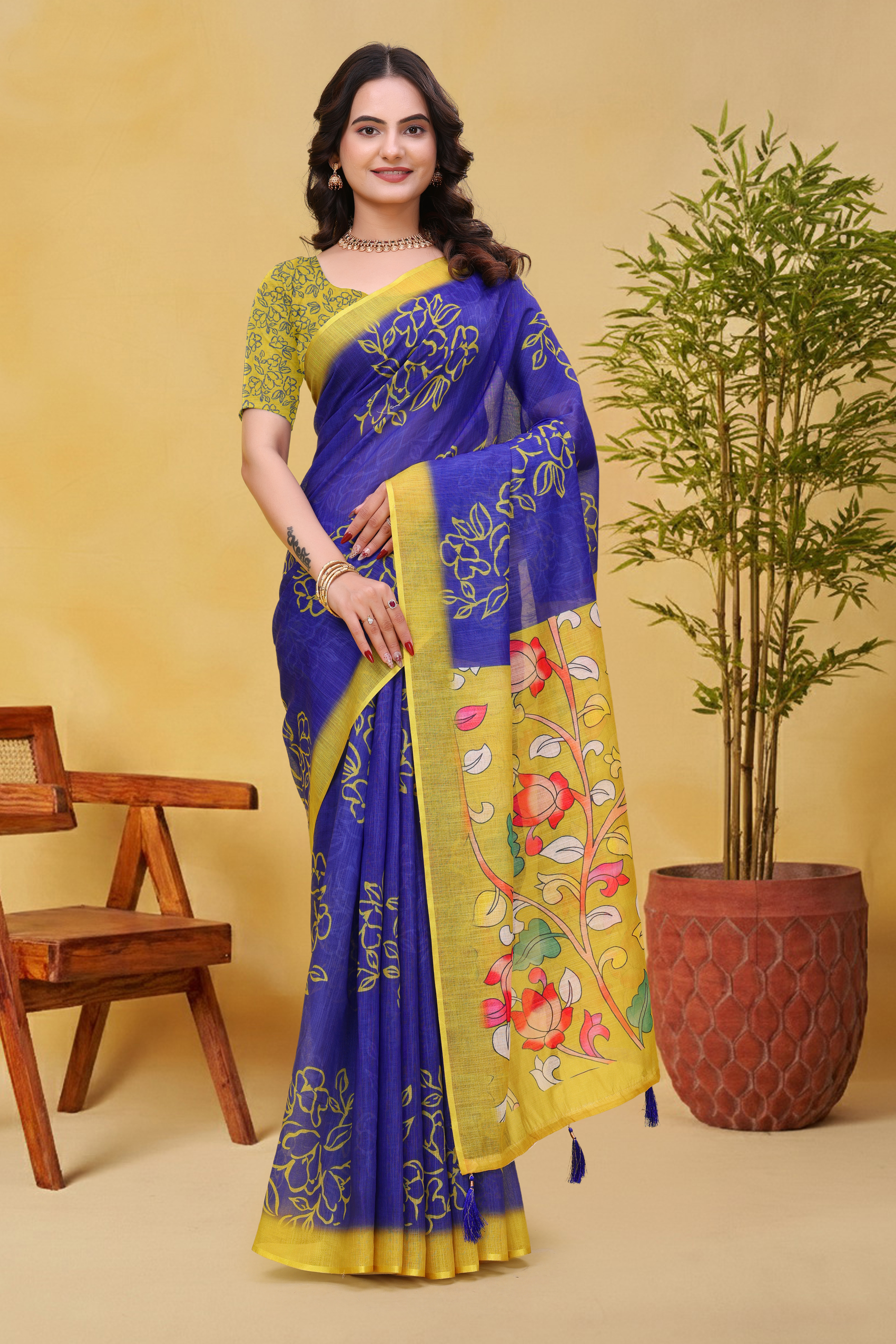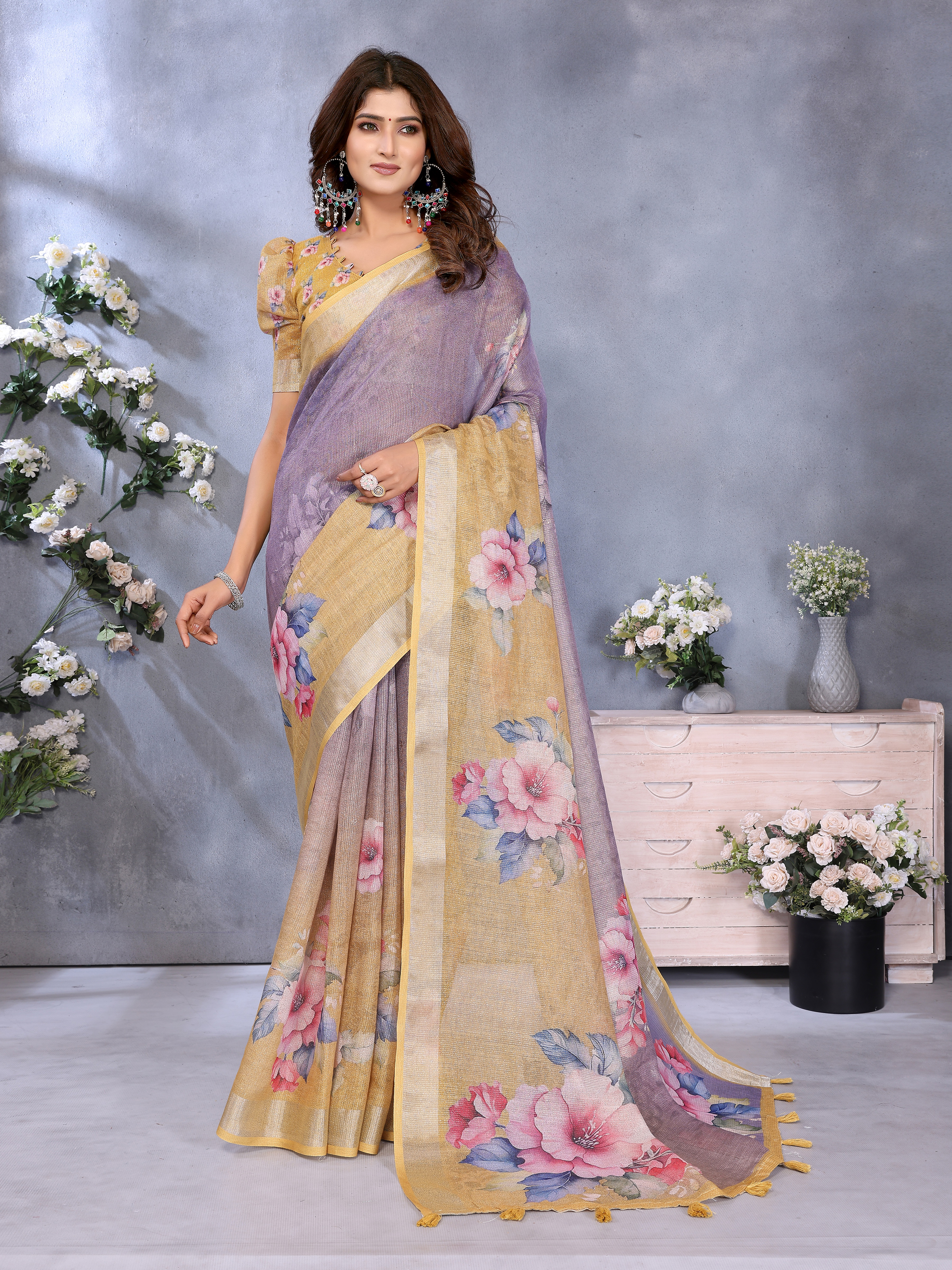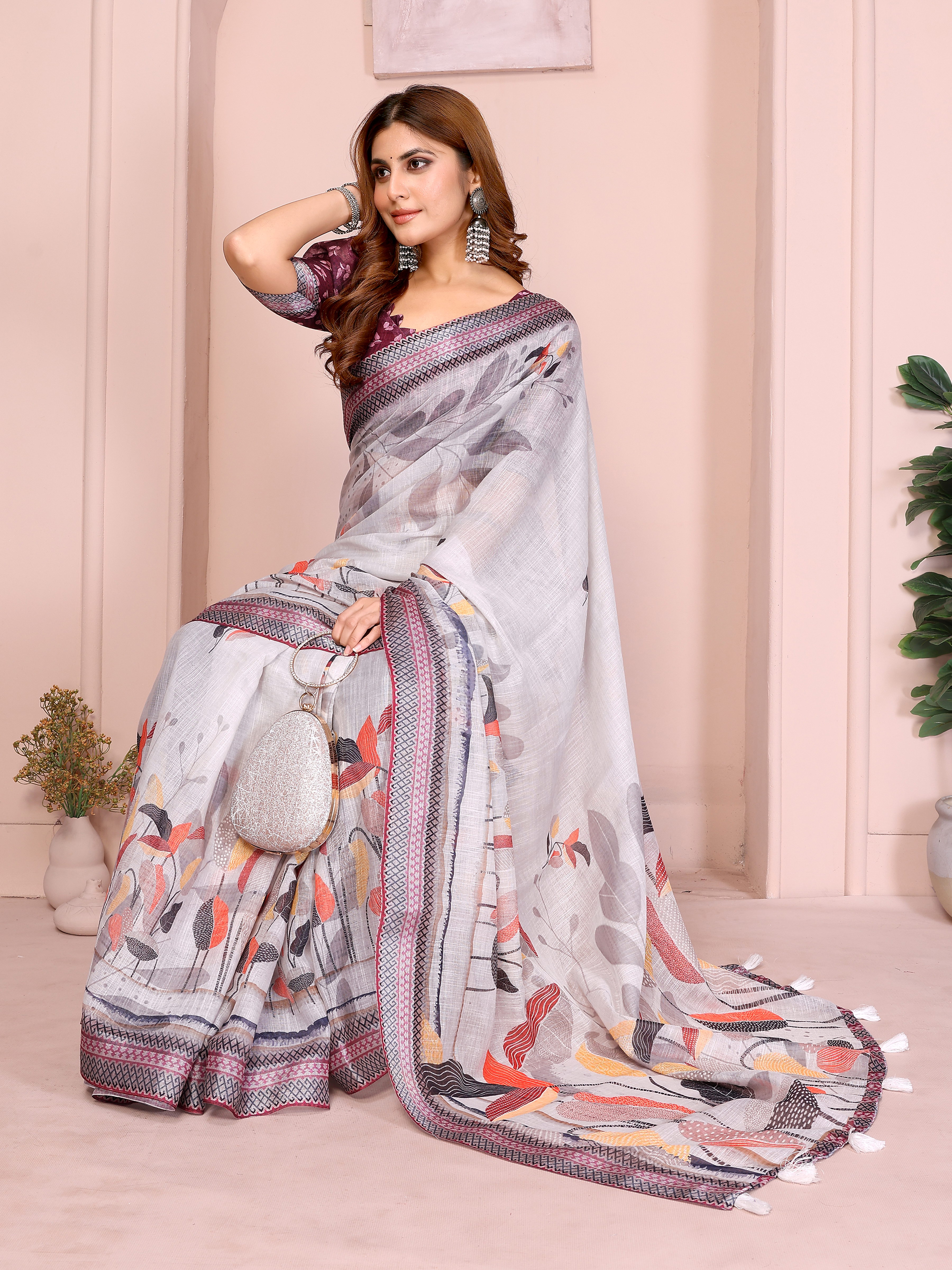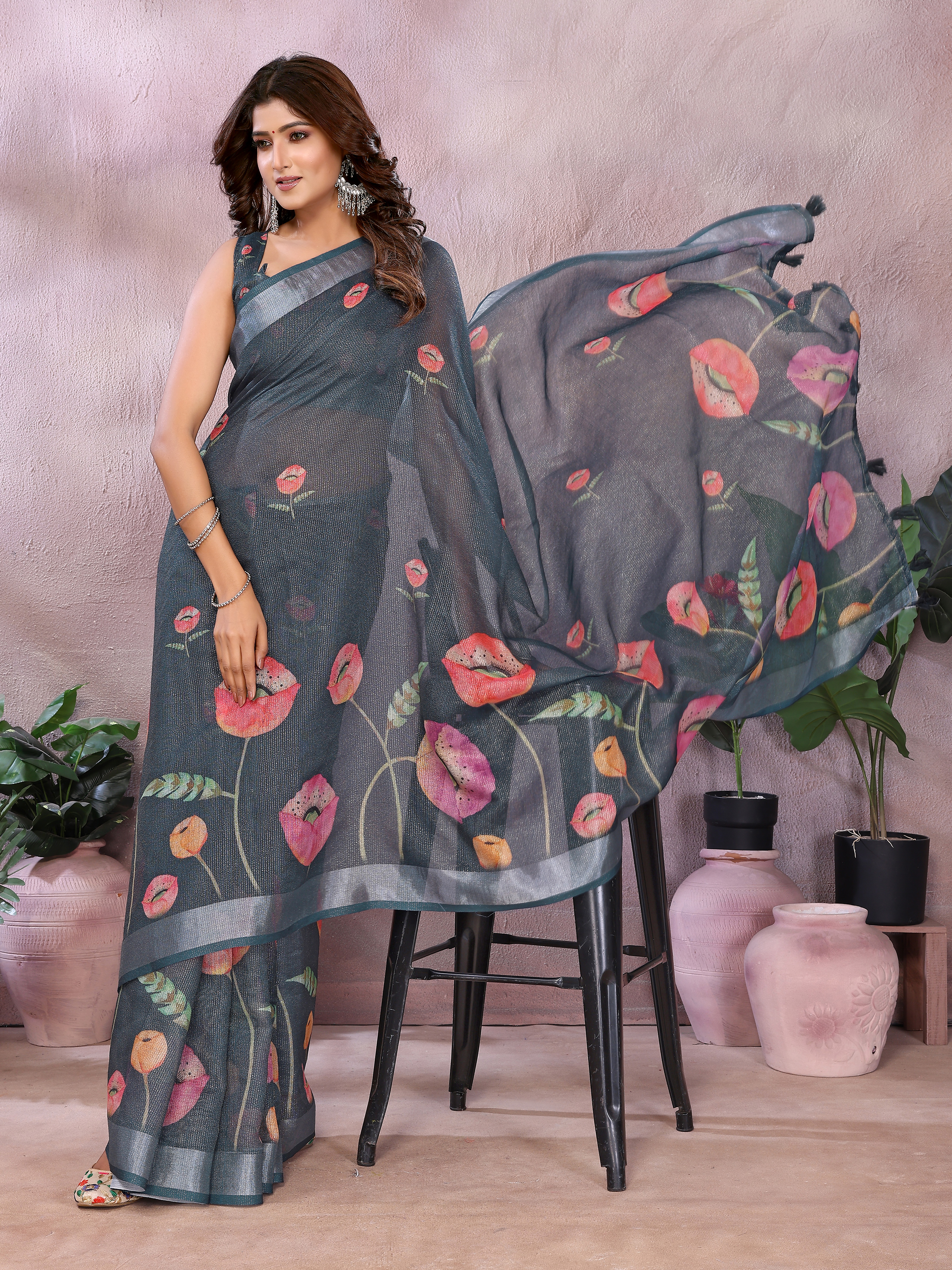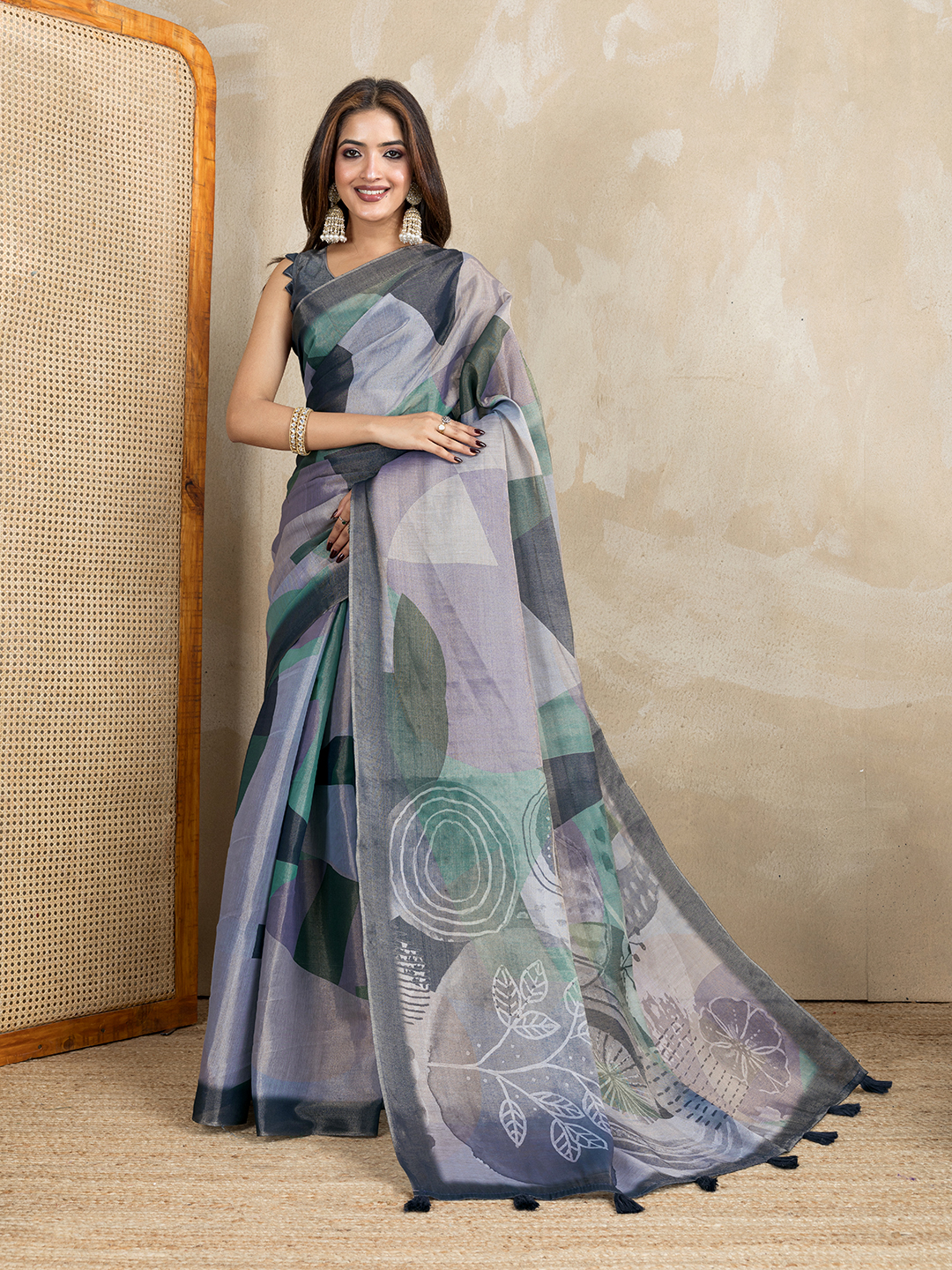
Why a Kameez Hemline Starts Flipping Out After Washing becomes easier to answer when you compare the garment's original shape with its post-wash shape. A hem can turn outward because the main fabric shrinks more than the folded edge, the fabric grain shifts, the stitching tightens, or the garment dries under uneven tension. The problem is common in cotton, linen-cotton, khadi and lightweight blended fabrics, although each cause leaves different clues.
A curled hem doesn't automatically mean that the entire kameez is badly made. A mild curl may respond to careful pressing, while a wavy or uneven edge may need the hem opened and resewn. Correct diagnosis matters because repeated high heat can permanently set the distortion, and forceful pulling can stretch the fabric beyond recovery.
Why a Kameez Hemline Starts Flipping Out After Washing: the main causes
A kameez hemline flips after washing when the fabric layers and the folded hem allowance change size or tension at different rates. The shorter or tighter layer pulls the longer layer into a visible roll.
Cotton fibres absorb water, swell during washing and contract as they dry. If the body of a kameez shrinks by 2 percent but the double-folded hem shrinks by a different amount, the two layers no longer match. The mismatch creates tension along the edge. Pre-shrunk cotton reduces the risk, but pre-shrunk fabric can still change shape after hot washing or tumble drying.
Thread tension creates another common problem. A short stitch length, tight bobbin tension or seam sewn while the cloth was slightly stretched can gather the lower edge during laundering. A narrow hem is particularly sensitive because a difference of only 2 or 3 millimetres between the two folded layers can change the way the edge hangs.
Fabric grain also affects the result. The lengthwise grain runs parallel to the centre front, and the crosswise grain runs from side seam to side seam. If the hem was cut slightly off-grain, washing can reveal diagonal ripples, side-corner lifting or a lower edge that rises more on one panel than another.
Why a Kameez Hemline Starts Flipping Out After Washing: how to diagnose it
You can identify the likely cause by checking whether the curl is even, localised, rippled or accompanied by general shrinkage. Inspect the garment dry and flat before ironing, because pressing can temporarily hide the evidence.

What does an even roll around the hem indicate?
An even roll around the front and back usually indicates differential shrinkage or a hem pressed with excessive heat. Measure the hem depth at the centre front, both side seams and centre back. If the hem depth is consistent but the edge curls uniformly, the folded layers may have tightened at different rates.
What does a curl near one side seam indicate?
A curl near one side seam usually indicates uneven stitching, a bulky seam intersection or local grain distortion. Feel the side slit, facing and overlock seam to check whether those areas are thicker or harder than the rest of the hem. A side slit that was dried while folded can also create a fixed crease that pulls the lower edge upward.
What do diagonal ripples or a wavy edge mean?
Diagonal ripples usually indicate an off-grain cut, stretching during washing or stitching performed without evenly supporting the fabric. A wavy edge differs from a simple curl because the line rises and falls repeatedly. Pressing may improve the appearance, but recurring waves generally require a tailor to release and reset the hem.
What does an overall shorter kameez indicate?
A kameez that has become shorter throughout has experienced general shrinkage rather than an isolated hem problem. Compare the post-wash length with the original measurement or with another garment made from the same fabric. Untreated cotton and khadi cotton can show noticeable length change after warm water washing, vigorous agitation or tumble drying.
Why a Kameez Hemline Starts Flipping Out After Washing: fabrics at higher risk
Cotton, khadi, linen-cotton and loosely woven fabrics are more likely to develop a flipped hem because their fibres absorb water and their weave can relax or contract. Synthetic-heavy fabrics usually resist shrinkage but can retain a heat-set curl if dried or ironed too hot.
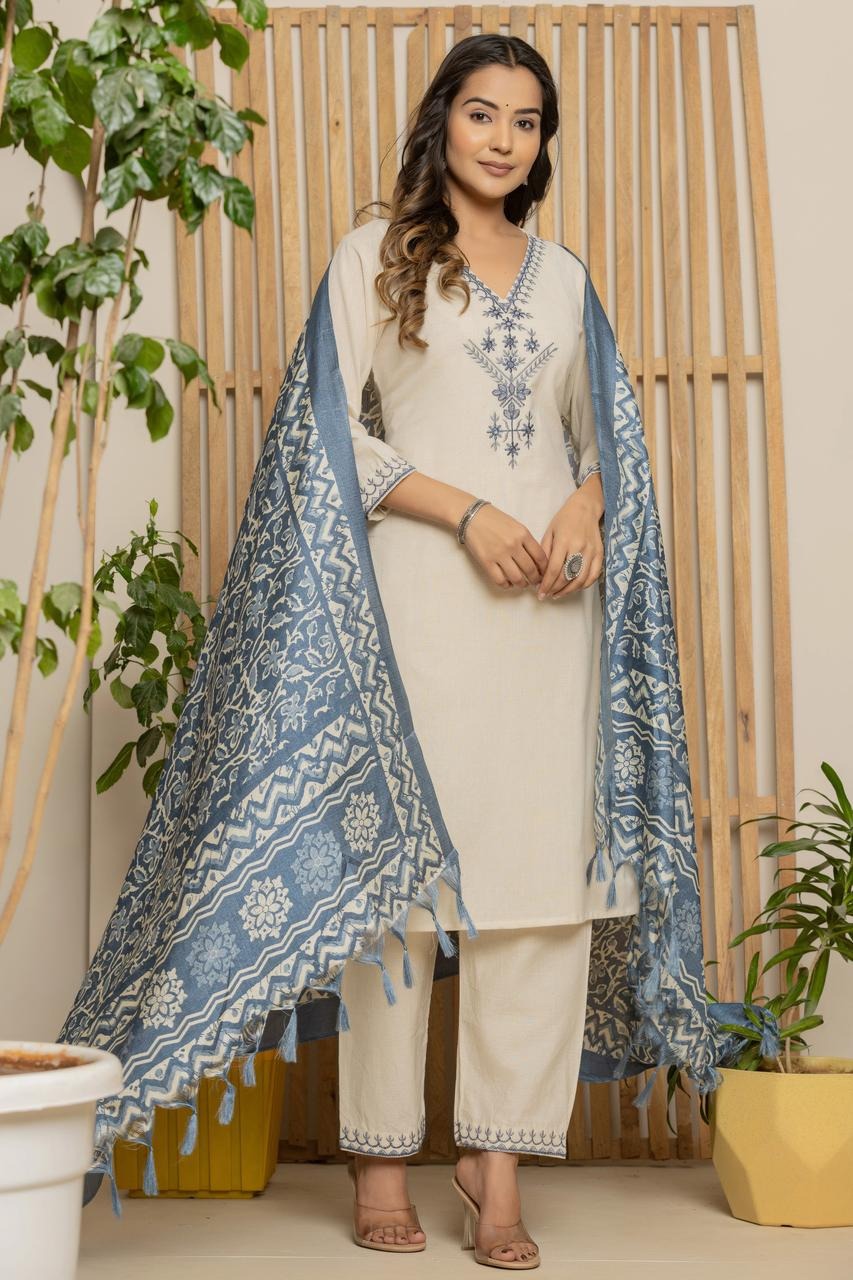
Khadi cotton has a deliberately irregular hand and can shrink unevenly when it has not been adequately pre-washed. The irregularity is part of the textile's character, but controlled laundering remains important. A garment such as Cream Khadi Cotton Straight Kurta Set with Dupatta should be washed in cool water, handled gently and dried in shade instead of being placed through a hot machine cycle.
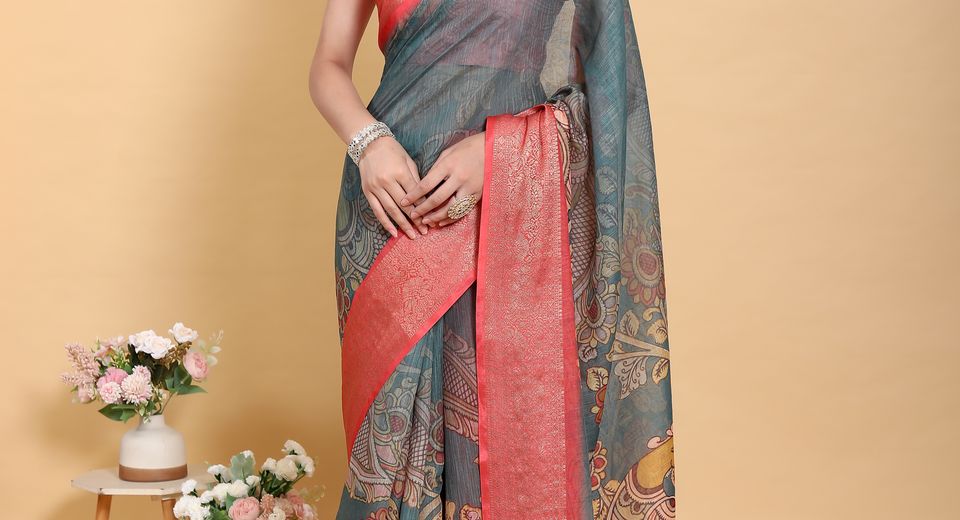
Linen-cotton blends can develop a sharper edge curl because linen fibres crease readily while cotton contracts during drying. Buy Teal Blue Kalamkari Linen Cotton Saree with Coral Border demonstrates why printed linen-cotton textiles benefit from gentle handling. Rubbing, wringing and direct sunlight can affect both the surface print and the final shape of the fabric.
Lightweight printed cotton can distort when wet, particularly when it's pulled from one end while drying. Cream Printed Straight Kurta Set with Dupatta should be washed with similar colours, supported by both shoulders during reshaping and dried away from harsh midday sunlight.
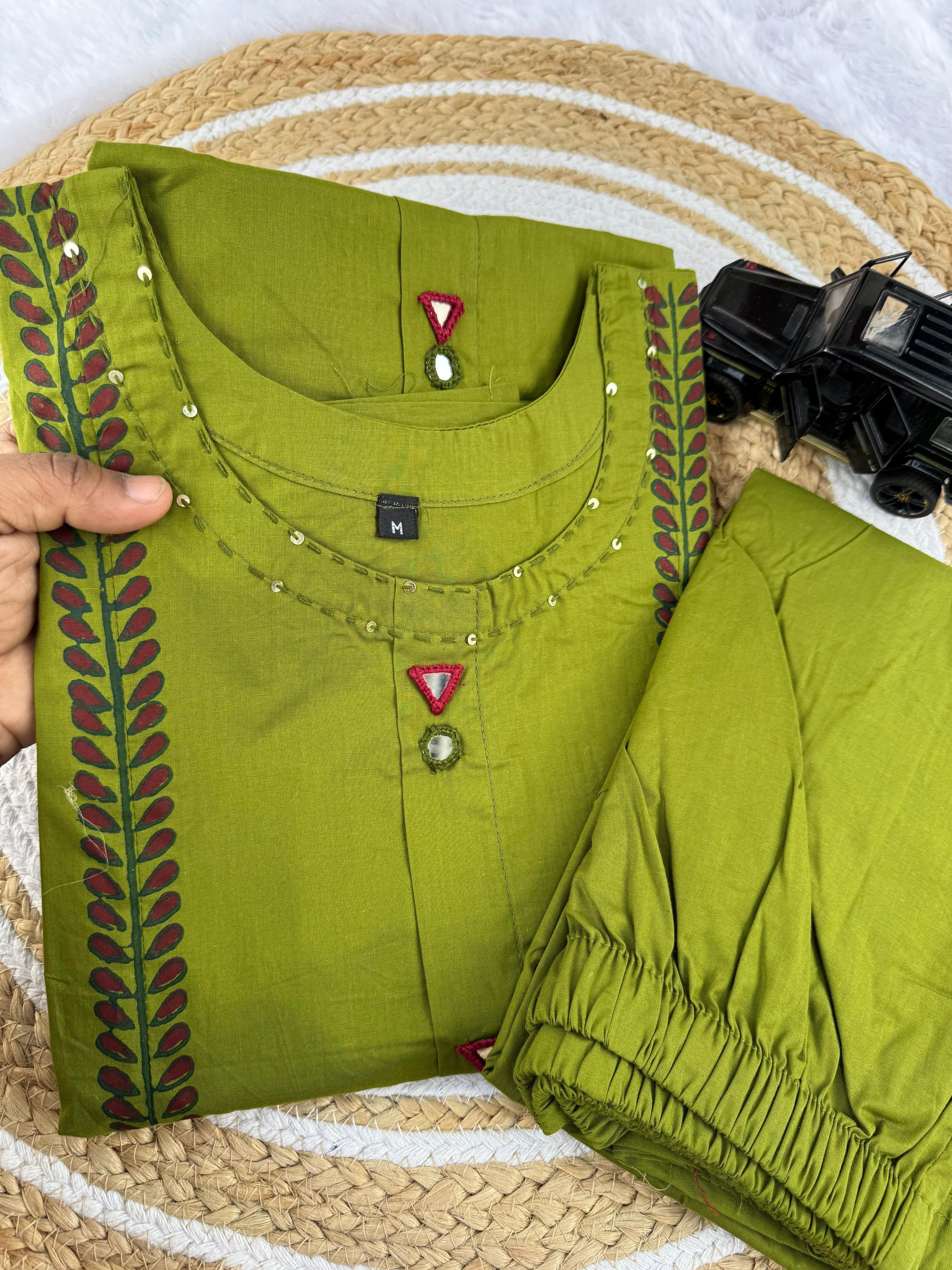
Designer cotton garments with mirror work need additional care around embellishments. Designer Cotton A-Line Kurti Pant Set with Mirror Work should not be rubbed aggressively because heavy decoration can pull the cloth and alter the tension around the lower edge.
Fine synthetic fabrics, chinnon and silk blends need a different temperature strategy. Turquoise Floral Heavy Chinnon Ready to Wear Saree should be protected from direct heat because chinnon can develop a shiny, flattened patch under a hot iron. Banarasi silk and zari garments also require restraint because high heat, moisture and pressure can affect metallic yarns and raised weaving.
Why a Kameez Hemline Starts Flipping Out After Washing: when ironing works
Ironing can correct a mildly curled hem when the fabric has not permanently shrunk or been stretched out of shape. Pressing relaxes the fibres and helps both folded layers settle at the same width.
Begin with a clean, dry iron and check the care label. Use medium heat for cotton, medium heat for linen-cotton only when the label permits it, and low heat for synthetic blends. Test the inside seam first, especially on dark dyes, Kalamkari prints, mirror work and fabrics with a polished surface.
- Lay the dry or slightly damp kameez flat with the wrong side facing upward.
- Align the hem edge with the fabric grain and smooth the body without pulling it lengthwise.
- Place a clean, damp cotton pressing cloth over a small section of the hem.
- Press down for two or three seconds, lift the iron and move it to the next section rather than dragging it across the edge.
- Allow each section to cool flat before moving the garment.
- Turn the garment right side up and apply a final light press if the fabric still looks uneven.
Steam can release a soft curl, but steam alone can't reverse permanent shrinkage. Keep the iron moving near zari, sequins, mirror work and heat-sensitive prints. Never press directly over embroidery or metallic thread because the surface may flatten or transfer colour onto the soleplate.
A pressing cloth is especially important for Kalamkari cotton and linen-cotton because direct heat can make printed areas look shiny. Use the lowest effective temperature and lift the iron frequently instead of polishing the surface with repeated strokes.
Why a Kameez Hemline Starts Flipping Out After Washing: better washing and drying
Cool water, gentle agitation, careful reshaping and broad support during drying prevent most post-wash hem distortion. Washing temperature and drying method often have a greater effect than the detergent brand.
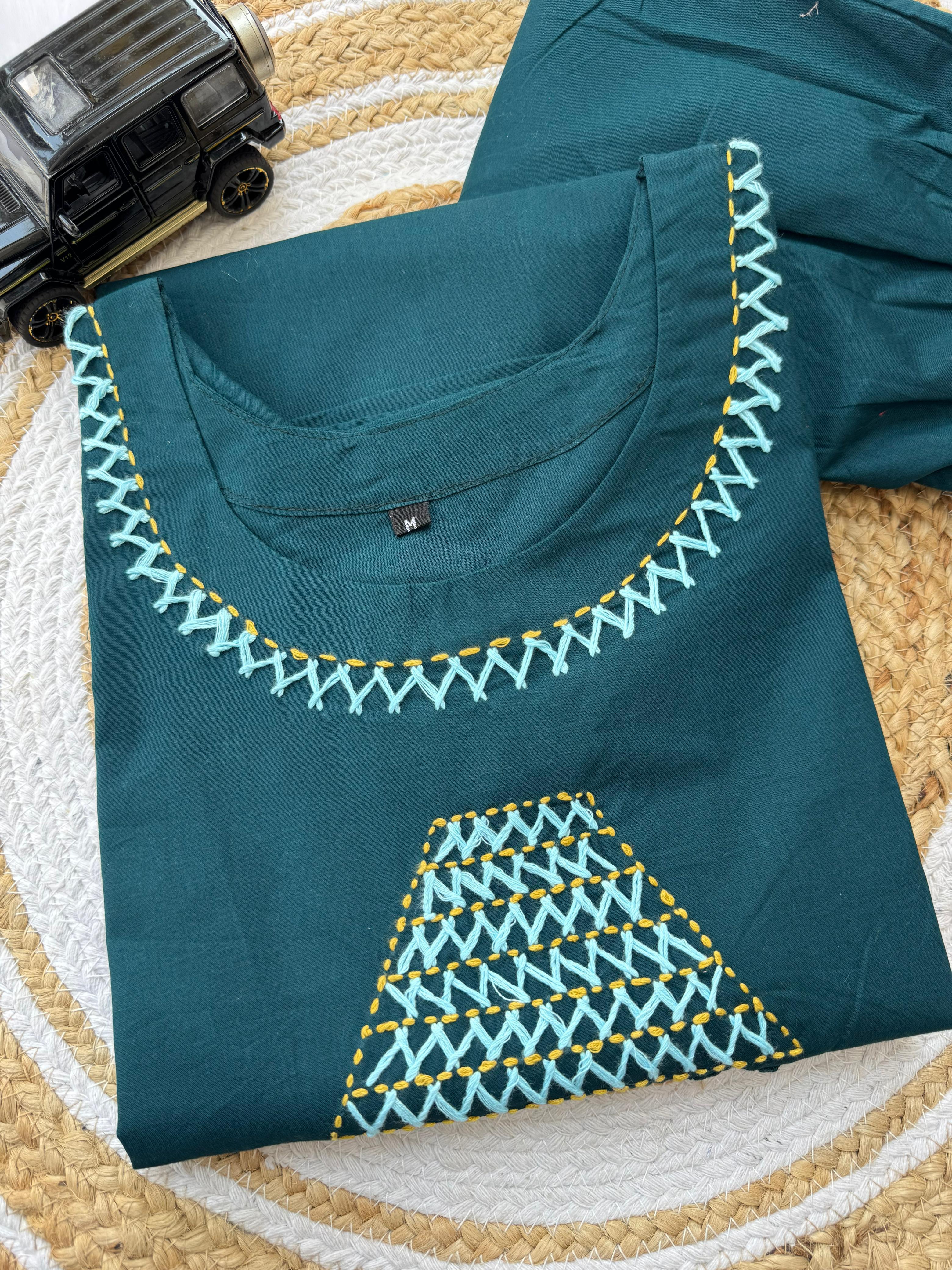
- Read the care label before selecting hand washing, machine washing or dry cleaning.
- Use cool or lukewarm water, generally below 30°C, for cotton and blended kameez garments unless the label states otherwise.
- Turn printed garments inside out to reduce surface rubbing and colour loss.
- Select a gentle cycle and avoid overloading the drum so the garment can move and rinse evenly.
- don't wring a wet kameez. Press out water gently or use a low-spin cycle.
- Shake the garment once, align the side seams and smooth the hem by hand before drying.
- Use a wide hanger with rounded shoulders, or dry the garment flat when the fabric is heavy or loosely woven.
- Keep the hem fully supported because a narrow wire line can create a horizontal ridge that encourages the edge to flip.
- Dry cotton, Kalamkari and linen blends in shade or indirect light, especially when the colours are dark or saturated.
- Remove the garment while slightly damp if ironing is recommended, then finish pressing with a cloth.
Fabric softener isn't a universal solution. Some softeners coat fibres, reduce absorbency and affect the crisp fall of cotton or linen. A mild liquid detergent used in a small quantity is generally sufficient for everyday kameez garments.
don't leave a wet kameez folded inside a laundry basket. Folded damp layers dry at different speeds, and the resulting tension can create a crease that later resembles a permanent hem curl.
Why a Kameez Hemline Starts Flipping Out After Washing: care for embellishments and blends
Embellished and blended kameez garments need lower friction, lower heat and more support during drying than plain cotton garments. The goal is to prevent the weight of decoration or the different fibres in a blend from pulling the hem unevenly.
Teal Cotton A-Line Kurti Pant Set with Handwork should be washed inside out in a mesh bag if machine washing is permitted. Handwork can catch on a rough drum surface, and pulled threads can create local tension near the lower edge. Keep the garment horizontal while wet if handwork is concentrated around the front panel.
Kalamkari Cotton V Neck Collar Blouse for Women should be handled according to its fibre and print instructions, with special care around the collar seam. A collar or neckline that's stretched while wet can transfer tension down the front panel and make the lower edge appear uneven after drying.
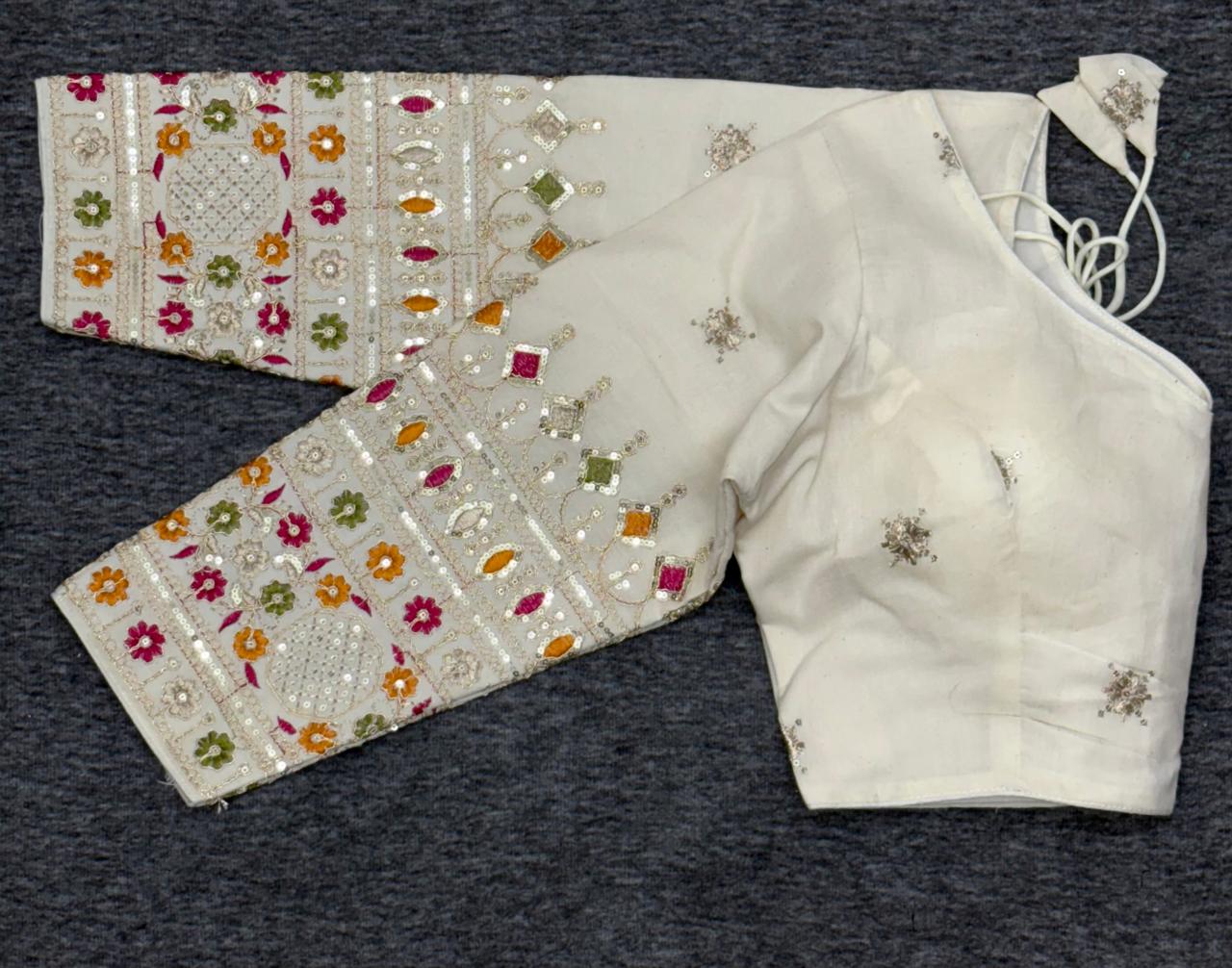
Classic Festive Wear Blouse for Stylish Saree Look may contain structured seams, lining or surface embellishment that respond differently from the outer fabric. Avoid soaking such garments for long periods unless the care label specifically allows it. Separate lining and outer-fabric shrinkage can create ripples at the lower edge.
A garment with a flowing synthetic or chinnon component should be kept away from a very hot iron. Turquoise Floral Heavy Chinnon Ready to Wear Saree is better protected with a pressing cloth and low heat, or with a steamer held several centimetres from the surface. Let the garment cool in its correct shape before hanging it.
Why a Kameez Hemline Starts Flipping Out After Washing: when a tailor should repair it
A tailor should repair the hem when the curl returns after two careful pressing attempts, the edge has diagonal waves, or the hem depth differs by more than about 1 centimetre across matching sections. A tailor can open the folded edge, check the grain, trim excess fabric and resew the hem with balanced tension.
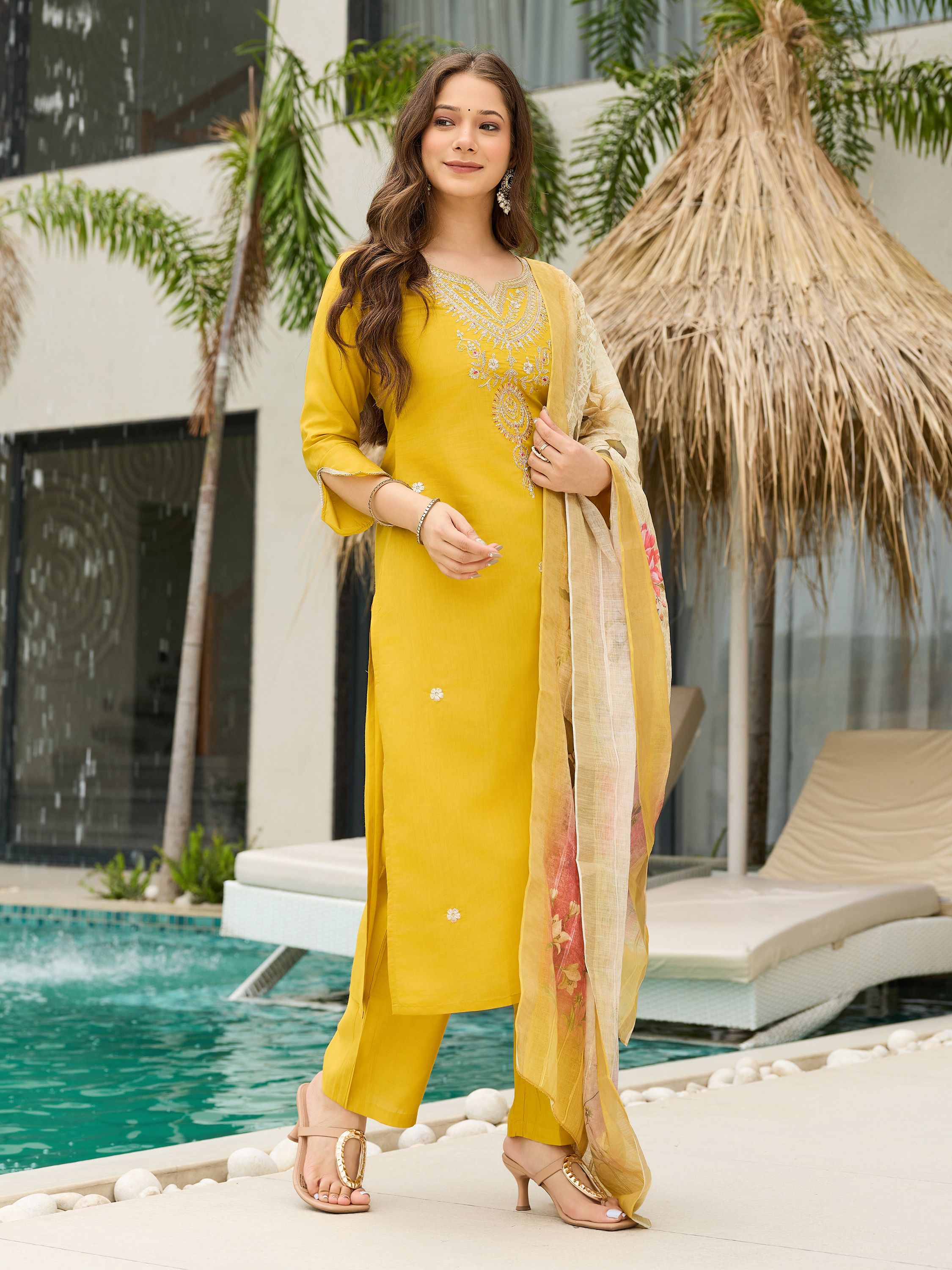
Ask the tailor to measure the garment on a flat table rather than correcting the edge while it hangs. A hanging kameez can disguise an off-grain cut. The tailor should also inspect side slits, lining, overlock seams and any nearby embroidery before shortening or refolding the hem.
don't try to correct a severely distorted hem by pulling it wet. Pulling may temporarily straighten one section while stretching the crosswise grain in another. If the garment has shrunk, the practical repair may involve resetting the hem at a slightly shorter length or adding a compatible facing, depending on the available seam allowance.
Photograph the garment before washing when a new kameez has a precise length or expensive embellishment. A before-and-after measurement provides useful evidence if the hem changes dramatically during the first wash. A professional tailor can then distinguish manufacturing tension from ordinary laundering shrinkage.
Common Questions About a Kameez Hemline That Flips After Washing
Why does my cotton kameez hem curl after washing?
A cotton kameez hem usually curls because the fabric body and folded hem shrink at different rates, or because tight stitching contracts during drying. Cool washing, gentle reshaping and pressing with a cloth can correct a mild curl.
Can a flipped kurta hem be fixed without tailoring?
A mildly curled hem can often be restored with steam or careful pressing at the temperature recommended on the care label. A recurring wave, uneven hem depth or diagonal ripple usually requires a tailor to release and resew the edge.
Does hot water make a kameez hem flip outward?
Hot water can make a kameez hem flip outward by increasing fibre swelling and subsequent shrinkage, especially in cotton, khadi cotton and linen-cotton. Washing below 30°C is safer for many everyday garments unless the care label gives different instructions.
Should I hang or lay a wet kameez flat to dry?
A wet kameez should be dried flat when the fabric is heavy, loosely woven or heavily embellished. A lightweight garment can hang on a wide, rounded hanger, but the hem must be smoothed and fully supported so it does not dry under uneven tension.
Can fabric softener stop a kameez hem from curling?
Fabric softener cannot reliably stop a kameez hem from curling because the main causes are shrinkage, grain distortion and stitching tension. Excess softener may coat cotton fibres and change the garment's absorbency and fall.
How do I prevent a printed or embroidered kameez hem from flipping?
Wash the kameez inside out in cool water, avoid wringing, reshape the side seams and hem while damp, and dry it in shade with broad support. Use a pressing cloth and low or medium heat around Kalamkari prints, mirror work, zari and metallic embroidery.