

Which sarees work with shapewear petticoat vs regular petticoat? The practical answer depends on fabric weight, surface structure, desired silhouette and the amount of movement you need. A fitted shapewear petticoat usually suits fluid sarees that benefit from a close, streamlined fall, while a regular petticoat gives cotton, tissue and structured sarees more room for pleats and movement.
A petticoat isn't merely a hidden lining. The petticoat controls the saree's lower outline, supports the front pleats, affects walking comfort and can change how a border sits near the floor. Choosing the wrong base can make a lightweight saree cling, make a heavier saree feel restrictive or cause the hem to twist while walking.
Which Sarees Work With Shapewear Petticoat vs Regular Petticoat? Start With the Basic Difference
A shapewear petticoat is close-fitting and usually tapered, while a regular petticoat is fuller and creates more space beneath the saree. The difference is most visible around the waist, hips, lower legs and front pleats.
Shapewear petticoats are commonly cut in a mermaid or tapered shape. The fabric follows the waist and hips before narrowing towards the ankle or widening slightly at the hem. Stretch panels or elastic construction make the garment easier to wear, but the fit still needs to be supportive rather than painfully compressive.
Regular petticoats generally have an A-line or flared shape. Cotton, satin, polyester and blended versions are available, with waist closures that may use a drawstring, hooks or elastic. A regular petticoat creates moderate volume, allowing the saree to move away from the legs and making traditional pleating more forgiving.
- Shapewear petticoat: close fit, reduced bulk, defined hip line and a streamlined drape.
- Regular petticoat: more flare, easier leg movement, greater pleat space and a softer classic silhouette.
- Key decision: neither style is automatically better; the saree fabric and your movement requirements determine the better match.
Which Sarees Work With Shapewear Petticoat vs Regular Petticoat for a Slim Drape?
Fluid, lightweight or moderately structured sarees usually work well with a shapewear petticoat because those fabrics follow the body instead of standing away from it. A narrow base can create a smooth line without adding unnecessary volume.
Which sarees work best with a shapewear petticoat?
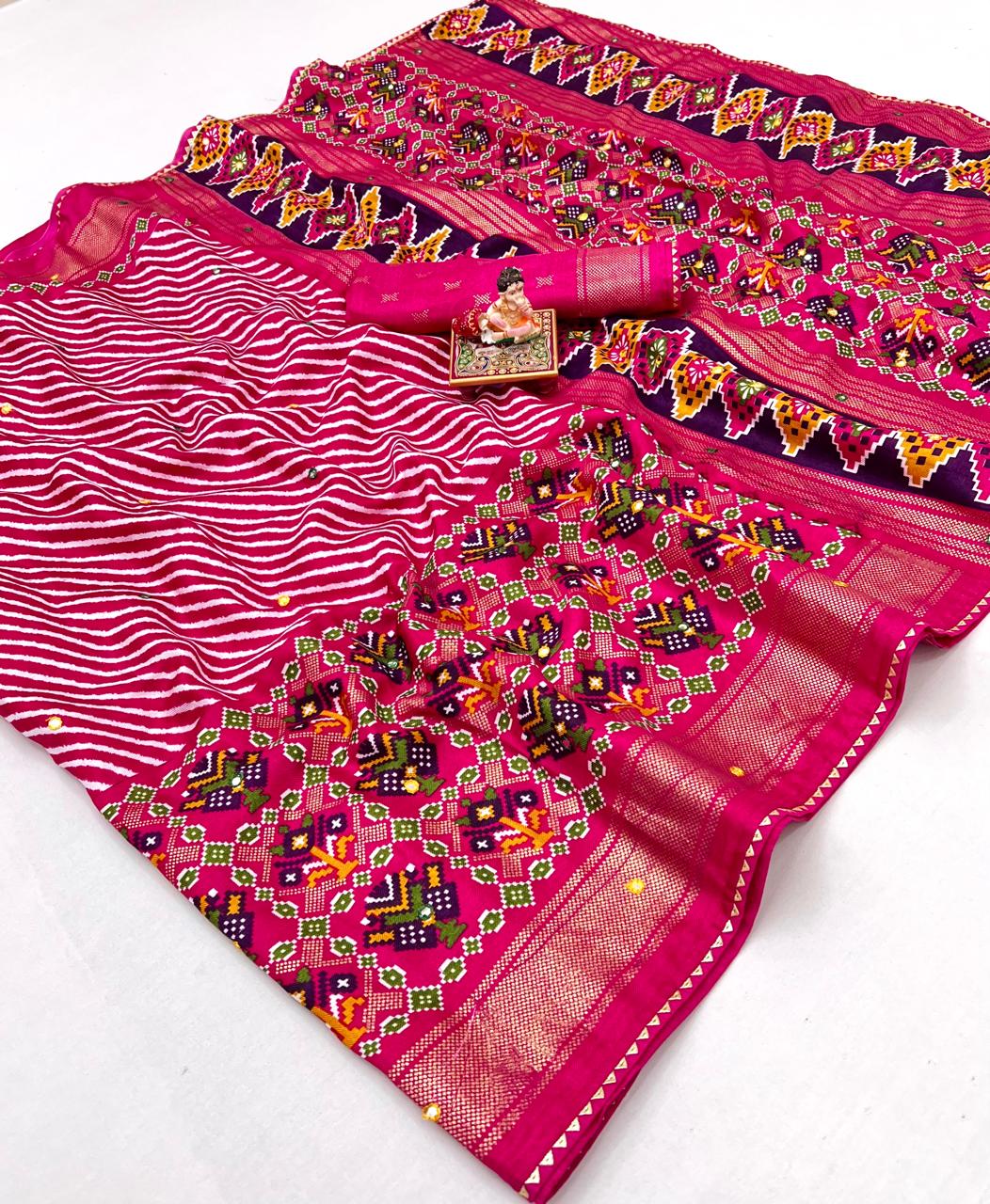
Pashmina silk sarees, soft silk blends, satin-like drapes and sarees with a fluid printed fall are strong candidates for a shapewear petticoat. These materials usually settle close to the body, so a tapered base can help the fabric fall evenly.
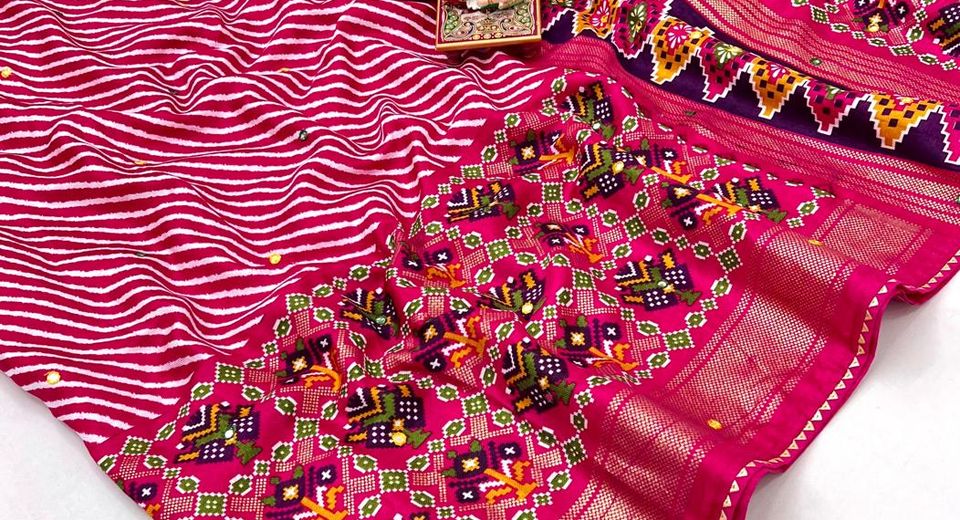
Pink Patola Print Pashmina Silk Saree With Mirror Work shows why a fitted base can be useful. Pashmina silk with mirror work contains surface detail that can look crowded if excess fabric gathers underneath. A close petticoat reduces bunching while allowing the mirror-worked area to fall without pulling at the waist.
Red Patola Border Pashmina Silk Saree With Printed Pallu can also suit shapewear when the wearer wants the Patola border and printed pallu to remain visually clean. A tapered base reduces extra fullness around the hips and helps the border travel in a controlled line towards the hem.
Luxury Pashmina Saree with Paisley Design & Shaw and Pink Soft Pashmina Silk Printed Saree With Patola Border are suitable examples for a sleek, close-to-body drape. A shapewear petticoat can support these styles for dinners, receptions and seated events where a smooth silhouette matters more than a wide flare.
A shapewear petticoat isn't automatically suitable for every silk saree. Heavy zari, a dense border or a substantial pallu can increase the downward pull on the waist. If a heavy saree feels difficult to walk in over a narrow base, switch to a lightly flared petticoat rather than choosing a smaller shapewear size.
Which Sarees Work With Shapewear Petticoat vs Regular Petticoat for Pleat Support?
A regular petticoat usually works better for cotton, tissue, crisp woven sarees, broad-bordered sarees and styles that need generous front pleats. A fuller base gives structured fabrics room to open and helps prevent the lower half from collapsing into a narrow tube.
Which sarees need a regular petticoat?
Pastel Floral Tissue Handloom Cotton Saree with Zari Weaves benefits from room beneath its pleats because tissue and handloom cotton can hold more structure than soft silk. A regular petticoat helps the floral body and zari weaves retain an even fall.
Cream Pink Tissue Handloom Cotton Saree with Zari is another case where a regular petticoat can preserve the saree's shape. Light colours can make uneven gathering more visible, so a smooth, moderately flared petticoat is preferable to a tight base that creates ridges around the hips.
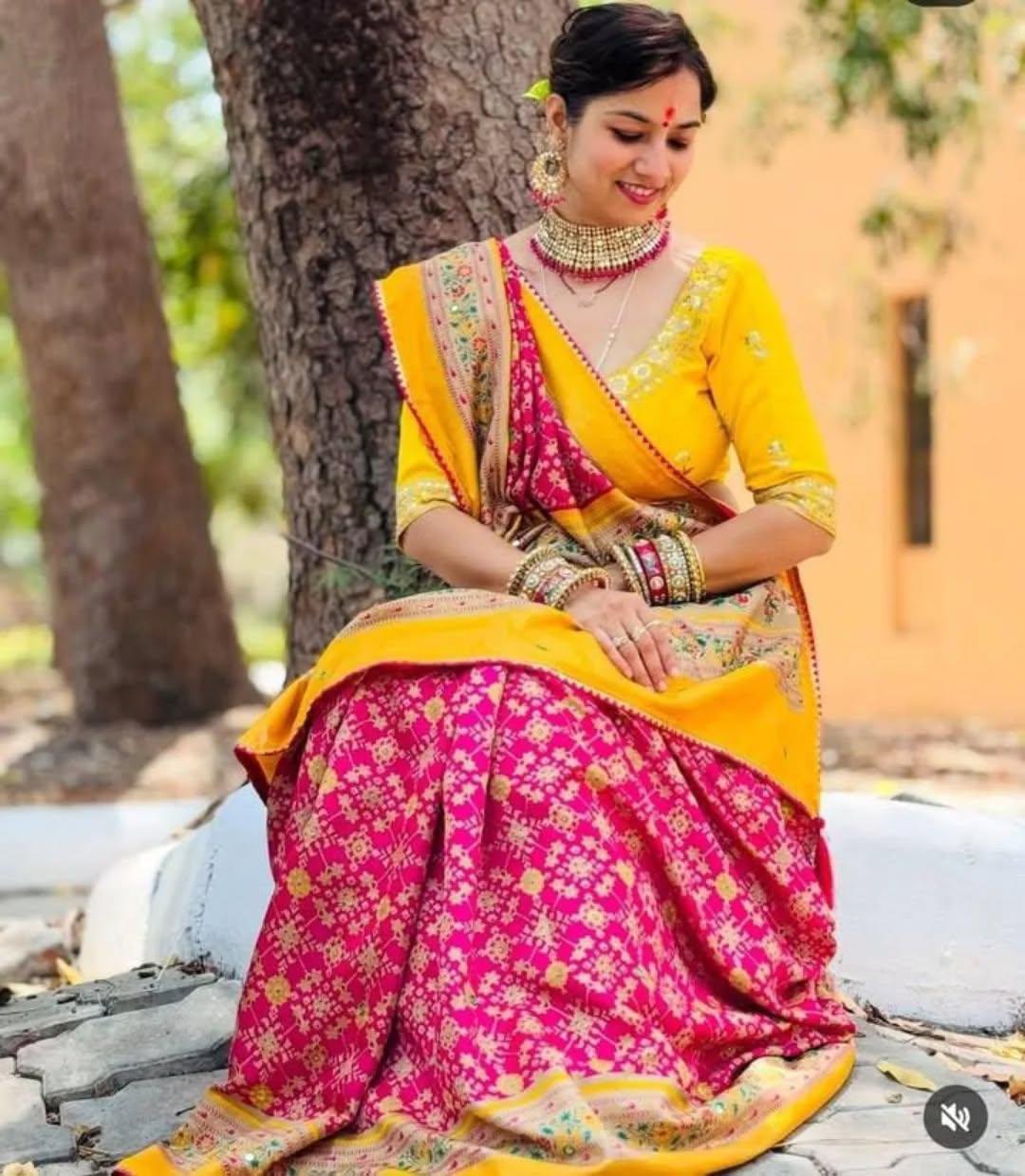
A regular petticoat can also work well under sarees with firm borders or heavily decorated pallus. Teal Patola Border Pashmina Silk Saree With Mirror Work may be worn with either style, but a regular petticoat is more comfortable when the wearer wants extra walking ease or a slightly fuller lower outline.
Regular doesn't mean excessively wide. Too much fabric beneath the saree can create visible folds, make the outfit appear wider than intended and cause the hem to swing unpredictably. The correct regular petticoat gives the saree room without creating a second, oversized skirt.
Which Sarees Work With Shapewear Petticoat vs Regular Petticoat by Fabric?
Fabric changes the petticoat choice by determining whether the drape needs support, space or a smooth surface beneath it. Thickness, stiffness, friction and embellishment all influence the final result.
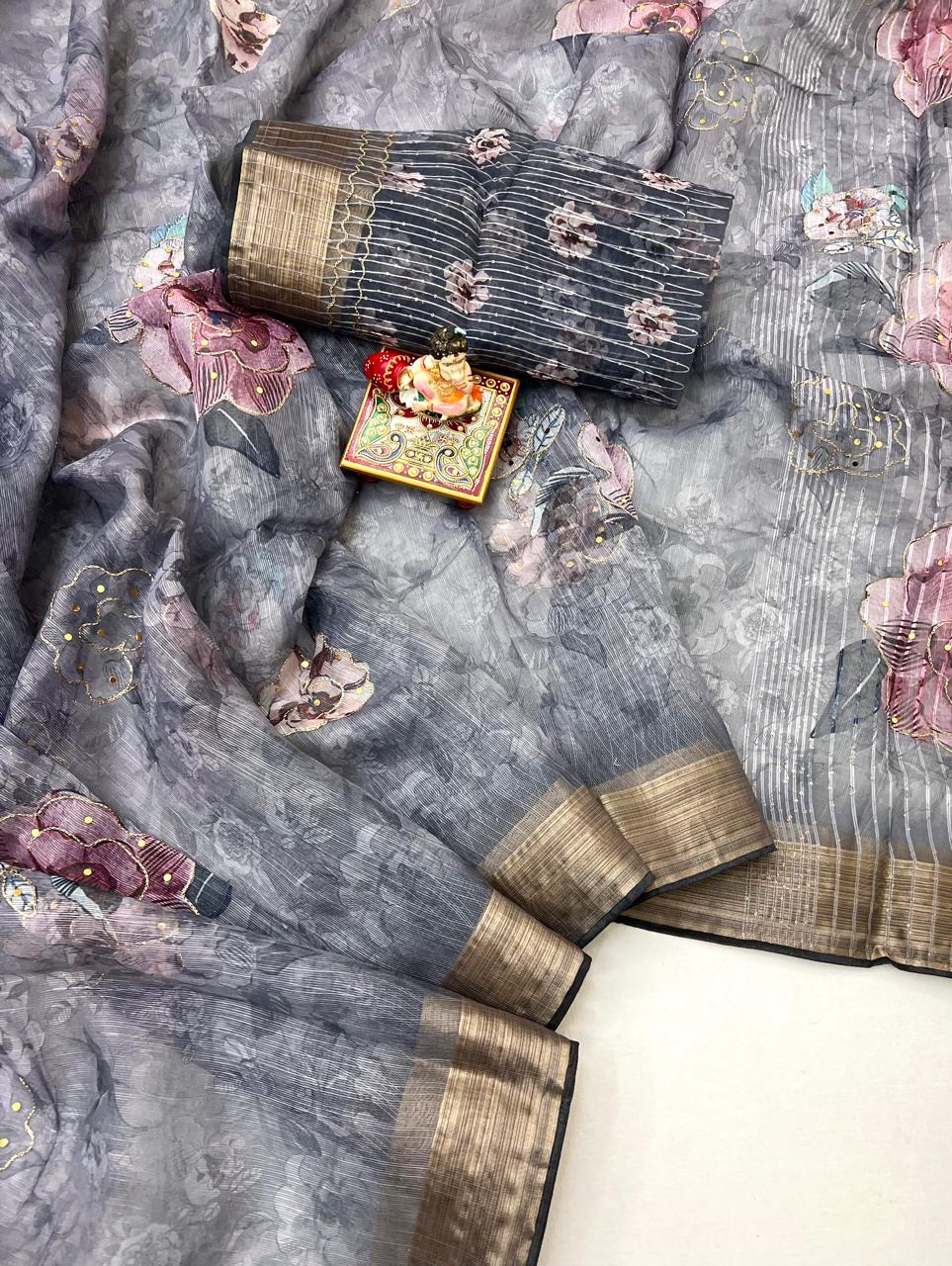
- Pashmina silk: Soft Pashmina silk usually follows the body and can pair with shapewear, particularly for an evening drape. If the saree has mirror work, a heavy border or a large pallu, choose a base that doesn't pull at the waist.
- Tissue and handloom cotton: Tissue can be light but structured, while handloom cotton may have a firmer weave and more body. A regular petticoat generally provides better pleat space and movement.
- Patola borders and prints: Patola detail doesn't dictate one petticoat style by itself. A soft Patola-style saree may suit shapewear, while a stiff border or heavier woven section may need the room of a regular petticoat.
- Zari and mirror work: Zari and mirror work add weight or friction in selected areas. A tight base can make embellishment sit unevenly, while excessive flare can push a heavy pallu outward.
Digital Premium Pashmina Saree with Shawl & Blouse requires a personalised choice. A smooth shapewear petticoat can keep the main saree line neat, but a regular petticoat may be more comfortable when the shawl and blouse create a layered, substantial outfit.
The safest fabric test is simple: hold the saree at the waist and observe how the lower half behaves. If the fabric falls close to the body and slides smoothly, shapewear may work. If the fabric stands away, catches on itself or needs broad pleats, regular flare is usually more practical.
Which Sarees Work With Shapewear Petticoat vs Regular Petticoat for Comfort?
Choose a regular petticoat when you expect extended walking, frequent sitting, stair use, dancing or movement across a crowded venue. A fuller shape reduces friction between the saree and the legs, which can make a six-hour wedding function more comfortable than a tightly tapered base.
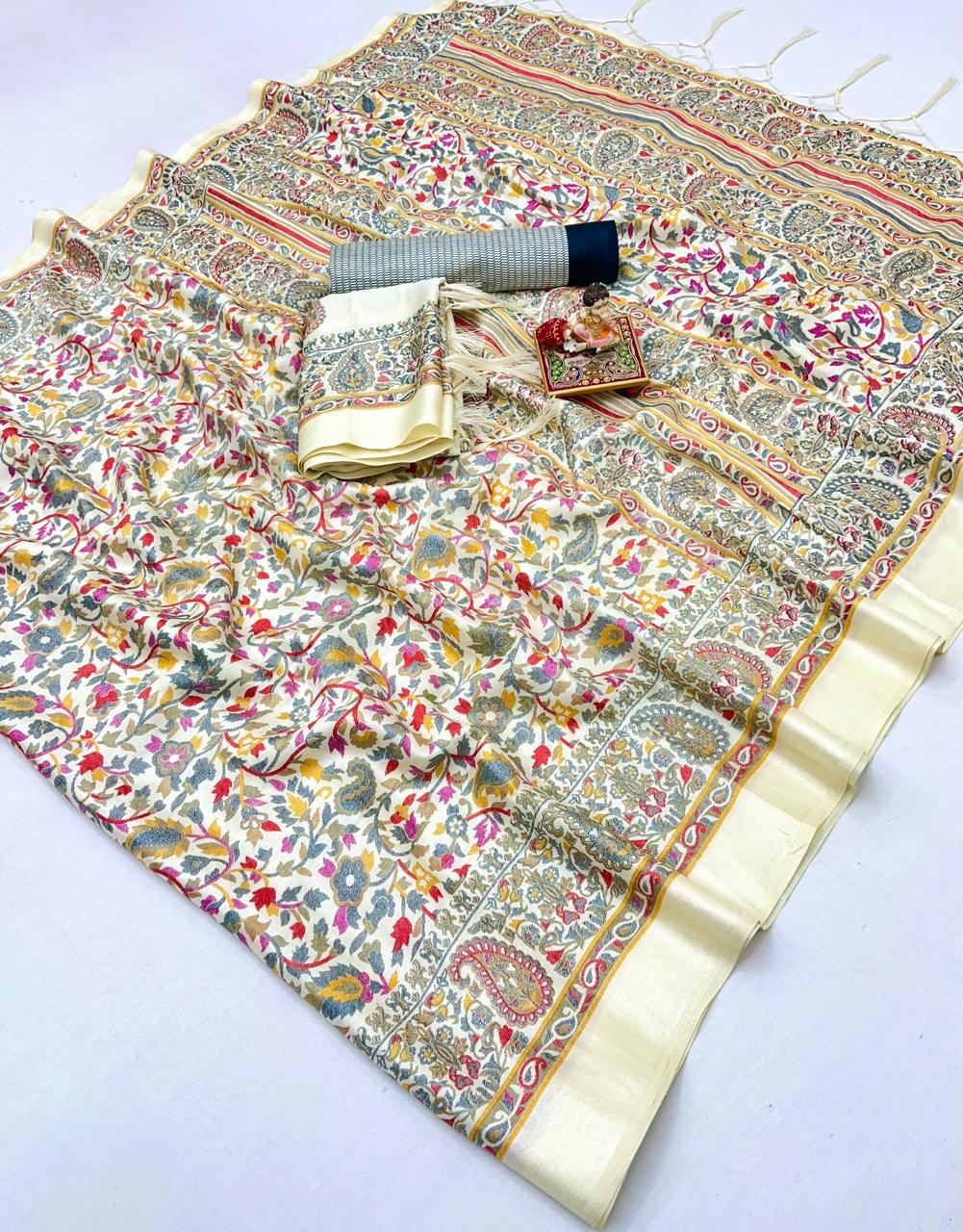
Comfort is especially important for a Haldi ceremony, where guests may move between indoor and outdoor spaces, sit on the floor or participate in activities. A regular petticoat can give a cotton or tissue saree enough freedom for these movements without forcing the fabric tightly around the calves.
A shapewear petticoat can be comfortable for shorter events when the size is correct and the saree is fluid. Shapewear should smooth the drape, not function as extreme compression. Numbness, restricted breathing, deep marks or difficulty sitting indicate that the size or cut is unsuitable.
Collections such as Sarees from Rs 1000 to Rs 1500 can include practical everyday fabrics where petticoat comfort deserves as much attention as colour and print. Sarees Under 20% Off and Sarees Under 10% Off can also be useful starting points when comparing accessible sarees for daily wear, office events and small family gatherings.
For festive purchases, Sarees Flat 60% Off and Sarees Flat 50% Off may contain heavier or more decorative styles. The discount percentage doesn't determine the correct petticoat; the fabric, border, embellishment and planned duration of wear still matter.
Which Sarees Work With Shapewear Petticoat vs Regular Petticoat Based on Fit?
A shapewear petticoat should sit securely at the natural waist, follow the hips without digging in and allow normal steps without lifting the saree. A regular petticoat should provide movement without forming bulky folds beneath the fabric.
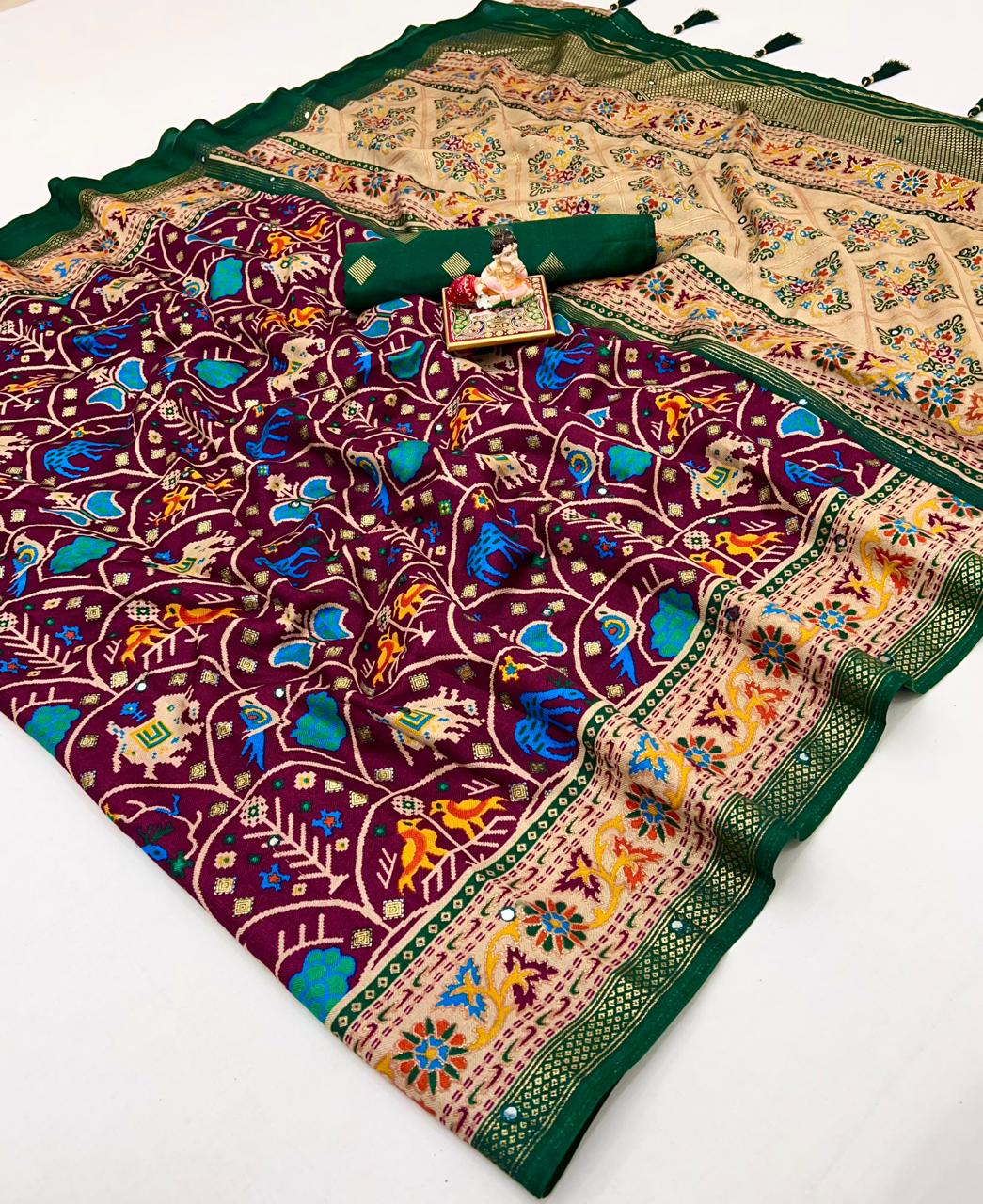
- Measure at the actual waistline: Take the measurement where the petticoat will sit, rather than using a trouser or low-waist measurement. Check the size chart because stretch percentages vary between garments.
- Test the hips and thighs: Walk ten steps, sit on a chair and climb a few stairs before draping the saree. Tightness that seems minor while standing can become uncomfortable after repeated movement.
- Check the hem: The petticoat should end close to the saree's intended length. A hem that's too short can make the saree cling above the ankles, while a hem that's too long can show during walking.
- Secure the waist closure: Tie the drawstring firmly enough to prevent slipping, but avoid a bulky knot directly beneath the front pleats.
- Perform a full drape test: Make the pleats, tuck the saree and walk before adding jewellery. Test the final outfit with the blouse, footwear and any additional shapewear.
A regular petticoat should not be sized several inches larger simply to create volume. Excess fabric can gather at the waist and show through a thin saree. A moderate flare with a smooth waistband usually gives a cleaner result.
Which Sarees Work With Shapewear Petticoat vs Regular Petticoat When Draping?
Use narrower, evenly stacked pleats over a shapewear petticoat and slightly broader pleats over a regular petticoat. Pleat width should also respond to the saree's border, fabric thickness and the number of layers required at the waist.
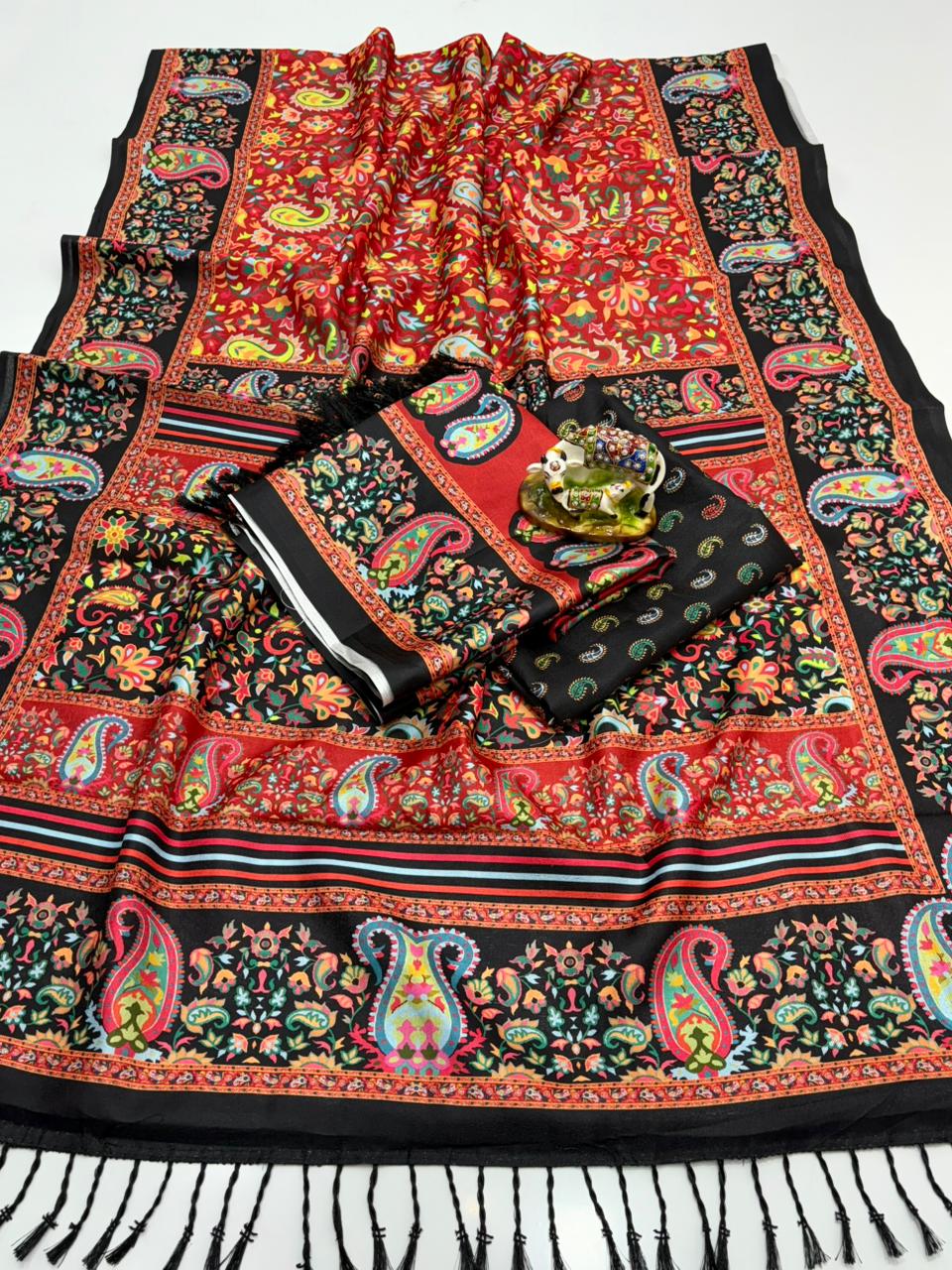
With a shapewear petticoat, keep the front pleats controlled instead of forcing too many thick layers into a narrow waist area. Five to seven medium pleats often create a cleaner result than a large stack of very narrow pleats, although the final number depends on the saree width and weave.
With a regular petticoat, spread the pleats evenly across the front rather than allowing all the fullness to sit at the centre. An even distribution prevents one bulky section from pulling down the waistband and helps the saree fall symmetrically.
Pinning can improve stability, but pins should not replace a suitable petticoat. Use a discreet safety pin at the waist and, where necessary, a second pin near the pleat line. Avoid placing pins through zari, mirror work or delicate tissue areas because punctures can remain visible.
Which Sarees Work With Shapewear Petticoat vs Regular Petticoat for Different Occasions?
Choose shapewear for a polished, close silhouette at shorter formal events and choose regular flare for comfort-led occasions involving substantial movement. The same saree may suit either base depending on the venue, footwear and length of wear.
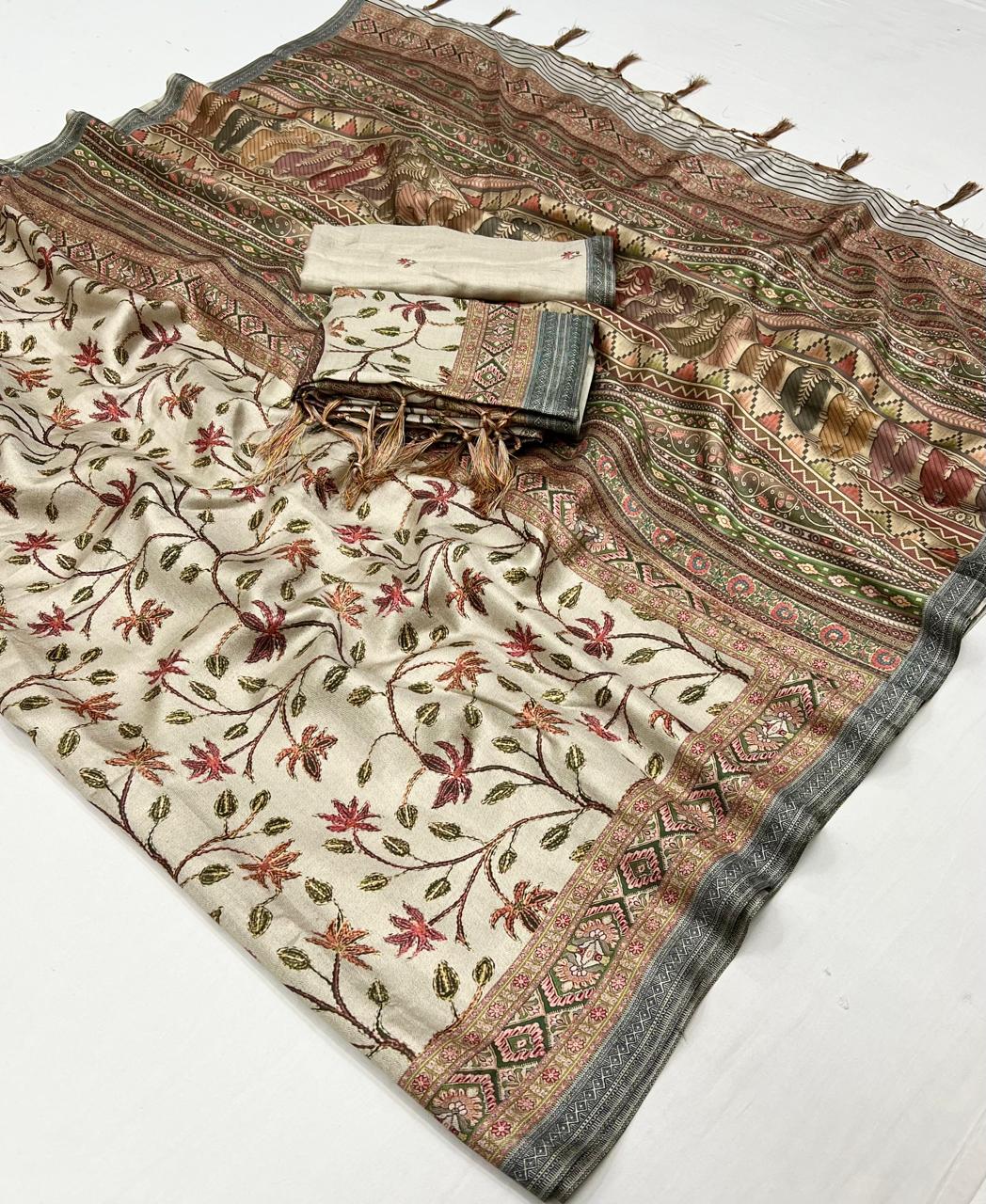
A reception or dinner often favours a shapewear petticoat beneath a fluid Pashmina silk saree because the close line works well with heels and controlled movement. A daytime family function may favour a regular petticoat if the wearer expects to walk, sit and manage several activities.
For office wear, a breathable regular petticoat is often practical under cotton or tissue sarees, especially during warm weather. For an evening celebration, a shapewear petticoat can reduce bulk under a smooth saree and make the silhouette look more streamlined.
The final choice should balance appearance and mobility. A beautiful drape that prevents comfortable sitting isn't a successful fit, and a comfortable petticoat that creates obvious bunching isn't the best visual match. Fabric behaviour, body comfort and the event's movement demands provide the most reliable decision rule.
Common Questions About Choosing a Petticoat for Each Saree
Which sarees work best with a shapewear petticoat?
Fluid sarees such as soft Pashmina silk, satin-like fabrics and sarees with a close, smooth fall usually work best with a shapewear petticoat. A fitted base reduces bulk and helps printed pallus, borders and surface details sit neatly.
Can I wear a shapewear petticoat under a cotton saree?
You can wear a shapewear petticoat under a cotton saree if the cotton is soft and fluid, but crisp handloom cotton often looks and feels better over a regular petticoat. A regular base provides more room for pleats and reduces friction while walking.
Is a regular petticoat better for a tissue saree?
A regular petticoat is generally better for a structured tissue saree because it supports the fabric's body and gives the pleats room to open. A moderate flare is preferable to an oversized petticoat, which can create visible bulk.
Can a shapewear petticoat make a saree look slimmer?
A shapewear petticoat can create a smoother, closer silhouette by reducing excess fabric around the hips and lower body. The petticoat should fit comfortably; excessive compression can distort the drape and restrict movement.
How should a petticoat fit under a saree?
A petticoat should sit securely at the natural waist, remain smooth around the hips and allow comfortable walking, sitting and stair use. The hem should not show, twist or end so high that the saree clings around the ankles.
Which petticoat is better for a wedding or Haldi ceremony?
A regular petticoat is usually better for a Haldi ceremony or an active wedding function because it allows easier movement and reduces leg friction. A shapewear petticoat can suit a shorter reception or dinner when a streamlined silhouette is the priority.


