

Which Is More Rewearable Lehenga Set vs Mix-and-Match Separates? The more repeatable choice depends on whether you value a complete outfit immediately or the freedom to build several looks from fewer garments. A coordinated lehenga set gives you a finished choli, skirt and dupatta, while separates let one skirt work with different blouses, kurtas or even a crisp shirt.
For most wardrobes, mix-and-match separates win on long-term versatility, but a well-chosen ready-made lehenga set can be the better purchase for a wedding, Navratri event or time-sensitive invitation. Fit, fabric weight, blouse design, alteration potential, storage and the number of occasions you can realistically attend all affect rewear value.
The Short Answer
Mix-and-match separates are usually more rewearable because each garment can create a different outfit with existing wardrobe pieces. A lehenga set becomes equally practical when its choli has a versatile neckline, its skirt has restrained ornamentation and its dupatta can be styled independently.
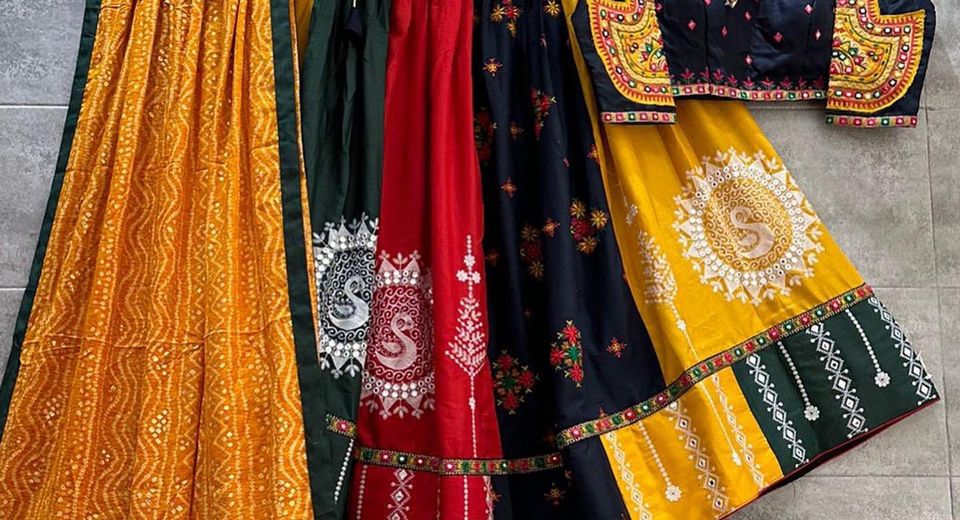
A three-piece set offers instant coordination because the colour palette, embellishment scale and proportions have already been resolved. That convenience matters when you need a complete outfit for a wedding or festive celebration. The Stylish Multicolor Butter Silk Lehenga Choli Set, for example, can create a finished festive look without requiring extensive styling decisions.
Separates offer a different kind of value. A skirt with mirror work might pair with a plain silk blouse for a family function, a short kurti for a festive lunch or a solid crop top for a contemporary evening look. A separate choli can also be worn with a sari, palazzo trousers or a high-waisted plain skirt when the colours and lengths work together.
The practical verdict is simple: choose a set for certainty and speed, and choose separates for maximum combinations. Buyers who attend several kinds of events each year should calculate possible outfits rather than judging only the first photograph.
Compare the Three Pieces
The skirt, choli and dupatta don't contribute equally to rewearability. The choli usually determines how many visibly different looks you can make, the skirt determines how formal the outfit feels, and the dupatta changes colour balance and styling direction.
Why the choli matters most
A plain or lightly detailed choli is easier to reuse than a heavily bridal blouse with dense sequins, a very deep back or a fixed statement sleeve. Neckline, sleeve length and hem placement matter because they decide whether the choli can sit comfortably with a sari, palazzo trousers or another skirt.
Fully stitched choli shopping is useful when you need predictable sizing and a finished garment, but check the measurement chart before ordering. A choli that can be altered by 1 to 2 inches at the side seams is more useful than a rigidly finished blouse with no seam allowance. The Designer Threadwork Silk Lehenga Choli Set with Dupatta shows how a detailed choli can deliver a polished event look while requiring more deliberate styling for a second wear.
How the skirt controls formality
A skirt with broad motifs, moderate flare and a stable waistband can move between weddings, festive dinners and cultural events. A heavily embellished hem or bridal-scale embroidery may limit a skirt to grand occasions, even when the colour is attractive.
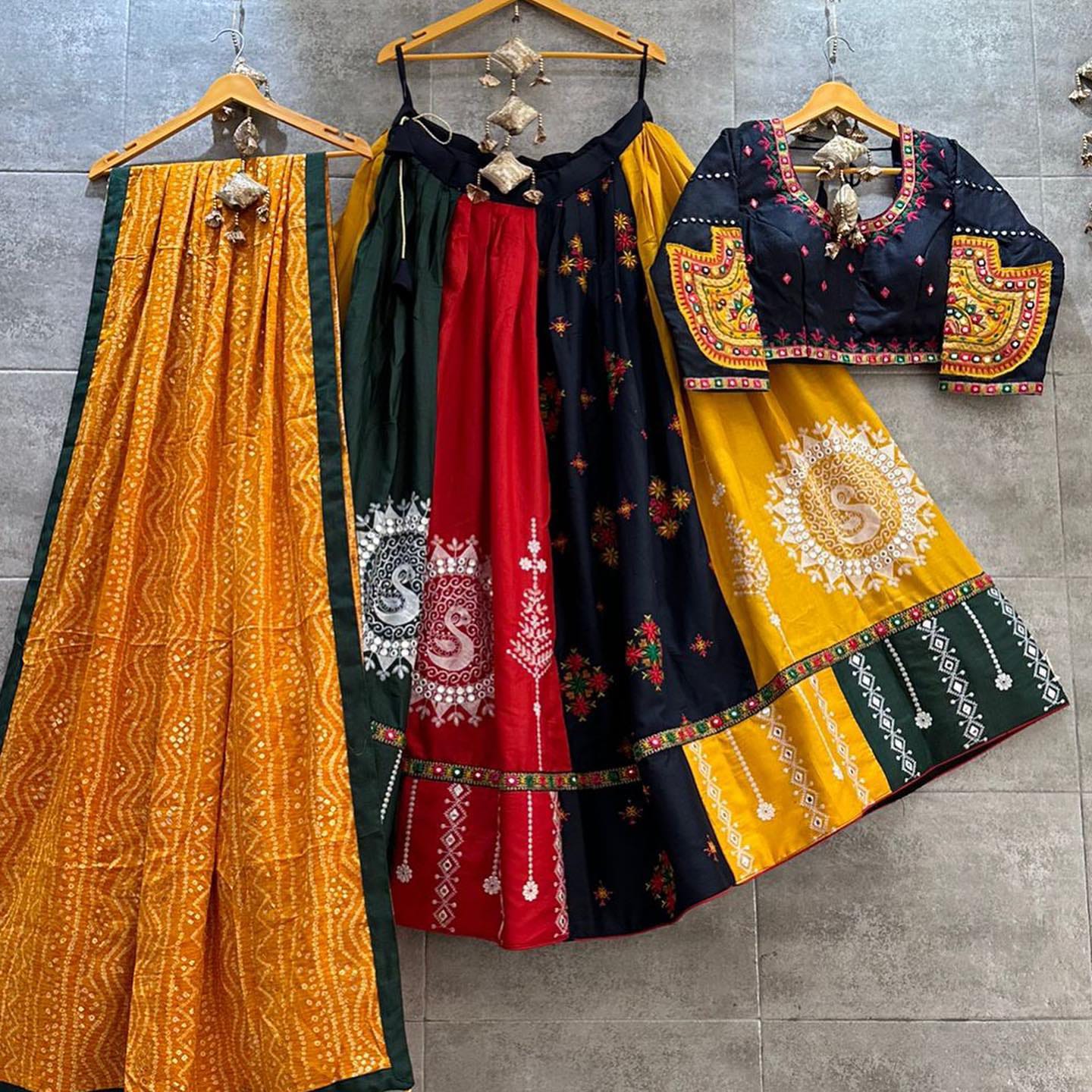
Fabric also changes repeat-wear practicality. Butter silk generally creates a festive sheen and photographs well, while muslin cotton feels more manageable for daytime celebrations. The Multicolor Printed Butter Silk Lehenga Choli Set suits a buyer who wants colour impact without depending on one specific wedding palette. The Multicolor Mirror Work Muslin Cotton Lehenga Choli Set brings a more breathable direction for daytime festivities and mirror-work styling.
How the dupatta creates variation
A contrasting dupatta is one of the least expensive ways to change the appearance of a lehenga. A plain layer, printed dupatta or different border can shift the same skirt from understated to festive without altering the blouse.
Keep the original dupatta in good condition even when you don't wear it immediately. Folding embellishments inward, placing acid-free tissue between decorated surfaces and avoiding compressed storage can help prevent snagging and colour transfer.
Which Is More Rewearable Lehenga Set vs Mix-and-Match Separates for Different Events?
The right purchase changes according to the event, dress code and number of hours you'll wear the outfit. Bridal, wedding guest, festival and pre-wedding clothing have different repeat-wear opportunities.
For bridal and close-family wedding functions
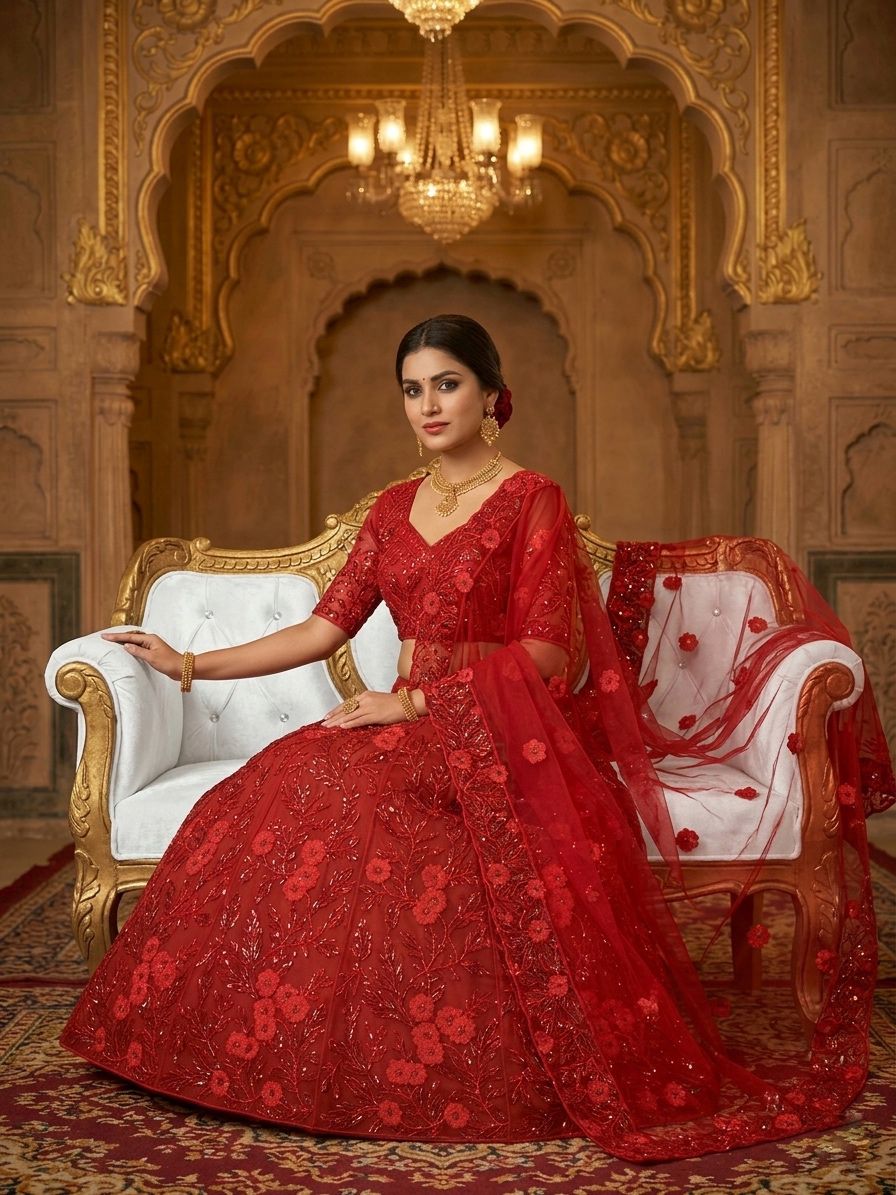
A coordinated lehenga set is usually the most efficient choice for bridal functions because matching fabric, borders and embellishment are already resolved. The Red Butterfly Net Sequins Lehenga Set Wedding Wear delivers a high-visibility finish suited to a reception or evening celebration, but its sparkle may make repeated styling more recognisable.
For a bride buying a main wedding lehenga, rewearability should not override personal significance. For a wedding guest, consider whether the skirt can be separated from a highly occasion-specific choli. The Cream & Maroon Jacquard Lehenga Choli with Dupatta Set may transition more easily to family celebrations than a very bridal red with dense all-over shimmer.
For a Mehendi or Haldi ceremony
Breathable fabrics, manageable weight and bright but flexible colour are more useful than maximum embellishment for a Mehendi or Haldi ceremony. The Mehendi Lehengas collection and Yellow Lehengas collection are useful starting points when the event calls for cheerful colour, but select a silhouette that allows comfortable sitting and movement.
A lightweight skirt can be worn again with a white blouse, a short kurta or a contrasting dupatta. The Vibrant Multicolor Navratri Lehenga Choli Set may also work beyond Garba nights if its blouse and skirt are styled separately for a festive lunch or regional celebration.
For repeated festivals and family gatherings
Separates have a strong advantage when your calendar includes several smaller occasions rather than one large wedding. A colourful skirt can be softened with a solid blouse, while a detailed choli can be balanced with plain trousers or a sari drape.
The Green Lehengas collection can support more than one festive mood when green is treated as a wardrobe colour rather than an one-event theme. The Mint Embroidered Lehenga Set with Net Dupatta for Women can look fresh for a daytime celebration, while a different blouse or a less formal drape can reduce the sense of wearing the same outfit twice.
Which Is More Rewearable Lehenga Set vs Mix-and-Match Separates When Fit Matters?
Fit is a major part of rewearability because an uncomfortable lehenga will remain unworn regardless of its styling potential. Measure the bust, waist, high hip and intended skirt length, then compare those measurements with the garment chart instead of relying only on your usual size.
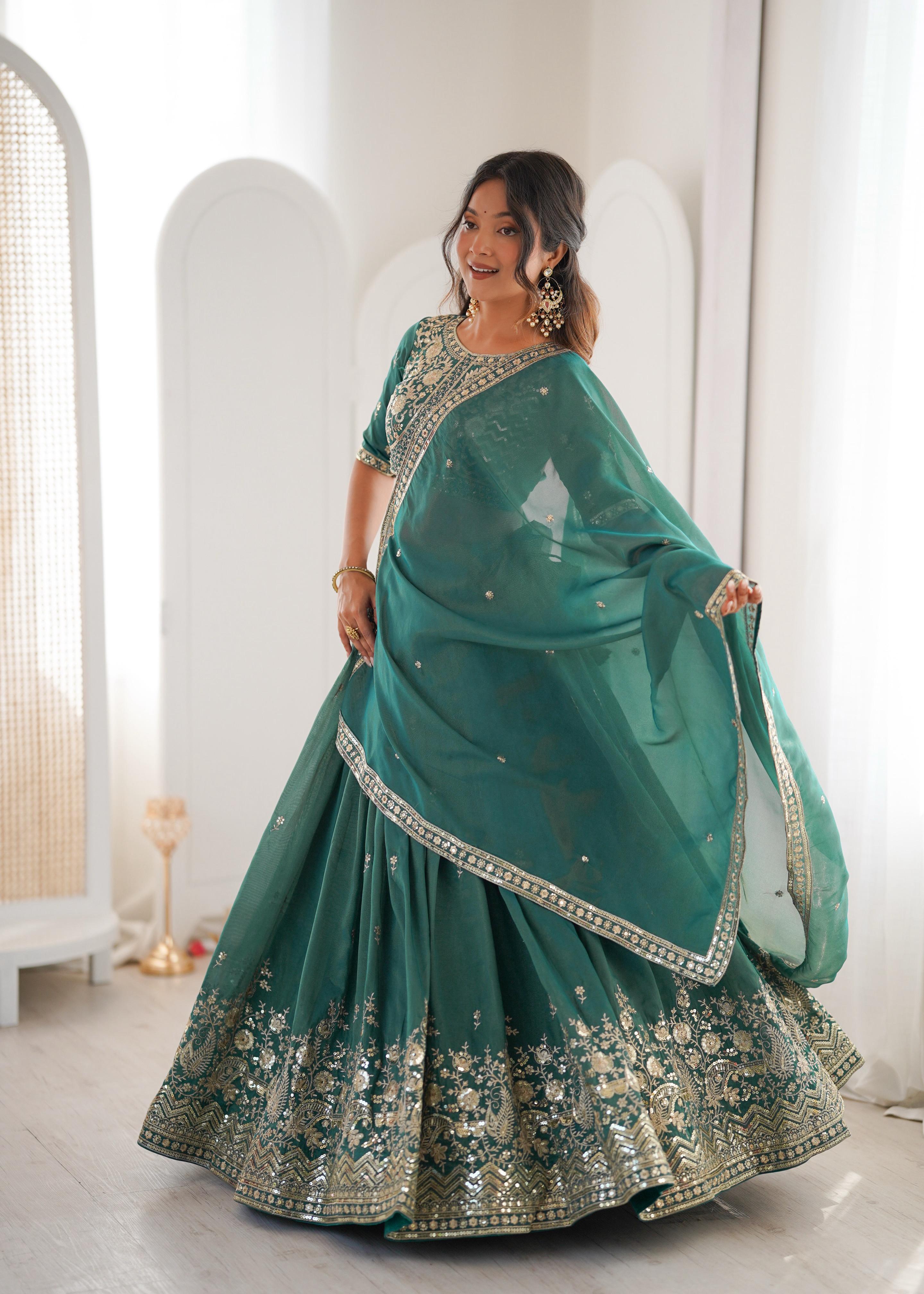
Ready Made Lehenga purchases are convenient when an event is near, but read the product details for closure type, lining, waistband construction and alteration scope. A side zip is convenient, while a drawstring or adjustable waistband can accommodate small changes in fit. A blouse with extra seam allowance can often be modified more successfully than a heavily finished one.
Made-to-measure or semi-stitched options offer more control but require time, a reliable tailor and a clear understanding of the final measurements. The Semi Stitched Lehengas Collection can suit shoppers who want flexibility in blouse fit, but semi-stitched clothing isn't automatically low effort. Budget for stitching, trials and possible changes before comparing its price with a fully finished set.
Include alteration and maintenance costs in your buying decision. If a lower-priced skirt needs extensive lining, waistband work and blouse reconstruction, its final cost may exceed a better-finished garment. Conversely, a premium set that can be worn only once has a higher cost per wear than a simpler outfit used four times.
Which Is More Rewearable Lehenga Set vs Mix-and-Match Separates by Cost per Wear?
Cost per wear equals the total purchase and alteration cost divided by the number of realistic wears. A ₹6,000 lehenga set worn twice costs ₹3,000 per wear, while a ₹9,000 group of separates worn six different ways costs ₹1,500 per outfit.
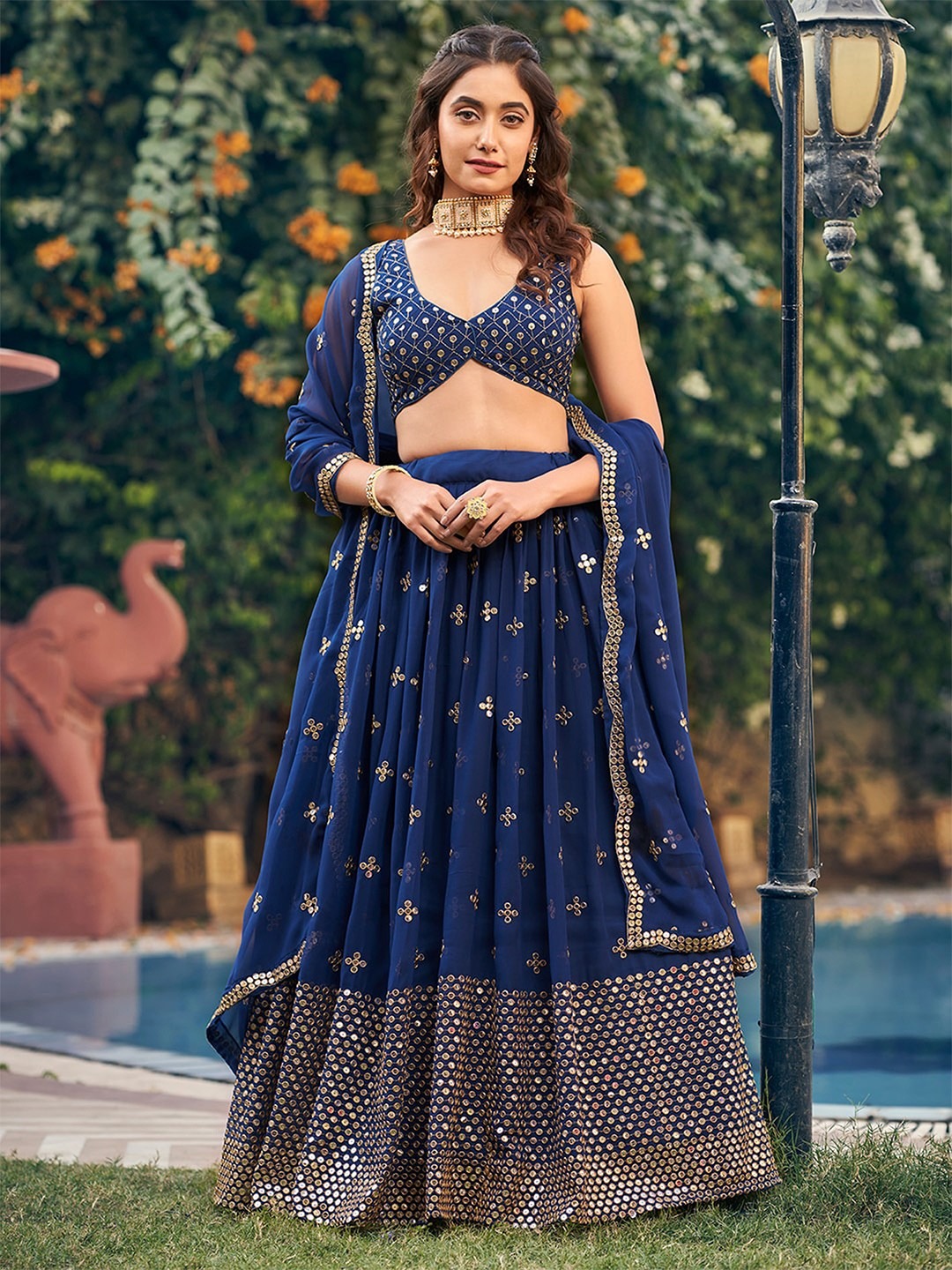
Count only plausible wears, not imaginary combinations. Ask whether you would genuinely pair the blouse with another garment, whether the skirt is comfortable for a three-hour event and whether the colours suit your existing wardrobe. A set earns strong value when its choli, skirt and dupatta can each participate in at least one additional outfit.
Photographic visibility also matters. Changing the dupatta, blouse, jewellery, hairstyle and drape can make a familiar skirt appear different, but a distinctive print or unmistakable border may still be recognisable. Repeating clothing is perfectly practical; the goal is to understand value rather than treat one-time wear as a requirement.
Which Is More Rewearable Lehenga Set vs Mix-and-Match Separates in a Practical Wardrobe?
One lehenga can produce three credible looks when the styling changes the balance of colour, neckline and coverage. The combinations should look intentional rather than assembled from unrelated pieces.
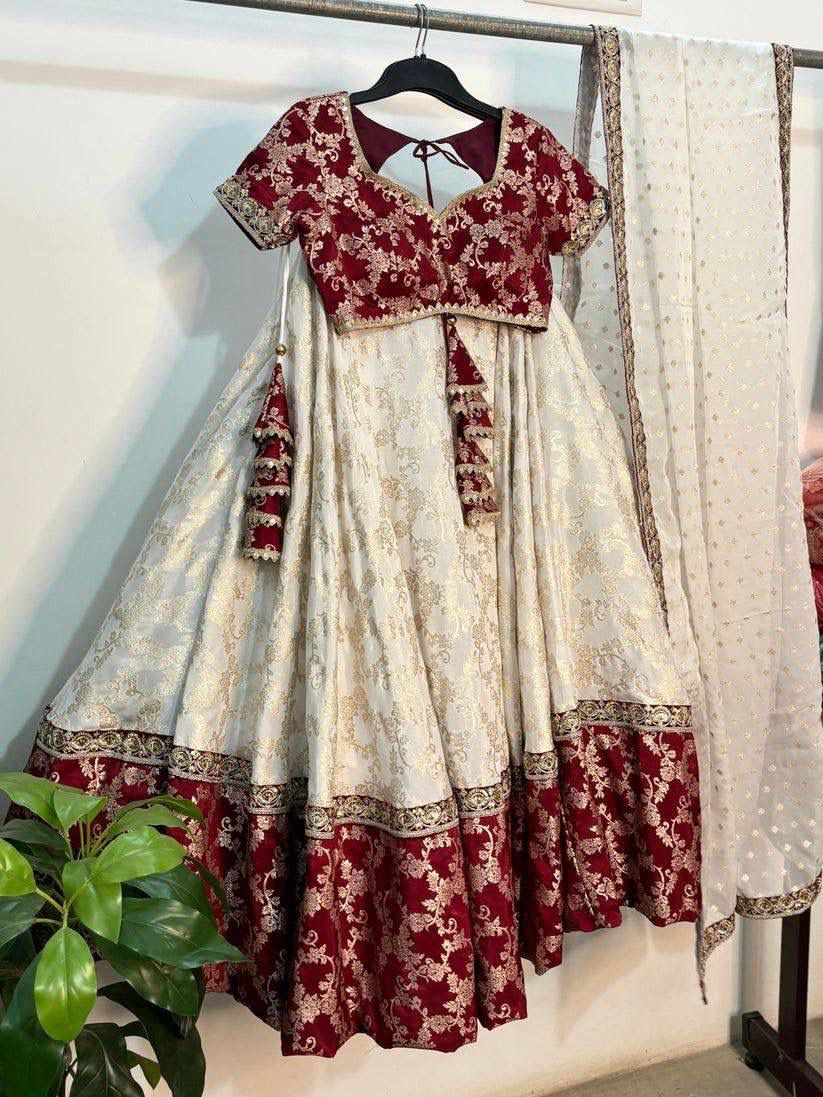
- Complete festive look: Wear the original choli and dupatta with the skirt, then add jewellery in one metal tone so the set remains visually coordinated.
- Daytime family look: Pair the skirt with a plain blouse or short kurti, use a lighter dupatta and choose smaller earrings. This reduces visual weight without removing the festive character.
- Contemporary evening look: Wear the skirt with a structured solid top or a neatly tucked silk shirt, then use the original dupatta only if the proportions remain balanced.
A multicolour skirt is especially useful when the alternative blouse repeats one of its existing shades. A heavily embellished blouse works best with a quieter bottom, while a printed skirt can take a plain choli without looking incomplete. These simple colour rules make separates easier to use than a purchase based only on a dramatic product photograph.
Store lehengas in a breathable cotton garment bag rather than airtight plastic for long periods. Refold heavy embroidered skirts every few months to reduce permanent crease lines, and use professional dry cleaning when the care label recommends it. Avoid spraying perfume directly on zari, sequins, mirror work or metallic thread because alcohol and moisture can affect surface finishes.
For most shoppers, the final choice comes down to wardrobe behaviour. Choose a coordinated lehenga set when you need a polished outfit quickly, prefer guaranteed colour matching or are buying for a specific wedding. Choose separates when you already own useful blouses and dupattas, attend varied events or want the lowest possible cost per outfit.
A thoughtful set can be more rewearable than poorly chosen separates, and a restrained group of separates can outperform a heavily embellished designer outfit. Check the choli's alteration scope, the skirt's comfort, the dupatta's styling potential and the likely number of wears before paying.
Common Questions About Rewearable Lehenga Sets and Separates
Are lehenga sets more practical than buying separate pieces?
Lehenga sets are more practical when you need a complete, coordinated outfit quickly for a wedding or festival. Separate pieces are more practical for long-term wardrobe use because one skirt, choli or dupatta can be combined with other garments.
How can I rewear the same lehenga without looking repetitive?
Change at least two visible elements, such as the choli and dupatta, rather than changing jewellery alone. A plain blouse, contrasting dupatta, different drape and simpler accessories can make the same skirt suitable for a different level of formality.
Is a ready-made lehenga suitable for fully stitched choli shopping?
A ready-made lehenga is suitable for fully stitched choli shopping when you need a finished garment with predictable construction. Check bust, waist, sleeve and length measurements, along with seam allowance and alteration options, before ordering.
Are semi-stitched lehengas more rewearable than ready-made lehengas?
Semi-stitched lehengas can be more rewearable when the blouse is tailored to a versatile fit and the skirt has an adjustable waist. They also require tailoring time, trial fittings and an alteration budget, so they are not automatically the better value.
Which lehenga fabric is easiest to reuse for daytime occasions?
Lightweight fabrics and breathable constructions are generally easier to reuse for daytime occasions than heavily layered or densely embellished designs. Muslin cotton can feel more manageable for daytime festivities, while butter silk offers a brighter festive finish.
How do I calculate whether a lehenga is worth buying?
Divide the purchase price plus alteration and maintenance costs by the number of realistic wears. Include only combinations you would genuinely wear, such as the skirt with another blouse or the choli with trousers, rather than hypothetical outfits.


