

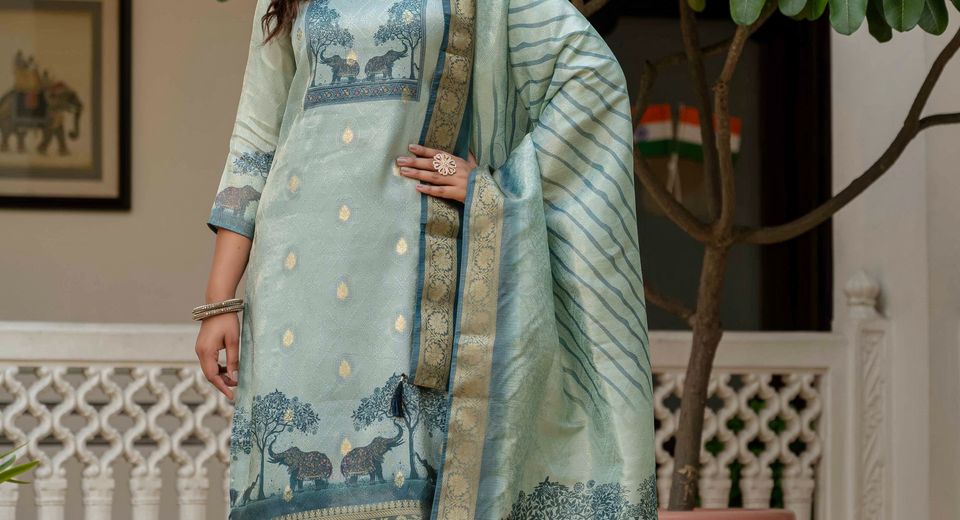
Which Gives Better Value a Three-Piece Suit Set or a Two-Piece Set? The answer depends on how often you'll wear a dupatta, whether the kurta and bottom can be styled separately, and how many occasions your wardrobe needs to cover. A three-piece salwar suit usually includes a kurta, bottom and dupatta, while a two-piece set generally contains a kurta with trousers, palazzos or another coordinated bottom. The lower price of a two-piece set doesn't always make it the better purchase, and a third piece doesn't automatically guarantee better value.
An useful comparison looks beyond the ticket price. Cost per wear, fabric durability, alteration needs, washing requirements and the number of outfits created from one set all affect value. A carefully chosen two-piece kurta set may serve daily office dressing for years, while a three-piece salwar suit may justify its price when the dupatta transforms the outfit for festive gatherings.
Which Gives Better Value a Three-Piece Suit Set or a Two-Piece Set for everyday wear?
A two-piece set generally gives better everyday value when you need a comfortable outfit for repeated office, college or errand-based wear. Fewer layers reduce styling time, washing volume and the chance that an ornate dupatta will remain unused in the wardrobe.
A two-piece set works particularly well when the kurta has a wearable neckline, the bottom has a reliable waistband and both pieces can be paired with existing scarves, shrugs or jackets. A neutral black, beige, navy, ivory or muted pink kurta can also work with denim, plain trousers or a different palazzo, increasing the number of combinations.
The Black White Floral Embroidered Readymade Salwar Suit illustrates the everyday argument for a coordinated set. A black-and-white palette can move between work, casual dinners and daytime events, especially when the embroidery is balanced rather than heavily embellished. A separate colourful dupatta from another outfit can change the mood without requiring a new suit.
A three-piece set becomes more valuable for everyday use when the dupatta is light, washable and independently wearable. A cotton, modal or easy-care dupatta can protect the kurta from sun exposure, add modesty in formal settings and create a more finished appearance for client meetings. A heavily sequinned dupatta may look attractive but become impractical if it snags on bags or requires specialist cleaning.
Which Gives Better Value a Three-Piece Suit Set or a Two-Piece Set for festive occasions?
A three-piece set usually gives better value for festive occasions when the dupatta adds visible formality, useful coverage or styling options that you would otherwise buy separately. The third piece has the strongest financial case when it works with multiple kurtas, carries durable detailing and is made from a fabric that will survive repeated wear.
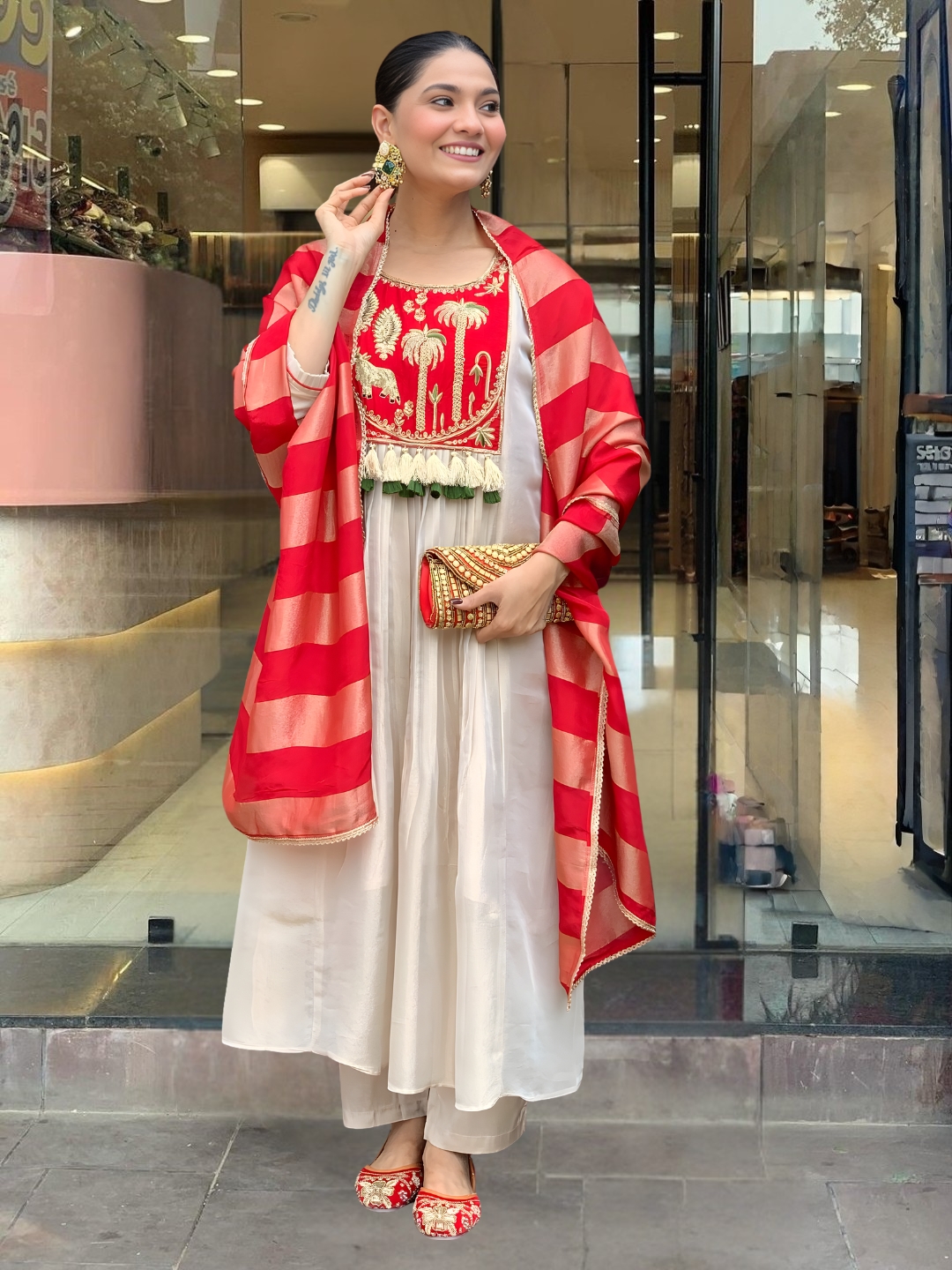
Consider a three-piece set for weddings, Eid gatherings, Diwali celebrations, engagement functions, family portraits and traditional ceremonies. A dupatta can introduce zari, embroidery, printed borders, tassels or a richer weave without forcing the kurta and bottom to become excessively embellished.
The Black Red Fendy Silk 3 Piece Readymade Salwar Suit Set demonstrates why a coordinated dupatta can be valuable for dressier use. A three-piece outfit creates a complete visual line, reducing the need to search for a matching scarf before an event. The saving isn't only monetary; the set also saves preparation time and lowers the risk of mismatched colour or scale.
The Rust Orange Embroidered Readymade Suit Set for Women can serve a similar role when warm colour and embroidery are appropriate for festive dressing. The important buying question is whether the rust-orange palette suits at least two or three events in your calendar. A statement colour offers good value when it's distinctive but still compatible with gold, beige, brown or cream accessories.
For a formal purchase, inspect the reverse side of embroidered areas, the density of embellishment around the neckline and the drape of the dupatta. Loose threads, stiff borders and very dense sequins may increase maintenance costs. A slightly simpler three-piece suit with clean finishing often brings more long-term value than a more decorated set that can only be worn once.
Which Gives Better Value a Three-Piece Suit Set or a Two-Piece Set when cost per wear matters?
Calculate real value by dividing the total ownership cost by the number of realistic wears, not by comparing initial prices alone. Total ownership cost includes the purchase price, alteration, separate lining, pressing, dry cleaning, replacement accessories and any additional dupatta or bottom needed to complete the outfit.
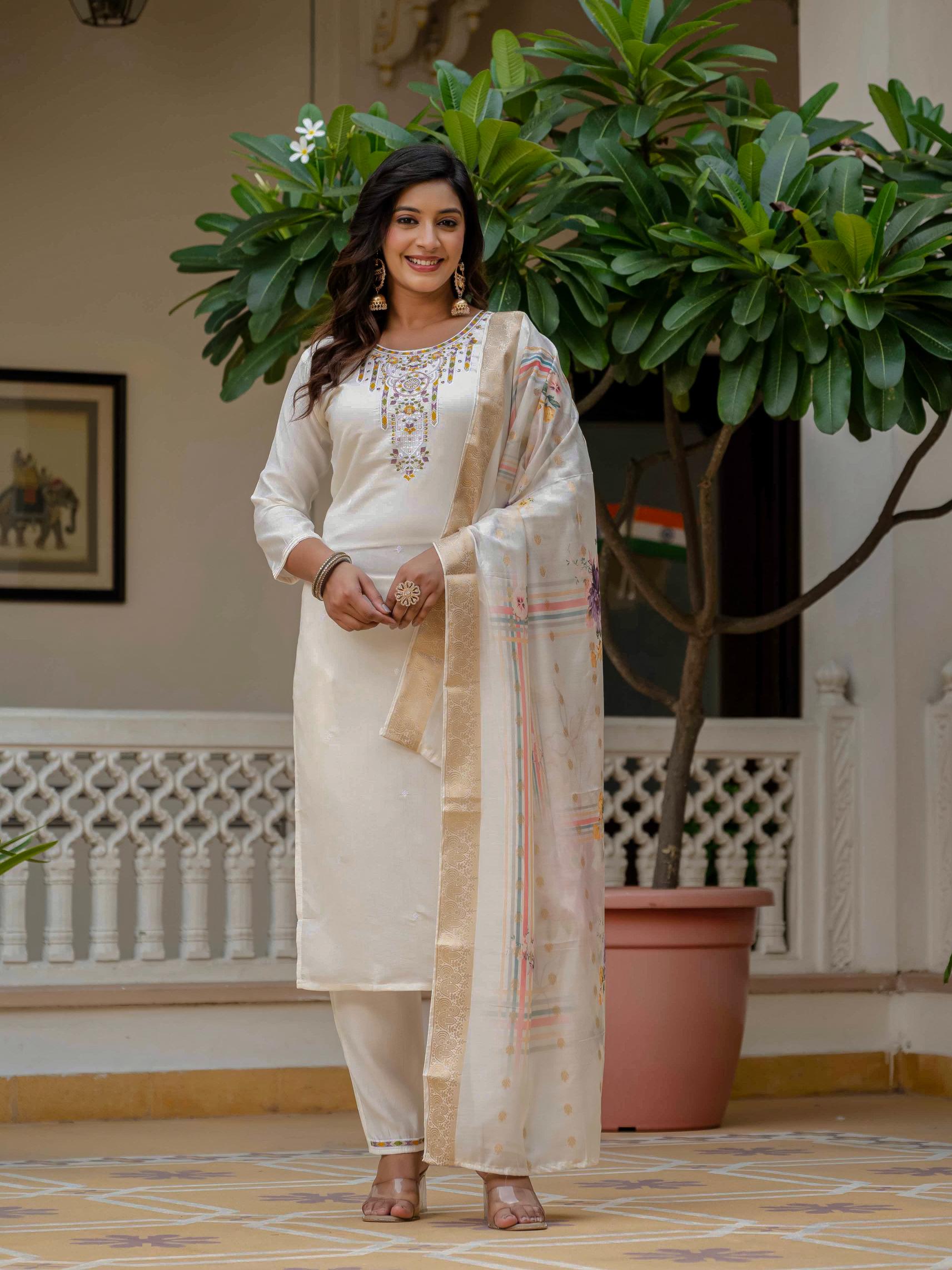
For example, a ₹3,000 two-piece set worn 15 times has a purchase-price cost of ₹200 per wear. A ₹4,500 three-piece set worn 12 times has a purchase-price cost of ₹375 per wear, but the three-piece set may still be better value if the dupatta is used with two other kurtas and appears at four formal occasions. The calculation changes again if the two-piece set requires a ₹900 dupatta to look appropriate for those occasions.
Use a simple wardrobe test before buying. List the next six likely wearing opportunities, then count how many are casual, work-related, festive or formal. A two-piece set may win if four or more events are everyday occasions. A three-piece set may win if the calendar includes ceremonies where a dupatta is expected and you don't already own versatile dupattas.
Price should also be compared against fabric performance. The Mustard Viscose Chanderi Kurta Set with Sequence Embroidery may offer a polished look through texture and surface detail, but viscose and sequins need more careful washing than a plain cotton set. A lower purchase price isn't a saving if the garment can't be maintained within your regular care routine.
Another practical calculation is replacement cost. If a two-piece set has an attractive kurta but an uncomfortable bottom, replacing the bottom may cost ₹800 to ₹1,500 depending on fabric and tailoring. If a three-piece set includes a well-fitting bottom and an usable dupatta from the beginning, the higher initial price may represent a more complete purchase.
Which Gives Better Value a Three-Piece Suit Set or a Two-Piece Set across different fabrics?
Breathable cotton and cotton-blend fabrics usually make two-piece sets practical for frequent wear, while Chanderi, Vichitra silk, Chinon silk and embellished textiles often make three-piece sets more suitable for elevated dressing. Fabric choice should match climate, movement, washing access and the expected number of wears.
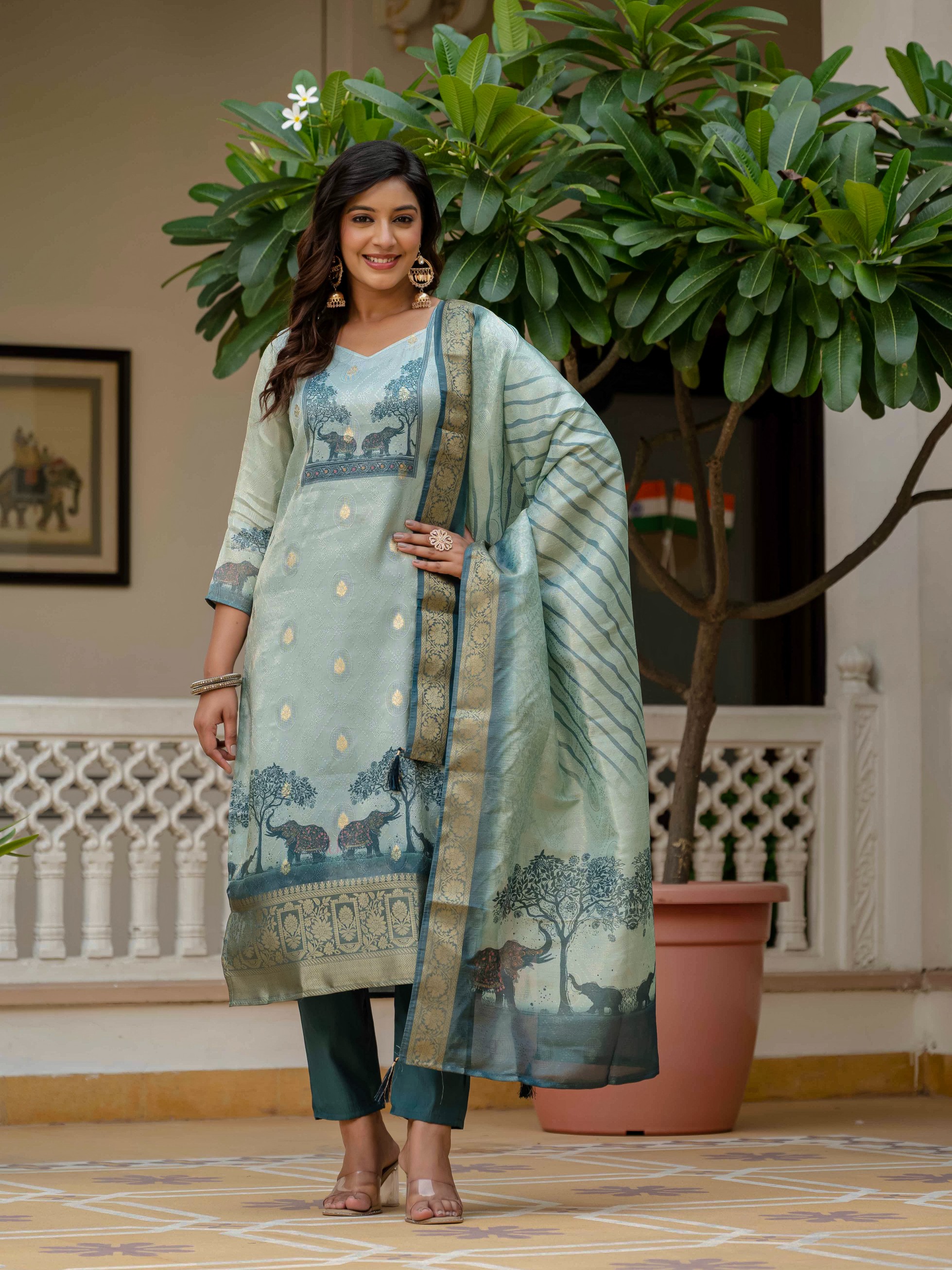
Which Gives Better Value a Three-Piece Suit Set or a Two-Piece Set in warm climates?
A two-piece set in a lightweight, breathable fabric usually gives better value in hot and humid weather. Fewer layers keep the body cooler and reduce the amount of fabric requiring regular laundering.
Lightweight cotton, rayon and breathable blends can feel comfortable in Indian summers, particularly when the kurta has room through the armhole and the bottom isn't overly fitted. A two-piece format also makes it easier to use a separate cotton scarf only when sun protection or additional coverage is needed.
A three-piece set can still work in warm climates when the dupatta is light and airy rather than densely embellished. Avoid treating a heavy silk or sequinned dupatta as everyday wear if carrying it, washing it and storing it will discourage frequent use.
Which Gives Better Value a Three-Piece Suit Set or a Two-Piece Set for formal fabrics?
A three-piece set usually gives better value for formal fabrics because the dupatta completes the visual effect of textured or embellished materials. Chanderi, Vichitra silk and Chinon silk can gain balance from a coordinated drape, especially when the kurta has embroidery concentrated around the neckline or hem.
The Pastel Blue Embroidered Chanderi Kurta Set with Dupatta shows how Chanderi can bring texture and occasion appeal. Chanderi often benefits from gentle handling, so confirm whether the care label permits machine washing before treating the set as daily wear.
The Elegant Beige Vichitra Silk Embroidered Kurta Set for Women can work as a refined base because beige accepts gold, pearl, maroon and emerald accessories. The Maroon Vichitra Silk Kurta Set with Elegant Embroidery Work brings a stronger festive direction and may need fewer accessories to look complete.
The Purple Pink Chinon Silk Embroidered Suit Set shows how a three-piece format can use colour contrast as part of its value. Purple and pink can be styled with metallic sandals or restrained jewellery, while the dupatta can soften the contrast when draped across the shoulder. Such a set is worthwhile when you attend several festive events but don't want to buy separate outfits for each one.
Which Gives Better Value a Three-Piece Suit Set or a Two-Piece Set for creating more outfits?
A two-piece set can create more outfits than a three-piece set when its kurta and bottom coordinate with garments already in your wardrobe. The number of pieces in the package matters less than colour compatibility, silhouette flexibility and whether each component looks complete when worn separately.
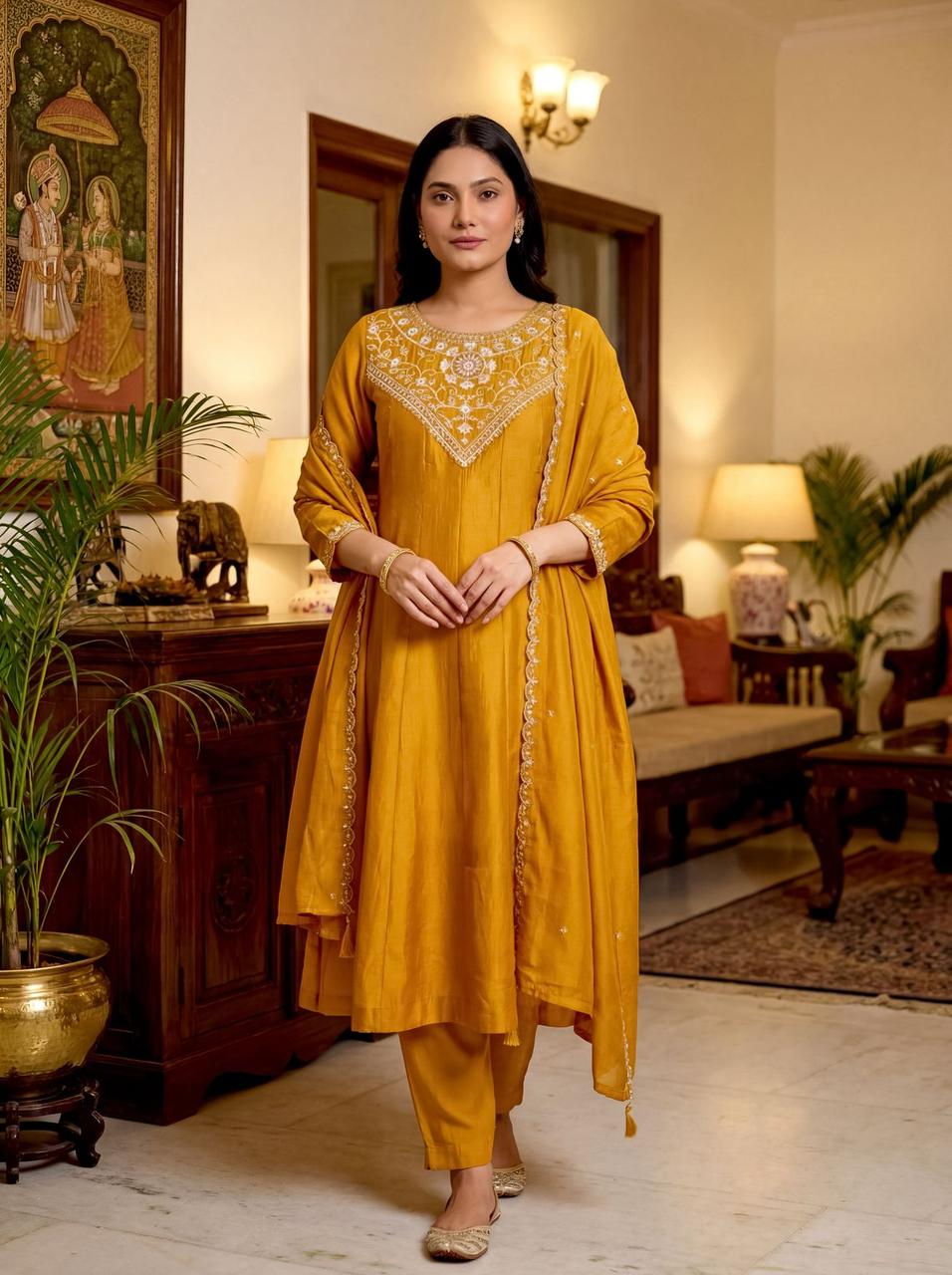
Test the kurta with at least three existing bottoms before buying: straight trousers, white or black palazzos, and a contrasting skirt or pair of jeans. Test the bottom with at least two tops if the fabric and waistband look flexible. This exercise reveals whether the set contains two genuinely useful pieces or one attractive piece and one item that will remain unused.
A two-piece kurta set in black, ivory, beige or a muted jewel tone often has strong mix-and-match potential. A printed kurta can pair with a plain bottom, while a plain kurta can accept a printed dupatta, embroidered jacket or contrasting stole. A highly specific print or unusual sleeve shape may reduce that flexibility even when the initial price is low.
A three-piece set brings a different kind of flexibility. The dupatta can be worn with a plain kurta from another outfit, the kurta can be paired with plain trousers, and the bottom can work with a longer tunic. The three components don't need to be worn together every time for the set to deliver value.
Regional-inspired collections can also affect styling mileage. Kalamkari Print Salwar Suits (Copy) may suit a relaxed daytime wardrobe when you enjoy combining printed pieces with plain accessories. Maharashtra Paithani Inspired Salwar Suits can provide a more ceremonial colour direction, while Gujarat Bandhej Salwar Suits can bring pattern and contrast to otherwise simple separates.
Which Gives Better Value a Three-Piece Suit Set or a Two-Piece Set when care and storage matter?
A two-piece set generally costs less to wash, dry, press and store, but a well-finished three-piece set can remain better value if its care requirements are manageable. Care instructions should be treated as part of the purchase decision rather than as an afterthought.
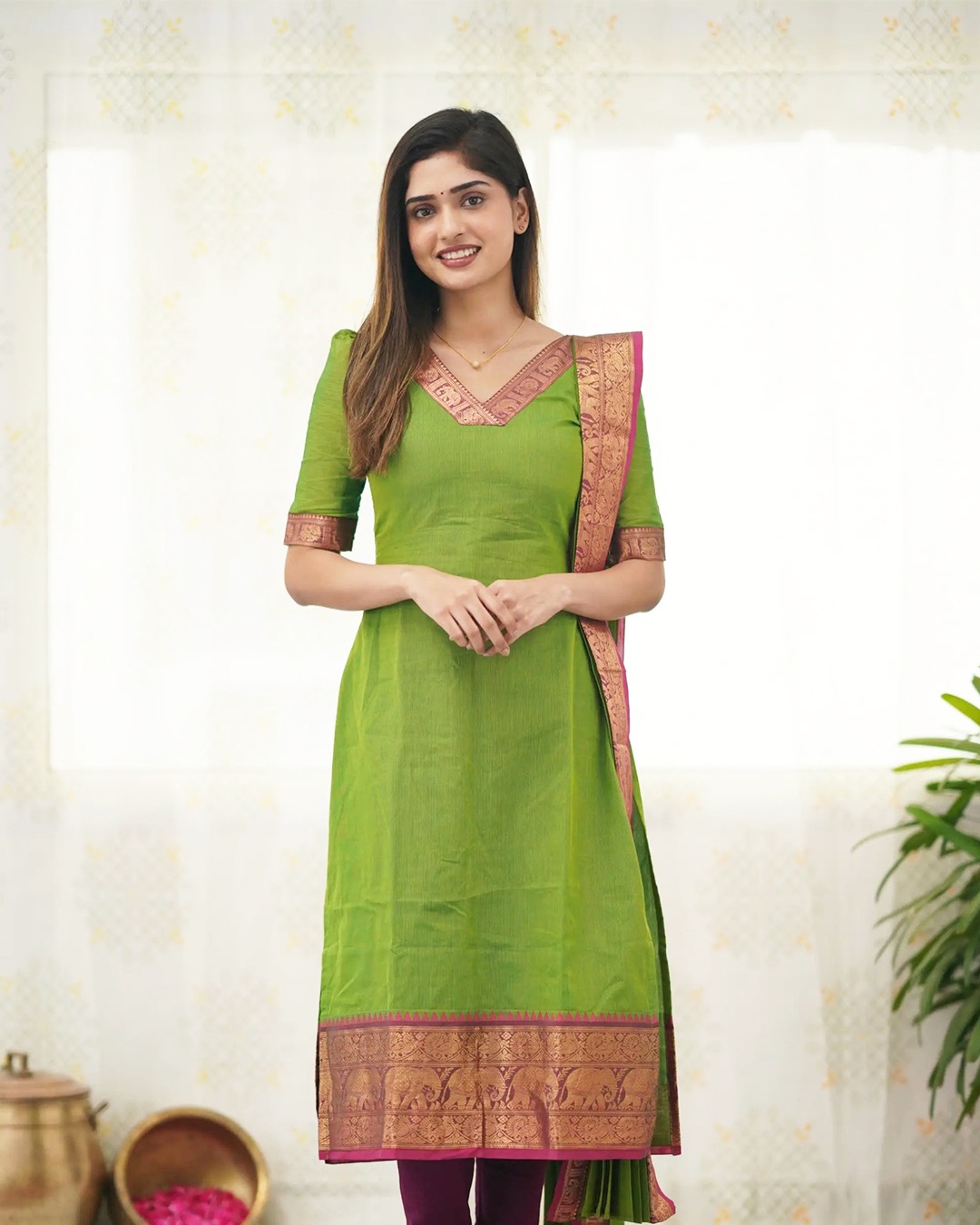
Check the label for washing temperature, drying method, ironing setting and whether dry cleaning is required. Embroidery, sequins, zari, silk blends and colour-blocked fabrics need more attention than plain cotton. Wash dark and light pieces separately, turn embroidered garments inside out and avoid wringing delicate dupattas.
Store a dupatta loosely folded rather than compressed beneath heavy garments. Dense embellishment can catch on neighbouring fabrics, and zari may crease permanently if pressed under excessive weight. Use a breathable cotton cover for long-term storage instead of sealing a slightly damp garment in plastic.
Three-piece sets also require more wardrobe space. If the dupatta is likely to remain in a drawer for most of the year, calculate its value conservatively. If the dupatta works with the Mustard Viscose Chanderi Kurta Set with Sequence Embroidery, a plain kurta or a festive lehenga, its storage space is easier to justify.
For regional style choices, Odisha Sambalpuri Salwar Suits can add a distinctive textile-led option to a wardrobe, while Punjab Patiala Salwar Suits offer a recognisable silhouette with a different proportion and styling requirement. Choose a collection because it fits your existing wardrobe and wearing habits, not only because its regional reference sounds attractive.
Which Gives Better Value a Three-Piece Suit Set or a Two-Piece Set for your wardrobe?
Choose a two-piece set when comfort, frequent wear, low maintenance and mix-and-match styling are your priorities. Choose a three-piece set when a dupatta will be worn regularly, formal occasions are common, and the complete outfit replaces the need for additional accessories or separate purchases.
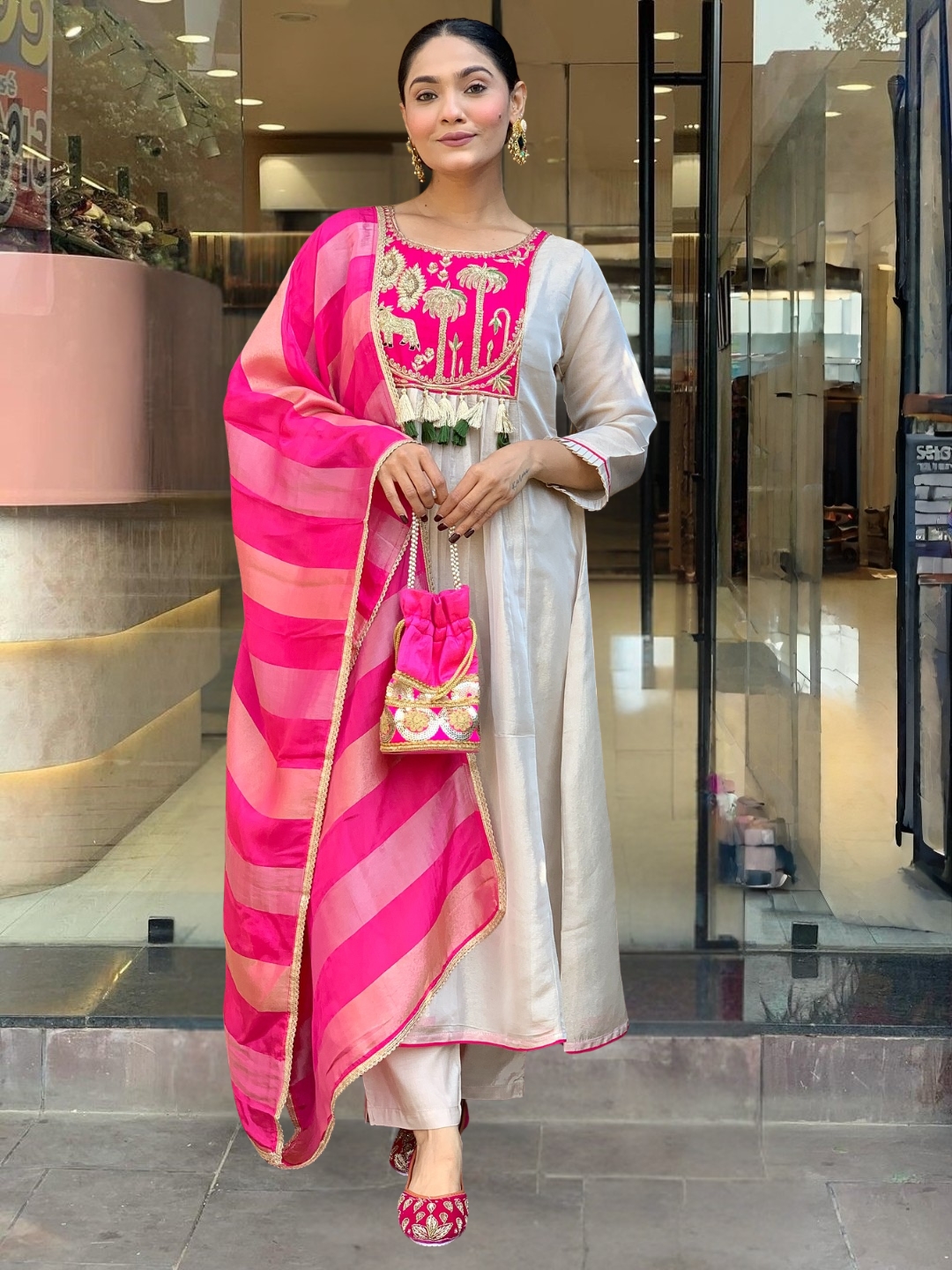
Before buying, check five practical details: the garment measurements, the bottom's waistband construction, the dupatta's length and fabric, the care label, and at least three occasions on which you'll realistically wear the set. Measurements matter because alteration costs can remove the apparent saving of a discounted garment.
A two-piece set is often the wiser choice for a first purchase, a compact wardrobe or a hot climate. A three-piece set is often the wiser choice for festive dressing, family functions and wardrobes that lack adaptable dupattas. Neither format is universally superior; value comes from matching the set to actual behaviour.
The strongest purchase is the set that earns repeated wear without demanding inconvenient care. A modestly priced two-piece outfit worn twice a month can outperform an ornate three-piece outfit worn once a year. Conversely, a three-piece outfit that serves weddings, puja visits, dinners and other celebrations can reduce the need for several separate purchases.
Common Questions About Choosing Two-Piece and Three-Piece Salwar Suit Sets
Which Gives Better Value a Three-Piece Suit Set or a Two-Piece Set?
A two-piece set usually gives better value for frequent everyday wear, while a three-piece set can offer better value for festive and formal occasions. Compare cost per wear, dupatta usefulness, fabric care and the number of outfits each piece can create.
Is a three-piece salwar suit worth buying if I rarely wear dupattas?
A three-piece salwar suit is usually not worth the extra cost if the dupatta will remain unused. A two-piece set is more practical, unless the dupatta can be worn with other kurtas or used for occasions that require additional coverage.
Are two-piece kurta sets suitable for weddings?
Two-piece kurta sets can suit daytime weddings and smaller family functions when the fabric, embroidery and accessories look sufficiently formal. Add a contrasting embroidered dupatta or a dressy jacket if the event requires more coverage or a more ceremonial finish.
How do I calculate the cost per wear of a salwar suit set?
Divide the purchase price and likely maintenance costs by the number of times you realistically expect to wear the set. Include alterations, dry cleaning, replacement accessories and the cost of buying a separate dupatta or bottom if the original set is incomplete for your needs.
Which fabrics are easiest to maintain in a salwar suit set?
Plain cotton and many washable cotton blends are generally easier to maintain than heavily embellished Chanderi, silk blends or sequinned fabrics. Always follow the garment care label because fibre blends, embroidery and colour treatments can change the correct washing method.
Can I wear the dupatta from a three-piece set with other outfits?
Yes, a dupatta can increase the value of a three-piece set when its colour, fabric and detailing coordinate with other kurtas. A versatile dupatta in beige, black, maroon, ivory or a compatible print is more useful than one restricted to a single heavily embellished outfit.


