

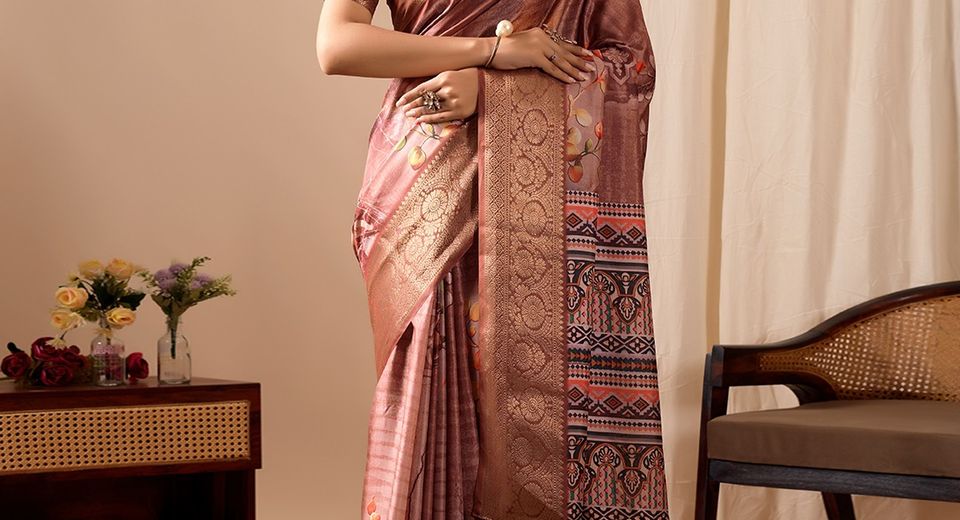
Knowing where to pin a saree without damaging delicate fabric can prevent tiny holes, pulled threads and permanent marks after just one wear. The safest points are usually existing seams, folded pleats and reinforced blouse edges, rather than an exposed section of silk, zari or fine linen. A small safety pin with a smooth closure, inserted horizontally through several layers, gives better support than a large sharp pin pushed through a single layer.
Saree pins are useful for keeping pleats aligned, holding the pallu on the shoulder and stopping the drape from shifting while walking. However, every pin creates tension at its entry and exit points. Fabric weight, weave, embellishment and the length of time the pin stays in place determine whether that tension is harmless or damaging. The following method helps you secure a saree while reducing stress on the most vulnerable fibres.
Where to Pin a Saree Without Damaging Delicate Fabric
The safest places to pin a saree are the inner edge of a pleat bundle, a stitched seam, the pallu's folded border, and the reinforced area where the saree meets the blouse or underskirt. These locations contain multiple fabric layers or stronger construction, so the pin doesn't pull on one isolated thread.
For front pleats, gather five to seven pleats and insert a small closed safety pin about 2 to 3 centimetres below the waistband. Pin through the inner folds, not through the visible outer pleat. The waistband hides the pin while the stacked layers distribute pressure. A second pin can sit 5 to 8 centimetres lower if the pleats are heavy, but two small pins are safer than one oversized pin carrying all the weight.
For the pallu, place the pin on the underside near the shoulder fold, approximately 8 to 12 centimetres below the top edge. Catch the pallu, blouse shoulder and, if necessary, one small section of the inner saree layer. Avoid piercing the decorative border, mirror work, woven zari or any area with loose floating threads. The shoulder seam of the blouse is a better anchor than the centre of the pallu.
For a waist-level anchor, pin into the saree's inner fold near the side seam rather than the front centre. A side position is less visible and reduces repeated strain on the same highly visible area. Sarees with delicate prints, fine zari or a loosely woven texture should have no more than the minimum number of pins needed to keep the drape stable.
Which Parts of a Saree Should Never Receive a Pin?
A pin should not pass through exposed zari, sequins, mirror work, tassels, loose embroidery, printed motifs with fine outlines or a single unsupported layer of fabric. These areas can snag, distort or leave a visible puncture that remains after the pin is removed.
Banarasi silk and other zari-rich weaves deserve particular care because metallic threads can catch on a pin point. Do not insert a pin directly through raised zari lines, especially along a border that will be handled repeatedly. A pin can lift the metallic thread, create a snag and make the border ripple.
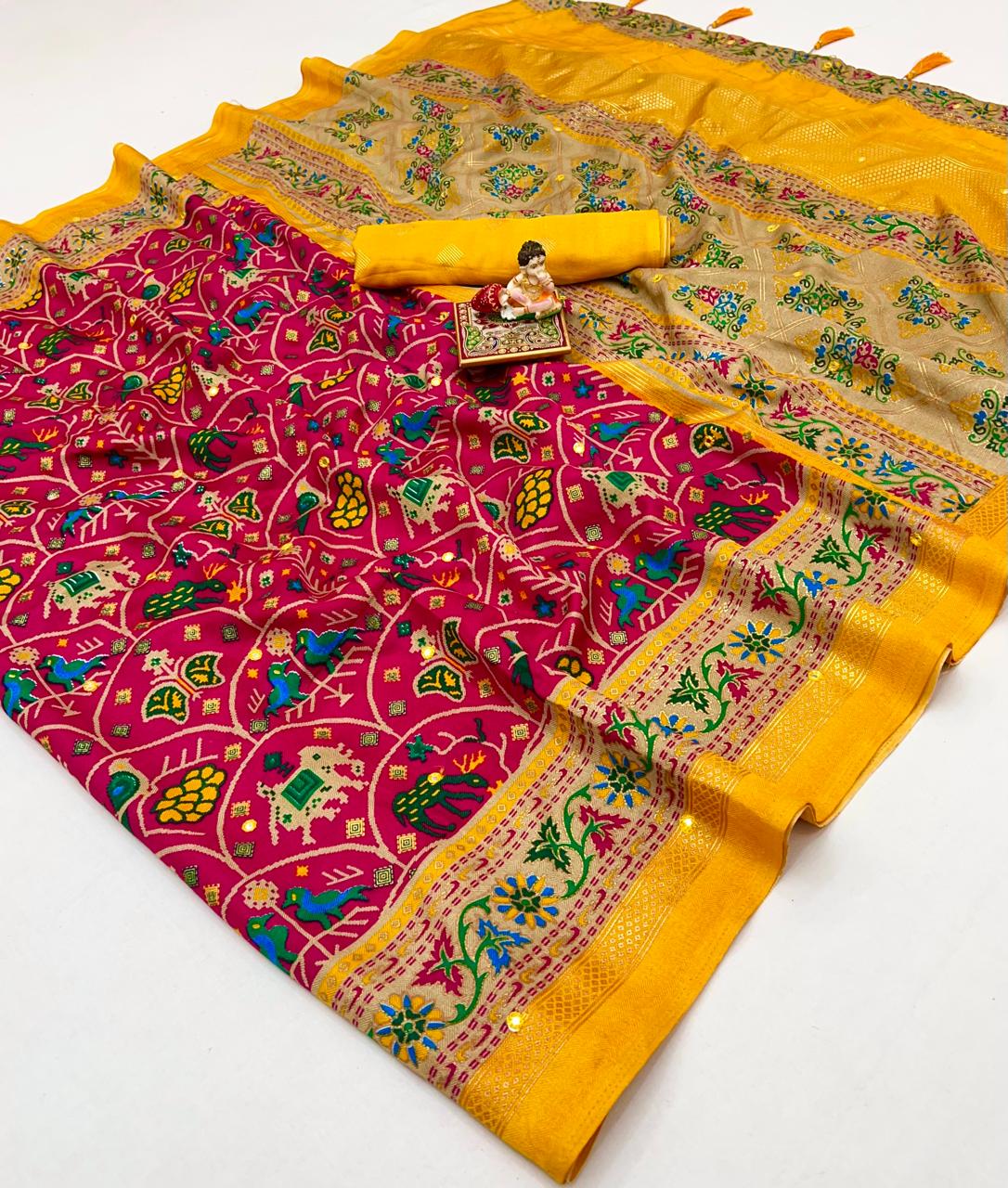
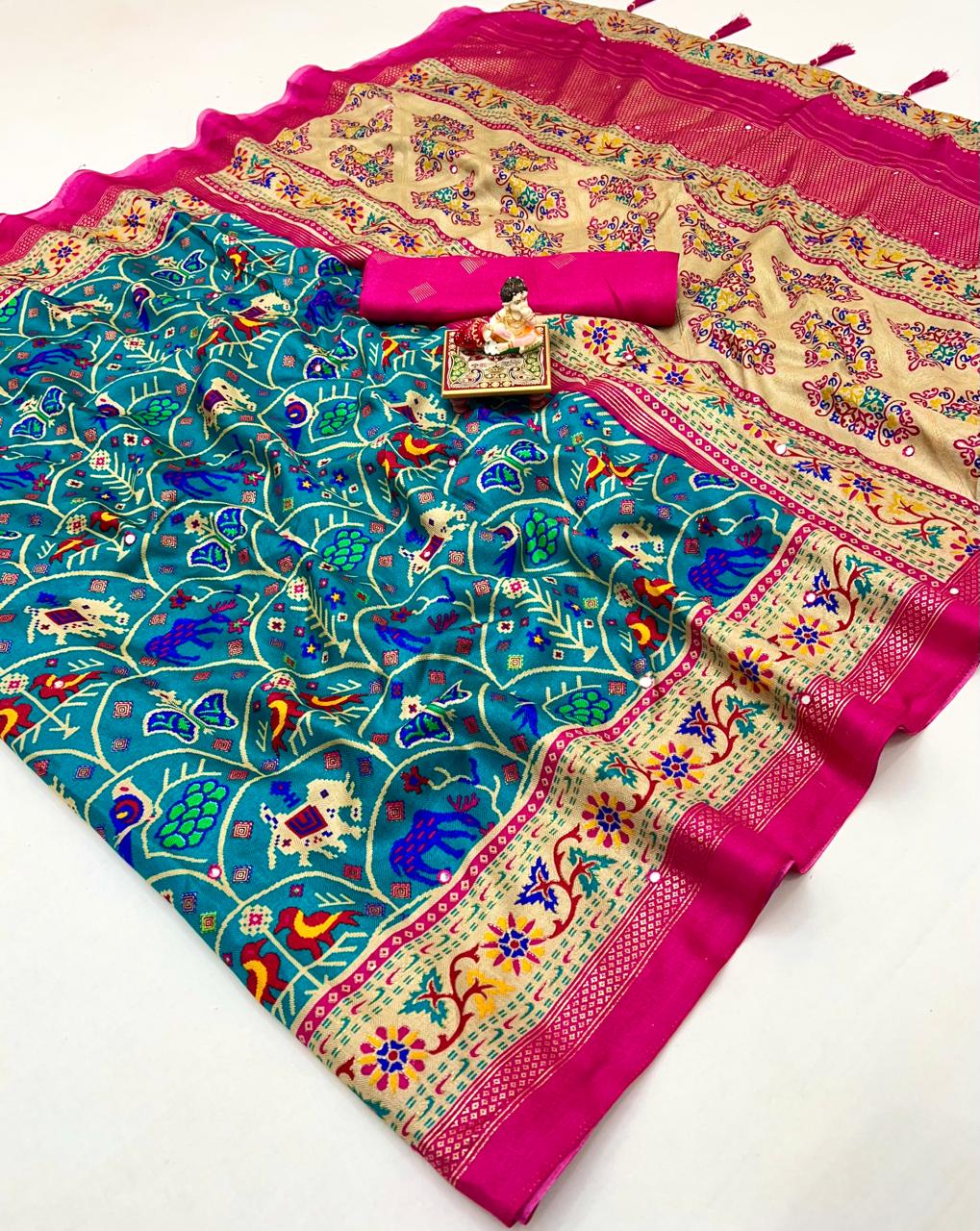
Patola-style printed silk also benefits from concealed pinning. A printed surface may look smooth, but a sharp point can still break silk filaments beneath the colour. The Designer Rani Pink Patola Print Pashmina Silk Festive Saree and the Pink Soft Pashmina Silk Printed Saree With Patola Border are better secured through inner pleat layers and the blouse shoulder seam than through their visible printed surfaces.
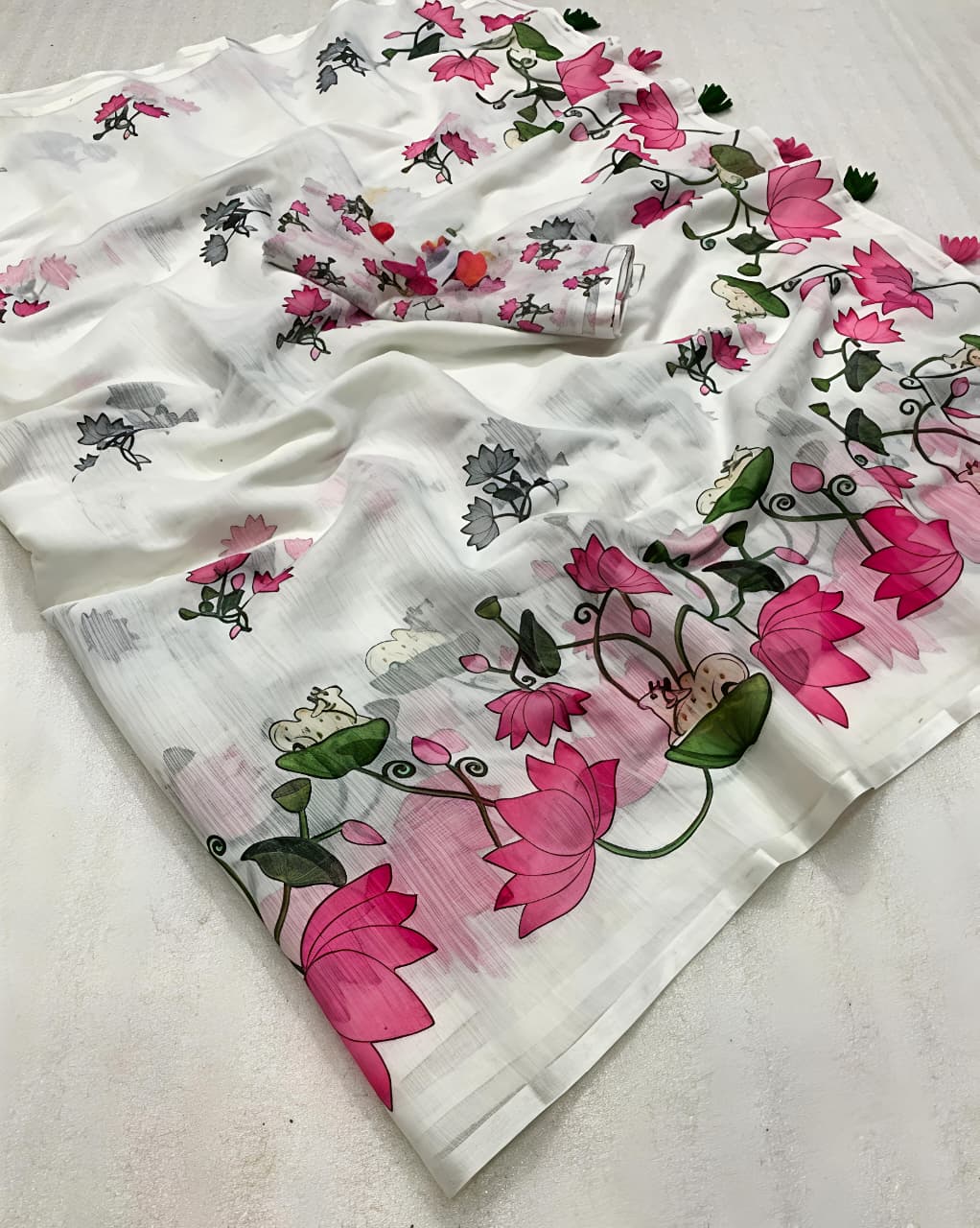
Avoid pinning directly through a fine linen edge when the edge is under tension. Linen and linen-cotton fabrics can develop a small split that becomes more noticeable after washing or pressing. The Elegant Mustard Linen Cotton Saree Set and Elegant Rust Linen Cotton Printed Saree Set should be anchored through their folded body layers, with the pin parallel to the waistband or shoulder rather than perpendicular to the fabric.
- don't pin through zari, sequins, mirror work or raised embroidery.
- don't push a pin through one thin layer when two or more inner layers are available.
- don't place pins at the very edge, where the weave can unravel.
- don't leave pins in a saree during storage or after the event.
- don't drag a closed pin sideways through fabric to reposition it.
How Should You Pin Saree Pleats?
Saree pleats should be pinned from the inside, about 2 to 3 centimetres below the waistband, after the pleats have been aligned on a flat surface. This position holds the pleat stack without creating a visible puncture in the front-facing layer.
Start by making even pleats with the finished edges aligned. Hold the pleats together and turn the bundle slightly inward so the pin enters the underside. Open the pin fully, catch two or three internal folds, and close it without forcing the point. The pin should lie parallel to the top edge of the pleats, not stand upright against the fabric.
Testing the closure matters as much as choosing the pin. Run a fingertip over the closed head and point; any roughness can catch silk, chiffon-like fine yarns or loose cotton fibres. A pin that feels smooth when closed is less likely to snag during movement. If the pleats are light, one small pin is usually enough. Heavy cotton or densely woven silk may need a second pin lower down, positioned inside the fold rather than across the visible panel.
The Maroon Cotton Saree with Zari Work for Wedding illustrates why weight distribution matters. Cotton body fabric can tolerate more handling than fine silk, but the zari work still needs protection. Secure the pleat bundle through the cotton layers and keep the pin away from the zari border. The Rust Maroon Handloom Cotton Saree with Floral Print and Traditional also benefits from a concealed inner-fold pin because handloom yarns can have natural irregularities that catch on sharp hardware.
Should pleat pins be vertical or horizontal?
A horizontal pin is generally safer for saree pleats because it spreads tension across the pleat bundle and stays flatter under the blouse or pallu. A vertical pin concentrates pull at a smaller section and can make the pleats fan out or leave a longer line of punctures.
Use a horizontal position when the pin is hidden near the waistband. For a lower stabilising pin, angle it slightly upward through inner folds so body movement doesn't pull directly against the point. The pin should never be so tight that the pleats pucker around it.
How Can You Secure the Pallu Safely?
The pallu is safest when pinned at a folded inner section near the shoulder seam, with the pin catching several layers and avoiding the decorative edge. A small pin placed 8 to 12 centimetres below the shoulder fold usually provides stability without marking the most visible part of the drape.

Fold the pallu over the shoulder and decide how much fall you want before pinning. Place one hand beneath the fold and insert the pin from the underside, catching the blouse fabric only if the blouse can safely receive a pin. A blouse made from satin, net or a fragile embellished textile may also snag, so the shoulder seam or a fabric-covered loop is preferable.
Heavy pashmina silk, dense cotton and embellished borders can pull strongly during sitting and walking. In those cases, use two anchoring points: one near the shoulder seam and one inside the upper pleat stack. Do not add several pins along the pallu edge. Multiple punctures close together can create a perforated line, especially in silk.
The Heritage Peacock Patola Pashmina Silk Saree and Pink Patola Print Pashmina Silk Saree With Mirror Work both call for careful shoulder pinning. The mirror work on the latter should not be pierced because a pin may catch the thread securing a mirror. Insert the pin into the plain inner fold beside the embellished area, then check that the pallu can still move naturally.
Which Pins Are Safest for Silk, Zari and Linen?
Small, high-quality safety pins with smooth, rounded closures are safest for most delicate sarees. A size 0 or small size 1 safety pin is suitable for light pleat and pallu work, while a medium pin may be reserved for a thick cotton fold that needs extra grip.
Choose pins with a clean, even point and a closure that fully covers the tip. Rust, rough plating and bent points can stain fabric or pull yarns. Keep separate pins for sarees if ordinary sewing pins in a household tin have become blunt or oxidised. A blunt point can be more damaging than a sharp, polished point because it pushes and distorts fibres rather than entering cleanly.
- For silk and pashmina silk: use the smallest smooth safety pin that can hold the folded layers.
- For zari sarees: keep the pin away from metallic thread and use the inner cotton or silk body as the anchor.
- For linen-cotton sarees: pin through a broad folded section and avoid the unsupported edge.
- For handloom cotton: use a smooth pin and inspect the weave for raised slubs before inserting it.
- For mirror work: pin beside the embellishment, never through its attaching thread.
Magnetic brooches and decorative clips can be useful only when their backs are fully fabric-safe and the weight is low. A heavy brooch can stretch the pallu even without a sharp point. Test any accessory on an inconspicuous inside fold before wearing it for a full event.
How Do You Test a Saree Before Pinning It?
A hidden-area test is the most reliable way to check whether a pin is suitable for a particular saree. Use an inside fold or the seam allowance, insert the pin once, remove it, and inspect the area under bright light for a hole, pulled yarn or colour change.

Run the closed pin lightly across a spare piece of similar fabric before touching the saree. If the pin catches, replace it. Do not test on the border, pallu face or any visible motif. A fabric swatch from the blouse stitching or an old matching cloth is a safer trial surface.
Wear the saree for five minutes before adding more pins. Walk, sit, climb a few steps and lift one arm. If the pleats remain aligned and the pallu stays at the intended shoulder position, extra pins are unnecessary. Every additional pin increases the number of possible puncture points.
Price doesn't determine pin safety, but fabric information can guide the method. A budget cotton saree from Sarees from Rs 1000 to Rs 1500 may tolerate a conventional concealed pleat pin, while a delicate silk saree needs the same careful technique regardless of price. Discount collections such as Sarees Under 20% Off and Sarees Under 10% Off can include different weaves, so inspect the actual fabric rather than assuming that a lower price means a stronger textile.
What Should You Do After Removing the Pins?
Remove each saree pin by opening it fully and lifting it straight out of the fabric, then check the pin for loose threads before pulling it away. Sliding a closed pin along the saree can create a long snag even when the original puncture was small.
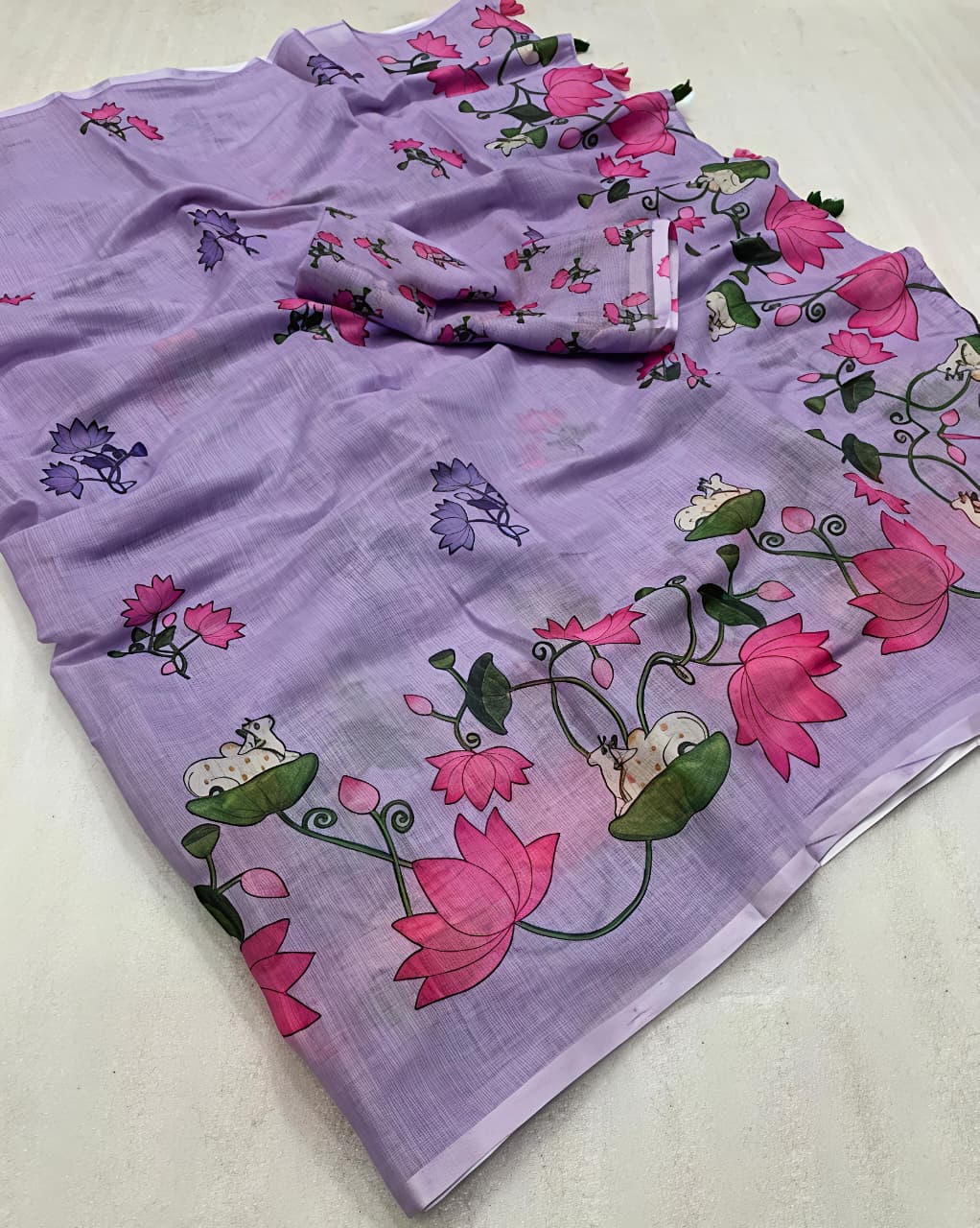
After removal, hold the fabric flat for a few seconds and gently smooth the pin area with clean hands. Do not rub hard, stretch the cloth or press a damp mark immediately. Small temporary punctures in cotton may relax after airing, but a silk or zari saree should not be aggressively manipulated.
Store the saree without any pins attached. Air the saree for several hours before folding, particularly after a humid wedding or crowded event. Fold along different lines from the pin points when possible, place soft unbleached tissue around zari or mirror work, and keep the saree in a breathable cotton cover rather than sealed plastic.
For significant snags, lifted zari, broken threads or a spreading hole, stop wearing the saree and consult a professional textile repair specialist. Pulling the loose thread or applying household glue can make the damage permanent. A specialist can often secure a broken yarn from the reverse side before the affected area grows.
A Five-Minute Safe-Pinning Routine
A short preparation routine reduces both draping stress and fabric damage. Lay the saree on a clean bed or table, identify the pleat anchor and shoulder anchor, and prepare only the number of smooth pins required for those two points.

- Inspect the pin points, closures and edges for roughness or rust.
- Make the front pleats and hold them 2 to 3 centimetres below the waistband.
- Insert one horizontal pin through the inner pleat folds.
- Drape the pallu and mark the underside near the shoulder seam.
- Insert one small pin through the folded pallu and a secure blouse area.
- Walk, sit and raise your arms before deciding whether a second pin is necessary.
- Remove every pin straight after changing and store the saree unpinned.
Collections such as Sarees Flat 60% Off and Sarees Flat 50% Off may make it tempting to experiment with a new drape immediately, but every saree still deserves a fabric check first. A carefully placed pin protects the garment, keeps the silhouette neat and makes the saree more comfortable throughout a long celebration.
Common Questions About Pinning Delicate Sarees Safely
Where should I pin a saree pallu so it does not leave holes?
Pin the pallu on its underside, 8 to 12 centimetres below the shoulder fold, and catch several layers near the blouse shoulder seam. Keep the pin away from zari, mirror work, sequins, embroidery and the visible border.
Can safety pins damage a silk saree?
Safety pins can damage silk when they have rough points, are too large, or pass through a single exposed layer. Use a small smooth pin through concealed pleat or pallu folds, test it on an inside area, and remove it immediately after wearing.
How many pins should I use for saree pleats?
One small horizontal pin is usually enough for light pleats, positioned 2 to 3 centimetres below the waistband. Heavy cotton or dense silk may need a second concealed pin, but several closely spaced pins can create a line of holes.
Can I pin through a saree border?
You should avoid pinning through a saree border when the border contains zari, mirror work, embroidery or loose decorative threads. Anchor the saree through the plain inner body or folded underside beside the border instead.
What is the best pin for a delicate saree?
A small safety pin with a polished point, smooth closure and no rust is the best general choice for a delicate saree. The pin should be the smallest size that holds the fabric layers securely, because an oversized pin creates unnecessary puncture and weight.
How do I remove saree pins without pulling the fabric?
Open each safety pin completely and lift it straight out rather than sliding it sideways through the cloth. Check for caught threads, then smooth the fabric gently and store the saree without pins attached.


