Where to find handloom sarees with credible origin information is a practical question, not merely a search for a beautiful drape. A trustworthy listing should help you understand the fabric, weaving method, place or tradition associated with the saree, seller identity and care requirements. A photograph alone can't prove that a saree is handwoven. Before buying online, look for specific documentation and descriptions that can be checked rather than relying on words such as "traditional," "authentic" or "artisan-made."
Handloom sarees can differ significantly in fibre, weave, finishing, weight and price. A Banarasi silk saree, Kanjeevaram silk saree, Chanderi saree and a tissue handloom cotton saree don't carry the same origin signals or construction details. The most reliable shopping process combines the product page, visible labels, seller policies, invoice information and direct questions to customer support.
What makes the origin information on a handloom saree credible?
Credible origin information identifies the textile, the weaving claim and the responsible seller with enough detail for a buyer to verify each point. A strong product description names the fibre or fibre blend, explains the weave or finish, gives the saree dimensions and states whether a recognised label or geographical indication applies.
"Handloom" describes the method of weaving, while "Banarasi," "Kanjeevaram" and "Chanderi" can refer to regional textile traditions with their own technical and cultural histories. A saree may be handwoven without belonging to a protected geographical indication, so the absence of a GI reference doesn't automatically prove that the saree is machine-made. Conversely, a regional name alone doesn't establish that every saree carrying that name has been woven in the region.
Look for measurable information such as a saree length of approximately 5.5 metres, a blouse piece when included, fabric composition, approximate weight, wash instructions and the type of zari. Zari may be metallic yarn, tested zari or a modern imitation, and the listing should avoid presenting all zari as solid precious metal. Clear limitations are a positive sign because responsible sellers don't promise uniformity in naturally woven textiles.
- Seller identity: The website should show a legal business name, customer support contact and an usable return or exchange policy.
- Material description: The listing should distinguish cotton, silk, tissue, polyester and blended fibres instead of using "silk" as a loose style label.
- Origin wording: Regional claims should be specific, such as a named weaving cluster or textile tradition, rather than simply "Indian handloom."
- Verification signals: A Handloom Mark, India Handloom Brand reference or applicable GI information is more useful than an unsupported "100% authentic" claim.
- Commercial records: The invoice should identify the seller and the purchased product, especially when the price is high or the saree is described as silk.
Where to find handloom sarees with credible origin information online
you're most likely to find credible handloom saree information on a seller's detailed product page, a verified weaver or cooperative website, an established textile retailer and a marketplace listing that provides a full seller profile and invoice. Online shopping isn't automatically less reliable than store shopping, but online buyers need more written evidence because they can't inspect the selvedge or touch the fabric before payment.

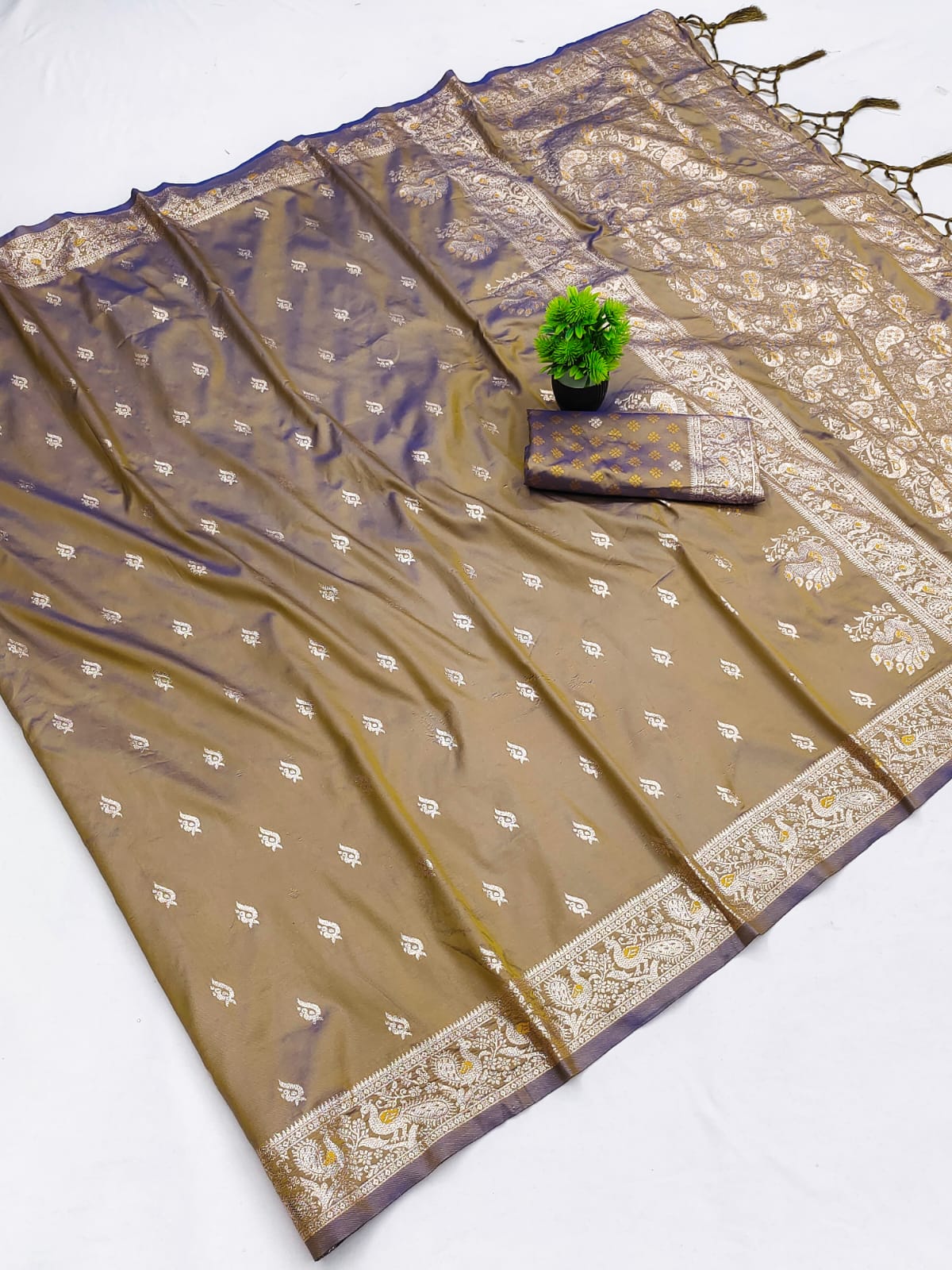
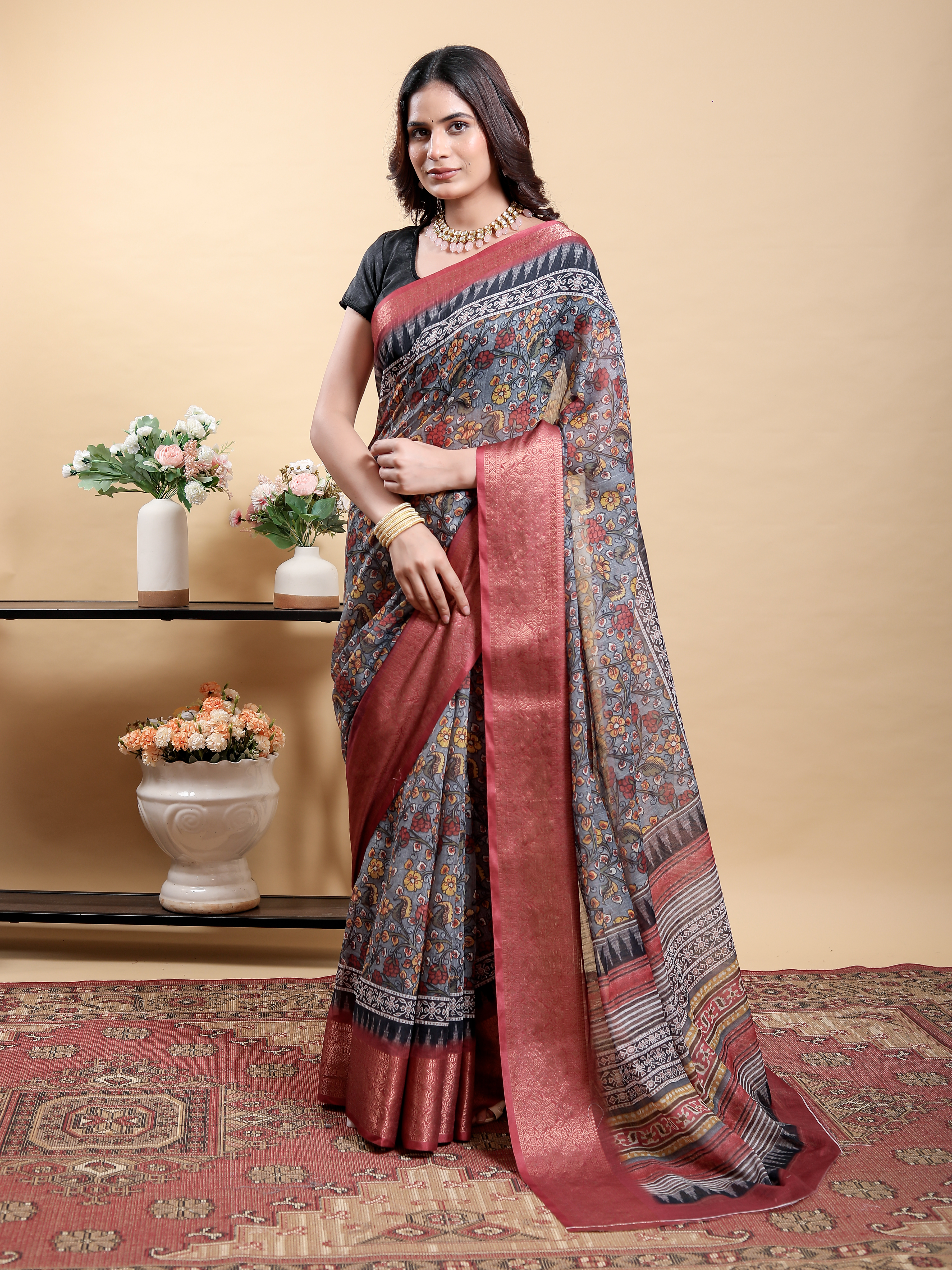
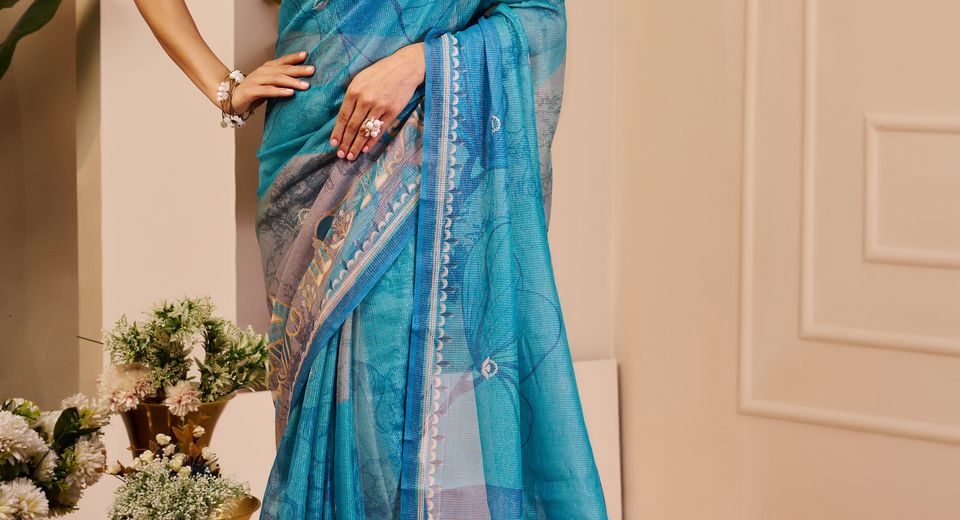
Start with the product page rather than a broad category banner. An useful listing describes the actual saree, not just the collection. For example, names such as Pastel Floral Tissue Handloom Cotton Saree with Zari Weaves and Wine Tissue Handloom Cotton Saree with Zari & Floral Prints communicate more than a generic "designer saree" label because they identify a tissue cotton base and a zari or floral treatment. The description should still confirm the exact fibre content and weaving details.
Product photographs can support, but can't replace, written information. Examine close images of the border, pallu, reverse side and selvedge when those views are available. A handloom saree may show small variations in alignment, texture or colour density; such variations can be compatible with hand weaving, but they're not conclusive proof on their own.
Dedicated textile institutions and government-backed handloom programmes can help explain labels and regional traditions. The Handloom Mark scheme is intended to identify genuine handwoven products, while India Handloom Brand is associated with quality and authenticity standards for eligible handloom products. Ask whether the individual saree carries the relevant label, rather than assuming that a retailer's entire catalogue has identical certification.
Which labels and documents should you check before buying?
The most useful checks are the Handloom Mark label, a relevant India Handloom Brand reference, a genuine GI indication where applicable, a detailed invoice and a written material declaration. No single label answers every question about a saree, so use several checks together.

Handloom Mark and India Handloom Brand
A Handloom Mark is a stronger authenticity signal than an unverified claim in marketing copy because the scheme is designed to distinguish handwoven products. India Handloom Brand is another recognised quality and authenticity initiative. Ask for a clear photograph or product-level confirmation when a listing mentions either programme, and check whether the label applies to the specific saree you're purchasing.
Geographical indication and regional names
A GI reference can connect an eligible textile to a defined geographical area and production requirements, but a GI name should not be treated as a universal substitute for a product label. For example, a Banarasi silk saree, Kanjeevaram and Chanderi carry different regional associations and technical expectations. A seller should explain the relevant tradition instead of using a famous place name only to increase perceived value.
Invoice, fibre and return information
An invoice should identify the seller, date, item and price, while the product description should state whether the saree is cotton, silk, tissue cotton, a blend or a synthetic imitation. A return policy matters because a buyer may discover a mismatch between the written description and the received product. Save screenshots of the product page, label claims and order confirmation until the return period ends.
A credible origin claim should survive three questions: what is the fibre, who made or supplied the saree, and what evidence supports the stated weaving or regional tradition?
How can you tell whether an online handloom saree description is too vague?
A handloom saree description is too vague when it uses premium-sounding words without identifying construction, material, dimensions or evidence. Phrases such as "pure ethnic," "heritage look," "luxury weave" and "authentic classic saree" may describe styling, but they don't establish origin.

Be cautious when "silk" appears only in the title and the fibre composition is missing. A listing for Silk Sarees Under 3000 With Discount may contain affordable silk or silk-look options, but price alone can't prove or disprove authenticity. Ask whether the saree is pure silk, a silk blend, art silk or another material, and request the exact composition in writing.
Another warning sign is a product page that shows only model photographs, gives no close-up of the weave and avoids stating whether the zari is zari-like, metallic or tested. A low price can result from a cotton base, a smaller production cost, a sale or a simpler weave; low price isn't by itself evidence of counterfeit goods. The problem is the combination of a dramatic authenticity claim and missing technical information.
Reviews can reveal useful practical details, including transparency, colour variation, fall, blouse-piece length and delivery quality. Reviews can't independently certify a handloom origin because most buyers don't have access to production records. Treat reviews as evidence about the seller's service and product consistency, not as a replacement for labels or documentation.
What should you ask a saree seller before placing an order?
Ask the seller for fibre composition, weaving location or tradition, certification details, saree measurements, zari description, blouse-piece information and care instructions. Written answers are preferable because they create a record of what was represented before purchase.

- Is the saree handwoven, hand-finished or only hand-printed?
- What percentage of the fabric is cotton, silk or another fibre?
- Does the saree carry a Handloom Mark or India Handloom Brand label?
- Is the regional name connected to a GI-recognised textile, and does that reference apply to this product?
- What are the saree length, width and approximate weight?
- What is the zari made from, and will the metallic surface change with wear?
- Is the blouse piece included, and are blouse-piece measurements separate from saree measurements?
- What washing, ironing and storage method does the seller recommend?
Specific answers are more valuable than a quick assurance that the saree is "genuine." If customer support can't confirm the fibre composition or refuses to discuss origin evidence, choose a listing with better documentation. The same checklist applies to women's party wear, wedding sarees and everyday cotton sarees.
How do product names help you compare handloom sarees?
Product names help with initial comparison when they identify the base textile, surface treatment and design, but product names are not certification. A name such as Blue Tissue Handloom Cotton Saree with Zari Floral Print tells you to investigate tissue cotton, handloom construction, zari and floral printing; it doesn't independently prove each claim.

Blue Tissue Handloom Cotton Saree With Zari | Varnavi's and Cream Pink Tissue Handloom Cotton Saree with Zari use descriptive details that can help a buyer compare colour and embellishment, while the product page must provide the supporting technical information. Cream Floral Tissue Handloom Cotton Saree with Zari Weaving and Sky Blue Tissue Handloom Cotton Saree with Floral Print offer further examples of why buyers should separate colour, motif, weave and fibre into individual checks.
Collection names can also help you browse by budget or occasion, but they should not be mistaken for proof of origin. Pink Georgette Sarees and Party Wear Sarees may contain different construction methods, so read each product page individually. Red Banarasi Silk Sarees for Weddings Under 1100 signals a price and regional style direction that deserves particularly careful checking of silk composition, zari and certification before purchase.
How should you care for a handloom saree after checking its origin?
Follow the seller's care label first, and use gentle dry cleaning or a specialist textile cleaner when the saree contains delicate zari, silk or unstable dyes. Cotton handloom sarees may tolerate more practical care than silk, but washing instructions depend on dye, finish, zari and embellishment rather than the word "cotton" alone.

Store a saree clean and completely dry, away from direct sunlight and damp walls. Fold heavy zari sarees along different lines every few months to reduce permanent crease stress, and place acid-free tissue or clean cotton between folds when the metallic surface is delicate. Avoid spraying perfume directly on zari, silk or printed areas because alcohol and oils can mark fibres and accelerate surface change.
Record the label, invoice and care instructions when the saree arrives. Photographing the border, pallu and label is useful for future insurance, resale or repair questions. Care records also make it easier to distinguish expected handloom variation from damage caused by unsuitable washing or storage.
A reliable checklist for choosing a handloom saree online
A reliable online purchase begins with evidence that's specific, consistent and recoverable after checkout. Compare the product title with the description, images, label information, invoice and care instructions before paying.

- Confirm the exact fibre and whether the saree is pure, blended or synthetic.
- Check whether "handloom" refers to the complete saree rather than a hand-finished detail.
- Look for Handloom Mark, India Handloom Brand or relevant GI information where applicable.
- Read dimensions, blouse-piece details, zari description and colour-variation notes.
- Verify the seller's legal identity, customer support and return window.
- Save the listing and invoice so the original claims remain available after delivery.
- Ask written questions when the listing uses a regional or silk claim without evidence.
The most dependable answer to where to find handloom sarees with credible origin information isn't a single website or shopping app. It is a seller whose product pages provide traceable details and whose records match the saree delivered. A careful buyer can enjoy floral tissue cotton, Banarasi silk, Chanderi or other Indian textile traditions without confusing attractive styling language with proof of origin.
Questions to Ask Before Buying a Verified Handloom Saree
What is the best online store for sarees in India?
The best online store is one that provides product-level information rather than only broad claims about authenticity. Compare fibre composition, dimensions, origin details, certification references, invoice information, customer support and return terms before choosing a seller.
Which company saree is best in India?
No single company is best for every saree buyer because quality depends on the textile, weaving tradition, budget and documentation supplied. A reliable company clearly identifies the seller, describes the material accurately and responds to questions about Handloom Mark, GI references, zari and care.
Which app is best for saree shopping in India?
The best app is the one that preserves detailed product specifications, verified seller information, secure payment records and a usable return process. An app name alone cannot establish that a saree is handwoven, so inspect the individual listing and save the invoice.
Which online site is best for buying silk sarees?
The best site for silk sarees is one that states whether the fabric is pure silk, a blend, art silk or another fibre and provides care and certification information where relevant. Buyers should also verify zari details, seller identity, measurements and return conditions before ordering.
How can I check whether a saree is genuinely handloom?
Check for a Handloom Mark or India Handloom Brand reference, a specific material description and a seller who can explain the weaving claim. Photographs and small irregularities may support the description, but they cannot replace labels, written records or a credible invoice.
Does a low price mean that a handloom saree is fake?
A low price does not automatically mean that a handloom saree is fake because cotton, simpler weaves, sales and lightweight construction can reduce cost. A buyer should become cautious when a low price is paired with missing fibre details, unclear seller identity or unsupported claims about silk, GI origin or zari.