Where to buy traditional jewellery with accurate material descriptions depends on the quality of the product information, not only on a polished photograph. A reliable listing should name the base metal, purity or grade, plating, gemstones, dimensions, weight, care requirements and any relevant hallmark. Those details help shoppers choose jewellery that suits a traditional ceremony, matches an outfit and fits a realistic budget.
Traditional clothing often carries strong visual cues: zari, regional motifs, bright silk, handloom textures and heirloom-inspired colour. Jewellery completes that language, but a gold-coloured necklace may be brass, gold-plated silver, gold-tone alloy or solid gold. Knowing the difference prevents mistaken assumptions and makes online comparison much easier.
Where to Buy Traditional Jewellery With Accurate Material Descriptions
Buy traditional jewellery from sellers that provide a written specification for every important material, rather than relying on terms such as "premium," "royal" or "temple finish." A dependable product page identifies whether a piece is made from 925 sterling silver, stainless steel, brass, an alloy, solid gold or another base material.
The description should also separate the base metal from the surface finish. "Gold-plated brass" means brass is the underlying metal and gold covers the surface; it doesn't mean the piece is solid gold. "Gold-tone alloy" usually describes colour and appearance without promising a measurable gold layer. "Oxidised silver finish" can describe a darkened appearance on another metal, so the base metal still needs to be stated.
Look for a product specification that includes plating type, approximate plating thickness when available, stone composition, clasp material, dimensions and net weight. A seller that publishes these fields gives you evidence to compare. A seller that offers only a colour name and a photograph leaves important questions unanswered.
Regional context can also help you judge whether a design suits your clothing. For example, jewellery inspired by Sikkim, Uttarakhand, Himachal Pradesh, Goa or Northeast India may use different proportions, pendants and ornament vocabulary. The Sikkim Traditional Women's Dress Collection and Traditional Northeast Indian Dress Occasion Collection provide useful visual context when choosing jewellery for regional dress-inspired styling.
Which Material Terms Should a Jewellery Listing Explain?
A jewellery listing should explain the base metal, purity, surface treatment, stones, dimensions and care instructions in separate, unambiguous terms. Each term answers a different question about performance, value and maintenance.
Base metal and purity
Base metal tells you what most of the item is made from. Common descriptions include brass, copper, stainless steel, German silver, sterling silver, gold alloy and mixed metal. "German silver" mostly refers to a nickel-containing alloy and doesn't mean the item contains sterling silver. "Silver finish" also describes appearance unless a silver content or 925 mark is specified.
925 sterling silver contains 92.5% silver, with the balance usually made from other metals that improve strength. A 925 mark is useful, but a printed claim alone isn't independent proof of purity. For valuable silver jewellery, ask whether the item carries a recognised hallmark, comes with an assay or authenticity document, and includes a clear return process if testing reveals a mismatch.
Gold purity is commonly expressed in karats. 24-karat gold is nearly pure but soft, while 22-karat, 18-karat and 14-karat gold contain increasing proportions of other metals. Indian buyers may encounter BIS hallmarking on eligible gold jewellery. A hallmark should be treated as a verification detail, not as a substitute for reading the item's exact weight, making charges and invoice.
Plating and finish
Gold-plated jewellery has a layer of gold over another metal, while gold vermeil generally means a substantial gold layer over sterling silver under a defined standard. Gold-filled jewellery has a mechanically bonded gold layer and should not be confused with ordinary plating. Terms such as antique gold, temple gold, matte gold and mirror polish describe visual finish unless the listing separately identifies the metal.
Plating longevity depends on contact with sweat, perfume, water, friction and skincare products. A necklace worn occasionally over clothing may retain its appearance longer than bangles exposed to frequent rubbing. An accurate listing should state whether the item is water-resistant, whether plating thickness is disclosed and which areas are most likely to show wear.
Stones and decorative materials
Stone descriptions should state whether the stones are natural, synthetic, lab-grown, glass, resin, enamel or imitation. "Ruby look" and "emerald colour" usually describe appearance rather than gemstone identity. Kundan-inspired work, meenakari-style colour and polki-style settings can refer to a design approach, not necessarily to natural gemstones or uncut diamonds.
Ask for stone dimensions, setting method and total stone count when those details affect value or durability. Pearls should be identified as freshwater, cultured, imitation or another type. Shell, lac, resin and glass can create beautiful traditional effects, but each material needs different care and should not be presented as a precious gemstone.
How Can You Check Whether an Online Jewellery Description Is Trustworthy?
You can assess an online jewellery description by comparing its claims with the invoice, hallmark information, close-up photographs, dimensions and return terms. Trustworthy information remains consistent across the title, specifications, FAQs and checkout page.
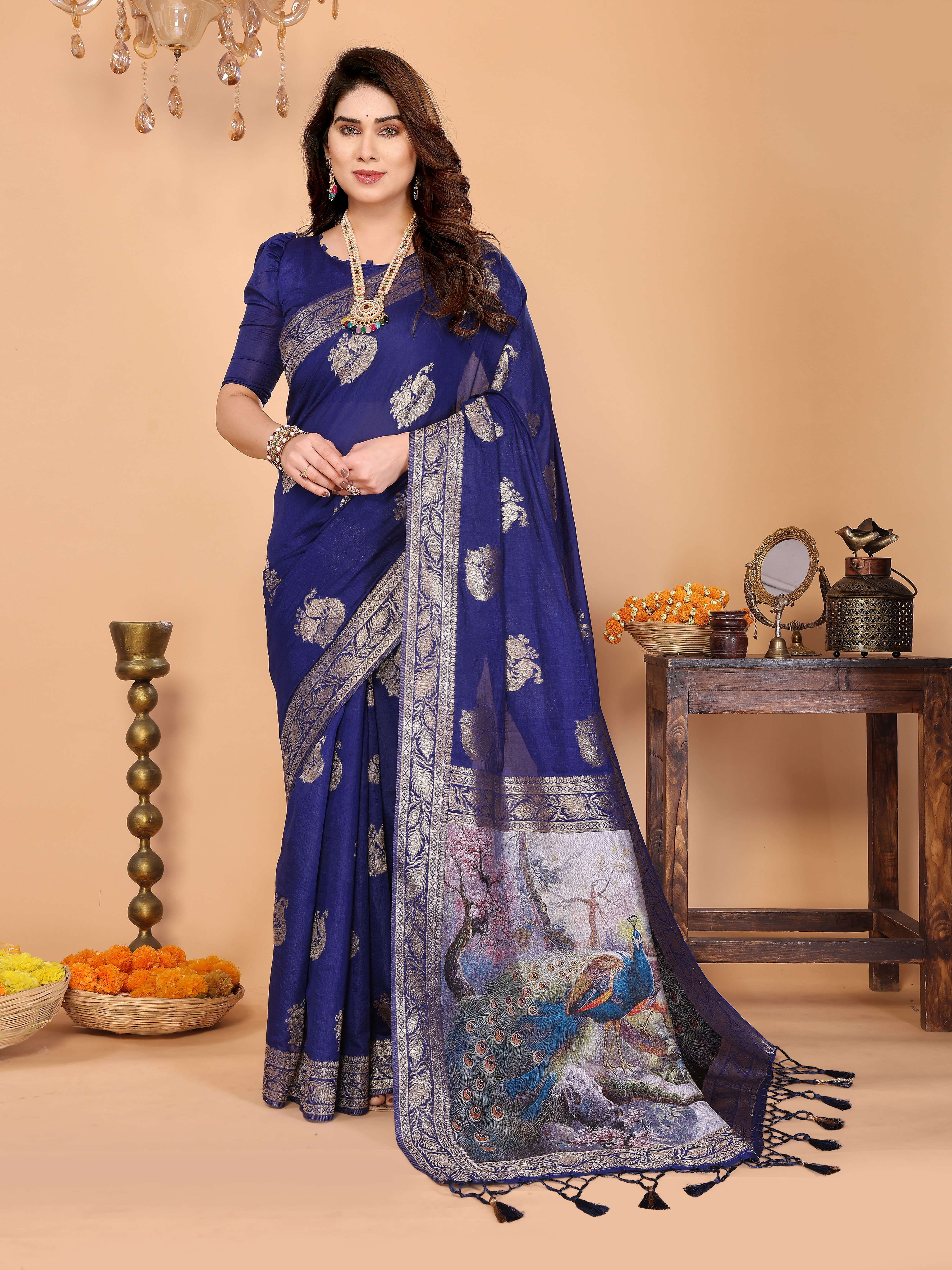
- Check the first material claim. Confirm whether the opening description names the actual base metal or only uses a colour term such as antique gold.
- Separate material from style. Temple jewellery, tribal jewellery, nakashi work, jadau-inspired design and filigree describe construction or visual language; none automatically confirms gold, silver or a particular gemstone.
- Compare measurements. A necklace listed as 38 centimetres will sit differently from a 48-centimetre necklace. Earring length, pendant height, chain width and bangle diameter are more useful than a model photograph alone.
- Read the weight carefully. Check whether the stated weight includes stones, packaging or a pair rather than one piece. Lightweight alloy jewellery can look substantial in a close-up image.
- Look for a real care guide. Instructions should mention perfume, moisture, storage, abrasion and cleaning. "Keep safe" isn't a useful care instruction.
- Review the return and defect language. Valuable pieces should have a clear policy covering wrong material, missing stones, damaged clasps and mismatch between the listing and delivered item.
Photographs can confirm finish, scale and craftsmanship, but photographs can't prove metal purity. A magnified image may show a 925 stamp or a hallmark area, yet a laboratory or recognised assay remains the stronger method for testing a high-value purchase.
How Should Traditional Jewellery Be Matched With Regional Clothing?
Match traditional jewellery to the garment's weave, neckline, colour balance and regional references rather than selecting accessories by colour alone. A heavy necklace with a heavily ornamented neckline can obscure both the jewellery and the textile.
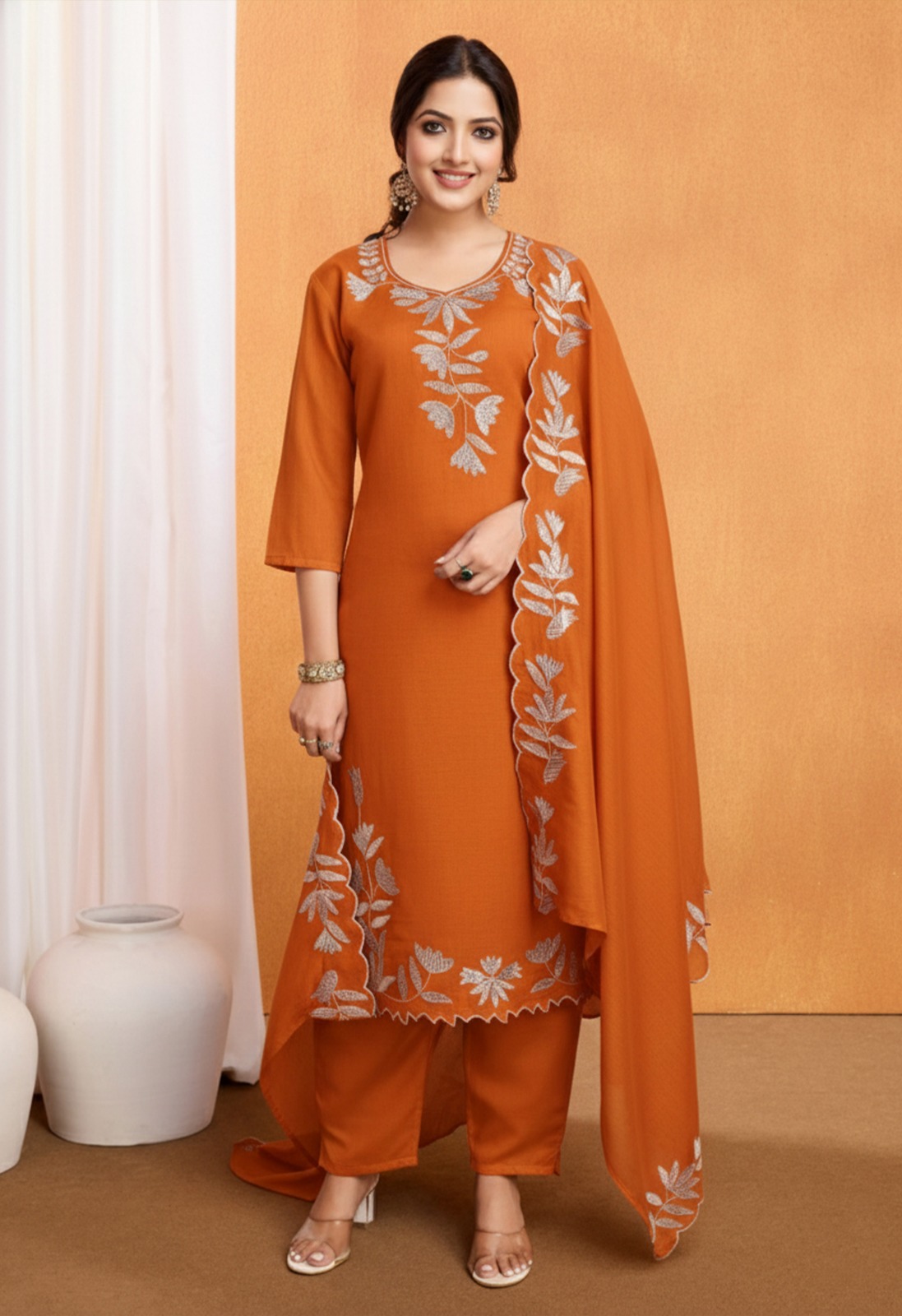
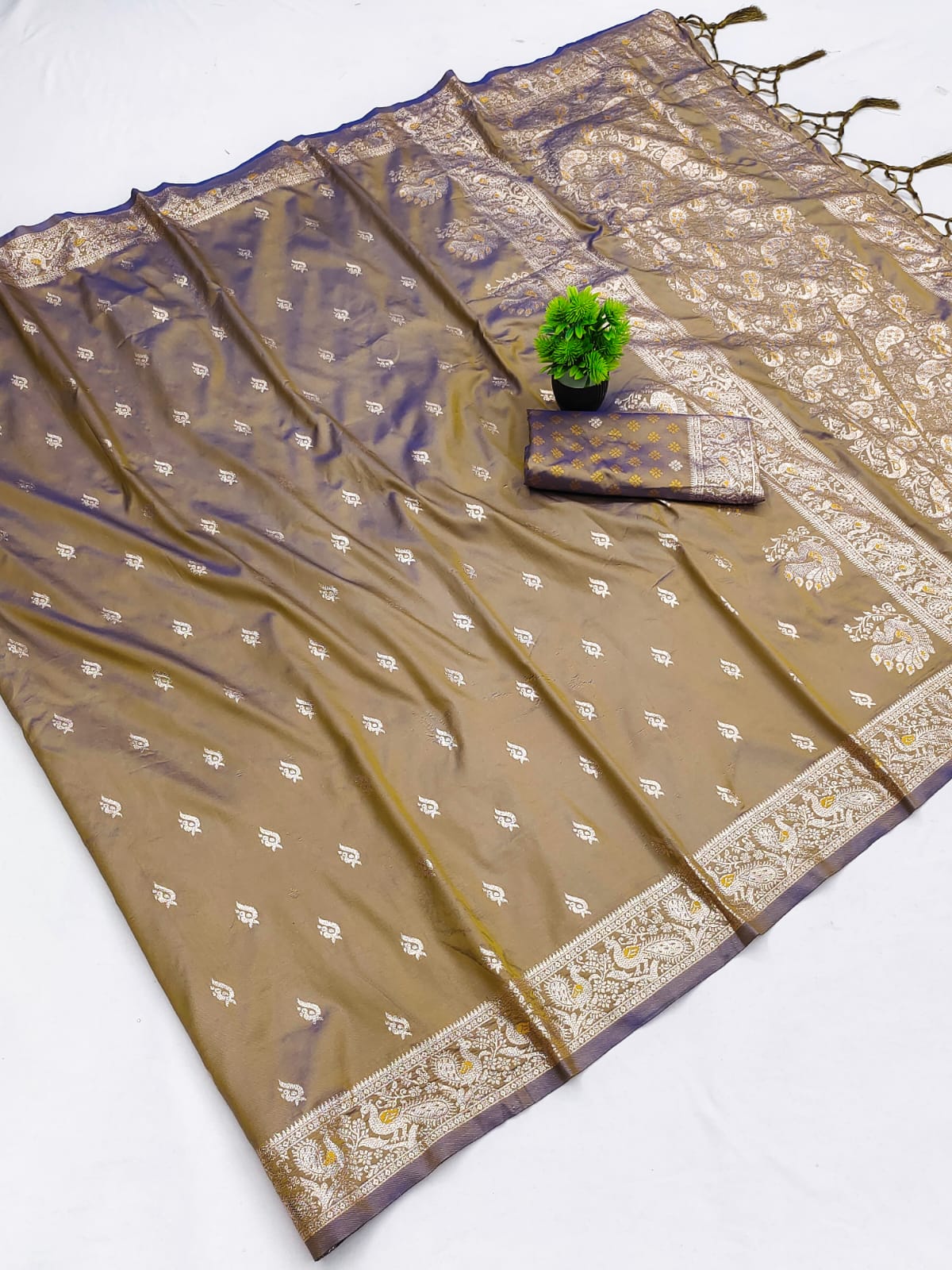
Banarasi silk sarees with golden zari usually support warm gold-tone pieces, kundan-inspired sets or restrained temple-style earrings. A Royal Blue Banarasi Silk Saree with Golden Zari Paisley & Peacock Pallu already contains a strong gold-and-blue contrast, so a necklace with a simpler pendant can preserve the pallu as the focal point.
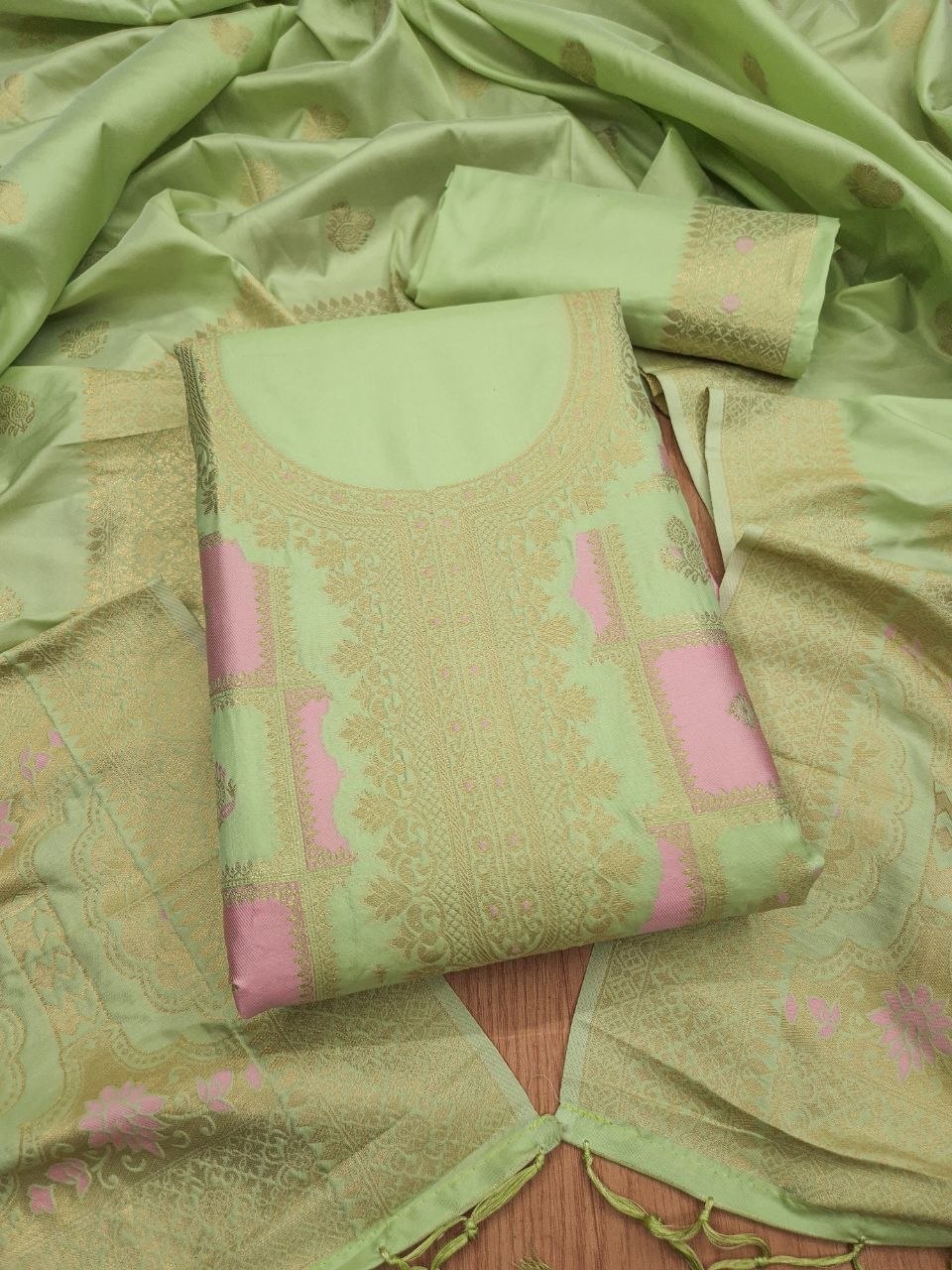
Paithani-inspired textiles carry distinctive pallu and border colour, so jewellery can either echo the zari or introduce one controlled contrast. The Black Paithani Style Zari Woven Unstitched Suit Material suits antique-gold or oxidised finishes, while the Pistachio Green Paithani Style Zari Woven Unstitched Suit Material can work with muted gold, pearl-look or green-accented pieces. The Royal Purple Paithani Style Zari Woven Unstitched Suit Material benefits from jewellery that doesn't compete with saturated purple.
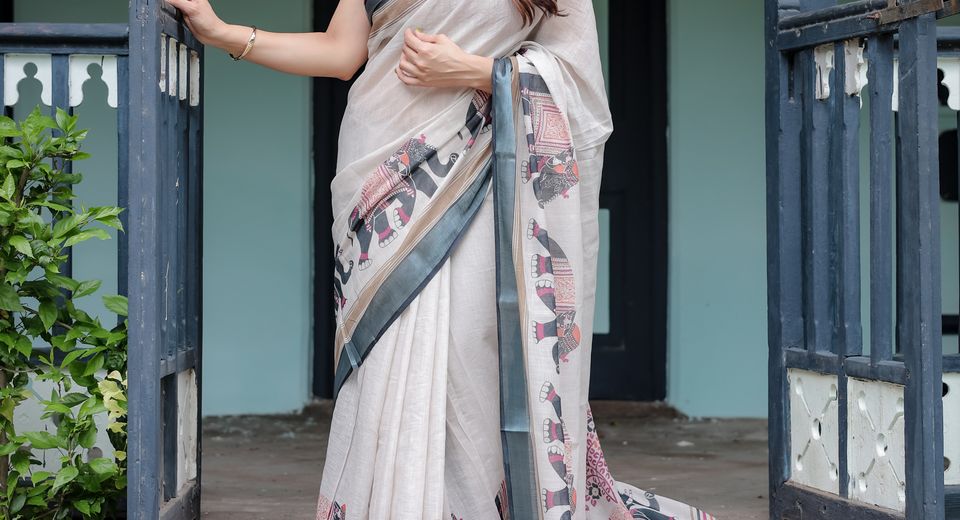
Lightweight linen-cotton sarees generally pair well with textured metal, terracotta-look beads, wood, glass or small silver-tone earrings. The Ivory Red Folk Art Print Linen Cotton Saree has a folk-print character that can support a sculptural pendant or handcrafted-looking earrings without requiring precious metal. Jewellery descriptions become especially important when a handcrafted appearance may be created with brass, resin or painted wood.
Regional styling doesn't require a costume-like head-to-toe interpretation. Traditional Goa Dress for Women, Traditional Uttarakhand Dress for Women and Traditional Himachal Dress for Women can offer references for colour, layering and ornament scale. Use one regional cue, such as a bold pendant or stacked bangles, and keep the remaining accessories proportionate to the garment.
What Does Accurate Material Information Mean for Budget and Longevity?
Accurate material information lets you compare price with expected use instead of treating every gold-coloured or silver-coloured piece as equivalent. A plated alloy necklace may be a sensible choice for a single wedding or festival, while sterling silver or solid gold may better suit frequent wear and long-term ownership.
Price should be evaluated against metal content, labour, stone type, construction and after-sales support. Solid gold pricing is influenced by karat, net gold weight, daily market rate, making charges and taxes. A golden-plated brass item is priced through design and workmanship rather than gold weight. Neither option is automatically better; the appropriate choice depends on the occasion, wearing frequency and care you can provide.
Construction details affect longevity as much as material. Check whether a necklace uses a soldered clasp, whether earrings have secure backs, whether stones are prong-set or glued, and whether articulated sections move smoothly. For bangles, measure the inside diameter rather than guessing from wrist circumference. For chokers, confirm the adjustable range and fastening style.
Several coordinated textiles can be styled with one versatile jewellery palette. Maroon Paithani Style Zari Woven Unstitched Suit Material and Mint Green Paithani Style Zari Woven Unstitched Suit Material, for example, can both work with a restrained antique-gold finish, but the listing should make clear whether "antique gold" describes brass, plated metal or another material.
How Should Traditional Jewellery Be Stored and Maintained?
Store traditional jewellery clean, dry and separated from other pieces in a soft-lined box or individual pouches. Separate chains from earrings and bangles to reduce tangling, scratches and pressure on stone settings.
Remove plated, lacquered, resin and oxidised jewellery before bathing, swimming, exercising or applying perfume. Sweat and chlorine can accelerate discolouration, while alcohol-based fragrances can weaken some finishes. Put jewellery on after cosmetics and allow skincare products to dry fully.
Use a soft, dry, lint-free cloth for routine cleaning unless the seller provides a different method. Do not use toothpaste, baking soda, abrasive polishing cloths or strong silver dip on plated, enamelled, oxidised or stone-set pieces. Store natural pearls, lac and painted surfaces away from heat and prolonged sunlight.
Keep the original invoice, authenticity card, hallmark details and care instructions together. Documentation supports future repairs, insurance discussions and returns. For a high-value purchase, photograph the hallmark, packaging and item condition immediately after delivery, while the return window is still open.
A Practical Checklist Before You Place the Order
Before ordering traditional jewellery online, confirm the metal, purity, finish, stones, dimensions, weight, care method, delivery packaging and return conditions. A five-minute specification check can prevent a costly mismatch.

- Material: Is the base metal named clearly?
- Purity: Does the listing state 925, 18K, 22K or another measurable grade where relevant?
- Finish: Is the item plated, filled, polished, oxidised, lacquered or simply colour-coated?
- Stones: Are stones natural, synthetic, lab-grown, glass, resin or imitation?
- Fit: Are necklace length, earring size, bangle diameter and adjustment options provided?
- Evidence: Are hallmark, invoice, authenticity or assay details available for the claimed value?
- Care: Does the seller explain contact with water, perfume, sweat and chemicals?
- Recourse: Can you return or replace an item that doesn't match the written description?
Accurate descriptions make traditional jewellery shopping more transparent without taking away the pleasure of choosing colour, symbolism and craft. When material facts are stated plainly, you can select a piece for a Haldi ceremony, family celebration, puja or festive gathering with a clear understanding of what you're buying and how to keep it wearable.
Questions Shoppers Ask About Traditional Jewellery Materials
How can I tell whether traditional jewellery is real gold or gold plated?
Read the listing for karat, net gold weight, hallmark information and an invoice rather than relying on a gold colour or "temple" label. Gold-plated jewellery should identify the base metal and plating, while valuable solid-gold pieces should include recognised hallmark and purity details.
Does 925 jewellery mean the piece is pure silver?
925 means the metal is intended to contain 92.5% silver, with the remaining portion made from other metals for strength. A 925 stamp is useful, but independent hallmarking, an assay or a reputable seller provides stronger confirmation for an expensive purchase.
What does antique gold mean in traditional jewellery listings?
Antique gold usually describes a darkened or aged-looking surface finish, not a specific gold purity. Check whether the base is brass, alloy, silver or another metal and whether the surface is plated, polished or colour-coated.
Are imitation gemstones suitable for traditional wedding jewellery?
Imitation gemstones can be suitable when the listing identifies them as glass, resin, synthetic stone or another non-natural material. Imitation stones are often affordable and visually effective, but they should not be priced or represented as natural rubies, emeralds, pearls or diamonds.
How long does gold-plated traditional jewellery last?
Gold-plated jewellery can last from several months to several years depending on plating thickness, wear frequency, sweat, water, perfume and friction. Removing pieces before bathing or exercising, storing them dry and wiping them gently after use can extend the visible finish.
What jewellery works with a Banarasi silk saree?
Gold-tone, kundan-inspired, temple-style or restrained pearl-look jewellery commonly works with Banarasi silk and golden zari. Choose the necklace scale according to the blouse neckline and pallu, and avoid covering a detailed woven border with an overly large pendant.