

Where the hem should fall for lehenga length with heels or flats depends on three measurements: the waistband position, the shoe height and the distance between the hem and the floor. A well-fitted lehenga should cover most of the footwear without catching under the toes, dragging heavily behind you or making the skirt look visibly short. Measure while wearing the shoes planned for the event, because changing from 3-inch heels to flat footwear can alter the correct hemline by several centimetres.
Lehenga length also changes with construction. A lightweight georgette skirt may settle close to the body, while a net or heavily flared bridal lehenga can lift slightly at the front and fall lower at the back. The correct hem is therefore not one universal number. The right hem gives you clean movement, safe walking and balanced proportions between the choli, waistline and skirt.
Where the Hem Should Fall for Lehenga Length With Heels or Flats
With heels, the lehenga hem should usually sit 0.5 to 1.5 centimetres above the floor at the front, while flats need a little more visible clearance, usually about 1 to 2 centimetres. The hem should conceal most of the shoe but never pass beneath the sole. A narrow gap prevents the fabric from touching wet ground, stair edges and the heel of the footwear.
For a 2.5-inch heel, many wearers need a skirt approximately 5 to 7 centimetres longer than they would wear with flat footwear, depending on where the lehenga waistband sits. The difference isn't automatically equal to the full heel height because the body rises and the skirt can settle differently around the waist. A fitting session gives a more reliable answer than a standard size chart.
Check the front, sides and back separately. The front hem should not bunch over the toes, the side hem should remain reasonably even when you stand naturally, and the back should not trail unless the design intentionally includes a train. A slight front lift is common with a full flare, but a dramatic difference usually indicates that the waist is sitting too low or that the skirt needs alteration.
How Shoe Height Changes the Finished Lehenga Length
Shoe height changes the finished lehenga length because the wearer stands higher from the floor when wearing heels. Measuring the skirt with one pair of shoes and wearing another pair is the most common reason for an unexpectedly short or dragging hem.
What heel height works best for a lehenga?
Block heels between 2 and 3 inches often provide a useful balance of height and stability for wedding wear. Wear the exact block heels planned for the event during the fitting and mark the hem where the front edge just clears the floor. A wedge can feel secure, but the thicker sole still requires a check on stairs and uneven outdoor surfaces.
How should a lehenga fit with flats?
A lehenga worn with flats should leave enough clearance for the toes to lift during walking without exposing a large section of the ankle. Juttis, embellished sandals and flat bridal footwear can have thicker uppers than ordinary slippers, so test the skirt while taking full steps rather than standing still. A skirt that looks correct in a mirror can still catch on a decorated toe box during a turn.
What if shoes will be changed during the event?
If you'll change from heels to flats, set the hem for the lower shoe or use a discreet temporary lift at the waistband rather than allowing the skirt to drag. A 2-inch difference can create a visible floor sweep. Safety pins placed on the inside of the waistband can provide a short-term adjustment, but test the pinned fit while sitting, walking and dancing.
How to Measure a Lehenga Before Shopping or Alteration
The most dependable lehenga measurement runs from the natural waist or intended waistband to the floor while the wearer stands in the chosen footwear. Do not measure from the shoulder, bust or navel, because a lehenga skirt is designed to begin at a specific waist position.
- Wear the complete base layer. Put on the choli or blouse, shaping layer, petticoat if required and final shoes. A thick underskirt can raise the waistband and change the fall.
- Place the tape at the actual waistband. Keep the tape vertical down the centre front. Do not follow the curve of the body or pull the tape tightly.
- Measure to the floor. Ask another person to read the measurement while you stand with your feet together and weight balanced. Record the result in centimetres as well as inches.
- Repeat at the side and back. A fuller hip, can-can layer or heavy embroidery can alter how the skirt settles. Compare all three points before deciding on the final hem.
- Allow only a small safety margin. A 0.5 to 1.5 centimetre allowance is usually enough for a floor-skimming hem. Adding several inches to be safe often creates a trip hazard.
A Ready Made Lehenga is generally cut to a standard length range, so checking the waistband position matters as much as checking the listed skirt length. A Semi Stitched Lehengas Collection can offer more flexibility because the waist and side seams may be finished after the wearer's measurements are confirmed. Fully stitched choli shopping should be handled separately from skirt fitting: the choli may need bust, shoulder or sleeve alterations, but changing those measurements doesn't correct a skirt hem.
How Flare, Fabric and Embellishment Affect the Hem
Skirt volume affects how close the hem appears to the floor because a wide circumference distributes fabric away from the body. A heavily flared skirt can seem shorter at the front when the wearer walks, even when the stationary measurement is correct.
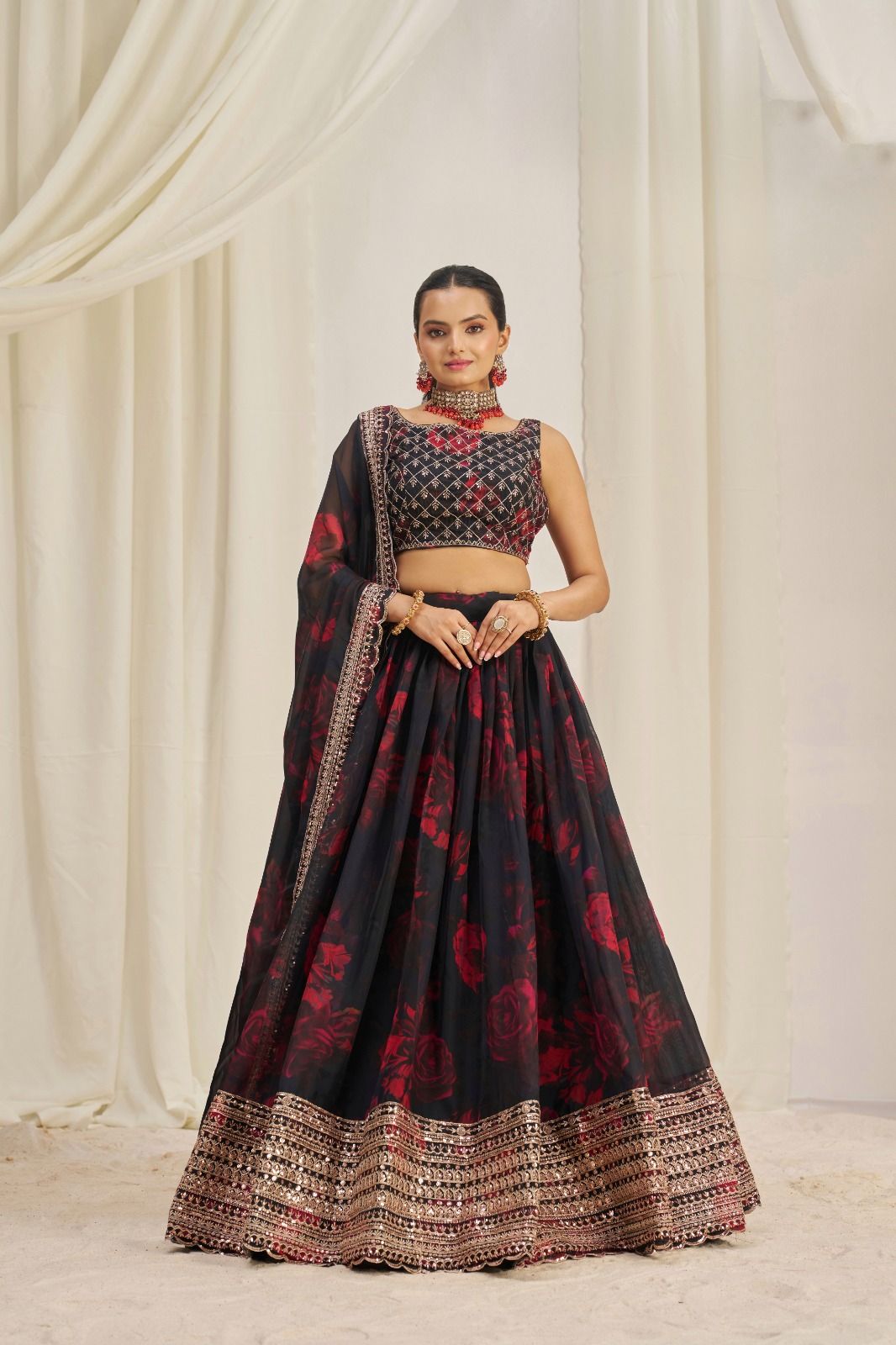
Net and can-can layers hold their shape and may need slightly more practical clearance than soft, fluid fabrics. Georgette moves easily but can catch on footwear if sequins or thread embroidery make the edge heavy. Satin reflects light along the lower edge, making an uneven hem more noticeable. Dense zari, sequins and border work also add weight, so the skirt may settle lower after several minutes of wear.
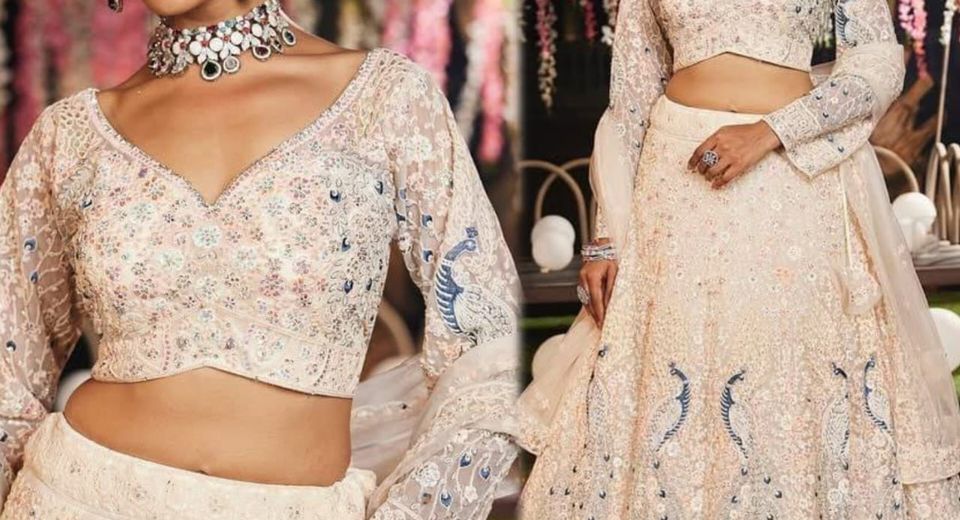
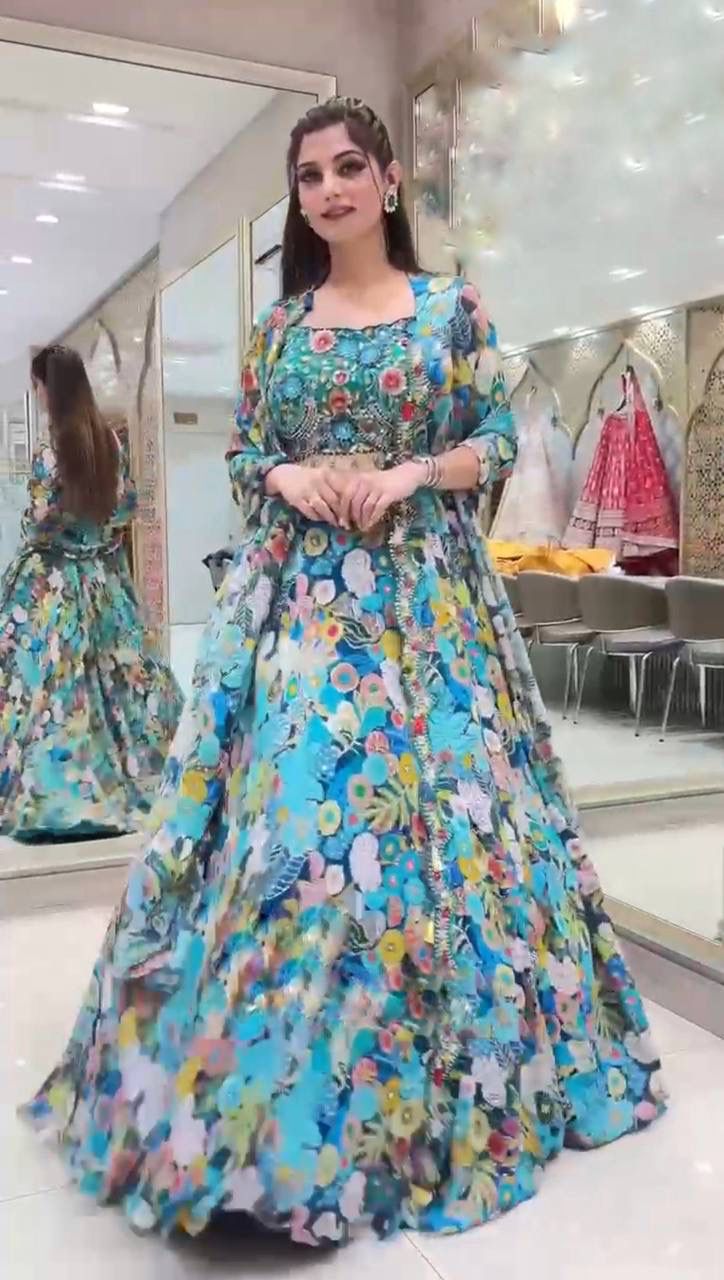
Cream Peacock Embroidered Net Lehenga Set for Women shows why a structured net skirt should be checked in motion, not only in a front-facing photograph. Pink Bridal Sequins Lehenga Set with Heavy Flare and Blue Floral Georgette Lehenga Set with Heavy Flare need particular attention at the side and back because broad flare can brush steps even when the front appears clear.
A narrow border should sit parallel to the floor when you stand naturally. If the border tilts sharply upward on one side, the waistband may be uneven or the skirt may be twisting around the body. Minor movement is normal in a circular flare, but a persistent diagonal line is a fitting issue worth correcting before the event.
How to Choose Lehenga Length for Weddings and Festive Events
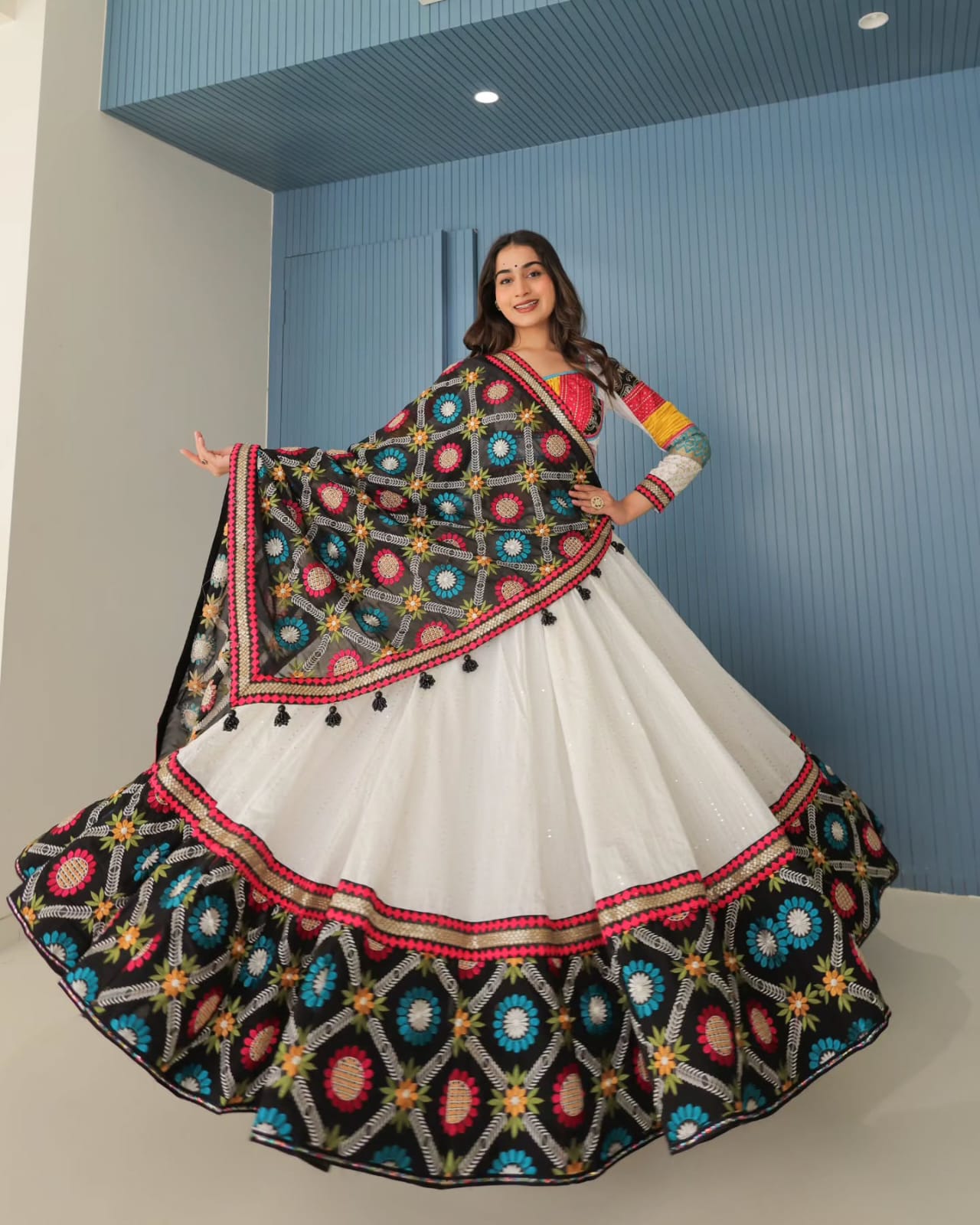
The right lehenga length depends on how much walking, standing and dancing the event involves, not only on whether the outfit is labelled bridal or designer. An outdoor ceremony needs more clearance than a seated indoor reception, while a dance-heavy sangeet needs secure movement around the ankles.
What length works for bridal and wedding wear?
Bridal lehengas usually look balanced when the hem skims the floor over stable heels without exposing the ankle during standing poses. The wearer should still be able to climb two or three steps without lifting the skirt excessively. Pink Sequins Embroidered Butterfly Net Lehenga Set and Magenta Satin Embroidered Lehenga Set Online should be assessed with the intended bridal footwear because a dramatic border or satin weight can change the visual line.
For a wedding guest, a slightly more practical clearance is sensible when the venue includes grass, gravel or crowded entryways. Varnika Sequin Georgette Lehenga and Starfall Luxe Sequin Georgette Lehenga can work with a modest block heel, but the embellished surface should be checked for snagging against the shoe strap before the final hem is set.
What length suits mehendi and Haldi ceremony outfits?
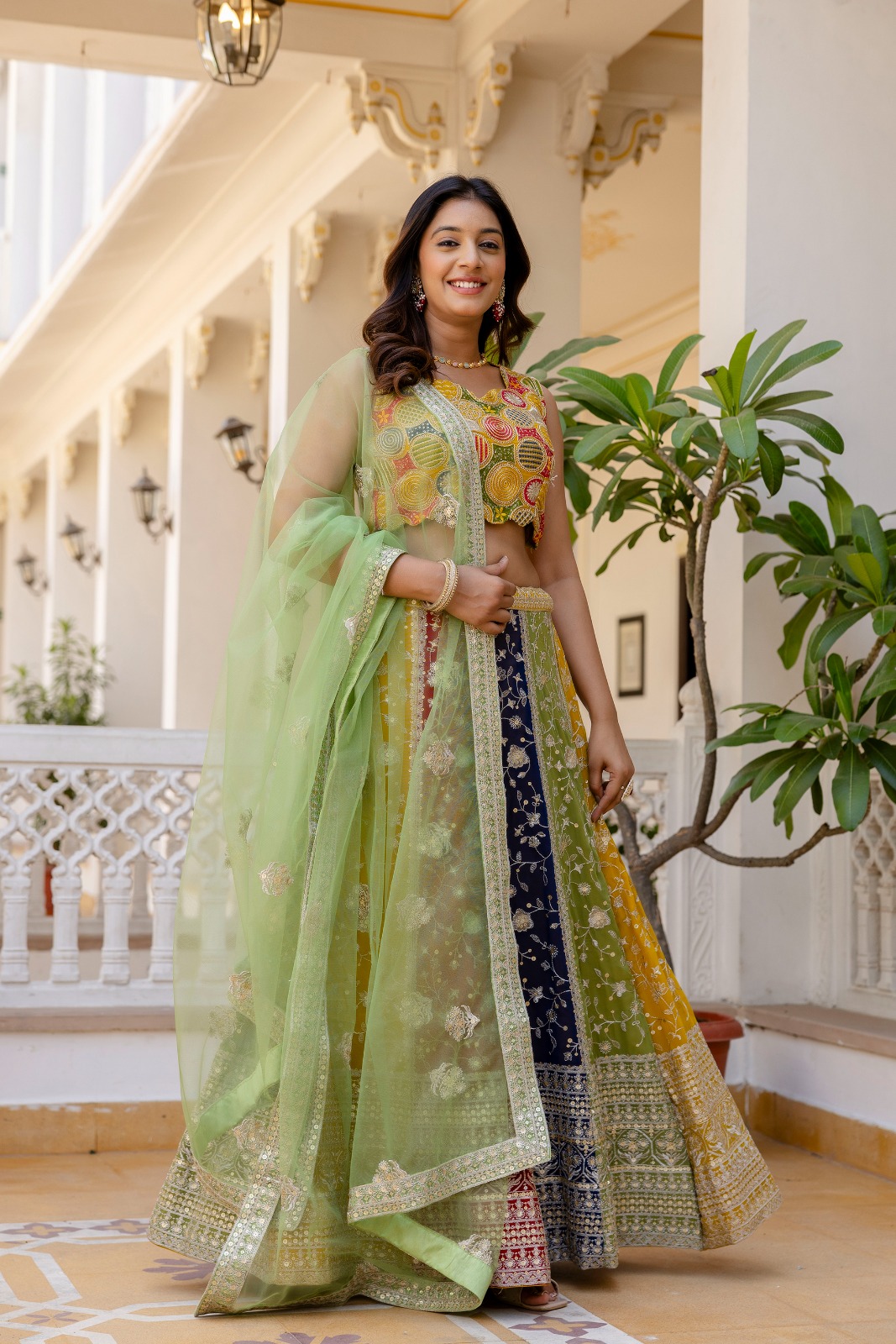
Mehendi and Haldi ceremony outfits benefit from a hem that's easy to lift and less vulnerable to outdoor ground contact. Mehendi Lehengas and Yellow Lehengas provide useful starting points for relaxed styling, but the chosen skirt still needs a footwear-specific check. Leave enough space to sit cross-legged or on a low seat without folding the border underneath the body.
How much clearance is needed for dancing?
Dancers need a hem that clears the shoe during a full stride and doesn't trap the toe while turning. Take ten steps, perform a slow half-turn and sit briefly during the fitting. Blooming Georgette Sequins and Thread Embroidered Lehenga Set with Georgette Dupatta has surface detail that deserves a snag test, especially when the dupatta and skirt are worn together.
Common Lehenga Length Problems and Practical Fixes
A dragging hem, exposed ankle or uneven border usually has a specific cause that can be identified before permanent alteration. Photographing the front and side while wearing the final shoes can make small proportion problems easier to see.
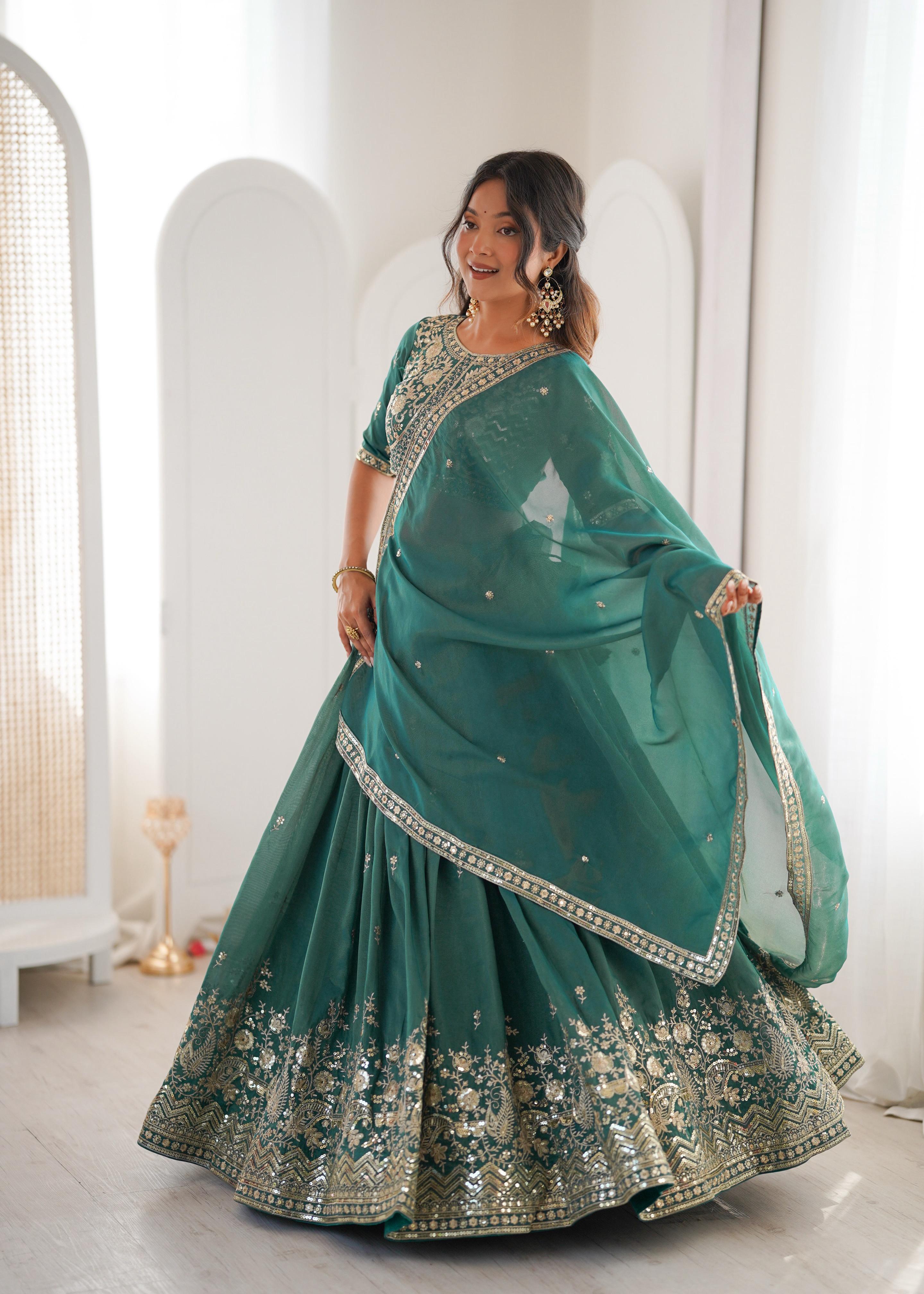
- The hem drags at the back: Check whether the waistband is slipping below the intended waist or whether the back seam has stretched under the weight of embroidery. A tailor can reset the waistband or lift the back edge without shortening the entire skirt.
- The front looks too short: Check for a stiff underskirt, a waistband worn too high or a very full flare. Reducing the underskirt volume may restore the expected fall, but cutting the outer skirt should be the last option.
- The border rises on one side: Check whether the skirt is twisted, the side seam is pulling or one shoe is taller than the other. A professional should correct the seam or level the border while the wearer stands in final footwear.
- The hem catches under the foot: Increase clearance slightly or choose a shoe with a smoother upper. Avoid relying on repeated pinning near the embellished edge because pins can damage net, georgette and sequined work.
- The skirt is correct with heels but too long with flats: Use the heel footwear only for events where it will be worn, or request a concealed adjustable waist solution. A permanent alteration for one shoe may make the lehenga unsuitable for the other.
Final Fitting Checklist Before Wearing a Lehenga
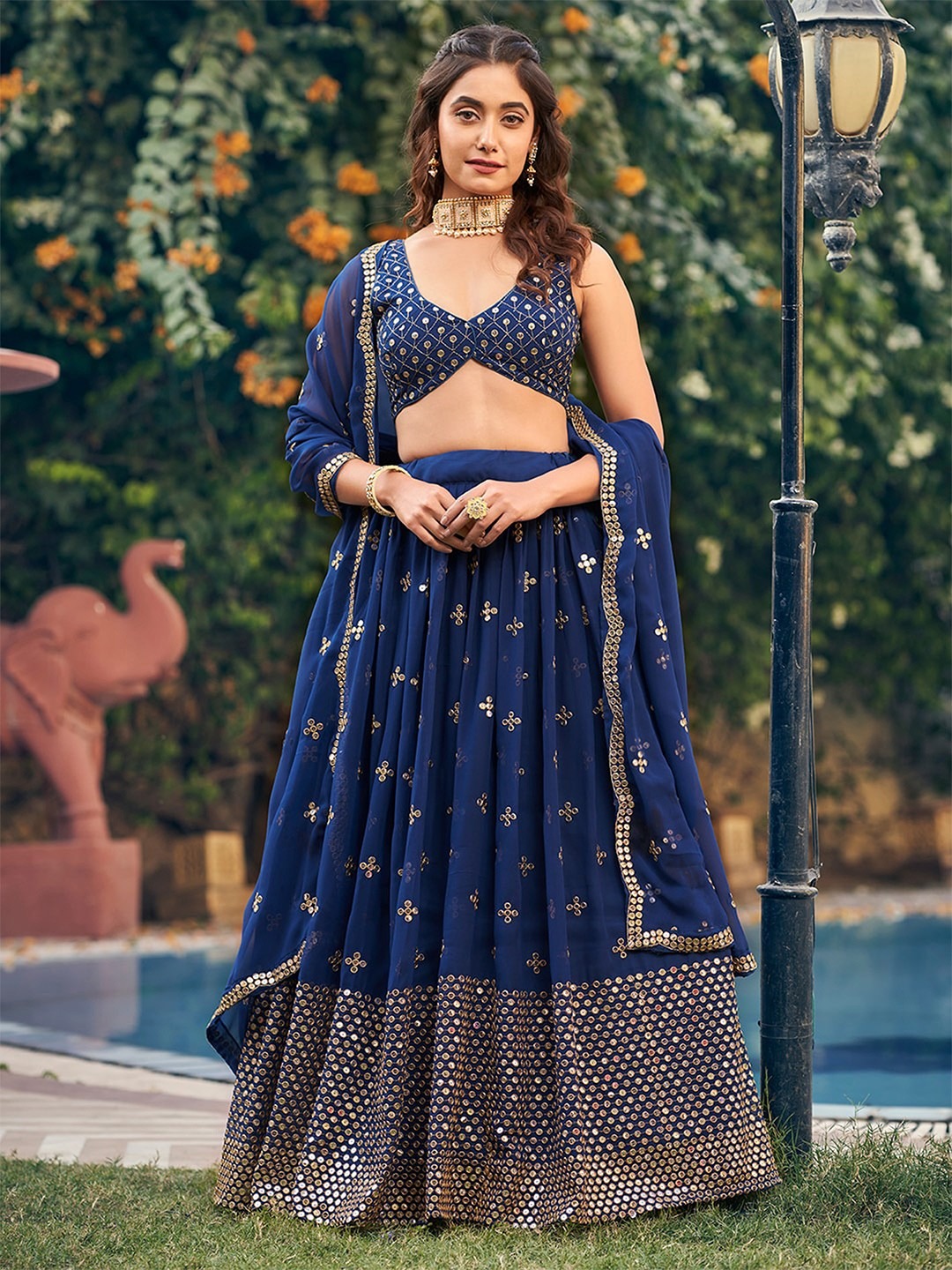
A final fitting should happen at least several days before the event, after the chosen footwear and underlayers are available. The goal is to confirm movement and safety, not just the appearance of the outfit in a standing photograph.
- Stand still for one minute and confirm that the hem stays above the floor.
- Walk ten normal steps without lifting the skirt.
- Climb a few steps and check whether the border catches on the shoe.
- Sit on a chair and, if appropriate, sit on a low seat or floor cushion.
- Turn slowly in both directions to test the flare and dupatta.
- Check the hem in daylight and indoor lighting, especially when the border contains sequins or zari.
- Confirm that the same footwear will be used for photographs, ceremony and dancing.
Magenta Satin Embroidered Lehenga Set Online, Pink Bridal Sequins Lehenga Set with Heavy Flare and other heavily embellished styles may feel heavier after the dupatta, jewellery and blouse are added. Complete the outfit before making the final judgement. Correct length should let you move naturally while keeping the skirt visually close to the floor, rather than forcing you to walk with short, cautious steps.
A well-measured lehenga doesn't need constant lifting, emergency pinning or a change of posture to look graceful. Measure from the real waistband, fit the hem to the actual shoes and test the skirt in motion. Those three steps provide a more dependable result than choosing a length from a product photograph alone.
Lehenga Hem and Footwear Questions Answered
How long should a lehenga be with heels?
A lehenga worn with heels should usually sit about 0.5 to 1.5 centimetres above the floor at the front. Measure from the intended waistband while wearing the exact heels planned for the event, then check the sides and back in motion.
Should a lehenga touch the floor with flats?
A lehenga worn with flats should leave approximately 1 to 2 centimetres of clearance so the hem does not catch under the toes or drag outdoors. Flat juttis and embellished sandals may have thicker uppers, so test the skirt while walking rather than judging it while standing still.
Can the same lehenga be worn with heels and flats?
The same lehenga can be worn with both if the height difference is small and the hem has enough clearance for the lower shoe. A large change, such as moving from 3-inch heels to flats, may require a temporary waistband adjustment or a separate alteration.
How do I measure lehenga length at home?
Wear the final shoes, underlayers and intended waistband position, then measure vertically from the waistband to the floor with help from another person. Repeat the measurement at the front, side and back because flare, can-can and heavy embroidery can change how the skirt settles.
Why does my lehenga look shorter at the front?
A full flare, stiff underskirt or waistband worn too high can make the front appear shorter. Walk and turn before altering the skirt, because a small front lift is normal; a sharp or uneven difference may require the waistband or side seams to be corrected.
What lehenga length is safest for dancing?
A dancing lehenga should clear the shoe during a full stride and turning movement without exposing a large section of the ankle. Take ten steps, perform a slow turn and climb a few steps during the fitting before approving the final hem.


