

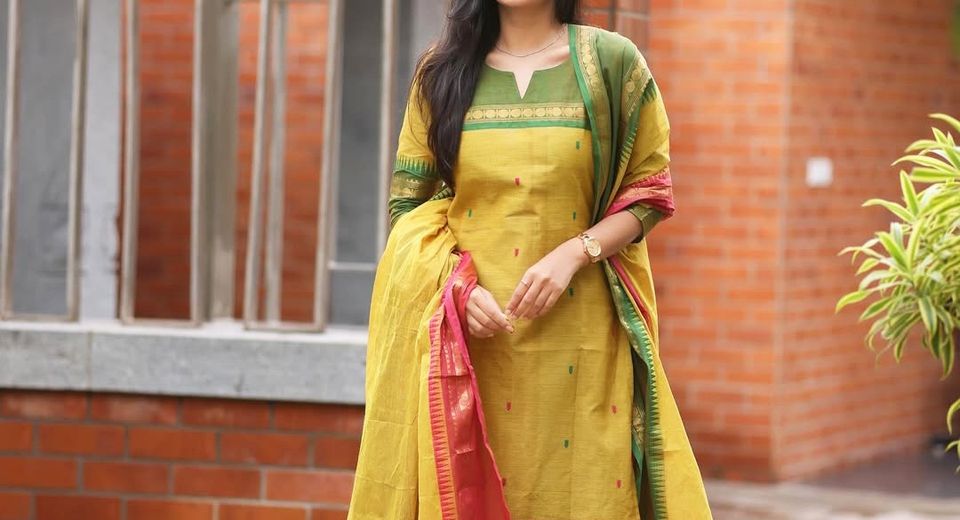
Where Should a Kurti End for Women Under 5 Feet? For many petite women, the most versatile hemline falls between mid-thigh and just above the knee, although the ideal point depends on body proportions, silhouette and the bottom worn underneath. A hem that ends at a narrow part of the leg can create balance, while a long or bulky hem paired with wide trousers can make the whole outfit appear shorter.
Height alone can't determine the right kurti length. A woman who is 4 feet 10 inches with a longer torso may suit a different hemline from another woman of the same height with longer legs. Measuring the shoulder-to-hem distance and judging the complete salwar suit in its intended footwear gives a more reliable answer than following a single universal number.
Start with the right measurement
A straight kurti for a woman under 5 feet will often work well at 32 to 36 inches from the shoulder, placing the hem around mid-thigh or just above the knee. The useful range can extend to 40 inches when the kurti is narrow, the side slits are well placed and the bottom is streamlined.
Measure from the highest point of the shoulder, close to the neck, down to the proposed hemline. Take the measurement while standing naturally rather than pulling the tape tightly. Compare the result with a kurti that already feels comfortable, then check the hem while wearing the trousers and footwear that will be used with the new outfit.
Shoulder-to-knee distance matters more than height printed on a size chart. A 34-inch kurti may end above the knee on one petite frame and close to the knee on another. A tailor or alterations professional can shorten a hem, but adding length is difficult unless the garment has a broad hem allowance or a matching border.
How can you check the hemline at home?
You can check a kurti hemline at home by pinning or folding the garment to different lengths and taking a front-facing photograph. Stand in the complete outfit, including the intended dupatta and shoes, because a mirror view can hide the effect of the full silhouette.
Take the photograph from chest height rather than from below. A low camera angle can make the legs appear longer and may lead you to choose a hem that feels different in daily use. Walk, sit and raise your arms before finalising the length, especially when the kurti has a narrow shape or high side slits.
Match the hem to the silhouette
A petite frame usually benefits from a straight or lightly shaped kurti that ends above the knee or near the knee. Controlled volume keeps the body visible, whereas excess flare, stiff fabric or several overlapping layers can create a wide visual block.
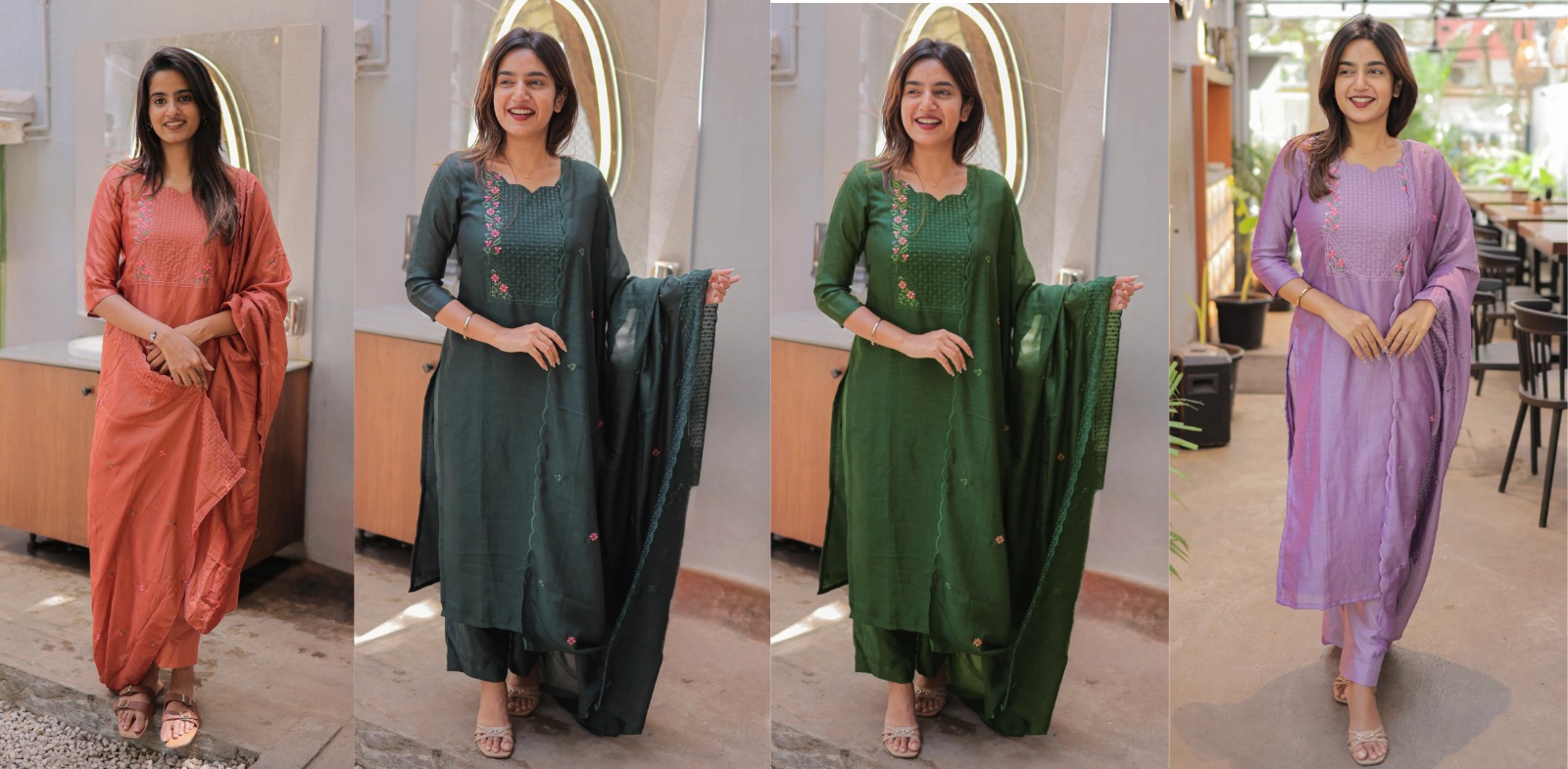
Straight kurtis
A straight kurti ending between mid-thigh and just above the knee pairs effectively with cigarette pants, narrow salwars and ankle-length trousers. Vertical side seams help the eye travel from the shoulder towards the ankle. Black Kanchi Cotton Kurti Dupatta Set for Women illustrates how a cotton set can keep a defined shape without appearing oversized.
Side slits should usually begin around the hip or slightly below it when a straight kurti reaches the knee. A slit that begins too low can make the lower section look heavy, while an extremely high slit may reduce comfort while sitting. The right slit height also depends on whether the bottom is fitted or relaxed.
A-line and lightly flared kurtis
An A-line kurti suits a petite wearer when the flare begins below the bust or waist and the hem finishes around the knee rather than the widest part of the calf. A broad flare ending at mid-calf can overwhelm a shorter frame, particularly when wide trousers and a large dupatta are added.
Festive dressing doesn't require abandoning a flare. Kanchi Cotton Zari Woven Kurti Set with Traditional Dupatta can be balanced with a narrow bottom and a single-shoulder dupatta drape. Zari woven detail already provides visual interest, so a clean lower half prevents the outfit from looking crowded.
Long and asymmetrical kurtis
A longer kurti can work for a petite woman when the fabric falls vertically, the side slits allow movement and the trousers remain narrow. A 38- to 40-inch kurti is more likely to look balanced with cigarette pants than with a wide palazzo.
An asymmetrical hem can add movement, but the shortest point should not finish at the widest part of the thigh if the goal is a lengthened appearance. For extra coverage, a straight hem that ends just above the ankle can work when the kurti and bottom are close in colour.
Choose the bottom before the final hem
The bottom determines how a kurti length is perceived because the eye reads the upper and lower garments as one shape. Narrow bottoms allow a longer kurti, while wide or heavily gathered bottoms usually need a shorter or more controlled upper layer.
- Cigarette pants: A 32- to 40-inch straight kurti can work with ankle-length cigarette pants when the kurti has moderate volume and practical side slits.
- Churidar: A knee-length or slightly longer kurti suits a churidar because the gathered ankle line keeps the lower body visually narrow.
- Palazzo pants: A mid-thigh to just-above-knee kurti usually creates better balance with palazzos because the wide leg already adds volume.
- Salwar pants: A 32- to 36-inch kurti works well with a tapered salwar, while excessive gathers can make a petite frame appear wider.
- Patiala pants: A short kurti ending around mid-thigh generally suits Patiala pants because the pleated bottom is already visually substantial.
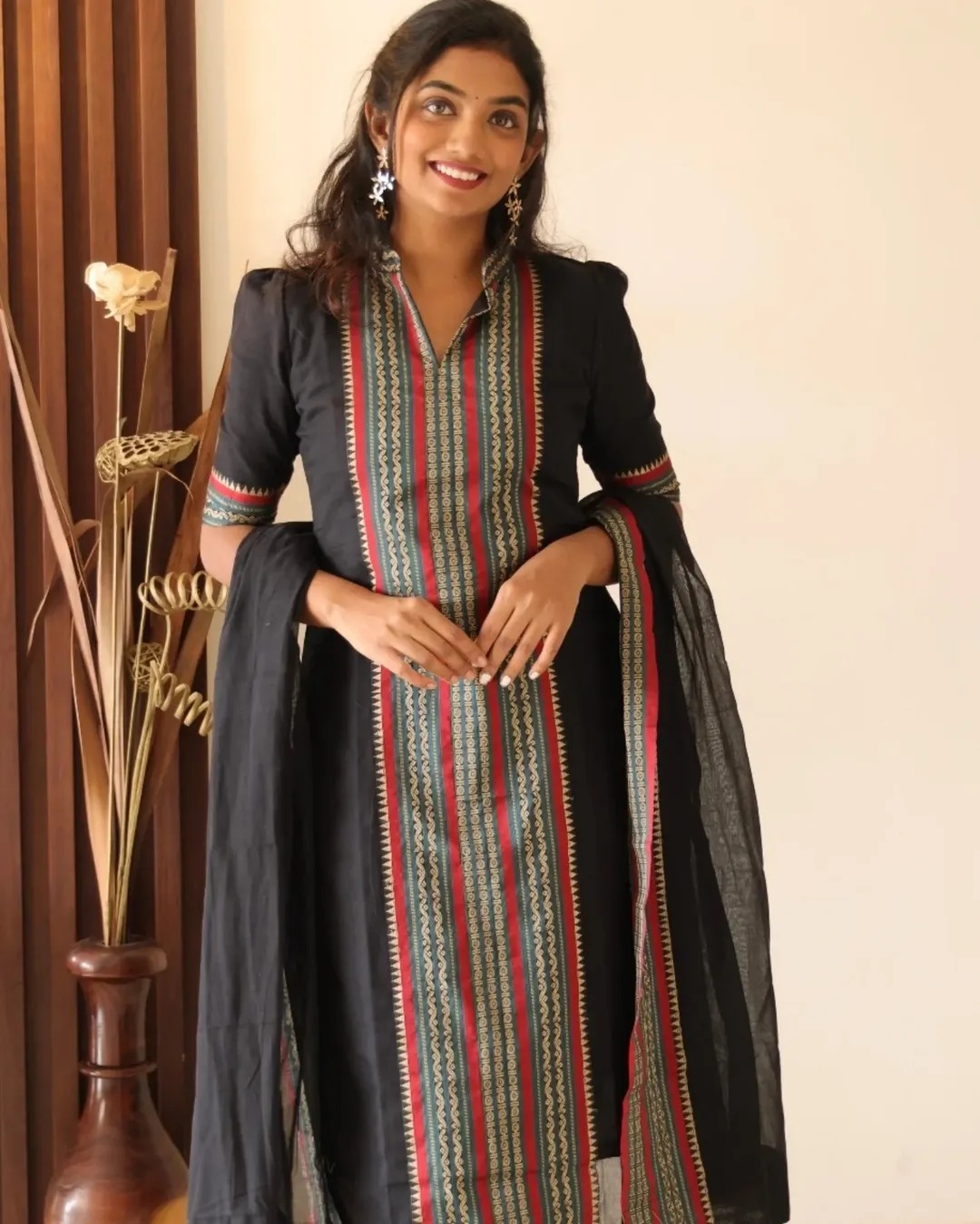
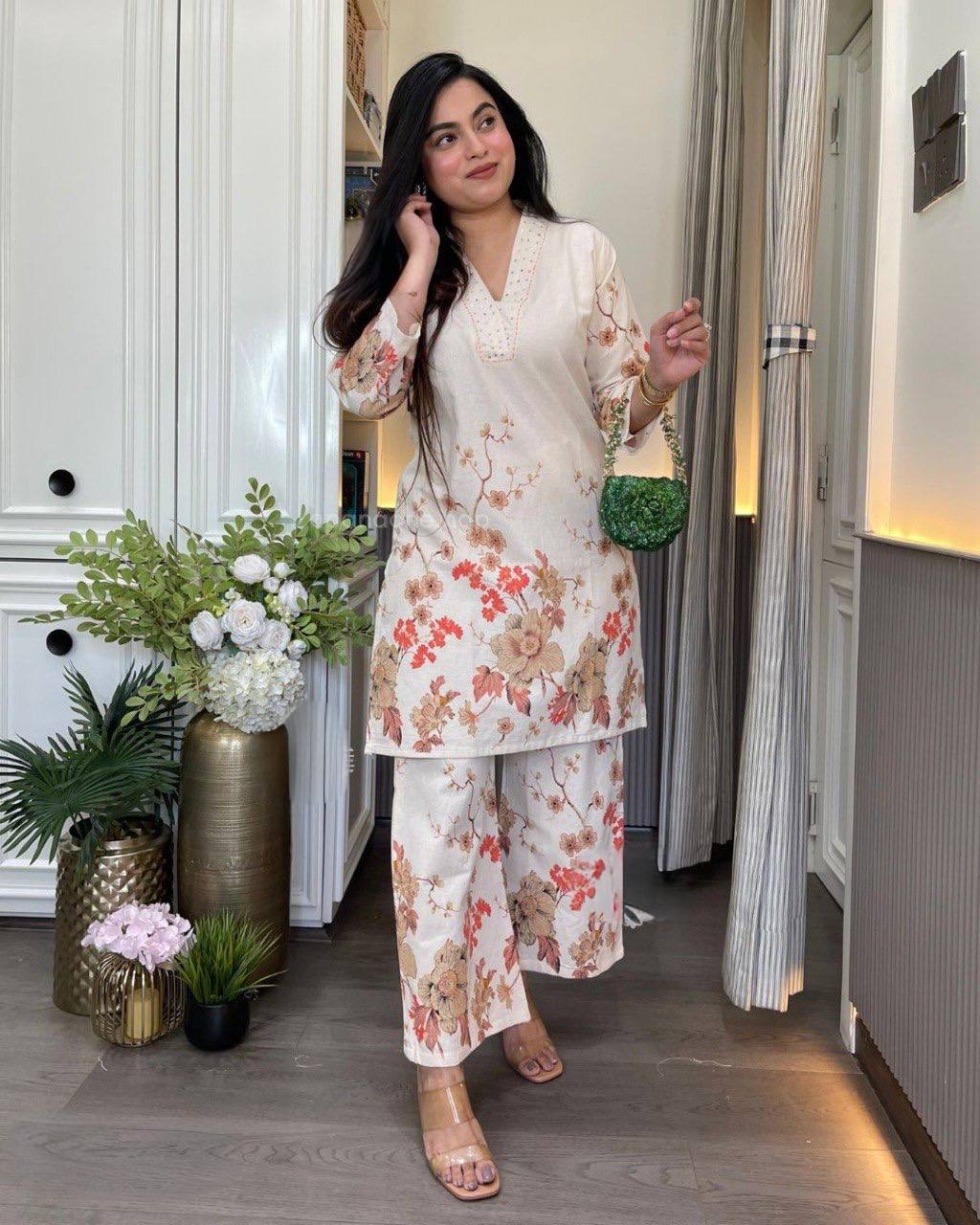
Mustard Yellow Cotton Kurti Pant Set for Women shows why a coordinated bottom can make a knee-length kurti look connected rather than divided. Peach Printed Cotton Kurti Pant Set for Women can be styled using the same principle for casual dressing, particularly with low-profile sandals and a dupatta worn in one clean line.
A sharp colour contrast between the kurti and bottom creates a visible horizontal break at the hip or knee. Contrast isn't forbidden for petite women, but a related colour family creates a longer visual column. Matching the bottom to a dominant shade in the print can achieve continuity without requiring identical fabric.
Use necklines and details to support height
Open necklines and vertical details generally make a petite kurti outfit appear longer because they direct attention up and down rather than across the body. A moderate V-neck, narrow U-neck or open collar creates space around the face and upper chest without making the garment feel too revealing.
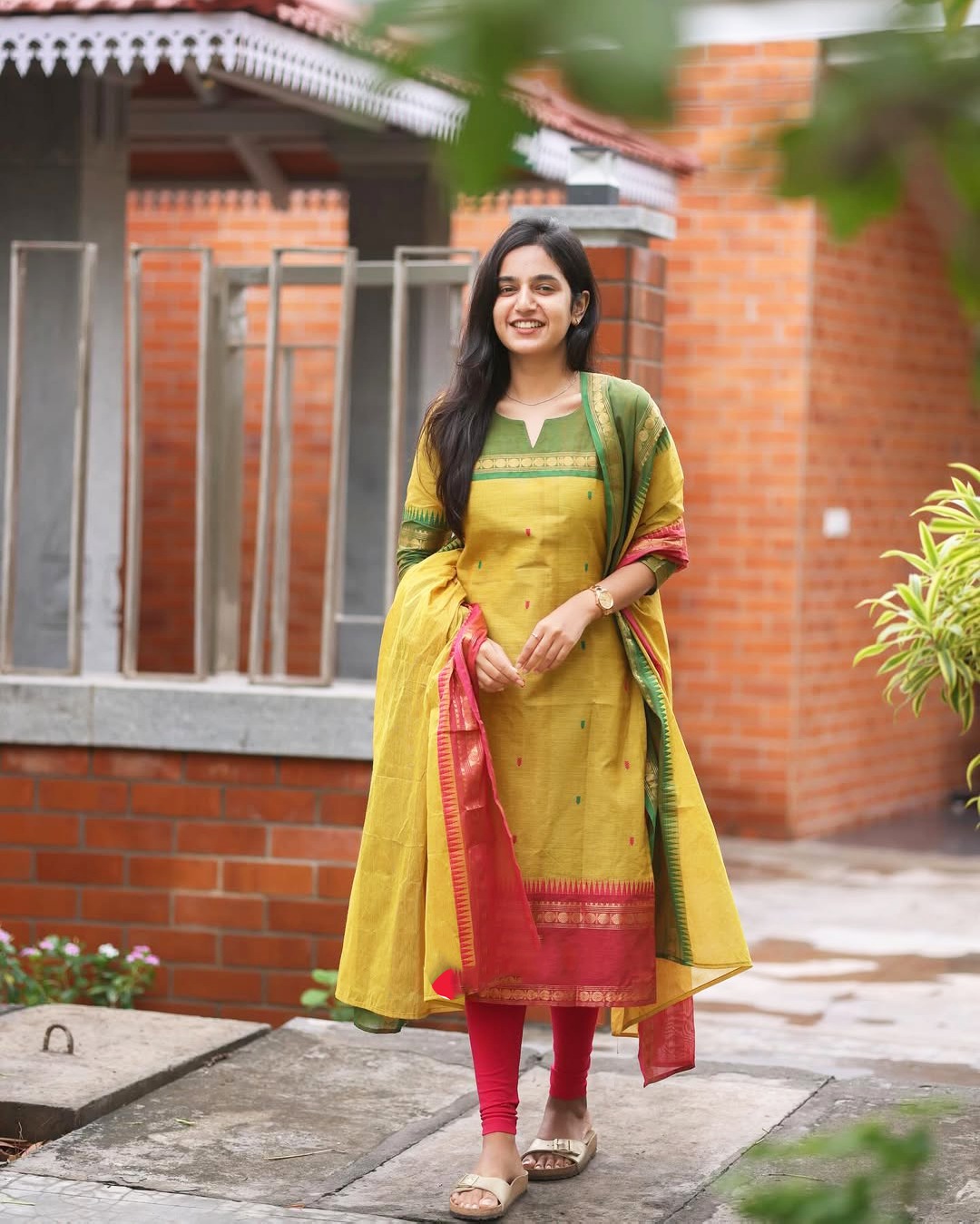
Three-quarter sleeves are flexible because the sleeve ends below the elbow and exposes part of the forearm. Full sleeves can also suit a petite frame when they remain close to the arm. Very wide sleeves ending at the wrist can add width beside the torso, especially when the kurti already has a dense print.
Vertical front plackets, narrow embroidered panels, long pendant necklaces and straight dupatta borders reinforce a lengthened line. Broad yokes, thick waist belts and heavy horizontal bands at the hem divide the outfit into visible sections. A border can still be worn successfully when it's proportionate and doesn't sit exactly at the widest point of the knee or calf.
Yellow Royal Touch Kurti Set for Women can be styled with an open neckline and a dupatta placed over one shoulder instead of wrapped several times around the neck. That arrangement keeps the upper body open and prevents layers from forming a bulky horizontal band across the chest.
Balance fabric, print and colour
Small or medium-scale prints, moderate drape and related colours are generally easier to balance on a petite body. Large motifs can work when they're spaced out, but a dense oversized pattern may dominate the frame and make a shorter kurti look even more compact.
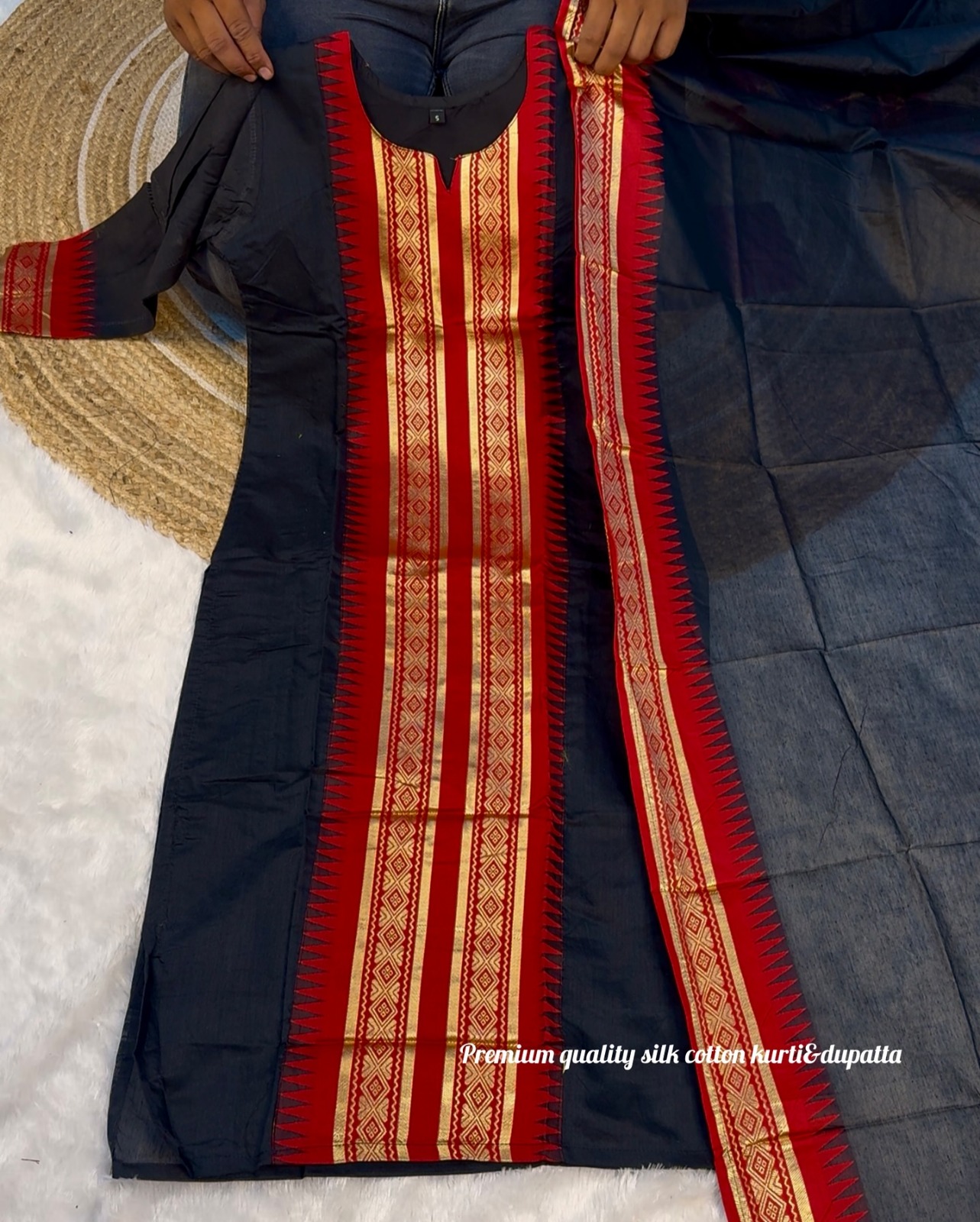
Lightweight cotton brings comfort for everyday salwar suits, although crisp cotton may stand away from the body after washing. A garment should be pressed according to its care label before its proportions are judged. Fabric that collapses heavily at the hip can need a slightly shorter hem, while fabric that holds a narrow vertical fall can support extra length.
Chanderi, cotton and other light fabrics behave differently from dense woven textiles, so fabric weight matters alongside the tape measurement. A heavily embellished or zari-rich kurti can look longer and more formal because the eye follows the surface detail. A plain cotton kurti may need a more precise hemline because its silhouette is easier to see.
Classic Maroon Woven Kurti Set for Women benefits from colour continuity between the upper and lower pieces. A matching or closely related bottom reduces the number of visual breaks and allows the woven texture to remain the focus.
Time-honoured motifs also affect proportion. Kalamkari Print Salwar Suits, Maharashtra Paithani Inspired Salwar Suits, Gujarat Bandhej Salwar Suits and Odisha Sambalpuri Salwar Suits each carry distinctive patterns or borders, so a petite wearer can keep the hem and bottom relatively simple. A narrow trouser lets a classic print remain visible without competing with extra volume.
Style the dupatta without adding bulk
A dupatta worn in one long, clean line usually supports petite proportions better than a thick wrap around the neck. Place one end over one shoulder and let the other end fall vertically, or pin the fabric near the shoulder so repeated horizontal folds don't build around the torso.
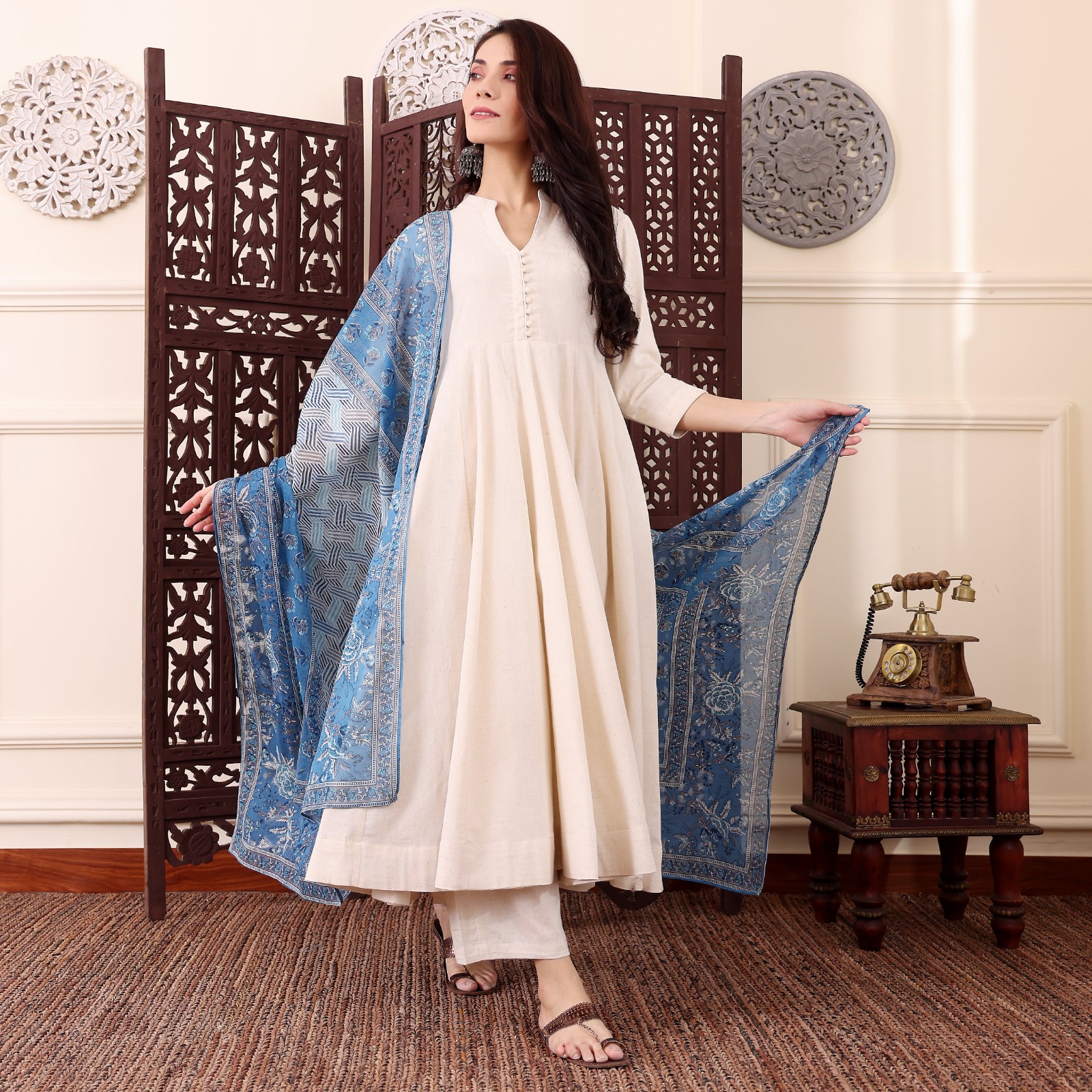
A zari or woven dupatta can be worn over one shoulder with its border falling straight. A lightweight cotton dupatta can be allowed to drape more freely, provided it doesn't gather heavily at the waist. The heritage dupatta in Kanchi Cotton Zari Woven Kurti Set with Traditional Dupatta benefits from a single-shoulder arrangement because the woven detail remains visible without creating neck bulk.
When the kurti is long, avoid letting the dupatta end at exactly the same point as the kurti hem. Two matching horizontal lines can divide the body visually. Move the dupatta end higher, let it fall below the kurti or pin it diagonally to create a more varied line.
Punjab Patiala Salwar Suits already include volume through the pleated lower garment, so a narrow dupatta drape and shorter kurti generally provide better balance. A broad dupatta wrapped repeatedly around a Patiala outfit can make the torso and lower body appear equally wide.
Finish the outfit with proportionate footwear
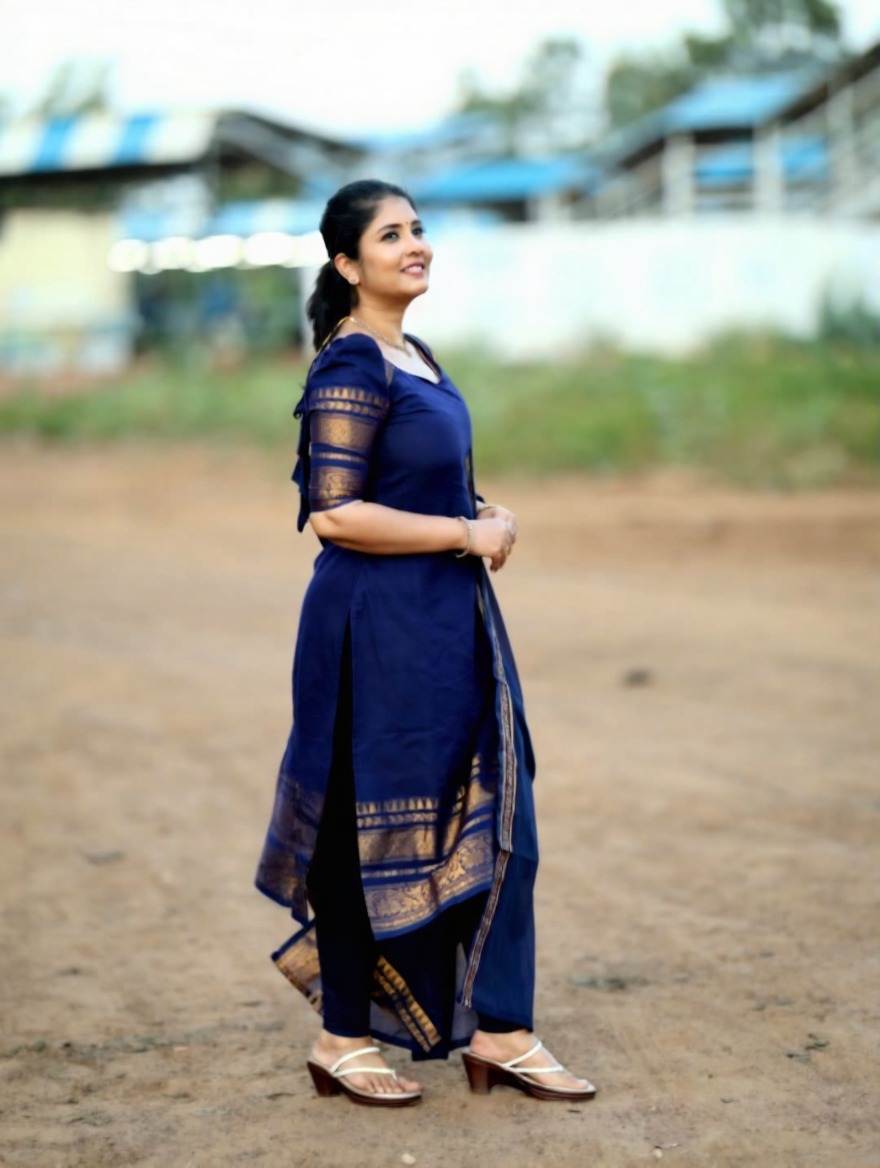
Footwear with a low, uninterrupted profile helps a petite outfit look longer when the kurti and bottom don't create strong horizontal breaks. Pointed-toe flats, slim sandals, low wedges and shoes that show the top of the foot can extend the visible line without requiring high heels.
Ankle straps are not automatically unsuitable, but a broad strap creates a visible break at the ankle. If the kurti is long or the trousers already stop above the ankle, a thick contrasting strap can make the lower leg appear shorter. A shoe close in colour to the bottom reduces that effect.
Platform footwear and high heels can change the overall proportion, but they can't correct an unsuitable kurti hem. Test the full outfit while standing and walking in the shoes intended for the event. A hem that looks balanced with heels may feel impractical with flats, especially when the kurti is close to the ankle.
The best test is movement. Walk several steps, sit on a chair, lift the arms and check whether the side slits, trouser gathers and dupatta remain comfortable. A practical hem that stays in place will look more polished than a theoretically perfect length that restricts movement or needs constant adjustment.
A simple decision guide
Choose a mid-thigh to just-above-knee hem for an adaptable petite kurti, then adjust the length according to the bottom, fabric weight and amount of flare. This range is a dependable starting point rather than a strict rule.
- For cigarette pants: Start with a 32- to 40-inch straight kurti and check where the hem falls on your knee.
- For palazzos: Choose a shorter, lightly shaped kurti, usually ending around mid-thigh or just above the knee.
- For Patiala or heavily gathered salwars: Select a shorter kurti so the lower garment gives volume without overwhelming the frame.
- For festive woven sets: Keep the bottom narrow and let the zari, border or motif provide the visual interest.
- For extra coverage: Choose a longer straight kurti with side slits and a bottom in a related colour.
- For everyday cotton: Prioritise walking and sitting comfort, then check the hem after washing and pressing according to the care label.
The most flattering answer comes from the relationship between the shoulder, hem, bottom and footwear rather than from height alone. A petite woman can wear short, knee-length or longer kurtis successfully when the complete salwar suit has one clear visual direction and no unnecessary bulk.
Common Questions About Kurti Lengths for Women Under 5 Feet
What is the best kurti length for a woman under 5 feet?
A length between 32 and 36 inches is a useful starting point for many women under 5 feet, usually ending at mid-thigh or just above the knee. Body proportions, kurti flare and the chosen bottom can make a 38- to 40-inch kurti equally suitable when the silhouette remains narrow.
Can short women wear long kurtis?
Short women can wear long kurtis when the garment falls vertically, has controlled volume and is paired with narrow trousers. A long kurti in a similar colour to the bottom usually looks more balanced than a long kurti combined with a contrasting wide palazzo.
Should a kurti be above the knee or below the knee for petite women?
A kurti ending just above the knee is often the most versatile choice for petite women. A below-knee kurti can also work with cigarette pants or a churidar, but a below-knee hem paired with wide trousers may shorten the overall appearance.
Which bottom looks best with a short kurti for women under 5 feet?
Cigarette pants, slim ankle trousers and narrow salwars usually pair well with short kurtis because they preserve a continuous vertical line. Patiala pants and wide palazzos need more careful styling, so a mid-thigh kurti often works better than a long one.
Do prints make petite women look shorter in a kurti?
Large, dense prints and strong horizontal borders can make a petite outfit look visually busy, but prints are not automatically unflattering. Small or medium motifs, vertical layouts and related colours between the kurti and bottom usually create more balanced proportions.
How should a petite woman drape a dupatta with a long kurti?
A petite woman can drape a dupatta over one shoulder and allow it to fall in one clean vertical line. Avoiding several wraps around the neck and preventing the dupatta from ending at exactly the same point as the kurti hem reduces visual bulk.


