

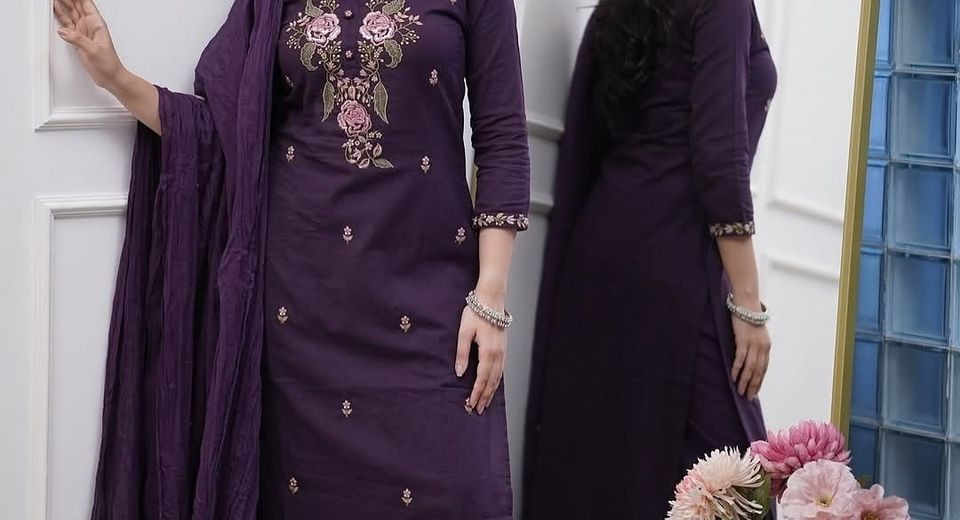
When Shirt-style Kurtis Work Well and How to Balance the Silhouette depends on proportion, not on a fixed body type. A shirt-style kurti borrows details such as a collar, button placket, cuffs, yoke or shirttail hem from tailored shirts and combines them with the comfort of Indian ethnic wear. The right trouser width, hem length, fabric fall and dupatta placement determine whether the result looks crisp or crowded.
The most dependable formula is a structured or semi-structured upper half with a clean lower half. A straight pant, tapered trouser or controlled palazzo usually gives the kurti enough room to stand out without making the full salwar suit look bulky. The same principles apply to an everyday cotton set, an embroidered three-piece suit and a silk kurta with a zari dupatta.
When Shirt-style Kurtis Work Well and How to Balance the Silhouette for daily dressing
Shirt-style kurtis work well for daily dressing when tailored details provide polish without restricting movement. A collar frames the neck, a button placket creates a central vertical line and a defined shoulder gives the upper body a neat outline.
The silhouette suits offices, travel, lunches, university wear and semi-formal gatherings because the construction looks intentional without requiring heavy ornamentation. A band collar with a concealed placket appears restrained, while a pointed collar, contrast buttons or cuff embroidery can make the same basic shape more festive.
Shirt-style kurtis also suit several salwar suit fabrics. Cotton keeps the outline breathable and practical for warm weather. Viscose gives a softer, fluid fall. Silk holds a sharper line for evening dressing. Chanderi silk offers light body with a refined sheen. Fabric behaviour matters more than price because a soft textile and a crisp textile create very different silhouettes.
A very fluid fabric can collapse around the hips when used for a long shirt-style kurti. A stiff fabric can stand away from the body when used for a short kurti. Matching fabric weight to the intended length prevents many styling problems before jewellery or accessories are added.
When Shirt-style Kurtis Work Well and How to Balance the Silhouette for different proportions
Shirt-style kurtis work well for different proportions when the visual centre of the outfit is placed deliberately instead of automatically at the widest part of the body. Hem length, seam position and bottom width can change how the same garment appears.
For a longer torso
A kurti ending around the upper thigh or just above the knee can visually shorten a longer torso when paired with mid-rise or high-rise pants. A defined waistband, a placket that continues toward the hem and a dupatta worn over one shoulder help distribute attention across the full outfit.
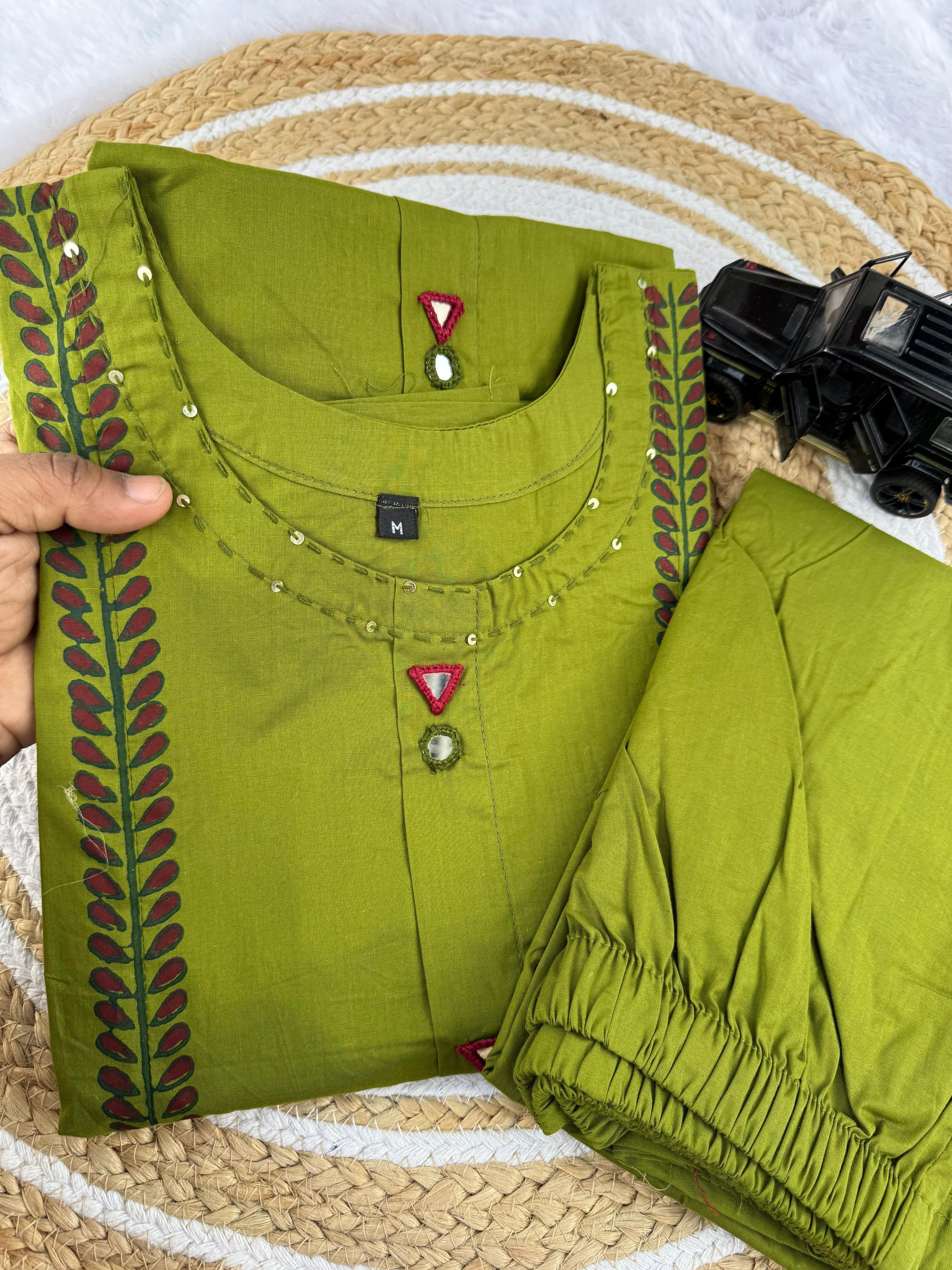
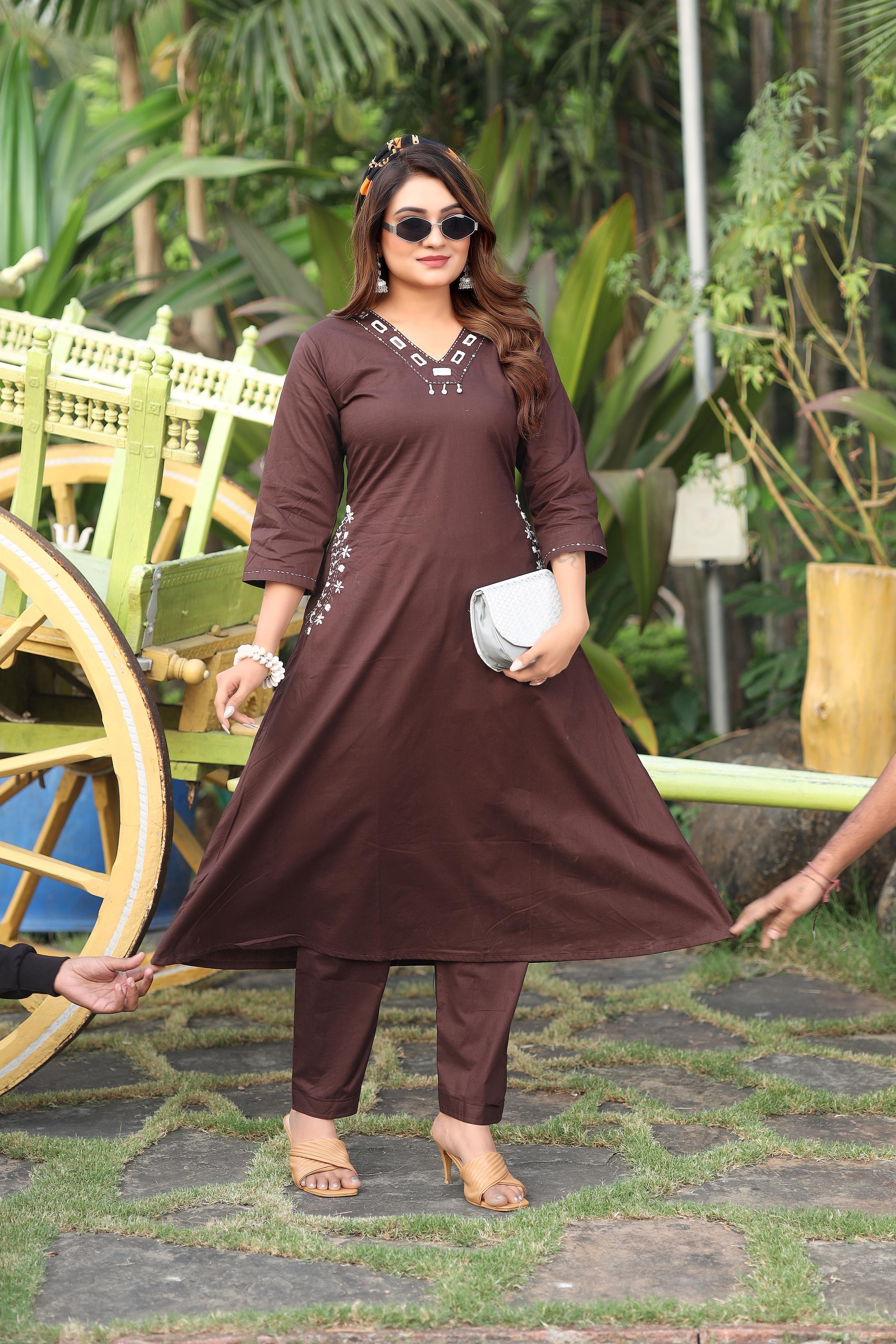
Designer Cotton A-Line Kurti Pant Set with Mirror Work demonstrates why gentle A-line shaping can be useful. The hem gains room without clinging, while the matching pant keeps the lower half orderly. A-line shaping creates ease from the waist; excessive flare creates competing volume beneath a structured collar.
For a shorter torso
A longer straight kurti with a modest side slit can create a continuous vertical column for a shorter torso. A narrow collar, a tonal kurti-and-pant combination and a dupatta worn lengthwise can add height without requiring high heels.
A wide contrast belt, broad yoke or large horizontal border directly below the bust can visually divide a shorter upper body. A short kurti with a wide palazzo can create two strong blocks, so the rise of the palazzo and the hem of the kurti should be considered together.
For fuller hips or a fuller midsection
A kurti that skims rather than grips the hip gives the cleanest result for a fuller midsection or fuller hips. Look for comfortable ease at the waist, side slits beginning below the widest point and a hem that doesn't stop exactly at the broadest part of the thigh.
Brown Cotton A-Line Kurti Pant Set with Mirror Work gives an useful styling direction because A-line volume provides movement while matching pants retain order below. Keep the pant relatively straight and allow the kurti to supply the shape. Adding a voluminous palazzo underneath may create unnecessary width.
For a narrow frame
A narrow frame can carry more surface detail, stronger shoulder definition and wider bottoms without losing balance. A contrast collar, embroidered placket, pleated sleeve or medium-width palazzo can add visual substance.
Volume still needs control. A broad dupatta, heavily flared kurti and wide palazzo worn together may conceal the waist and overwhelm the face, particularly when all three pieces use contrasting colours.
When Shirt-style Kurtis Work Well and How to Balance the Silhouette with the right bottom
The bottom should counter the kurti's volume. A straight or lightly tapered pant supports a fuller or longer kurti, while a moderate palazzo supports a shorter, closer-fitting shirt-style kurti.

Straight pants and cigarette trousers
Straight pants are the safest companion for a shirt-style kurti because the narrow vertical line echoes the button placket. Cigarette trousers make the outfit sharper, but the hem should not pull across the calf or ankle while sitting.
Elegant Teal Embroidered Kurta Pant Dupatta Set shows how a coordinated pant can keep embroidery and tailoring readable. When a kurti has embroidery near the chest or cuffs, a plain straight pant prevents the lower half from becoming visually noisy.
Royal Navy Silk Kurti Pant Set with Zari Dupatta also illustrates the value of restraint. Silk and zari already provide shine, so a simple pant, matte footwear and understated jewellery can keep the outfit sophisticated rather than overloaded.
Palazzos
Palazzos work best with a shirt-style kurti that's cropped, fitted through the upper body or split with side slits. A palazzo should fall from the hip instead of ballooning outward, and the kurti hem should leave visible separation between the upper and lower volumes.
Shop Floral Digital Printed Chiffon Kurti Palazzo Set with zari embroidery demonstrates a lighter, movement-led combination. Chiffon and a palazzo create fluidity, so the collar, waist seam or embroidered front panel should provide enough structure to stop the outfit from looking shapeless.
Patiala and gathered bottoms
Patiala bottoms require a shorter kurti because their pleats already create substantial volume at the hip and thigh. A long shirt-style kurti over a full Patiala can hide the pleating and make the outfit appear crowded.
Punjab Patiala Salwar Suits provide an useful cultural reference for this proportion. A shorter kurti, controlled dupatta and visible waistband allow gathered salwar volume to remain part of the design instead of reading as excess fabric beneath a long top.
When Shirt-style Kurtis Work Well and How to Balance the Silhouette through fabric choice
Fabric weight and surface finish determine whether a shirt-style kurti looks tailored, relaxed or overly stiff. The best fabric depends on the intended structure, weather and formality of the salwar suit.
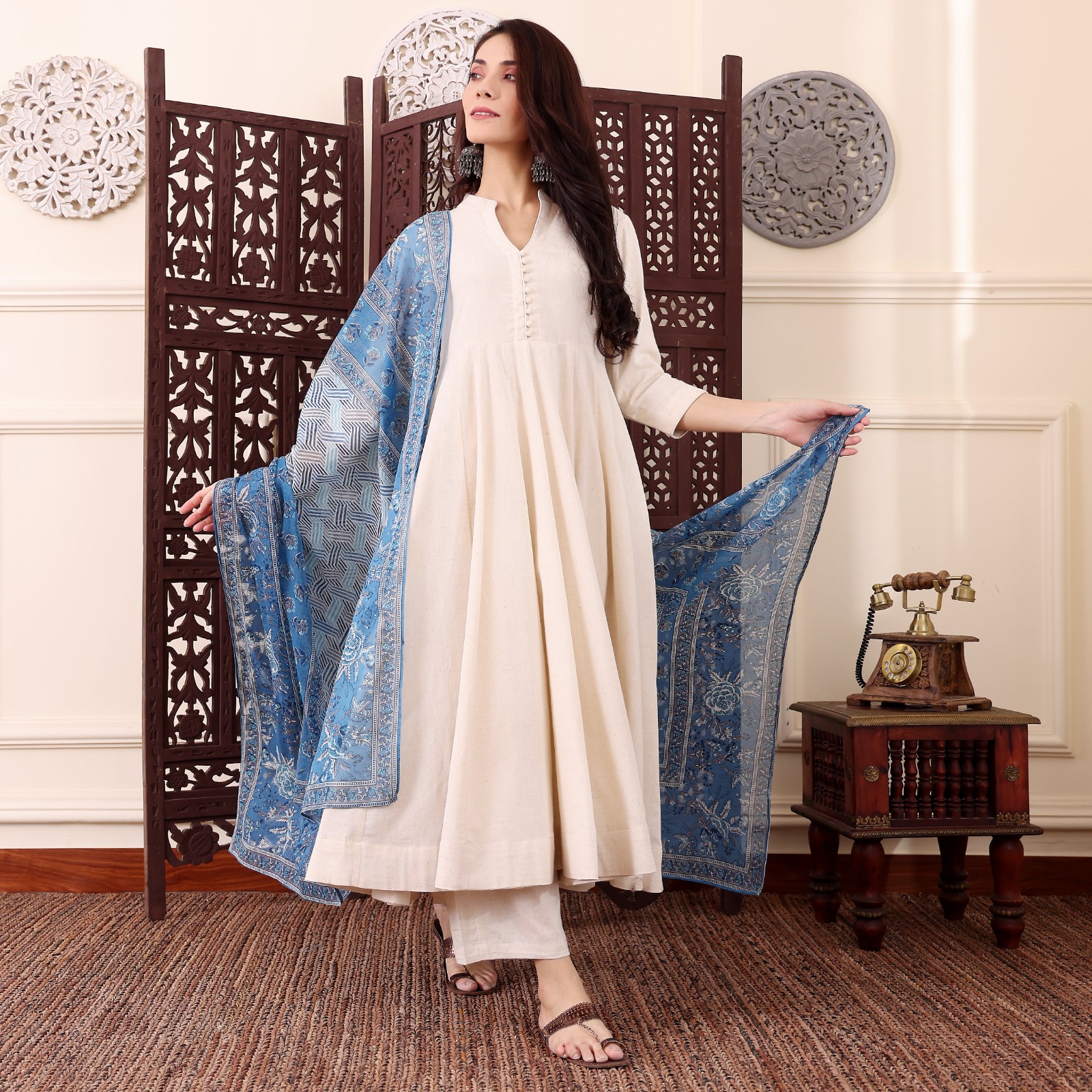
Cotton is practical for daily wear because it absorbs moisture and usually holds a clear seam after pressing. Cotton can crease at the elbow and placket, so a steam iron or pressing cloth helps maintain the shirt-like finish. Mirror work should be pressed from the reverse side with a cloth between the embellishment and the iron.
Viscose drapes closer to the body and works well when the design needs movement rather than a rigid outline. Wine Embroidered Viscose Kurti Set with Dupatta can be balanced with a narrow pant and a dupatta that falls in one clean column. Viscose should be washed according to the care label because high heat and aggressive wringing can change its fall.
Silk and silk blends support formal structure, but dense zari or embroidery adds weight at the chest, sleeve or hem. Royal Navy Silk Kurti Pant Set with Zari Dupatta benefits from simple accessories because the silk and zari already create a strong focal point.
Chanderi silk is lightweight but can appear dressy because of its fine texture and subtle sheen. Cream Chanderi Silk Kurti Pant Dupatta Set for Women can be styled with tonal footwear and a narrow dupatta fold for a long, uninterrupted line. Cream garments should be stored away from strongly dyed clothing to reduce the risk of colour transfer.
Chiffon and other fluid fabrics need lining when transparency or cling affects comfort. A lined bodice, stable neckline and properly finished armhole allow a light shirt-style kurti to retain shape while a palazzo or wide trouser moves freely.
When Shirt-style Kurtis Work Well and How to Balance the Silhouette with collars and hems
Collars and hems should guide the eye vertically or frame the body cleanly. Excessive horizontal detail can interrupt the length created by a shirt-style kurti.
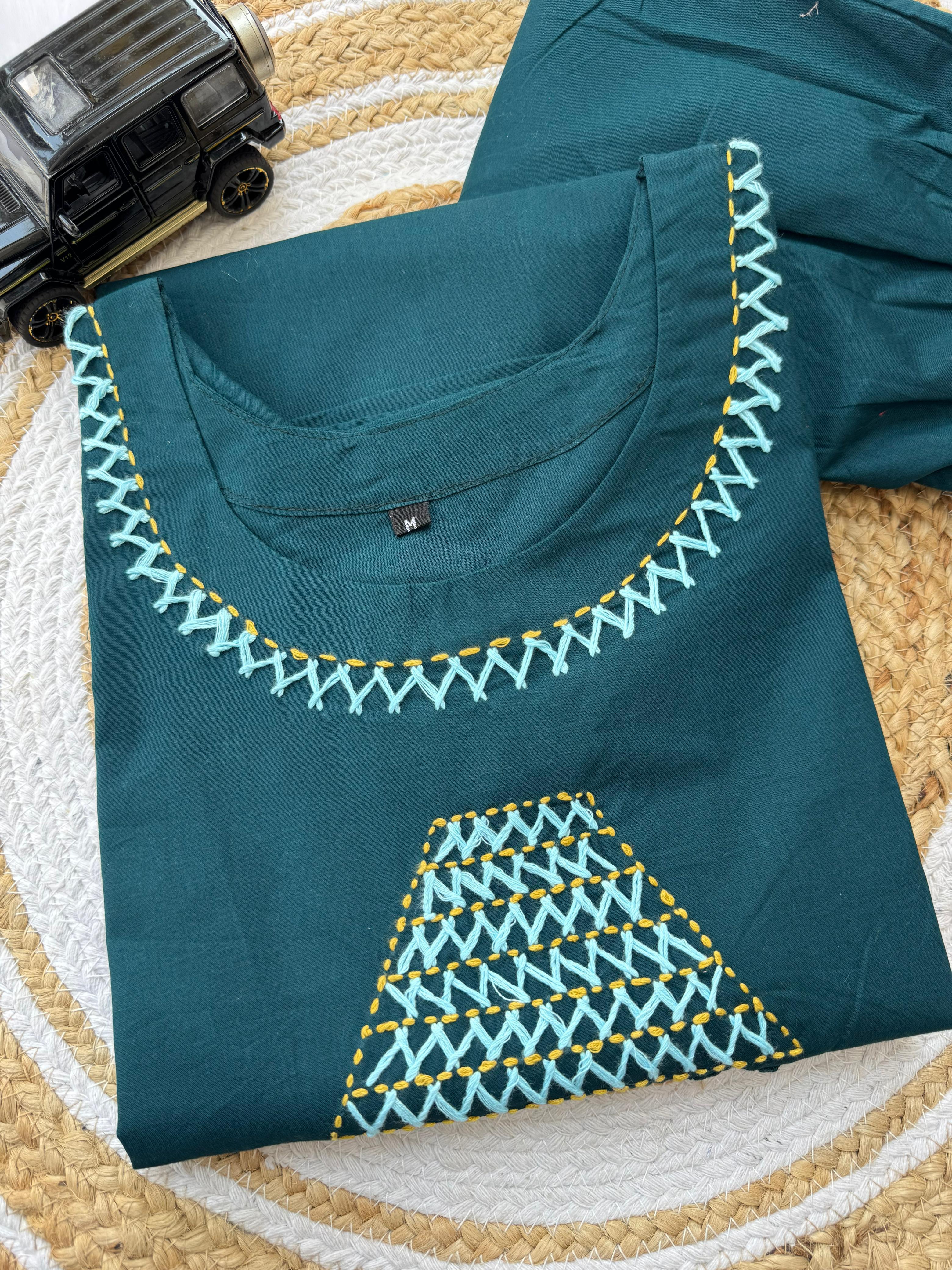
A band collar gives a compact, upright appearance and suits a longer kurti. A pointed collar creates a stronger directional line and works well with a V-shaped placket or narrow embroidery. A broad spread collar adds width near the shoulders, which can balance fuller hips but may feel heavy on a petite frame.
The hem should relate to both height and bottom volume. A straight hem looks crisp with cigarette pants. A curved shirttail hem softens a casual cotton outfit. Side slits release fabric over the hips. A hem ending two or three inches above the knee generally gives a palazzo more room to show, while a knee-length hem works with straight pants for a longer column.
Use embroidery and prints as proportion tools. Concentrated detail around the neckline and cuffs draws attention upwards. A border near the hem draws attention downwards. All-over motifs distribute attention more evenly.
Mustard Embroidered Kurti Pant Dupatta Set Women shows how embroidery can act as a focal point rather than simply decoration. Keep jewellery near the neckline proportionate to the embroidery, and let the pant remain quiet when the kurti already carries dense surface detail.
When Shirt-style Kurtis Work Well and How to Balance the Silhouette with a dupatta
A dupatta balances a shirt-style kurti when its width, fold and placement support the existing vertical lines instead of covering every tailored detail.
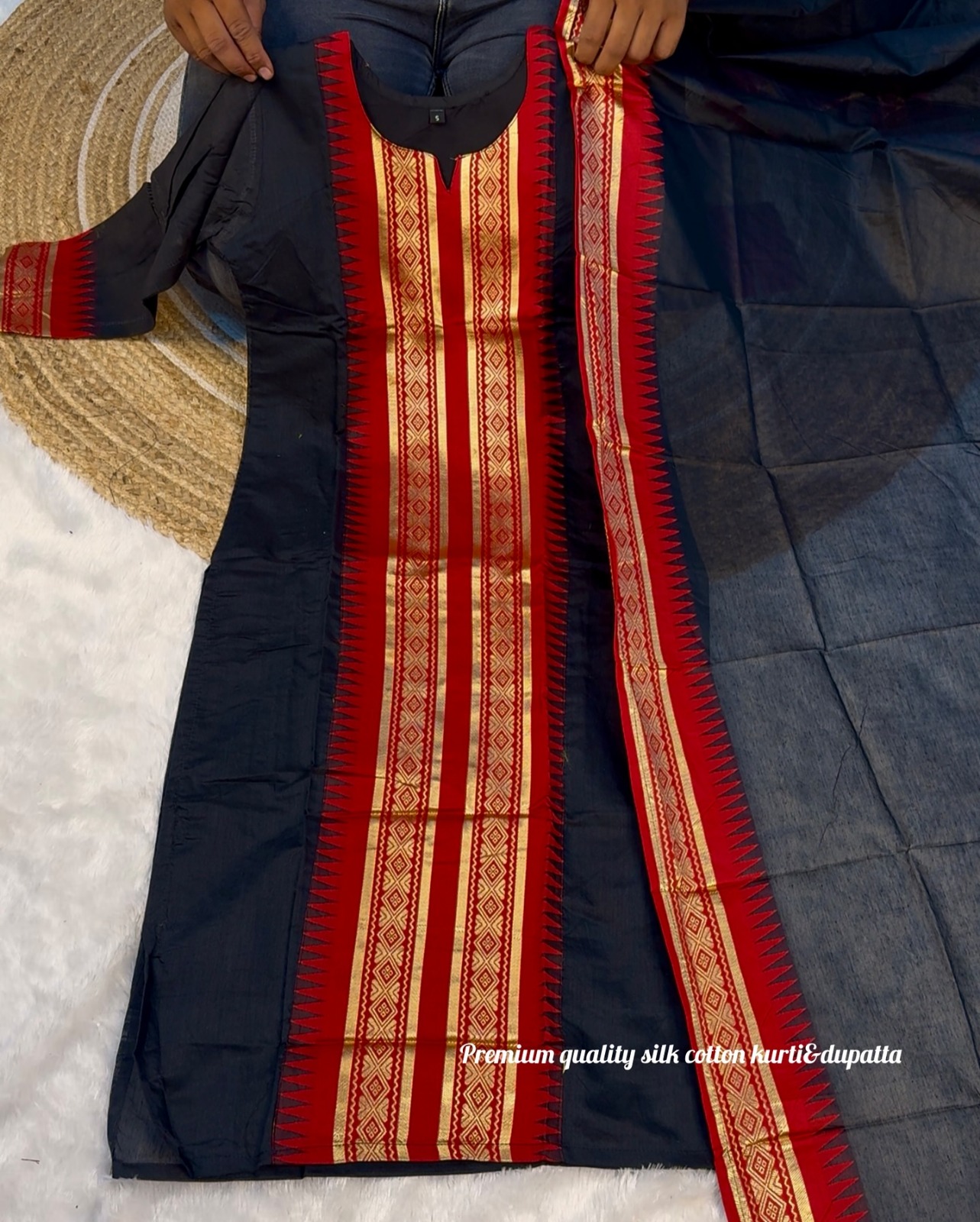
For a long kurti, wear a lighter dupatta over one shoulder or allow it to fall in two narrow vertical panels. This preserves the collar and placket while adding movement. For a short kurti with a palazzo, a dupatta worn across the upper body can visually connect the two pieces, provided the fabric isn't excessively bulky.
When the kurti has zari, mirror work or dense embroidery, choose a dupatta with either a related border or a calmer surface. The objective isn't to match every detail but to establish one clear focal point. A contrast dupatta works best when the kurti and bottom share at least one colour.
Maharashtra Paithani Inspired Salwar Suits can inspire a richer festive approach through a more prominent border and jewel-toned palette. Gujarat Bandhej Salwar Suits and Odisha Sambalpuri Salwar Suits show how regional print or weave references can become the accent, while the shirt-style kurti remains comparatively clean.
Kalamkari Print Salwar Suits (Copy) can be balanced with a plain bottom when the print is dense. A printed dupatta should not compete with an equally busy printed kurti unless the colours are tightly coordinated and the silhouette is otherwise simple.
When Shirt-style Kurtis Work Well and How to Balance the Silhouette before buying
Check the shoulder, bust, armhole, hem and trouser rise before buying a shirt-style kurti set. These measurements affect comfort and proportion more than the stated size alone.
The shoulder seam should sit close to the natural shoulder edge without pulling across the back. The button placket should lie flat when seated. The armhole should allow normal movement without gaping. A side slit should open from a comfortable point rather than exposing the widest part of the hip during walking.
Measure the kurti length against the footwear and bottom you plan to use. A long kurti with flats may need a different hem proportion from a shorter kurti styled with a palazzo and heeled sandals. Check the trouser rise as well, because a low rise can create a visible gap beneath a cropped kurti while a high rise can shorten the apparent torso.
For an office-friendly outfit, choose a calm colour, moderate embroidery and a straight pant. For a Haldi ceremony, cotton or viscose with cheerful colour and manageable movement can be more practical than heavy silk. For an evening celebration, silk, zari, Chanderi silk or controlled embroidery can provide formality without requiring a heavily flared silhouette.
A well-balanced shirt-style kurti doesn't depend on hiding the body or following a single trend. It depends on matching the garment's structure with the bottom's width, the fabric's fall and the visual weight of the dupatta. Once those relationships are right, the outfit can remain comfortable, distinctive and easy to wear across several kinds of Indian occasions.
Common Questions About Balancing Shirt-style Kurti Silhouettes
When do shirt-style kurtis work best?
Shirt-style kurtis work best for office wear, travel, lunches, everyday dressing and semi-formal events when a polished but comfortable silhouette is useful. A collar and button placket create structure, while cotton, viscose, silk and Chanderi silk allow the outfit to suit different levels of formality.
Which pants look best with a shirt-style kurti?
Straight pants and lightly tapered trousers are the most reliable choices because they echo the vertical line of the button placket. Moderate palazzos work well with shorter or closer-fitting kurtis, while heavily gathered Patiala bottoms need a shorter kurti to prevent excess volume.
Can a shirt-style kurti suit a fuller midsection or fuller hips?
Yes, a shirt-style kurti can suit a fuller midsection or fuller hips when the garment skims the body, includes comfortable ease and has side slits beginning below the widest point. A straight pant or controlled trouser usually balances the shape better than a very wide palazzo.
What length should a shirt-style kurti be with palazzo pants?
A shirt-style kurti worn with palazzo pants generally works best when the kurti is shorter, fitted through the upper body or finished with side slits. Leaving visible separation between the kurti hem and palazzo volume prevents the outfit from appearing crowded.
Which fabrics hold a shirt-style kurti shape well?
Cotton, silk and some structured blends hold a crisp shirt-style outline well, while viscose and chiffon create a softer, more fluid effect. Chanderi silk offers light structure with a formal sheen, but every fabric should be matched to the intended hem length and level of movement.
How should a dupatta be worn with a shirt-style kurti?
A dupatta should support the kurti's vertical lines rather than cover the collar and placket completely. Wear a lighter dupatta over one shoulder for a long kurti, or use a controlled cross-body or shoulder drape when a shorter kurti is paired with a palazzo.


