

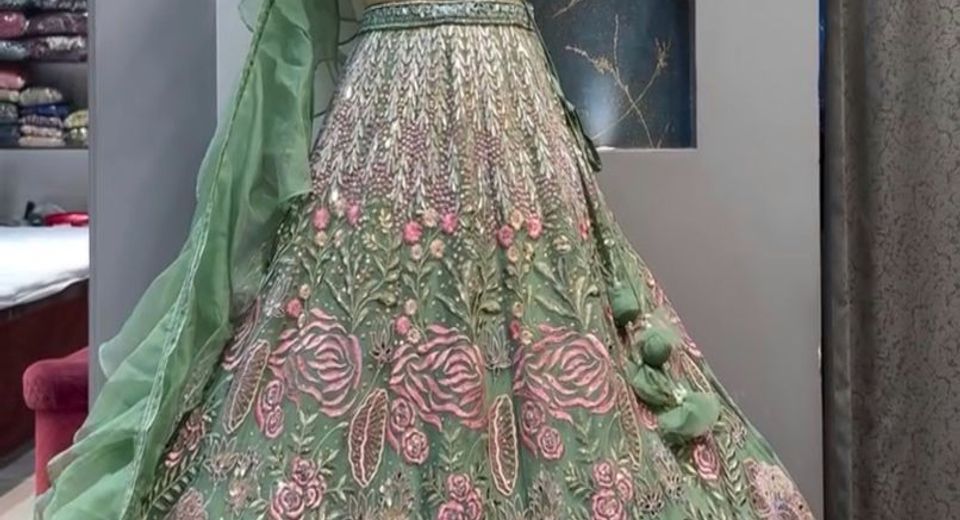
A lehenga's flare changes more than its appearance: it affects walking, sitting, dancing, photographing and even the size of blouse and dupatta that feel balanced. When extra volume helps and when it feels too much for can-can in lehengas depends on the skirt's fabric, length, number of support layers, venue and the wearer's movement. A dramatic hem can make a bridal entrance memorable, while the same construction can become tiring at a crowded daytime function.
Can-can is a stiff net or crinoline-like support layer sewn under the lehenga skirt, usually near the hem or in graduated tiers. The layer pushes the outer fabric outward and keeps the skirt from collapsing against the legs. The right amount creates a controlled bell shape; excessive can-can creates a rigid, wide outline that may overpower embroidery, restrict chairs and make the lehenga difficult to pack.
What can-can actually changes in a lehenga
Can-can increases the skirt's horizontal spread, preserves the shape of the hem and makes each step produce more visible movement. Can-can doesn't automatically make a lehenga more flattering, more bridal or more comfortable. The result depends on how the support layer is attached and whether the outer fabric has enough weight to fall over it.
A lightweight georgette skirt with one or two graduated can-can tiers usually gains lift without looking stiff. A heavy sequins skirt may need less support because embellishment already adds weight and visual density. A butterfly net skirt can look airy with moderate flare, but too many stiff layers may create a bell-shaped outline that hides the softness of the net.
Can-can also raises the complete hem slightly when the skirt is worn with heels. A skirt measured without considering the support layer may seem shorter at the front or show the lining during movement. A fitting appointment should therefore include the real can-can structure, footwear and the petticoat or shapewear intended for the event.
When Extra Volume Helps and When It Feels Too Much for Can-Can in Lehengas
Extra volume helps when the lehenga needs a stronger silhouette for a large venue, ceremonial entrance, bridal photography or a wide circular twirl. Extra volume feels excessive when the skirt becomes difficult to walk in, the hem extends far beyond the body, or the flare competes with the blouse, dupatta and embroidery.
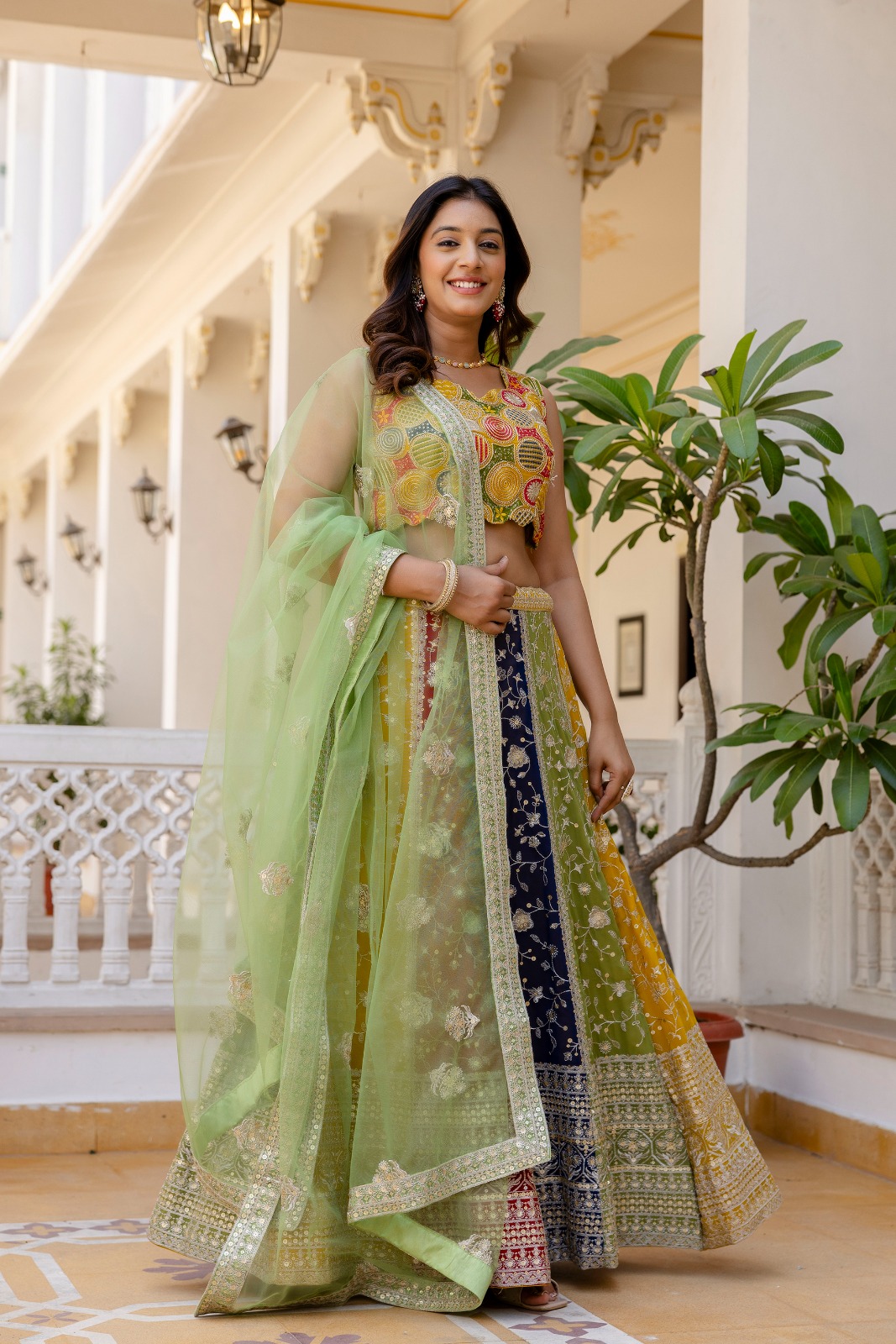
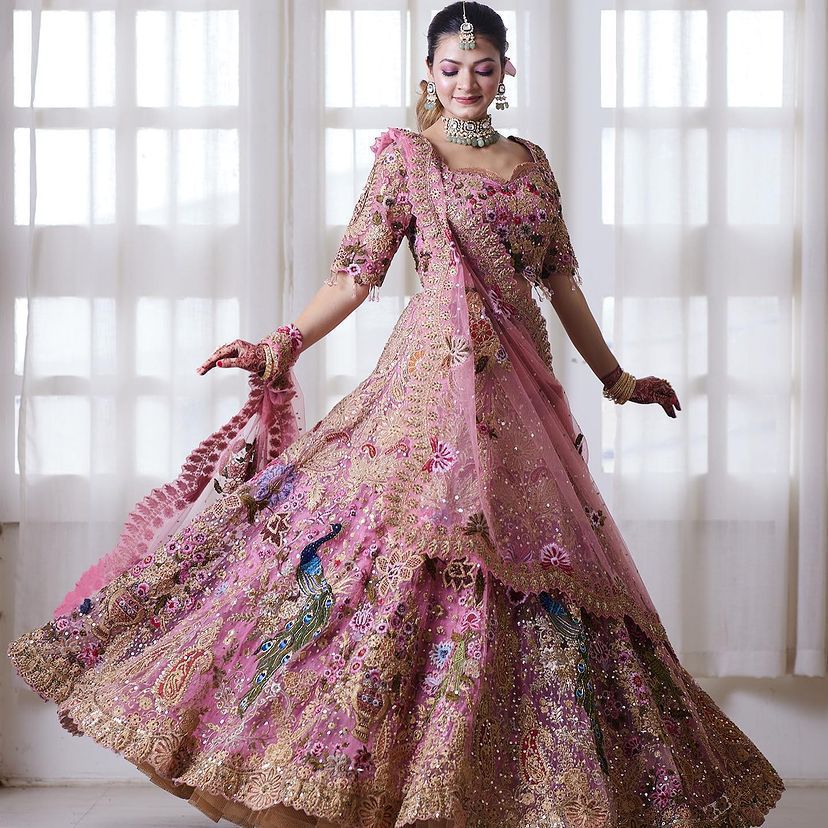
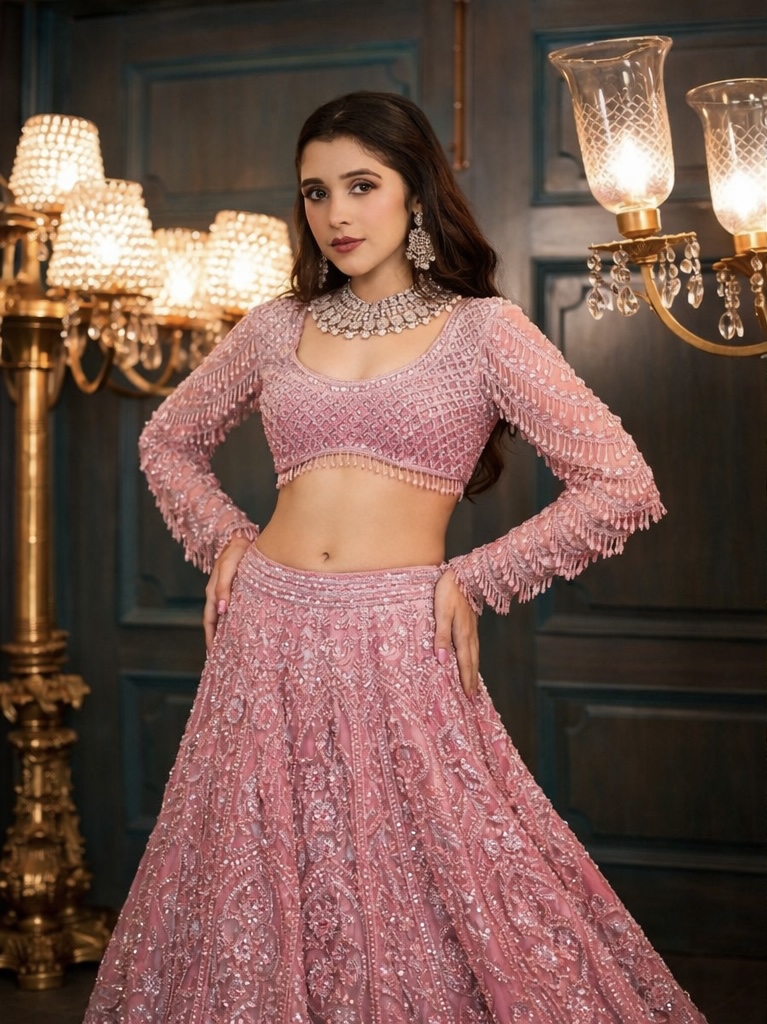
Bridal lehengas often benefit from substantial but graduated can-can because a long train-like sweep and richly embroidered hem need structural support. A Pink Bridal Sequins Lehenga Set with Heavy Flare is suited to a high-impact wedding look where the skirt is expected to hold its shape in photographs. Heavy flare works particularly well on a stage, in an open lawn or in a spacious banquet hall.
Extra support is less useful for a compact home ceremony, a crowded restaurant, a long ceremony involving floor seating or a celebration where frequent stair use is expected. A narrow aisle can make a very wide skirt catch on chairs and guests. A soft, moderate flare often looks more polished than an oversized hem that requires constant lifting.
Proportion provides a reliable test. A tall wearer or a person wearing a long blouse and broad dupatta can usually carry more flare because additional vertical and horizontal scale balance the silhouette. A petite wearer may prefer concentrated volume from the lower knee downward rather than equal stiffness from waist to hem. Graduated can-can gives the eye a clean waist and a fuller lower skirt.
How much flare suits different occasions?
The ideal flare is determined by the event's movement, space and dress code, not by the word "bridal" alone. An useful starting point is light support for daytime and movement-heavy events, medium support for most wedding functions, and heavier graduated support for a main bridal or reception outfit.
Mehendi and Haldi ceremony dressing
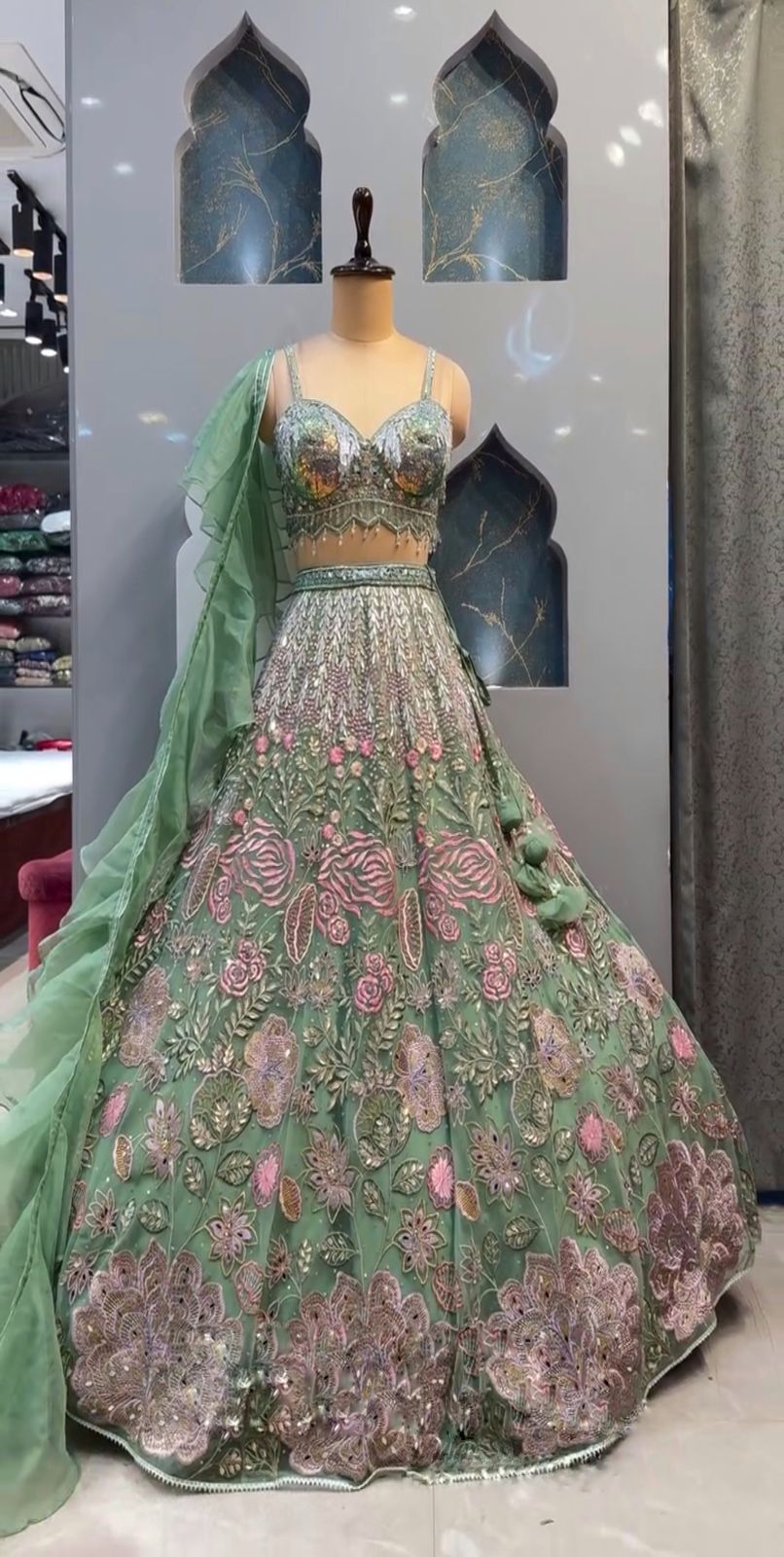
Light to medium flare usually works best for a Mehendi or Haldi ceremony because these events involve sitting, walking between guests and active photographs. Green Lehengas and Mehendi Lehengas can use fresh colour and embroidery to create impact without relying on an extremely wide hem. A Green Chinon Silk Sequins Embroidered Lehenga Set illustrates how a decorative surface can carry attention while the wearer retains practical movement.
For a Haldi ceremony, washable or easily managed styling matters because turmeric, flower petals and outdoor dust can reach the lower skirt. A slightly shorter hem, comfortable footwear and moderate can-can reduce the need to lift the garment repeatedly. A huge stiff circumference is rarely useful when the wearer is moving between seating areas or participating in rituals.
Sangeet and reception
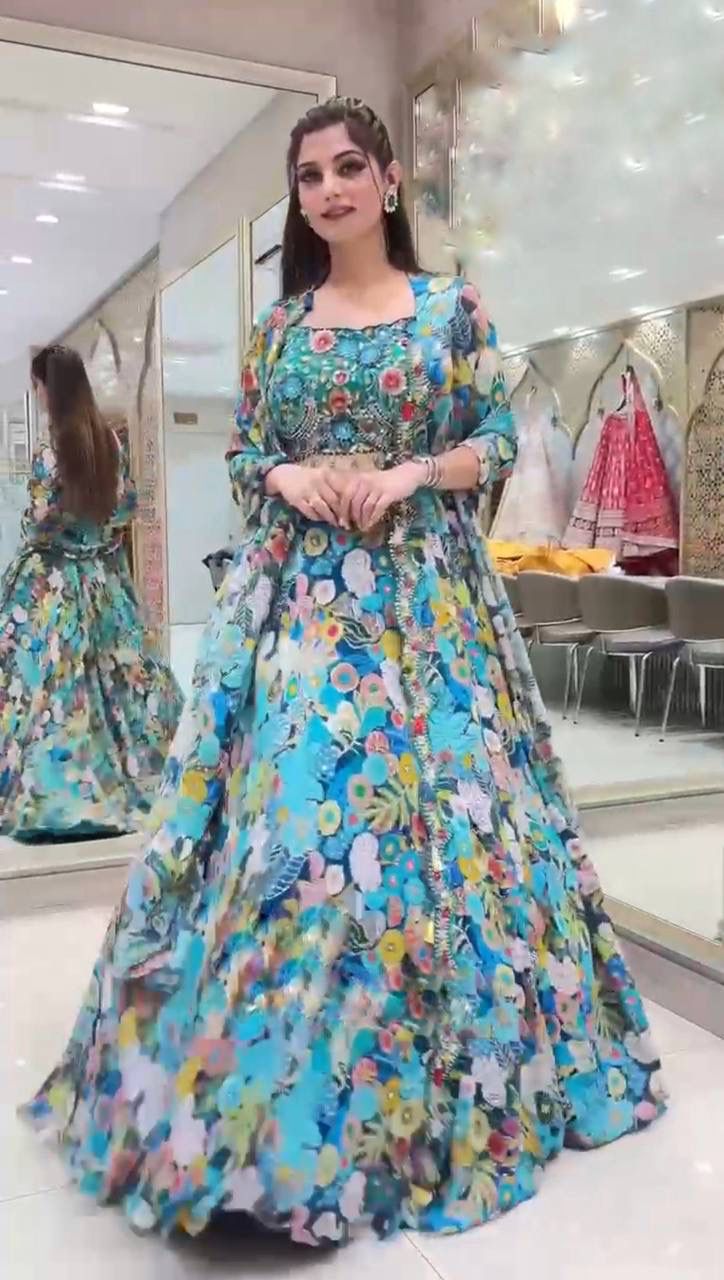
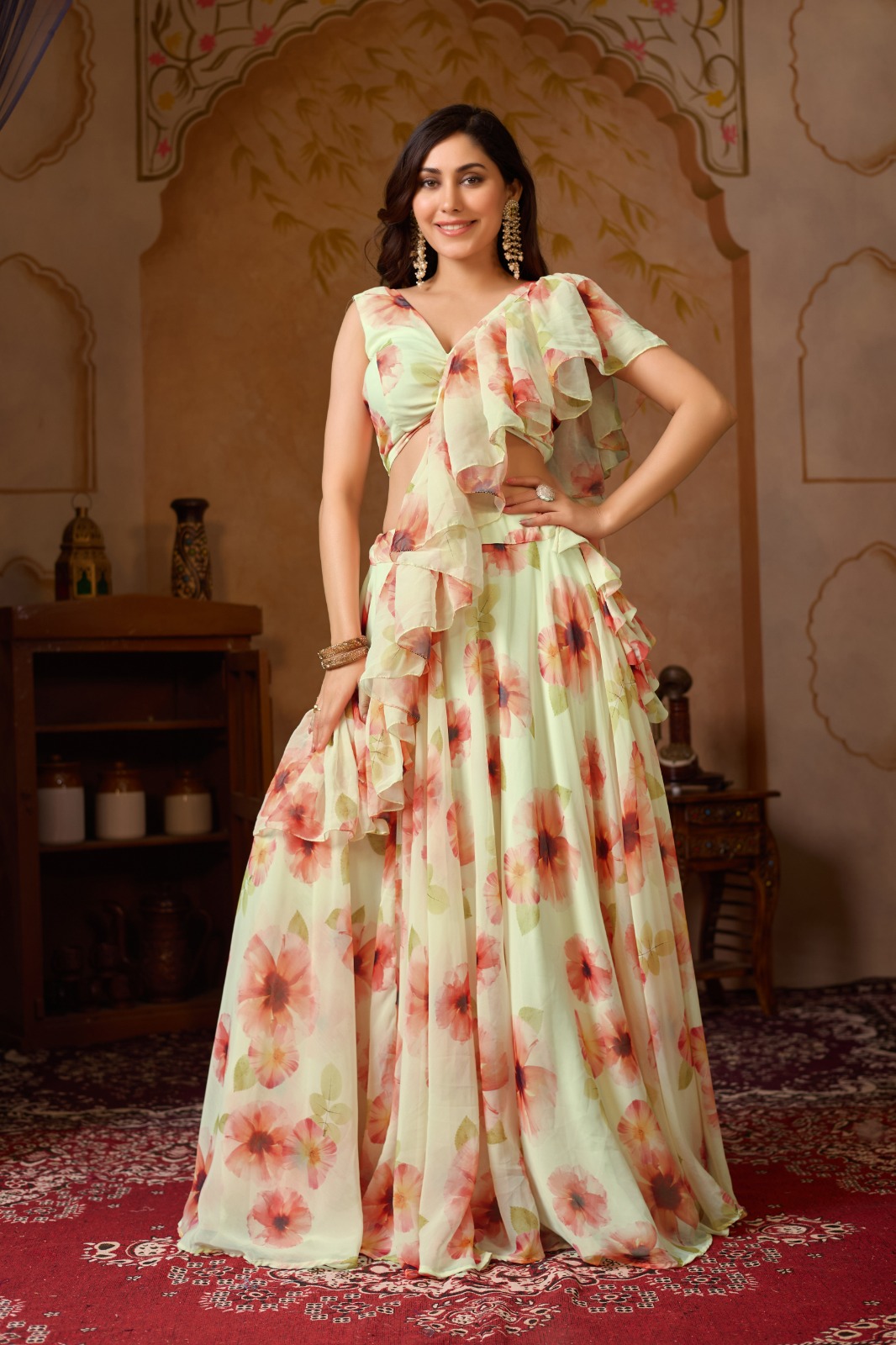
Medium to heavy graduated flare suits a Sangeet or reception when dancing and stage photography are central. Blue Floral Georgette Lehenga Set with Heavy Flare can create a noticeable circular movement, but the wearer should practise two or three dance turns before final alterations. A skirt that looks beautiful in a still image may feel difficult if the flare catches a partner's footwear or brushes stage furniture.
Reception dressing can support stronger volume because venues generally provide more open space and controlled photography. A dramatic skirt should still allow the wearer to sit without crushing the embroidery or forcing the waistband upward. A side opening, flexible waistband or carefully placed hook-and-eye closure can make a heavily flared skirt easier to manage.
Wedding ceremony and bridal portraits
A wedding ceremony can justify the greatest volume when the lehenga has substantial embroidery, a long hem and a venue large enough to display the silhouette. Pink Chinon Silk Sequins Embroidered Lehenga Set Sale may suit a buyer seeking a festive surface with pronounced shape, but the buyer should confirm whether the flare comes from can-can, fabric quantity or both. The construction affects weight and packing requirements.
Portraits look strongest when the flare is distributed evenly rather than piled at one stiff point. A photographer can spread the hem, but a balanced cut will remain attractive while walking and standing. The wearer should test the skirt from front, side and three-quarter angles because excessive side volume may make the waist appear disproportionately narrow.
Fabric, embroidery and construction determine the right support
Fabric weight and surface treatment determine how much can-can a lehenga can carry gracefully. Banarasi silk, brocade and heavily embellished velvet already have body, while georgette, chinon silk and butterfly net generally need carefully placed support to hold a formal flare.
Georgette responds well to graduated can-can because the fluid outer layer can soften the stiff edge. A Varnika Sequin Georgette Lehenga may appear festive without requiring the maximum possible support, since sequins add visual richness even when the skirt has moderate volume. A very stiff underlayer beneath lightweight georgette can create a visible ridge, so inspect the hem from the outside before buying.
Chinon silk has a smooth, fluid fall but can carry embellishment differently from matte fabrics. Green Chinon Silk Sequins Embroidered Lehenga Set and Pink Chinon Silk Sequins Embroidered Lehenga Set Sale should be assessed for the relationship between sequin weight, lining and hem support. A well-balanced skirt lets the outer fabric fall over the can-can rather than exposing a hard horizontal line.
Butterfly net creates an airy, layered appearance and often benefits from moderate lift. Pink Sequins Embroidered Butterfly Net Lehenga Set and Pastel Grey Embroidered Butterfly Net Lehenga Set demonstrate why the colour and transparency of the outer layers matter: a very large flare can make delicate net look theatrical, while controlled volume keeps the surface visible.
Embroidery placement is another practical clue. Dense borders need enough structure to remain visible rather than fold into the wearer's ankles. Scattered motifs often look better with softer movement. Zari, sequins, thread embroidery and appliqué each contribute different amounts of weight, so the word "embroidered" alone can't indicate the required can-can.
Ready-made or semi-stitched: which option handles flare better?
A ready-made lehenga offers faster wear, while a semi-stitched lehenga gives more scope to adjust waist, length and flare placement. A buyer choosing between Fully stitched choli shopping and a Semi Stitched Lehengas Collection should compare alteration needs with the desired silhouette rather than assuming one format is universally superior.
Ready Made Lehenga sets are practical when the standard measurements closely match the wearer and the event is soon. A fully stitched choli and finished skirt reduce tailoring uncertainty, but a ready-made skirt may have a fixed can-can structure that can't be removed easily. Ask for the finished skirt length, waist measurement, lining composition and approximate hem circumference.
A semi-stitched option can allow a tailor to adjust the waist, add a modesty panel, modify the closure and regulate the final length. Semi-stitched construction doesn't guarantee a custom flare. The tailor must understand how the outer skirt, lining and support layers are intended to sit; cutting through a can-can tier can create an uneven hem.
Before ordering a designer or bridal lehenga, record four measurements: natural waist, high hip, waist-to-floor length in chosen footwear and the circumference you can comfortably manage while turning. Measure with the undergarments and footwear intended for the function. A tight waist can make heavy can-can feel more restrictive because the skirt can't settle naturally around the hips.
A practical fitting test for a heavily flared lehenga
A five-minute movement test reveals more than a static mirror check. Wear the final blouse, footwear and dupatta, then walk ten steps, turn twice, sit on a normal chair, climb three steps and lift the hem with one hand.
- The waistband should remain level while walking and sitting.
- The hem should not catch under the opposite foot during a turn.
- The lining should stay below the outer fabric when the wearer lifts the skirt.
- The side seams should not twist after several turns.
- The wearer should be able to sit without forcing the skirt into a tight bundle.
- The dupatta should not slide because the blouse and skirt create an overly bulky waistline.
Check the underside for scratchy net edges, exposed wire-like trim or rough seam finishing. Can-can should be secured to the lining or inner skirt with neat seams, not left as a loose removable layer that shifts during walking. A seller's product photographs may show the outer flare clearly but can't replace a construction check when comfort is important.
How to style volume without making the outfit feel crowded
A voluminous lehenga looks balanced when one or two other elements remain visually controlled. A fitted choli, a neatly pinned dupatta and restrained jewellery allow the skirt to remain the focal point. A broad blouse peplum, very wide dupatta border and oversized necklace can collectively make a heavily flared silhouette appear heavier than intended.
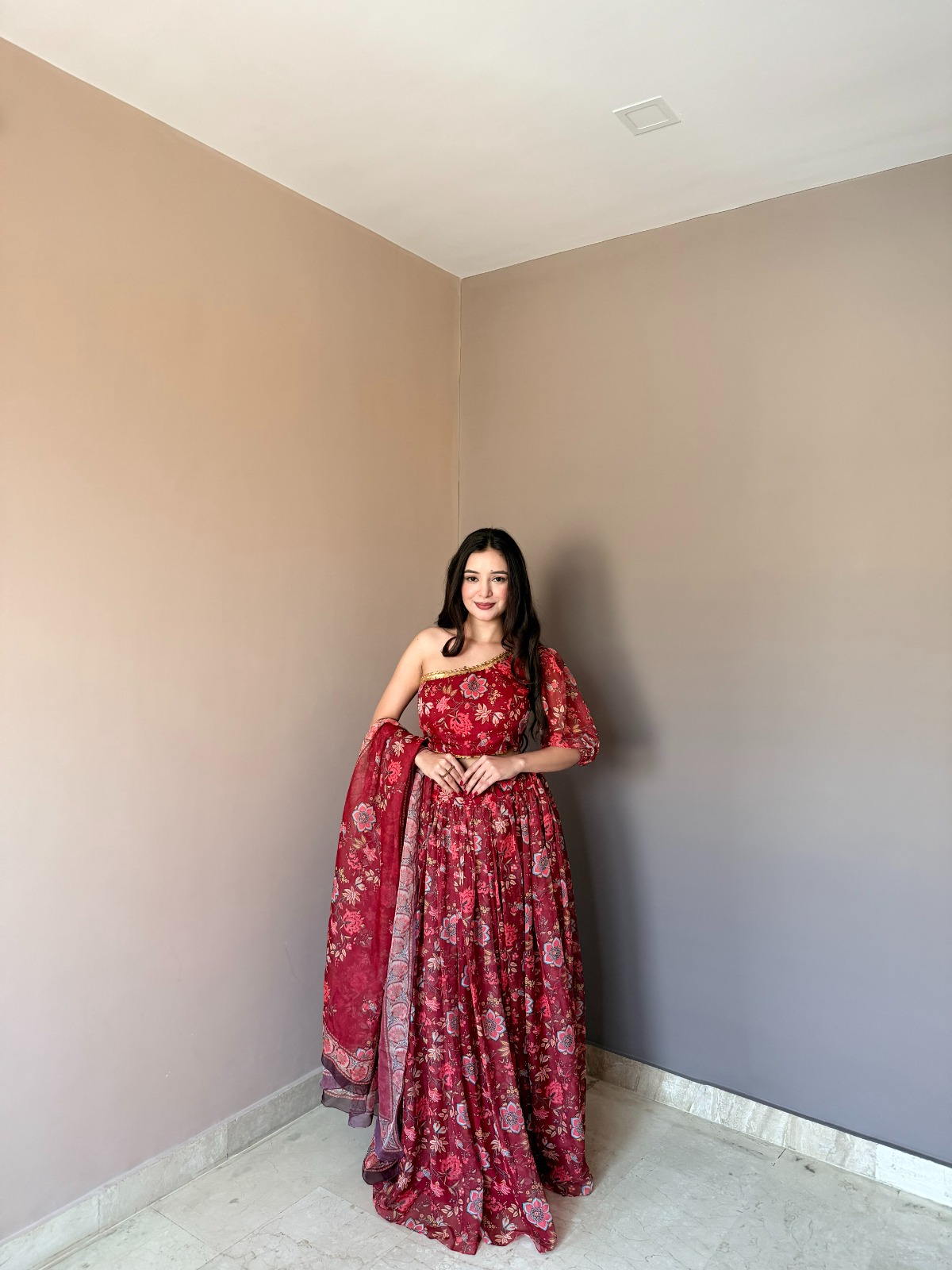
Use the dupatta to create vertical lines. Draping one end over the shoulder and letting the other end fall close to the body can visually lengthen a wide skirt. A waist-level drape adds horizontal volume and may be uncomfortable when can-can already pushes the fabric outward.
Colour affects perceived size. Bright Yellow Lehengas and richly saturated pinks naturally attract attention, so moderate flare may be enough for a strong look. Pastel Grey Embroidered Butterfly Net Lehenga Set can carry a broader silhouette with a softer visual effect, although the physical width and weight still need testing.
Footwear should provide stable height rather than only maximum height. Block heels or secure embellished sandals are generally easier to manage under a wide hem than narrow heels that sink into grass or catch on the lining. The finished skirt length should be checked after the can-can has settled, ideally after ten minutes of walking.
Buying and care decisions that preserve the flare
Ask specific construction questions before buying a heavily flared lehenga: how many can-can tiers are included, whether the support is sewn in, whether the hem can be shortened, what the lining is made from and how much the complete set weighs. The answers help distinguish a wearable heavy flare from a visually dramatic but impractical design.
Store a can-can lehenga on a broad hanger or folded loosely in a large breathable garment bag. Do not compress the skirt under heavy clothing for long periods because permanent creases may form in the net and outer fabric. Sequins and zari should be turned inward or protected with soft muslin to prevent snagging.
Dry cleaning is usually safer for sequins, zari and structured linings than home washing, but care instructions for the specific garment should take priority. A cleaner should know that the skirt contains can-can, because aggressive pressing can flatten or deform the support layer. Air the garment completely before storage and avoid placing it near direct heat.
Extra volume earns its place when it supports the event, the fabric and the wearer's movement. A lehenga doesn't need the widest possible circumference to look bridal, designer or photograph-ready. The strongest purchase is the one whose flare remains graceful after walking, sitting, dancing and spending several hours among real people.
Common Questions About Choosing the Right Lehenga Flare
What is can-can used for in a lehenga?
Can-can is used to support the lower skirt, increase flare and preserve a rounded silhouette while walking or posing. Can-can is usually made from a stiff net or crinoline-like material and is sewn into the lining or inner skirt.
Is a heavy-flare lehenga suitable for a Haldi ceremony?
A heavy-flare lehenga can work for a Haldi ceremony when the venue is spacious and the wearer does not need to sit or move frequently. Moderate flare is usually more practical because Haldi functions involve walking, floor seating, outdoor movement and contact with turmeric or flower petals.
How do I know if a lehenga has too much can-can?
A lehenga has too much can-can when the wearer cannot walk, sit, turn or climb steps comfortably, or when the support creates a hard ridge under the outer fabric. A five-minute test with the intended footwear and dupatta can reveal problems before alterations or an event.
Is a ready-made lehenga better than a semi-stitched lehenga for heavy flare?
A ready-made lehenga is better for speed when the standard measurements and fixed flare suit the wearer. A semi-stitched lehenga is better when waist, length, closure or flare placement needs tailoring, but the tailor must understand how the can-can tiers are constructed.
Can can-can be removed from a lehenga?
Can-can can sometimes be reduced or removed, but the alteration depends on whether the support is sewn into the lining, attached in tiers or integrated with the skirt construction. A specialist tailor should inspect the seams before cutting because removing one tier can create an uneven hem.
What fabric works best with a flared lehenga?
Georgette, chinon silk and butterfly net can work well with graduated can-can because the support creates shape while the outer layers retain movement. Heavier fabrics such as brocade or heavily embellished skirts may need less can-can because the fabric and decoration already provide body and visual weight.


