

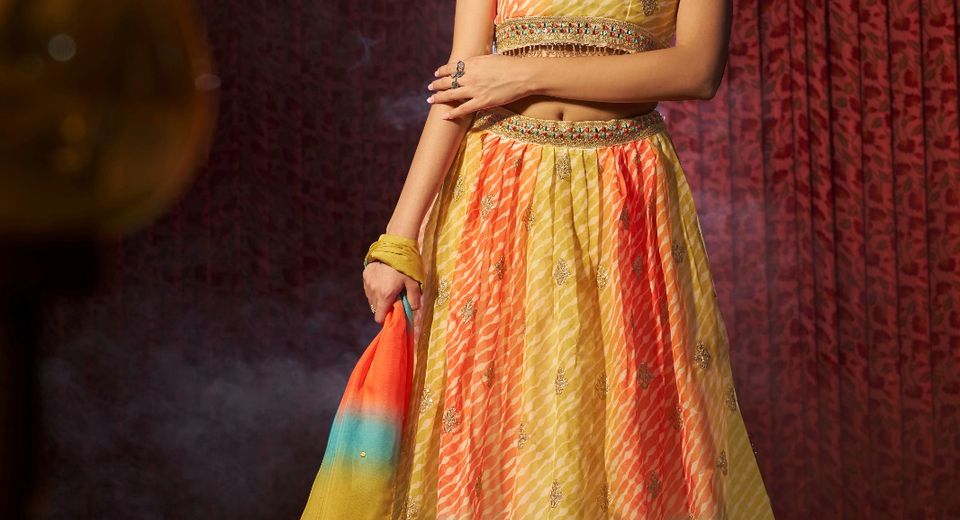
Choosing the number of dupattas changes the proportion, movement and formality of a lehenga more than many shoppers expect. When Each Works for Single Dupatta vs Double Dupatta for Lehenga depends on the ceremony, blouse neckline, skirt volume, fabric weight and the amount of draping you can comfortably manage for several hours.
A single dupatta usually gives a cleaner silhouette and easier movement. A double dupatta creates more visual layering and can separate the functions of modesty and decoration: one piece covers the head or shoulder while the second frames the lehenga. Neither option is automatically more bridal, modern or flattering; the right choice is the one that supports the event and the outfit's construction.
When Each Works for Single Dupatta vs Double Dupatta for Lehenga at Different Events
A single dupatta generally suits active daytime functions, while a double dupatta is more useful for formal bridal ceremonies and portrait-led occasions.
One dupatta is especially practical for a Mehendi ceremony, Haldi ceremony, engagement, sangeet performance or daytime wedding function. These events involve walking, sitting on the floor, greeting guests and sometimes dancing. A single layer reduces the chance of one dupatta slipping while another catches on jewellery, bangles or a chair.
A double dupatta is more appropriate for a main wedding ceremony, reception entrance or formal bridal portrait session. One dupatta can cover the head for rituals, while the second remains arranged across the shoulder or around the body. The separation gives the outfit a more ceremonial appearance without forcing one heavily decorated piece to perform every function.
- Mehendi: Choose one colourful, breathable dupatta so the hands and arms remain free for henna and photographs.
- Haldi ceremony: Select one less delicate layer because turmeric paste and water can stain fragile embellishments.
- Sangeet: A pinned single dupatta is safer for choreography than two loose layers.
- Engagement: One refined dupatta keeps the outfit polished without making the look overly formal.
- Main wedding ceremony: Two dupattas can provide head coverage, border detail and a traditional bridal effect.
The Red Floral Organza Lehenga Set with One Shoulder Blouse illustrates why one dupatta often works well for a sangeet or engagement. An asymmetric blouse already creates directional interest, so a second layer may hide the one-shoulder detail and make the upper half look crowded.
When Each Works for Single Dupatta vs Double Dupatta for Lehenga Based on Fabric
Fabric weight and surface decoration should determine whether one or two dupattas will remain comfortable and visually balanced.
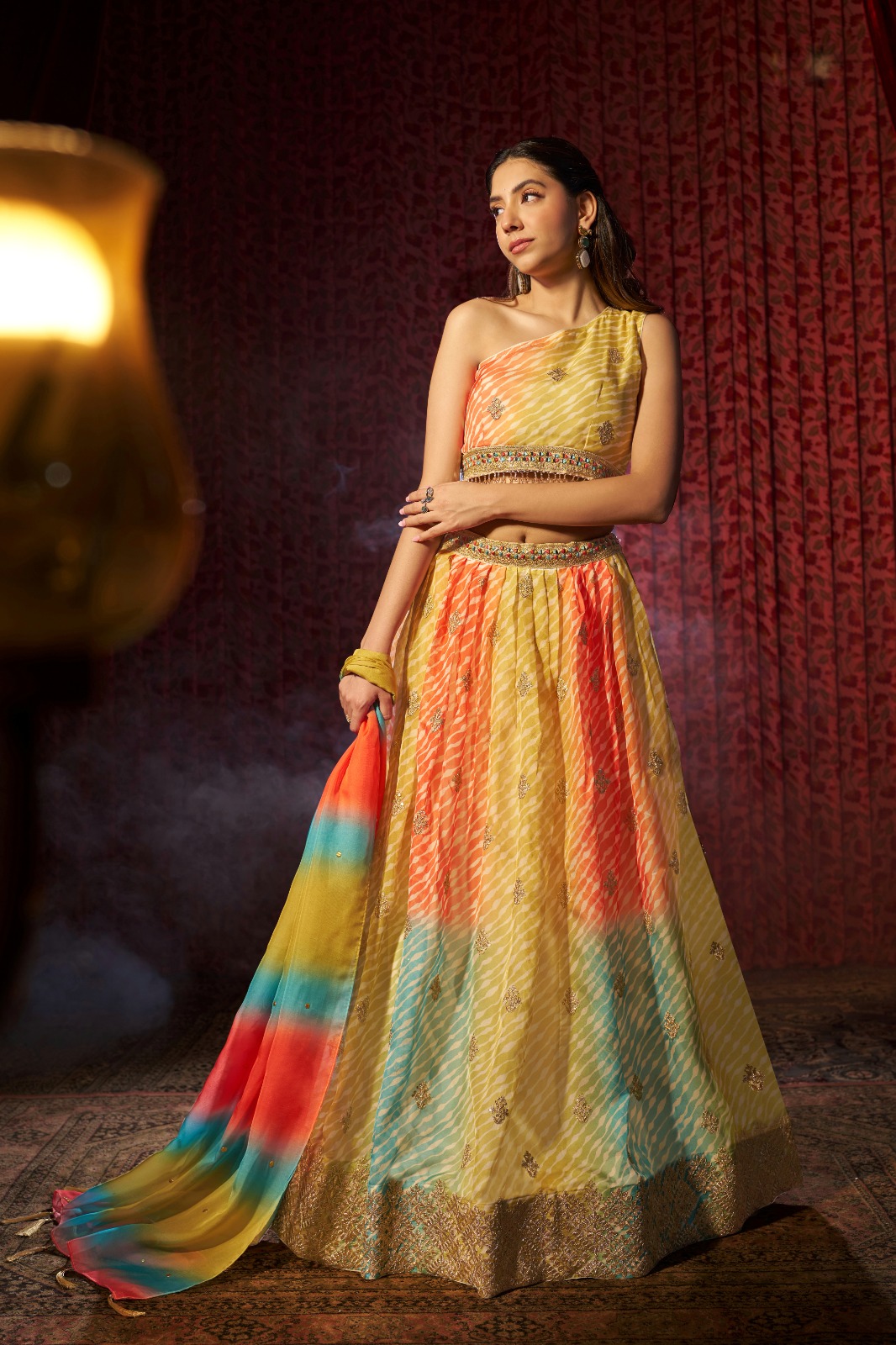
Organza holds pleats and produces a crisp outline, but two stiff organza layers can feel bulky around the arms and waist. Net is lighter and suitable for a head veil, although dense sequin or zari borders can make even net surprisingly heavy. Silk and jacquard provide richness but may pull at the blouse shoulder when layered together.
A single dupatta is generally safer when the lehenga already contains substantial volume, a wide embroidered hem or a heavily decorated choli. A double dupatta can work with a simpler skirt if the additional layer supplies the desired grandeur. The Designer Threadwork Silk Lehenga Choli Set with Dupatta already has a rich textile presence, so one carefully placed dupatta may create a more elegant result than two competing silk layers.
Small embellishments also affect handling. Mukaish work, sequins, zari and dori embroidery can catch on one another when two decorated surfaces rub together. A plain or lightly finished head veil reduces friction and prevents the outfit from feeling unnecessarily heavy.
The Multi Colour Organza Lehenga Choli with Digital Print, Cording Embroidery and Mukaish Work Dupatta can be styled with one feature dupatta because the print and surface work already provide layered visual interest. A second heavily embellished piece could conceal the digital print and make the colours appear less distinct.
Can two different fabrics be used together?
Two different fabrics can be used together when one dupatta is light and functional while the other provides structure or decoration.
A net veil paired with silk, an organza layer paired with a heavier embroidered dupatta or a plain layer paired with a border-rich piece can produce a balanced result. The two fabrics should not compete for the same position. Keep the lighter layer over the head and use the more substantial layer across the shoulder or waist.
The Semi Stitched Lehenga with Organza Dupatta offers an useful example of why fabric character matters. Organza creates defined pleats and a crisp fall, so a second dupatta should ideally be softer, lighter or less embellished instead of another stiff border-heavy layer.
When Each Works for Single Dupatta vs Double Dupatta for Lehenga and Blouse Design
Dupatta placement should preserve the most important feature of the blouse while creating a clear vertical or diagonal line.
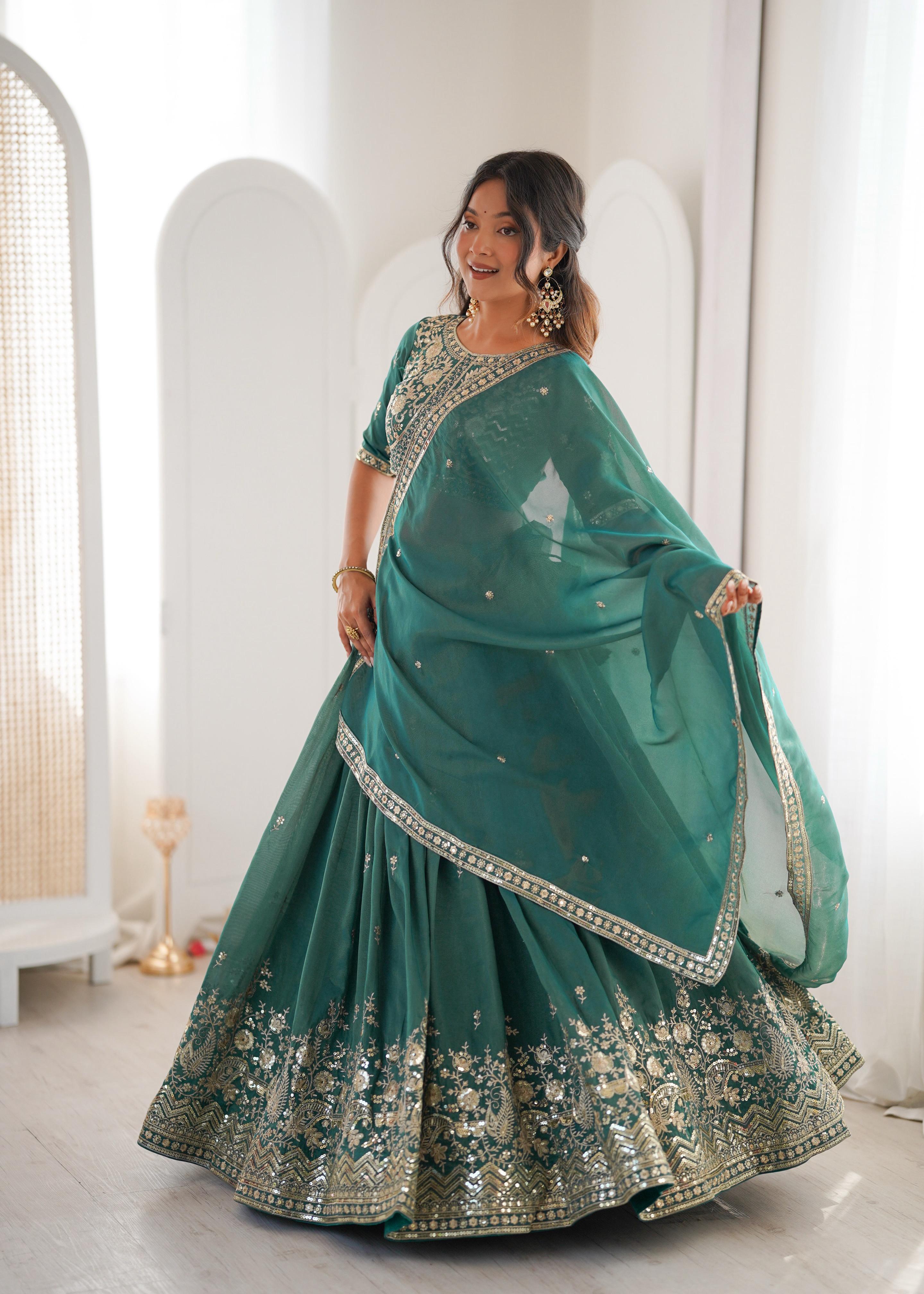
A deeply embroidered choli, statement sleeve, one-shoulder neckline or decorated back may be hidden by a second dupatta. Dense threadwork, zari or sequins already give the upper half of the outfit visual detail. One transparent or lightly embellished dupatta allows the blouse to remain visible and usually produces a cleaner photograph.
A second dupatta is more useful when the blouse is comparatively simple or when the bride needs a dedicated head covering. In that situation, the extra layer adds interest without covering the outfit's main decoration. Keep the two drapes on different lines: place one over the head and the other across the opposite shoulder rather than stacking both on the same side.
The Cream & Maroon Jacquard Lehenga Choli with Dupatta Set demonstrates why colour relationships matter. Cream creates a light base, while maroon supplies depth; a second dupatta should support that contrast rather than introduce an unrelated third dominant shade.
Consider the camera-facing angle before pinning the outfit. A dupatta that looks balanced from the front may cover the blouse when you turn sideways or sit. Take photographs from the front, side and back while trying the complete jewellery and hairstyle.
When Each Works for Single Dupatta vs Double Dupatta for Lehenga According to Proportion
Single or double draping should create visual balance between the blouse, skirt, border and wearer's height.
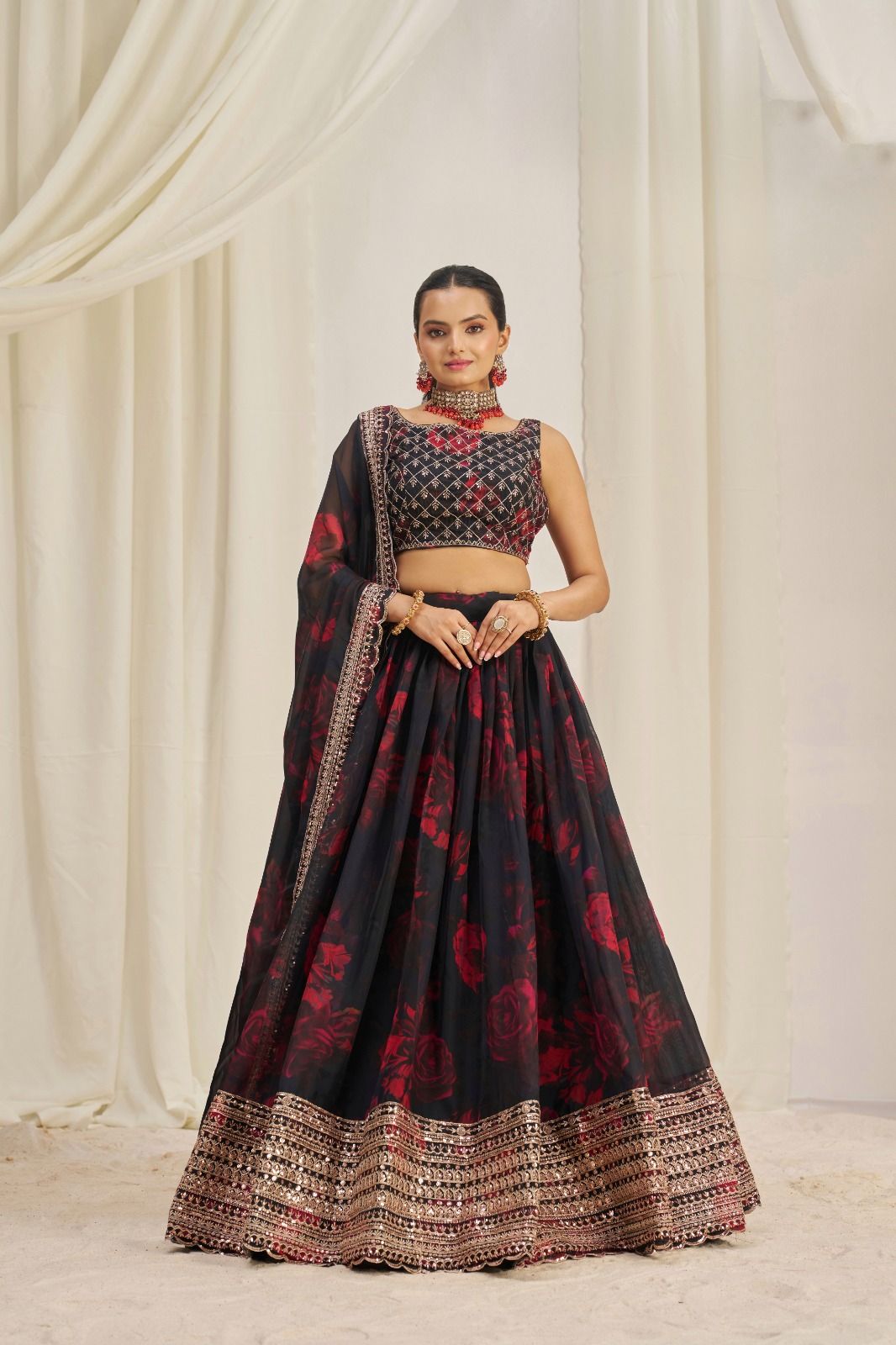
A shorter wearer may prefer one open dupatta with narrow pleats because excessive layering can visually shorten the torso. A double dupatta can still work when one layer is kept close to the head and the second falls in a long, uninterrupted line from shoulder to hem. Very wide borders placed horizontally across the chest can make the upper body appear broader.
A fuller skirt usually supports a simpler upper drape. A narrow or lightly flared skirt can carry more upper-body volume through a second dupatta, especially when the blouse is minimal. A wide lehenga hem, heavy waist embellishment and two broad dupatta borders may create too many horizontal divisions.
The Mint Embroidered Lehenga Set with Net Dupatta for Women suits a softer, lighter styling direction. A mint palette and net layer can look fresh with one shoulder drape for a daytime function. A second pastel veil may work for a formal portrait, but both layers should remain sheer enough to preserve the embroidery underneath.
Colour also changes perceived proportion. A darker second dupatta can visually anchor the shoulder, while a pale sheer veil adds height and lightness around the face. A matching pair produces a heritage effect; a contrast pair is more fashion-forward but requires careful control of borders and embellishment.
When Each Works for Single Dupatta vs Double Dupatta for Lehenga for Ready-Made Shopping
Shoppers should verify the number, dimensions, fabric and finishing of every included dupatta before buying a ready-made or semi-stitched lehenga.
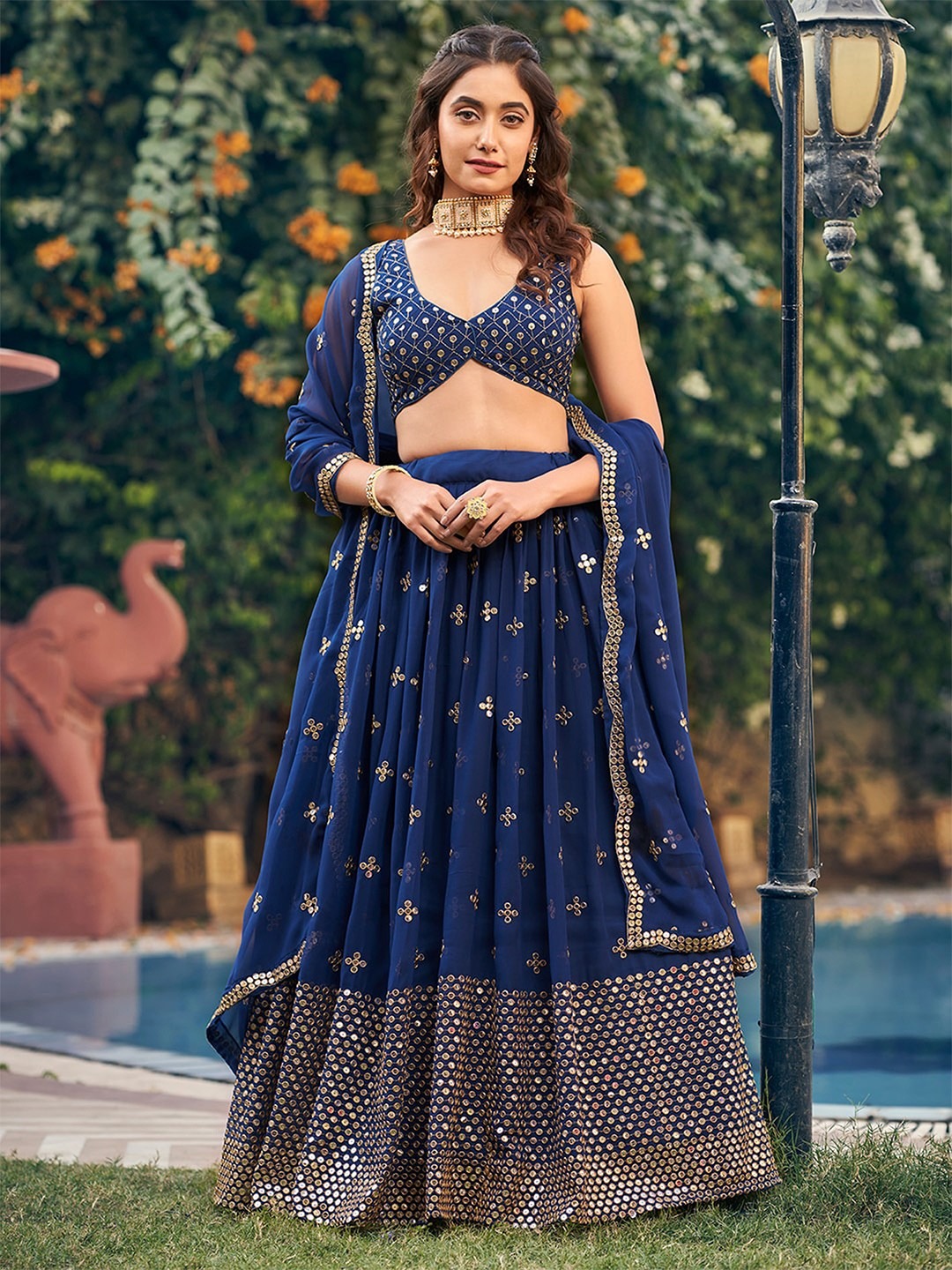
Product photographs can show a second styling layer that's not included in the set. Read the product description for the exact number of dupattas, their measurements, edging and closure details. A "with dupatta" description normally indicates one included piece, not a complete double-dupatta arrangement.
Ready Made Lehenga options are convenient when the event is close, but fixed blouse measurements must be checked carefully. Measure the bust, underbust, waist and armhole against the garment chart rather than relying only on a usual clothing size. A blouse that fits at the bust but pulls at the shoulder will make a double-dupatta style uncomfortable.
Semi Stitched Lehengas Collection pieces provide more scope for waist and blouse adjustments, although the final fit depends on the tailor's measurements and seam allowance. Ask the tailor to reinforce the shoulder if two dupattas will be worn, especially when one piece has a zari, jacquard or sequin border.
Fully stitched choli shopping is convenient for a fixed event date, but alteration options may be limited. Check whether the blouse has extra seam allowance, adjustable hooks, padded cups or a finished lining. These details affect how securely a dupatta can be pinned.
For shoppers comparing designer and bridal lehengas, weight deserves as much attention as embroidery. Wear the complete set for at least 15 minutes before finalising it. Sit on a chair, raise both arms, turn around and walk up a few steps. Slipping at the shoulder, pressure at the neck or pulling at the blouse indicates that the second dupatta needs a lighter fabric, a different placement or removal altogether.
When Each Works for Single Dupatta vs Double Dupatta for Lehenga in Specific Collections
Collection choice should follow the ceremony and required movement rather than the assumption that every bridal-looking lehenga needs two dupattas.
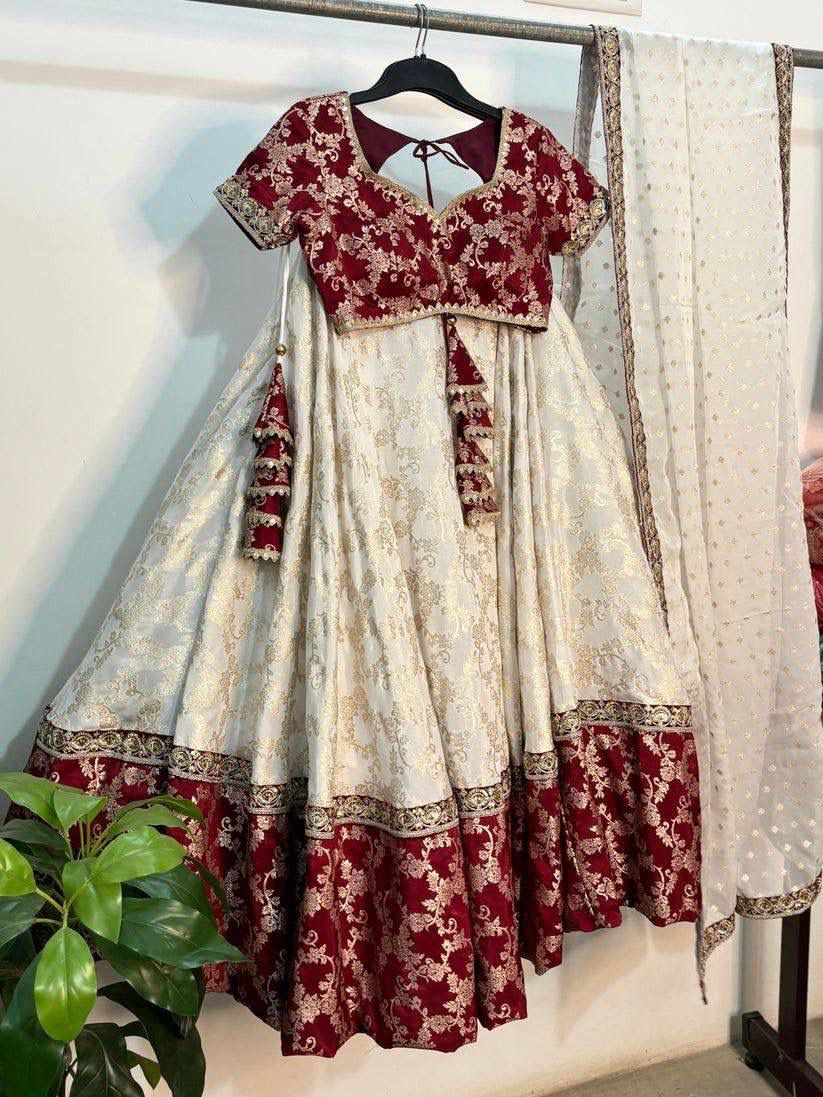
Mehendi Lehengas generally lend themselves to one colourful, manageable dupatta, particularly when the wearer needs free hands for henna and photographs. Yellow Lehengas can also be styled with one lighter layer for a Haldi ceremony, where delicate borders and elaborate drapes may be exposed to turmeric, water and outdoor dust.
Green Lehengas can work with either arrangement. A single dupatta keeps a green outfit fresh for daytime festivities, while a second ivory, gold or contrasting green veil can create more bridal depth for an evening ceremony. Keep the undertones consistent so a yellow-green fabric doesn't clash with a blue-green second layer.
Ready Made Lehenga choices are useful for guests and bridesmaids who need a faster, more predictable outfit solution. Semi Stitched Lehengas Collection designs are better when the wearer needs custom blouse fitting or plans a more structured double-dupatta arrangement.
The Peach Floral Organza Lehenga Set with Printed Dupatta is naturally suited to a lighter single-dupatta look for a daytime celebration because its print already supplies pattern. The Stylish Multicolor Butter Silk Lehenga Choli Set can support a more decorative drape, but the colours should be repeated in the blouse jewellery or footwear so a second dupatta doesn't introduce visual confusion.
Bridal wear can also remain restrained. The Floral Digital Printed Organza Lehenga with Zari, Dori and Sequin Embroidery has enough surface detail to make one well-positioned dupatta feel ceremonial. Double draping is a styling option, not a requirement for calling a lehenga bridal.
How should a single or double dupatta be secured for comfort?
A secure dupatta arrangement uses discreet pins at stable points and allows enough fabric for sitting, walking and arm movement.
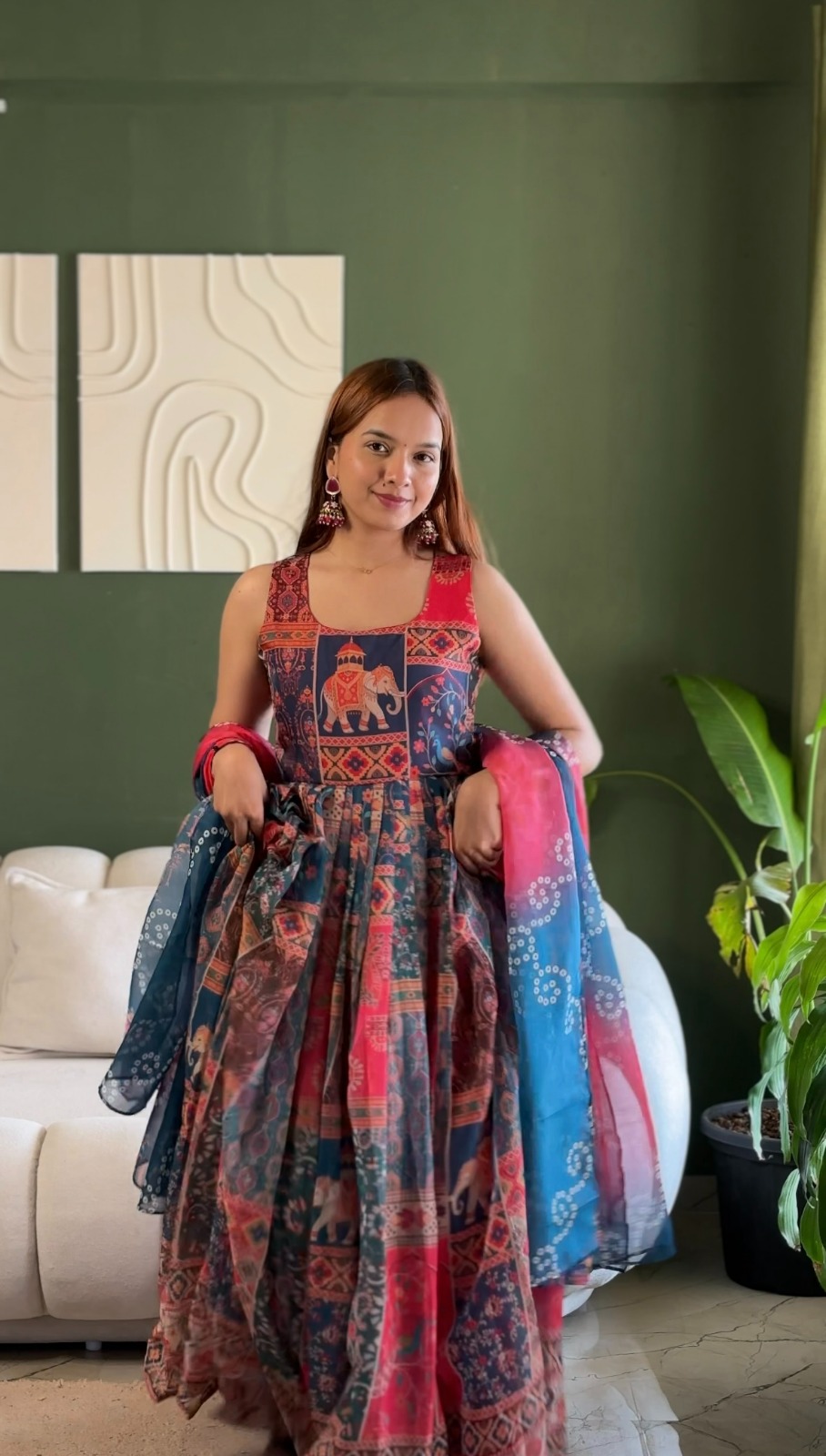
Place one safety pin at the shoulder seam rather than directly on a delicate embellished area. Use a second pin near the waist when the dupatta crosses the front, but avoid pinning through zari, sequins or fragile organza if the same point will bear tension. A small brooch can conceal a secure pin, although a heavy brooch should not be attached to a fine net layer.
For two dupattas, secure the head veil separately from the shoulder drape. A concealed hairpin or lightweight clip can hold the veil near the crown, while a shoulder pin or fabric loop supports the second layer. Do not let both dupattas hang from one pin because the combined weight can pull the blouse neckline out of shape.
Carry two or three spare safety pins and a small strip of fashion tape in the event emergency kit. Fashion tape can help position a light edge temporarily, but it should not replace structural support for a heavy dupatta. Test every pin and clip with the complete outfit before the event.
The simplest final test is practical: walk for five minutes, sit without holding the fabric, lift both arms and turn in a full circle. Choose one dupatta if the second layer repeatedly slips, tangles or hides the blouse. Choose two only when both pieces remain secure, comfortable and visually purposeful.
Common Questions About Choosing One or Two Lehenga Dupattas
Is a single dupatta better than a double dupatta for a wedding lehenga?
A single dupatta is better when comfort, movement and blouse visibility are priorities. A double dupatta is better for a formal bridal ceremony when you want separate head coverage and a decorated shoulder drape.
Can I wear two dupattas with a ready-made lehenga?
You can wear two dupattas with a ready-made lehenga if the blouse shoulder is secure and the additional dupatta matches the outfit's fabric, colour and proportions. Confirm that the second piece is included before buying, because a product photograph may show styling that is not part of the set.
How do I style a double dupatta for a bridal lehenga?
Place the lighter dupatta over the head and arrange the heavier or more decorated dupatta across the opposite shoulder. Secure both layers independently so the combined weight does not pull at one blouse shoulder.
Is one dupatta suitable for a Mehendi or Haldi ceremony?
One dupatta is usually the most practical choice for a Mehendi or Haldi ceremony because it leaves the hands and arms freer and reduces the amount of fabric exposed to stains. Choose a lighter, manageable layer and avoid fragile embellishments if turmeric or water will be involved.
Does a double dupatta make a lehenga look more flattering?
A double dupatta looks flattering when the two layers create a clean vertical or diagonal line and do not hide the blouse. Excessive bulk, wide horizontal borders or two heavy fabrics can shorten the torso and overwhelm a full lehenga skirt.
What should I check when shopping for a semi-stitched lehenga with a dupatta?
Check the finished and unstitched measurements, the number of included dupattas, fabric weight, border width and available seam allowance. Ask the tailor to reinforce the shoulder if you plan to wear two embellished dupattas for several hours.


