When a Kurti Needs Lining Even If the Fabric Is Not Transparent is a useful question because opacity is only one reason to add an inner layer. A kurti may need lining to prevent cling, support embroidery, control static, improve comfort, protect the outer weave from perspiration, or help the garment keep its shape. The right decision depends on fabric, silhouette, embellishment, season and how closely the garment fits the body.
An opaque cotton kurti can feel perfectly comfortable without lining in a loose summer cut, while a fitted silk or Chanderi kurti may benefit from a smooth inner layer. Lining is therefore a construction choice, not a test that ends with holding the fabric up to a light.
Why Does an Opaque Kurti Still Need Lining?
An opaque kurti still needs lining when the inner layer improves movement, comfort, structure or fabric life. Transparency is only one function of lining, and often not the most important one for a salwar suit.
A lining creates a controlled surface between the skin and the fashion fabric. That surface can reduce friction at the underarm, stop zari or dense threadwork from scratching, and prevent a slightly rough weave from catching on jewellery. Lining also reduces the chance that perspiration will reach delicate silk fibres or coloured surface embroidery directly.
Fit is another practical reason. A straight kurti with a lining tends to glide over a camisole or petticoat instead of gripping it. A-line kurtis can fall more evenly from the yoke, and a flared kurta can retain a cleaner shape when the lining is cut with enough ease.
Some fabrics also become more stable with an inner layer. Chanderi, organza panels and lightweight silk can crease, collapse or pull around seams when they carry embroidery or a heavy dupatta. A well-chosen lining distributes some of that stress without making the garment visibly bulky.
Which Fabrics Benefit Most from a Lining?
Silk, Chanderi, organza, heavily embroidered fabric and loosely woven textiles usually benefit most from lining, although lightweight cotton may not need it. The decision should account for the fabric's surface, weight and behaviour during wear.
Silk and silk-blend kurtis
Silk kurtis commonly benefit from a breathable lining because silk can catch on dry skin, jewellery and rough seams. Cotton voile or fine cotton cambric is usually more comfortable than polyester for daytime wear, while a lightweight satin or silk lining can suit a formal garment if heat and cling are not concerns.
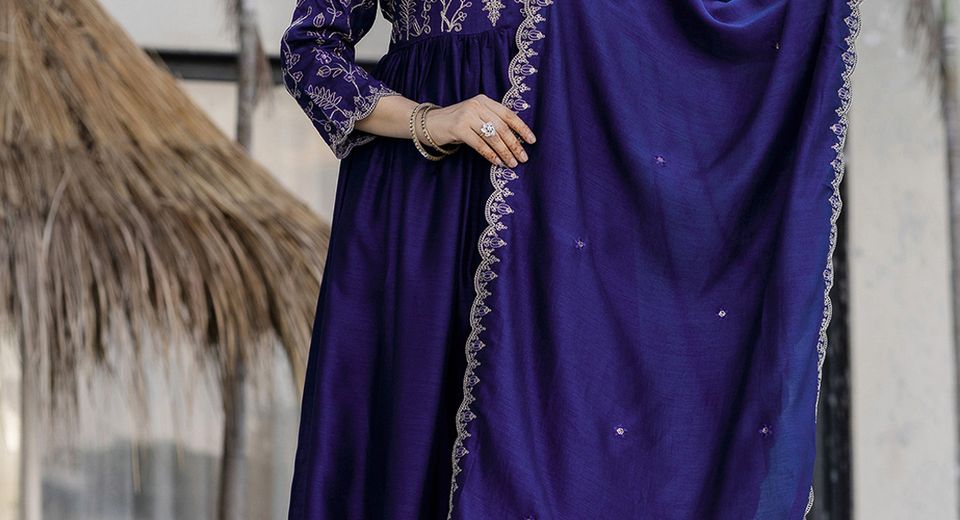
A garment such as the Cream Embroidered Silk Kurti Pant with Designer Dupatta illustrates why lining should be considered beyond opacity. Embroidery adds weight at selected points, and a lining can help the kurti hang evenly while shielding the wearer from the reverse side of threadwork.
Chanderi and delicate woven fabrics
Chanderi often benefits from a light lining because the weave is delicate and the surface can feel crisp against the body. Cotton voile, mulmul or a fine cotton lining preserves breathability better than a thick synthetic layer.
The Cream Embroidered Chanderi Kurti Pant Dupatta Set and the Black Embroidered Chanderi Kurti Pant Dupatta Set are useful examples of garments where lining can support embroidery and reduce direct contact between the skin and decorative work. A lining should remain lighter than the outer fabric so the characteristic Chanderi fall is not lost.
Cotton and everyday fabrics
Cotton does not automatically require lining because many cotton kurtis are breathable, opaque and comfortable without an inner layer. Lining becomes useful when the cotton is very lightweight, printed with a pale ground, tightly fitted, or prone to clinging after washing.
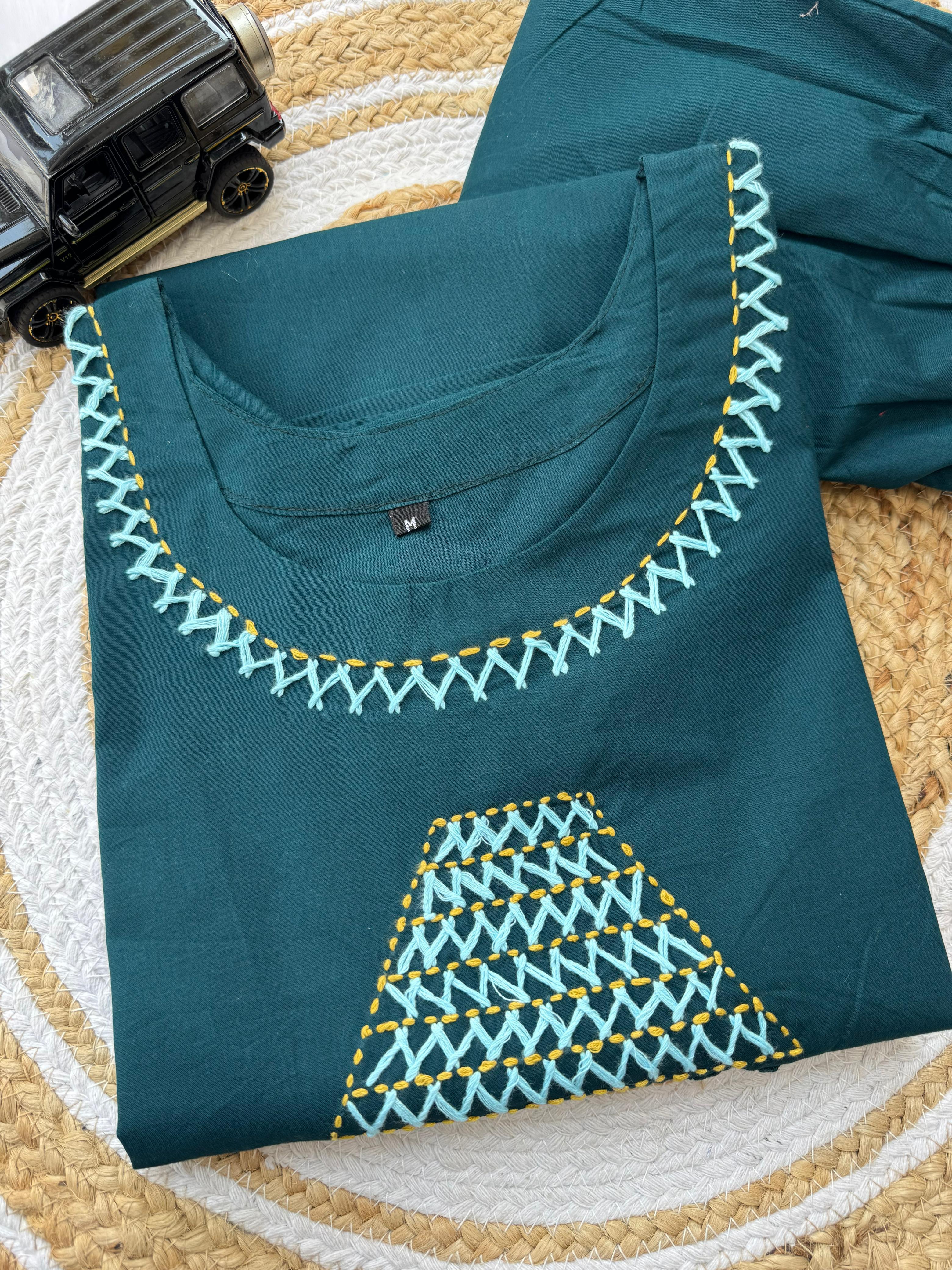
The Teal Cotton A-Line Kurti Pant Set with Handwork may need a different lining decision from a loose, unembellished cotton kurta. A-line volume, handwork and the intended season matter more than the word "cotton" alone. In hot weather, a full synthetic lining can trap heat and defeat the fabric's main advantage.
How Does Lining Change Comfort and Fit?
Lining improves comfort and fit when the lining fabric is breathable, smooth and cut with the correct ease. A badly chosen lining can make an otherwise good kurti hotter, tighter and less mobile.
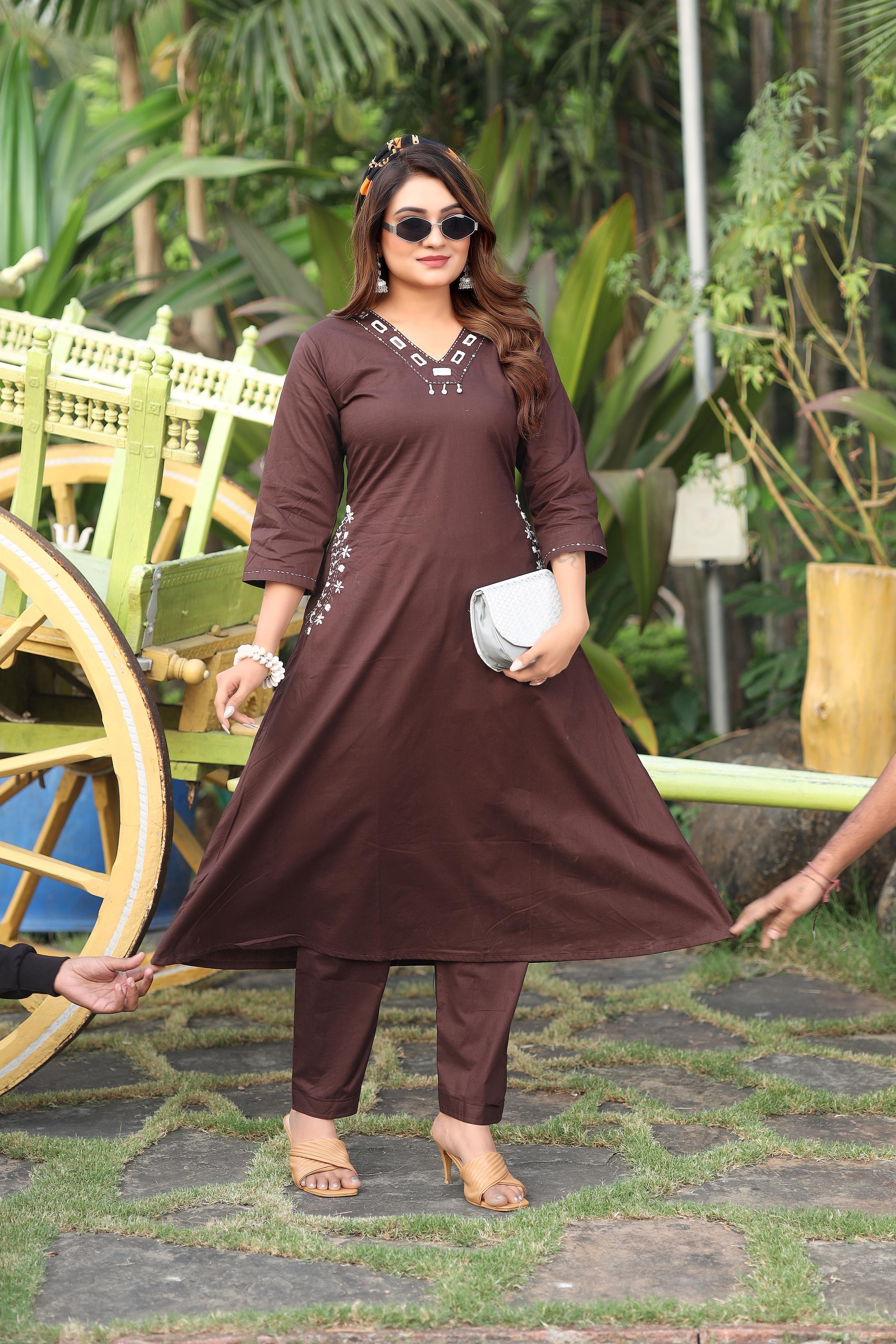
The lining should not pull across the bust, upper arm or hip when the wearer raises both arms. For a lined kurti, the inner layer generally needs a small amount of wearing ease rather than being cut skin-tight. If the outer garment has a bust measurement of 40 inches, the lining should not be drafted at 40 inches merely because the fabric has no stretch; the exact allowance depends on the pattern, seam construction and intended fit.
Armholes deserve particular attention. A tight lining armhole can restrict movement even when the outer armhole looks generous. The lining should sit slightly inside the garment edge and should not be visible when the wearer reaches forward.
Necklines also reveal poor lining work quickly. A facing, underlining or partial lining may be more suitable than a full lining when the neckline has a keyhole, tie detail or deep V shape. The inner edge should be secured neatly so that it does not roll outward during wear.
For humid Indian weather, cotton voile, mulmul and fine cambric are usually practical lining choices. Polyester lining can provide a smooth surface, but polyester may feel warmer and can increase static, especially under silk, rayon or synthetic dupattas.
When Is Partial Lining Better Than Full Lining?
Partial lining is better than full lining when only specific areas need support, such as the bodice, yoke, neckline or embroidered panel. Partial lining reduces heat and weight while preserving structure where the kurti needs it most.
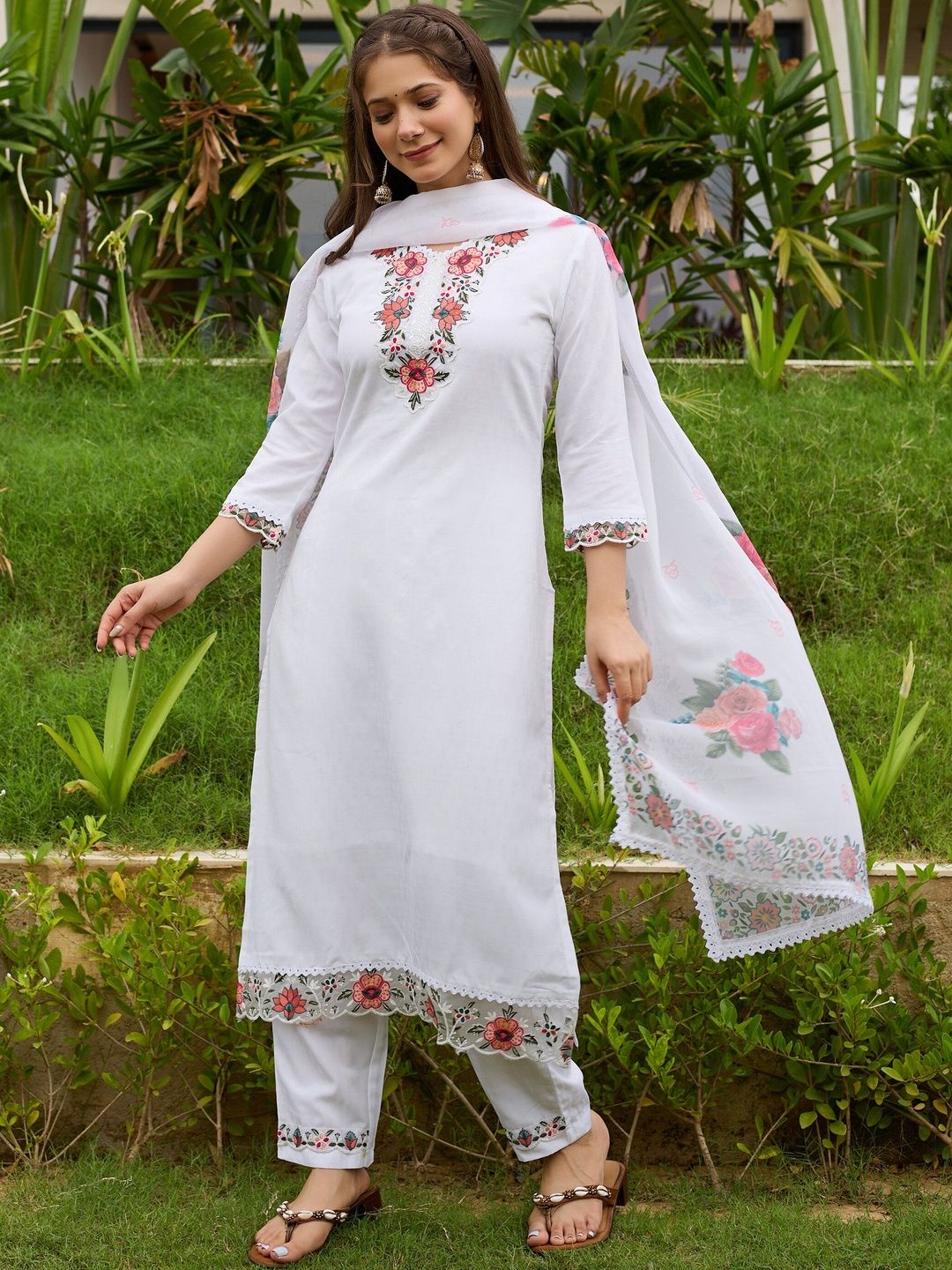
A lined yoke can support a flared kurta without covering the entire skirt portion. Bodice lining can protect the bust and underarm area from embroidery, while an unlined lower section allows air to circulate. A sheer-looking sleeve may need a separate inner sleeve or a soft facing rather than a complete second sleeve.
Underlining is another option. Underlining is attached to the wrong side of the outer fabric so that the two layers behave as one, whereas a conventional lining is a separate inner garment layer. Underlining works well for embroidery, appliqué and delicate fabric because it supports the outer textile close to the stitches.
A salwar suit with an independent pant and dupatta does not always need matching lining throughout every piece. The kurti may need a lined bodice, the pant may need only a comfortable waistband or pocket reinforcement, and the dupatta may remain unlined to preserve drape.
How Should Embroidery and Zari Influence the Lining Decision?
Dense embroidery and zari usually strengthen the case for lining because decorative threads can add weight, friction and localised tension. Lining protects the skin and helps distribute the pressure created by embellishment.
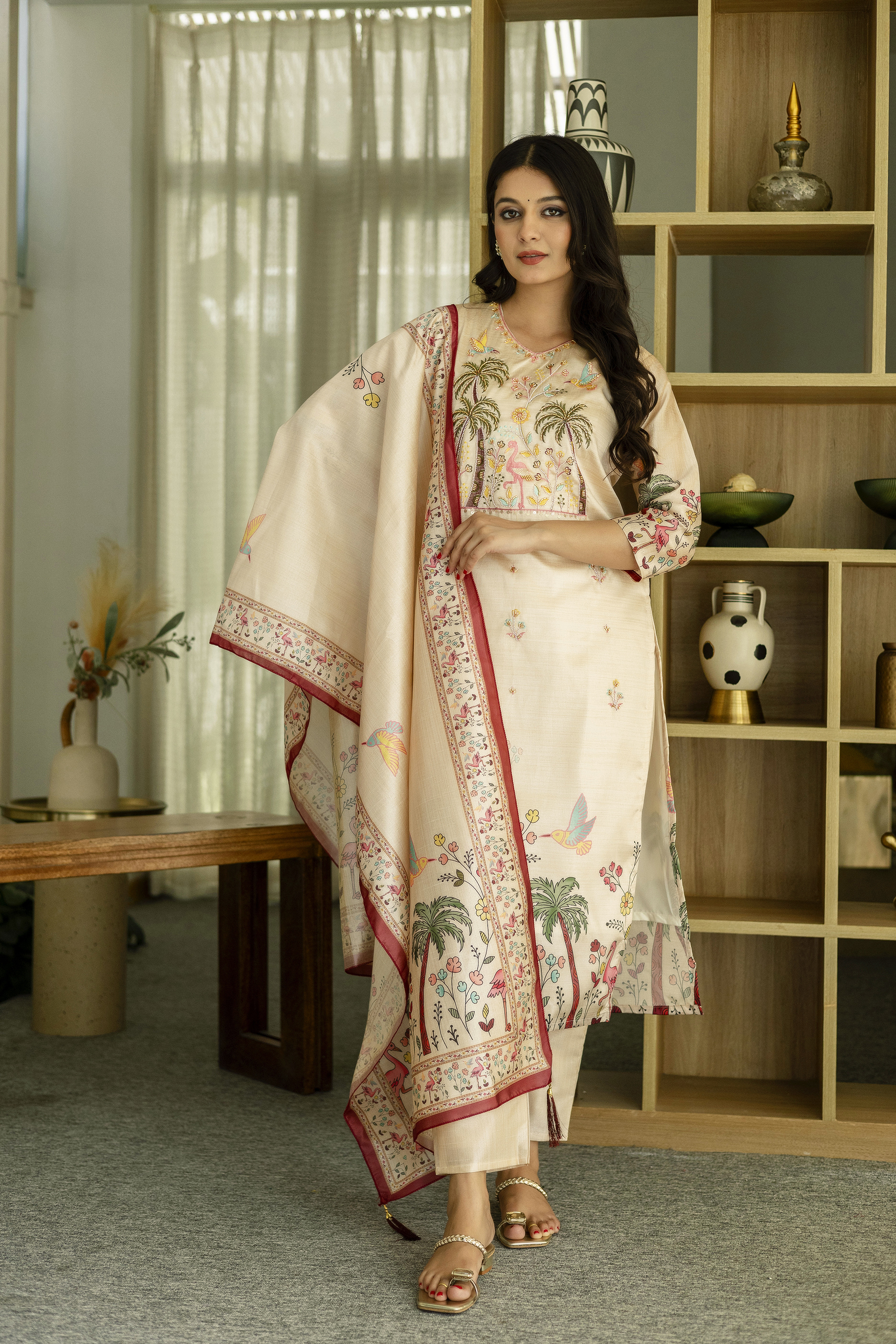
Zari can feel metallic or abrasive on the reverse side, particularly around the neckline, sleeve cuff and underarm. A soft cotton lining creates a barrier without requiring the outer fabric to be changed. Thread embroidery can also snag on bangles or nails from the inside, so a covered reverse is valuable for both comfort and garment care.
Placement matters as much as quantity. A small embroidered motif on the chest may not need full lining, while a heavily worked front panel can pull downward and distort the side seams. Beaded or sequinned work generally calls for more protection than flat block printing.
The Cream Silk Embroidered Kurti Pant with Printed Dupatta and the White Chanderi Embroidered Kurta Set with Organza Dupatta show why the complete outfit should be considered together. A delicate kurti may need support, while a lightweight organza dupatta should not be treated as though it requires the same construction.
What Should You Check Before Buying a Lined Kurti?
Check the lining material, seam allowance, armhole ease, hem attachment and care instructions before buying a lined kurti. These details reveal whether the lining is functional or merely an added layer.
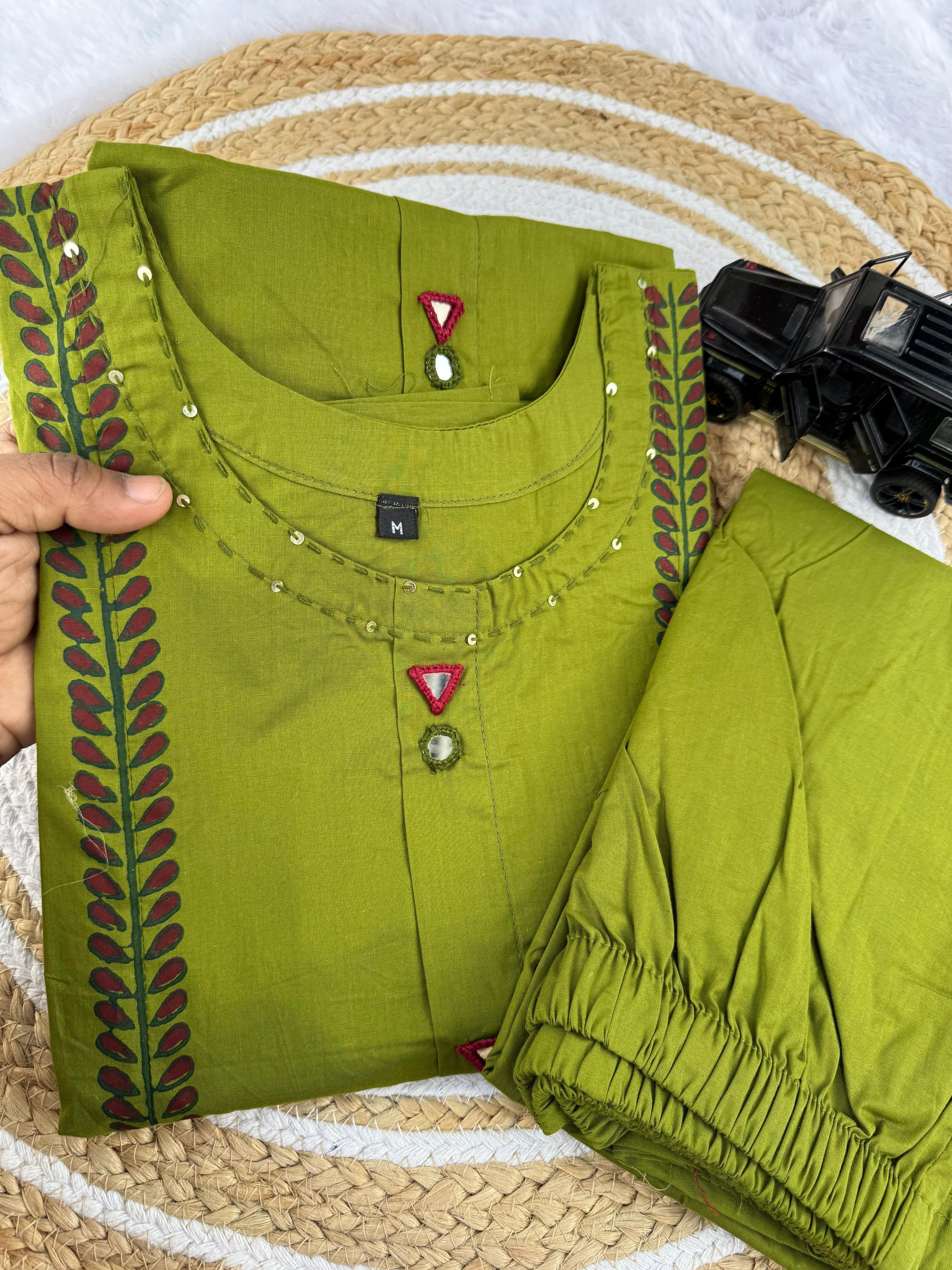
- Feel the lining at the neckline and armhole. The edge should be smooth, with no exposed scratchy thread, bulky seam or stiff synthetic tape.
- Move your arms forward and upward. A lined kurti should allow ordinary movement without the inner layer cutting into the underarm.
- Check the hem. The lining should not hang visibly below the outer hem, nor should it be so short that it pulls the outer fabric upward.
- Compare the lining weight with the kurti. A thick lining under Chanderi or silk can flatten the drape and make the garment look heavier than intended.
- Look for colour transfer risk. Dark lining against pale silk or Chanderi should be colourfast, especially if the garment will be washed or exposed to perspiration.
- Read the care instruction. An outer fabric that requires gentle cleaning should not be paired with a lining that shrinks substantially in water.
Product descriptions can also provide useful clues. The Cream Embroidered Chanderi Kurti Pant Dupatta Set, Designer Cream Straight Kurti Set with Dupatta and White Chanderi Embroidered Kurta Set with Organza Dupatta each suggest different decisions about weight, embellishment and occasion, even when all three are visually light.
How Do Occasion and Climate Change the Answer?
Climate and wear duration determine whether the comfort gained from lining outweighs the heat and weight added by another layer. A wedding outfit worn for four hours can tolerate a different construction from a cotton kurti worn for eight hours in July.
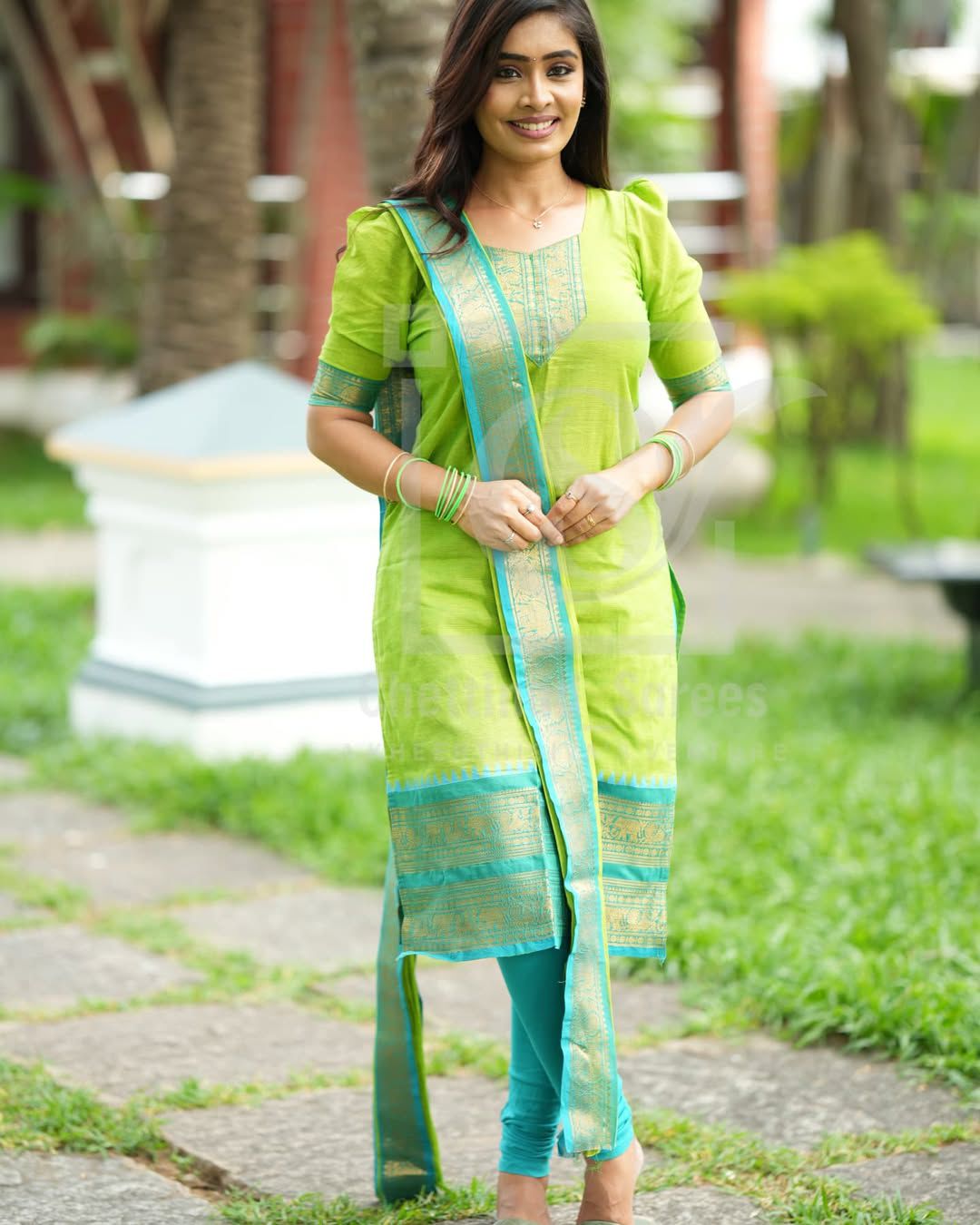
For a Haldi ceremony, breathable cotton lining is usually more practical than a glossy synthetic lining because guests move, sit outdoors and may encounter turmeric, perspiration and dust. For an evening reception, silk or satin lining can provide a smoother finish if the outfit is not being worn in high humidity.
Regional textile traditions also offer useful styling context. Kalamkari Print Salwar Suits often suit breathable cotton construction, while Maharashtra Paithani Inspired Salwar Suits may involve richer silk-like surfaces that benefit from careful support. Gujarat Bandhej Salwar Suits can remain light and airy when the kurti is loose, but a fitted embellished version may need a lined bodice.
Traditional references do not dictate one universal construction. Odisha Sambalpuri Salwar Suits and Punjab Patiala Salwar Suits can be adapted for different climates, silhouettes and levels of embroidery. The correct lining choice remains the one that preserves movement, ventilation and the intended drape.
When a Kurti Needs Lining Even If the Fabric Is Not Transparent: A Practical Rule
When a Kurti Needs Lining Even If the Fabric Is Not Transparent, choose lining whenever the inner layer solves a clear problem involving friction, cling, embroidery, support, static or shape. Skip full lining when the fabric is already breathable and stable, the cut is loose, and an extra layer would create unnecessary heat.
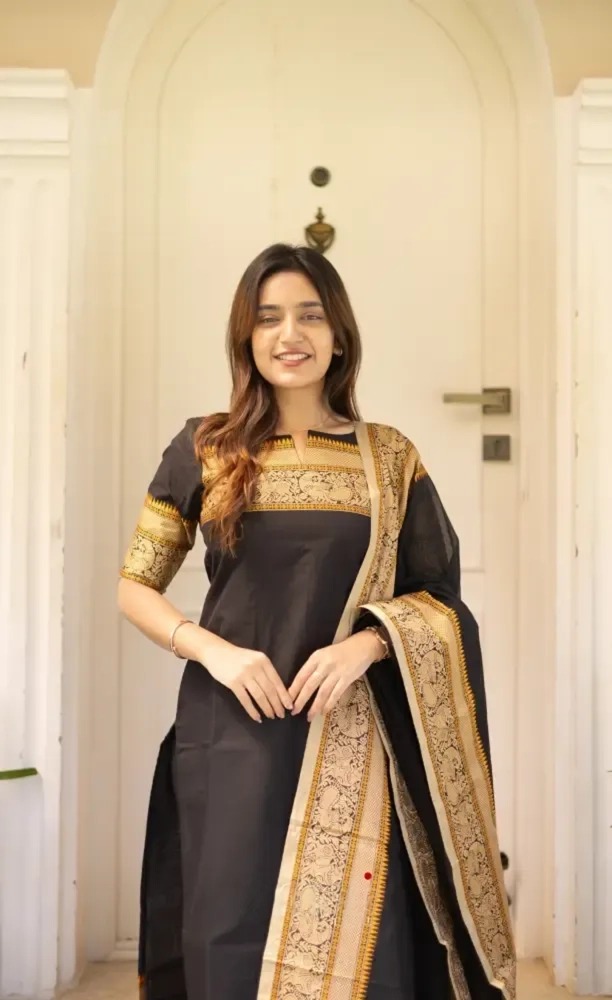
A simple decision test works well: identify the garment's most vulnerable area, decide whether full or partial lining addresses that area, and select the lightest breathable material that can do the job. A loose cotton A-line kurti may need no lining; a fitted Chanderi kurti may need a cotton voile bodice; a silk kurti with dense zari may need a smooth, carefully fitted full lining.
The best-lined kurti does not announce its construction. The garment should move without sticking, sit smoothly over the body, protect the wearer from decorative work and retain its intended silhouette after repeated use. Those outcomes matter more than whether the outer fabric passes a transparency test.
Common Questions About Lining Kurtis and Salwar Suits
Does an opaque cotton kurti need lining?
An opaque cotton kurti does not always need lining. A loose, breathable cotton kurti can remain unlined, but lightweight, fitted or embroidered cotton may benefit from a cotton voile or mulmul bodice lining.
Which lining is best for a Chanderi kurti?
Fine cotton voile, mulmul or lightweight cambric is usually suitable for a Chanderi kurti. These materials support the weave while preserving breathability and avoiding the heavy fall caused by thick synthetic lining.
Can lining make a kurti more comfortable?
Lining can make a kurti more comfortable by covering scratchy embroidery, reducing cling and creating a smooth surface over the skin. Comfort improves only when the lining is breathable and has enough ease for movement.
Should an embroidered kurti always be lined?
An embroidered kurti does not always require full lining, but dense embroidery, zari, sequins and beading usually justify at least a partial lining. A lined bodice or underlined embroidered panel can protect the skin without adding heat to the entire garment.
Is polyester lining suitable for Indian summer kurtis?
Polyester lining can work for a formal kurti when a smooth finish is important, but it may feel warm and increase static in Indian summer. Cotton voile, mulmul or fine cambric is generally more breathable for daytime wear.
How can I tell if a kurti lining is poorly fitted?
A poorly fitted lining pulls at the armhole, restricts the shoulders, shows below the hem or makes the outer fabric bunch. Raise both arms, sit down and move forward while trying the kurti to check whether the lining allows normal movement.