What to Wear to a Varanasi Dev Deepawali Boat Gathering calls for more thought than choosing the most heavily embellished festive outfit in your wardrobe. Dev Deepawali falls on Kartik Purnima, usually in November, when Varanasi's ghats glow with thousands of diyas and the Ganga becomes the setting for rituals, music and boat rides. The right outfit should look ceremonial in photographs, remain comfortable while sitting, and cope with cool air, wind, steps and occasional splashing.
A practical choice combines one dressy Indian garment, a manageable layer, flat shoes with grip and accessories that stay secure. Banarasi silk, Paithani silk, Chanderi, cotton-silk blends and lined embroidered suits can all work, but the best option depends on whether you'll spend most of the evening on a boat, at a ghat or moving between both.
What to Wear to a Varanasi Dev Deepawali Boat Gathering: the right outfit formula
A silk saree, an elegant salwar suit or a refined kurta set with a warm stole is usually the most suitable choice for a Varanasi Dev Deepawali boat gathering. Select a fabric with enough structure to hold its shape in the wind, avoid a dangerously long hem, and keep embellishment concentrated rather than covering the entire garment.
For a saree, pre-pleat the front and use a firm petticoat or saree shapewear that allows you to sit comfortably. Pin the pallu at the shoulder and, if the wind is strong, add one discreet pin near the waist. A saree between 5.3 and 5.5 metres is generally easier to control than an unusually long drape when boarding a boat.
For a suit, choose a straight-cut kurta, Anarkali with a controlled flare or cigarette-pant set rather than a very wide palazzo that can catch on boat benches. A dupatta measuring approximately 2 to 2.25 metres can be draped over both shoulders or wrapped once around the upper body. Secure the dupatta with small safety pins before leaving the hotel.
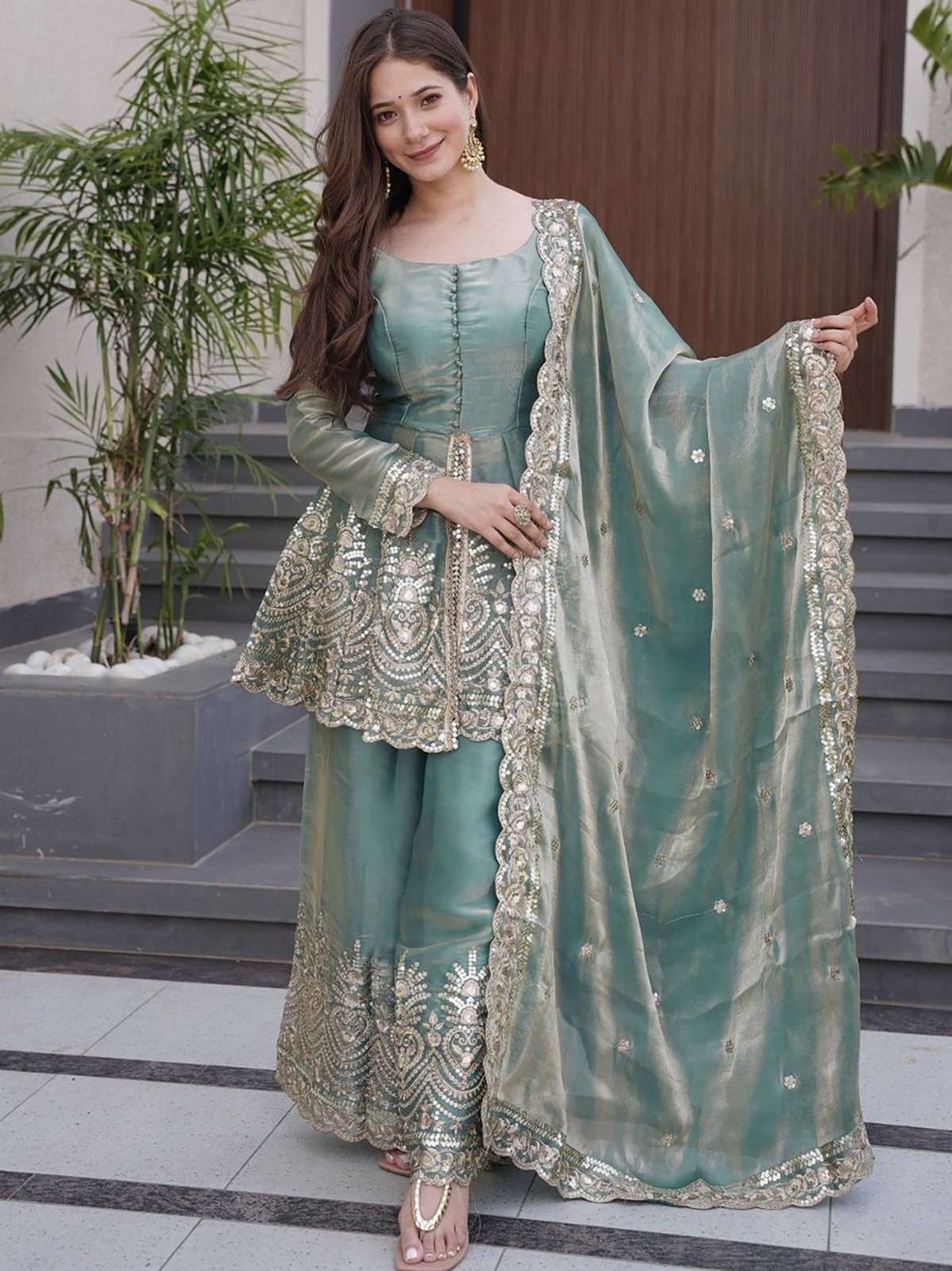
A kurta set is particularly effective for a mixed itinerary that includes temple visits, walking along uneven ghats and a boat ride. The DEVANSHI 2 Purple Embroidered Crunchy Silk Kurta Set offers a festive colour story without requiring the repeated adjustments associated with a loose pallu. The Sea Green Embroidered Silk Kurta Set with Dupatta gives a softer alternative for anyone who prefers jewel tones without choosing a very dark outfit.
What to Wear to a Varanasi Dev Deepawali Boat Gathering: fabrics for a November evening
Medium-weight silk, silk blends and lined cotton-rich fabrics work best because they provide festive polish while offering more warmth and stability than very light chiffon or georgette. Varanasi evenings in November can feel cool near the river, and wind on an open boat makes thin fabrics feel colder than the same fabrics do on land.
Silk for tradition and warmth
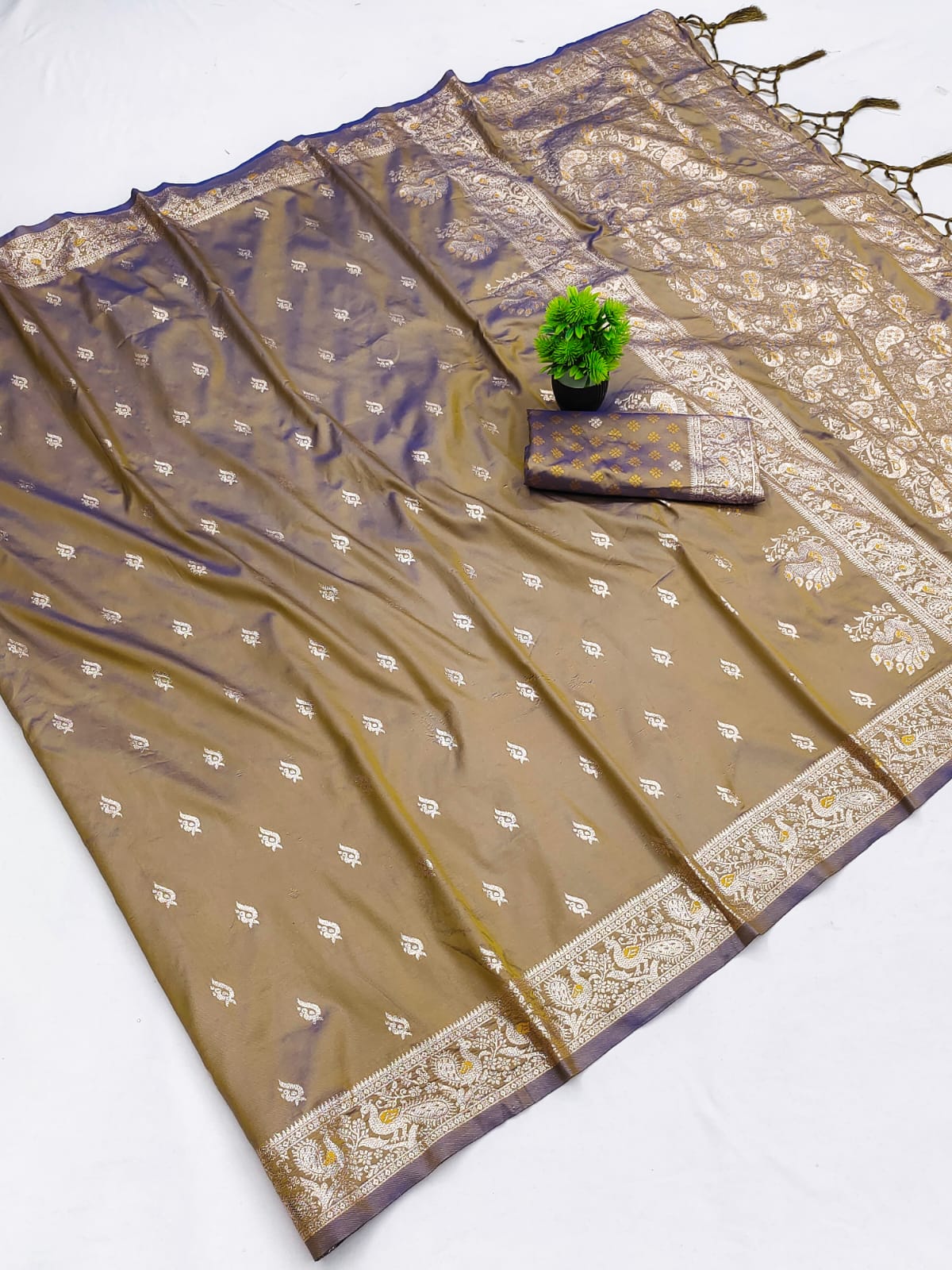
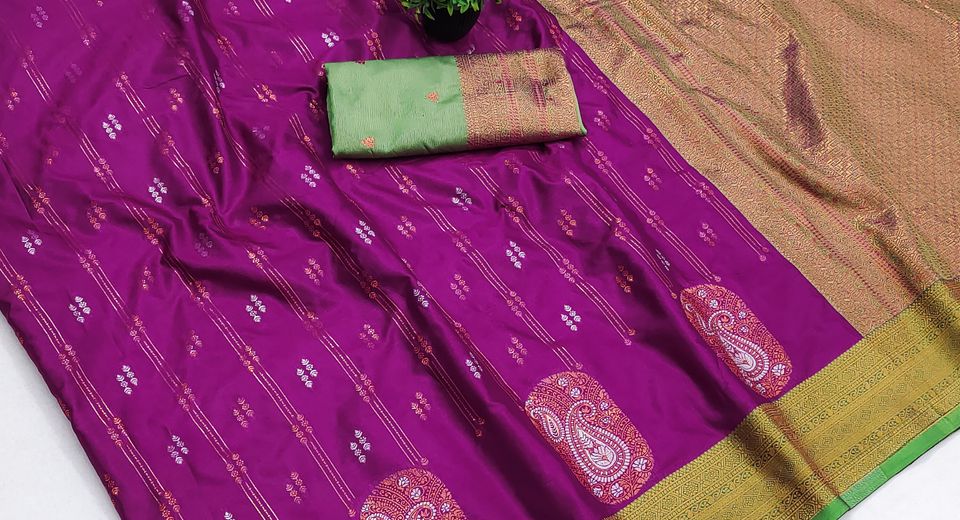
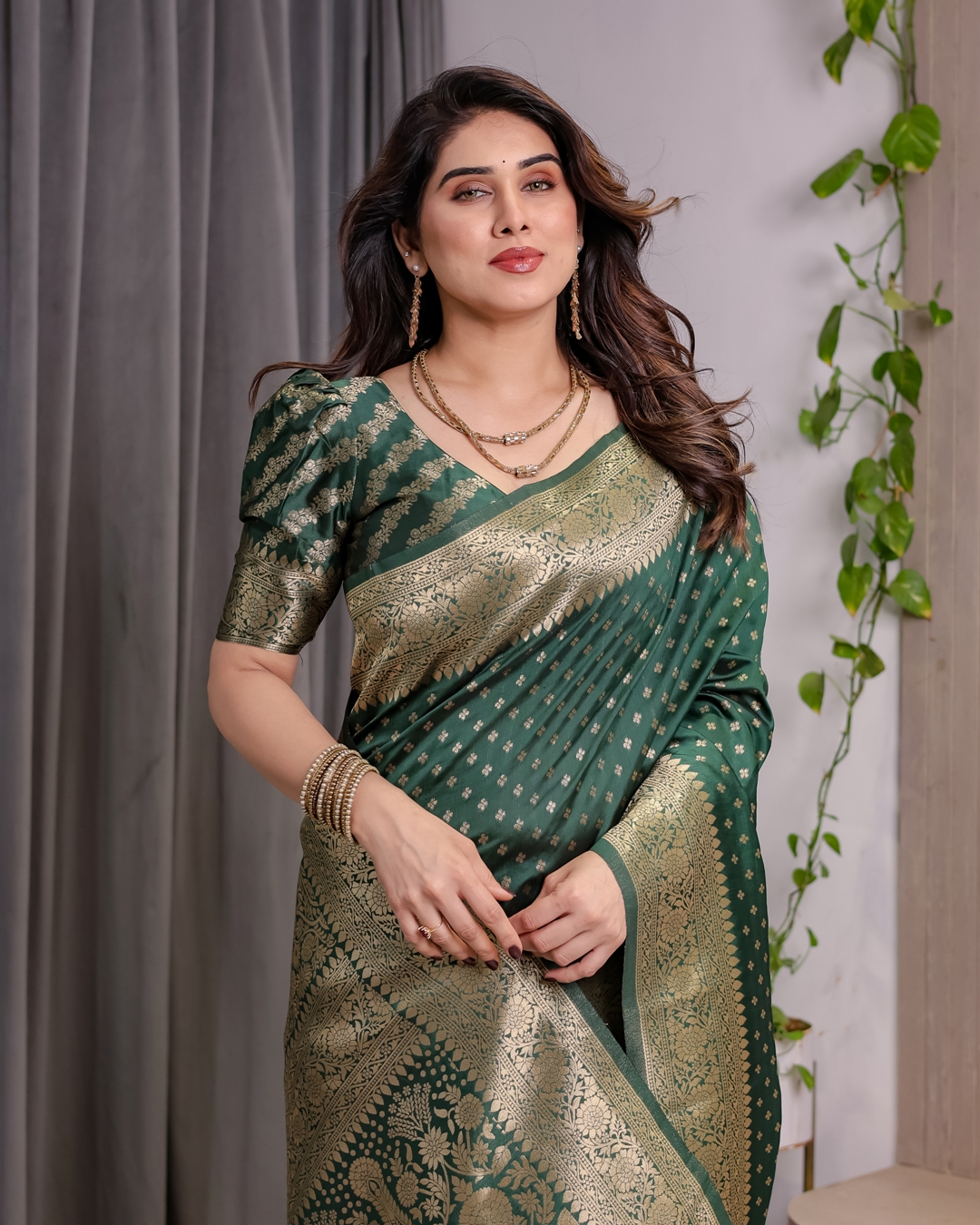
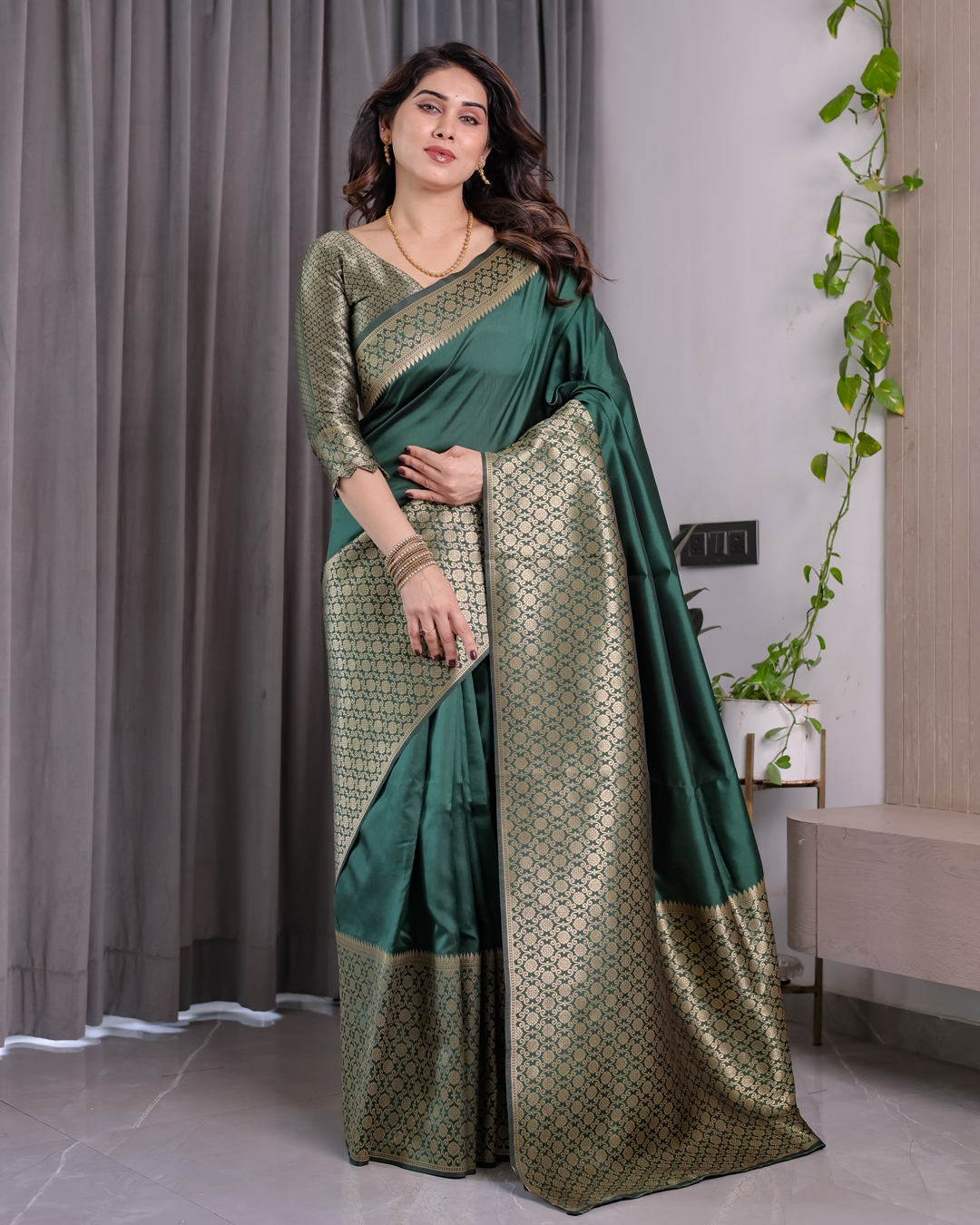
Banarasi silk is a strong choice for Dev Deepawali because zari motifs connect naturally with the festival's illuminated setting. The Deep Purple Banarasi Silk Saree with Green Golden Border shows how a saturated base colour can make gold detailing visible without requiring excessive jewellery. The Deep Green Banarasi Soft Silk Saree with Zari Floral Border gives another classic option with a slightly softer fall.
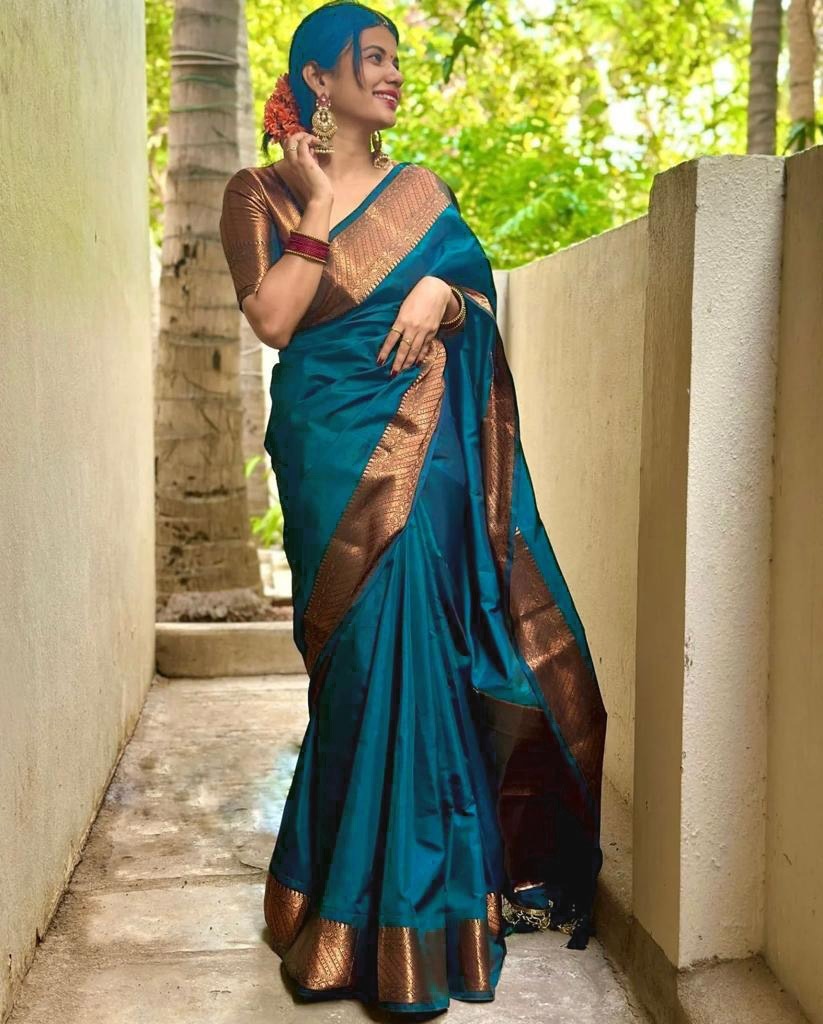
Paithani silk brings a different regional language through peacock, floral and geometric traditions. The Deep Plum Paithani Silk Saree with Antique Gold Zari Border suits a late-evening setting because plum and antique gold photograph richly in low light. Silk also resists creasing better than many fluid synthetics, which matters when a saree is folded on a boat seat or worn during a long evening.
Silk blends and cotton-rich options
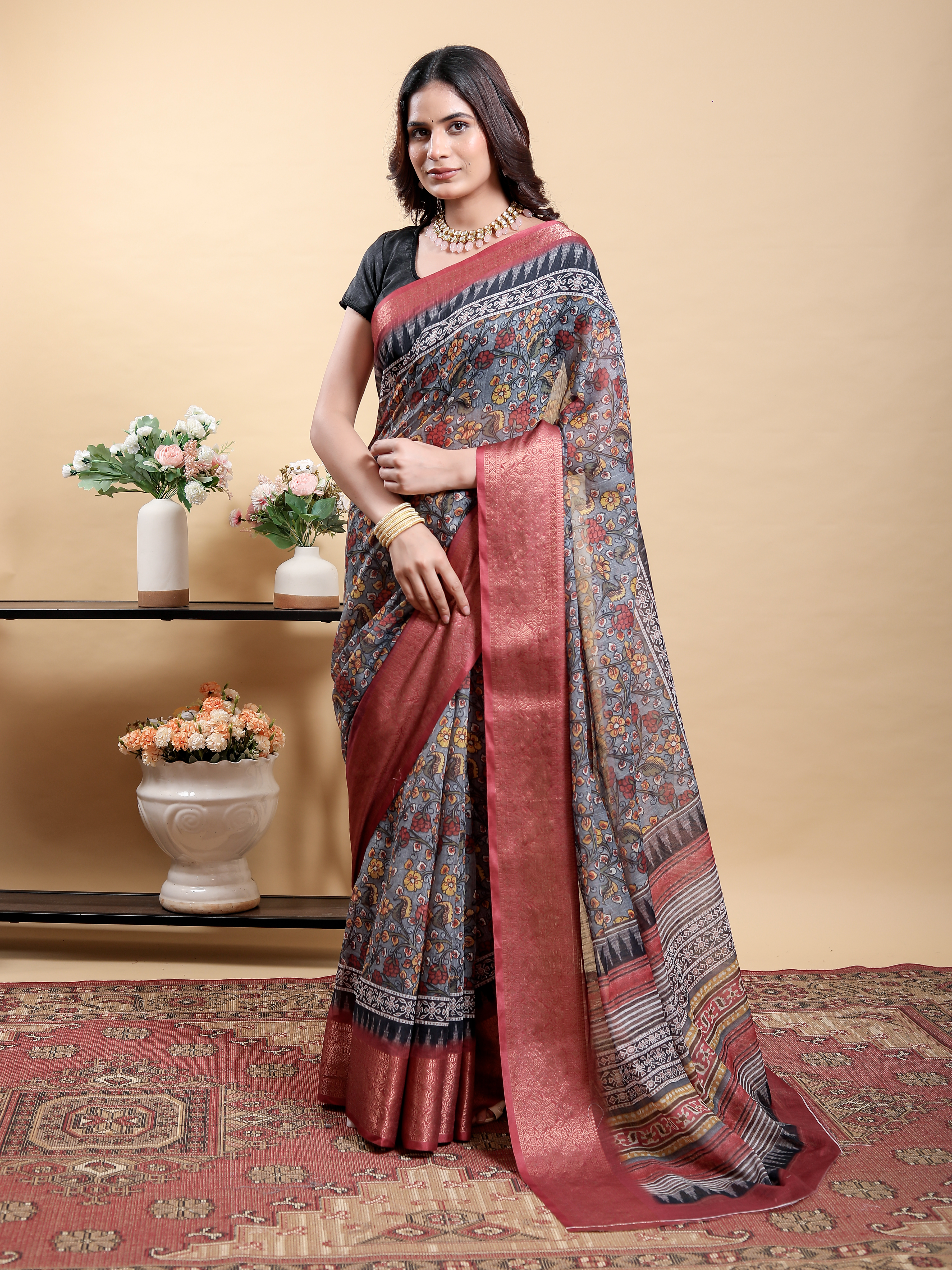
Chanderi and cotton-silk blends suit travellers who want a lighter garment, but they should be paired with a wool, pashmina or blended stole for the river breeze. A structured cotton-silk co-ord can work for a daytime-to-evening plan, provided the top is lined and the trousers don't drag near the ghats.
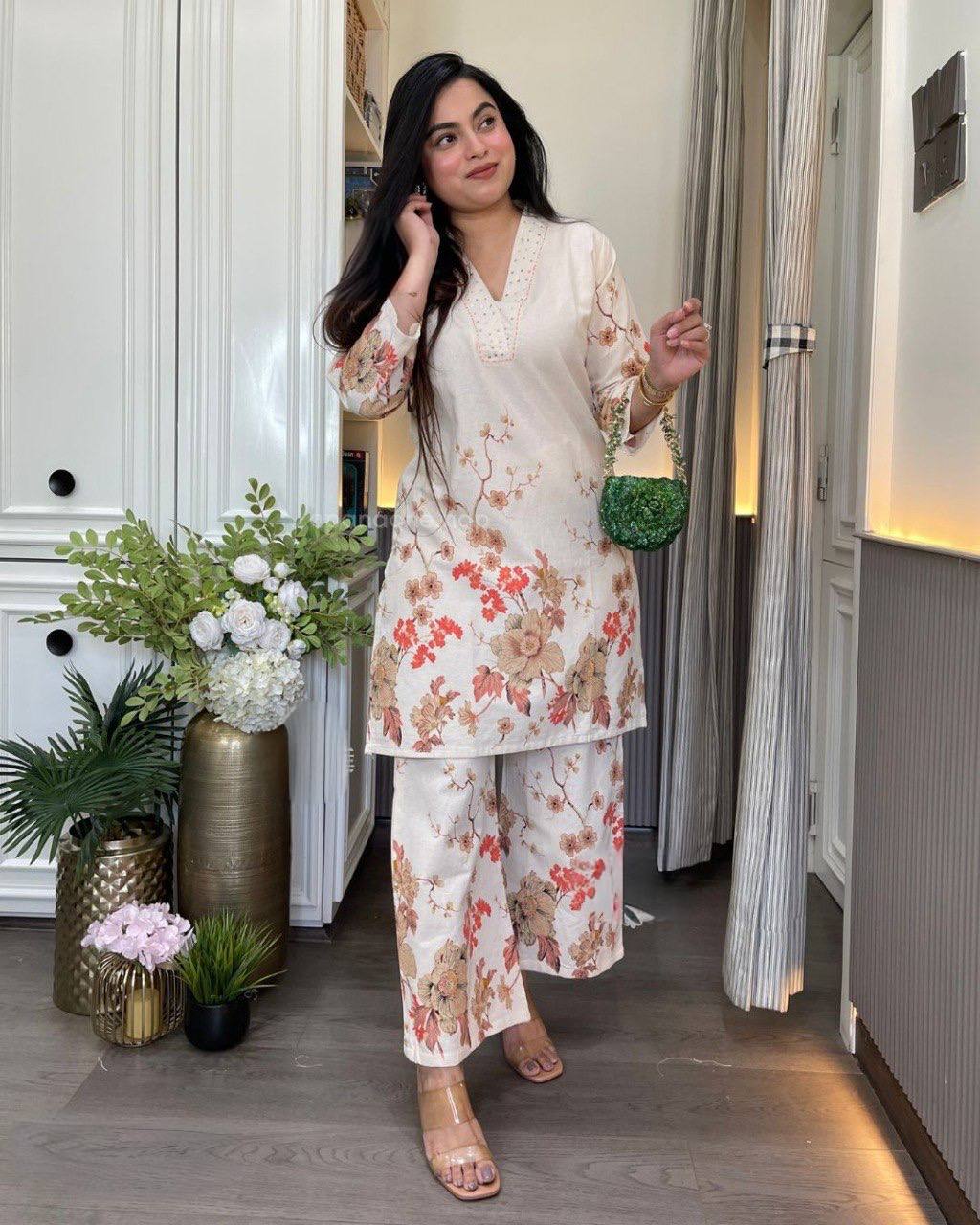
The Ivory Floral Linen Cotton Co-Ord Set for Women from Varnavi illustrates how a lighter fabric can become occasion-appropriate through coordinated tailoring, although an ivory outfit needs extra care around steps, boat decks and oil lamps. Very delicate net, unlined organza and heavily brushed velvet are less convenient choices for a boat. Organza can become difficult to control in wind, while velvet may feel heavy indoors and collect dust near the ghats.
What to Wear to a Varanasi Dev Deepawali Boat Gathering: colours that work after sunset
Choose jewel tones, deep neutrals or warm ivory with metallic detail because these colours complement diya light and remain visible against the dark river. Deep purple, bottle green, teal, plum, maroon, midnight blue, rust and antique gold are especially effective after sunset.

Colour can also help with practical considerations. A darker lower half disguises dust and accidental marks better than pale trousers or a floor-length ivory skirt. A lighter blouse, dupatta or border near the face reflects warm diya light and prevents a dark outfit from looking flat in photographs.
The Teal Blue Vichitra Silk Embroidered Gown Set Online Copy Title brings a blue-green palette into the evening wardrobe, but a gown requires a careful hem check before a boat trip. The hem should clear the ground by at least 2 to 3 centimetres with the intended footwear, and the wearer should be able to sit without pulling the skirt tightly across the knees.
Ivory can look beautiful beside the warm glow of the ghats, but ivory garments need a sensible plan. Choose a shorter or controlled hem, carry a clean cotton scarf for sitting, and keep the garment away from diya oil. White sneakers or very pale footwear can also show mud quickly, so tan, gold, brown or metallic sandals are often more forgiving.
What to Wear to a Varanasi Dev Deepawali Boat Gathering: making a saree boat-friendly
A practical boat saree has a secure waist, pinned pleats, a controlled pallu and a hem that can't catch underfoot. A striking weave becomes inconvenient if the pallu trails near the water or the wearer needs both hands to climb a narrow set of steps.

Begin with a well-fitted blouse that doesn't require constant adjustment. A high-back or moderate-neck blouse gives more coverage against cold wind, while three-quarter or elbow-length sleeves add warmth without changing the formal character of a Banarasi or Paithani saree. Use a petticoat with a firm drawstring or a well-fitting saree shapewear layer so the saree doesn't loosen when sitting.
Make the front pleats narrower than you might for a formal hall event, then pin them from the inside with two small safety pins. Keep the pallu on the left shoulder if that arrangement feels more secure, but place a second hidden pin near the blouse strap when walking. Avoid large brooches that can pull delicate zari or create discomfort when leaning against a boat railing.
The Deep Green Banarasi Soft Silk Saree with Zari Floral Border is well suited to a controlled drape because soft silk generally falls more easily than a very stiff brocade. The Deep Purple Banarasi Silk Saree with Green Golden Border can be styled with a shorter pallu spread rather than a long, dramatic display, allowing its border to remain visible while reducing loose fabric.
What to Wear to a Varanasi Dev Deepawali Boat Gathering: easy alternatives to a saree
Salwar suits, kurta sets and moderately flared Anarkalis are the easiest alternatives to manage when an evening includes walking, boarding and sitting. These silhouettes keep both hands available and reduce the risk of stepping on a long drape.
The Ivory Anarkali Suit With Sequin Zari Embroidery And Dupatta creates a festive appearance through surface detail, but the flare should be checked in a seated position. A full Anarkali can bunch around the knees on a boat bench, so arrange the skirt evenly before sitting and keep the dupatta folded across the lap rather than allowing it to trail.
The DEVANSHI 2 Purple Embroidered Crunchy Silk Kurta Set is more compact for movement because trousers provide a defined lower line. Pair a set of this kind with a long wool-blend stole instead of a very slippery silk scarf if the evening forecast suggests wind. A stole with a finished edge is easier to wrap securely and less likely to slide off the shoulder.
A co-ord set is appropriate when the gathering is semi-formal or when the itinerary begins with sightseeing. The Ivory Floral Linen Cotton Co-Ord Set for Women from Varnavi can be elevated with gold-toned earrings, a structured potli and a brocade stole. The outfit should not be treated as a substitute for a heavily ceremonial saree if the invitation specifies traditional dress, but it can be a polished choice for a casual boat group.
What to Wear to a Varanasi Dev Deepawali Boat Gathering: footwear and accessories
Flat footwear with a secure strap and textured sole is safest for Varanasi ghats and boat decks. Choose embellished juttis, flat sandals or low wedge sandals with a heel of no more than 2 centimetres, and avoid smooth leather soles, narrow stilettos and loose backless slippers.
Ghats combine stone steps, uneven surfaces, crowds and occasional damp patches, so footwear should be tested before travel. Wear the selected pair for at least 30 minutes before the event, check that the toe area doesn't pinch, and carry a small pouch for removing shoes when entering a temple. Some boats also have limited floor space, making bulky footwear difficult to store.
Choose jewellery that makes one clear statement rather than stacking pieces that can catch on zari. Medium jhumkas, small chandbalis, a single cuff and a compact ring create a finished look without placing weight on the ears or requiring frequent adjustment. Avoid long necklaces if you expect to lean forward while boarding or lighting a diya.
A small crossbody bag or fabric potli is more practical than a large handbag. Keep a phone, identification, a little cash, tissues, lip balm and any required medicine in the bag, but leave enough room to close it securely. A zippered inner pocket is useful because crowded ghats make open totes easy to misplace.
What to Wear to a Varanasi Dev Deepawali Boat Gathering: layering, safety and final checks
A warm stole, shawl or compact wrap should be part of the outfit plan because the river breeze can make a November evening feel colder after sunset. Choose a layer that contrasts with the garment enough to show its border, but avoid a slippery wrap that falls whenever you stand or sit.
Wear the complete outfit once before travel and sit on a firm chair for at least 10 minutes. Check whether the waistband digs in, the blouse pulls at the armholes, the Anarkali gathers under the knees, or the dupatta shifts when you raise both arms. A boat gathering is the wrong setting for discovering that a festive outfit only works while standing still.
Inspect every hem and border in daylight. Loose zari threads, dangling tassels and very long ties can catch on boat fittings or rough stone. Trim loose threads carefully, secure blouse hooks and carry two safety pins, a small hairpin and a stain-removal wipe in the bag.
Be especially cautious around diyas, incense and synthetic embellishments. Keep flowing sleeves, dupattas and pallu ends away from open flames, and don't place a shawl on a surface where oil has spilled. Natural fibres such as silk and cotton can still burn, so careful handling matters regardless of fabric choice.
The most dependable final outfit formula is a controlled Banarasi silk or Paithani silk saree with a pinned pallu, a tailored kurta set with a secure dupatta, or a lined Anarkali with flat shoes and a warm stole. Those choices respect the visual richness of Dev Deepawali while accommodating the physical realities of Varanasi's ghats and the Ganga. The best outfit lets you watch the lamps, sit safely, and move through the evening without repeatedly fixing your clothes.
What to Wear to a Varanasi Dev Deepawali Boat Gathering: questions readers ask
Can I wear a saree on a Varanasi boat ride?
Yes, you can wear a saree on a Varanasi boat ride if the pleats, pallu and waist are secured before boarding. A medium-weight Banarasi silk or soft silk saree with a controlled hem is easier to manage than a very long, slippery or heavily flared drape.
What should I wear to Dev Deepawali in November?
Wear a festive saree, salwar suit or kurta set with a warm stole because November evenings beside the Ganga can feel cool. Flat footwear with grip is more practical than high heels for ghats, steps and boat decks.
Which colours look good at Dev Deepawali?
Deep purple, bottle green, teal, plum, maroon, midnight blue and antique gold look especially effective against diya light and the dark river. Warm ivory also photographs well, but pale garments require extra care around dust, oil and damp steps.
Is an Anarkali suitable for a boat gathering?
An Anarkali is suitable when the flare is moderate, the hem is controlled and the wearer can sit comfortably. Arrange the skirt before sitting on a boat bench, and fold the dupatta securely rather than letting it trail near the floor.
What footwear is safest for Varanasi ghats?
Flat juttis, strapped sandals and low wedges with textured soles are safest for Varanasi ghats. Avoid smooth soles, narrow heels and backless footwear because damp stone, uneven steps and crowded boarding areas require stability.
How can I keep a dupatta from blowing away on a boat?
Pin the dupatta at both shoulders or wrap it once around the upper body before boarding. A medium-weight silk, cotton-silk or wool-blend stole usually stays in place better than a very light chiffon or georgette dupatta.
Questions About Dressing for a Varanasi Dev Deepawali Boat Gathering
Can I wear a saree on a Varanasi boat ride?
Yes, you can wear a saree on a Varanasi boat ride if the pleats, pallu and waist are secured before boarding. A medium-weight Banarasi silk or soft silk saree with a controlled hem is easier to manage than a very long, slippery or heavily flared drape.
What should I wear to Dev Deepawali in November?
Wear a festive saree, salwar suit or kurta set with a warm stole because November evenings beside the Ganga can feel cool. Flat footwear with grip is more practical than high heels for ghats, steps and boat decks.
Which colours look good at Dev Deepawali?
Deep purple, bottle green, teal, plum, maroon, midnight blue and antique gold look especially effective against diya light and the dark river. Warm ivory also photographs well, but pale garments require extra care around dust, oil and damp steps.
Is an Anarkali suitable for a boat gathering?
An Anarkali is suitable when the flare is moderate, the hem is controlled and the wearer can sit comfortably. Arrange the skirt before sitting on a boat bench, and fold the dupatta securely rather than letting it trail near the floor.
What footwear is safest for Varanasi ghats?
Flat juttis, strapped sandals and low wedges with textured soles are safest for Varanasi ghats. Avoid smooth soles, narrow heels and backless footwear because damp stone, uneven steps and crowded boarding areas require stability.
How can I keep a dupatta from blowing away on a boat?
Pin the dupatta at both shoulders or wrap it once around the upper body before boarding. A medium-weight silk, cotton-silk or wool-blend stole usually stays in place better than a very light chiffon or georgette dupatta.