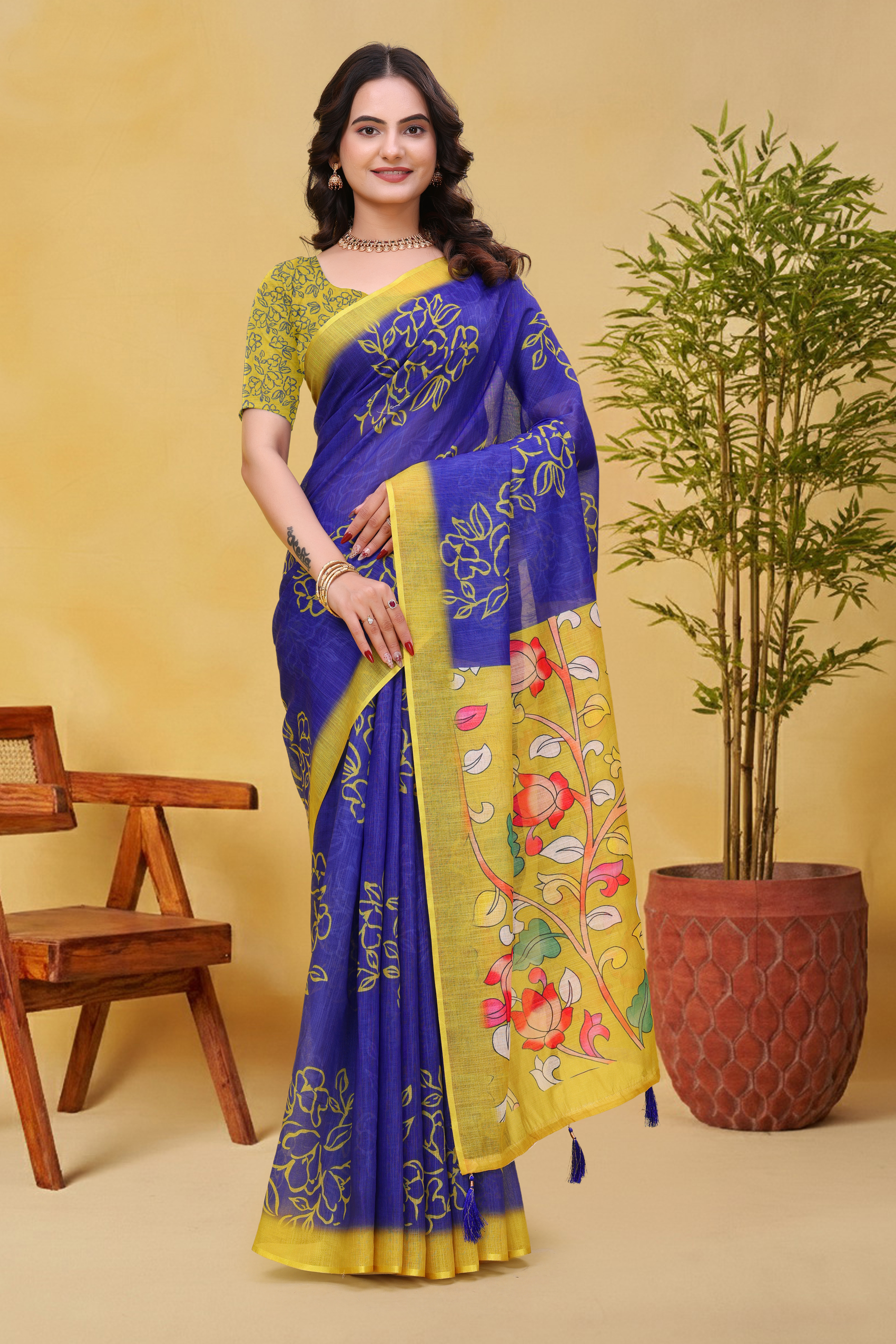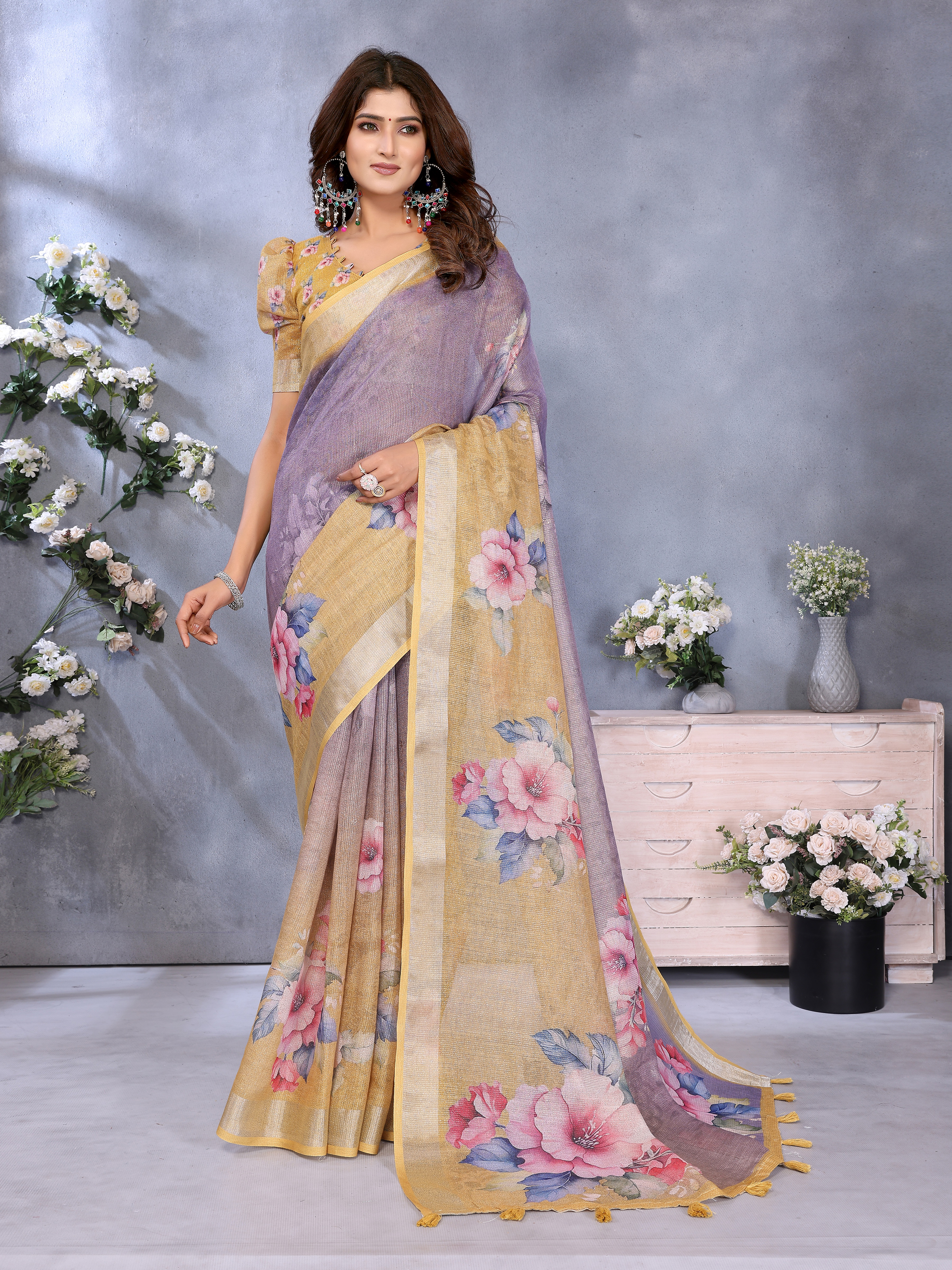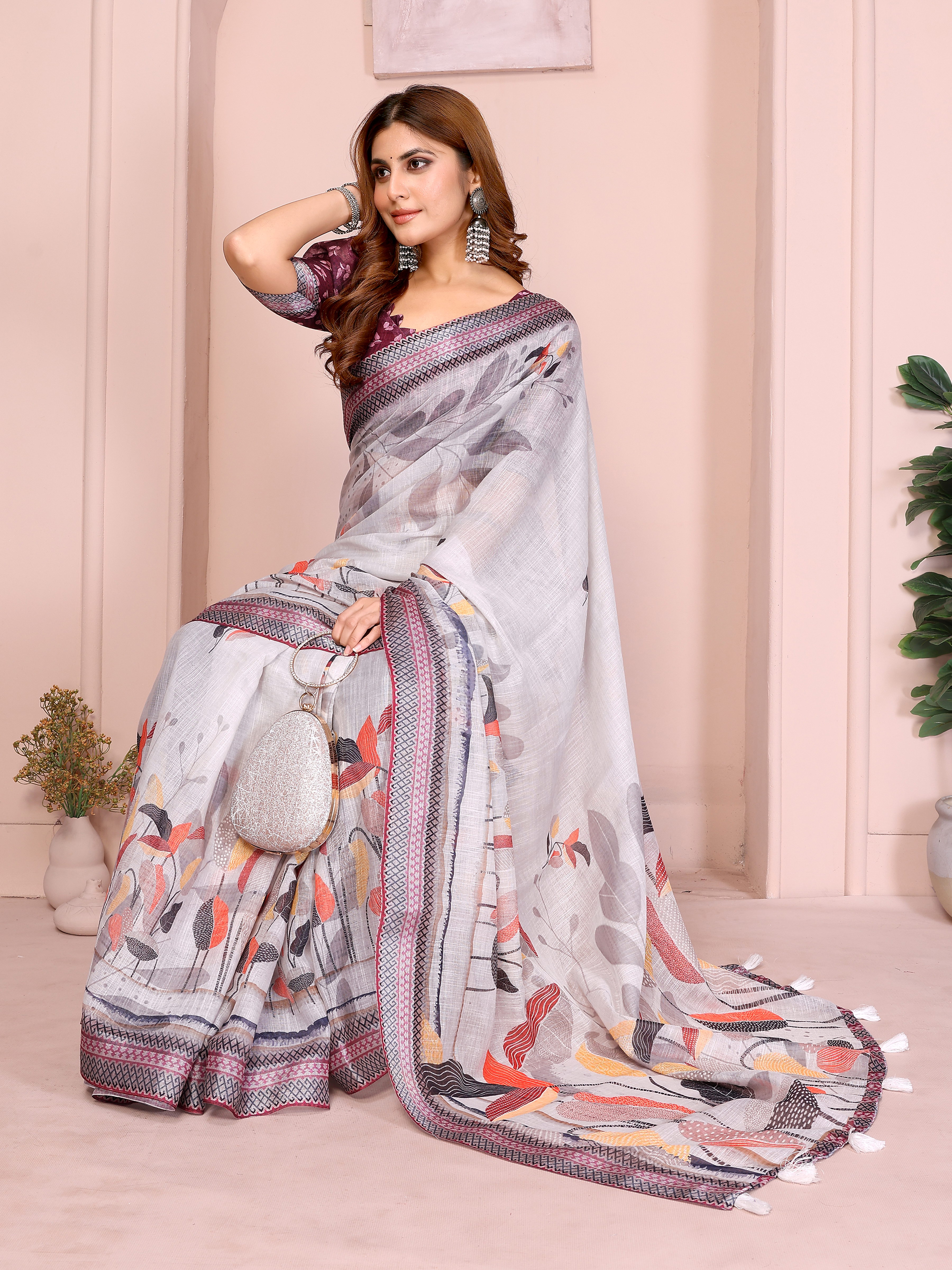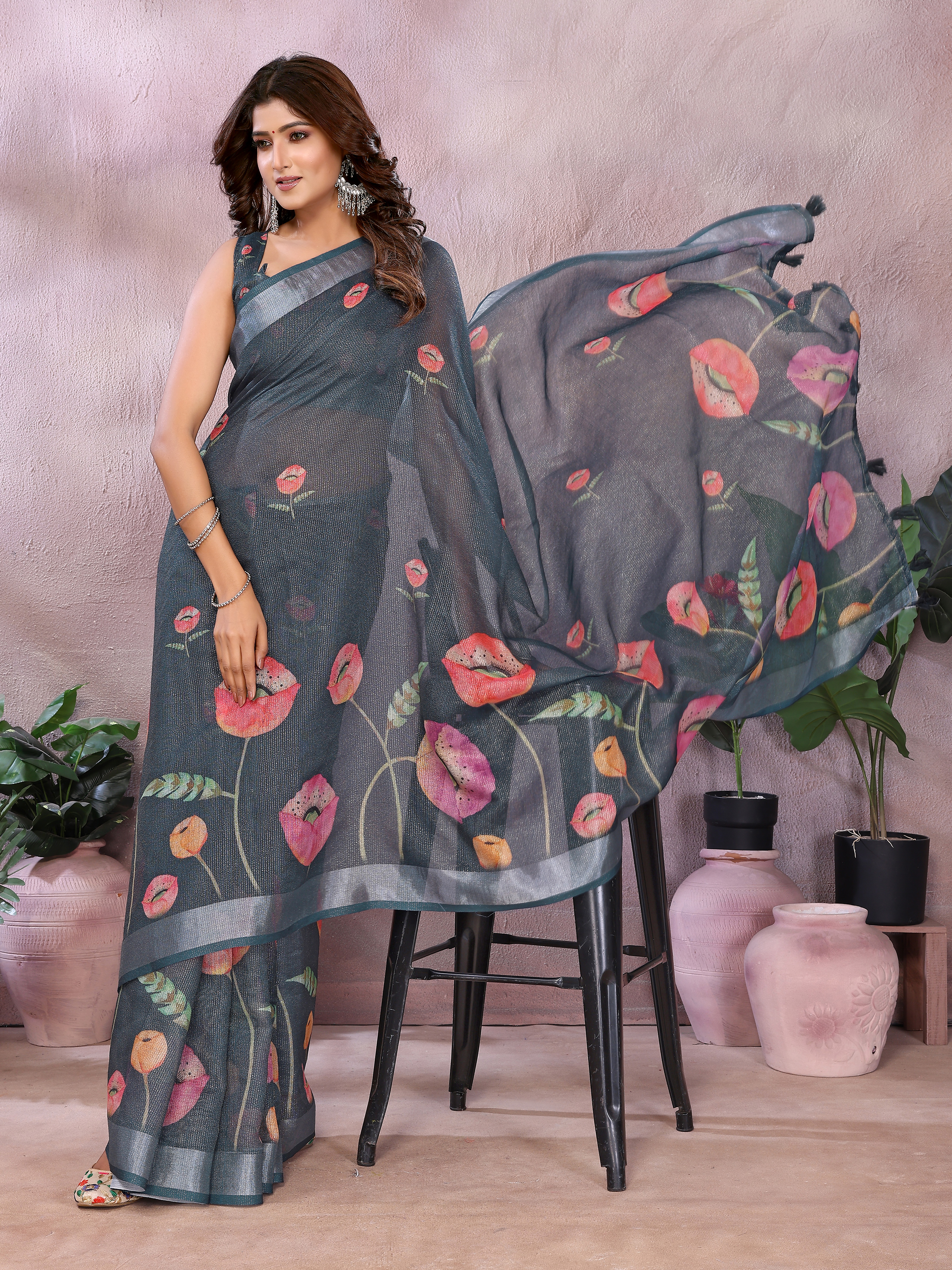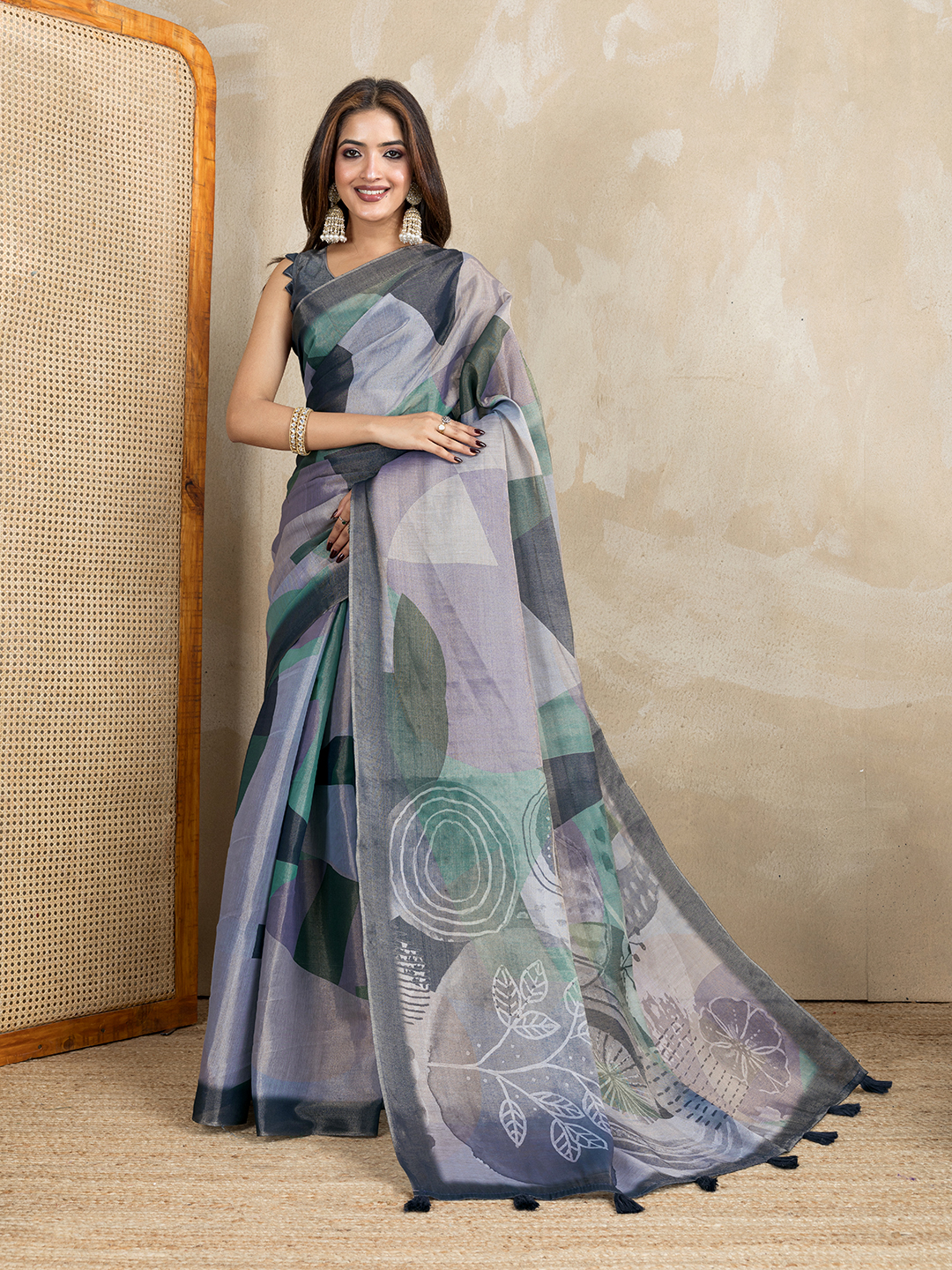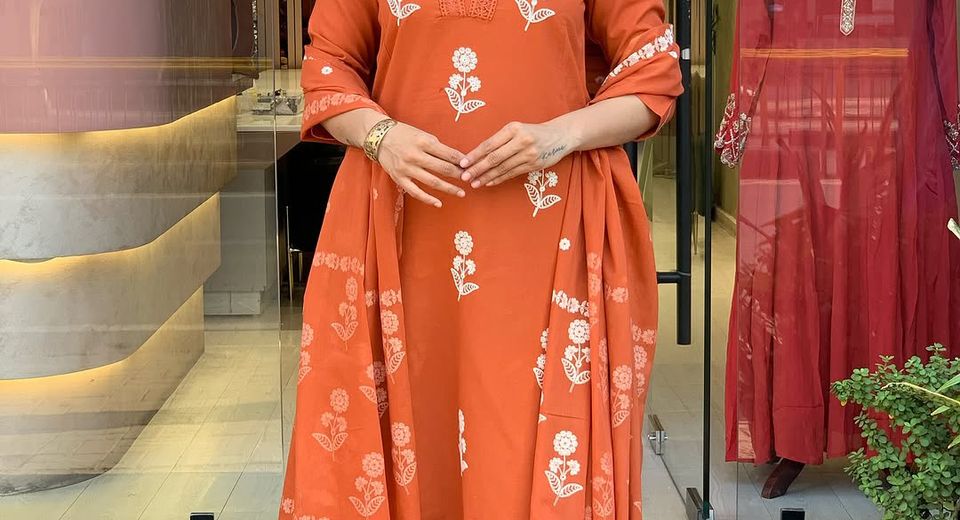
What to look for in a kurti when you hate ironing clothes comes down to more than picking a pretty colour. Fabric structure, weave density, silhouette, print placement and washing habits decide whether a kurti looks presentable after a crowded wardrobe, a commute or a quick wash. The most practical choice is a garment that develops fewer hard creases and has enough visual texture to make small wrinkles unnoticeable.
A completely iron-free kurti isn't a realistic promise, particularly when the garment contains linen, fine cotton or heavy embroidery. However, the right salwar suit can reduce ironing from a daily chore to an occasional touch-up. The sections below explain exactly what to inspect before buying.
Why fabric matters more than the label
Fabric composition and weave determine how quickly a kurti creases, how sharply those creases set, and how easily the garment recovers when hung. A fabric described only as "cotton" can behave very differently depending on whether it's compact, loosely woven, brushed, blended or heavily textured.
Which kurti fabrics crease the least?
Blended cotton, rayon, modal and textured synthetic blends generally crease less than lightweight pure cotton because their fibres recover more readily after folding. A medium-weight cotton with a compact weave can also be manageable, especially when it's removed promptly from the washing machine and hung straight.
Rayon has a fluid fall and often looks smooth after drying, but rayon can become misshapen when wet and should not be twisted. Modal is soft and relatively crease-resistant, although its care label still matters. Polyester blends resist wrinkles strongly, but they may feel warmer than cotton in humid Indian weather.
Pure cotton remains useful for summer because it absorbs moisture and allows airflow, yet thin cotton usually needs more pressing than a denser cotton weave. Khadi, mulmul and very light handloom cotton can form visible fold lines because their surfaces are breathable and flexible. Textured cotton, dobby cotton and small woven patterns disguise minor creases better than a perfectly smooth solid surface.
How should fabric weight influence the purchase?
A medium-weight kurti usually holds its shape better than an extremely thin kurti and remains easier to wear after air-drying. Medium weight doesn't mean heavy or hot; it means the fabric has enough body to fall into place instead of collapsing into multiple folds.
Hold a garment by the shoulder and examine the front panel. If the fabric immediately bunches into narrow lines under its own weight, the kurti may need frequent pressing. If the fabric falls smoothly and returns close to its original shape after a gentle scrunch, it's more suitable for a low-maintenance wardrobe. This simple test is useful when shopping in person and can be approximated online by checking fabric details, customer photographs and the care instructions.
What to look for in a kurti when you hate ironing clothes
When you hate ironing clothes, prioritise a forgiving weave, a relaxed but controlled silhouette, and surface details that interrupt the eye. These three features matter more than a trend name such as straight suit, A-line kurti or anarkali.
Which silhouettes hide creases best?
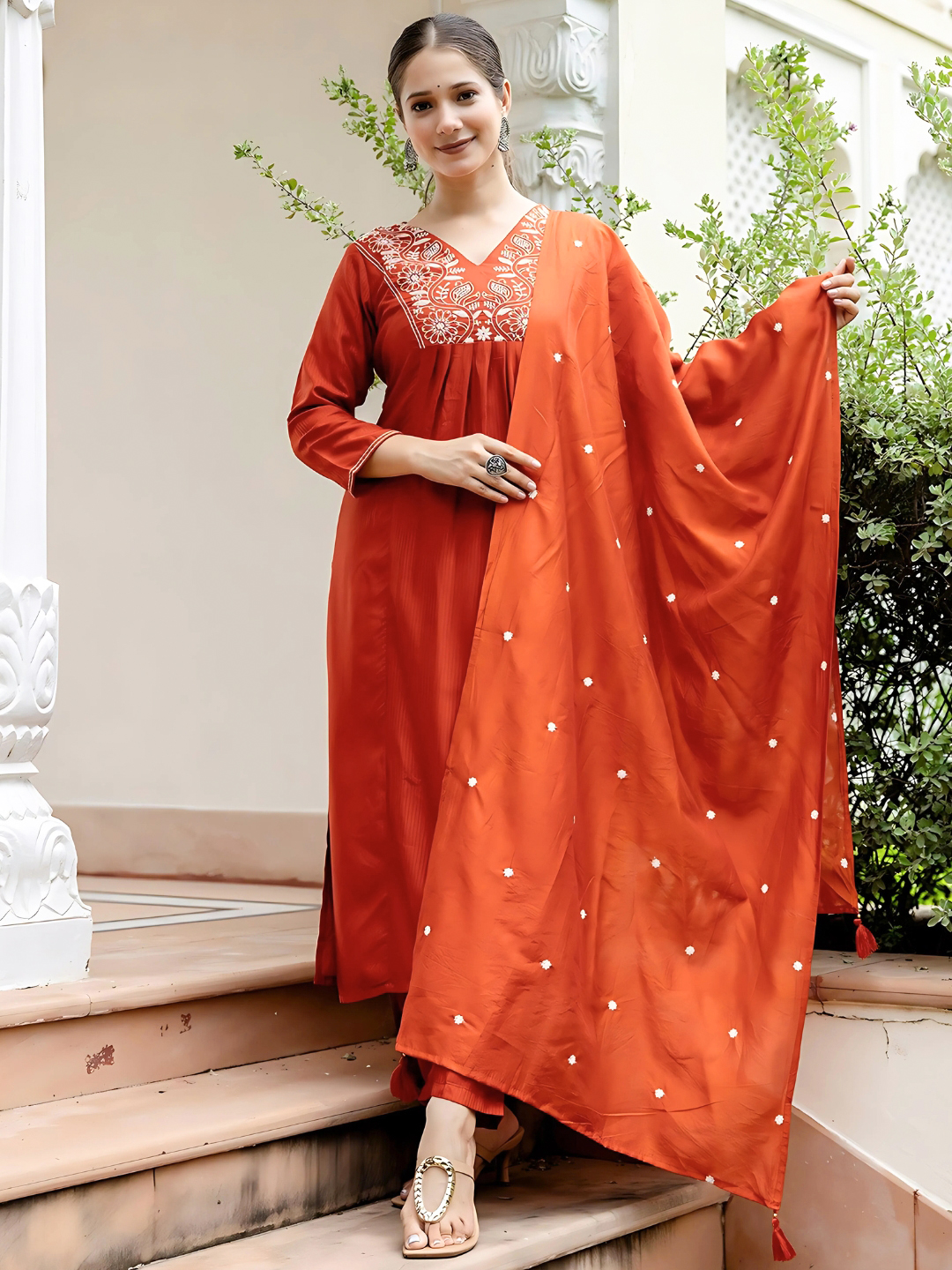
A-line and gently flared kurtis hide small vertical and diagonal creases better than close-fitting straight kurtis because the fabric doesn't sit tightly against the body. A relaxed straight kurti can also work when the fabric has enough weight and the side seams hang cleanly.
Very fitted kurtis show creasing around the waist, bust and elbows because those areas experience repeated movement. Excessively full anarkali styles can crease at the gathered waist and inside the folds, particularly when stored on a shelf. A moderate flare offers a practical middle ground: it creates movement without producing a large stack of fabric that needs pressing.
Three-quarter sleeves are often easier to maintain than long, narrow sleeves because they have fewer contact points with desks, bags and folded surfaces. A structured neckline, clean placket and stable shoulder seam also help the garment look intentional when the body fabric has a few soft wrinkles.
Do prints and embroidery make ironing less important?
Prints, woven motifs and controlled embroidery can make light creasing less visible, but they can't prevent fabric from creasing. Small-scale prints, Kalamkari-inspired layouts, geometric motifs and tonal patterns break up broad uninterrupted areas where wrinkles would otherwise stand out.
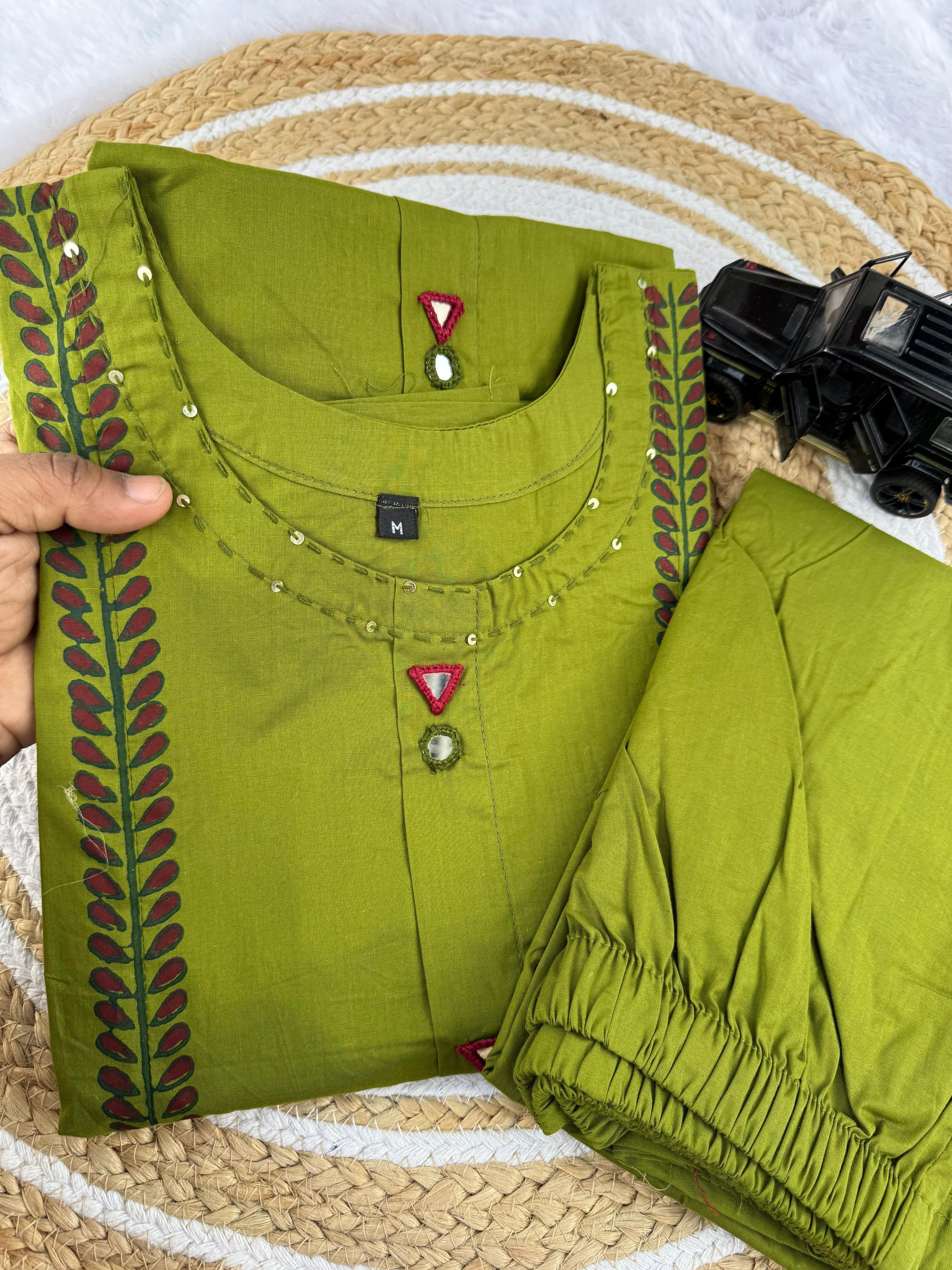
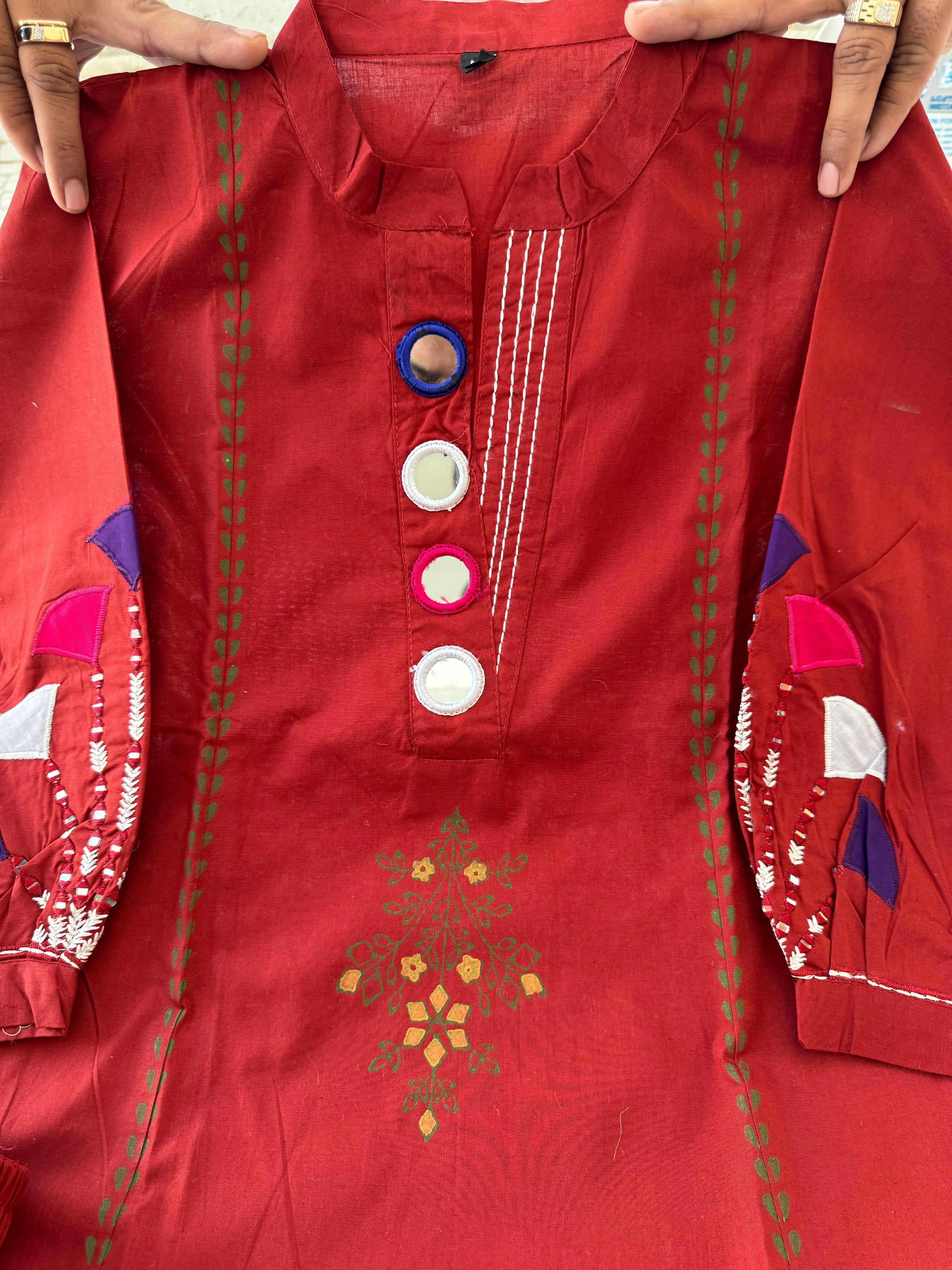
Heavy mirror work or dense embroidery may reduce the need to press the decorated area, but embellishment can make washing and storage more demanding. The Red Cotton A-Line Kurti Set with Mirror Work Design illustrates how reflective details can draw attention away from minor surface irregularities. The garment should still be dried flat or on a broad hanger so the embellished panel doesn't pull out of shape.
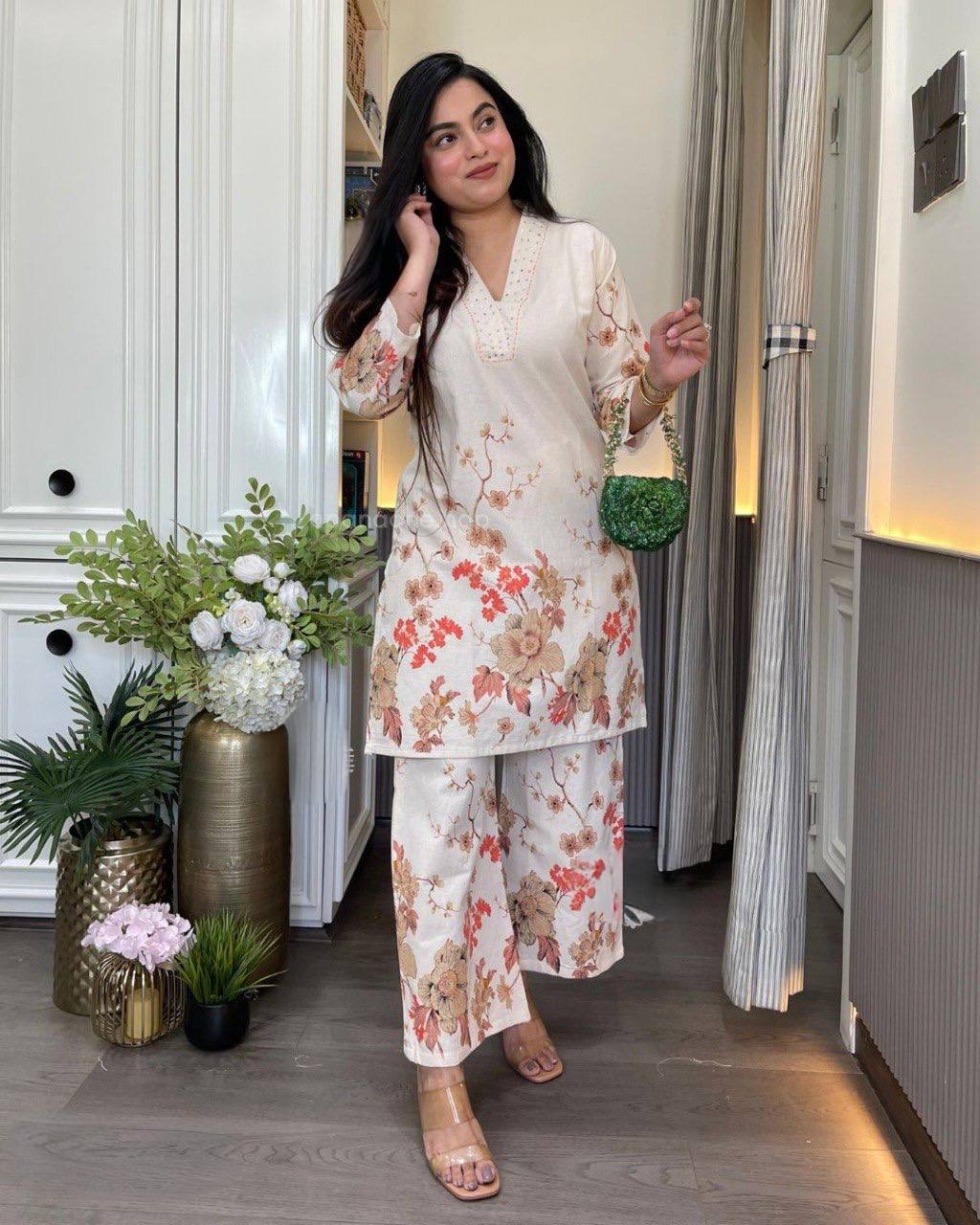
The Designer Cotton A-Line Kurti Pant Set with Mirror Work uses the same useful principle: a forgiving A-line shape combined with surface interest gives the eye more to notice than a faint fold. Embellishment should be treated as a visual advantage, not as proof that the garment requires no care.
Construction details that reduce daily maintenance
Good construction reduces the areas where fabric collapses, twists or gathers during wear. A low-maintenance kurti should have balanced seams, a stable neckline and a hem that hangs evenly after washing.
Which cut and seam details should you inspect?
Look for side seams that fall straight from the underarm to the hem, because twisted seams create permanent-looking diagonal lines. A shoulder seam that sits correctly prevents extra fabric from pooling at the upper arm. Faced necklines and neatly finished plackets usually retain their shape better than soft, unsupported openings.
Check whether the kurti has excessive gathers below the yoke or at the waist. Gathers create attractive volume but multiply the number of small folds that must be opened after washing. A lightly flared panel, princess seam or shaped side panel often gives volume with less rumpling than dense gathering.
For kurti pant sets, inspect the waistband as carefully as the kurti. An elasticated waistband can recover easily, but a wide, soft elastic may twist in the wash. A flat waistband with a secure drawstring or stable elastic is easier to straighten and usually sits more neatly without pressing.
Are dupattas a separate ironing problem?
Dupattas usually need more care than the kurti because their larger surface area folds easily and their edges can curl. A compact, textured or moderately weighted dupatta is more forgiving than a very fine, slippery fabric.
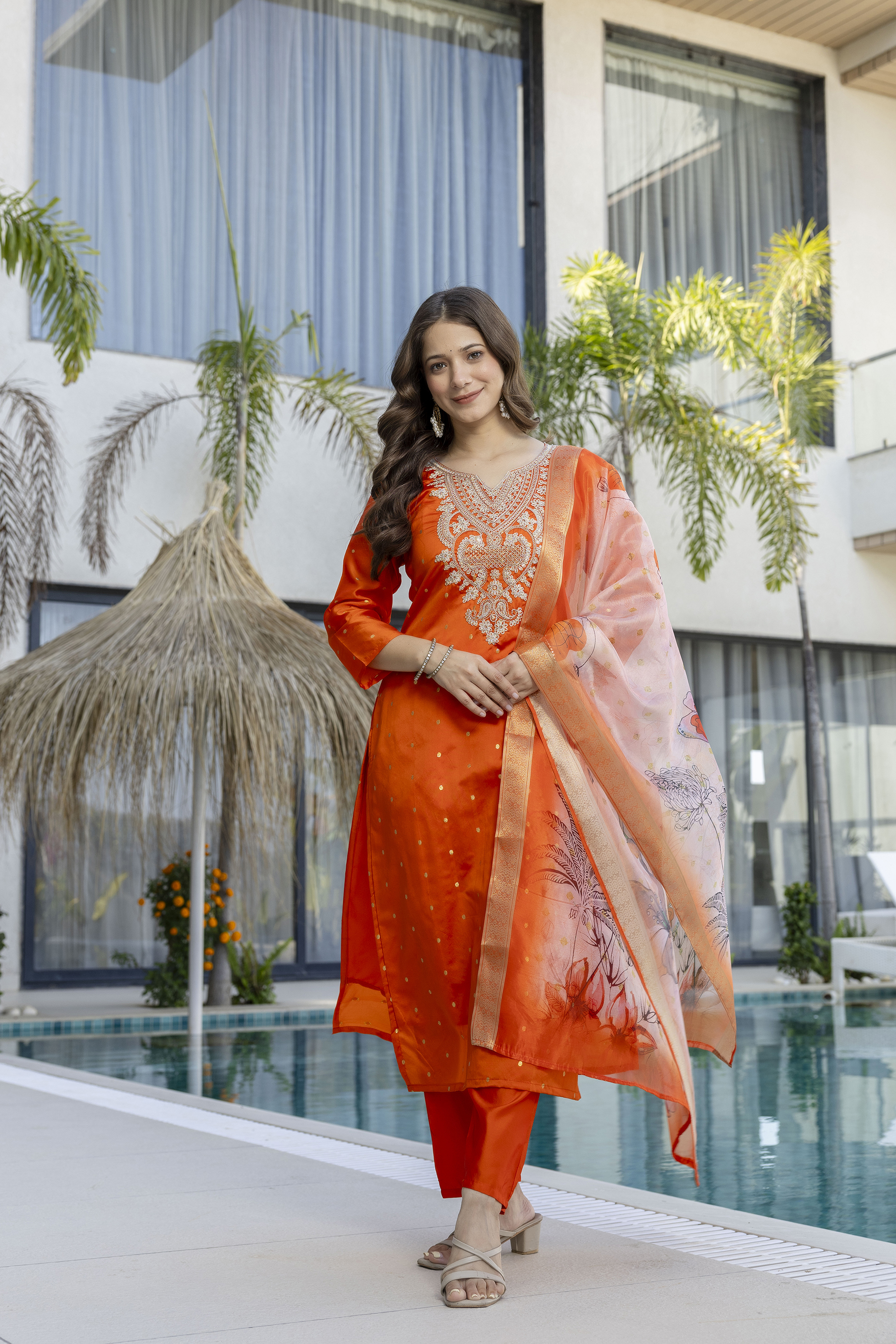
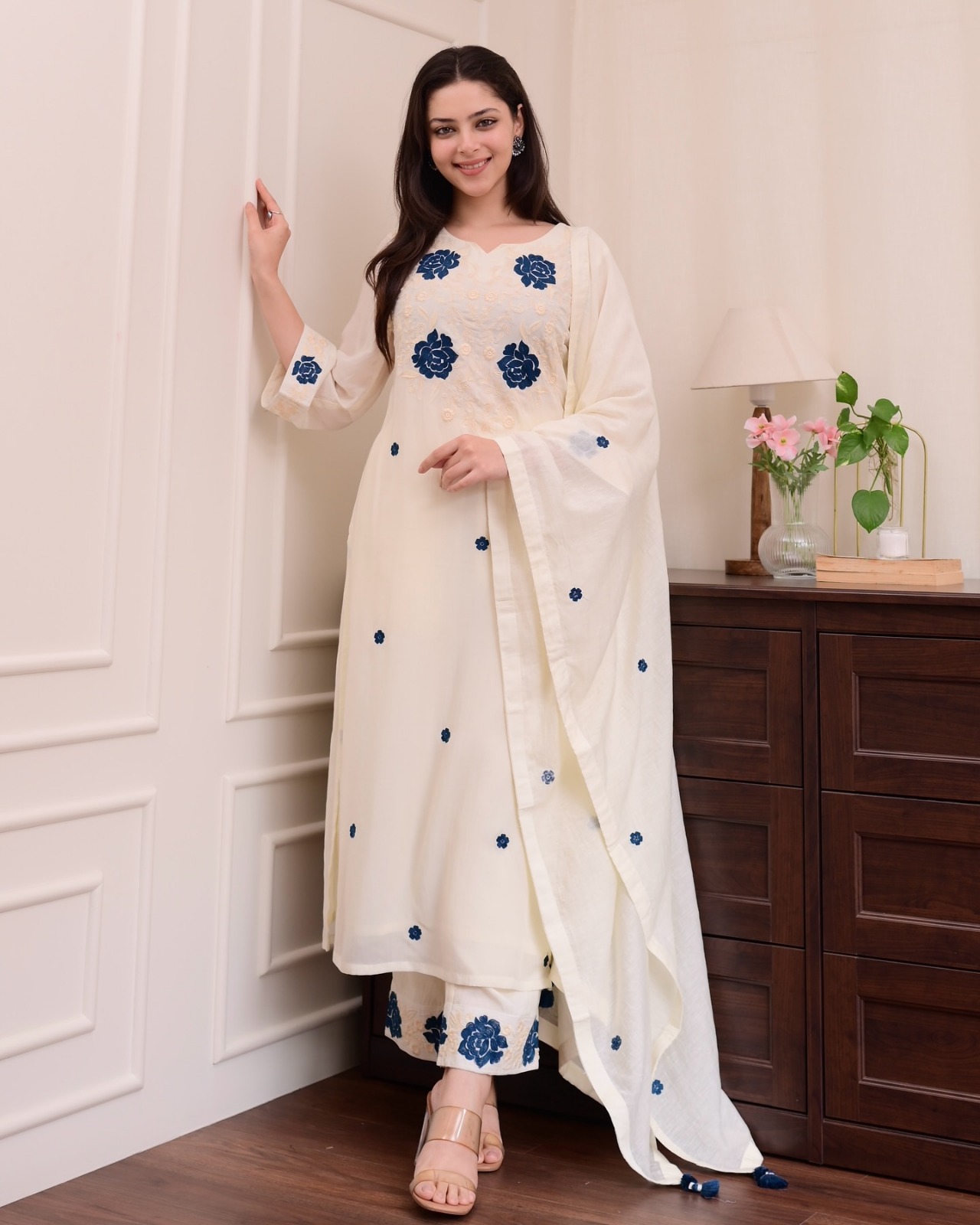
The Cream Embroidered Silk Kurti Pant with Designer Dupatta brings a dressier finish, but silk and dense decorative borders deserve careful hanging and low-friction storage. The Cream Chanderi Silk Kurti Pant Dupatta Set for Women has a delicate, airy character that suits festive dressing; it should be hung immediately after drying rather than left in a laundry basket.
When convenience is the priority, a woven dupatta with a defined border can be easier to arrange than a soft, unstructured scarf. The Classic Yellow Cotton Kurti Set with Woven Dupatta is an useful example of how a woven surface can add visual interest while making minor creasing less conspicuous.
Colour, pattern and occasion should guide the choice
Colour and pattern affect how visible creases appear, while the occasion determines how much maintenance is reasonable. A daily office kurti should be judged differently from a festive silk set worn twice a year.
Which colours are most forgiving?
Mid-tones, heathered shades and prints generally conceal wrinkles better than very pale solids and glossy dark solids. Cream, white and pastel fabrics can show shadow lines clearly, while black and deep navy can reveal shiny pressure marks after folding.
Mustard, olive, rust, brick, medium blue and mixed prints are practical choices because their depth and variation soften the contrast created by creases. The Olive Green A-Line Cotton Kurti Pant Set for Women and the Mustard Yellow Cotton Kurti Pant Set for Women demonstrate why earthy mid-tones are useful for repeat wear. Colour can't change the fabric's behaviour, but colour can change how much maintenance is visible.
Print scale also matters. Very large motifs can make a single fold look more obvious if the design line breaks at an awkward point. Small repeats, irregular motifs and borders are usually more forgiving for everyday wear.
How should the occasion change the fabric decision?
For office wear, travel and daily errands, choose a washable fabric with moderate structure, a simple neckline and limited embellishment. For a Haldi ceremony or family celebration, a silk, Chanderi or embroidered kurti may be worth the additional care because the garment is worn for a shorter period and stored more deliberately.
Regional surface traditions can also provide texture that disguises light creasing. Kalamkari Print Salwar Suits often use visual variation that's practical for repeat styling. Maharashtra Paithani Inspired Salwar Suits and Gujarat Bandhej Salwar Suits bring strong motifs and colour contrast, while Odisha Sambalpuri Salwar Suits can add woven pattern and surface character. These collections are not automatically wrinkle-proof, so fabric composition and care instructions still take priority over the print tradition.
Care habits that prevent a manageable kurti from becoming a wrinkled one
Washing, drying and storage determine whether a relatively low-crease kurti stays easy to wear. Many garments need no ironing after careful handling, even when their fibre content isn't completely wrinkle-resistant.
What is the best washing routine for fewer wrinkles?
Use a gentle cycle, avoid overloading the drum, and remove the kurti as soon as the wash ends. A crowded machine forces wet garments into compressed folds, while a delayed load allows those folds to set as the fabric dries.
Shake the kurti once or twice, smooth the placket and sleeves with your hands, and hang the garment on a broad hanger. Place the shoulder seams over the hanger ends instead of letting narrow wire edges create bumps. Dry coloured garments away from harsh midday sunlight to reduce fading, particularly for Bandhej, Kalamkari and mirror-work pieces.
don't wring rayon, silk, Chanderi or embellished garments. Pressing water out gently with a towel is safer for delicate fabrics. Always follow the garment's care label when the label recommends hand washing, dry cleaning or a specific temperature.
How should a kurti be stored?
Store a kurti only after it's completely dry, and leave a small gap between hangers so air can circulate. Folding a warm or slightly damp garment is one of the fastest ways to create stubborn creases and a stale smell.
Use a hanger for structured kurtis, embroidered panels and fabrics that crease under compression. Fold soft cottons and knits along existing seam lines when drawer storage is necessary. Avoid stacking heavy garments on top of lightweight silk or Chanderi, because pressure can flatten decorative surfaces and set fold marks.
For travel, roll a soft kurti around a light cotton scarf rather than making several sharp folds. Unpack the garment immediately, hang it in a ventilated bathroom or near-not directly over-a safe source of gentle warmth, and allow gravity to relax the fabric before wearing.
A practical pre-purchase checklist
A five-minute inspection can reveal whether a kurti will fit a low-maintenance wardrobe. Use the following checklist before choosing a salwar suit online or in a shop.
- Read the fibre content: Prefer blended cotton, modal, rayon or a medium-weight compact weave when low creasing matters more than a completely natural fibre composition.
- Check the care label: Hand-wash-only or dry-clean-only instructions add maintenance, especially when the garment is intended for weekly wear.
- Assess the silhouette: Choose a moderate A-line or relaxed straight cut instead of a highly fitted body or densely gathered waist.
- Inspect the surface: Woven texture, small prints and tonal motifs hide soft creases better than broad, glossy, solid panels.
- Examine the seams: Look for straight side seams, a stable neckline, even hems and sleeves that don't twist.
- Plan the whole set: Consider whether the pants and dupatta require more care than the kurti. A low-maintenance kurti paired with a high-maintenance dupatta may not save time.
- Match care to frequency: Reserve delicate silk, fine Chanderi and dense embroidery for occasions when their maintenance is worthwhile, and choose washable cotton or blends for routine dressing.
The Mustard Embroidered Kurti Pant Set for Women Festive can suit celebrations where embroidery adds enough visual interest to justify extra handling. For repeated everyday use, a set such as the Olive Green A-Line Cotton Kurti Pant Set for Women brings a more practical balance of colour, shape and maintenance.
Punjab Patiala Salwar Suits can provide generous volume and a relaxed appearance, but their fuller lower garments may require more space to dry and store. The right purchase is therefore not just the least wrinkled fabric; it's the combination that matches your washing routine, storage space, climate and wearing frequency.
The simplest decision rule for an ironing-averse wardrobe
The best low-maintenance kurti combines a medium-weight or blended fabric, a moderate A-line or relaxed cut, a textured or patterned surface, and care instructions you'll actually follow. No fabric eliminates every crease, but the right combination can make a kurti wearable after washing and hanging instead of sending it straight to the ironing board.
Before buying, imagine the garment in three real situations: after a machine wash, after six hours of sitting, and after being stored for a week. If the fabric, construction and colour still seem forgiving in all three situations, the kurti is likely to earn regular use rather than becoming another high-maintenance favourite in the wardrobe.
Common Questions About Choosing a Low-Maintenance Kurti
What fabric is best for a kurti if I hate ironing?
Blended cotton, modal, rayon and medium-weight compact cotton are generally easier to maintain than thin, loosely woven pure cotton. Check the care label because fibre content alone does not determine how a garment behaves after washing.
Do cotton kurtis always need ironing?
Cotton kurtis do not always need ironing when they are removed promptly from the wash, shaken out, smoothed by hand and dried on a broad hanger. Thin mulmul, khadi and lightweight pure cotton usually crease more than textured or medium-weight cotton.
Which kurti colour hides wrinkles best?
Mid-tones such as olive, mustard, rust and medium blue usually hide soft creases better than very pale or glossy solid colours. Small prints and irregular woven motifs can conceal wrinkles more effectively than a plain, uninterrupted surface.
Does an A-line kurti need less ironing than a straight kurti?
A moderate A-line kurti often needs less visible ironing because its relaxed flare does not cling tightly to the body. A straight kurti can also be low-maintenance when it has a stable fabric, clean seams and a relaxed fit.
How can I stop my kurti from creasing in the wash?
Use a gentle cycle, avoid overloading the machine, remove the kurti immediately, shake it out and hang it on a broad hanger. Do not wring rayon, silk, Chanderi or embellished garments, and follow the care label for delicate fabrics.
Are embroidered kurtis difficult to maintain?
Embroidered kurtis are not always difficult to maintain, but mirror work, zari, silk and dense borders require gentler washing and better storage. Hang embellished garments carefully, avoid twisting them and choose them for occasions where the additional care is worthwhile.