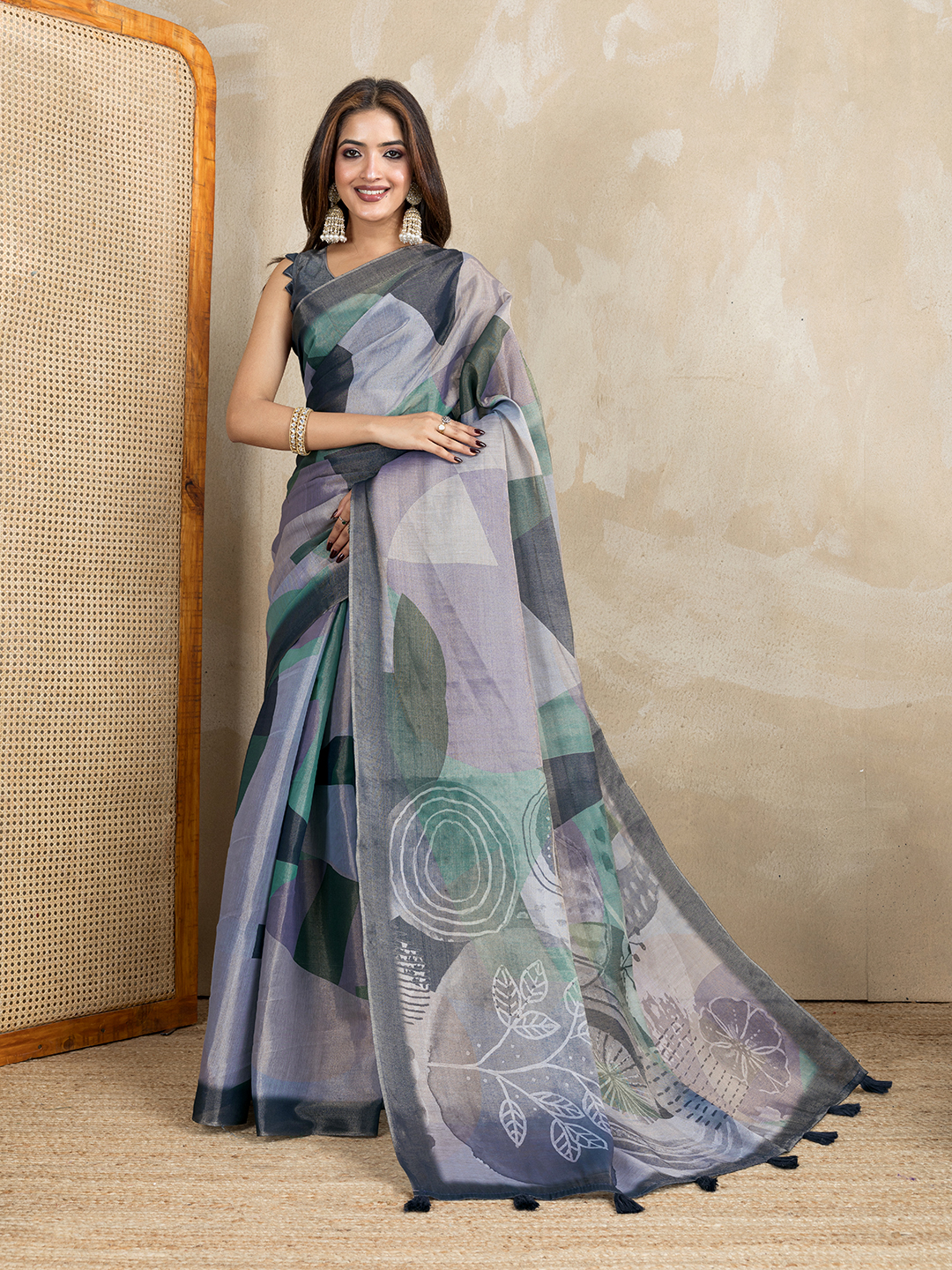
What to Inspect Inside an Ethnic Outfit Before Deciding It Is Well Made starts with the parts a product photograph usually hides: seam allowances, lining, thread ends, fastenings, hems and the reverse side of embroidery. A polished neckline or attractive print cannot compensate for a weak side seam, scratchy lining or poorly anchored embellishment. A five-minute inspection can reveal whether a saree blouse, salwar suit, kurta set or ethnic gown is designed for repeated wear rather than a single occasion.
Quality does not always mean a high price, and a low price does not automatically mean poor construction. Fabric type, handwork, pattern complexity and production volume all affect cost. The useful question is whether the construction is appropriate for the garment, whether the finishing is consistent, and whether the care requirements match your wardrobe and intended use.
What to Inspect Inside an Ethnic Outfit Before Deciding It Is Well Made
Inspect the garment from the inside out, beginning with structural seams and ending with decorative details. A well-made ethnic outfit should have secure joins, even stitching, clean finishing and closures that sit flat without pulling the fabric.
Lay the garment on a flat surface and examine the front, back, side seams, armholes, neckline and hem. Turn the garment inside out wherever possible. For a readymade suit, check the kurta, trousers or palazzo pants, and dupatta separately because each component may have a different finishing standard.
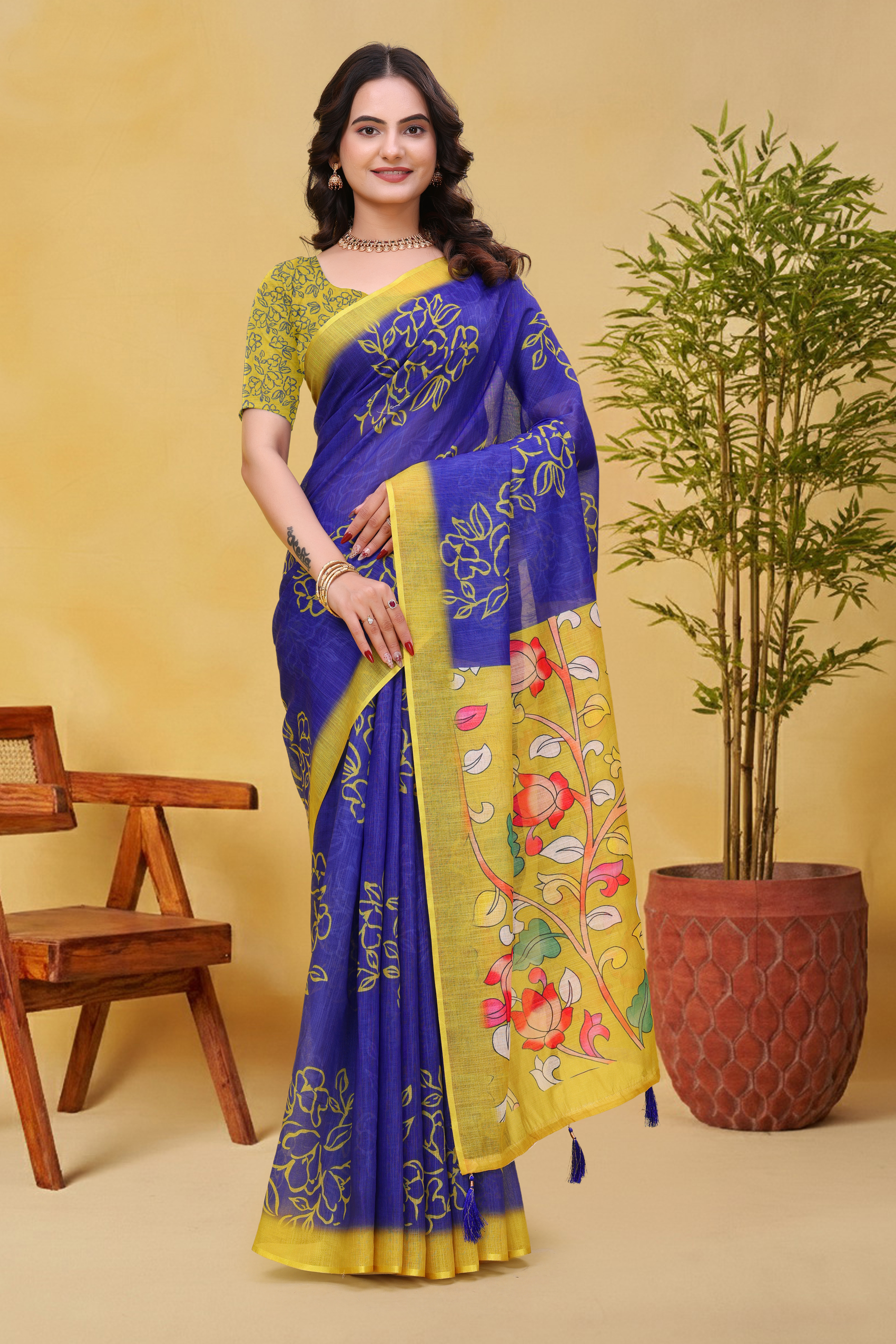
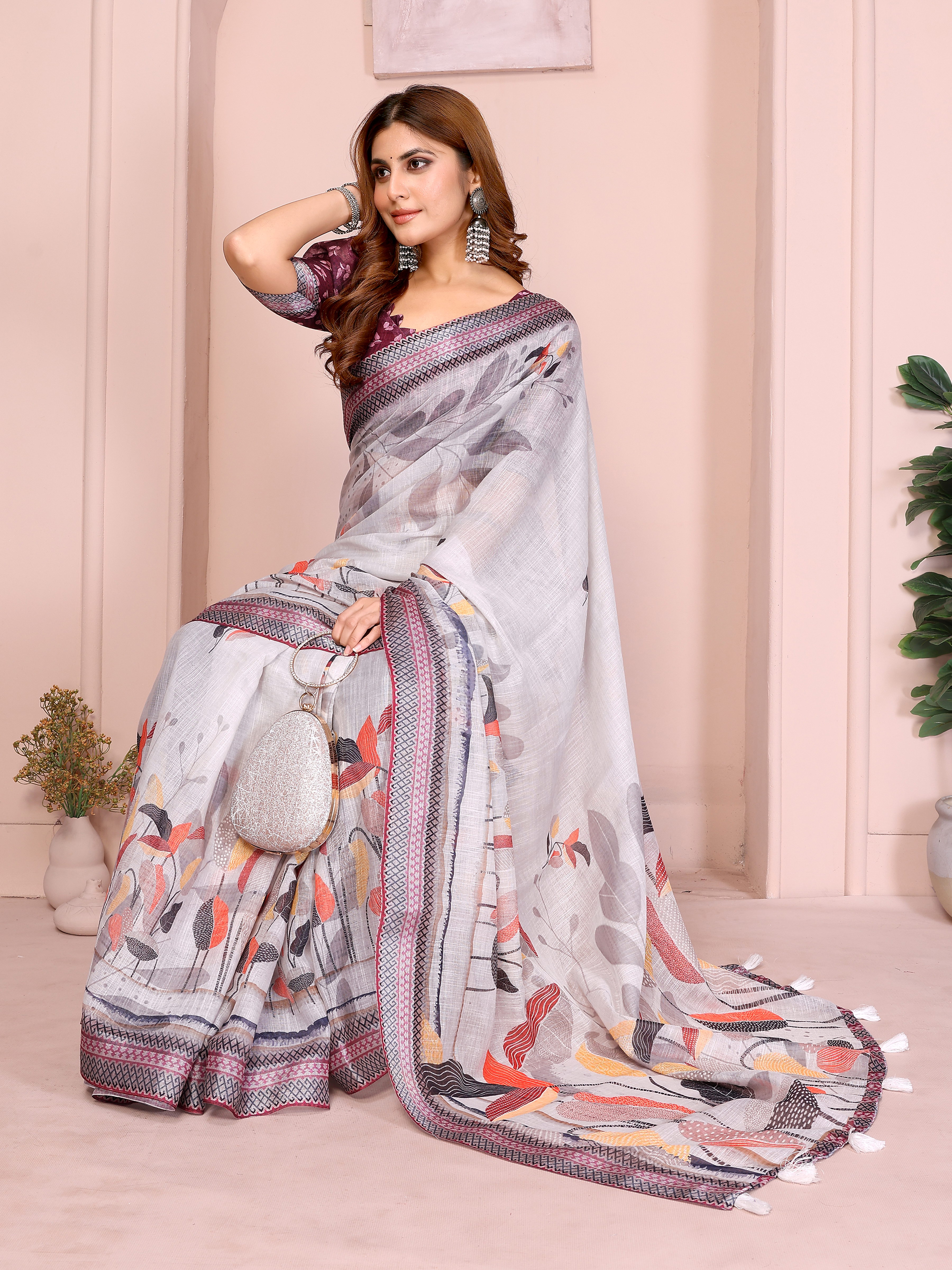
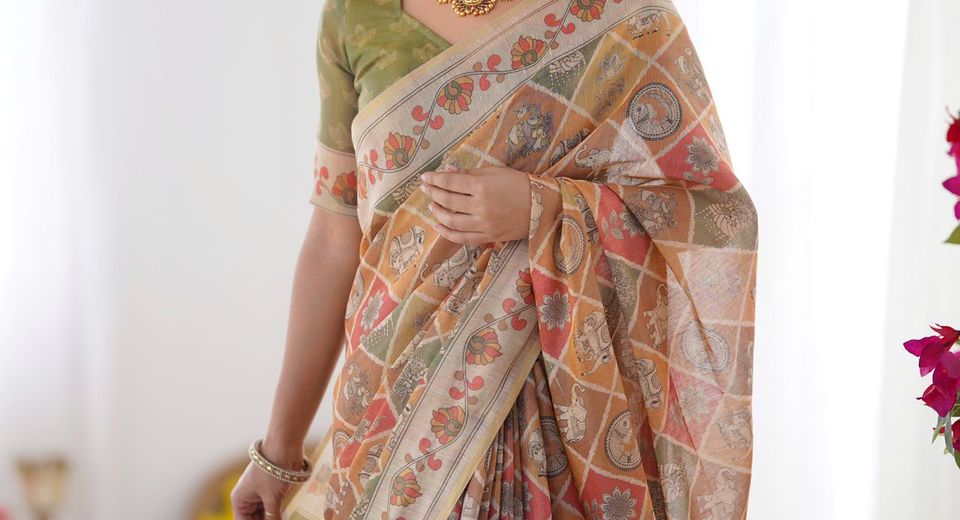
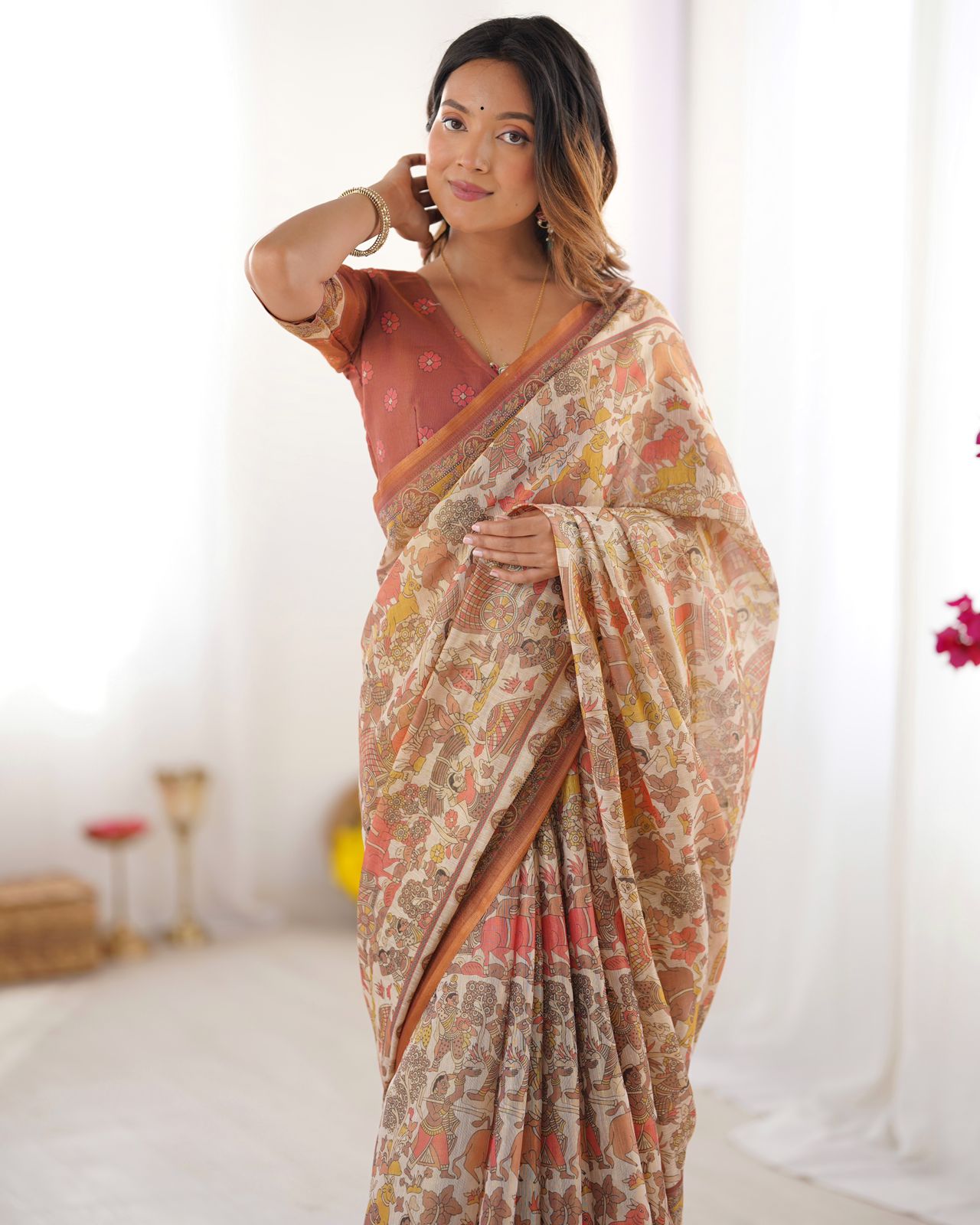
For a saree, inspect the fall, selvedge, pallu finishing and blouse piece. A woven saree such as the Ethnic Beige Cotton Linen Saree with Village Art Design should be judged for the regularity of its weave, the firmness of its edges and the neatness of any attached finishing. A printed or handloom textile may have small variations, but loose threads and unraveling at the selvedge are avoidable defects.
Seams, Seam Allowance and Stitching Reveal Structural Quality
Strong seams have even stitches, adequate seam allowance and no visible gaps when the garment is gently stretched. Seams carry the stress created by sitting, walking, lifting the arms and laundering, so seam quality often matters more than surface decoration.
Look for stitches that are evenly spaced rather than abruptly changing length. A straight seam should remain straight, while a curved armhole or neckline should lie smoothly without sharp puckers. A seam allowance of roughly 1 to 1.5 centimetres is common in many ready-to-wear garments and provides some room for minor alterations. Very narrow allowances can make repairs difficult.
Run your fingers along side seams and shoulder seams. The fabric should not separate between stitches when pulled gently. A secure overlocked edge, a clean enclosed seam or another suitable edge finish helps prevent fraying. Overlocking alone is not a guarantee of quality, but raw edges with long, loose threads are a warning sign.
Check stress points especially carefully. Armholes, crotch seams, pocket openings, plackets and the point where a dupatta border meets the fabric receive repeated strain. A salwar suit such as the Black Red Fendy Silk 3 Piece Readymade Salwar Suit Set should have reinforced or carefully finished joins in these areas, particularly where a heavier dupatta or embellishment adds tension.
Thread colour should generally coordinate with the fabric, although contrast thread may be an intentional design choice. More important than colour is tension. Tight thread can cause puckering, while loose thread creates loops and weak spots. If the seam pulls into a ridge when the garment is laid flat, the machine tension or handling may be inconsistent.
Fabric, Grain and Lining Determine Comfort and Longevity
A suitable fabric should feel appropriate for the garment's silhouette, climate, weight and intended frequency of wear. The fabric should also recover reasonably after gentle handling, without excessive distortion, surface shedding or transparent patches that are not part of the design.
Hold the fabric near a light source to check for uneven thickness, weak areas and unexpected sheerness. Chanderi, organza and some lightweight silk blends can be naturally translucent, so transparency is not automatically a fault. The relevant question is whether the garment includes suitable lining or whether the transparency is clearly intended.
Examine the grain of woven fabric. A kurta front should not twist noticeably when laid flat, and trouser legs should hang without spiralling seams. A slight irregularity may occur in handloom fabric. A persistent diagonal pull across the body, however, can indicate poor cutting or fabric distortion.
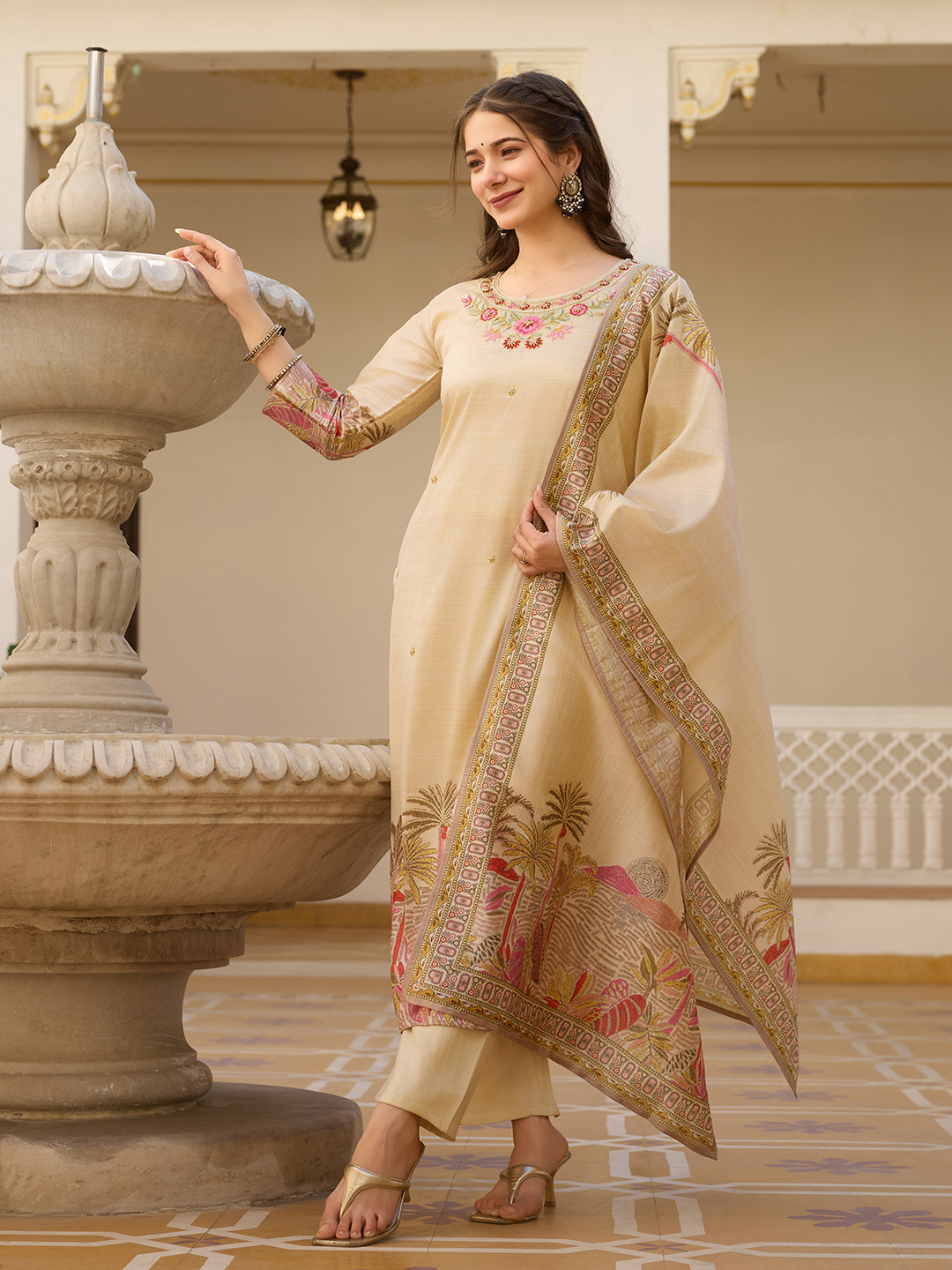
Lining should be smooth, breathable enough for the garment's use and cut with a little ease. Lining that is too tight pulls the outer fabric into wrinkles, especially around the bust, armhole and hip. Lining that is too loose can bunch inside the garment. In an embroidered piece such as the Elegant Beige Vichitra Silk Embroidered Kurta Set for Women, lining also protects the skin from abrasive threadwork and reduces direct friction against the outer fabric.
Check whether lining is secured at key points instead of hanging freely and twisting. Sleeves should not ride upward when the arm bends. A lined bodice should not reveal the lining at the neckline or armhole during normal movement. Cotton lining can feel comfortable in warm weather, while polyester lining may slide easily but feel warmer and less breathable.
Embroidery, Zari and Appliqué Need a Reverse-Side Inspection
Embroidery is well finished when motifs are securely anchored, the backing is controlled and the reverse side does not contain dangerous loops or knots that can catch on jewellery. Decorative density should be balanced with the base fabric's strength.
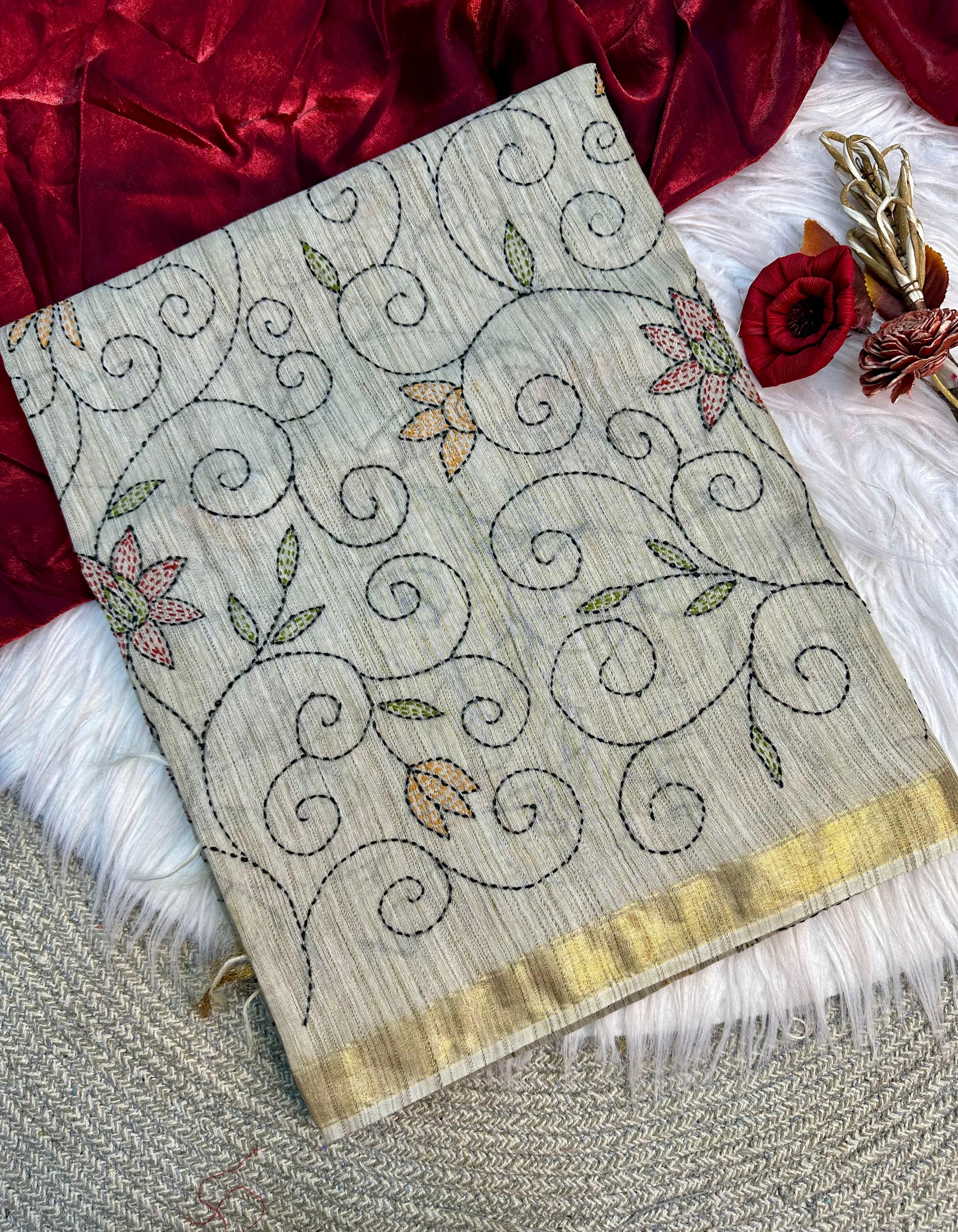
Turn embroidered areas inside out and look for thread tails longer than a few millimetres, large floating threads and clusters of tangled thread. Small thread ends may be trimmed carefully, but pulling them can loosen the motif. Dense embroidery needs a stable backing or lining because unbacked threadwork can irritate the wearer and distort the fabric.
For zari, inspect whether metallic thread sits consistently within the motif and whether the border has abrupt gaps. Zari can be real metallic-coated thread, imitation zari or a blended decorative yarn, and each behaves differently during care. A quality assessment should focus on secure attachment and suitability for the garment rather than assuming that a brighter finish is better.
Sequins, beads and stones should be attached with more than a superficial single pass when the design is intended for repeated wear. Lightly brush the surface with your hand to identify loose pieces, sharp edges or snagging points. Pay special attention to sleeve cuffs, waistlines and dupatta borders, where decoration rubs against skin or other garments.
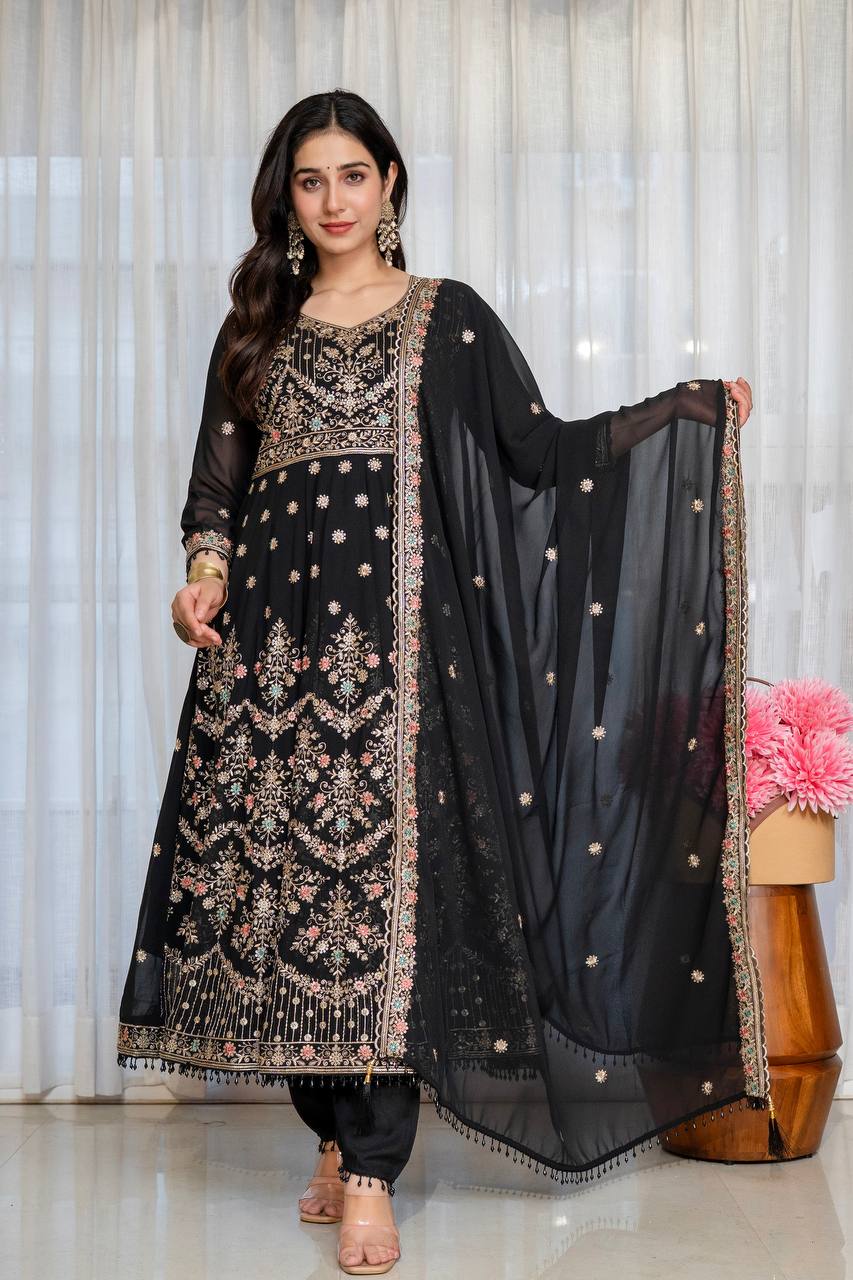
A design such as the Black Embroidered Chanderi Kurti Pant Dupatta Set places fabric delicacy and embellishment together. Chanderi needs careful handling, while embroidery adds weight and points of stress. Inspect whether the embroidery is distributed evenly and whether the dupatta border has been secured without making the edge stiff or wavy.
Necklines, Closures and Hems Show Whether Finishing Was Considered
A functional closure should open and close smoothly, lie flat during wear and remain anchored to a reinforced area. Closures include buttons, hooks, eyes, zippers, drawstrings, snaps and concealed plackets.
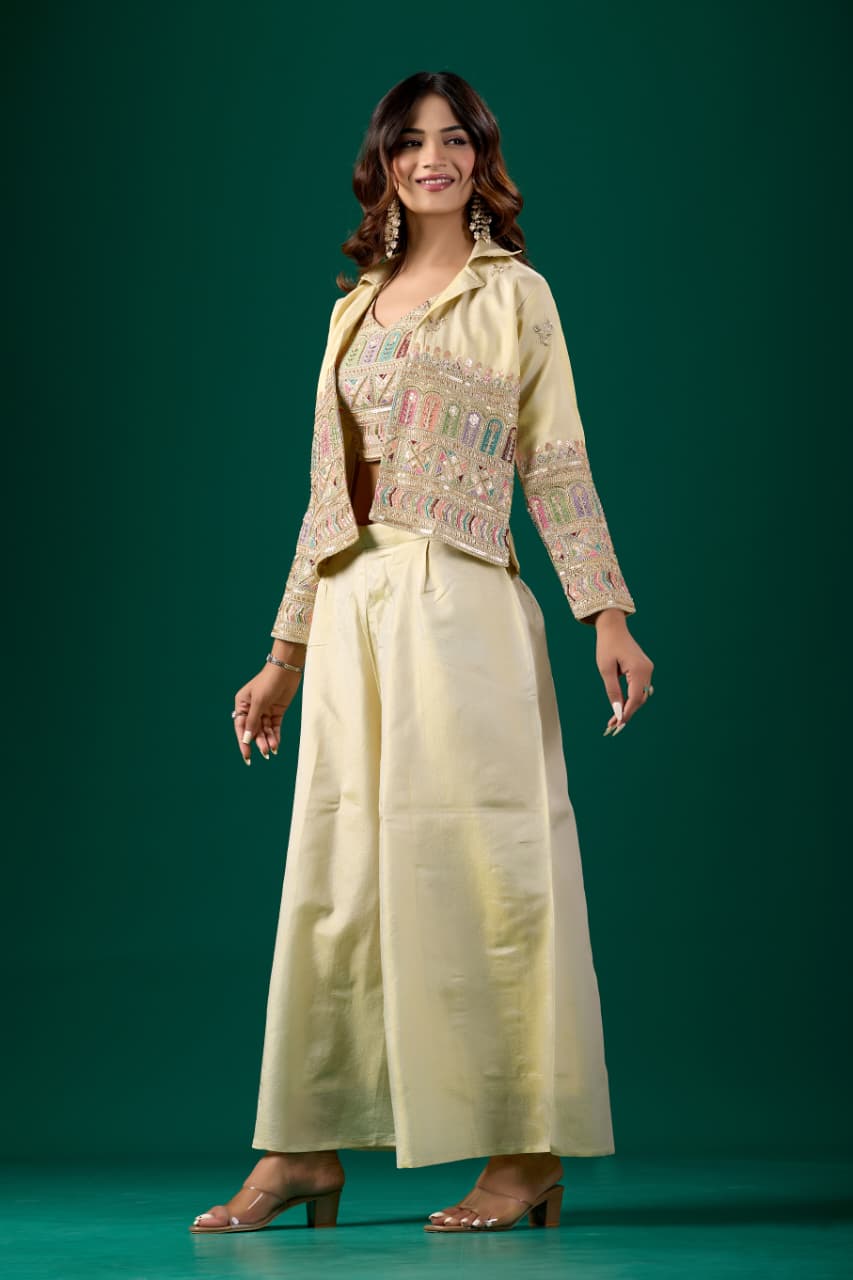
Test every zipper by moving it slowly from end to end. The slider should not catch, the teeth should remain aligned and the zipper tape should not ripple the fabric. A concealed zipper should be hidden without forcing the seam into a ridge. On a side-zip kurta or gown, check whether the zipper ends are secured so that repeated use will not pull the seam apart.
Buttons should have enough thread shank or spacing to accommodate the fabric thickness. Pull each button gently; a button that moves excessively may need reinforcement. Buttonholes should be fully cut and edged, not left with loose threads. Hooks and eyes should be placed so the garment closes without creating a gap or shifting the neckline.
Drawstrings require a secure channel and finished ends. A drawstring that disappears into the casing is inconvenient, while a loosely stitched casing can tear when tightened. Check the waist construction of palazzo pants, shararas and salwars because the waistband must support the garment's full weight.
Hems should be even when the garment is laid flat and should suit the fabric weight. A narrow rolled hem may work for a lightweight dupatta, while a heavier silk or cotton garment may need a wider folded hem. Examine the hem from the outside for skipped stitches, waviness and visible turning lines.
Necklines deserve a separate check because facings and piping often reveal the standard of finishing. The neckline should lie flat without gaping, bubbling or pulling toward the back. The Rust Orange Embroidered Readymade Suit Set for Women provides the kind of neckline where decorative work should not obscure the underlying question: does the facing remain secured, and does the opening retain its shape after movement?
Fit, Pattern Matching and Weight Distribution Matter Beyond Measurements
A garment can match the stated measurements and still fit poorly if the balance, ease or weight distribution is wrong. Try sitting, raising both arms and walking a few steps whenever possible.
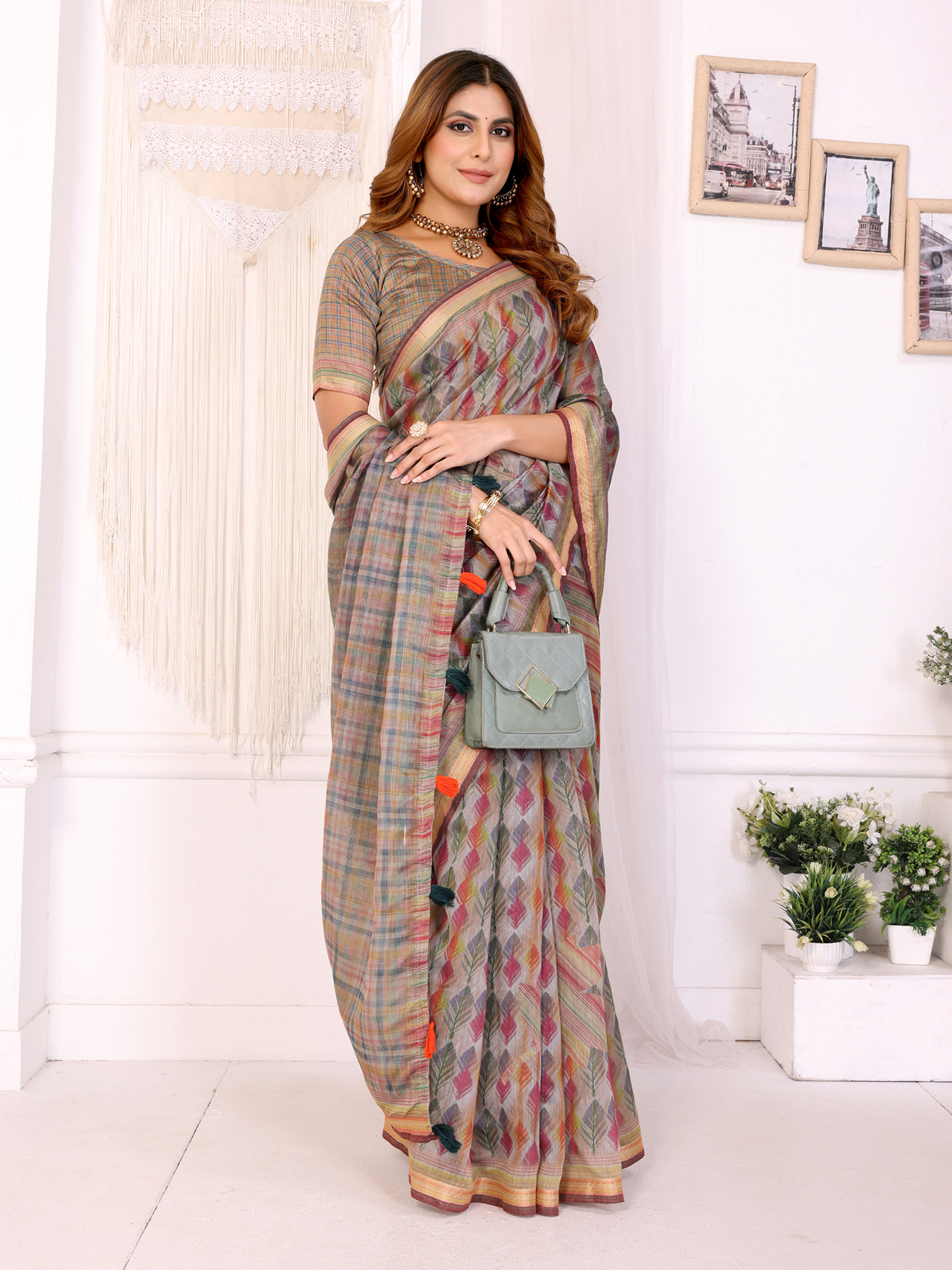
Shoulder seams should sit near the shoulder point rather than sliding down the arm. The side seam should hang close to vertical, and the armhole should permit movement without cutting into the underarm. A kurta that fits across the bust but pulls upward at the hip may need a different cut, not simply a larger size.
Inspect pattern matching at centre fronts, side seams and borders. A border that stops abruptly at a seam may be a deliberate cutting decision, but mismatched stripes or badly interrupted motifs can indicate careless placement. Printed fabric should be checked for registration errors, where separate colours do not align correctly.
Weight distribution is particularly important in occasion wear. Heavy embroidery concentrated at the neckline can drag the front downward. A heavily embellished dupatta can pull at one shoulder. An ethnic gown with a decorative yoke should have enough internal support to prevent the yoke from collapsing or twisting.
The Elegant Black Ethnic Gown with Floral Embroidery illustrates why weight and movement must be assessed together. A gown may look fluid on a hanger but become restrictive if the lining, embroidery and flare do not move at the same rate. Walk, turn and sit before deciding that the silhouette is comfortable.
Use a Simple Inspection Sequence Before Paying
A repeatable inspection sequence reduces the chance of being distracted by colour or surface embellishment. Allocate about five minutes for a lightly decorated garment and ten minutes for dense embroidery or layered construction.
- Read the fabric and care label. Confirm the fibre information, washing instructions and country of manufacture where provided. Care instructions that conflict with your routine are a practical quality concern.
- Check the overall cut. Lay the garment flat and look for twisting, uneven hems, puckering and asymmetry that is not part of the design.
- Inspect high-stress seams. Examine shoulders, armholes, side seams, crotch seams, waistbands and pocket openings.
- Turn the garment inside out. Look at seam finishes, lining attachment, embroidery backing and loose threads.
- Test every closure. Open zippers, fasten hooks, move buttons and adjust drawstrings without forcing them.
- Assess movement. Raise the arms, sit, walk and turn. Clothing intended for a Haldi ceremony should allow easy movement because turmeric, outdoor seating and active rituals can place extra demands on comfort and cleanability.
- Record genuine defects. Photograph a problem and compare the garment with the product description before deciding whether the issue is a defect, a natural fabric variation or an intentional design feature.
A garment such as the Brown Embroidered Cotton Kurta Pant Dupatta Set Women can be judged efficiently with this sequence: inspect cotton weave and shrinkage guidance, check the trouser waistband, review embroidery backing, and confirm that the dupatta border does not shed loose threads. The sequence works across casual cotton, silk blends and embellished occasion wear.
Quality Checks Should Match the Garment and Its Intended Use
The right standard depends on whether the outfit is for weekly wear, a wedding, travel, a Haldi ceremony or occasional festive use. A daily cotton kurta needs washable construction and comfortable seams, while a heavily embellished silk outfit needs secure decoration, protective lining and realistic care instructions.
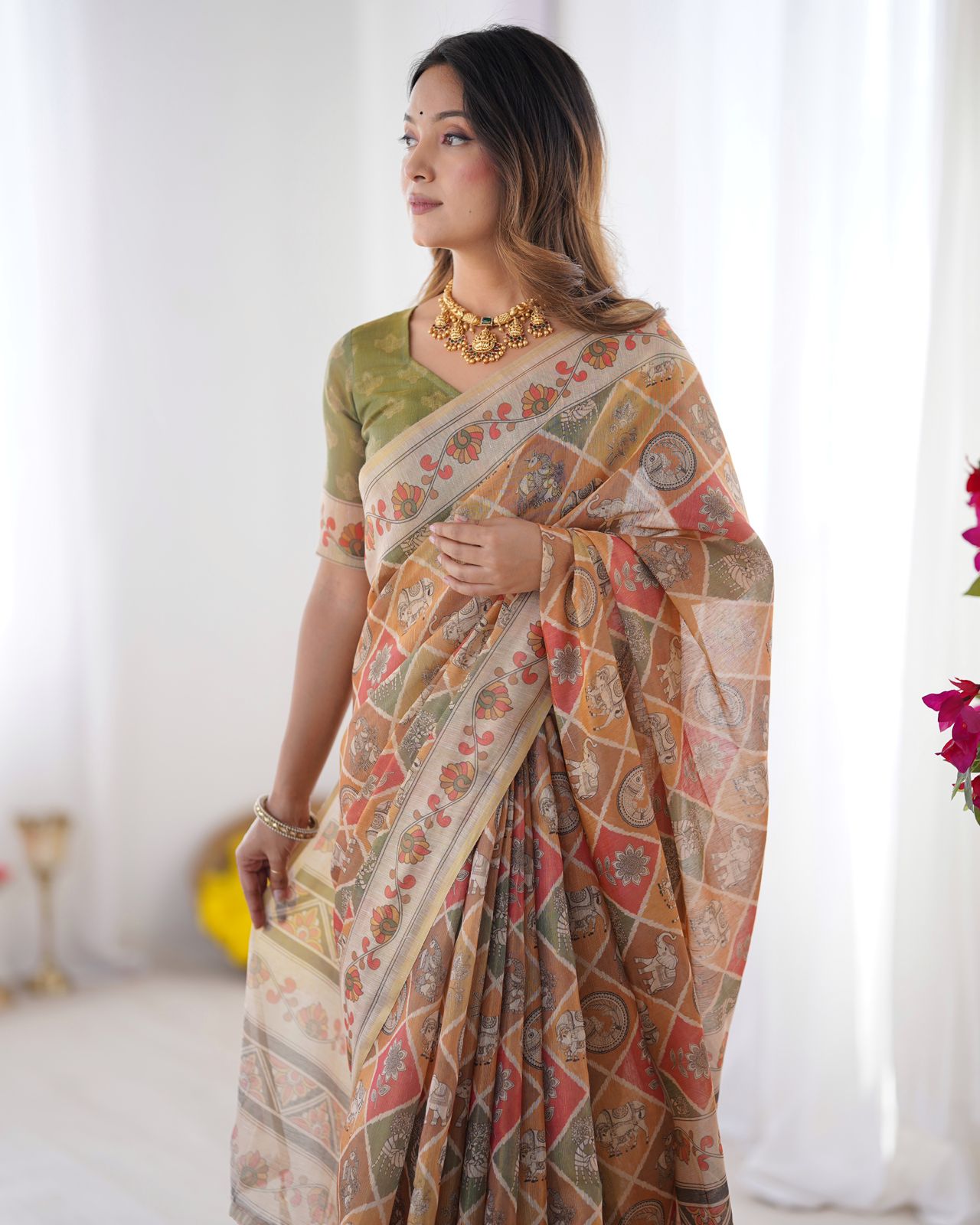
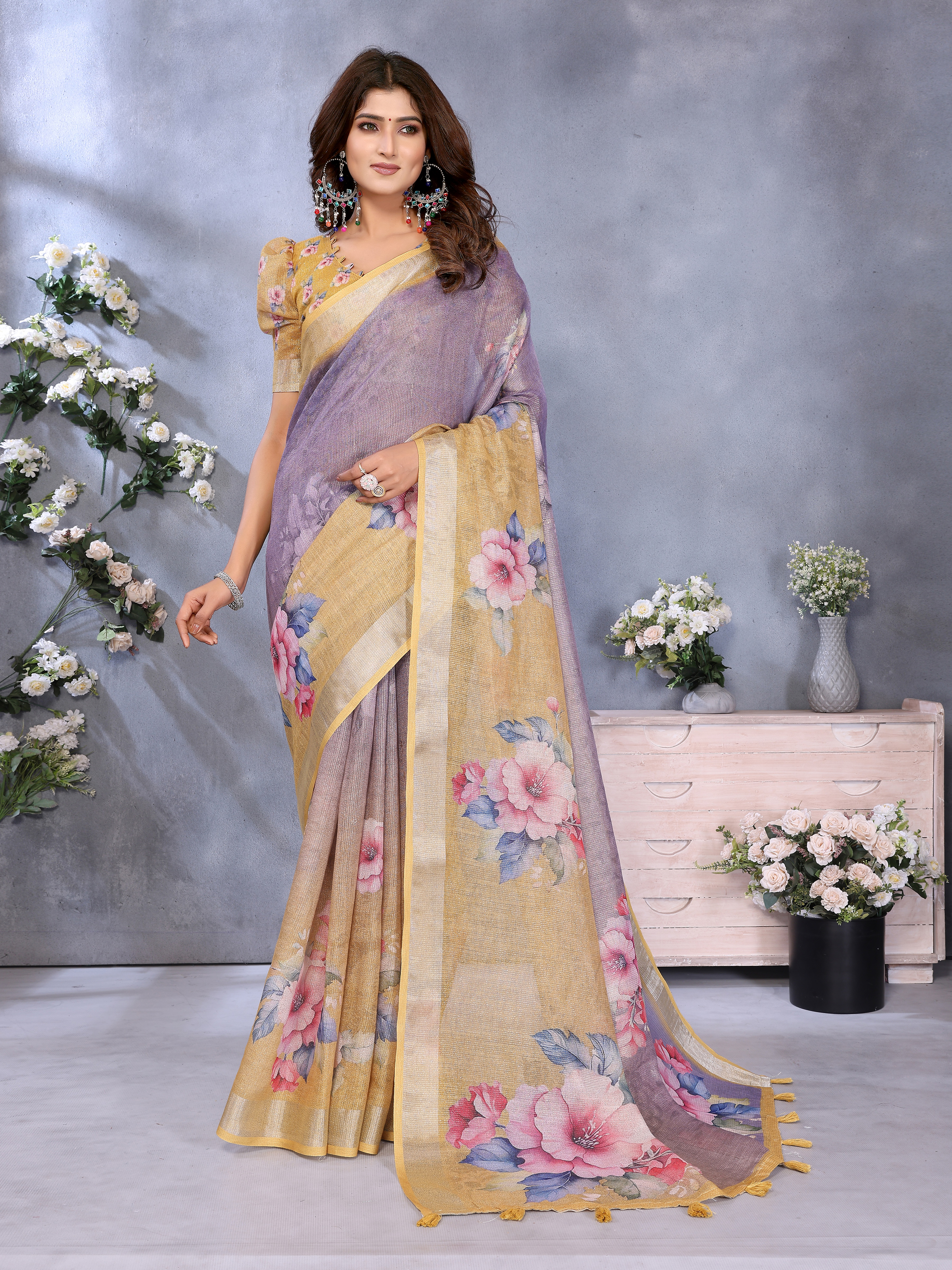
The Peach Beige Floral Handloom Saree with Ethnic Border should be assessed for weave character, edge stability and border attachment rather than judged by the perfectly uniform surface expected from a machine-made synthetic textile. Handloom variations can include small slubs, slight changes in density and minor irregularities. Unfinished edges, severe distortion and unexplained holes are different matters.
Care instructions are part of construction quality because unsuitable care can shorten the garment's life. Dry-clean-only embroidery, colour-sensitive zari and delicate Chanderi should not be treated like ordinary machine-wash cotton. Ask whether you can realistically provide the required care before purchasing.
Finally, separate repairable issues from deal-breaking ones. A missing button, a loose thread or a slightly generous hem may be easy to correct. Twisted grain, badly placed darts, weak seam allowances, unstable embroidery and a lining that restricts movement are more expensive or difficult to fix.
A thoughtful inspection does not demand absolute uniformity from every ethnic textile. A well-made outfit combines appropriate materials, secure construction, comfortable movement and honest care requirements. Looking inside the garment lets you judge those qualities before the first wash, first celebration or first repair becomes the test.
Questions to Ask Before Buying a Well-Made Ethnic Outfit
How can I check the quality of a readymade salwar suit?
Check the side seams, armholes, crotch seams, waistband and lining from the inside. Test the zipper, hooks or drawstring, then sit and raise your arms to confirm that the suit allows movement without pulling.
What should I look for on the reverse side of embroidered ethnic wear?
Look for securely anchored motifs, trimmed thread tails and a controlled backing or lining. Large floating loops, sharp embellishments, tangled knots and loose beads can cause irritation or lead to decoration falling off.
How do I know whether a saree has good finishing?
Inspect the selvedges, pallu, border attachment, fall and blouse-piece edges. Small weave variations may be normal in handloom sarees, but unraveling edges, severe distortion and uneven finishing indicate construction problems.
Is a polyester lining a sign of poor-quality ethnic wear?
Polyester lining is not automatically poor quality because it can be smooth, durable and easy to slide over clothing. The lining is unsuitable when it traps excessive heat, pulls the outer fabric, bunches during movement or is poorly secured.
How should I inspect zari and sequins before buying an outfit?
Rub your hand lightly over the decoration and inspect the reverse side for loose pieces, sharp edges and long floating threads. Zari and sequins should be securely attached, evenly distributed and supported by fabric or lining strong enough to carry their weight.
What defects are easy to repair in an ethnic outfit?
A loose thread, missing button, minor hook replacement or slightly generous hem is often repairable. Twisted seams, badly cut panels, restrictive lining, weak seam allowances and unstable dense embroidery are usually more difficult and costly to correct.