

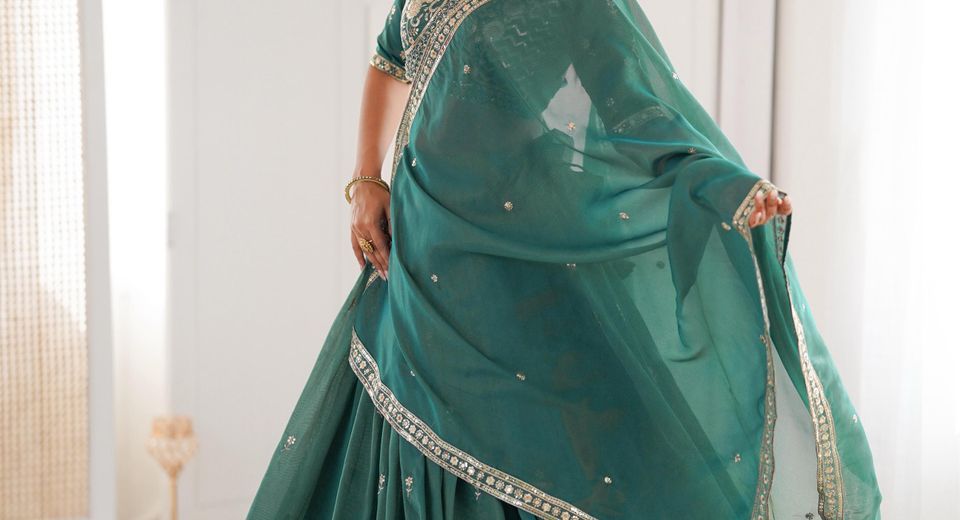
What to expect from brocade lehengas before you buy starts with one practical fact: brocade usually has more body, structure and visual depth than georgette, net or lightweight crepe. Raised motifs, dense weaving and metallic zari can make a skirt look grand in photographs, but the same features affect movement, comfort, packing, cleaning and alterations. Understanding those trade-offs helps you select a brocade lehenga that suits the ceremony, weather and number of hours you'll wear it.
Brocade describes a fabric with decorative patterns woven into the cloth rather than printed on its surface. A brocade lehenga may use silk, art silk, polyester, viscose or a blend as its base, so the word "brocade" alone doesn't tell you whether the garment will feel soft, heavy, breathable or inexpensive. Fabric composition, lining, closure details and finished measurements matter just as much as the motif.
What to expect from brocade lehengas before you buy: how is the fabric made?
Brocade has woven motifs that create a textured, structured surface, while printed fabric places colour on top of a comparatively flat base. Banarasi silk, for example, often uses zari and supplementary-weft techniques to create elaborate floral or Mughal-inspired motifs. Commercial brocade may use simpler weaving methods and synthetic yarns. Both can look ornate, but their weight, breathability and price can differ significantly.
A brocade skirt generally holds its shape without requiring as many layers of stiff can-can as a soft net skirt. The structured fabric supports pleats, panels and a defined flare, making brocade useful for receptions, Diwali celebrations, engagement parties and winter weddings. The textured surface also disguises minor creasing better than smooth satin, although deep folds can still leave pressure marks.
Does every brocade lehenga contain silk or zari?
Every brocade lehenga doesn't contain silk, and every brocade lehenga doesn't use real zari. Silk brocade may use silk yarn in the warp or weft, while art-silk and polyester brocade imitate the appearance at a lower price and often require simpler maintenance. Zari may be metallic-coated polyester, tested metal thread or traditional gold- or silver-toned zari, so the listing should state the material when the distinction affects price or care.
A higher price can reflect silk content, dense motif coverage, handwork, lining quality, panel construction and finishing rather than the word "brocade" alone. Check whether the garment is handwoven, powerloom-woven, embroidered over brocade or made from a jacquard fabric marketed as brocade. Those details make comparisons more meaningful.
What to expect from brocade lehengas before you buy: how heavy are they?
A brocade lehenga usually feels more substantial than a georgette or net lehenga, but the final weight depends on the fabric blend, skirt length, flare, lining, embroidery and dupatta. A simple brocade skirt may remain comfortable for several hours, while a heavily zari-covered skirt with can-can and a decorated dupatta can become tiring during a long wedding function.
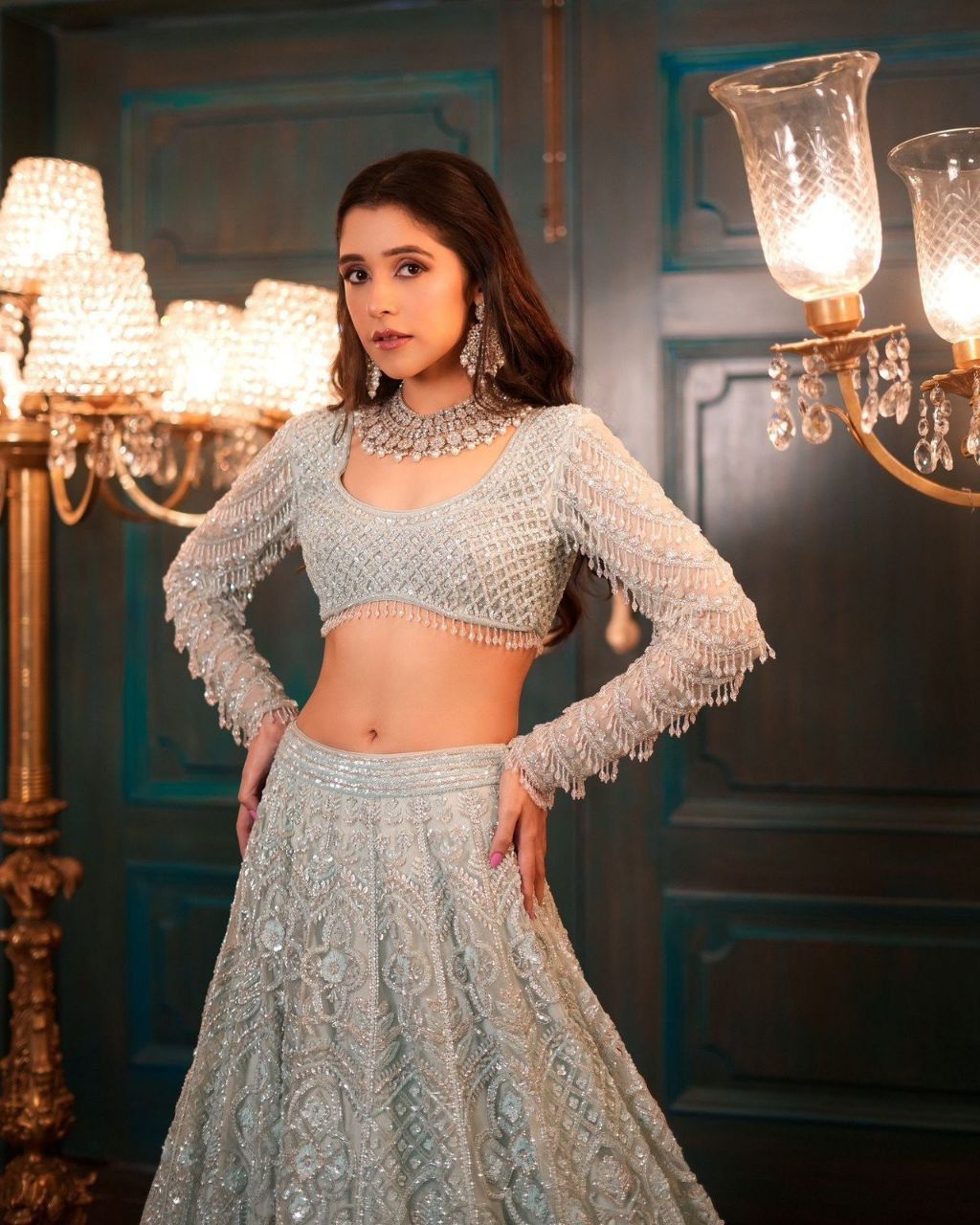
Weight isn't measured only by how the skirt feels in your hand. A broad flare distributes fabric around the body, while a narrow waistband concentrates the load at the waist. Dense embellishment near the hem can pull the skirt downward. A lined skirt may feel warmer, which is useful at a winter reception but less comfortable during an outdoor Haldi ceremony in humid weather.
Check for a cotton, polyester or blended lining, and look for a smooth inner finish without scratchy zari ends. A lining that ends several centimetres above the hem can reduce dragging, but exposed brocade may catch on footwear. If you expect to sit on the floor, climb stairs or dance, choose a manageable flare and secure the hem with clean finishing tape.
Is brocade suitable for summer weddings?
Brocade can work for a summer wedding when the base fabric is lightweight, the lining is breathable and the skirt isn't overloaded with layers. Silk-blend brocade may feel more comfortable than tightly woven synthetic brocade, but fabric composition and ventilation should be confirmed from the product details. For an outdoor afternoon event, a lighter skirt with a separate dupatta is usually more practical than a fully embellished, heavily lined set.
Net, georgette and chiffon often feel airier than brocade, while brocade offers more structure and a richer surface. Lime Floral Embroidered Butterfly Net Lehenga Set and Pastel Floral Georgette Lehenga Set with Ruffle Blouse illustrate lighter, softer alternatives when ease of movement and heat management matter more than a firm, regal silhouette.
What to expect from brocade lehengas before you buy: which weave details matter?
Inspect the motif alignment, reverse side, seams, hem and zari before buying a brocade lehenga. A well-finished skirt usually has consistent motif placement across panels, secure seam allowances, an even hem and no loose metallic threads catching on the lining. Small irregularities may be normal in handwoven fabric, but large gaps, pulled threads or visibly mismatched panels deserve clarification.
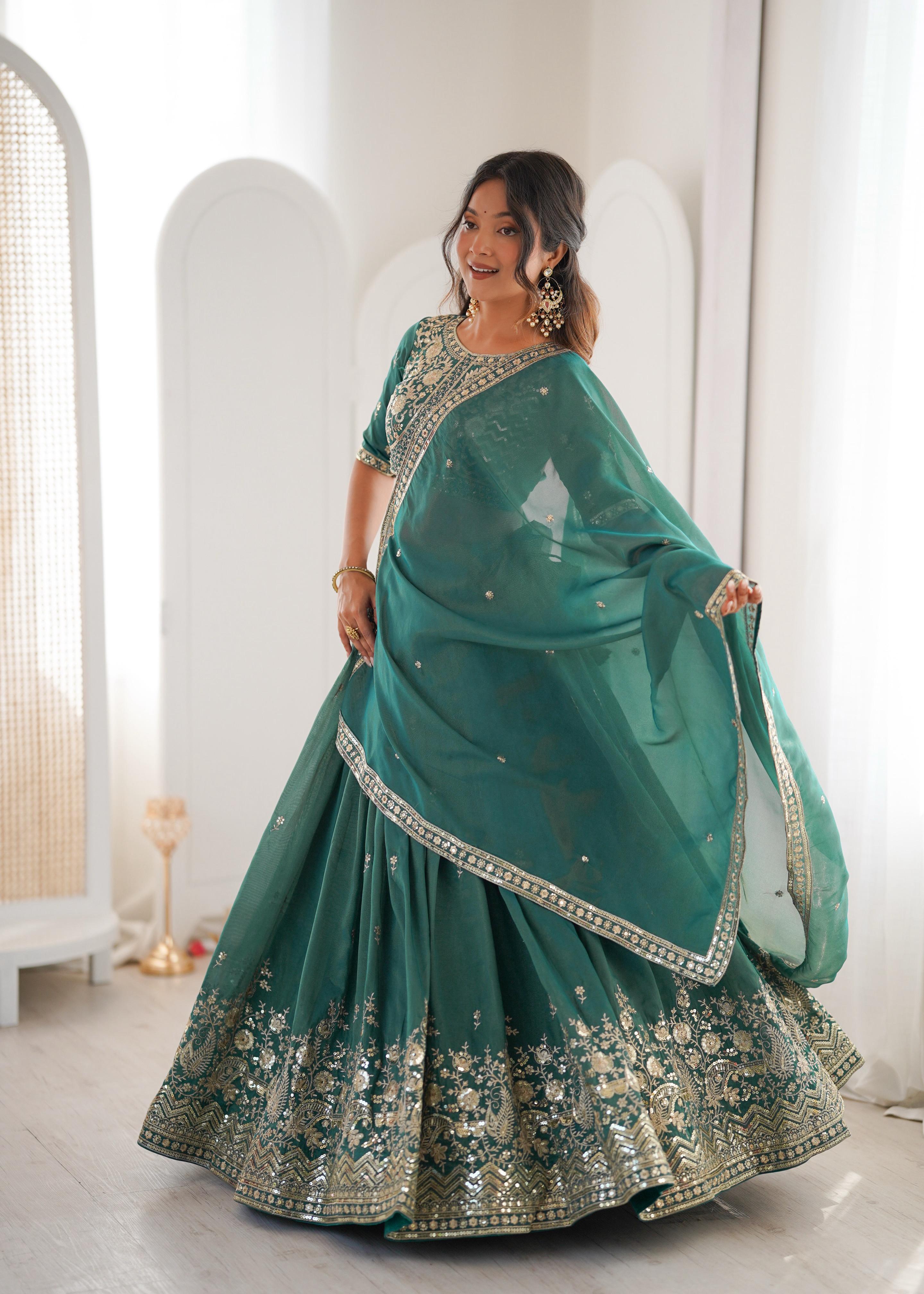
Look closely at product photographs for the relationship between the woven pattern and the garment panels. A large floral motif may be centred at the front, repeated at the side seams or cut randomly depending on the maker. Motif placement changes the visual balance of the skirt and can affect how expensive the finished garment appears.
Embroidery over brocade adds another layer of weight. Threadwork, sequins, beads and stones create sparkle, but dense embellishment may snag woven motifs or make the garment uncomfortable at the waistband. Designer Threadwork Silk Lehenga Choli Set with Dupatta demonstrates why the surface treatment should be assessed separately from the base fabric: threadwork, silk-like texture and woven brocade each contribute different qualities.
What does brocade look like in photographs compared with real life?
Brocade usually looks more dimensional in person than in a flat product photograph because raised motifs catch light at different angles. Metallic zari may appear brighter under studio lighting and subtler indoors. Colour can also shift: wine, magenta, antique gold and emerald tones often photograph differently under daylight, warm bulbs and flash.
Read the colour description, enlarge close-up images and check whether photographs show the front and reverse sides. A cream base with gold zari may look bridal, while the same weave with matte yarn can appear understated. Cream Peacock Embroidered Net Lehenga Set for Women and Magenta Satin Embroidered Lehenga Set Online show how colour, surface shine and embroidery can change the mood even when the skirt silhouette is similar.
What to expect from brocade lehengas before you buy: how should they fit?
Judge brocade lehenga fit by comparing your body measurements with the garment's finished measurements, rather than choosing your usual size automatically. Measure the natural waist, fullest hip, shoulder, bust and preferred lehenga length with the tape level and comfortably snug. A structured waistband has less give than an elasticated waist, so even a two-centimetre difference can affect comfort after sitting or eating.
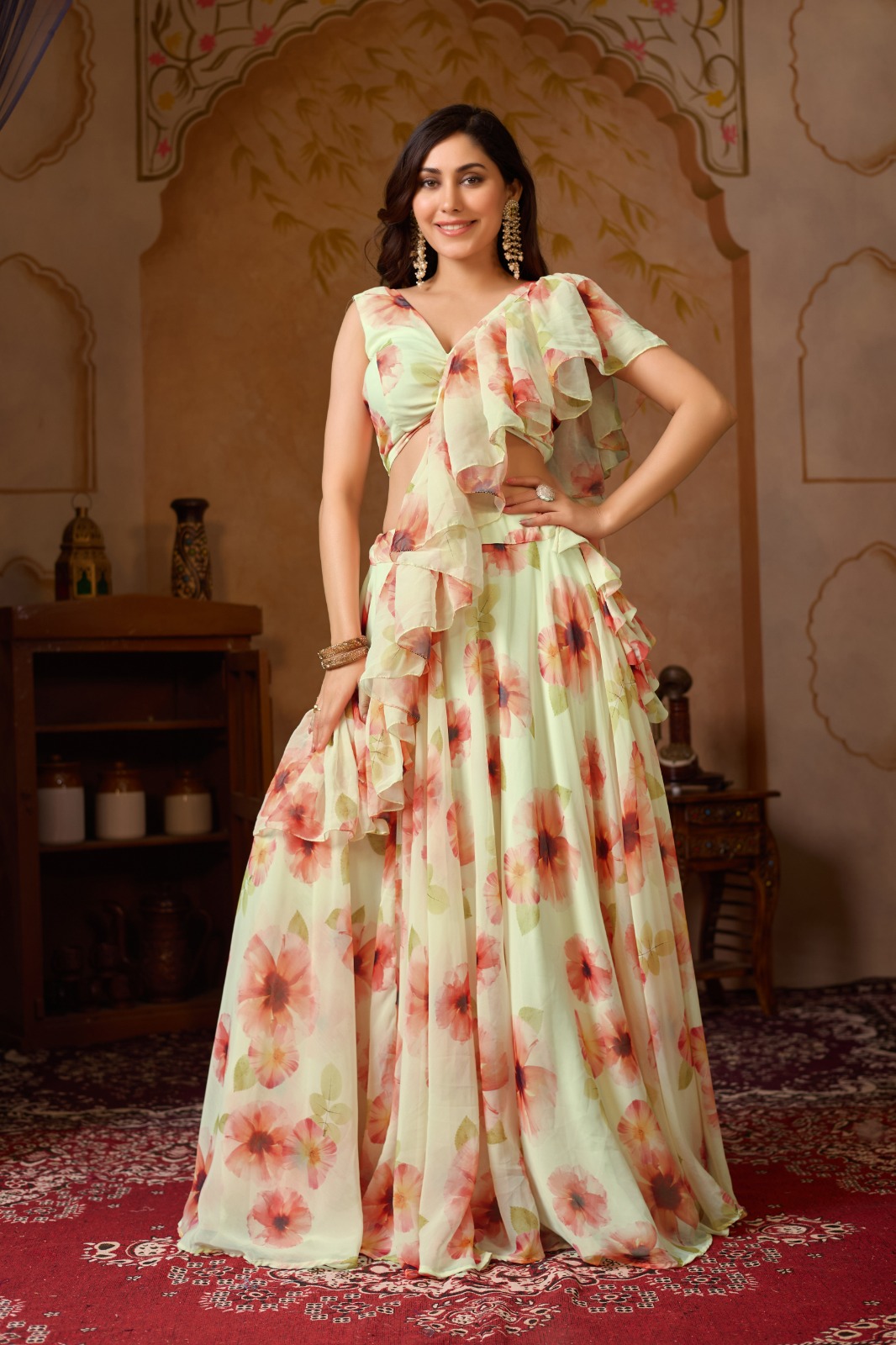
Read whether the skirt is fully stitched, semi-stitched, adjustable or supplied with an unstitched blouse. A semi-stitched skirt can often accommodate some waist adjustment, but it can't always add substantial hip room or length without disturbing the panel arrangement. Semi Stitched Lehenga and Unstitched Blouse provides more tailoring flexibility than a fixed-size set, provided a skilled tailor receives enough seam allowance and clear instructions.
Ask about the waist closure, hook placement, drawstring, zip quality and blouse margin. A side zip creates a clean finish but requires accurate measurement; a drawstring can accommodate small changes but may show under a fitted blouse. Blouse length and sleeve opening deserve equal attention because a beautiful skirt can't compensate for a restrictive or poorly balanced choli.
How much alteration allowance should you keep?
Keep approximately 2 to 4 centimetres of usable seam allowance at the waist when possible, and confirm that the tailor can access that allowance before cutting. Length alterations are easier when the hem has a plain border, but shortening a patterned brocade border can remove the intended proportion. Adding length is difficult if the original hem has no extra fabric or matching border.
Schedule alterations at least 7 to 10 days before the event, then try the complete outfit with the intended footwear. Pink Embroidered Roman Silk Lehenga Set Online and Red Georgette Foil Embroidered Lehenga Set with Dupatta show how different fabric falls can change the required petticoat, heel height and blouse proportion, even when both outfits are sold as lehenga sets.
What to expect from brocade lehengas before you buy: which occasions suit them?
Brocade lehengas suit evening receptions, engagement ceremonies, festive dinners and winter wedding functions because their structure and woven shine look polished under indoor lighting. A lighter brocade can work for a daytime puja or family celebration when the colour is restrained and the embellishment is moderate. A heavily zari-covered brocade skirt is usually more appropriate for a formal event than for a casual daytime gathering.
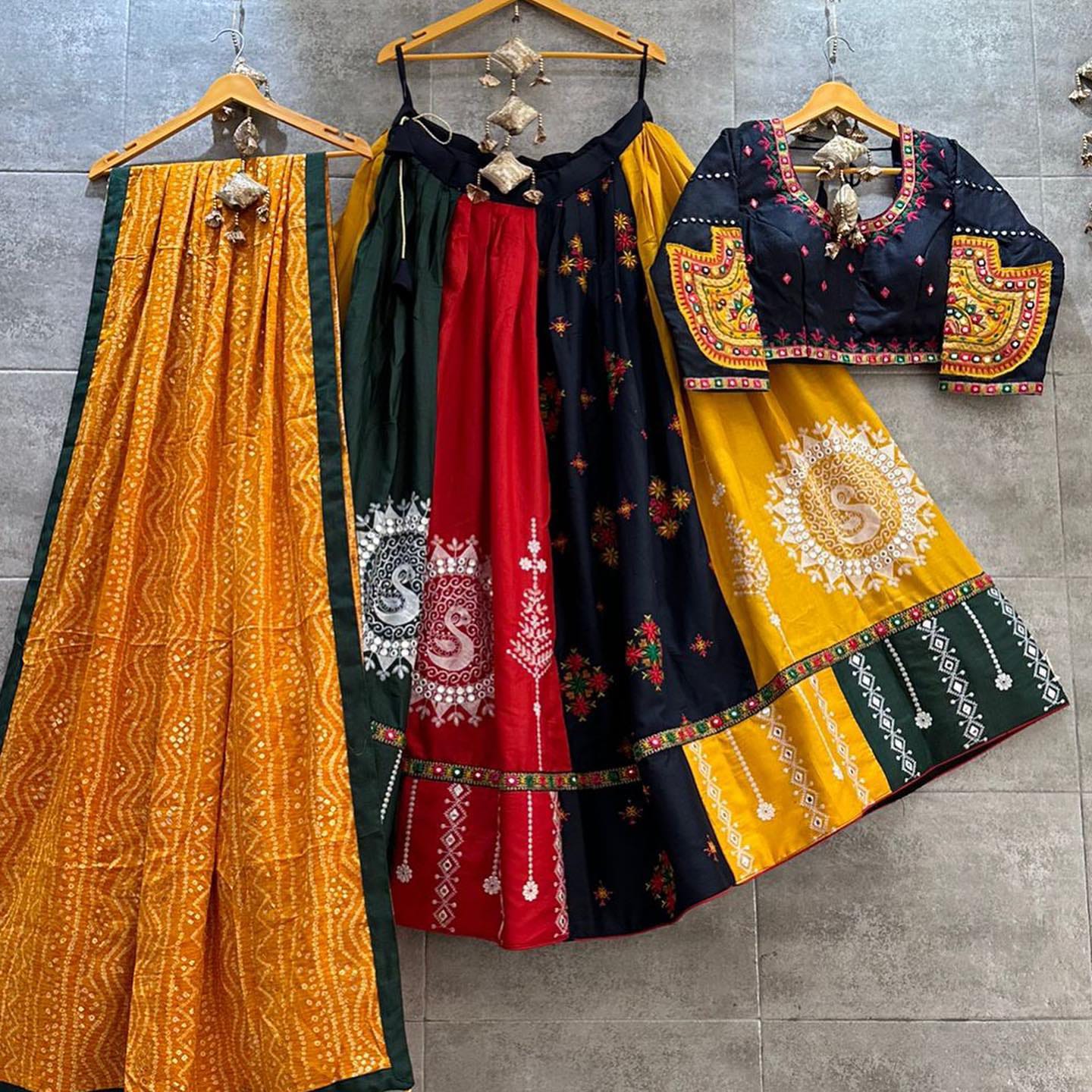
Match the level of ornament to the ceremony. Bright red or deep jewel-toned brocade can feel bridal, while ivory, blush, dusty rose or muted gold may suit a bridesmaid or engagement look. Haldi ceremonies generally favour washable, movement-friendly fabrics and cheerful colours, so brocade is more practical when the outfit isn't too heavy and can be protected from turmeric, water and outdoor dust.
Budget collections can help define expectations before comparing fabric details. Pink Lehengas Under 4000 with 50% Discount and Silk Lehengas Under 3000 can suit shoppers prioritising a lower price, while Bridesmaid Lehengas Under 5500 may help when several coordinated outfits are needed. Net Lehengas Under 4500 with 51% Discount and Haldi Lehengas Under 5500 offer lighter or ceremony-specific alternatives when brocade's weight isn't ideal.
What to expect from brocade lehengas before you buy: how do you care for them?
Care for a brocade lehenga by following the garment label first, keeping it away from moisture and storing it folded with breathable tissue rather than in a sealed plastic bag. Dry cleaning is generally safer for silk brocade, zari-heavy surfaces and garments with attached embellishment. Home washing can cause colour bleeding, shrinkage, zari dulling or distortion of the lining.
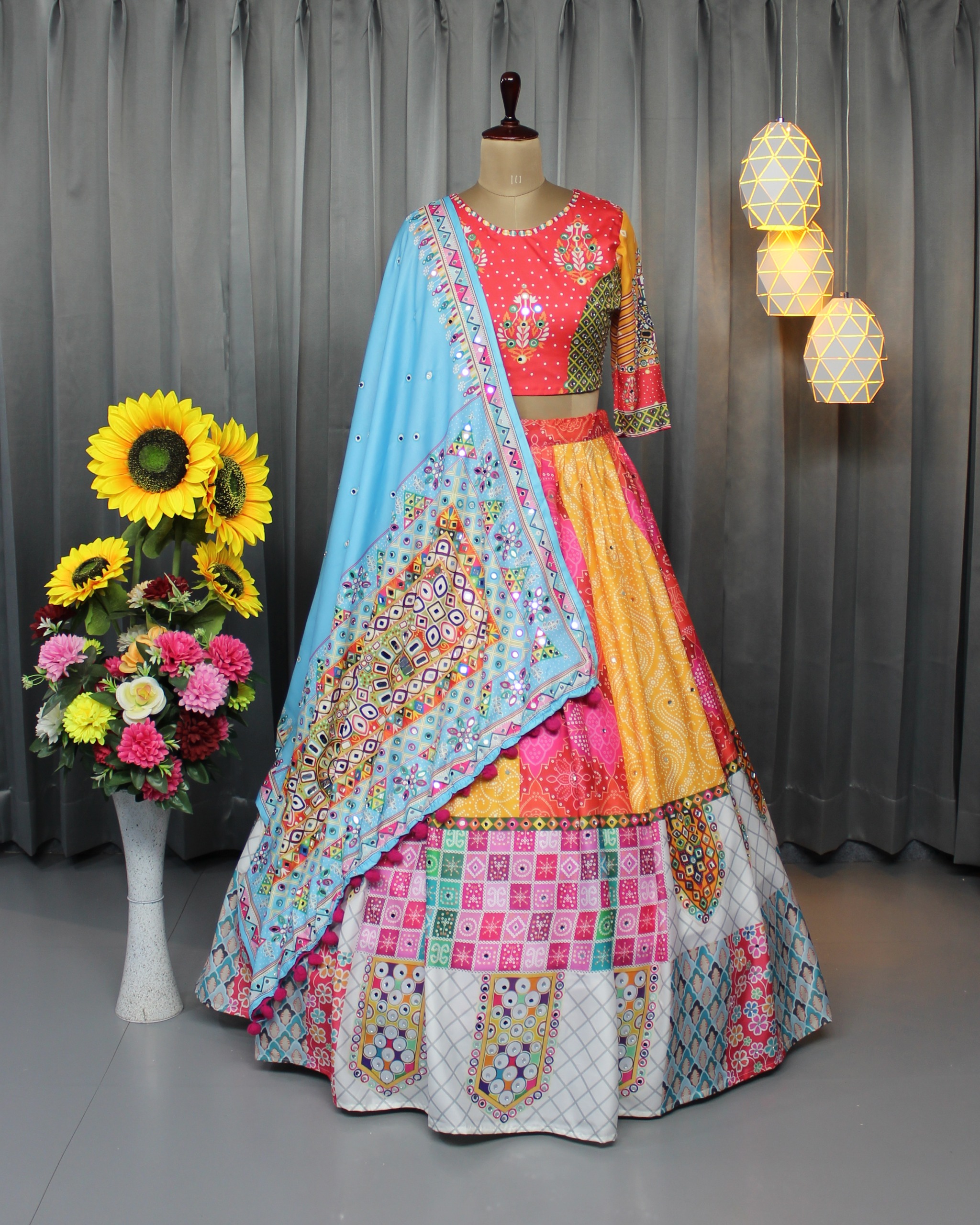
Never leave a damp brocade lehenga folded after a function. Air the skirt in shade, away from direct sunlight, and remove surface dust with a soft brush or gentle shake. Do not spray perfume, hair spray or deodorant directly onto zari, metallic embroidery or satin sections because alcohol and oils can alter the finish.
Store the skirt in a cool, dry cupboard with acid-free tissue between folds. Refold the garment every few months so a permanent crease doesn't form in the same place. Heavy embellished dupattas should be stored flat or supported on a broad hanger; narrow hangers can create pressure marks at the shoulder edge.
Steam brocade from the reverse side at a low setting only after testing an inconspicuous area. Avoid pressing directly over zari, sequins, stones or raised motifs. A professional cleaner should handle oil stains, turmeric marks and colour transfer, particularly when the garment contains silk or metallic thread.
What to expect from brocade lehengas before you buy: what should you ask first?
Before ordering, confirm the fibre composition, finished measurements, lining, closure, blouse margin, dupatta size, embroidery method, colour variation and dispatch timeframe. Product photographs can't always show whether the motif is woven, printed or embroidered, so the written description is essential.
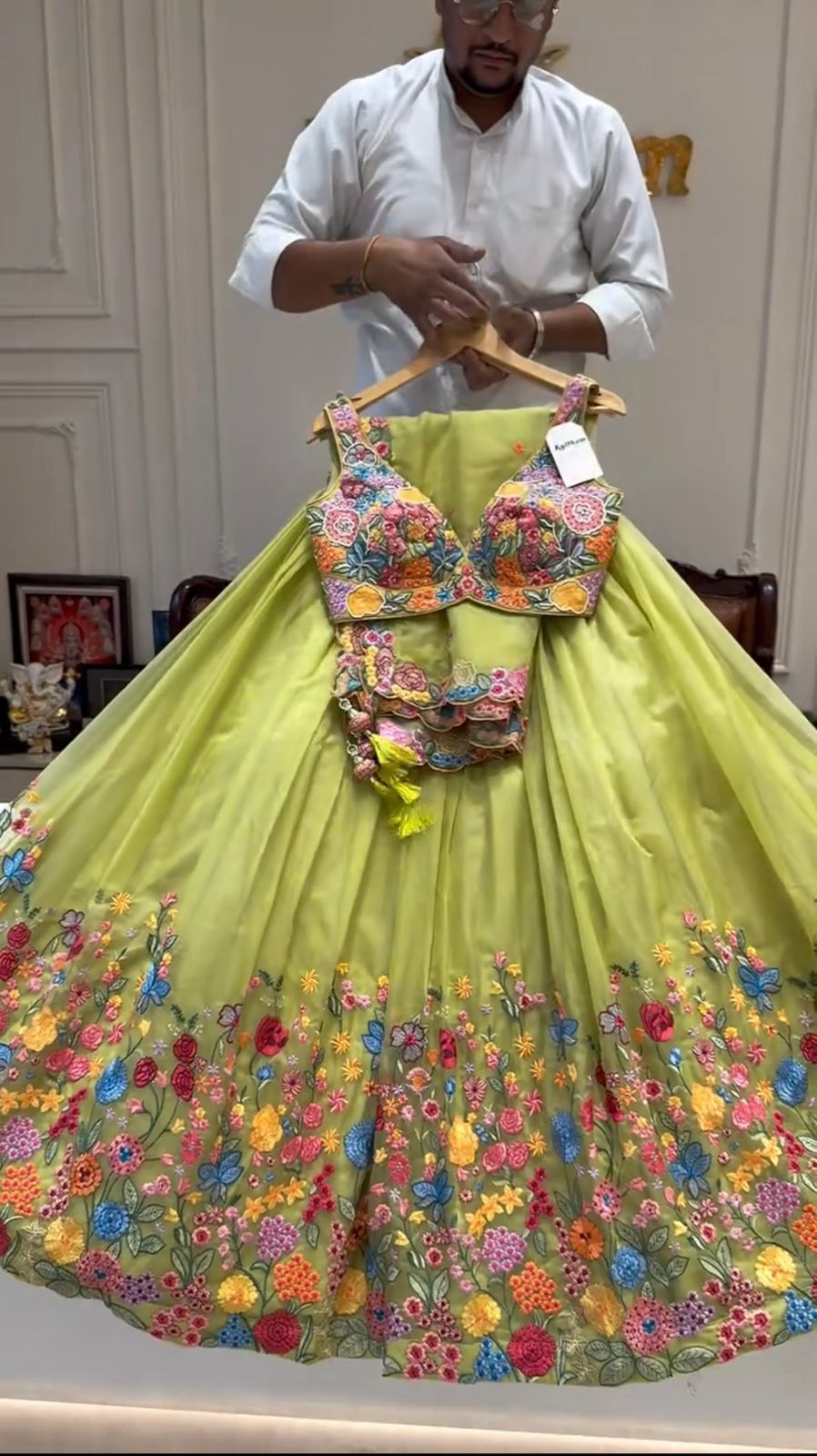
- Check the fabric: confirm whether the base is silk, art silk, polyester, viscose or a blend.
- Check the construction: ask whether the skirt is fully stitched, semi-stitched or adjustable.
- Check the comfort: review lining, skirt flare, can-can and approximate garment weight.
- Check the tailoring: confirm waist, length, blouse measurements and available seam allowance.
- Check the care: identify whether dry cleaning is required and how zari should be protected.
- Check the schedule: allow time for delivery, fitting, alterations and a complete try-on before the event.
A brocade lehenga is a strong choice when you want a defined silhouette, woven richness and a formal finish. A lighter georgette, net or chiffon lehenga may serve you better when the event involves heat, extensive dancing, frequent travel or outdoor rituals. The right purchase comes from matching fabric behaviour with the way you'll actually wear the outfit, not from judging shine alone.
Common Questions About Buying Brocade Lehengas
Are brocade lehengas heavy to wear?
Brocade lehengas are usually heavier and more structured than net or georgette lehengas, but weight varies with fibre, flare, lining, zari and embroidery. A lightly woven brocade can be comfortable for several hours, while a can-can skirt with dense embellishment may feel tiring during a long function.
Is brocade suitable for a summer wedding?
Brocade is suitable for a summer wedding when the fabric is lightweight, the lining is breathable and the skirt has limited additional layers. For an outdoor afternoon event, choose a moderate flare and lighter embellishment, or consider georgette and net if ventilation is the priority.
How can I tell whether a brocade lehenga contains silk?
Check the fibre-composition statement because the term brocade does not guarantee silk content. Silk brocade, art-silk brocade, polyester brocade and blended brocade can have similar visual motifs but differ in breathability, price, texture and care requirements.
Can a brocade lehenga be altered?
A brocade lehenga can usually be altered at the waist and length when the garment has usable seam allowance and a suitable construction. Major changes to hip width, panel placement or a patterned border may be difficult, so take finished measurements and inspect the tailoring margin before ordering.
How should I wash and store a brocade lehenga?
Dry cleaning is generally safer for silk brocade, zari-heavy garments and embellished lehengas. Store the completely dry outfit with breathable tissue in a cool cupboard, refold it periodically and keep perfume, direct sunlight and plastic covers away from the fabric.
Can I wear a brocade lehenga to a Haldi ceremony?
A brocade lehenga can work for a Haldi ceremony when it is lightweight, easy to move in and protected from turmeric, water and dust. Bright colours and moderate embellishment are more practical than a heavy zari skirt with delicate, difficult-to-clean finishing.


