

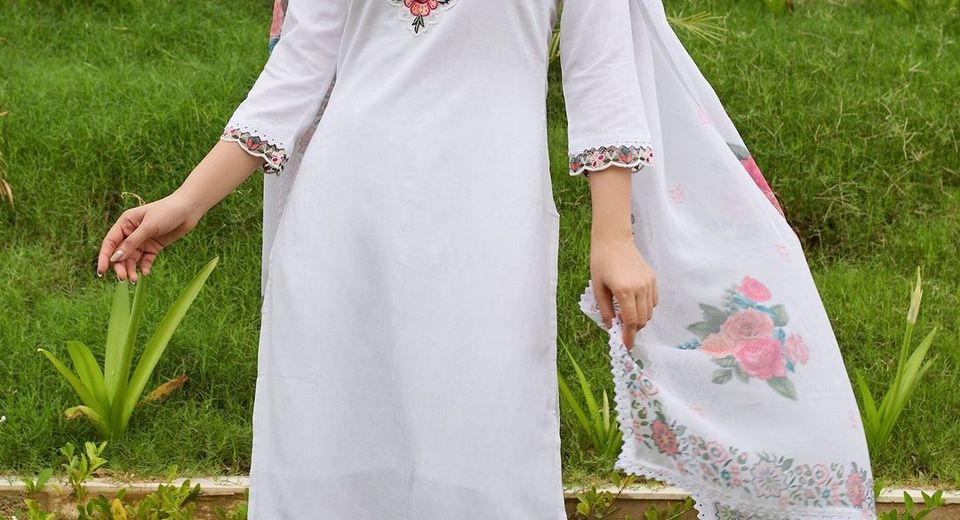
What to Check for Lining Quality in Kurtis, Suits and Lehengas starts with the layer closest to your skin, because lining affects comfort, opacity, drape, fit and garment life. A few careful checks before purchase can reveal whether a salwar suit will remain comfortable after several hours, whether a lehenga will sit smoothly over an underskirt, and whether a kurti will cling or ride up during movement.
Lining isn't automatically a sign of superior quality. A badly chosen polyester lining may trap heat, while a well-finished cotton lining can make a printed kurti easier to wear. The right assessment depends on the outer fabric, garment silhouette, climate, occasion and amount of movement required.
What to Check for Lining Quality in Kurtis, Suits and Lehengas When Judging Fabric
The lining fabric should feel smooth, stable and appropriate for the garment's use. Cotton or cotton-rich lining generally suits everyday kurtis and salwar suits because cotton absorbs some moisture and feels less clammy in warm weather. Polyester or satin lining can be useful in lehengas because synthetic surfaces support glide and structure, but low-quality synthetic lining may feel hot or create static.
Rub a small accessible section between two fingers. Excessive rustling, a plastic-like surface or a coarse reverse side suggests that comfort may be compromised. A lining should not shed loose fibres or leave colour on a dry white cloth after gentle rubbing. A strong chemical odour is another reason to pause, particularly when the lining will sit close to the underarms and neckline.
Match the lining to the outer material. Banarasi silk, zari, jacquard and heavily embroidered fabrics need a smooth protective layer to prevent abrasion. Lightweight cotton, Chanderi and fine rayon need a lining that adds coverage without making the garment stiff. A lining that's much heavier than the outer fabric can change the fall and make an A-line kurti look rigid.
What to Check for Lining Quality in Kurtis, Suits and Lehengas for Coverage
Lining coverage should match the transparency and construction of the outer fabric. A sheer chiffon panel, pale Chanderi layer or lightweight cotton kurta may need full body coverage, while dense Banarasi silk or lined brocade may need lining mainly through the bodice and skirt.
Hold the garment near a bright window or phone torch without placing the light directly against delicate fabric. Check the bust, hip, armhole and seat areas separately because transparency often appears where fabric stretches. A lining that ends several centimetres above a translucent outer hem can create an unintended band of sheerness.
Coverage also matters under embroidery and mirror work. Embellishment can look attractive from the outside while the reverse side contains sharp threads, knots or adhesive backing. The inner layer should protect the skin around the bust, shoulders, waist and underarms. A thin facing at the neckline doesn't replace proper body coverage when the main fabric is transparent.
A dupatta usually doesn't need a complete inner lining. A salwar suit dupatta generally needs a clean selvedge, secure edging and a comfortable reverse side rather than an additional inner layer. The kurta and pants deserve the main lining inspection because they remain in continuous contact with the body.
What to Check for Lining Quality in Kurtis, Suits and Lehengas at the Seams
Quality lining is attached securely without distorting the outer fabric. Look for even stitches, reinforced stress points and a clean connection around the neckline, armholes, waistband and side seams. The lining should not twist inside the garment or appear noticeably shorter than the outer layer unless the design intentionally requires a shorter lining.
Gently move the lining away from the outer fabric at a side seam. A small amount of controlled ease is desirable, but large loose loops, skipped stitches and exposed raw edges indicate weak finishing. In a lehenga, inspect the waistband and the points where lining meets multiple panels because those areas carry much of the garment's weight.
Check whether the lining seam allowances are enclosed, overlocked or finished with a narrow binding. Exposed edges can fray after washing and may scratch the skin. Seam puckering often indicates that the lining and outer fabric were cut or stitched under different tension. Diagonal wrinkles across the bust or hips can also show that the lining is too small.
Stress points need stronger construction than decorative areas. The underarm, pocket opening, side slit, waistband and hook area should not rely on a single weak line of stitching. A few extra stitches at these points can make a substantial difference to the life of a frequently worn cotton kurta set.
What to Check for Lining Quality in Kurtis, Suits and Lehengas During Movement
A good lining permits normal movement without pulling, climbing or sticking to the body. Raise both arms, sit on a chair, take a few steps and bend slightly if you're trying on the garment. A kurti lining should not rise above the outer hem when you sit, and a salwar suit lining should not restrict the stride created by the pants or palazzo.
Check the armhole by placing two fingers between the lining and the underarm while moving your arm forward. No space at all can signal a tight armhole; excessive extra fabric can bunch and chafe. A neckline that shifts when you raise your arms may indicate that the lining is pulling the outer garment out of position.
For a lehenga, walk in a circle and step up one stair if possible. The lining should follow the flare rather than wrap around the legs. A skirt lining that's narrower than the outer skirt can limit movement, create a horizontal pull at knee level and place extra strain on the waistband.
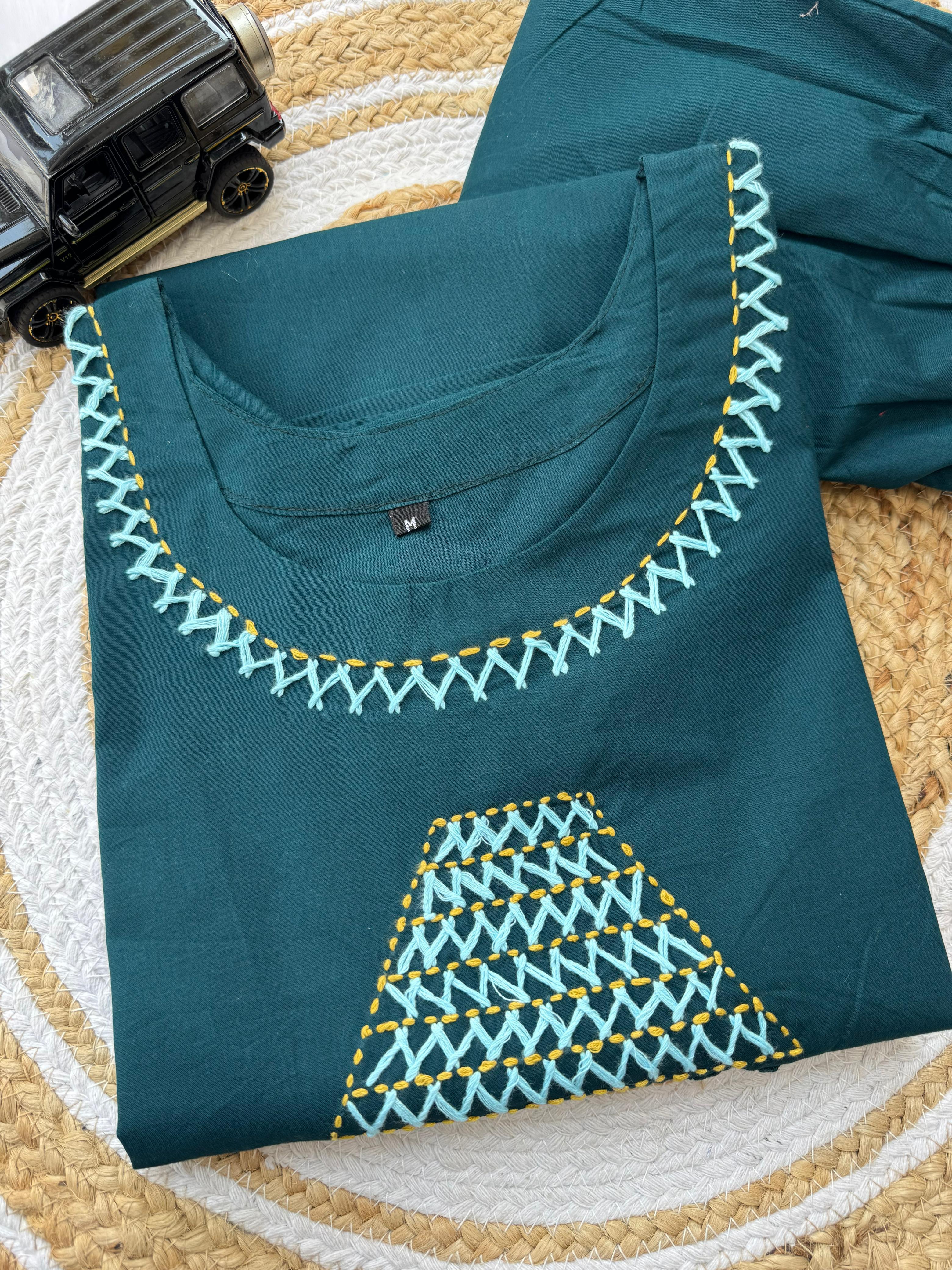
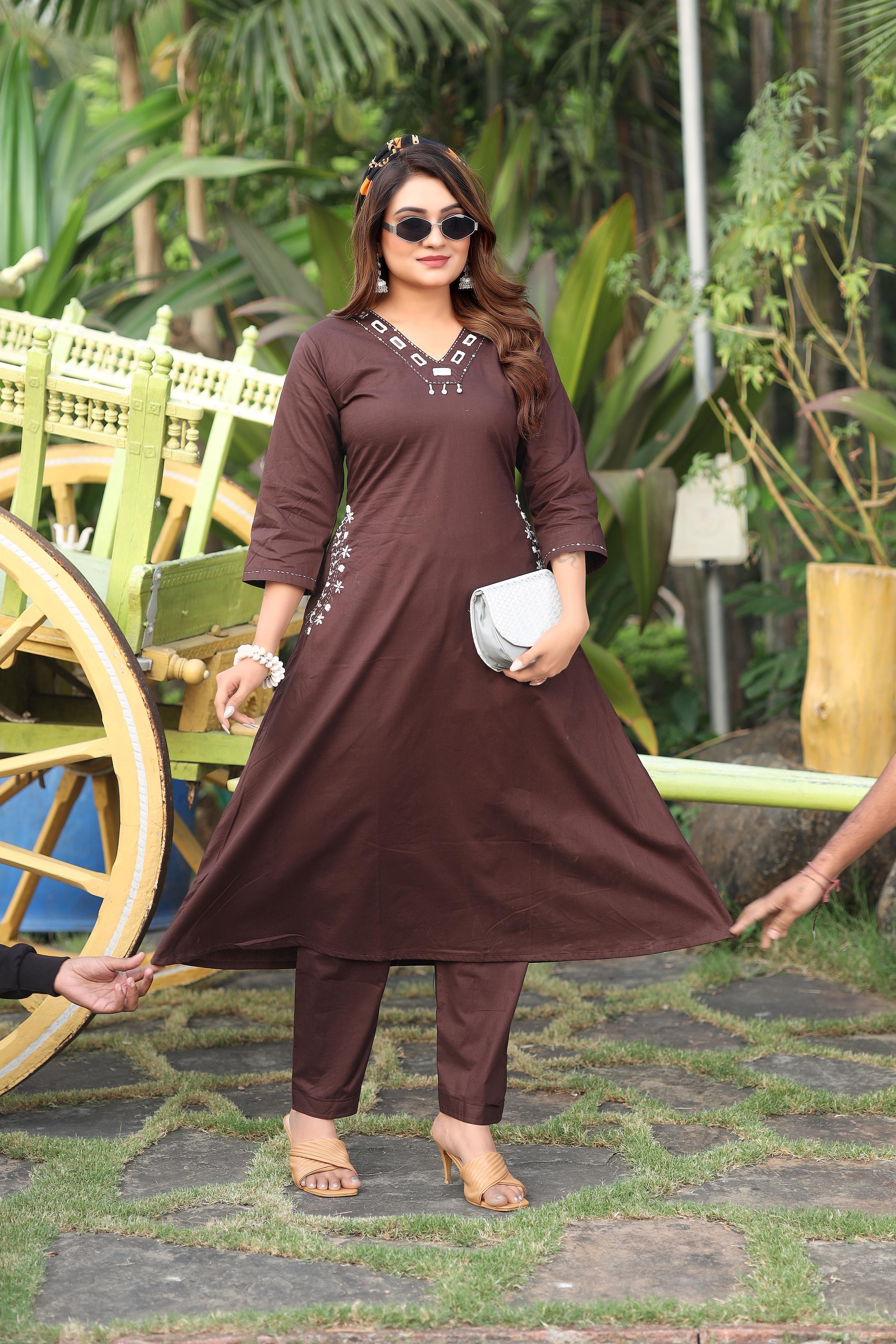
For an A-line silhouette, the lining should follow the same general shape as the outer garment. In Teal Cotton A-Line Kurti Pant Set with Handwork, inspect whether the lining remains breathable around the torso and doesn't catch at the hips. In Brown Cotton A-Line Kurti Pant Set with Mirror Work, check that mirror-work backing doesn't rub through the inner layer.
What to Check for Lining Quality in Kurtis, Suits and Lehengas Across Garment Types
Kurtis usually need lining for opacity, comfort and shape, salwar suits need lining decisions that coordinate the kurta and bottoms, and lehengas need lining that supports volume and movement. Treating every garment type identically leads to inaccurate quality judgments.
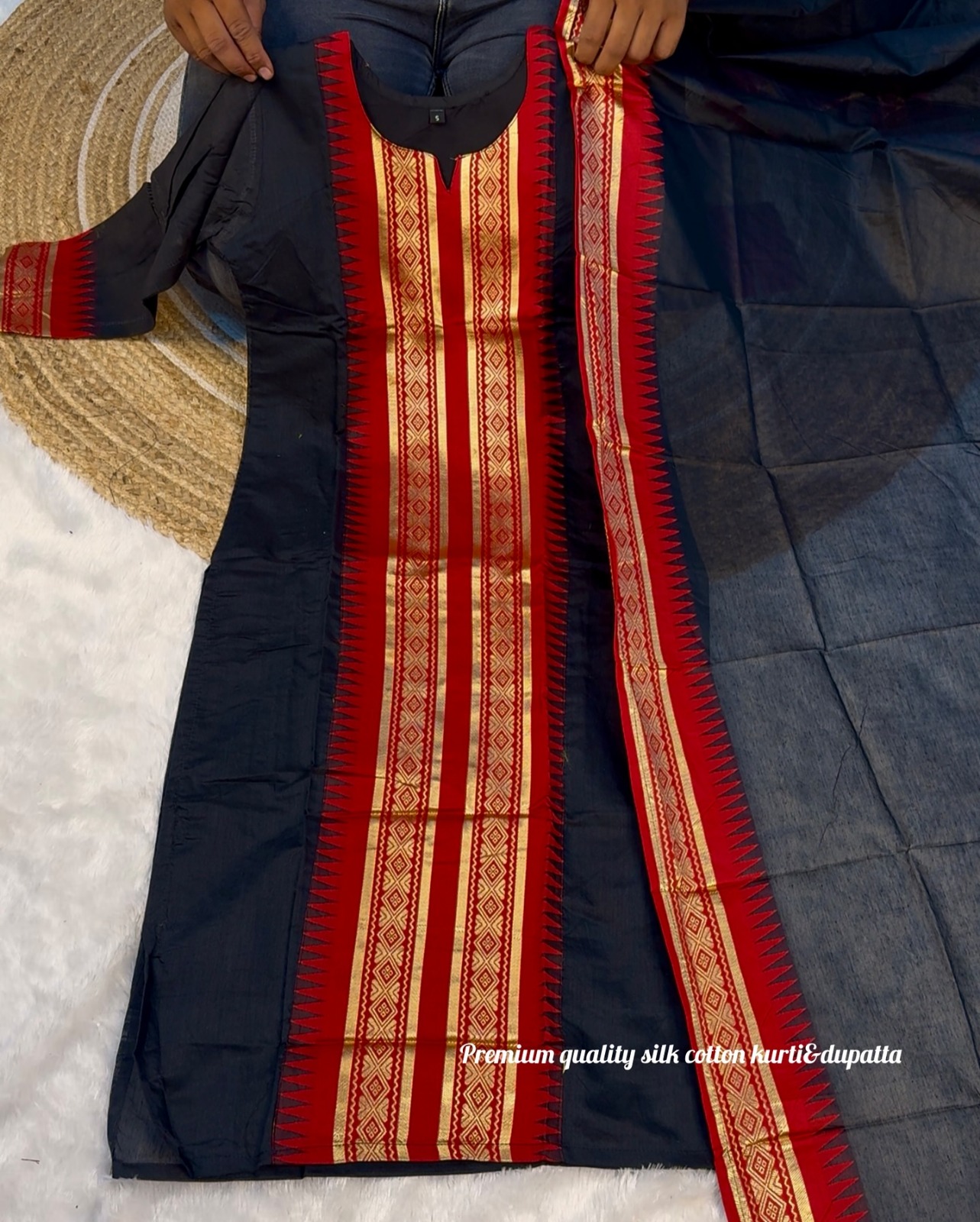
Kurtis need breathable, proportionate lining
Kurtis benefit from a lining that follows the body without becoming a second, tighter garment. A straight kurti can use partial lining through the bodice when the lower fabric is opaque, but the bust and armhole still require careful inspection. A lined neckline should lie flat rather than form a ridge.
If the lining is visible at the sleeve opening, the seam should be turned neatly and should not scratch the upper arm. Designers may leave a cotton hem lightly attached for easier alteration, but the loose edge should not catch on jewellery or undergarments.
Salwar suits need coordinated construction
Salwar suits need coordinated lining decisions across the kurta, pants and dupatta. Brown Embroidered Cotton Kurta Pant Dupatta Set Women should be checked for a comfortable kurta inner layer, a non-clinging pant lining if provided, and embroidery backing that doesn't irritate the waist or thighs.
Decorative surfaces require extra attention. Designer Roman Silk Kurti Set with Jacquard Dupatta may use a smoother inner layer to help the kurti slide over an underskirt or camisole, but the lining should still allow comfortable sitting. In Mustard Kanchi Cotton Kurti Set with Zari Dupatta, examine whether zari-related texture is isolated from the skin and whether the lining preserves the crisp fall of Kanchi cotton.
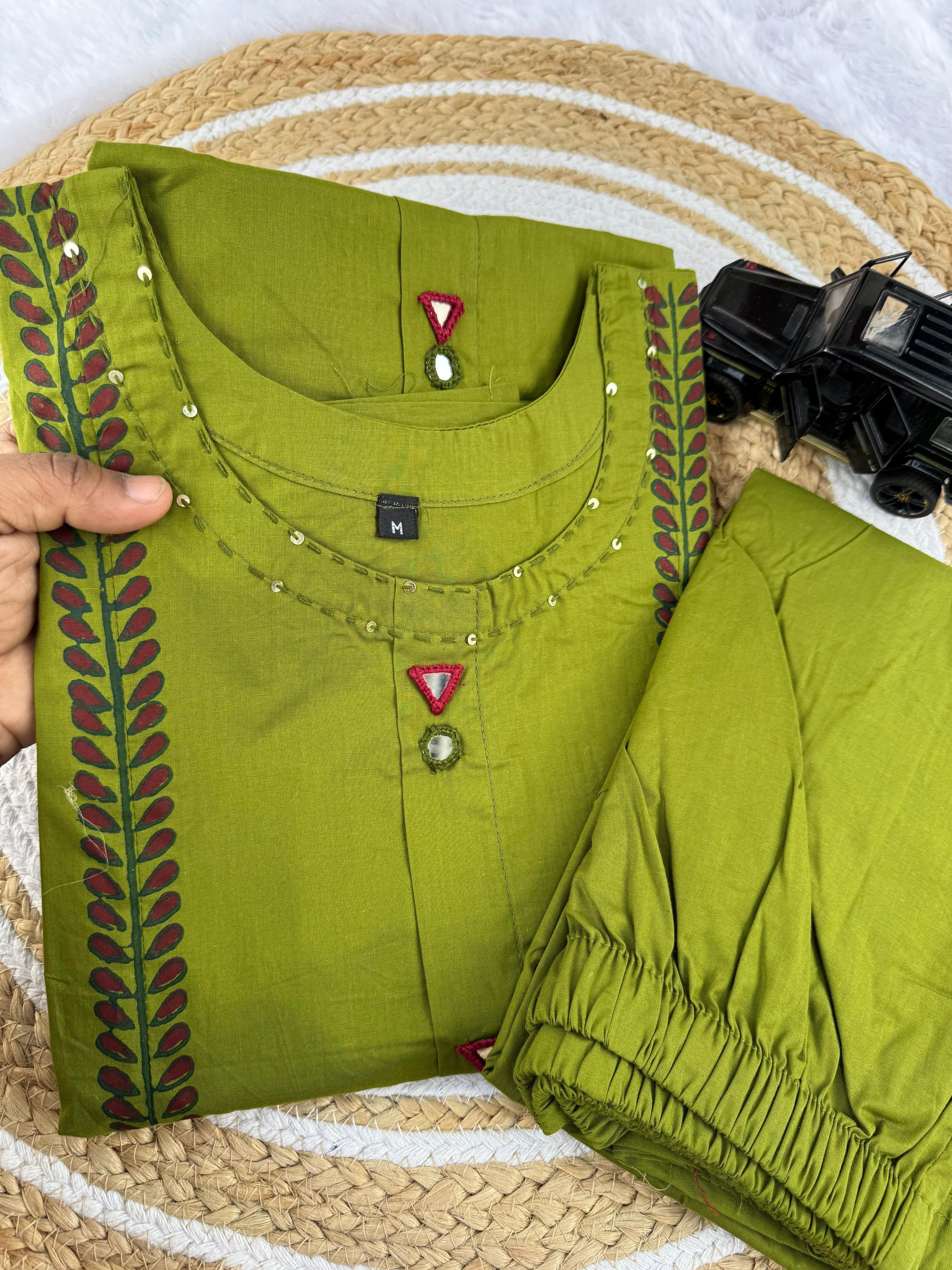
Other useful comparisons include Designer Cotton A-Line Kurti Pant Set with Mirror Work and Embroidered Kurti Pant Set with Taby Dupatta. Check whether mirror-work knots and embroidery threads are covered, whether the pant lining ends cleanly above the ankle, and whether the lining remains flat beneath a dupatta or long kurta.
Lehengas need support without excess bulk
Lehenga lining must support the weight of the skirt while leaving enough room for walking, sitting and dancing. A stiff net layer may create volume, while satin or polyester lining can help the skirt glide over the legs. Neither option should pull tightly at the waist or create a sharp fold at the hip.
Inspect the waistband from the inside because poor lining often gathers there. The inner seam should be covered or cleanly finished, and the lining should be anchored sufficiently to prevent twisting. A lined choli needs special checking at the bust, armhole and hook area; exposed seam allowances can cause discomfort during a long wedding function.
What to Check for Lining Quality in Kurtis, Suits and Lehengas Before Ordering Online
Test lining quality online by combining product measurements, construction photographs, fabric information and seller questions. A single front image can't confirm how a garment will behave after three hours of wear.
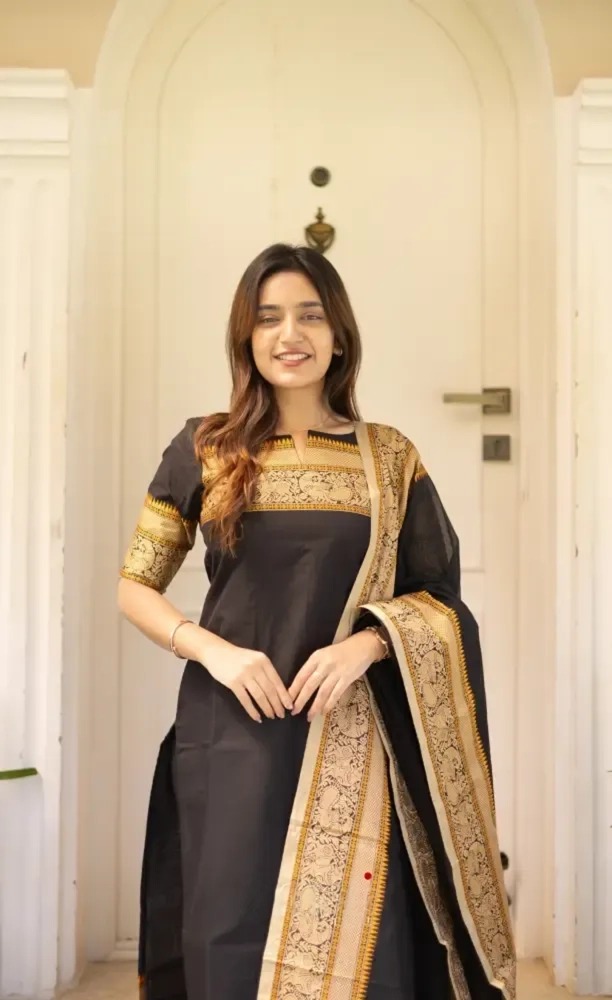
- Request inner measurements. Ask for bust, waist, hip, armhole and garment-length measurements rather than relying on a size label alone. Lining measurements should not be smaller than the intended body measurements plus suitable ease.
- Ask about coverage. Confirm whether the kurta is fully lined, lined only through the bodice, or unlined below the bust. Ask whether the pants and choli have separate lining.
- Inspect reverse-side photographs. Request close images of the neckline, armhole, waistband, hem and embroidery backing. These areas reveal raw seams, loose threads and uneven attachment.
- Check fabric and care instructions. Confirm whether the lining is cotton, cotton blend, polyester, satin or another material. Follow the stated washing method because heat and aggressive wringing can shrink lining differently from the outer fabric.
- Compare lining with the intended climate. Cotton lining is often more comfortable for daily wear in hot weather, while smooth synthetic lining can work well for festive skirts that need to glide. Climate, duration and movement should guide the choice.
When exact lining information is unavailable, treat the garment description as incomplete rather than assuming full lining. A product may have a cotton outer layer but no inner layer, or a lined bodice with an unlined skirt. Asking one precise question before ordering can prevent an avoidable exchange.
What to Check for Lining Quality in Kurtis, Suits and Lehengas After Washing
Good lining should remain stable after the recommended wash, with no major shrinkage, twisting, colour transfer or bubbling. Lining and outer fabric may react differently to water and heat, so care instructions matter as much as initial feel.
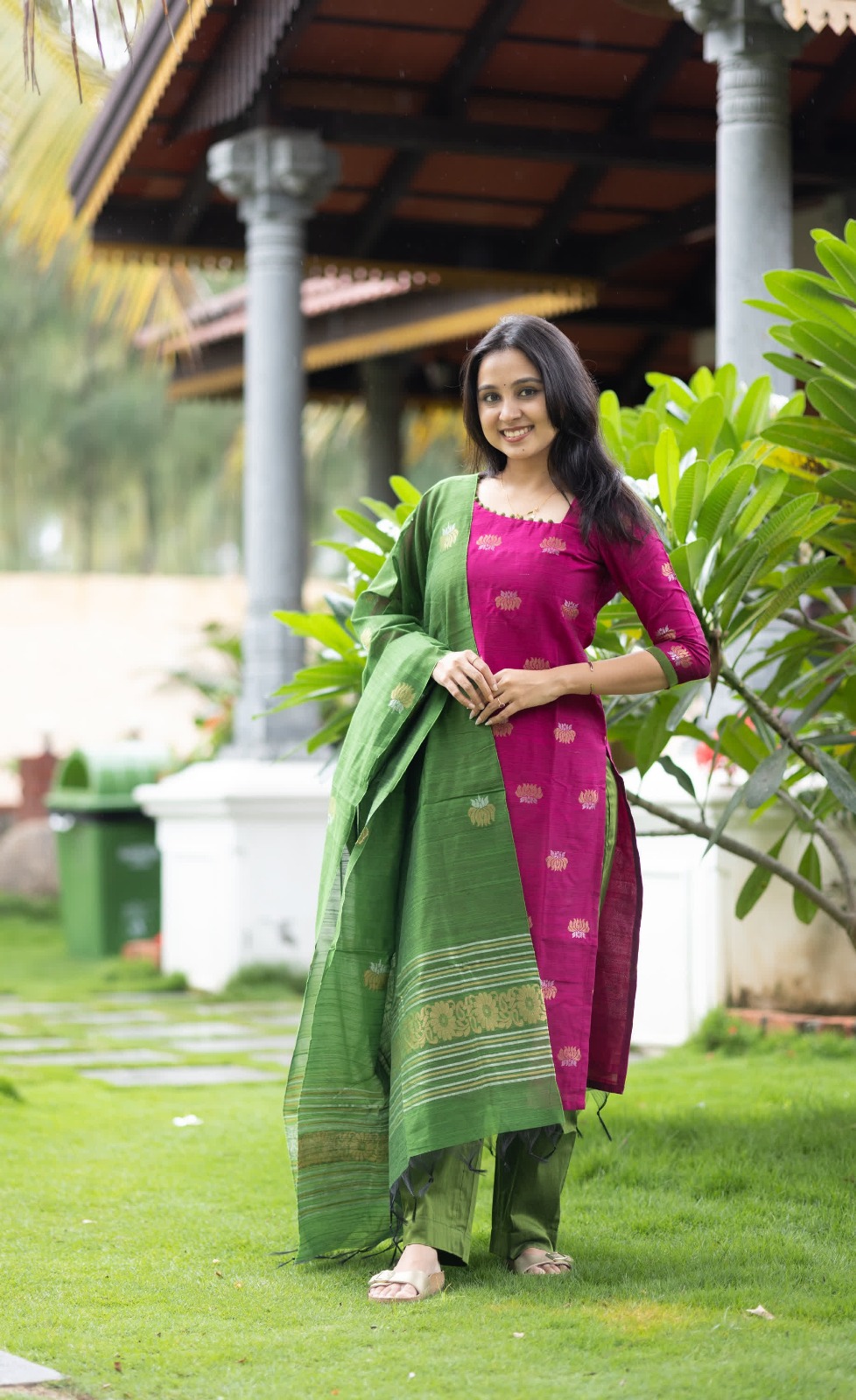
For cotton salwar suits, use the specified gentle wash and avoid high-temperature drying unless the label permits it. Air-dry garments in shade to reduce fading in printed cotton, Kalamkari Print Salwar Suits and regional-inspired styles. Excessive wringing can distort the lining at armholes and waistbands.
don't iron synthetic lining directly at high heat. Place a pressing cloth between the iron and the outer fabric, use the recommended temperature and avoid pressing over raised zari, mirror work or embroidery. Kanchi Cotton Zari Woven Kurti Set with Traditional Dupatta should receive particular care around zari areas because direct heat can affect the finish.
Regional textile references also deserve fabric-sensitive care. Maharashtra Paithani Inspired Salwar Suits, Gujarat Bandhej Salwar Suits, Odisha Sambalpuri Salwar Suits and Punjab Patiala Salwar Suits may use different outer textures, weights and embellishment details. The lining should be evaluated against the actual weave and construction, not only against the collection name.
A useful post-wash check is to place the garment flat and compare the lining and outer hem. If the lining has pulled upward, bubbled or formed diagonal tension lines, the layers may have shrunk unevenly. Minor creasing can be normal, but permanent distortion at the neckline, waistband or side seam signals a construction problem.
At most, one mention of a retailer or label is needed when comparing construction examples; the more important evidence remains the fabric, measurements, seam finishing and care performance. Buyers who inspect these details can choose a comfortable daily salwar suit as confidently as a structured festive ensemble.
Common Questions About Lining Quality in Kurtis, Suits and Lehengas
How can I tell whether a kurti has good lining?
A good kurti lining feels smooth, has enough ease, covers transparent areas and lies flat at the neckline, armholes and side seams. Raise your arms and sit down to check that the lining does not pull, climb or bunch.
Is cotton lining better than polyester lining for salwar suits?
Cotton lining is usually more breathable for everyday salwar suits and hot weather. Polyester or satin lining can be useful for smooth movement and festive structure, but the quality of the finish and the garment's intended use matter more than fibre type alone.
Should a lehenga be fully lined?
A lehenga should have enough lining to provide coverage, support the skirt and protect the skin from embroidery or netting. Full lining is not always necessary, but the waistband, choli, transparent panels and areas exposed to friction need careful finishing.
How much ease should a garment lining have?
A lining should be slightly easier than the body at movement points, not tighter than the outer garment. Exact ease depends on the fabric and silhouette, but the lining should not pull across the bust, hips, armholes or waistband when you sit and move.
How do I check lining quality when shopping online?
Ask for the lining material, coverage details, inner measurements and reverse-side photographs of seams, hems and embroidery backing. Product photographs alone may not show whether a kurta is fully lined or whether a lehenga lining is narrower than the outer flare.
Why does a lining twist or shrink after washing?
Twisting or shrinkage usually results from different fibre behaviour, insufficient ease, poor attachment or washing beyond the care instructions. Use the recommended water temperature, avoid harsh wringing and compare the lining and outer hem after the garment dries.


