

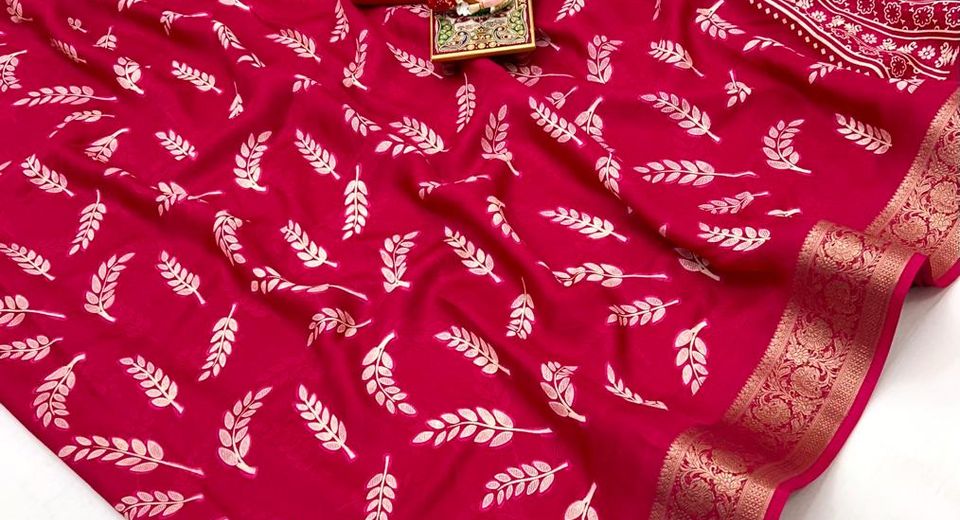
What to Carry in a Saree Emergency Kit for Weddings and Long Events becomes clear when you consider what happens after several hours of sitting, walking, dancing, eating and posing for photographs. A loose pleat, broken blouse hook, lipstick mark or painful sandal can distract you from the celebration. A small, well-planned pouch can solve most minor saree emergencies without requiring an entire dressing room.
The right kit should secure the drape, protect the fabric, repair small wardrobe failures and keep you comfortable. Pack separate items for pins and draping, quick repairs, stain control, footwear and personal comfort. The contents should also match the saree: Banarasi silk, tissue, organza cotton silk, handloom cotton and georgette each respond differently to pins, moisture and pressure.
Why carry a saree emergency kit to a long wedding?
A saree emergency kit is useful because wedding clothing faces repeated movement and pressure for six to twelve hours. Sitting in a car can crush pleats, a crowded dining area can catch a pallu, and repeated adjustments can loosen a safety pin or blouse hook. Humidity, perspiration, oily food and fresh makeup create additional risks.
Long wedding celebrations can include several settings in one day. A morning Haldi ceremony may be followed by family photographs, a temple visit, a sangeet and a late dinner. Each setting places different demands on the drape. Cotton and handloom sarees may crease from sitting, while slippery silk and tissue sarees may need more anchoring at the shoulder and waist.
A compact pouch is especially valuable when the venue is far from home or when changing rooms are crowded. A saree emergency kit doesn't replace a proper pre-event fitting. The kit provides a controlled way to manage small problems before a loose fold, stain or broken hook becomes a visible wardrobe malfunction.
What to Carry in a Saree Emergency Kit for Weddings and Long Events
Carry safety pins, fashion tape, a mini sewing kit, stain-control supplies, tissues, blister protection, spare blouse fasteners, a compact mirror and a small hard case. Place the items in a flat zip pouch that fits inside a handbag without pressing against jewellery or makeup.
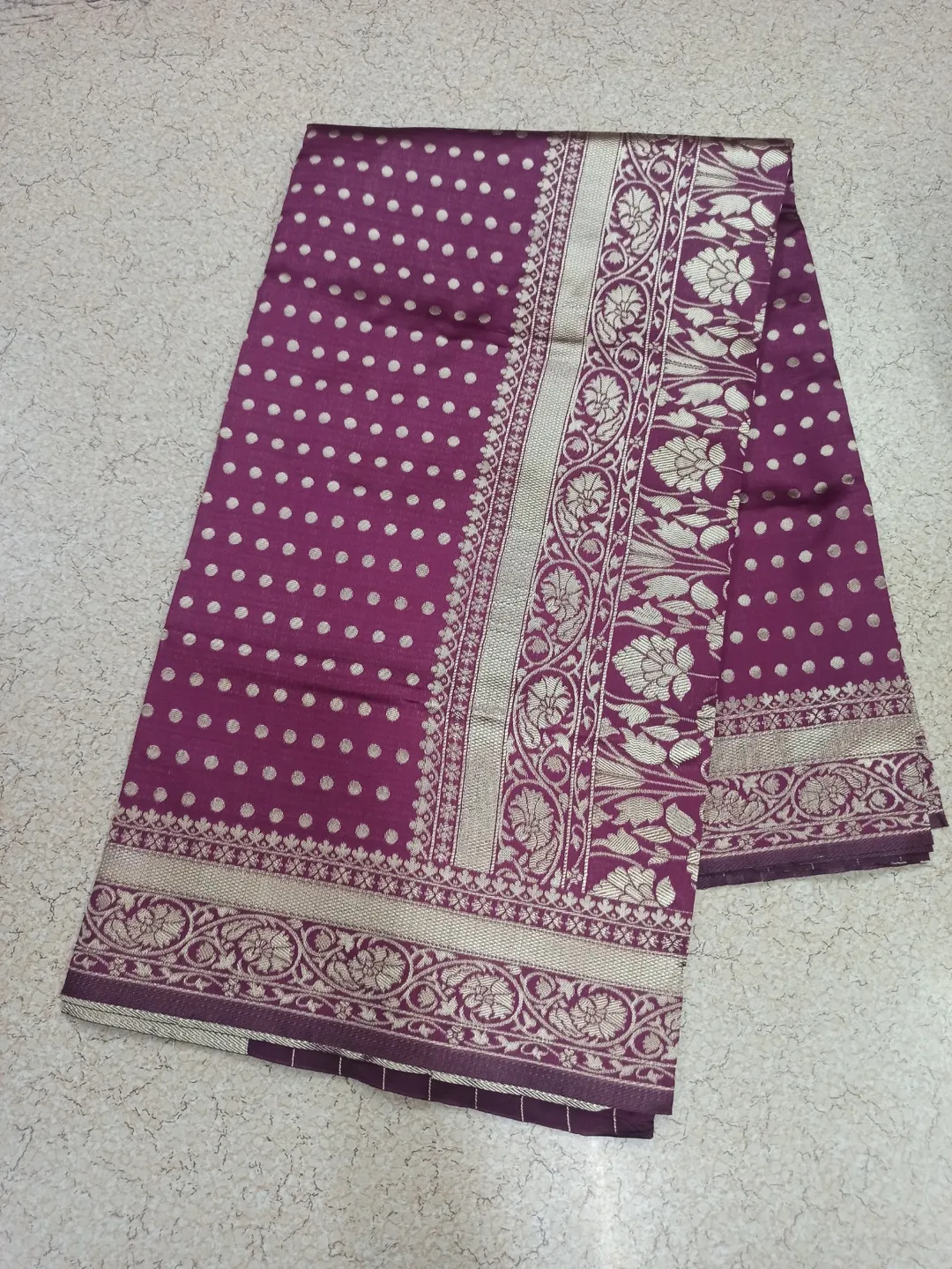
Core draping and repair supplies
- Safety pins in three sizes: Use small pins for pleats, medium pins for the pallu and larger pins for heavier silk. Choose rust-resistant pins with smooth closures. A sharp or corroded pin can snag zari and leave a visible hole.
- Fashion tape: Double-sided fashion tape can hold a blouse edge, pallu fold or neckline temporarily. Test the tape on an unseen fabric area before the event because adhesive can mark delicate organza, tissue and zari.
- Mini sewing kit: Carry a needle, black thread, white thread, gold or beige thread, two spare hooks and a small pair of scissors. Matching thread can secure a blouse hook, loose tassel or detached embellishment until a proper repair is possible.
- Clear elastic or a small hair tie: Clear elastic can discreetly hold a slipping pallu edge or blouse strap. Avoid tying elastic tightly around silk, zari or tassels.
- Spare blouse hooks: A broken hook is difficult to solve without preparation. A spare hook, needle and matching thread can keep a blouse wearable during the event.
- Compact mirror and phone torch: A mirror helps you check the back pleats and blouse closure. A phone torch can reveal a loose thread or dropped pin in a dim venue.
Choose the number of pins according to the saree rather than carrying a random handful. A lightweight Chanderi or cotton saree may need fewer anchoring points than a dense Banarasi silk saree. A zari-rich pallu needs gentle handling and should never be pierced repeatedly in the same place.
Stain and spill control
Use blotting materials rather than rubbing when a saree receives a fresh spill. Carry white tissues, cotton buds, a clean white handkerchief and unscented wet wipes. White materials reduce the chance of transferring colour onto pale fabric.
don't pour water, perfume, hand sanitiser or detergent directly onto a silk saree. Liquids can spread an oily mark, disturb the finish or create a water ring. Press a dry tissue onto the stain from the outside toward the centre, then leave professional cleaning for later if the mark remains.
A stain-removal pen may be suitable for some washable cotton garments, but a wedding saree requires caution. Test any stain product on a hidden inner edge before the event. Banarasi silk, zari, tissue silk and organza cotton silk should usually be handled by a professional cleaner rather than treated aggressively at the venue.
How should you secure saree pleats, pallu and blouse?
Secure saree pleats at the waist, anchor the pallu at the shoulder and check the blouse closure before leaving home. Three carefully placed points are generally safer than many tightly inserted pins.
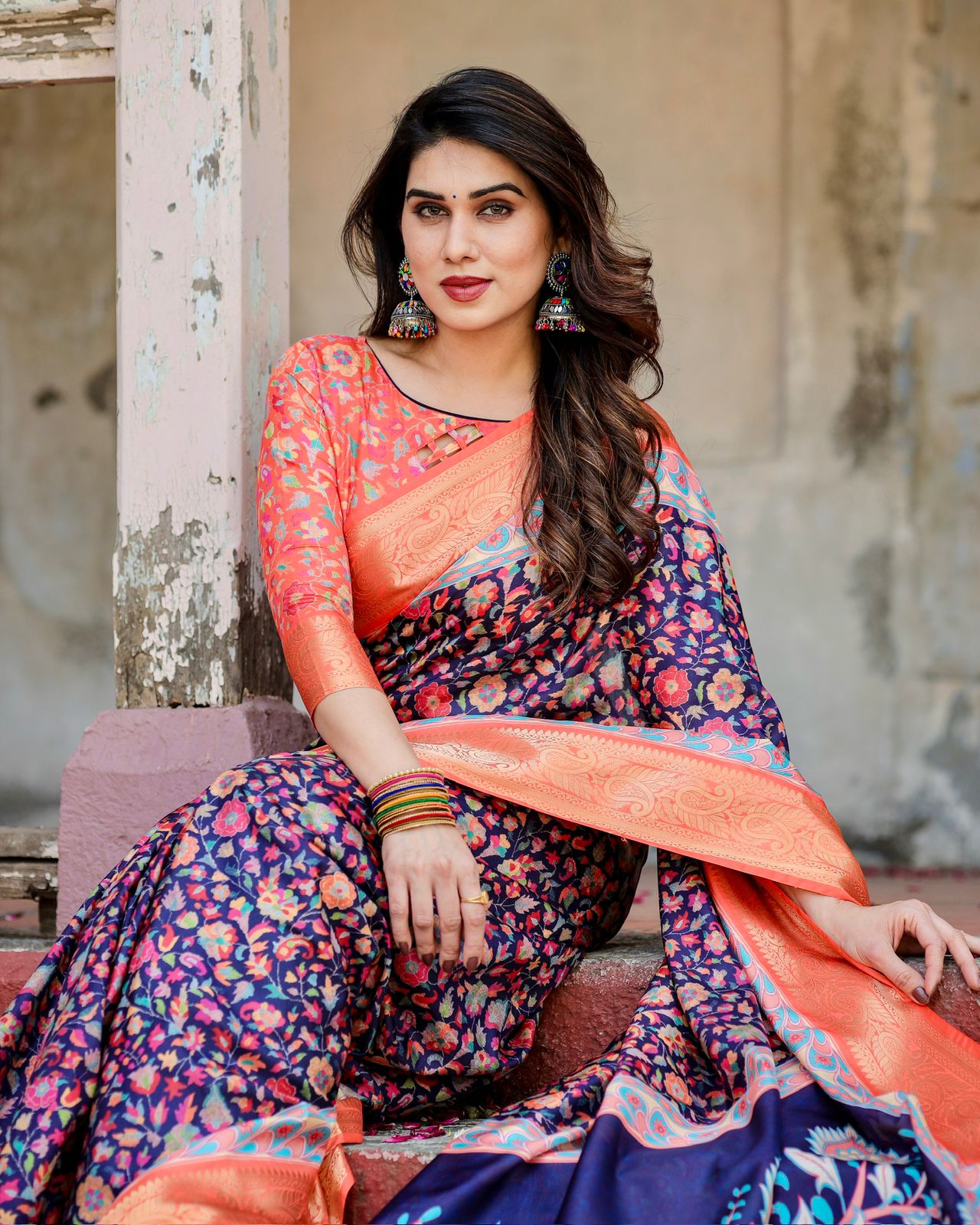
Waist pleats
Make the pleats on a flat surface and keep the lower edges aligned before pinning. Place one medium safety pin horizontally through the inner layers near the waistband, not through the visible front edge. A second small pin can be added inside the pleats if the fabric is slippery.
Heavy sarees need support from the petticoat or underskirt, not only from the saree fabric. A well-fitted underskirt with a secure waistband reduces downward pull. Avoid an excessively tight drawstring because pressure can cause discomfort after several hours of sitting.
Pallu and shoulder drape
Place one concealed pin near the shoulder seam and another at the blouse side seam when the pallu is heavy or likely to move. Avoid pinning directly through prominent zari motifs. A saree such as Royal Mustard Bloom Banarasi Silk Saree may benefit from concealed anchoring because dense woven surfaces can show repeated pin holes.
Use fashion tape only as a temporary surface hold and keep one hidden safety pin as the main support for a light, airy drape. Elegant Charcoal Garden Organza Cotton Silk Saree requires particular care because a pulled thread or puncture can be noticeable against a transparent or structured weave.
Blouse and neckline support
Check blouse hooks, shoulder straps, armhole comfort and neckline coverage before leaving home. Fashion tape can prevent a blouse edge from shifting, but tape should never carry the full weight of a saree pallu. A hidden pin attached to a sturdy seam is more reliable for a heavier drape.
How does saree fabric change the emergency kit?
The saree fabric determines the safest emergency fix, while the wedding setting determines how much support and comfort you need. Banarasi silk and other heavier silks need stronger concealed anchoring, whereas cotton and georgette usually need crease management and pallu control.

For silk sarees, carry smooth safety pins, a soft cloth and extra blouse hooks. Silk can hold a fold beautifully but may slide when the wearer walks quickly or dances. Elegant Red Banarasi Silk Saree for Festive & Wedding Wear and Elegant Royal Blue Silk Saree for Festive & Wedding Wear are examples of styles where matching blouse support and careful pallu anchoring are more useful than excessive visible pinning.
For cotton sarees, carry a small clean handkerchief for pressing folds while seated. A handloom cotton saree can crease naturally, so repeatedly pulling the fabric or using a wet cloth at the venue may create a worse-looking mark than the original crease.
For tissue and organza, prioritise thread protection. Do not drag the pallu across rough chairs, exposed bag hardware or jewellery with sharp edges. Teal Green Tissue Handloom Cotton Saree With Printed Pallu should be packed with the pallu folded inward and separated from items that could catch the printed or woven surface.
For a Haldi ceremony, carry an old cotton scarf or protective wrap, extra tissues and a separate plastic bag for damp clothing. Turmeric paste can leave persistent yellow marks, so a washable cotton saree or a less delicate outfit is more practical than relying on a last-minute stain remedy.
For a lighter georgette saree, add a few small pins and a spare length of fashion tape because the fabric can shift during movement. Pink Georgette Sarees can work well for events that involve dancing or extended standing, but the pallu still needs a secure anchor at the shoulder.
Which comfort items belong in a wedding saree kit?
Carry blister plasters, silicone heel cushions, a small packet of tissues, mints, prescribed medication and a backup pair of soft footwear. Comfort supplies prevent fatigue from causing hurried adjustments that can loosen pleats or pull delicate fabric.
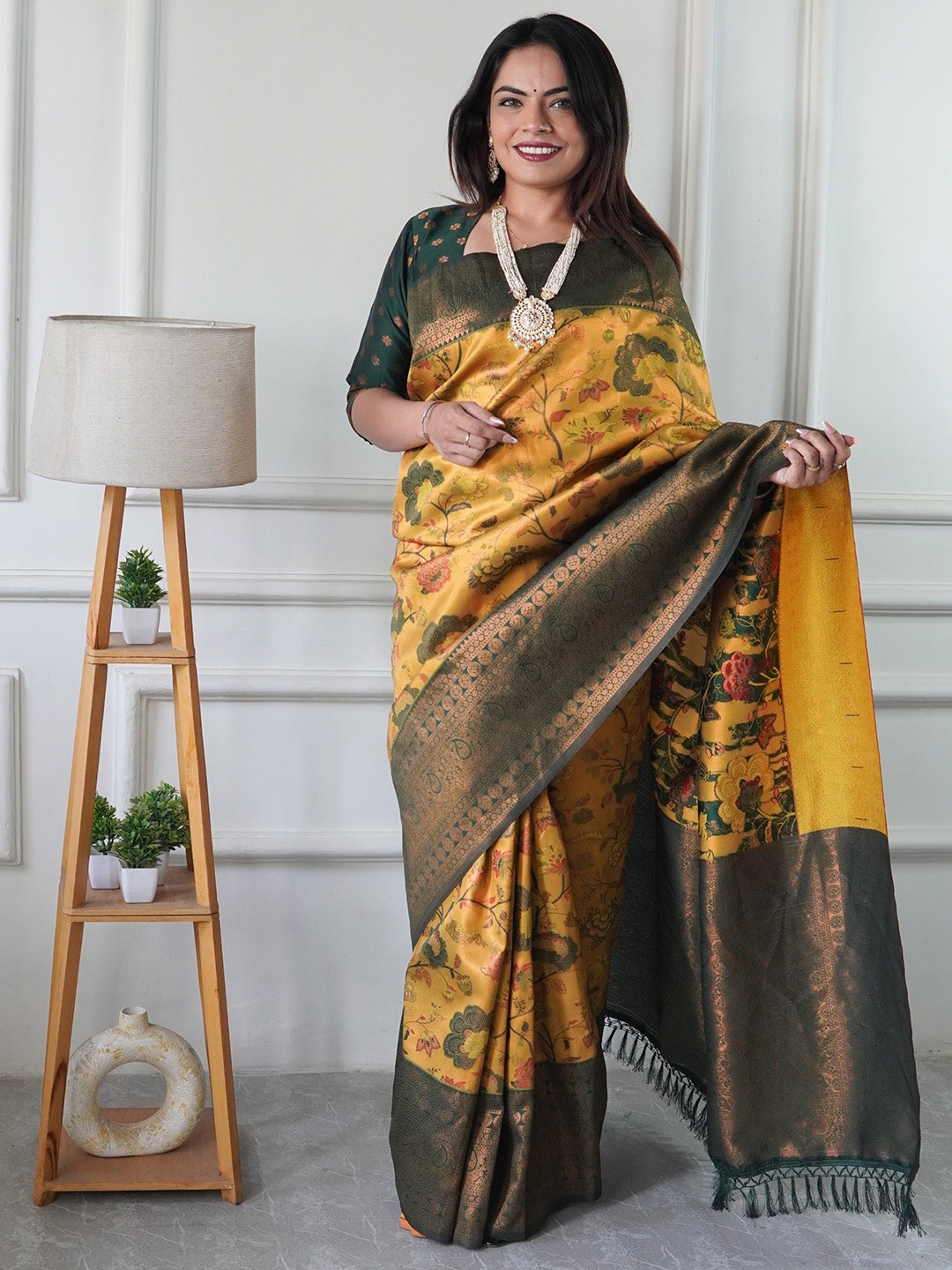
- Blister plasters: Apply them at the first sign of friction rather than waiting for an open blister. New footwear should be worn indoors several times before the wedding.
- Footwear backup: Foldable flats or soft sandals are useful for travel, late-night movement and long queues. Keep the backup pair accessible without disturbing the saree pleats.
- Absorbent tissues: Press perspiration around the neck and underarms instead of wiping aggressively across the blouse or saree.
- Hard accessory case: A hard case protects earrings, spare hooks and pins from being crushed inside a handbag.
- Unscented refresh supplies: Carry unscented tissues and a comb instead of spraying fragrance directly onto silk. Alcohol and oils in fragrance can mark certain fibres.
- Water and a light snack: Long wedding ceremonies can delay meals. Hydration and a small snack help you remain comfortable during photographs and rituals.
don't carry loose pins in the same compartment as a phone, lipstick or jewellery. A pin can scratch a phone screen, open a cosmetic tube or catch the saree while you reach into the bag. Use a sealed pin box or a folded card with the pins secured through it.
How should you pack and test the kit before leaving home?
Test the entire kit with the saree and blouse at least one day before the wedding. A rehearsal reveals whether the saree needs a stronger waist pin, whether the pallu slips from the shoulder and whether the blouse hooks can withstand repeated movement.
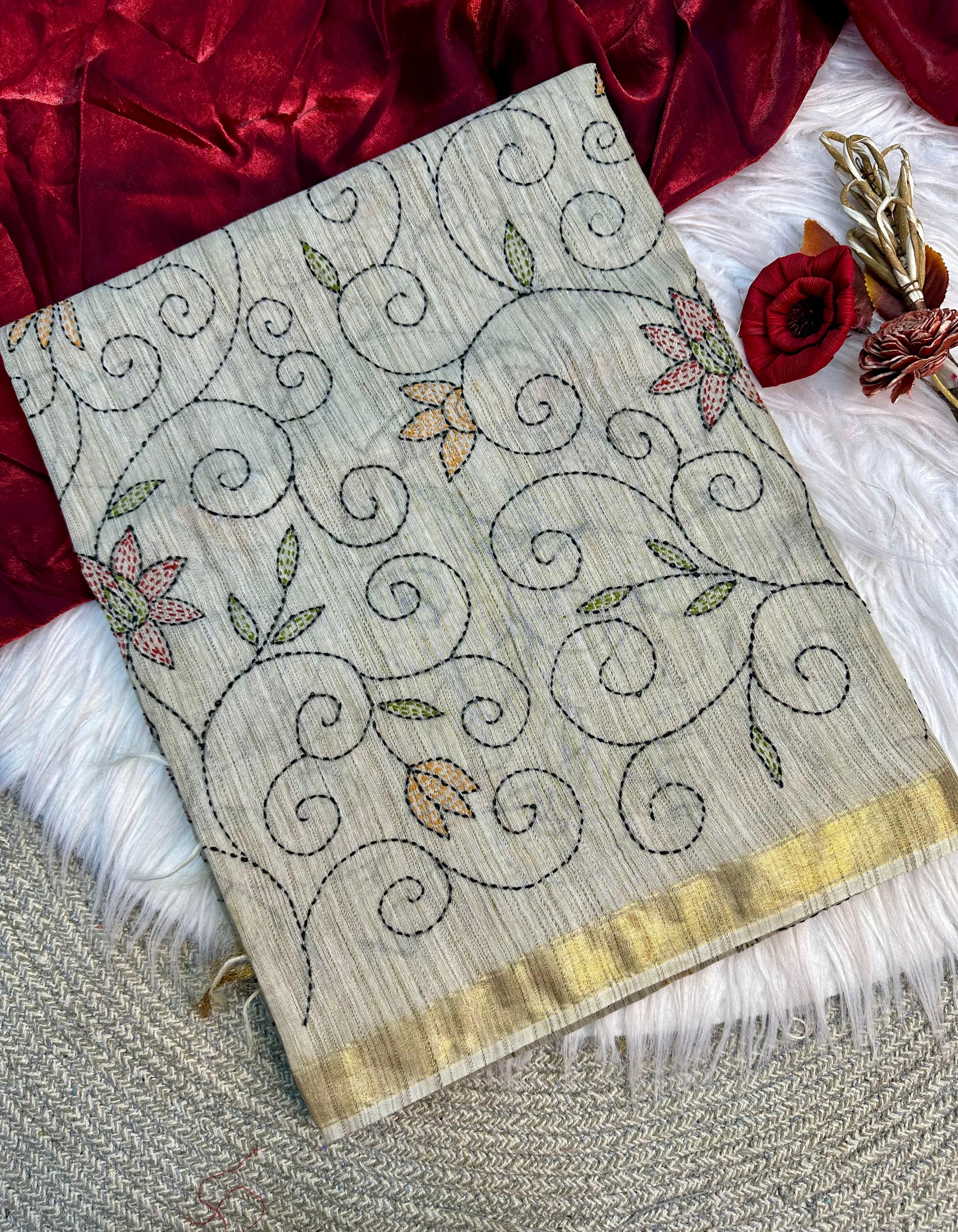
Pack the kit in sections so that the most urgent items are easy to reach. Keep pins and scissors in a closed inner compartment, tissues and wipes in a separate waterproof sleeve, and medication in its labelled container. Put the hard case for jewellery or spare hooks where it can't press against zari.
Photograph the finished drape before leaving home. A quick reference image helps you recreate the original pleat width or pallu position after using a washroom or changing clothes. Write down the thread colour or blouse hook size if the garment requires a particular repair.
The Latest Wedding Sarees Collection can provide useful inspiration for matching the emergency kit to the garment's fabric, weight and embellishment. A practical choice isn't only about colour; the saree should also suit the duration of the event, the amount of movement and the availability of private changing space.
What should you do after the wedding?
Air the saree in a shaded, well-ventilated room before folding it for storage. Remove pins, brooches and temporary tape gently, then check the blouse and pallu for makeup, food or perspiration marks.
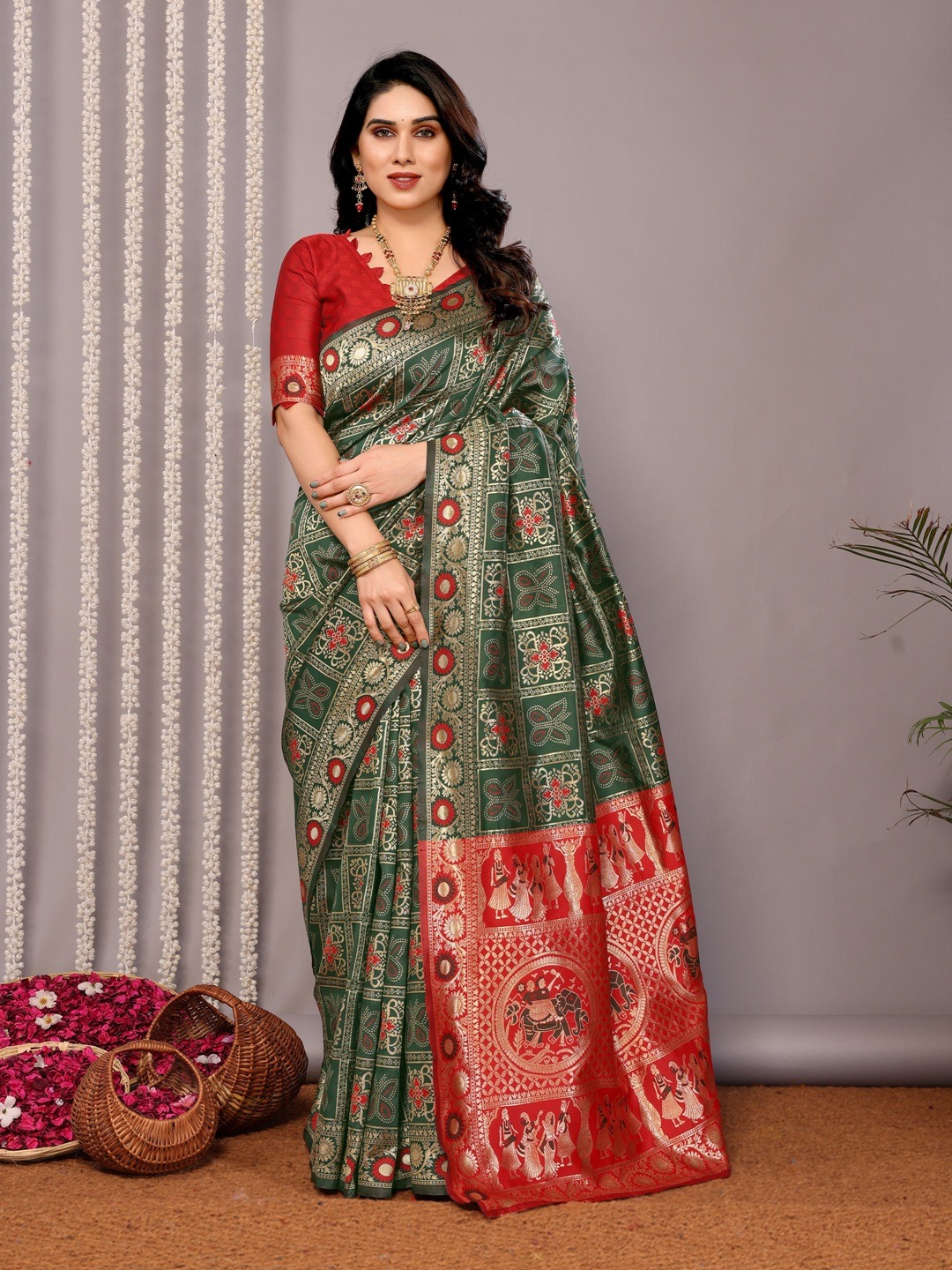
Never store a damp saree in a plastic bag for several days. Moisture can encourage odour, mildew and zari tarnishing. Fold Banarasi silk, Kanjeevaram and other embellished sarees with the decorative surface inward or wrap them in clean cotton muslin, changing the fold every few months to reduce permanent creasing.
For a washable cotton saree, follow the care label and avoid strong bleach unless the fabric instructions specifically allow it. For Banarasi silk, tissue, organza cotton silk and zari work, use a reputable professional cleaner. Prompt cleaning is especially important for oil, turmeric and foundation stains.
Budget-conscious shoppers can compare practical occasion options in Wedding Sarees Collection Under 4000, Silk Sarees Under 3000 With Discount and Red Banarasi Silk Sarees for Weddings Under 1100, while still checking fabric details and care requirements. Designer Green Pink Wedding Wear Silk Saree and Premium Handloom Silk Saree with Handkatha illustrate why the kit should include both fabric-safe pins and a careful post-event storage plan.
A useful wedding saree emergency kit is small enough to carry but specific enough to solve real problems. Pack the repair tools before the event, test every pin and adhesive at home, protect delicate fabric from rushed fixes and include comfort items for the hours that photographs rarely show.
Common Questions About Building a Wedding Saree Emergency Kit
What should I carry in a saree emergency kit for a wedding?
Carry smooth safety pins in several sizes, fashion tape, a mini sewing kit, spare blouse hooks, white tissues, cotton buds, unscented wipes, blister plasters and a compact mirror. Add a hard case for pins and jewellery so sharp items cannot damage the saree or phone.
How many safety pins are needed for a saree?
Carry about eight to twelve safety pins in small, medium and large sizes for a long wedding event. The exact number depends on the saree weight, pallu style and whether the drape has already been secured by a professional.
Can fashion tape be used on a silk or Banarasi saree?
Fashion tape can provide temporary support, but it should be tested on an unseen area first. Do not use adhesive as the main support for a heavy pallu, and avoid placing it directly over delicate zari, tissue or organza.
How do I remove a fresh stain from a wedding saree?
Blot a fresh stain with a clean white tissue or handkerchief without rubbing. Avoid water, perfume, detergent and hand sanitiser on silk, zari, tissue and organza; persistent marks should be taken to a professional cleaner.
What should I carry for a Haldi ceremony while wearing a saree?
Carry a protective cotton scarf, extra tissues, a separate bag for damp clothing and spare pins. Turmeric can leave lasting yellow marks, so a washable cotton saree is usually easier to manage than delicate silk or tissue.
How can I stop saree pleats from opening during a long event?
Make aligned pleats on a flat surface, secure the inner layers with one medium pin and use a second concealed pin if the fabric is slippery. A properly fitted underskirt or petticoat also reduces downward pull and helps the pleats retain their shape.


