

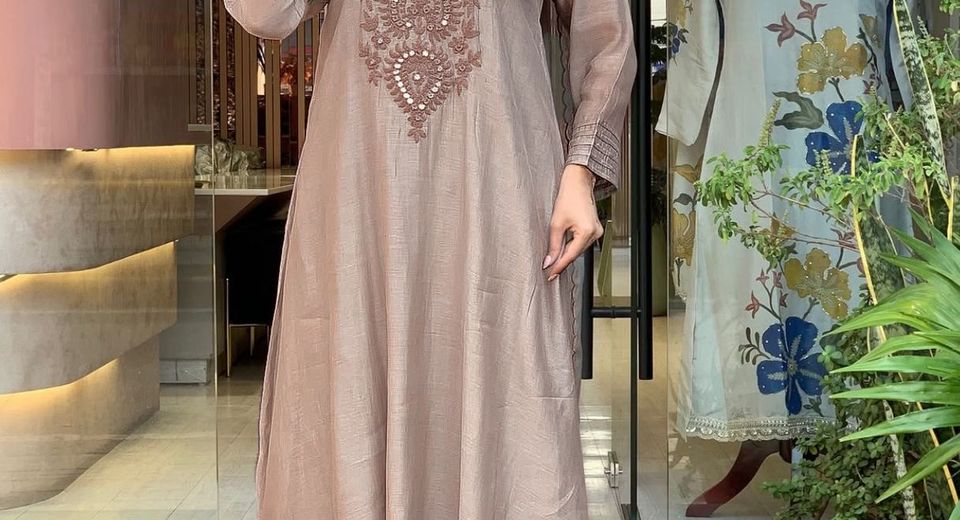
What Tailors Can Change Easily and What They Cannot for Ethnic Wear Alterations matters before you remove a tag, cut a hem or hand an embellished outfit to a tailor. A professional can usually adjust length, side seams, sleeve shape and modest waist measurements, but a major change to embroidery placement, shoulder structure or garment volume may be expensive or impossible. Knowing the difference helps you buy the right size and protect an outfit worth wearing for years.
Ethnic garments combine fabric, lining, interlining, borders, zari, sequins and carefully positioned motifs. A simple cotton kurta may tolerate several changes, while a fitted gown with floral embroidery can lose its balance after one poorly planned alteration. The safest method is to identify the garment's construction first, then request changes that preserve its original design.
What Tailors Can Change Easily and What They Cannot for Ethnic Wear Alterations
Tailors can usually change garment length, sleeve length, side seams and small waist measurements, while major structural or decorative changes are less predictable. Seam allowance, lining, fabric behaviour and the placement of embellishment determine whether a change is safe.
Most alteration decisions fall into three groups: changes that use existing seams, changes that need extra fabric, and changes that require partial reconstruction. Existing seams make alterations easier because a tailor can open, reduce or resew a controlled section. Extra fabric becomes essential when a garment must be made larger or when a decorated hem needs to be extended.
A tailor should inspect the garment inside out before quoting a price. The inspection should identify seam allowance, overlocking, darts, lining attachment, concealed zips, hooks, handwork and whether the border has been joined separately. A garment that appears simple from the outside can require several hours of careful unpicking and refinishing.
Which Ethnic Wear Alterations Are Usually Straightforward?
Length, sleeve and moderate side-seam adjustments are generally the easiest ethnic wear alterations when the garment has plain seams and sufficient allowance.
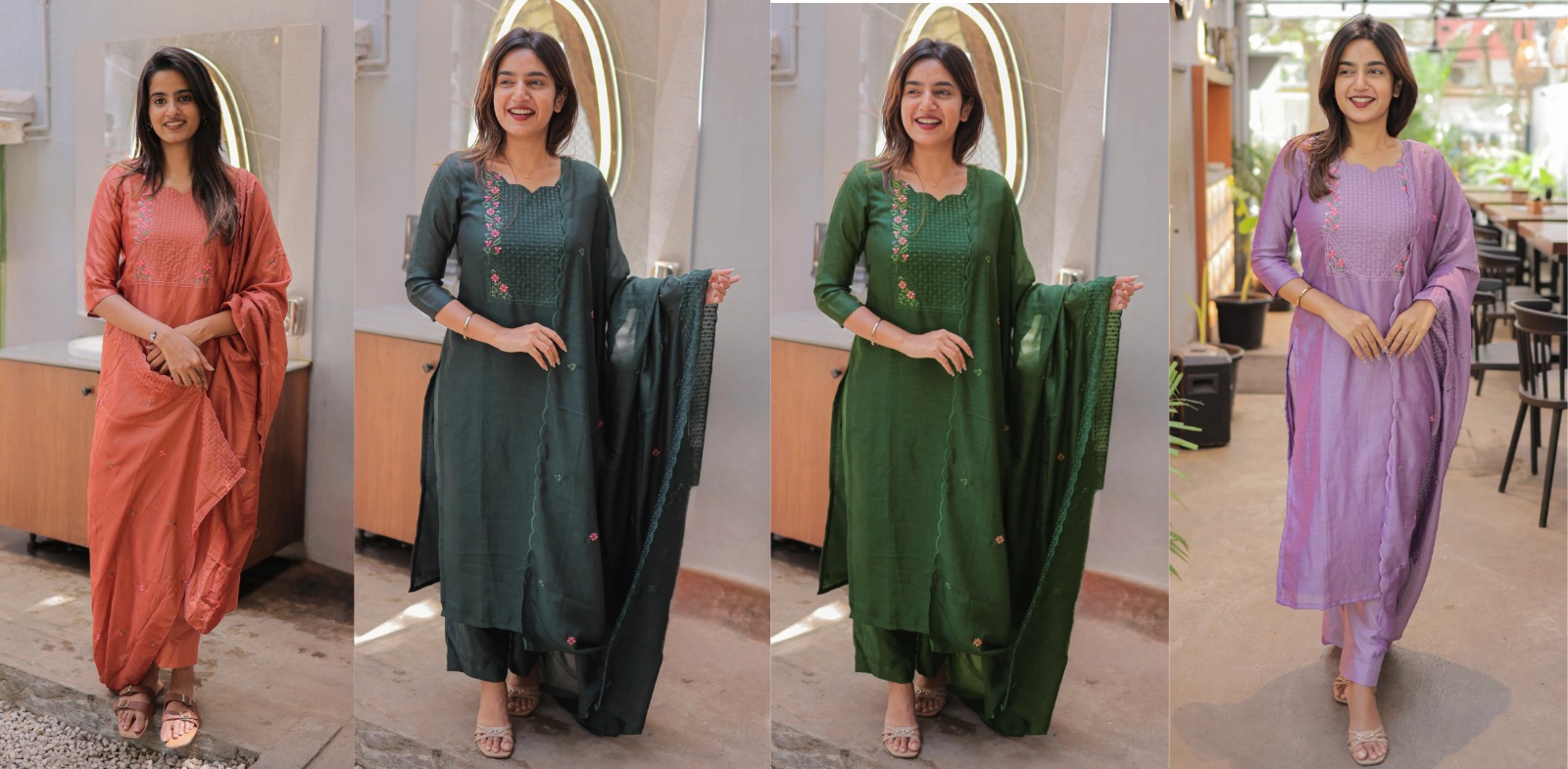
Changing kurta, suit and gown length
Shortening a kurta, salwar suit or gown is normally straightforward when the lower edge has a plain hem. A tailor can mark the finished length while you wear the garment with the footwear intended for the event. A reduction of 2 to 5 centimetres is often simple, although a deep border or scalloped edge needs more care.
Black Embroidered Chanderi Kurti Pant Dupatta Set shows why hem placement deserves attention. Chanderi fabric has a light, crisp fall, so removing too much length can change the visual proportion between the kurti and the pant. A tailor should preserve the relationship between the embroidered area, hem and side slits instead of cutting from an arbitrary point.
Shortening a garment with a wide border may require removing the border, cutting the main fabric and reattaching the border. That work is possible, but the tailor must maintain the original corner joins and avoid cutting through motifs. A curved gown hem also requires a level fitting because the front and back may hang at different lengths.
Adjusting sleeves and side seams
Sleeve length can usually be reduced from the cuff or sleeve hem if the cuff is plain and the sleeve design remains balanced. A tailor can also narrow a loose sleeve through the underarm seam, provided the armhole is not already tight. Widening a sleeve is harder because it requires matching fabric or inserting a deliberate panel.
Side-seam reductions are among the most reliable adjustments for kurtas and straight suits. A tailor can often remove 1 to 3 centimetres from each side, but the finished amount depends on the existing ease. Reducing too much can restrict sitting, lifting the arms or crossing the legs, especially in a straight kurta.
Vertical Cotton Straight Kurta Set with Dupatta is a useful example of a garment where side-seam fitting should preserve movement. Cotton may shrink slightly after washing, and a close fit can become uncomfortable across the bust or hips. The final fitting should happen after the garment has been washed according to its care instructions, if washing is permitted before alteration.
Small waist and neckline corrections
A modest waist adjustment is usually possible when the garment includes side seams, darts or a separate waistband. A tailor may reduce excess fabric at the waist without disturbing the bust or hip line. A small neckline correction can also work if the new edge does not cut into embroidery, piping or a finished facing.
Neckline changes become risky when the neckline is heavily embroidered or supported by a fixed facing. Lowering a neckline changes the balance between the neck, shoulder and bust, while widening it may expose the stitching that holds the lining in place. Ask for a paper or chalk outline first and inspect the proposed shape before cutting.
Which Changes Need Extra Fabric or Careful Reconstruction?
Making an ethnic garment larger, changing its silhouette or altering a decorated edge usually requires matching fabric, careful unpicking and reconstruction rather than simple stitching.
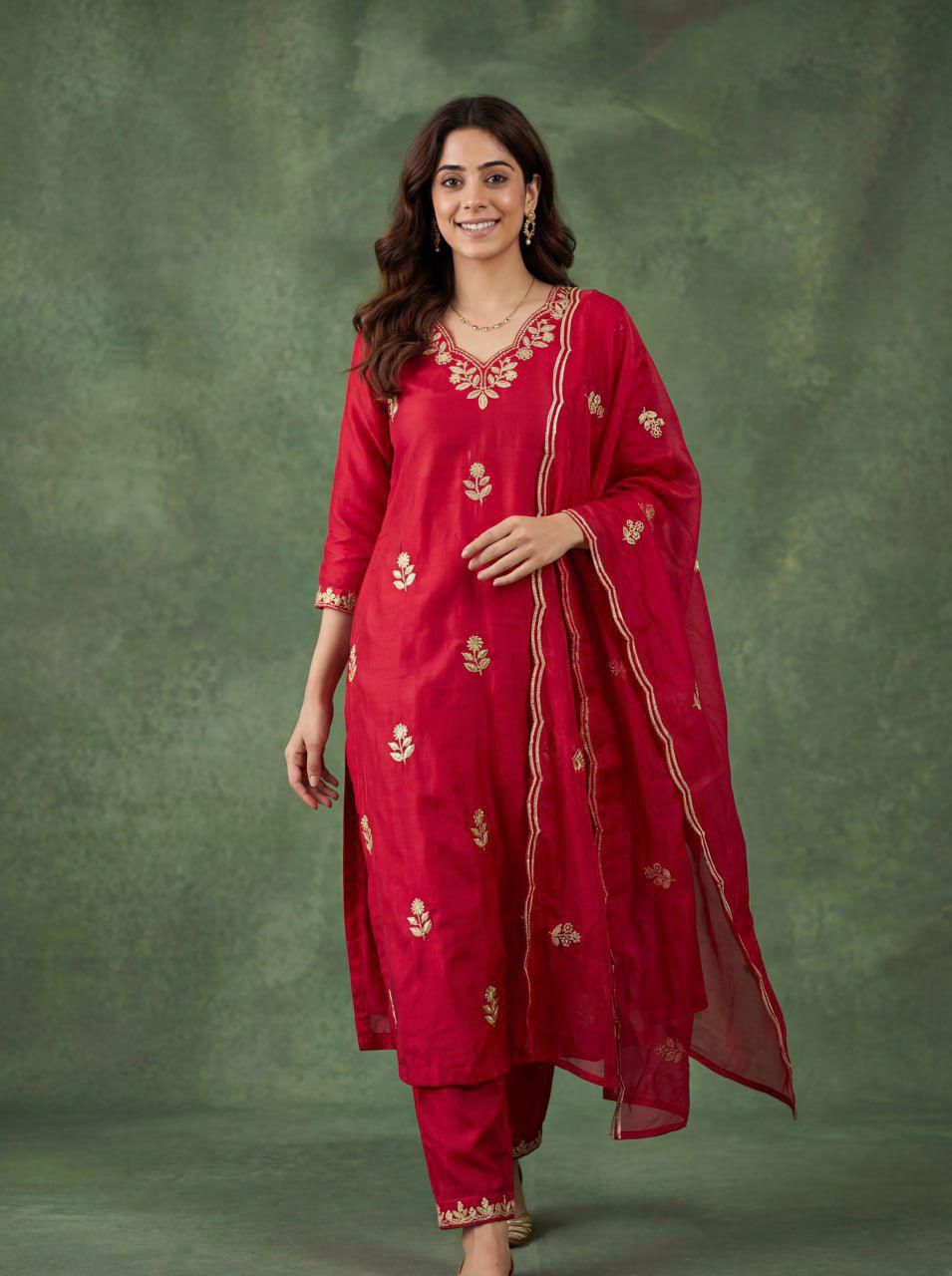
Making a garment larger
Making a kurta or suit larger is possible only when the seams contain sufficient allowance or matching fabric is available. A tailor may release side seams, add panels under the arms or insert gussets, but the result depends on where the extra material can be hidden.
Matching fabric is difficult when an outfit uses Banarasi silk, Vichitra silk, Chanderi, Chinon silk or a woven jacquard. A replacement piece may differ in colour, sheen, weave direction or age even when it comes from the same general fabric category. A visible side panel can look intentional if both sides receive the same treatment, but a single mismatched insert usually looks accidental.
Elegant Beige Vichitra Silk Embroidered Kurta Set for Women demonstrates the problem with adding fabric to a lustrous textile. Vichitra silk can reflect light differently across the original and replacement pieces. A tailor should test the proposed fabric under daylight and indoor lighting before committing to a side panel or hem extension.
Changing a straight silhouette into a flared one
Changing a straight kurta into a noticeably flared style is a redesign, not a routine alteration. The tailor must add fabric, recalculate the hem circumference and decide whether the flare begins from the waist, hip or mid-thigh. A flare added only at the hem can create an awkward triangular shape if the original side seams do not support it.
A similar issue occurs when converting narrow pants into palazzos or adding volume to a sharara. Extra fabric must match the original drape, and the waistband must be rebuilt to distribute the new volume. A tailor can often make a narrow leg slightly wider, but a dramatic silhouette change may require a new garment pattern.
Alterations around embroidery, zari and borders
Embroidery, zari and borders can be preserved only when the alteration line avoids damaging the decorative work. Cutting through dense threadwork can unravel the base fabric, leave an incomplete motif or make the new seam bulky.
Elegant Teal Embroidered Kurta Pant Dupatta Set may allow a plain side-seam reduction, but a tailor should not assume that every embroidered panel can be cut. The garment should be turned inside out so the tailor can locate the embroidery backing, lining and seam allowance before marking.
Handwork and machine embroidery also respond differently to unpicking. Hand-sewn sequins can sometimes be moved or secured individually, while dense machine embroidery may leave permanent needle holes after a seam is opened. Zari borders can crease or fray when detached, so border removal should be treated as specialist work.
Why Are Shoulder, Armhole and Bust Alterations More Difficult?
Shoulder, armhole and bust alterations are difficult because they change the garment's structural balance and must be corrected across the bodice, sleeve and lining.
Shoulder width is not the same as bust width. Narrowing the shoulder may require resetting the sleeve, reshaping the armhole and shortening the upper bodice. If a tailor simply takes in the shoulder seam, the sleeve can pull forward and restrict arm movement. A shoulder change of more than about 1.5 centimetres per side deserves a full fitting rather than a quick alteration.
Armhole depth affects comfort and appearance. Raising an armhole can reduce fabric at the underarm but may cause pinching when you move. Lowering an armhole can create unwanted exposure and may require a new sleeve head. A tailor should check the armhole while you lift both arms, sit down and reach forward.
Bust adjustments are safest when the garment has darts or princess seams that can be reshaped. A flat embroidered panel leaves fewer options because adding room may interrupt the motif. A garment that is significantly tight across the bust may need side panels, a larger back opening or a different size rather than a last-minute seam release.
Elegant Black Ethnic Gown with Floral Embroidery is a good example of a style where the bodice and skirt must remain aligned. A tailor can often shorten the skirt or adjust a plain side seam, but changing the bust or waist may disturb the floral embroidery and the fall of the gown. Fitting the bodice before altering the hem prevents one correction from hiding another.
How Does Fabric Affect the Alteration Decision?
Fabric determines how much handling an ethnic garment can tolerate, with stable cotton generally easier to alter than slippery silk, delicate organza or heavily embellished net.
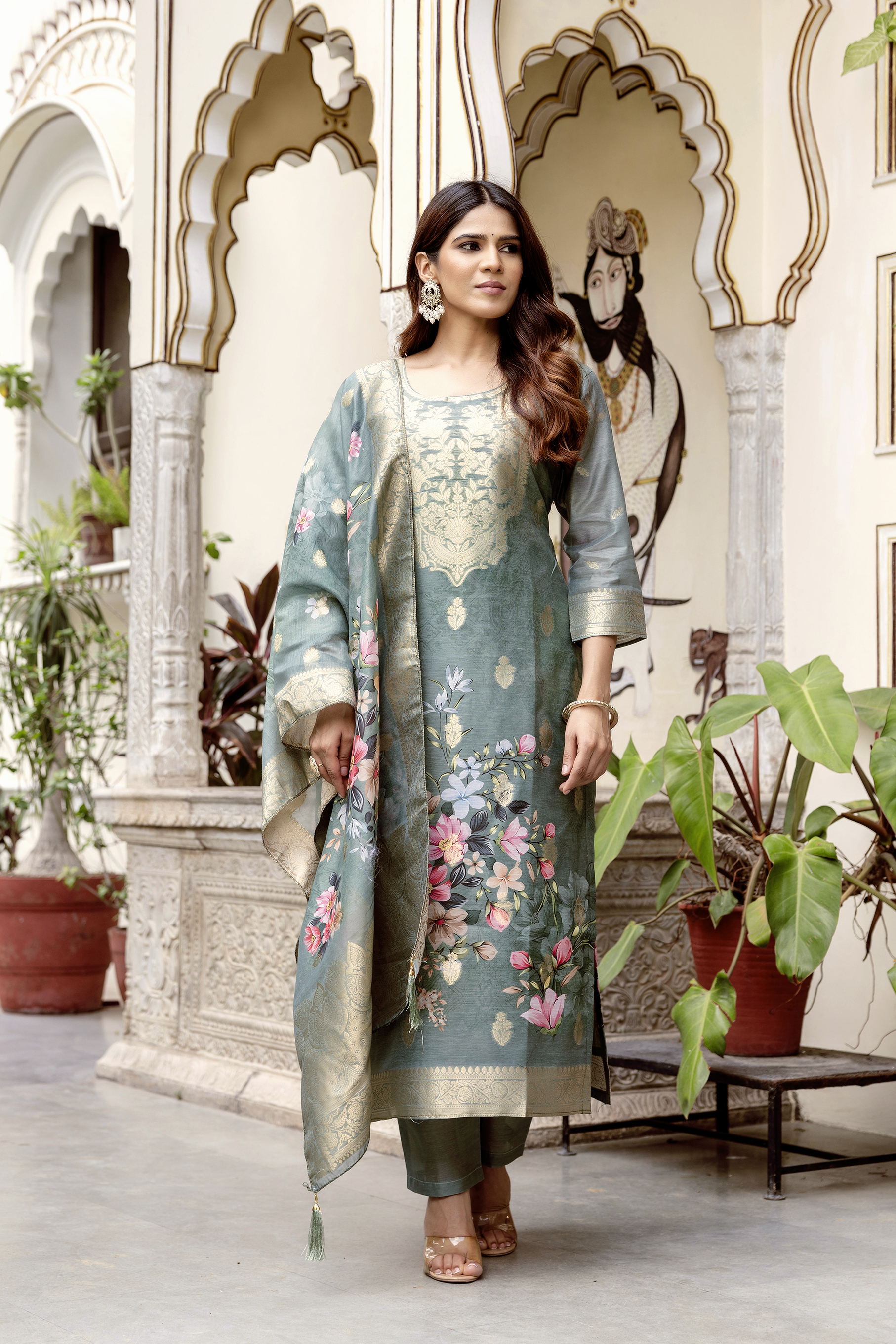
Cotton and cotton blends usually respond well to side-seam and length adjustments because the fabric is stable and seams are easier to press. Chanderi can also be altered successfully, but its lightweight structure requires fine needles and careful pressing to avoid visible marks. Chinon silk and other fluid fabrics can shift during cutting, so a tailor should baste and check the fall before permanent stitching.
Silk garments need special caution because seam openings can leave needle holes, and heat or moisture can change the surface. A tailor should test pressing on an inconspicuous section and avoid assuming that a synthetic silk blend will respond like pure silk. Dry-clean-only garments should not be steam-treated casually before fitting.
Black Red Fendy Silk 3 Piece Readymade Salwar Suit Set illustrates why a three-piece outfit should be assessed as a set. Altering the kameez length may change how the salwar and dupatta appear beside it. The tailor should check the finished proportions of all three pieces rather than fitting the kameez in isolation.
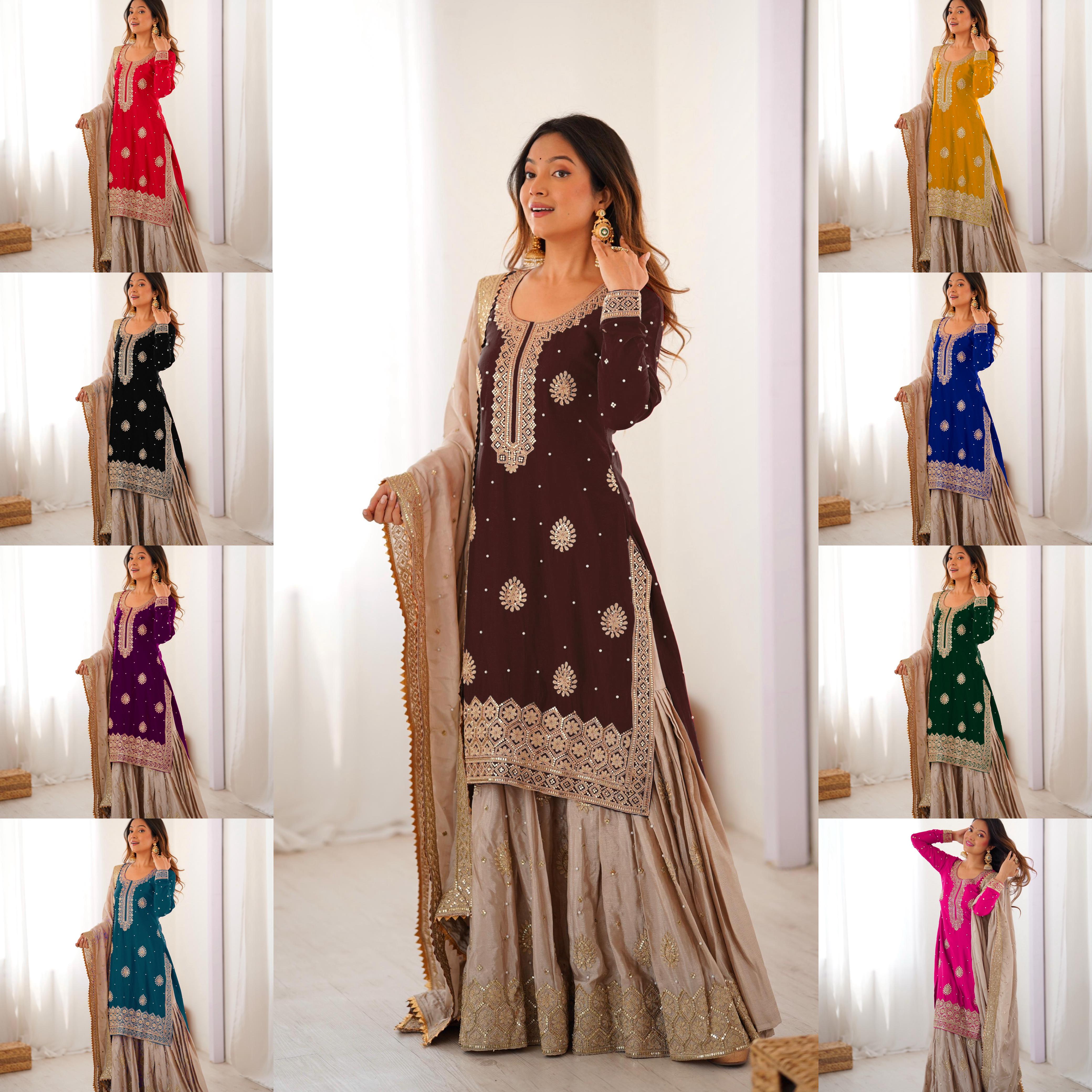
Brown Chinon Silk Sharara Suit Set for Women presents a different challenge because Chinon silk and sharara volume depend on fluid movement. Shortening the sharara too aggressively can change the flare and cause the lower layers to overlap differently. Waist adjustments should preserve the waistband's strength and the placement of any decorative panels.
What Should You Ask a Tailor Before Altering Ethnic Wear?
Ask the tailor what can be changed without cutting embroidery, how much seam allowance exists, where the new seam will sit and whether the finished garment can be returned to its original shape.
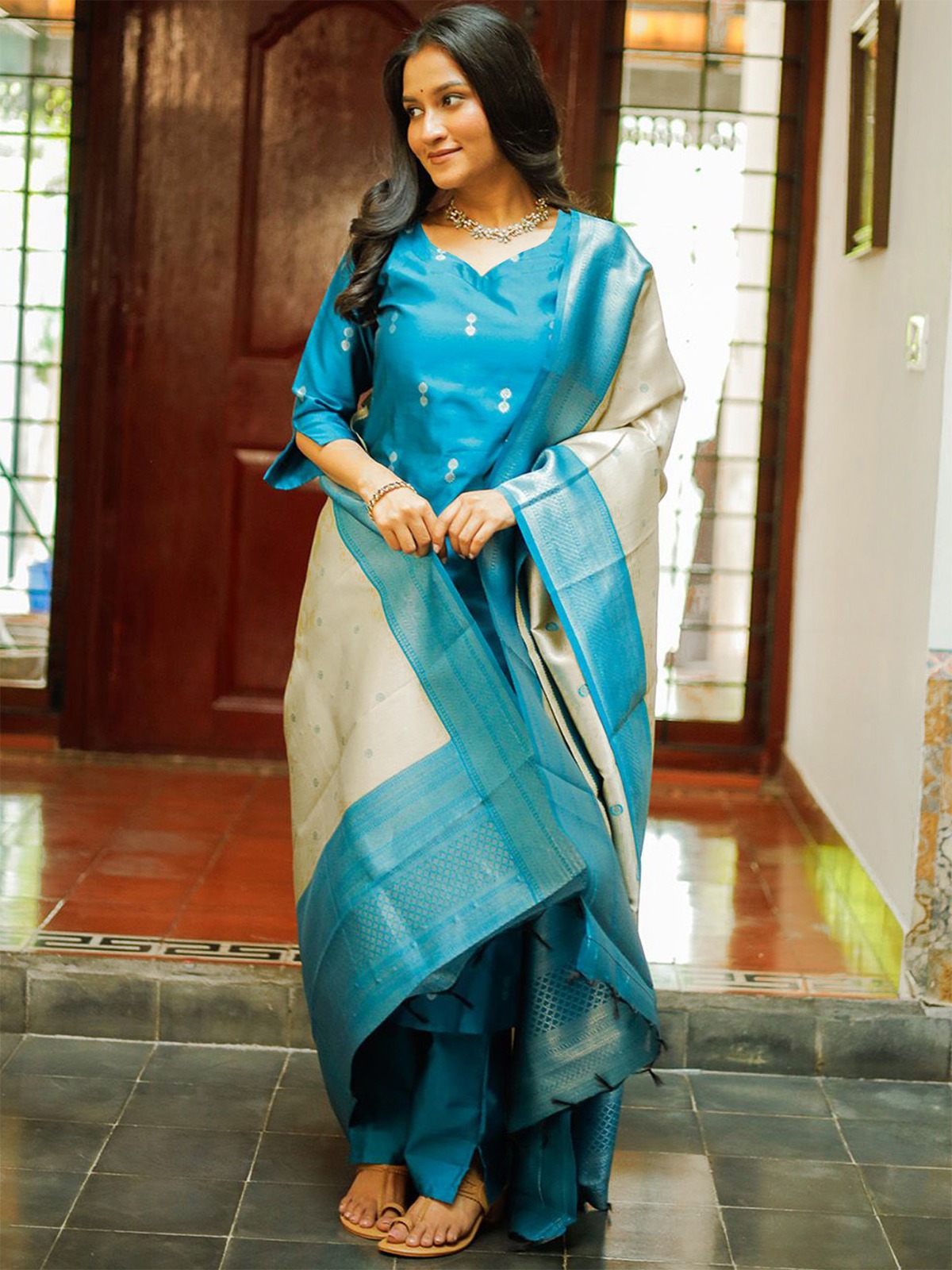
- Can you show me the alteration line? Request chalk or pin markings while wearing the garment, and check the proposed length with event footwear.
- How much fabric will you remove or add? A measurement in centimetres is more useful than a promise that the garment will become "fitted."
- Will the embroidery, zari or border be cut? If the answer is yes, ask whether the motif can be repositioned and whether the tailor has handled similar work.
- Will the lining be altered too? A shorter outer layer with a longer lining, or a tight lining inside a loose bodice, can make the finished garment uncomfortable.
- Can I have one fitting before final stitching? A basted fitting catches problems in shoulder width, bust ease, sleeve movement and hem level before the fabric is permanently cut.
Bring the footwear, undergarments and dupatta style you plan to use for the event. A kurta fitted over a camisole can feel different from the same kurta worn over a padded blouse. Event timing also matters: routine length or side-seam work may take 2 to 5 days, while embroidery repair, border reconstruction or a major redesign may require 1 to 3 weeks depending on the tailor's workload.
When Is Replacement Safer Than Alteration?
Replacement is safer when the garment is several sizes too small, when the shoulder and bust are both incorrect, or when alteration would cut through important embroidery.
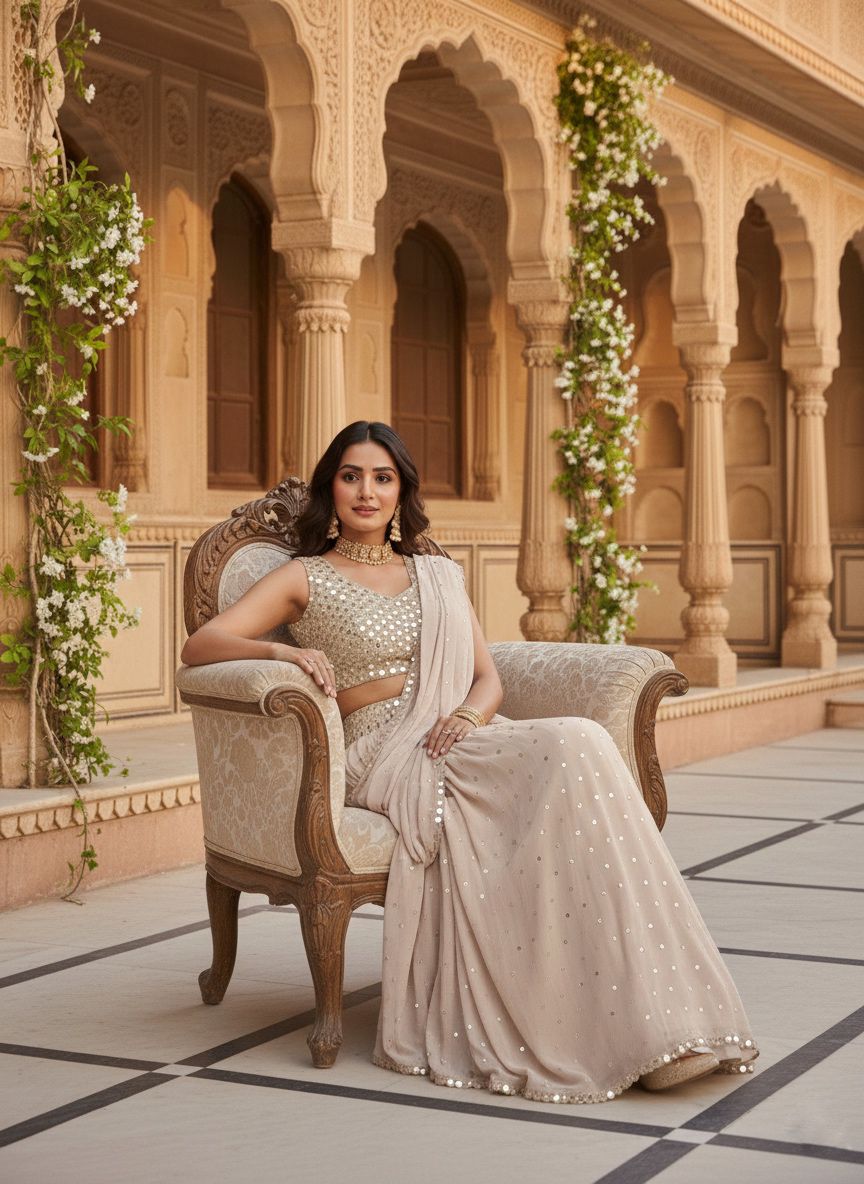
A garment that is only loose at the waist usually deserves an alteration. A garment that is tight across the shoulders, bust and hips may require so much reconstruction that the final result costs more and fits less reliably than a new size. The same applies to a gown whose bodice, waist seam and embroidery are all misaligned.
Elegant Sky Blue Woven Ethnic Suit Set may be a better candidate for precise length or side-seam work if the woven surface and decorative placement remain intact. Black Red Fendy Silk 3 Piece Readymade Salwar Suit Set may need a different approach if the kameez, salwar and dupatta have coordinated proportions that would be disrupted by a major change.
A good tailor should explain limitations before accepting the work. A refusal to cut a heavily embroidered shoulder or a warning that an exact colour match is unavailable often indicates professional judgment, not a lack of skill. The best alteration preserves comfort, movement and the visual logic of the original garment.
Common Questions About Ethnic Wear Alterations and Tailor Limits
Can a tailor make an ethnic kurta smaller without damaging it?
Yes, a tailor can usually make a kurta smaller through the side seams, darts or back seam when sufficient allowance exists. The tailor should check that the reduction does not tighten the bust, armhole or hip area and does not cut through embroidery.
Can an embroidered salwar suit be made larger?
An embroidered salwar suit can be made larger only if seam allowance or matching fabric is available. Side panels or gussets may work, but a colour, sheen or weave mismatch can remain visible, especially in silk or densely decorated fabric.
Is shortening a saree blouse or ethnic gown easy?
Shortening a plain hem is usually easy, but shortening a gown or blouse with a border, scalloped edge or embroidery requires more care. The tailor must preserve the motif placement, lining length and balance between the decorated sections.
Can a tailor alter the shoulders of a kurta?
A tailor can alter kurta shoulders, but the work is more complex than reducing the side seams. Shoulder changes may require resetting the sleeves and reshaping the armhole, so the garment should be basted and tested through movement before final stitching.
What should I do if my ethnic outfit is tight across the bust?
Ask the tailor to inspect darts, princess seams and side-seam allowance before cutting. If the garment is tight across the bust and shoulders with no usable allowance, choosing a larger size is usually safer than forcing a major alteration.
How early should I give embellished ethnic wear to a tailor?
Give routine alterations at least 2 to 5 days before wearing the outfit and allow 1 to 3 weeks for embroidery repair, border reconstruction or a major redesign. A final fitting should take place after the garment has been altered but before the event.


