

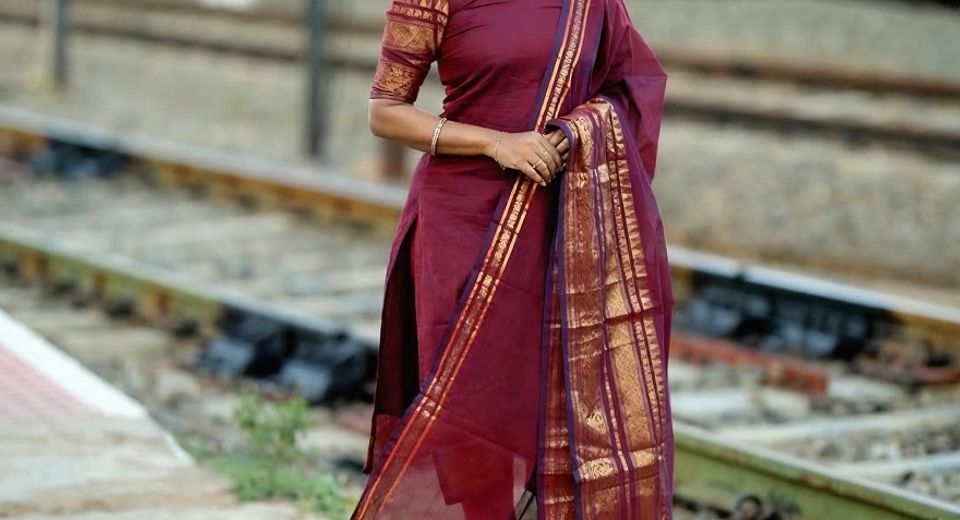
Modal Silk gives a kurti a smooth, fluid fall that feels lighter than many traditional silk garments. What Modal Kurtis Feel Like When to Wear Them and How to Care for Them depends on understanding the difference between surface softness, fabric weight, breathability and the finish applied to the cloth. A modal kurti can look polished enough for a family lunch while remaining comfortable for several hours of sitting, walking and travel.
Modal is a regenerated cellulose fibre made from wood pulp, usually beech or other hardwood, and Modal Silk generally refers to modal blended or finished to resemble silk rather than to pure silk fibre. The exact ratio varies by garment, so a care label remains more reliable than the name alone. Fabric construction, lining, embroidery and dyeing all affect the final feel.
What Does a Modal Silk Kurti Feel Like?
A Modal Silk kurti usually feels soft, cool and fluid against the skin, with a gentle sheen and less crispness than cotton or Chanderi.
The first sensation is often smoothness rather than slipperiness. Modal fibres absorb moisture better than many common synthetic fibres, which can make the fabric feel less clammy in moderate warmth. A silk-like finish adds a subtle glow, but a well-made Modal Silk kurti should not feel stiff or heavily coated.
Modal fabric also has a graceful drape. The hem tends to fall close to the body instead of standing away from it, and the fabric moves easily when the wearer walks. That movement makes Modal Silk suitable for straight kurtis, A-line silhouettes and kurti-pant sets. A lined garment will feel slightly more structured and may be more comfortable if the outer fabric is thin.
Modal Silk isn't identical to Banarasi silk, Kanjeevaram or Chanderi. Banarasi silk is recognised for brocade work and zari, Kanjeevaram for its dense silk body and contrast borders, while Chanderi is valued for its light, often translucent weave. Modal Silk usually offers a softer, more relaxed hand-feel and a lower-maintenance appearance, but it doesn't provide the same classic weave identity as those handloom fabrics.
How can you tell whether a modal kurti will feel lightweight?
A modal kurti will feel lightweight when the fabric has a fine weave, minimal lining and limited surface embroidery.
Product photographs can't reveal weight accurately, so check the garment measurements, lining details and close-up images before buying. A kurti with dense threadwork, mirror work, a heavy dupatta or multiple lining layers can feel substantially warmer than its outer fabric suggests. A plain straight kurti generally feels cooler than an embellished festive set made from a similar fibre.
When Should You Wear Modal Kurtis?
Modal kurtis work best for daytime gatherings, semi-formal office settings, festive lunches, travel and small celebrations where comfort matters alongside polish.
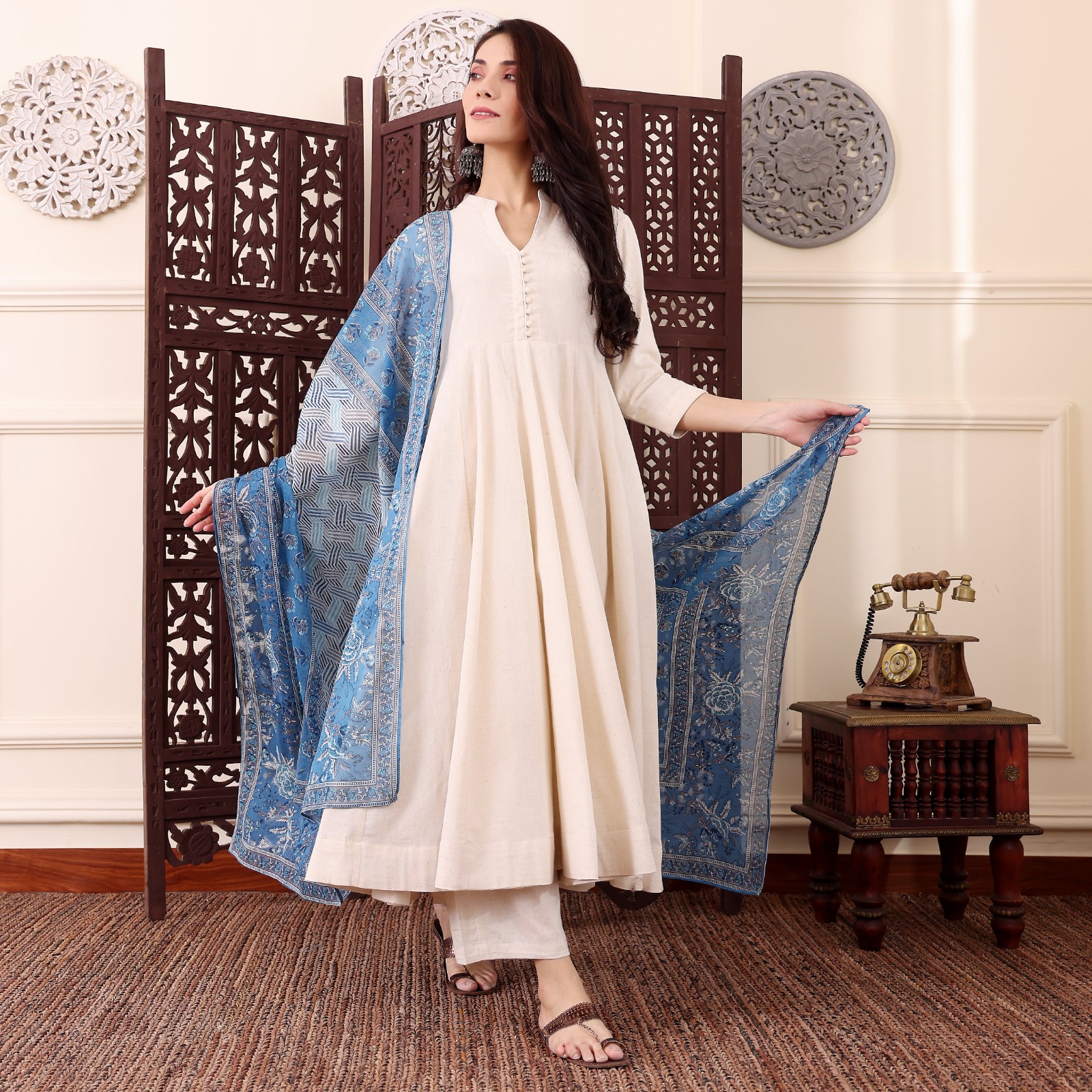
A soft Modal Silk kurti is particularly useful for events lasting three to six hours. The fabric can handle a seated lunch, a house visit or a modest cultural programme without the rigid feel of heavily starched cotton. Choose a lighter colour and restrained embellishment for daytime. Cream, teal, yellow and muted floral prints are easier to wear before evening than dense metallic decoration.
For a family lunch, a set such as Designer Cream Straight Kurti Set with Dupatta demonstrates why a clean silhouette works well. The straight cut creates a composed outline, while a dupatta adds a heritage layer without requiring the weight of a heavily embroidered lehenga.
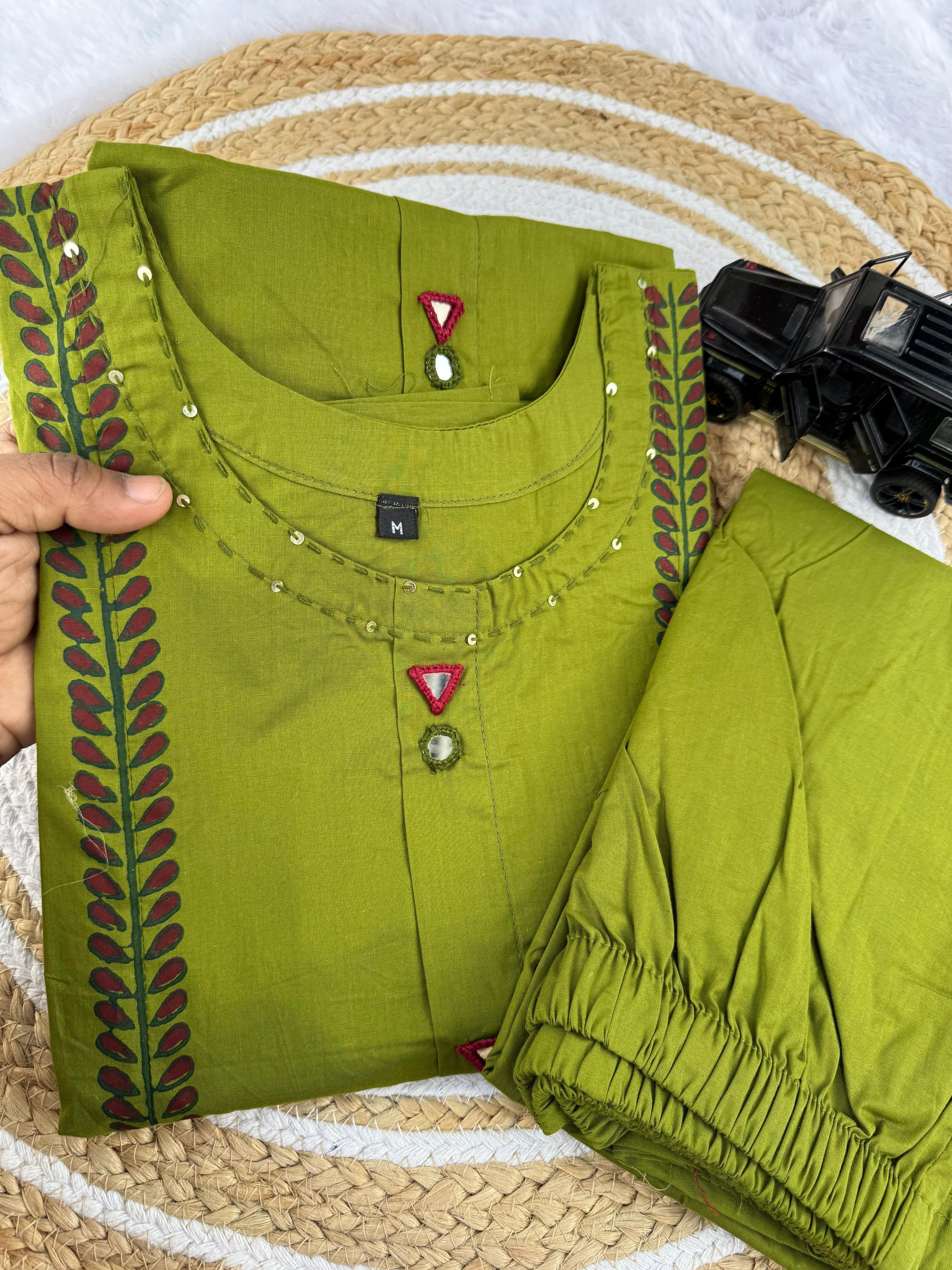
For casual Friday dressing or a college presentation, a cotton garment may be more practical than Modal Silk if you expect heat, repeated washing or extensive outdoor movement. Designer Cotton A-Line Kurti Pant Set with Mirror Work and Teal Cotton A-Line Kurti Pant Set with Handwork illustrate the difference: cotton brings a drier, more breathable feel, while modal usually brings smoother movement and a slightly dressier surface.
For a Haldi ceremony, choose a colour that photographs clearly and avoid a hem that drags on turmeric-stained floors. Classic Yellow Cotton Kurti Set with Woven Dupatta suits the cheerful colour language of a Haldi ceremony, while a modal set can work when the event is indoors and the wearer wants a more fluid finish.
Modal Silk is also appropriate for festive visits and informal evening dinners. Select a garment with zari, tonal embroidery or a richer dupatta when artificial lighting is part of the setting. A highly ornate set may be better reserved for a wedding function, especially if the modal base is delicate and likely to snag in a crowded venue.
How Do You Choose the Right Modal Kurti for Your Body and Routine?
The right modal kurti combines a comfortable shoulder fit, enough ease at the bust and a length that suits the wearer's height and footwear.
Fit and silhouette
A straight modal kurti gives a vertical line and pairs neatly with narrow trousers or cigarette pants. An A-line kurti creates more room around the hips and can feel easier during long periods of sitting. A flared or layered silhouette may need a heavier modal blend or inner lining so that the hem doesn't collapse unevenly.
Measure the bust, shoulder, armhole and full length rather than relying only on a familiar size. Modal fabric can skim the body, so a garment with no stretch should have at least 5 to 8 centimetres of ease at the fullest area for ordinary movement. Sleeves should allow the arm to bend without pulling across the upper back.
Choosing a dupatta
A lightweight dupatta keeps a modal kurti comfortable in warm weather, while a woven or embroidered dupatta makes the outfit more suitable for a festive gathering.
Pairing fabric weights matters. Cream Floral Print Kurti Pant Dupatta Set Online brings a coordinated printed approach, while Cream Embroidered Silk Kurti Pant with Designer Dupatta creates a more occasion-ready effect through surface detail. A heavy dupatta over a very fluid kurti can pull at the neckline, so check whether the kurti has a stable shoulder seam and adequate finishing.
Colour also changes perceived formality. Pastels, cream and small floral motifs usually read as daytime clothing. Jewel tones, dark grounds and metallic embroidery appear more evening-oriented. The relationship between colour, print scale and embellishment is more important than calling a garment casual or festive in isolation.
How Does Modal Silk Compare With Other Kurti Fabrics?
Modal Silk prioritises softness and drape, cotton prioritises absorbency and easy everyday wear, and Chanderi or silk blends prioritise a more distinctive woven or festive appearance.
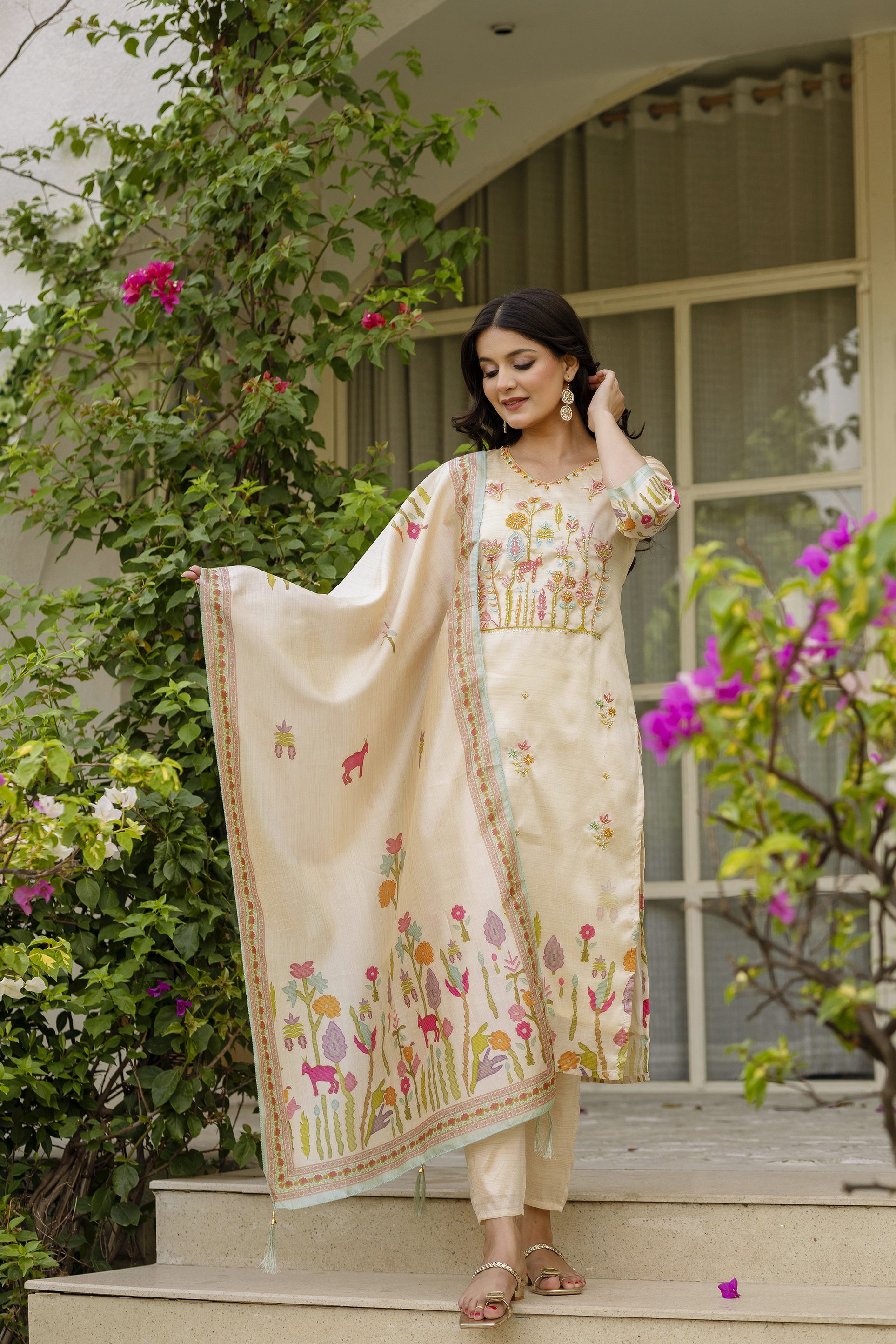
Cotton is usually the safer choice for very humid weather, frequent washing and long outdoor commutes. Cotton can feel crisp or dry and may crease more visibly, whereas Modal Silk tends to fall smoothly but may show pressure marks or water spots if handled carelessly.
Chanderi has a lighter, airier visual character and may include silk and zari details, but its delicate transparency and fine weave require careful styling. Cream Chanderi Silk Kurti Pant Dupatta Set for Women belongs to that more translucent, occasion-conscious category rather than behaving exactly like a modal set.
Time-honoured regional collections also provide useful points of comparison. Kalamkari Print Salwar Suits are recognised for narrative prints and richly coloured motifs. Maharashtra Paithani Inspired Salwar Suits borrow visual cues from Paithani borders and peacock or geometric designs. Punjab Phulkari Embroidered Salwar Suits use colourful embroidery as a central feature. These styles can be made in different fabrics, but their visual identity comes from print, border or embroidery rather than from a modal hand-feel alone.
Karnataka Silk Salwar Suits and Kashmir Embroidered Salwar Suits generally signal more specific festive or craft-led dressing. A modal kurti can borrow a similar palette or embroidery mood without having the same fibre, weave or regional construction. Checking the fabric composition prevents a shopper from expecting the weight and sheen of traditional silk from a modal garment.
How Should You Wash and Dry a Modal Kurti?
Hand washing in cool water with a mild detergent is the safest general method for a Modal Silk kurti unless the care label specifically permits machine washing.
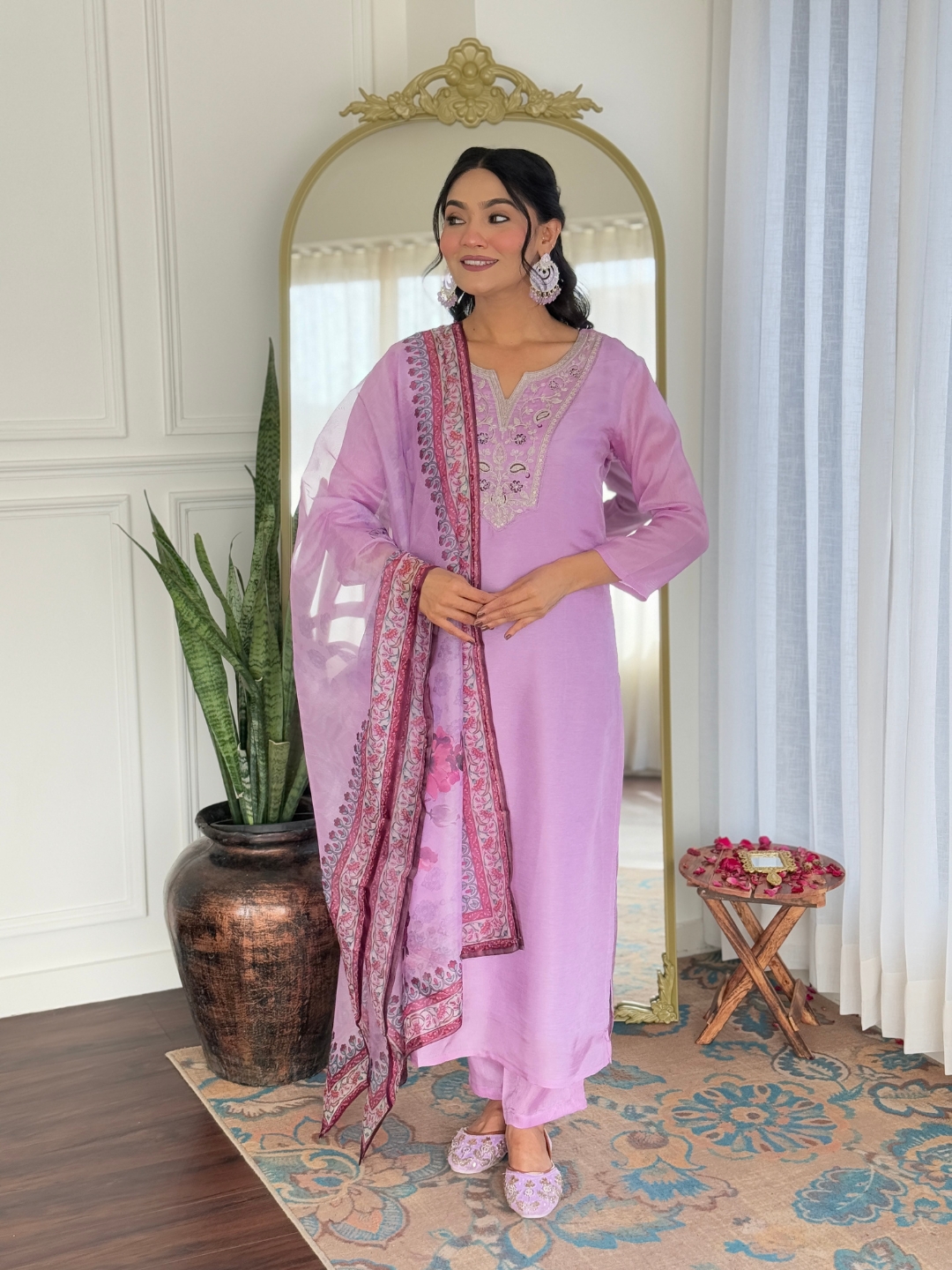
Test colourfastness on an inside seam with a damp white cloth before the first wash, especially for deep teal, mustard, red or heavily printed garments. Fill a basin with cool water, dissolve a small amount of mild liquid detergent, and immerse the kurti for no more than five minutes. Move the garment gently through the water instead of rubbing the surface.
Rinse until the water runs clear, then support the full garment while lifting it from the basin. Do not twist, wring or pull the neckline. Press the kurti between clean towels to remove excess water. A towel press is safer than hanging a saturated garment because wet modal can stretch under its own weight.
Dry the kurti flat or on a broad padded hanger in shade with good airflow. Direct sunlight can fade dyes and may weaken or dull surface finishes over time. Avoid radiators, hair dryers and high-heat tumble drying. Heat can shrink some modal constructions and can distort attached embellishments.
Machine washing is acceptable only when the label permits it. Use a cold, delicate cycle inside a mesh laundry bag, keep the spin speed low and wash the garment separately from rough denim, towels and garments with hooks. Never use chlorine bleach. Fabric softener is usually unnecessary because modal is already soft and residue can reduce absorbency.
How should you treat stains on Modal Silk?
Fresh stains should be blotted gently with cool water and a clean cloth rather than scrubbed.
Oil, turmeric, lipstick and food stains may require professional cleaning because home solvents can create a pale ring or disturb the dye. Do not apply lemon juice, baking soda or undiluted detergent to a coloured modal kurti. Embroidery, zari and mirror work can react differently from the base fabric, so a specialist cleaner is safer for an expensive or heavily embellished garment.
How Do You Iron and Store Modal Kurtis?
Iron a Modal Silk kurti inside out on the lowest suitable heat, preferably while the fabric is slightly damp.
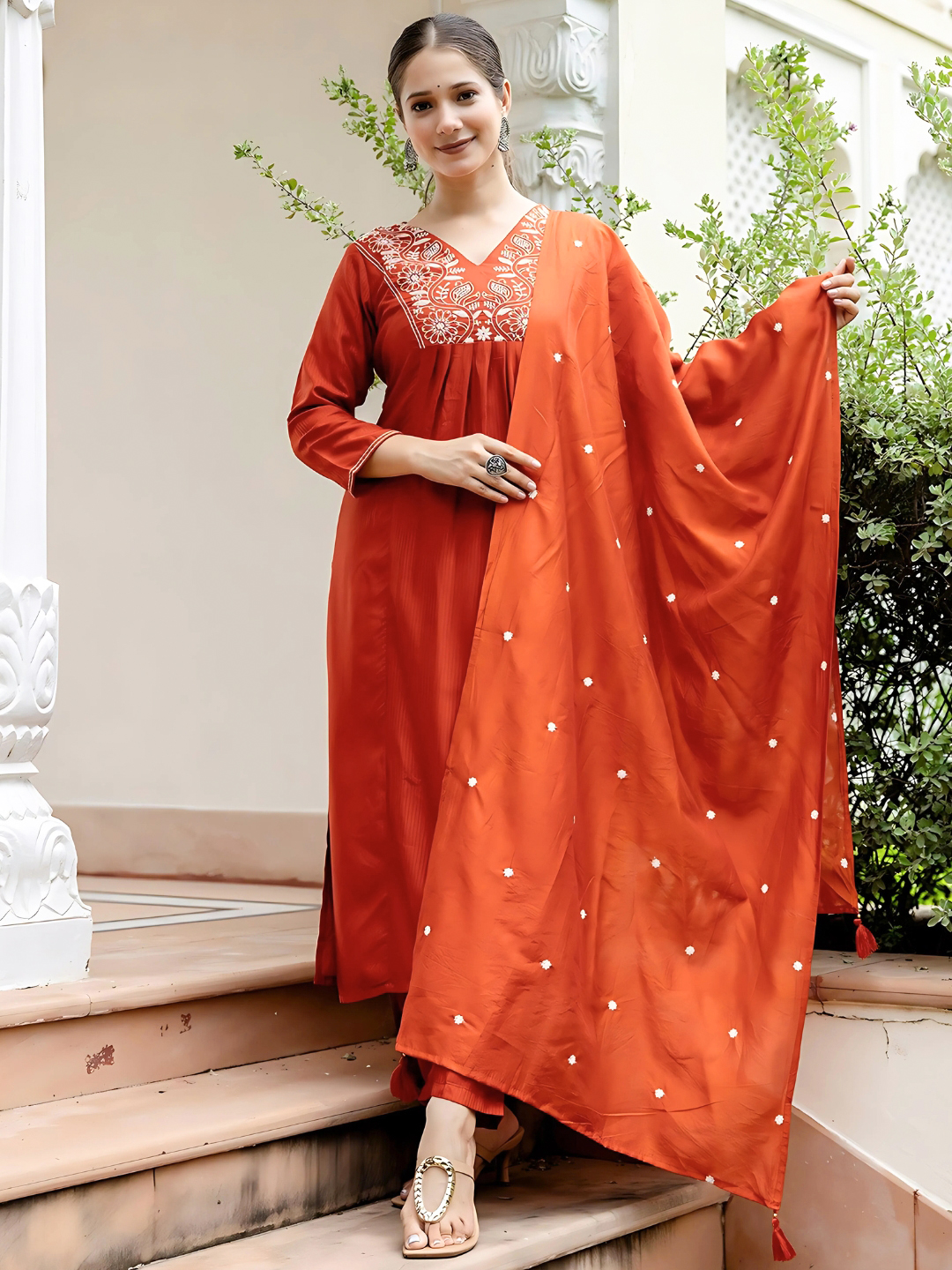
Place a thin cotton pressing cloth between the iron and the kurti, particularly over embroidery, printed areas and zari. Keep the iron moving rather than leaving it in one place. A garment steamer can remove light creases, but hold the steamer several centimetres away and avoid saturating the fabric with steam.
Store a clean, completely dry modal kurti folded in a breathable cotton bag or on a broad hanger. Narrow wire hangers can leave shoulder points, and long-term hanging may stretch a fluid garment. Fold embellished pieces with tissue paper between heavy embroidery, mirrors or metallic thread so that one area doesn't rub against another.
Keep the garment away from damp walls, strong perfume, direct sunlight and unlined wooden surfaces that may transfer colour. Air the storage space every few weeks during humid weather. Never store a worn kurti without washing or airing it first because body oils and perspiration can attract insects and create permanent odours.
What Should You Check Before Buying a Modal Kurti?
Before buying a modal kurti, verify the fibre composition, measurements, lining, embellishment method, wash instructions and return condition.
- Composition: Check whether the garment is modal, a modal-silk blend, or another fabric described with a silk-like finish.
- Measurements: Compare bust, shoulder, sleeve and length measurements with a well-fitting garment you already own.
- Transparency: Hold pale colours up to light if possible, and check whether a lining is included.
- Embellishment: Look for secure thread ends, firmly attached mirrors and embroidery that doesn't pull the base fabric.
- Colour: Remember that screens can make cream, mustard and teal appear brighter or cooler than they look in daylight.
- Care: A garment requiring dry cleaning deserves a different budget and maintenance routine from a washable daily kurti.
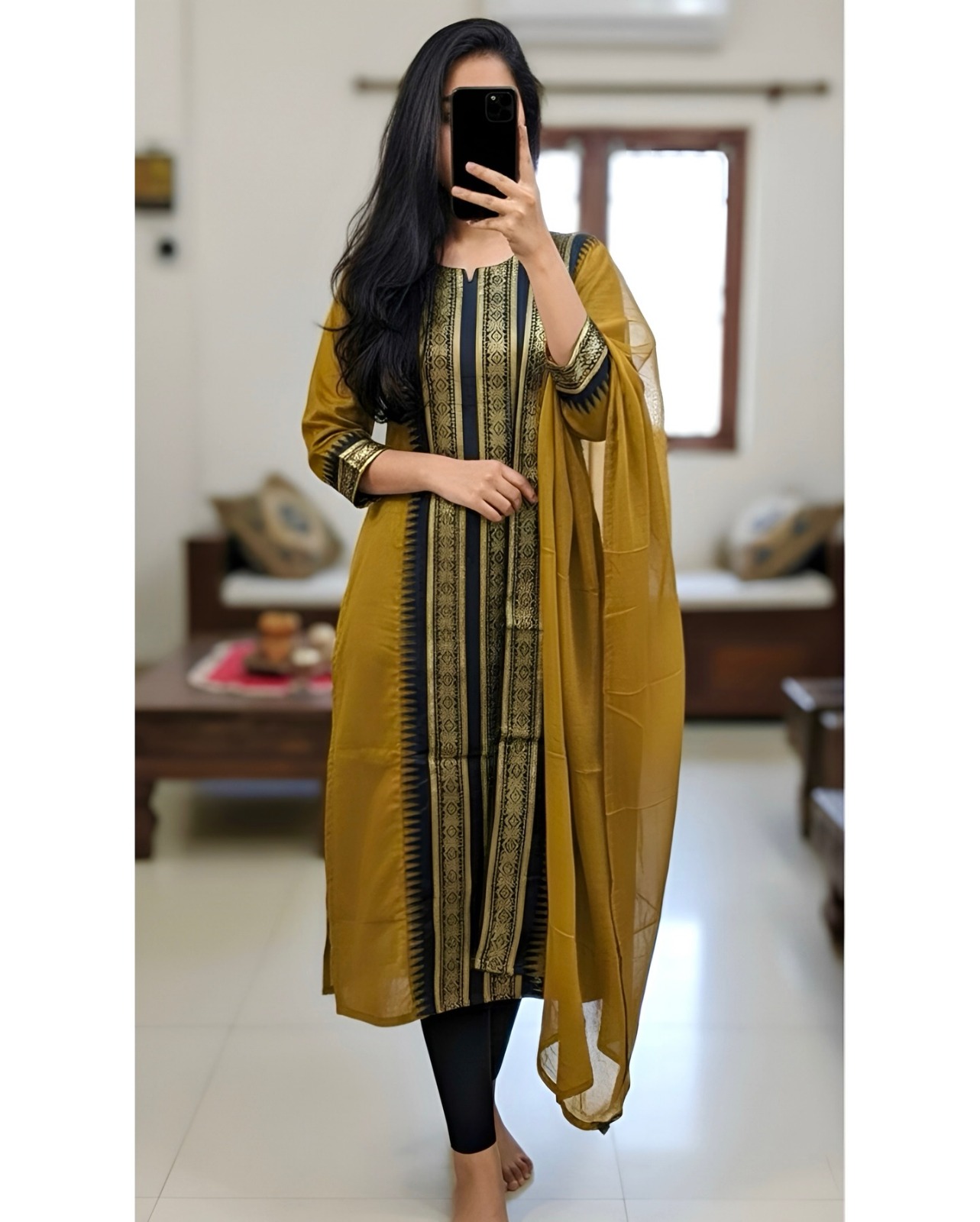
Mustard Designer Kurti Dupatta Set with Rich Weaving, for example, should be assessed not only for colour but also for how the woven dupatta changes full weight and care needs. A modal kurti becomes a better long-term purchase when the fabric, construction and washing instructions match the wearer's genuine routine.
What Modal Kurtis Feel Like When to Wear Them and How to Care for Them in Daily Practice
The most reliable way to enjoy a modal kurti is to match its softness and drape with the right activity, then protect the fibre from heat, friction and rough washing.
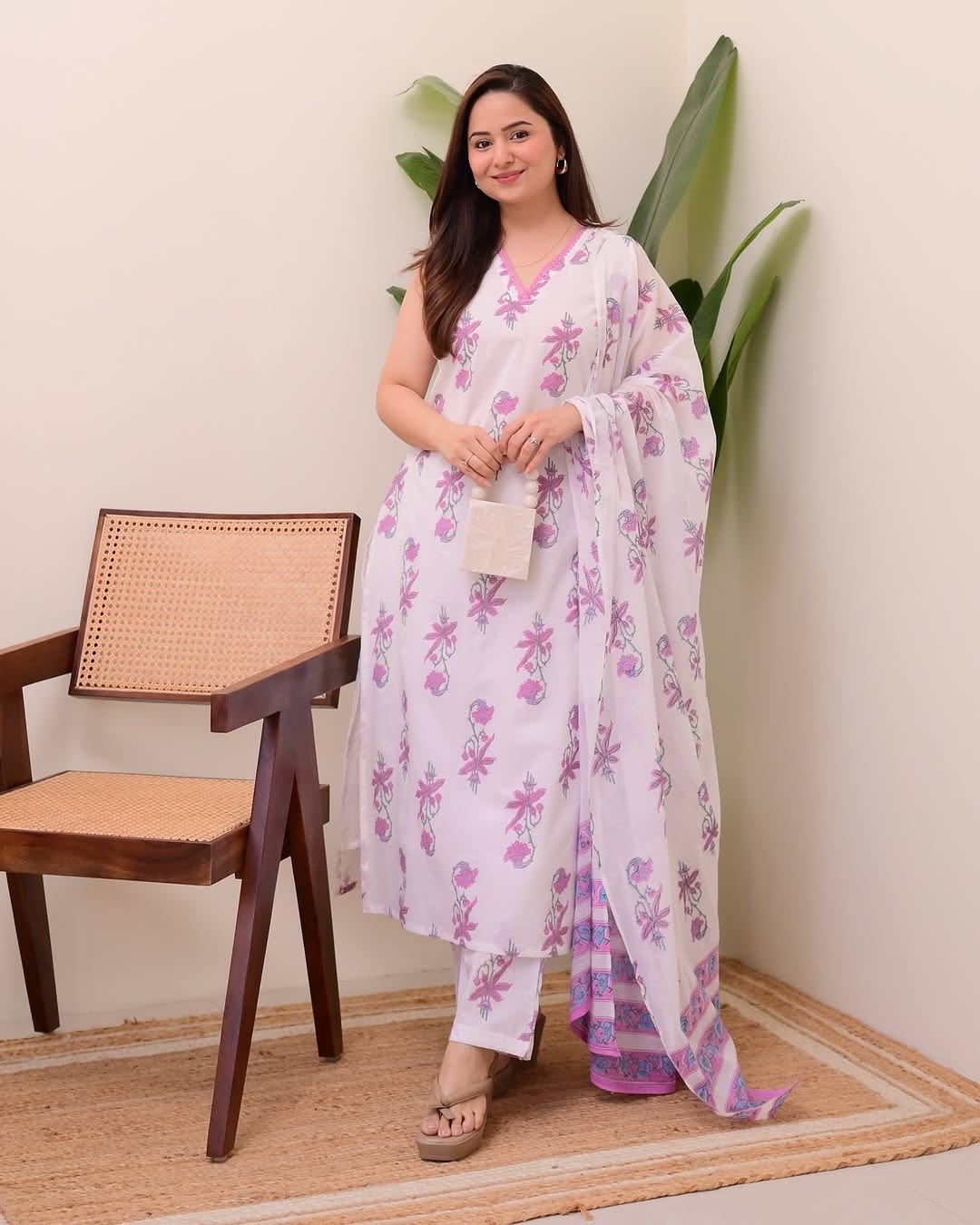
Wear lighter, less embellished sets for daytime movement and travel, choose lined or richly detailed designs for festive gatherings, and allow extra ease where the fabric has little stretch. Wash cool, dry in shade, iron inside out and store the garment clean and dry. Those simple choices preserve the smooth fall that makes Modal Silk attractive while preventing avoidable stretching, fading and surface damage.
Common Questions About Wearing and Caring for Modal Kurtis
Are Modal Silk kurtis suitable for summer?
Modal Silk kurtis can be comfortable in warm weather because modal is soft and can manage moisture better than many synthetic fibres. Cotton may be a better choice for very humid outdoor conditions, while a lightweight, unlined modal kurti works well for air-conditioned offices and daytime gatherings.
Can I wash a Modal Silk kurti in a washing machine?
Machine washing is safe only when the care label allows it. Use a cold delicate cycle, a mesh bag and low spin; otherwise, hand wash briefly in cool water with mild detergent.
Do Modal Silk kurtis shrink after washing?
Some modal garments can shrink or lose shape when exposed to hot water, high heat or aggressive spinning. Cool washing, towel pressing and shade drying reduce that risk, but the garment's fibre blend and finishing determine the actual result.
What should I wear with a Modal Silk kurti for a Haldi ceremony?
Pair a Modal Silk kurti with comfortable straight pants, a breathable dupatta and low, secure footwear for a Haldi ceremony. Yellow, cream, coral and green work well visually, but avoid delicate trailing hems and fabrics that are difficult to clean if turmeric is likely to splash.
Is Modal Silk the same as Banarasi silk or Chanderi silk?
Modal Silk is not the same as Banarasi silk or Chanderi silk. Modal describes a regenerated cellulose fibre, while Banarasi silk is associated with brocade and zari weaving and Chanderi is known for a fine, lightweight weave that may combine silk, cotton and zari.
How do I stop a modal kurti from losing its shape?
Prevent shape loss by avoiding wringing, high heat and narrow hangers. Press excess water in a towel, dry the kurti flat or on a broad padded hanger, and store heavily embellished garments folded with tissue between the decorated surfaces.


