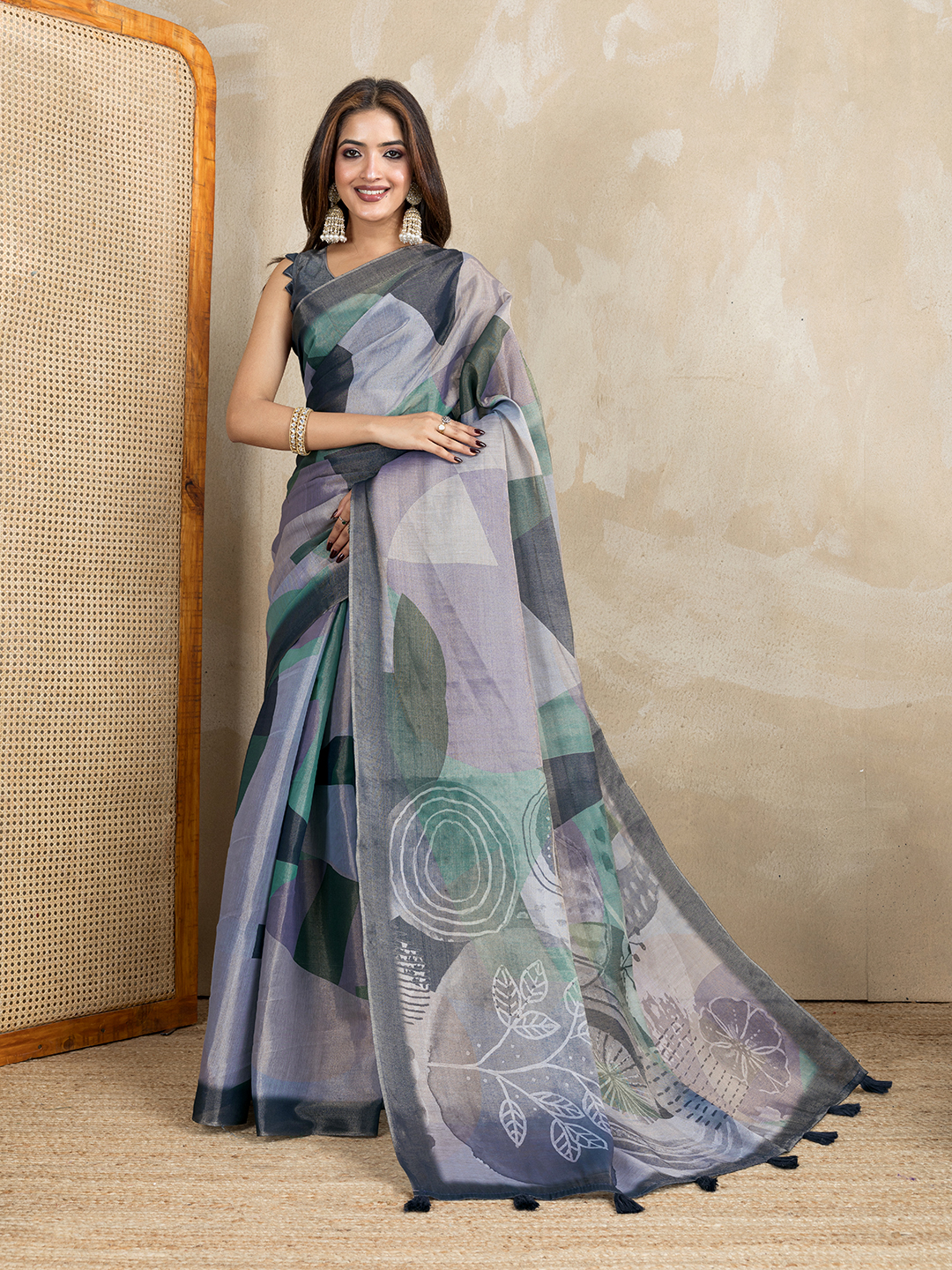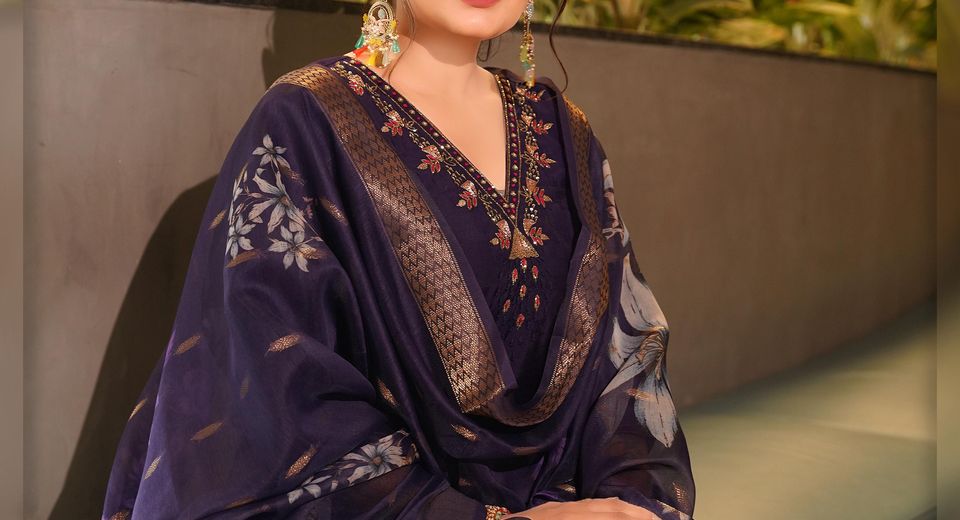
What Makes Embroidered Kurtis Scratchy From the Inside usually comes down to construction rather than the embroidery pattern itself. Cut thread ends, metallic zari, rough backing, stiff interfacing and bulky seams can rub against the skin when a kurti moves. Knowing which component causes the irritation helps you choose a comfortable salwar suit and fix a garment you already own.
A beautifully embroidered salwar suit can still feel unpleasant around the neck, underarms, waist or wrists. The problem is particularly noticeable when the garment is worn over a camisole, during long festive events, or in warm weather when perspiration increases friction. A quick inside-out inspection often reveals more than judging the surface design alone.
What Makes Embroidered Kurtis Scratchy From the Inside?
Embroidered kurtis feel scratchy when hard or unfinished materials sit between the skin and the outer fabric. The most common sources are loose thread tails, zari and sequins, embroidery backing, seam allowances and stiff synthetic interlinings.
Machine embroidery creates hundreds or thousands of needle penetrations. If the underside isn't trimmed and secured properly, short thread ends can behave like tiny bristles. Dense motifs also create raised areas that press against the body, especially on fitted sleeves, the bust and the side seams.
Metallic zari can cause a sharper sensation because its surface is less flexible than cotton or rayon thread. Zari may contain a metallic-looking wrapping around a thread core, and repeated movement can make exposed edges feel coarse. Sequins create a similar issue when their holes or reverse sides touch the skin.
Some garments use a stabiliser or backing beneath the embroidery. A soft cotton backing can reduce irritation, while a stiff adhesive-backed sheet may feel papery, warm or abrasive. The backing becomes more noticeable after washing if it wrinkles, cracks or separates from the fabric.
Which Parts of a Kurti Usually Rub the Most?
The neckline, armholes, sleeve hems, side seams and waist area usually produce the most rubbing because these zones experience repeated movement and pressure.
Neckline and front panel
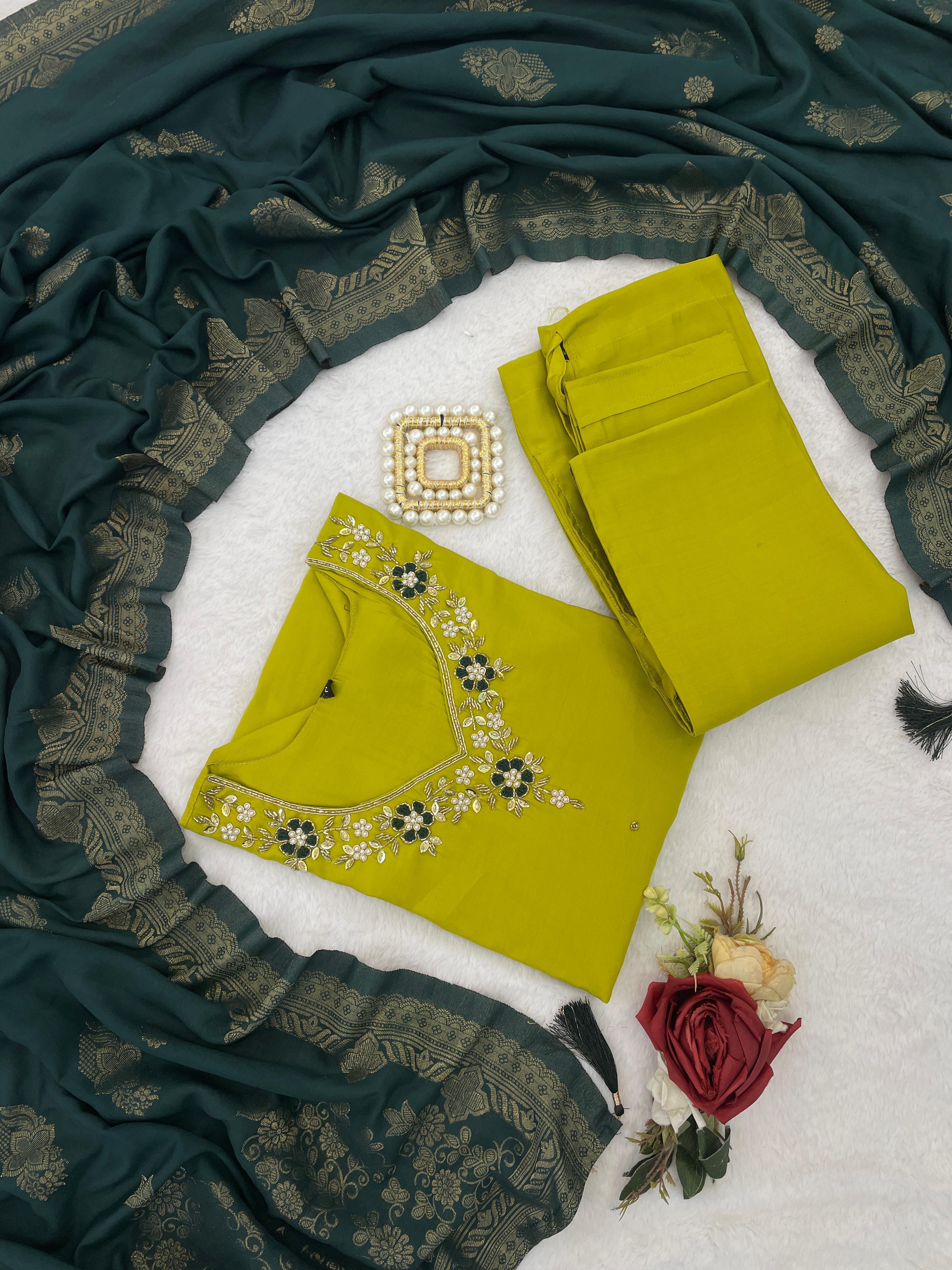
A heavily embroidered neckline can irritate the collarbone because the edge stays in contact with the skin as the wearer turns or bends. Dense embroidery placed close to a V-neck or round neck can also make the fabric less flexible, causing the border to press inward.
Armholes and sleeves
Armholes often feel scratchy when embroidery, seam allowances and sleeve lining meet in a narrow area. Sweaty skin increases friction under the arms, so even mildly rough thread ends can become uncomfortable within an hour.
Waist and side seams
The waist and side seams rub when a straight kurti is close-fitting or when a dupatta is pinned tightly across the torso. A seam with bulky embroidery crossing it can create a ridge that becomes more irritating while sitting.
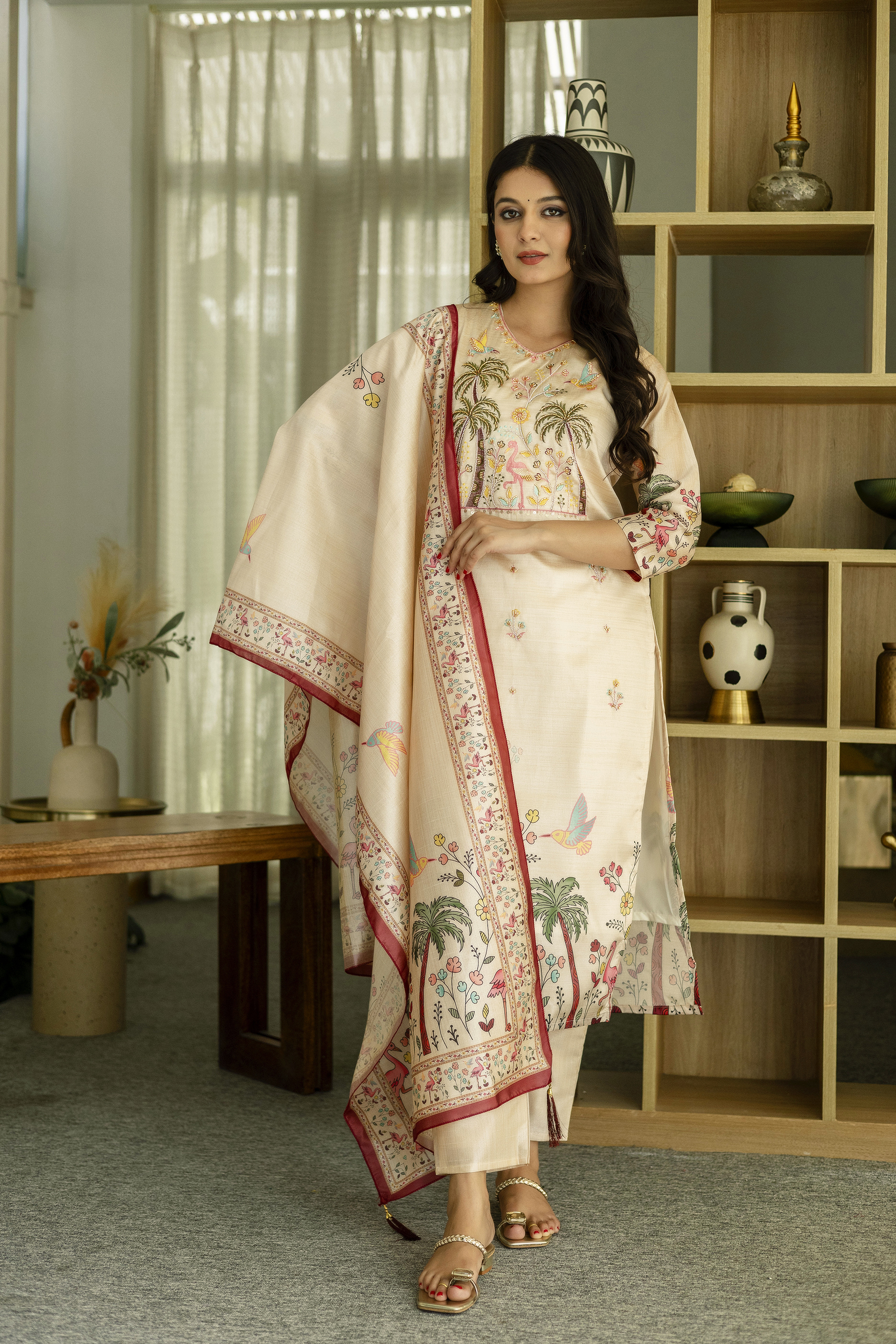
Garments such as the Cream Embroidered Silk Kurti Pant with Designer Dupatta and Cream Silk Embroidered Kurti Pant with Printed Dupatta illustrate why fabric choice matters. Silk can feel smooth against the skin, but dense embroidery or a firm seam can still create local roughness. A smooth outer fabric doesn't automatically mean a smooth inner surface.
How Do Thread, Zari and Embroidery Backings Affect Comfort?
Thread material, stitch density and underside finishing determine whether embroidery feels soft or abrasive against the body.
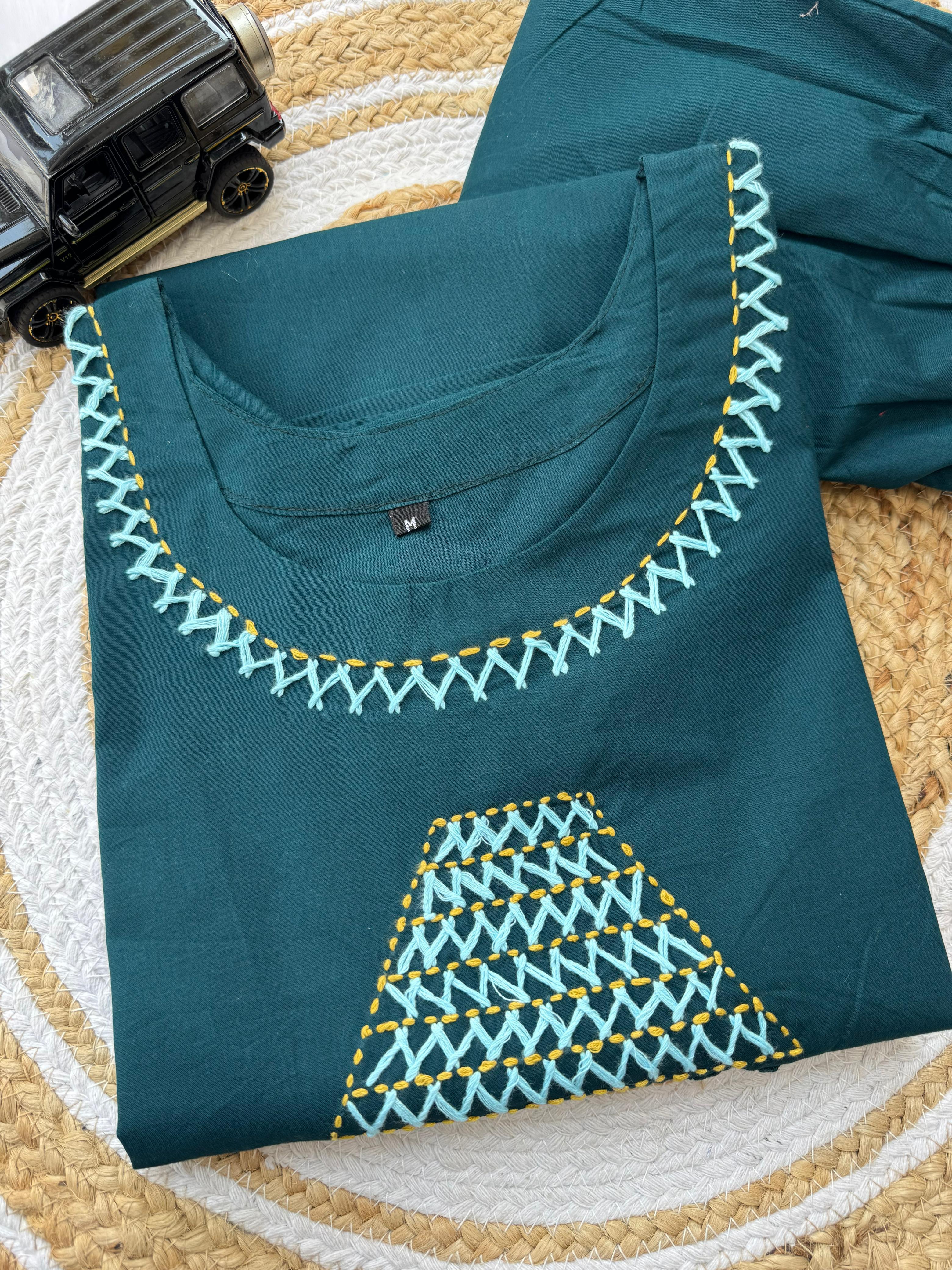
Cotton embroidery thread generally feels less sharp than exposed metallic thread, although cotton can still irritate if it's densely stitched or poorly trimmed. Rayon thread has a smooth sheen, but its cut ends may remain stiff until the garment is washed and pressed correctly. Polyester thread is durable and colourfast, yet loose polyester tails can feel wiry.
Zari requires closer inspection. A zari border can be comfortable when the reverse is covered or neatly finished, but exposed metallic stitches may catch on skin, hair or delicate inner layers. A small sample area should be rubbed gently with a fingertip before purchase. A sharp snagging sensation is a warning sign, not a feature that normal wear will always remove.
Embroidery backing has three useful functions: it supports the fabric, prevents puckering and protects the underside. The best backing is secure, flexible and cut close to the motif without leaving hard edges. A loose backing that curls after washing can become more irritating than the original embroidery.
The Cream Embroidered Chanderi Kurti Pant Dupatta Set is a useful example of why a lightweight fabric needs careful handling. Chanderi can feel airy and elegant, but a heavy motif or uncovered reverse may be more noticeable on a delicate, lightweight base than on a thick cotton fabric.
Can Washing Make an Embroidered Kurti Less Scratchy?
Gentle washing can reduce loose fibres and soften some fabrics, but washing can't remove sharp zari, badly trimmed threads or a rigid backing.
Read the care label before treating an embroidered salwar suit. For cotton, rayon and washable blends, turn the kurti inside out, place it in a mesh bag and use cold water with a mild liquid detergent. Avoid strong enzyme detergents, chlorine bleach and vigorous rubbing over the embroidered panel.
don't wring a wet embroidered kurti. Press out excess water with a clean towel and dry the garment flat or on a broad hanger away from direct midday sunlight. High heat can harden adhesive backing, distort rayon and make certain decorative threads brittle.
Steam can relax a fabric surface, but an iron should never press directly over zari, sequins or raised embroidery. Place a thin cotton cloth over the reverse or use low heat from the wrong side. A test on an inside hem is safer than applying heat to the front motif.
A soft cotton camisole is often the simplest immediate solution. A full-coverage inner layer reduces direct contact without changing the embroidered garment. The inner layer should fit smoothly; a loose, wrinkled camisole can create more friction around the armhole.
How Can You Check Comfort Before Buying a Readymade Salwar Suit?
Check the reverse side, seam finish and fabric movement before judging the colour or embroidery design of a readymade salwar suit.
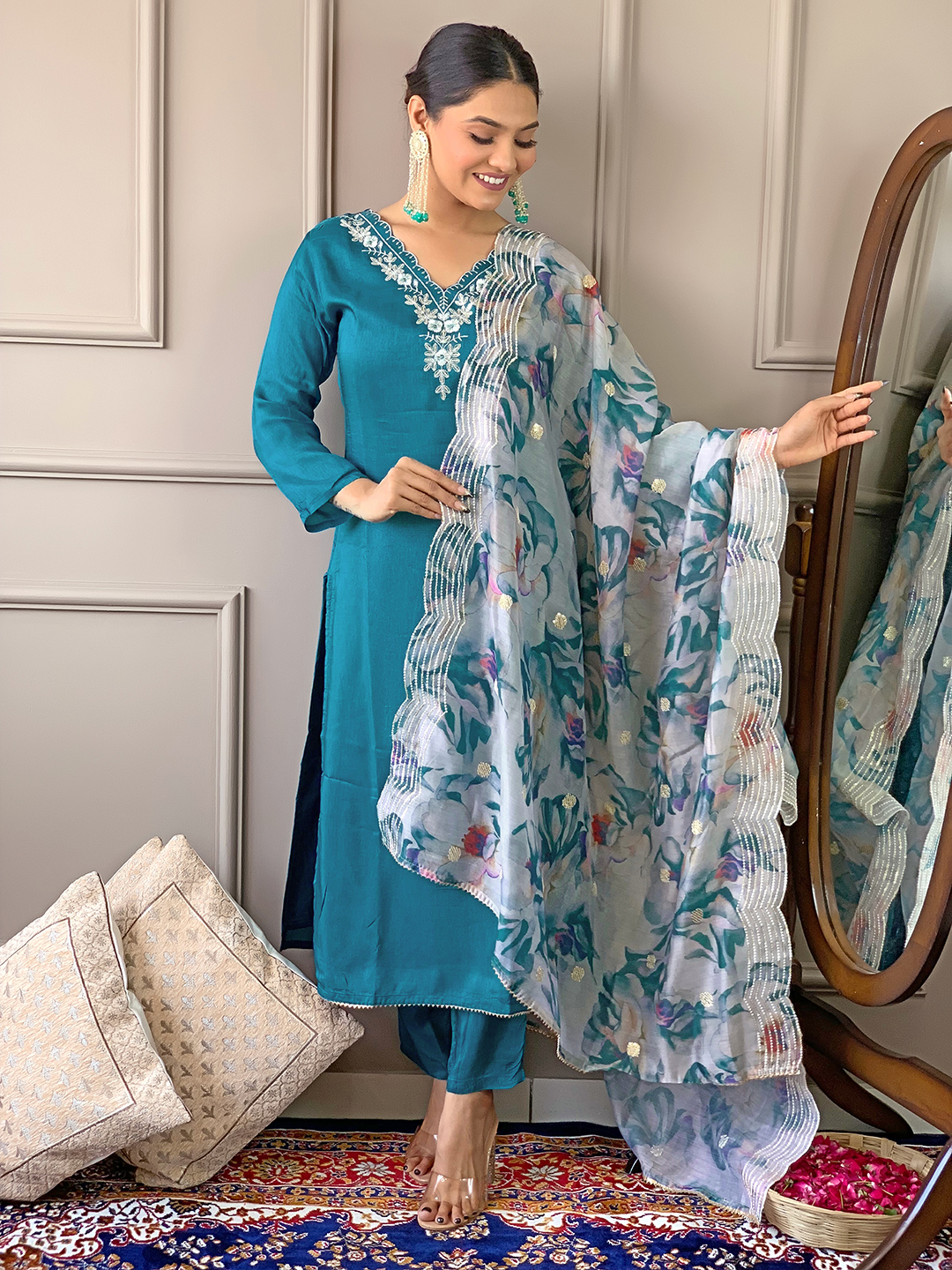
- Inspect the reverse: Look for trimmed thread tails, exposed knots, jagged backing and sharp metallic elements. A tidy reverse is one of the strongest practical indicators of comfort.
- Test the sensitive zones: Rub the inside neckline, armhole and sleeve hem lightly against the inside of your wrist. Wrist skin is more sensitive than the palm and can reveal roughness quickly.
- Assess flexibility: Fold the embroidered panel and release it. If the area remains stiff or crackles, the backing may be rigid or adhesive-coated.
- Check seam bulk: Run two fingers along the side seam and waist. Raised embroidery crossing a seam deserves extra attention because pressure increases when you sit.
- Consider the base fabric: Cotton salwar suits are usually practical for warm daytime wear, while silk, Chanderi and rayon may suit different levels of drape and occasion use. Fabric softness and embroidery comfort should be assessed separately.
- Match the garment to the event: A breathable cotton set is often more comfortable for several hours than a densely embellished party outfit. A Salwar Suit women party wear choice may prioritise decoration, but a formal salwar suit ladies wear for a full workday needs low-friction construction as well.
The Red Cotton Embroidered Kurta Pant Dupatta Set Women shows why fibre content is important when comparing designs. Cotton can be a sensible choice for warm conditions, but the embroidery underside, neckline finish and seam construction still decide how the garment feels.
The Purple Embroidered Rayon Kurti Pant Dupatta Set and Purple Embroidered Kurti Pant with Dupatta Online also demonstrate the value of checking drape alongside surface decoration. Rayon tends to fall smoothly, but a smooth drape can't compensate for rough thread ends inside the neckline or cuffs.
Which Embroidered Styles Are More Comfortable for Different Occasions?
The most comfortable style depends on contact area, wearing time, weather and how densely the embroidery is distributed.
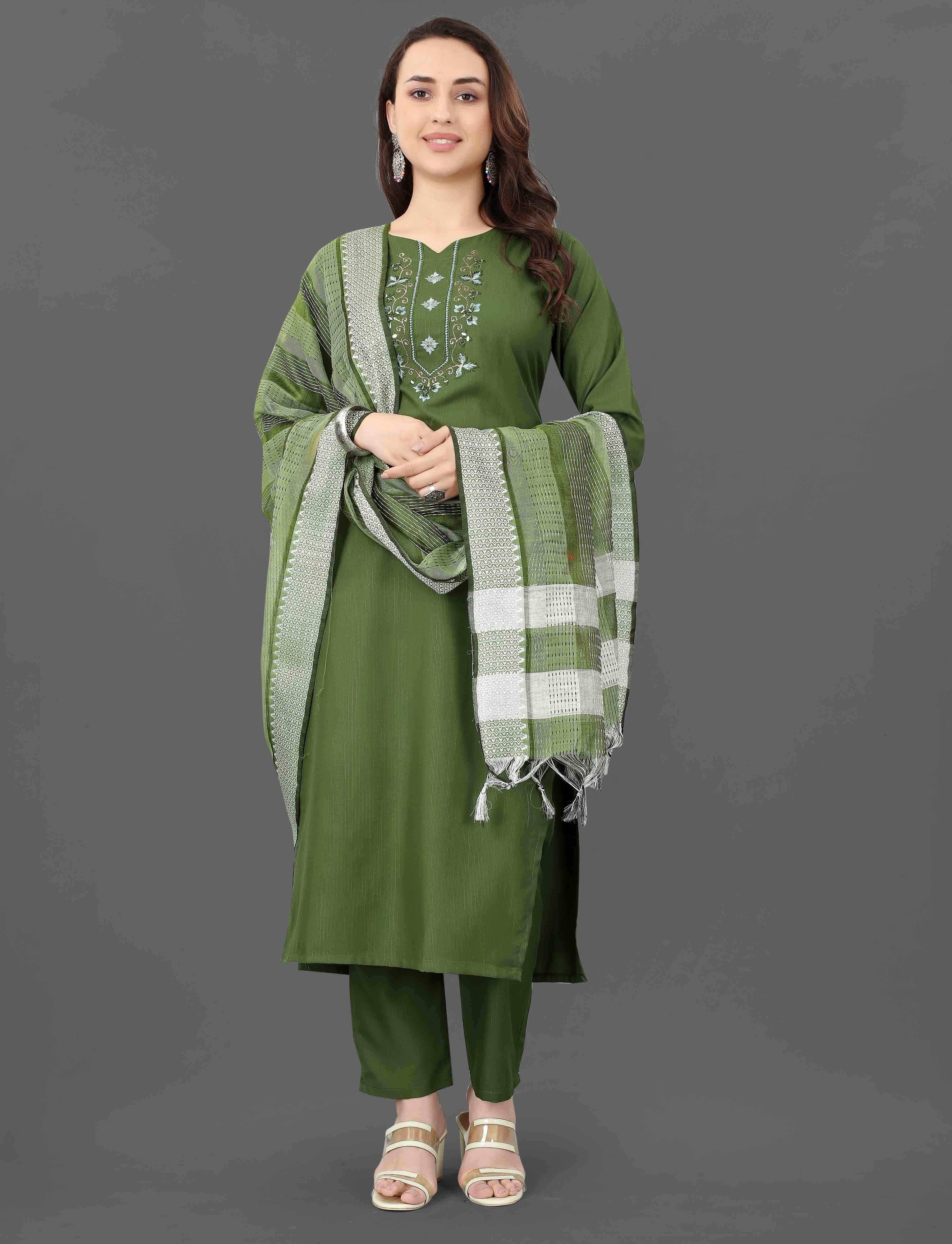
For office wear, choose a straight kurti with embroidery concentrated on the yoke or outer border rather than across the underarm and side seam. A lighter motif, soft lining and moderate ease make long sitting periods more comfortable. A Designer Cream Straight Kurti Set with Dupatta can work for a polished daytime wardrobe when the neckline and armholes are finished smoothly.
For a Haldi ceremony or daytime family gathering, cotton and breathable blends are usually easier to wear in warm conditions. Yellow turmeric, movement and outdoor heat make scratch prevention especially useful because damp skin reacts more quickly to rough surfaces.
For evening celebrations, silk and Chanderi can provide structure and sheen, while a separate camisole protects sensitive skin. The Cream Embroidered Silk Kurti Pant with Designer Dupatta is better evaluated by examining the reverse of its decorative areas rather than assuming silk alone guarantees comfort.
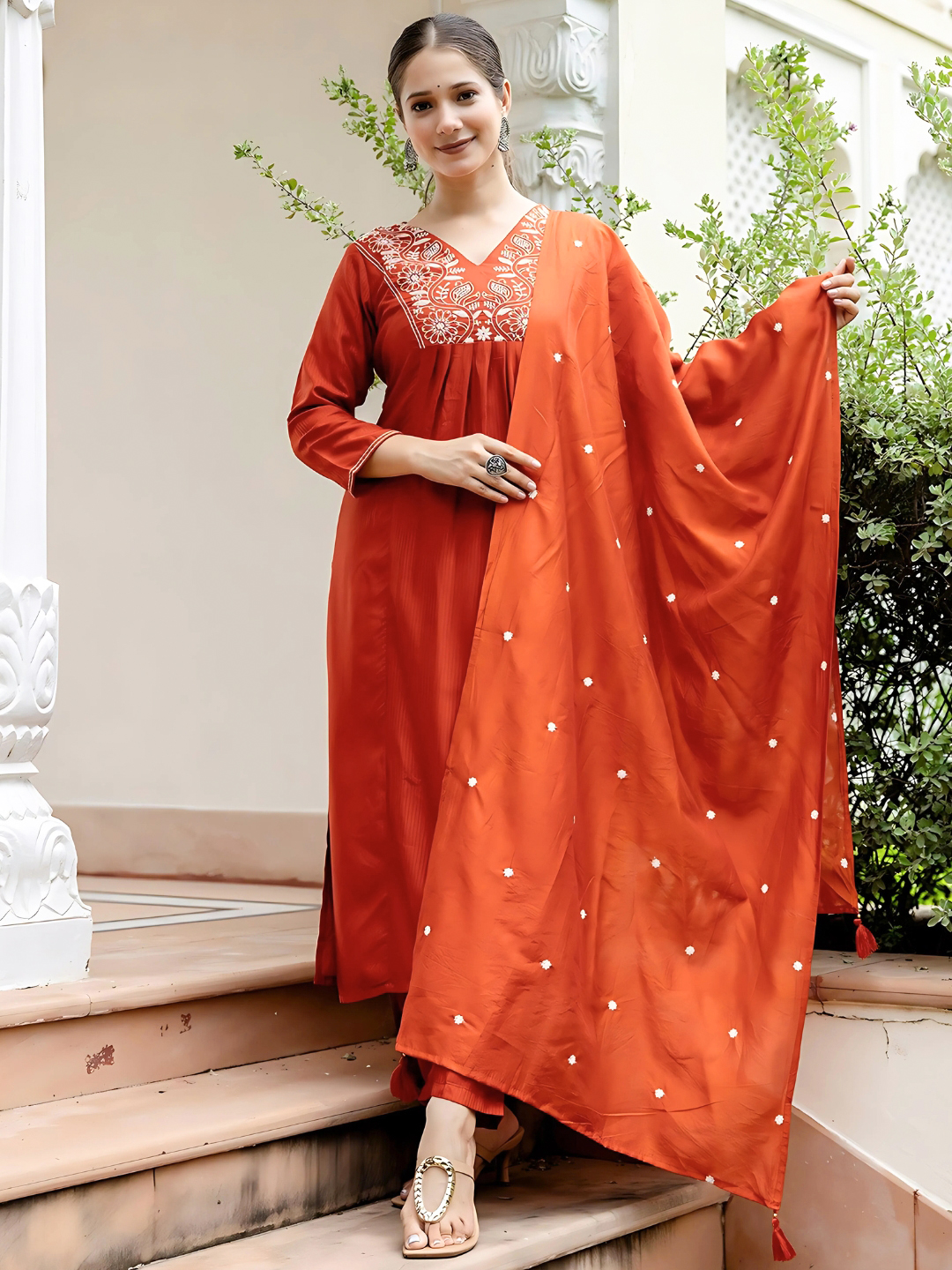
For travel or repeated use, choose readymade salwar suits with simple maintenance requirements and embroidery that doesn't cover every high-friction zone. The Rust Embroidered Kurti Pant Dupatta Set Online offers another reminder that colour and motif placement should be considered together with the base fabric and inside finish.
Regional embroidery traditions also use different visual densities and surface treatments. Punjab Phulkari Embroidered Salwar Suits may feature prominent threadwork, Kashmir Embroidered Salwar Suits can use detailed motifs, Hyderabad Embroidered Salwar Suits may emphasise ornate surface decoration, Delhi Chikankari Embroidered Salwar Suits often rely on delicate-looking texture. Lucknow Chikankari Embroidered Salwar Suits are associated with fine tonal needlework. These names describe design traditions, not a guarantee that every garment will feel identical inside; construction still needs to be checked piece by piece.
What Can You Do If an Embroidered Kurti Is Already Scratchy?
A scratchy kurti can often be made more wearable by protecting the skin, securing loose threads and reducing pressure at the rubbing points.
First, identify the exact area rather than applying a treatment to the entire garment. Mark the irritating spot with a removable fabric clip, then inspect the reverse. A tailor can trim unsecured tails and cover a rough section with a narrow, soft lining strip. Cutting decorative stitches from the front without professional guidance may damage the motif.
A soft cotton facing can be added behind a neckline or cuff. The facing should be attached with small, flexible stitches that don't pull the outer fabric. A tailor can also flatten a bulky seam allowance or replace a stiff synthetic lining with a smoother cotton blend where the garment design permits.
Fabric adhesive should be used cautiously. Some glues dry into hard patches, bleed through silk or weaken during washing. Adhesive tape isn't a dependable permanent repair for an embroidered kurti because heat, sweat and laundering can loosen its edges.
don't use fabric softener as a universal cure. Fabric softener may leave residue, reduce absorbency in cotton and affect zari or special finishes. Professional dry cleaning is safer for heavily embellished silk garments, but the cleaner should be told that skin irritation is the concern so the reverse and decorative components receive appropriate handling.
Comfort should be part of the buying decision for every salwar suit, whether the garment is a daily cotton set, a formal outfit, a trending suits ladies style or a festive readymade salwar suit. The most attractive embroidery is easier to enjoy when thread ends are secure, backing is flexible and seams are finished with the wearer's skin in mind.
Common Questions About Comfortable Embroidered Kurtis
Which salwar suit is trending now?
Straight kurti sets with pants, coordinated dupattas, Chanderi textures, rayon drape and regional embroidery remain popular choices. Comfort depends less on the trend name than on breathable fabric, manageable embroidery density and a smooth reverse finish.
Where can I buy women's suit sets online in India?
Women's suit sets are available through brand websites and established fashion marketplaces that provide fabric details, garment measurements and care instructions. Before ordering, check the return measurements and examine product images for neckline, seam and embroidery-back details when those images are available.
What is the best app for buying ladies suits?
The best shopping app is the one that provides reliable measurements, clear fabric information, customer support and a practical exchange process. App popularity alone cannot confirm that an embroidered kurti will feel comfortable, because scratchiness depends on construction details that may not appear in a product title.
Which brand is best for ladies suits?
The best brand is one that consistently explains fabric composition, sizing, care and embroidery construction while offering dependable quality control. Buyers should compare the reverse finish, seam placement and customer feedback about comfort instead of relying only on brand recognition.
How can I stop an embroidered kurti from itching?
Wear a smooth cotton camisole, wash washable garments inside out with mild detergent and ask a tailor to trim loose threads or add a soft facing. Do not cut zari or dense embroidery yourself, because removing structural stitches can damage the design.
Are cotton salwar suits less scratchy than silk embroidered kurtis?
Cotton salwar suits often feel cooler and more breathable, but cotton does not automatically prevent scratching. An embroidered cotton kurti with rough thread tails can irritate more than a silk kurti with a properly covered reverse, so fibre and construction should be assessed together.